15 Scents That Help Deter Deer In Your New York Garden (And 5 That Invite Them In)
Deer may have trimmed your tulip bed while you slept. Across New York, white-tailed deer sample gardens overnight.
You will find their tracks pressed into soft soil. Their noses detect food from surprising distances, far beyond your own reach.
Specific scents turn that gift into a useful tool. Garlic, pungent egg spray, and fresh mint encourage them to leave.
Strongly scented soap hung near beds may bother them too. Meanwhile, apples, corn, and clover roll out an invitation.
Plant them near your border and you serve dinner. Fresh scent choices decide whether you host guests or protect your harvest.
Rotate your deterrents often, because those clever animals adapt fast. Rain washes sprays away, so you must reapply after storms.
Winter appetite makes browsing bolder across New York suburbs. Your prized tomatoes benefit from a layered plan pairing scent with sturdy fencing.
Garlic Cloves Tucked Into Autumn Soil
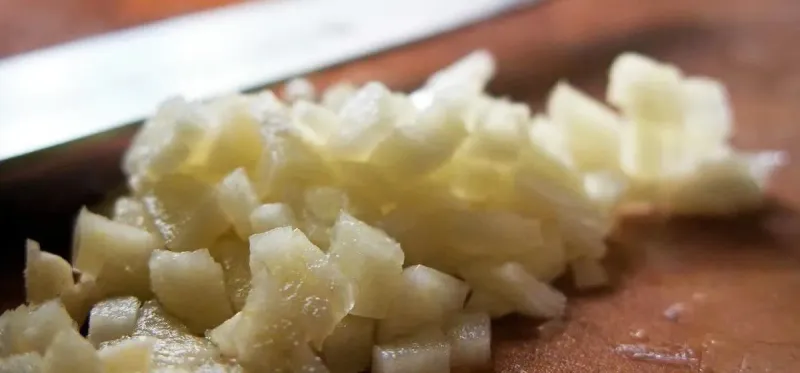
Garlic bothers more than a few dinner guests. Deer find its strong, sulfur smell so sharp that many simply turn around.
Plant garlic cloves around your beds this October, since fall is a good time to get them in the ground. They will sprout by spring and help protect your crops while they grow.
You can also blend a few cloves with water and spray it on leaves. Reapply after rain, because the smell washes off faster than you might expect in soggy New York weather. Peel fresh cloves and tuck them into pots for added protection on your patio.
Peppermint Pots Near Tender Plants
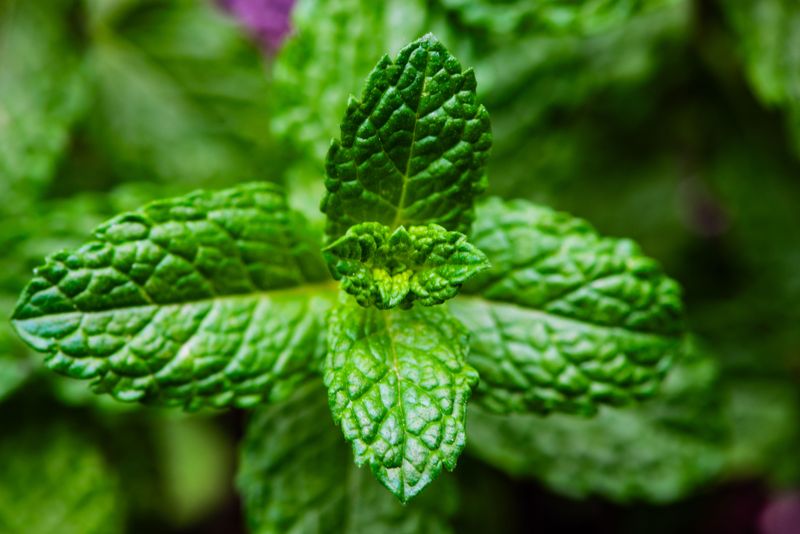
Brush your hand across a mint leaf and your fingers smell cool for an hour. Deer get that same burst, and they do not enjoy it one bit.
Peppermint grows fast and spreads like gossip, so plant it in pots or buried containers. Set those pots near the tender plants deer love best, like lettuce or tulips.
Peppermint oil works too when mixed with water and a drop of dish soap. Spray it on fences and stakes, and your yard will smell pleasantly minty. Crush a few leaves once a week to release a fresh wave of aroma.
Lavender Borders Along Walkways
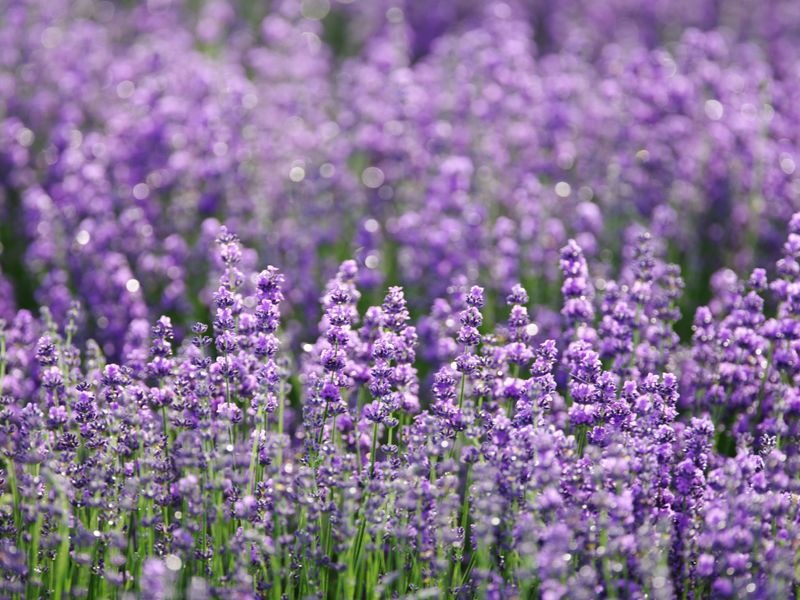
Lavender smells like a cozy spa to us, but deer find it way too perfumed. Its fuzzy, oily leaves also taste bitter, which doubles the turnoff.
Hardy types like Munstead and Hidcote handle winters across much of New York when planted in sunny, well-drained spots. Line your walkways with them, and you get a fragrant purple border.
Trim old flower stems after bloom, and keep the soil sandy and well drained. Avoid heavy wet mulch, though, because lavender sulks when its roots sit in soggy soil. Bees adore the blooms, so your pollinator corner benefits while deer wander elsewhere.
Rosemary In Movable Pots
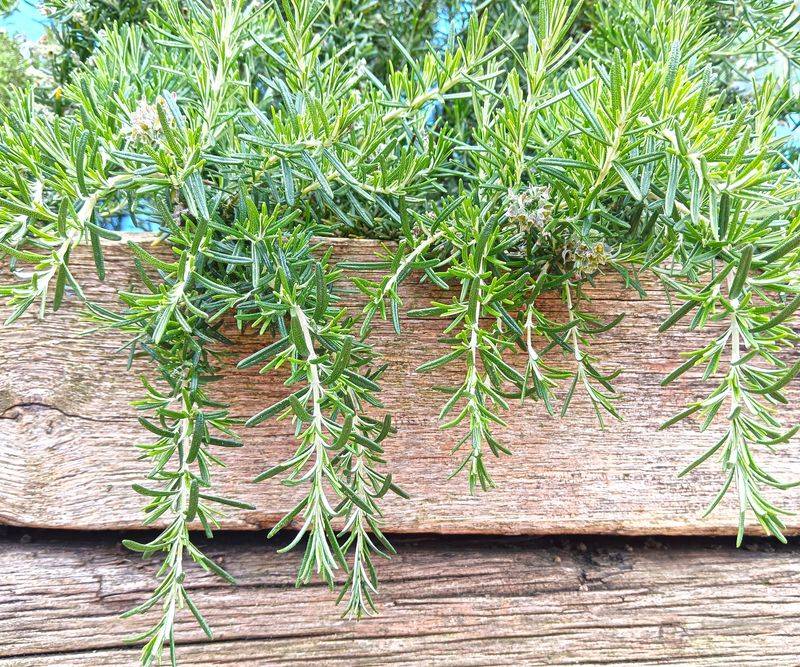
Ever roasted a chicken with rosemary and smelled it for hours? Deer notice that piney scent too, and many would rather snack somewhere quieter.
Rosemary does not love chilly New York winters, so growing it in pots makes life easier. Keep pots outside near your veggies through summer and early fall.
Your New York Garden Changes Every Week. Your Plan Should Too.
Gardening in New York changes quickly throughout the season. Every Friday you’ll receive a simple weekly plan showing exactly what to plant, prune, fertilize, harvest, and protect so you never miss the right timing.
Bring them indoors to a sunny window before your first hard freeze, usually between October and November.
Your kitchen gains a fresh herb supply, and next spring the pots return to guard duty. Trim sprigs often for the kitchen, since pruning encourages fuller, more fragrant growth.
Cayenne Spray With A Spicy Kick

One sniff of cayenne can make your eyes water and your nose tingle. Deer have much more sensitive noses, so pepper spray feels intense to them.
Mix two tablespoons of hot sauce or cayenne powder with a gallon of water. Add a squirt of dish soap so the mixture sticks to leaves longer.
Wear gloves and keep the spray far from your face while you work. Pepper-based sprays are a favorite among New York gardeners because they are cheap and easy to make. Reapply after storms and test a small leaf first to confirm it tolerates the mix.
Egg Mixture For Shrubs And Flowers

Few people want their yard to smell like a science fair experiment. Yet pungent eggs are among the strongest deer signals you can find.
Deer link that sulfur smell with trouble, which sends them elsewhere. Blend two raw eggs with a gallon of water and let it sit for a day.
Spray it on shrubs and flower beds, not on veggies you plan to eat soon. Many store-bought repellents use dried egg too, so the smelly trick is well tested. Store leftover mixture in a sealed jar away from your patio and porch.
Perfumed Soap Cubes On Fence Posts
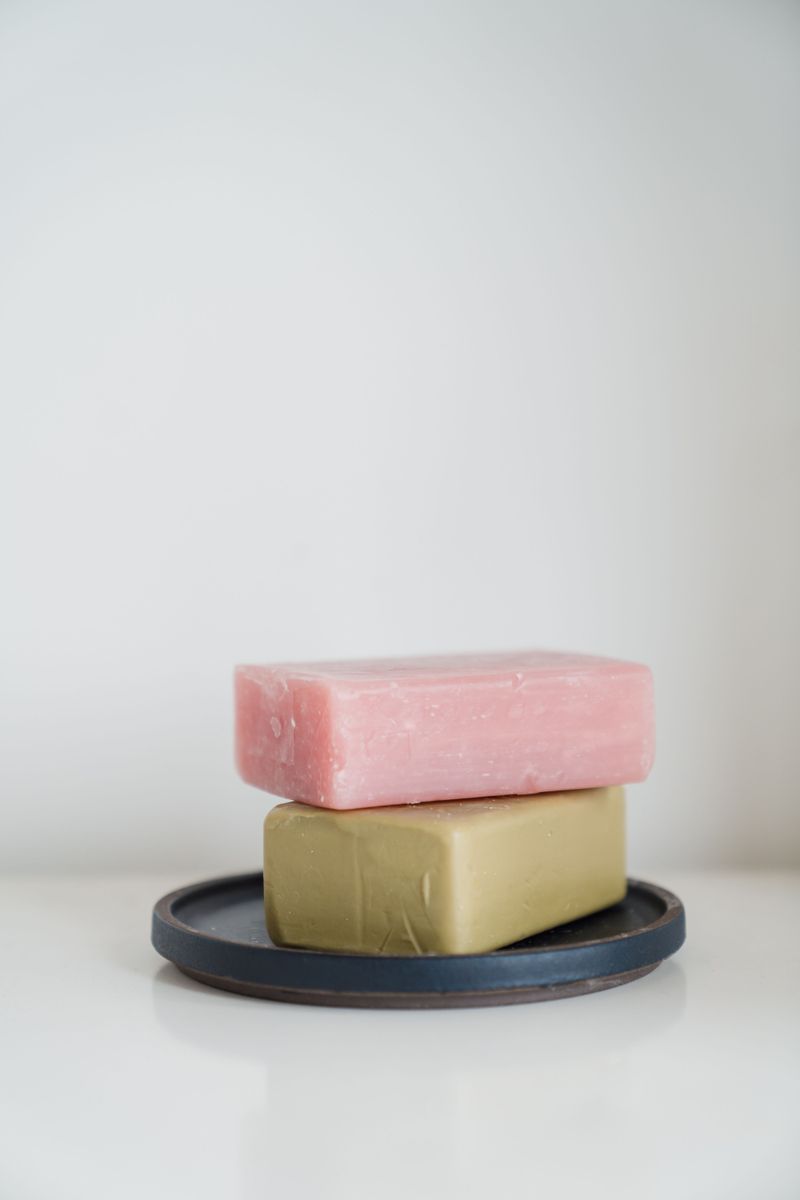
Grandma had a strange garden habit that some gardeners swear by. She hung chunks of strongly scented bar soap from her fence posts.
Deer often avoid heavily perfumed soaps, especially ones with a strong, sharp, outdoorsy smell. Cut bars into cubes, drill a hole, and hang them on string about three feet high.
Space the soap pieces about ten feet apart around your beds for good coverage. Swap them out once they shrink or lose their smell, usually after a few weeks of New York rain.
Choose unwrapped bars, because the fragrance escapes faster and reaches farther across your beds.
Salon Clippings In Mesh Bags

Your next haircut could help protect your pumpkins. Human hair carries our scent, and deer may link that smell with people nearby.
Ask a local barber or salon for clippings, since many happily give them away for free. Stuff the hair into old nylon stockings or mesh bags.
Tie the bags to stakes or low branches around the garden edges. Replace them about monthly, because the scent fades as the weather cools and the wind blows. Family members may enjoy helping fill the bags on a sunny weekend.
Oregano Clumps On Bed Edges
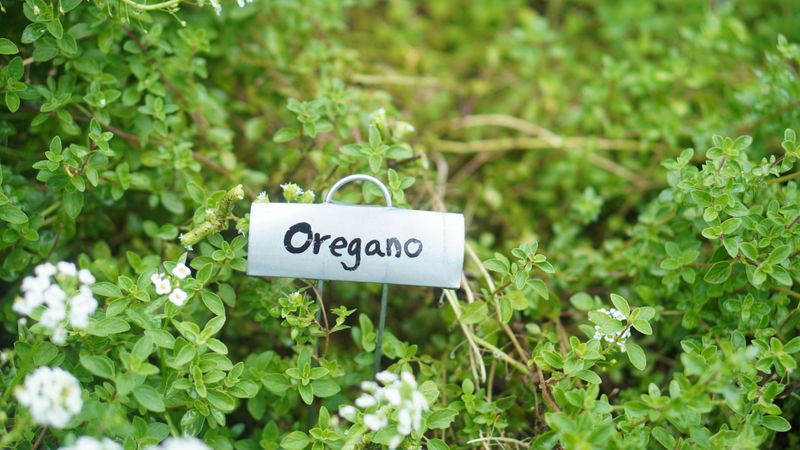
Pizza night smells wonderful to us, and deer find the same herb far less charming. Oregano packs strong, peppery oils into its leaves.
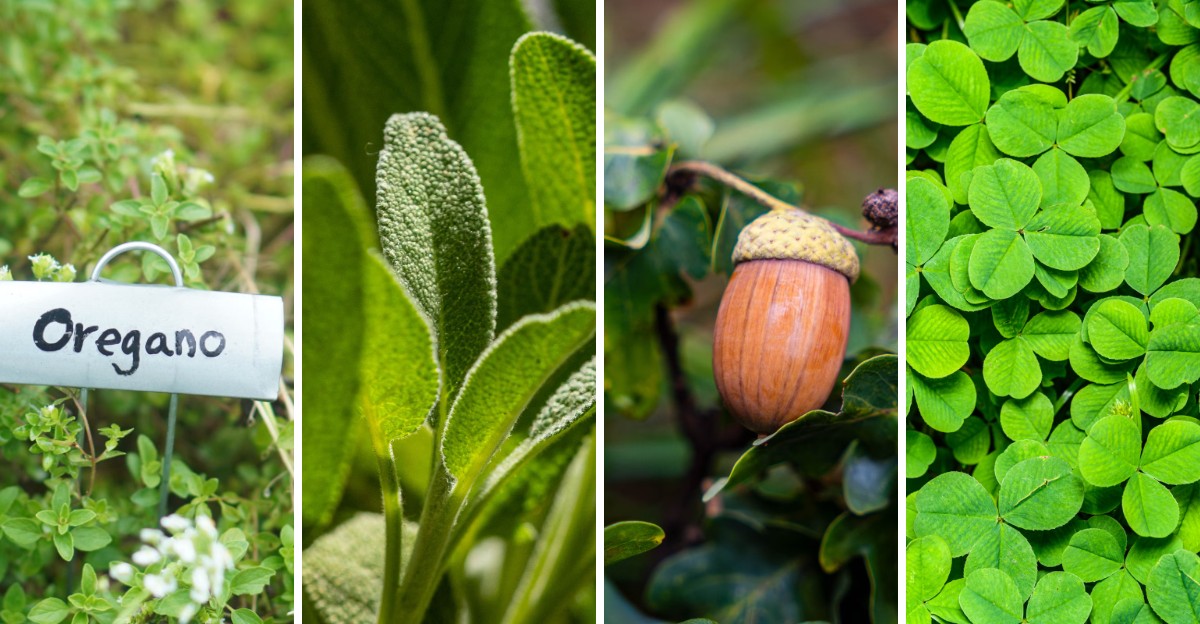
Hardy Greek oregano returns each spring across much of New York, so one planting keeps working for years. Set clumps along bed edges, where deer first test the border.
Oregano loves sun and lean, well-drained soil. Skip rich fertilizer, because lush growth dilutes the aroma that makes it useful. Cut a few stems for the kitchen this October, and dry the rest for winter sauces.
Nitrogen Meal Rings For Nibbled Plants
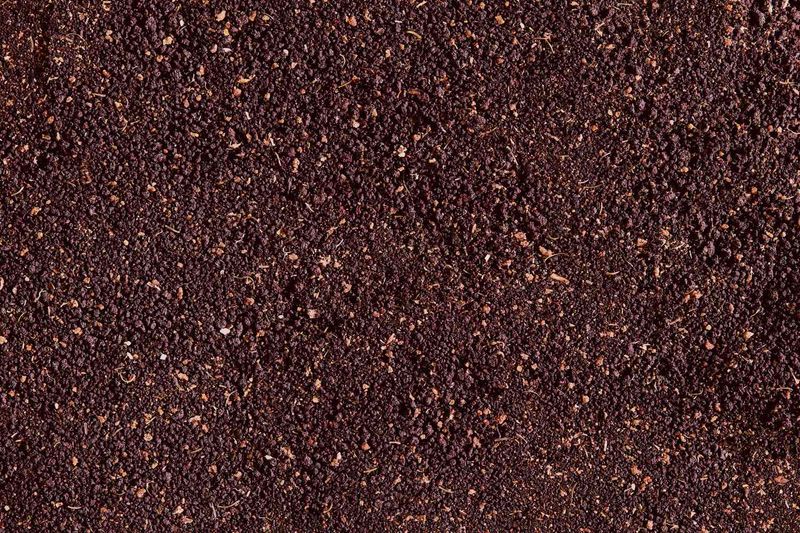
Your plants will love this two-for-one deal. This nitrogen meal, sold as blood meal, feeds your soil and also smells off-putting to deer.
Sprinkle a thin ring around the base of plants deer like to nibble. Water it lightly so it settles into the soil and starts working.
Watch out for curious dogs and raccoons, because some animals actually like the smell. Use a light hand, too, since too much nitrogen can stress tender roots during cool October weather. Wear gloves while spreading it, then wash your hands before heading inside.
Catmint As A Living Fence Line
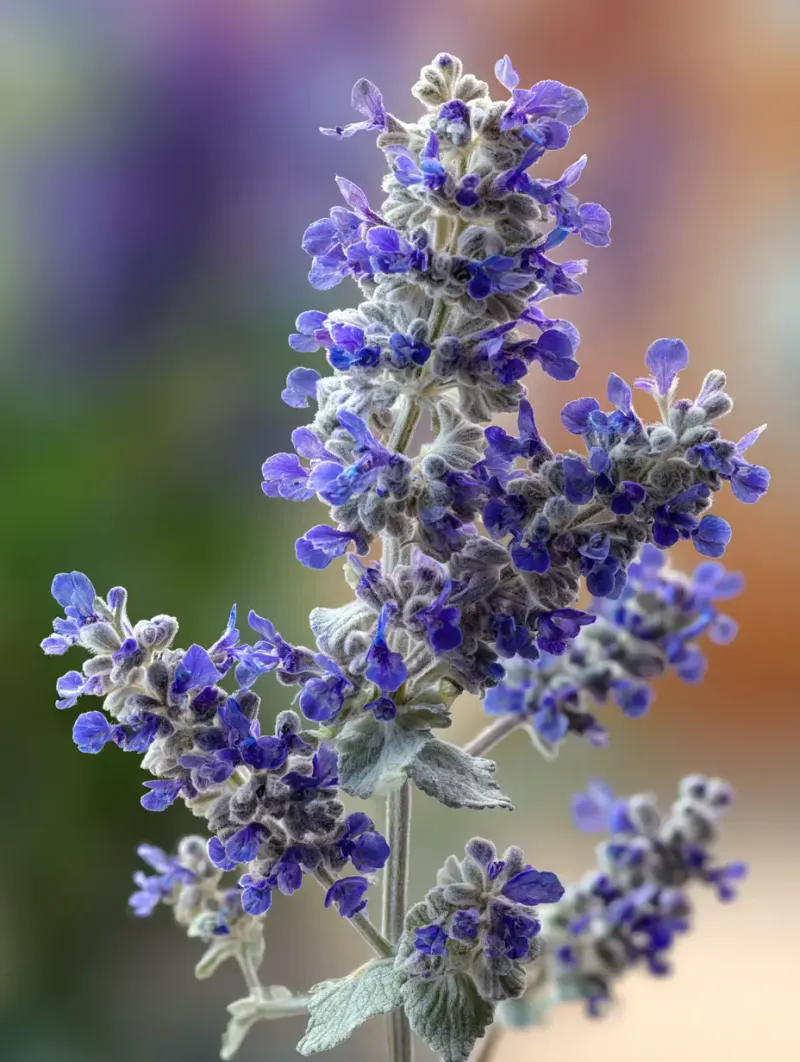
Cats roll around in it, but deer walk right past it. Catmint gives off a minty, musky smell that many deer find unappealing.
It is tough as old boots and handles New York cold without much fuss. The soft purple flowers bloom for months and bring in bees and butterflies too.
Plant catmint along borders as a living, sweet-smelling fence line. Early fall or spring works for dividing older clumps, so you can spread free plants to other weak spots in your yard. Cut flowers back after the first bloom for a second, tidy flush.
Marigolds Between Vegetable Rows
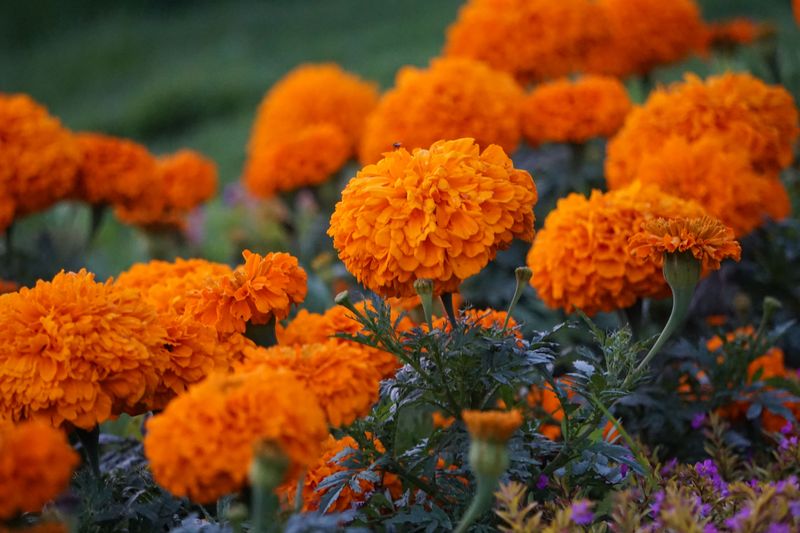
Those cheerful orange blooms hide a sneaky secret. Marigolds have a sharp, musky smell that deer often find too bitter to enjoy.
Gardeners have tucked them between veggie rows for generations to help protect tomatoes and beans. French types may also discourage some soil pests, which can give you bonus protection through the season.
Marigolds fade with the first frost, which arrives between October and November depending on your region.
Save the dried flower heads now, and you will have plenty of free seeds to plant next May. Pick French varieties for a strong scent, since their foliage releases plenty of aroma.
Sage Beside Roses And Beans
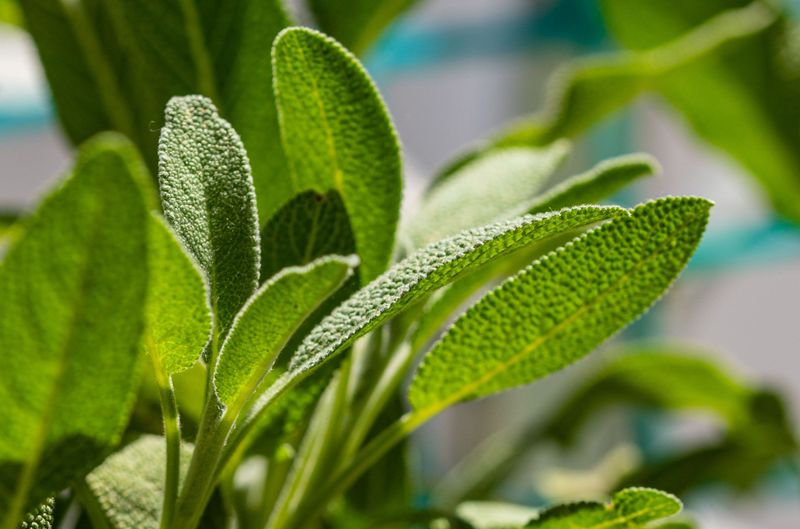
Thanksgiving stuffing would not be the same without sage. Deer, however, steer clear of its earthy, strong-smelling leaves.
The fuzzy texture and powerful oils make sage a poor snack for hungry visitors. It grows well in sunny New York yards and often comes back year after year.
Tuck sage near your roses or beans to help mask their tempting smells. Harvest a handful this October for holiday cooking, and leave the rest standing to protect the bed.
Purple and tricolor varieties add pretty foliage while still delivering that protective fragrance.
Thyme Between Stepping Stones
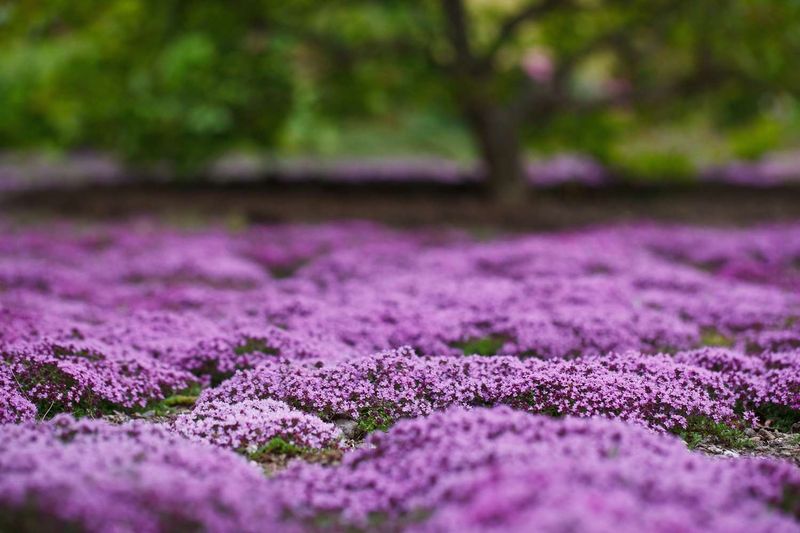
Step on creeping thyme and the air fills with a warm, herby smell. Deer dislike that scent, so it makes a great low ground cover.
Plant it between stepping stones or along the front edge of flower beds. It spreads slowly and forms a thick mat that helps block weeds too.
Thyme loves sunshine and sandy soil, so skip the shady, soggy corners. Many types survive New York winters, especially in well-drained soil with a light layer of straw in late fall. Walk across it gently now and then to release a burst of scent.
Fish Emulsion Poured At The Roots
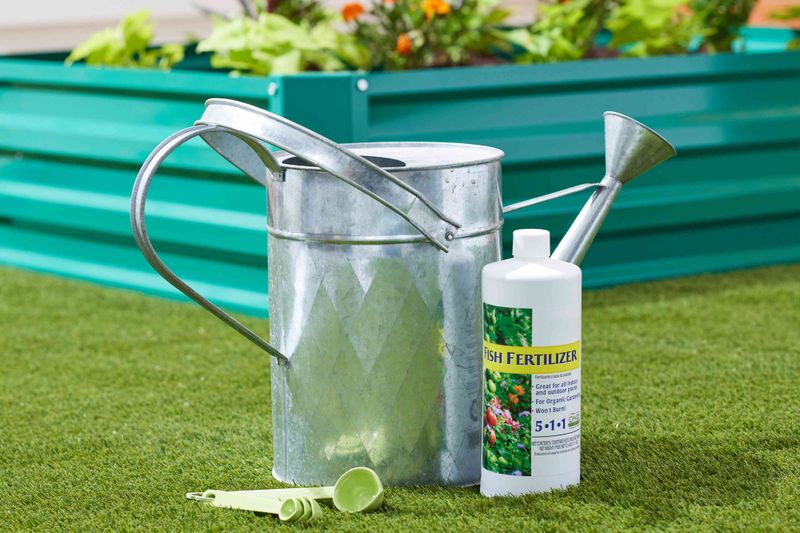
Your neighbors may wrinkle their noses, but your plants will cheer. Fish emulsion is a liquid fertilizer with a fishy smell some deer avoid.
Mix it with water as the bottle directs, then pour it around plant bases. The smell can linger for a few days, especially in cool, damp October air.
It works best as a short-term shield, so pair it with longer-lasting scents. Keep your cat or dog away while it dries, since pets may find the smell oddly exciting.
Apply on a calm morning so the breeze carries the smell toward open lawn. Rinse any produce well before eating, even when you spray only nearby plants.
Fallen Apples Under Backyard Trees
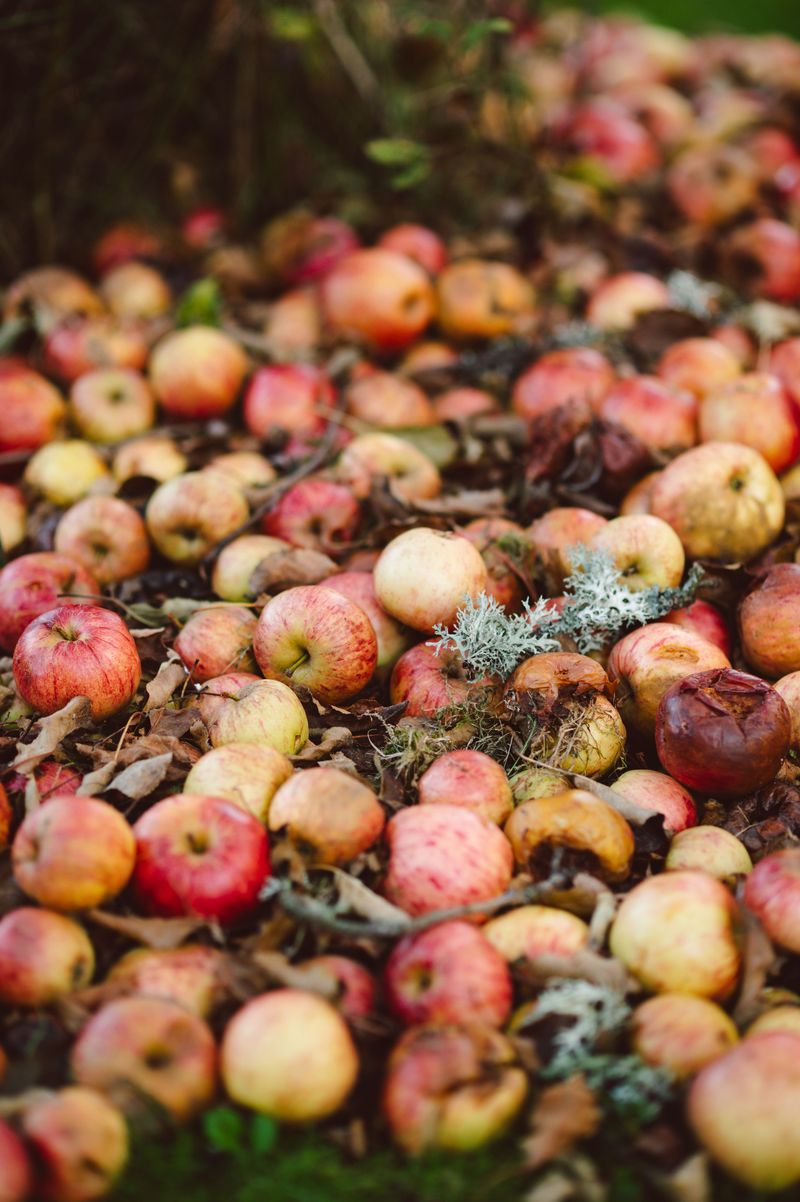
October in New York means apple season, and deer know it too. The sweet smell of fallen fruit can draw them from far away.
Overripe apples give off a sugary, fermented scent that deer find very appealing. Once they visit for apples, they often stay to snack on your other plants.
Rake up dropped fruit often, especially under trees near your garden. Toss it into a closed compost bin, not an open pile, to keep curious noses guessing. Neighbors with fruit trees can help by gathering windfalls on their side too.
Acorn Crops From Nearby Oaks
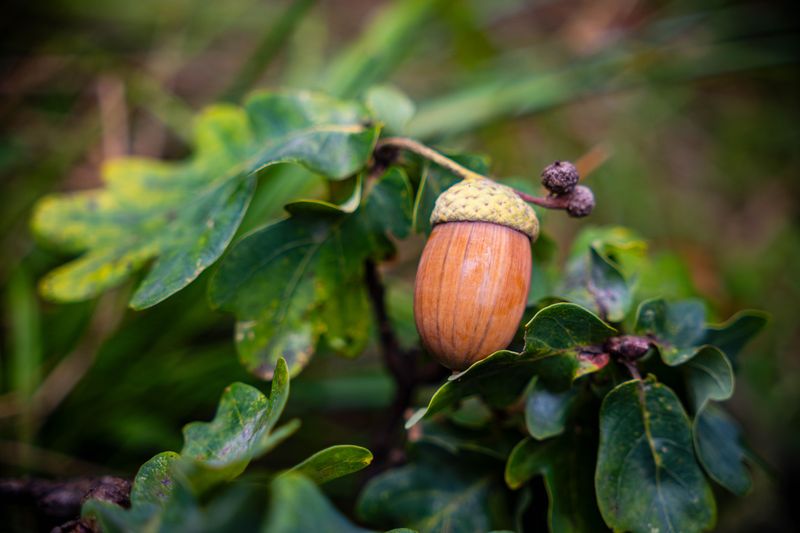
Oak trees drop a feast each fall, and deer seek it out. Acorns are rich in fat, which helps them bulk up before winter.
The nutty, earthy smell of a heavy acorn crop can lead deer right into your yard. Some years oaks produce huge amounts, and those years bring more hungry visitors.
If oaks sit near your garden, sweep acorns into bags as they fall. Your squirrels may complain, but your fall mums and pansies will thank you. Pick them up before frost makes the ground firm and harder to rake.
Sweet Corn And Leftover Stalks
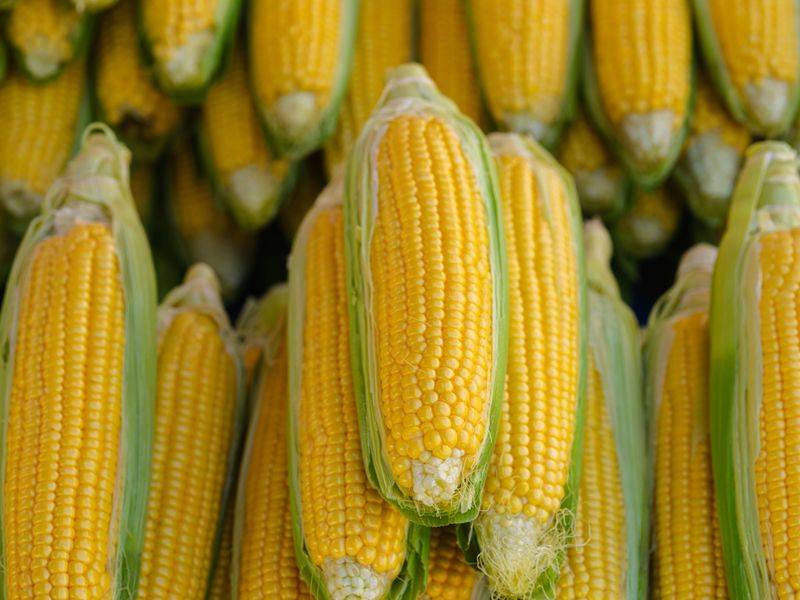
Sweet corn tastes like summer, and deer agree with that tasty opinion. The sugary smell of ripe ears works like a dinner bell.
Deer will walk right through a garden to reach a corn patch. Leftover cobs and stalks in October still carry enough scent to draw them back.
Pull and chop old stalks after harvest instead of leaving them standing. If you plant corn next year, give it a tall fence and add strong-smelling neighbors like garlic for extra help. Plant a border of strong-smelling herbs to help mask the sweet fragrance.
Clover Lawns Near Garden Plots
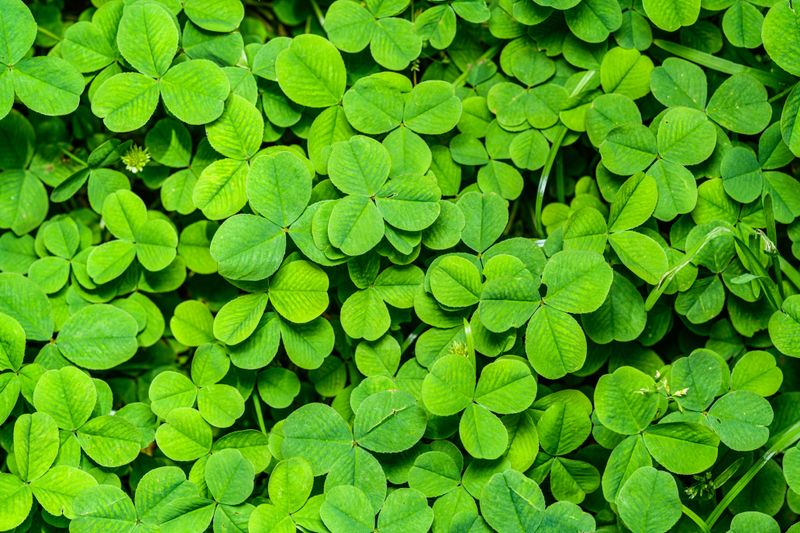
A clover lawn looks lovely and saves on mowing, but there is a catch. Deer adore its fresh, green, slightly sweet smell.
Hunters even plant clover fields on purpose to pull deer into open areas. In your yard, that same patch can draw several deer at once.
Keep clover far from your veggie and flower beds if you love it. A few feet of gravel or mulch between them makes a helpful buffer zone this fall.
Consider replacing clover near beds with creeping thyme for a calmer, deer-wary groundcover.
Molasses In Soil Sprays
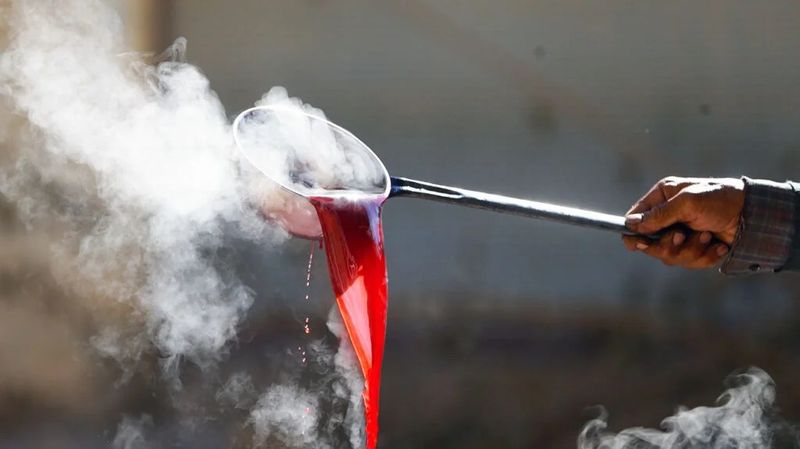
Some organic gardeners add molasses to soil sprays to feed helpful microbes. Sounds smart, but that sweet syrup smell can attract deer.
Deer love sugar, and many wildlife feed mixes use molasses as bait for that reason. A garden sprayed with it might smell sweet to them.
If you use molasses, water it deep into the soil rather than coating leaves. Better yet, skip it near beds in winter, when hungry deer browse more boldly. Mix only small batches, and apply them during dry weather to limit lingering sweetness.