The Pollinator-Friendly Fall Plants Texans Should Choose Instead Of Mums
Every fall, grocery stores and garden centers across Texas fill up with rows of potted mums. They’re cheerful, affordable, and easy to grab on the way out the door.
For many people, they’re simply part of the season. But for bees and butterflies, those pretty pots often have very little to offer.
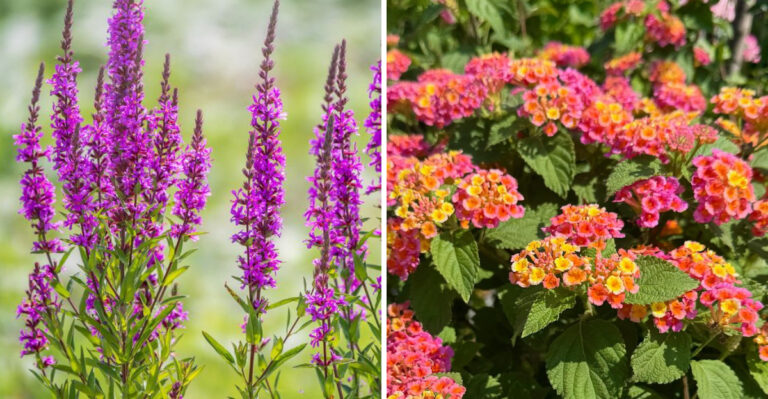
Most garden mums are bred for big, tightly packed blooms that look great on a porch. All those extra petals can make it hard for pollinators to reach any nectar or pollen.
Many mums also struggle in lingering Texas heat and end up in the trash after just a few weeks.
That’s a missed opportunity, especially in fall. Monarchs and other pollinators are passing through the state right now, looking for fuel.
Swapping in a few smarter plants can give your yard just as much color while feeding the wildlife that needs it most.
1. Fall Aster
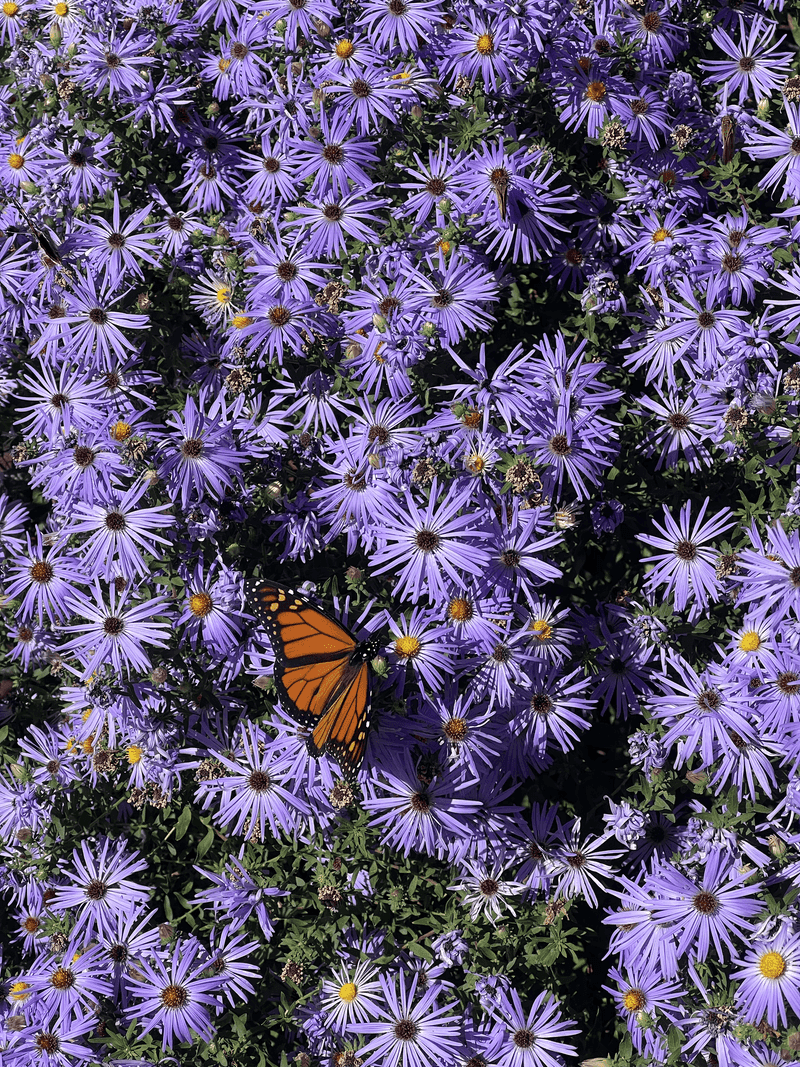
Few native plants copy the look of a mum as well as fall aster. It grows into a tidy, rounded mound about two feet tall. Then, in October and November, it bursts into a sea of tiny purple flowers.
Each bloom has a sunny yellow center that bees and butterflies love. Monarchs passing through Texas often stop to sip from it. For a tired butterfly flying thousands of miles, a patch of aster is like a roadside diner.
Gardeners love how easy it is to grow. Fall aster handles heat, drought, and rocky soil with no fuss. Once its roots settle in, you will rarely need to water it except during long dry spells.
Plant it in full sun for the best shape and the most flowers. A spot with at least six hours of light works well. In too much shade, it tends to flop over and bloom less.
Here is a handy trick for a tighter mound. Trim the plant back by about one third in early summer, around June. That small haircut helps it grow thicker and keeps it from getting leggy.
Fall aster also spreads slowly by underground stems. Over a few years, one plant can become a nice clump. You can dig up and share pieces with friends in late winter.
Use it along walkways, in front of taller plants, or in large pots on the porch. It looks great beside ornamental grasses and orange flowers.
When the blooms finish, simply cut the stems back to the ground in winter. By spring, fresh green growth will pop up again, ready for another season of color.
2. Gregg’s Mistflower
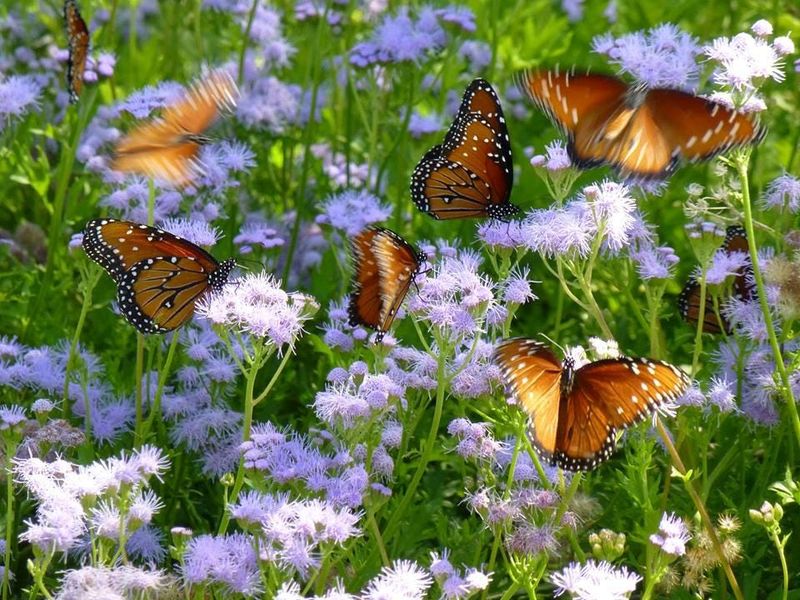
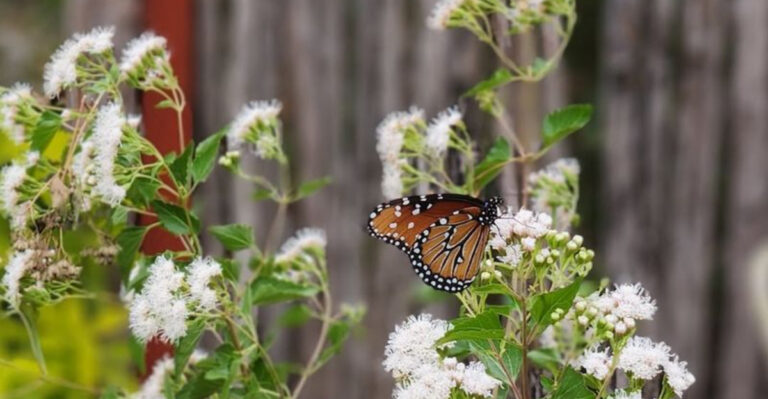
Butterfly watchers in Texas have a nickname for Gregg’s mistflower. They call it a butterfly magnet, and that name is well earned. On a warm fall afternoon, you might count dozens of butterflies on a single patch.
The flowers look like soft, fuzzy puffs in a blue-lavender shade. They cover the plant from late summer well into fall. Queen butterflies seem to love it most, but monarchs, skippers, and painted ladies visit often too.
Your Texas Garden Changes Every Week. Your Plan Should Too.
Gardening in Texas changes quickly throughout the season. Every Friday you’ll receive a simple weekly plan showing exactly what to plant, prune, fertilize, harvest, and protect so you never miss the right timing.
So why do butterflies go wild for it? Male queen butterflies actually gather special chemicals from the plant. They use these to attract mates, so mistflower is part of their love story.
Growing it could hardly be simpler. Give it a sunny spot with soil that drains well. It grows about one to two feet tall and stays fairly low, making it great for the front of a bed.
Gregg’s mistflower spreads by underground runners. Over time, it fills open space and forms a soft carpet of leaves. If it wanders too far, just pull up the extra pieces and move them elsewhere.
Water it regularly during its first summer. After that, it can handle dry weather, though a deep drink during long droughts keeps the blooms coming. Cut the plant back after big flushes of flowers to encourage new buds.
The leaves look a bit like small, toothed triangles. In winter, the plant goes dormant and the stems turn brown.
Trim them down and wait for spring. Before long, fresh leaves return, and so do the butterflies that make this plant such a joy to own.
3. Goldenrod
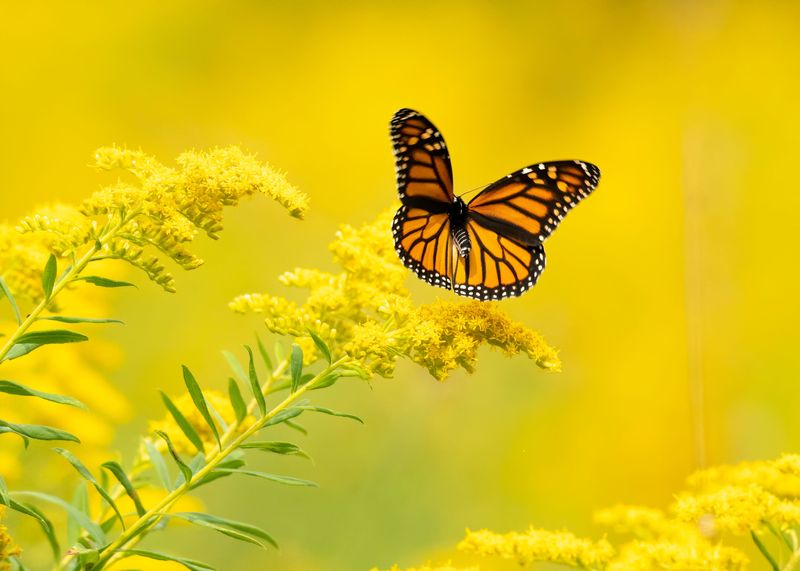
Poor goldenrod has been blamed for sneezes for over a hundred years. People see it blooming in fall and assume it causes their allergies. The truth is a lot more surprising.
Goldenrod pollen is heavy and sticky. It does not float through the air on the wind. Instead, insects carry it from flower to flower, so it rarely reaches your nose.
The real troublemaker is usually ragweed. That plant blooms at the same time but has plain green flowers you hardly notice. Its light pollen drifts for miles, and goldenrod just takes the blame.
Now that its name is cleared, let’s talk about why pollinators adore it. The bright yellow plumes are packed with nectar and pollen. Honeybees, native bees, wasps, beetles, and butterflies all crowd in for a meal.
Scientists have found that goldenrod supports a huge number of insect species. That makes it a key part of a healthy backyard food web. More insects also means more food for songbirds.
Texas has several types to choose from. Some spread quickly, so pick carefully if you have a small yard. Seaside goldenrod and wrinkleleaf goldenrod tend to behave better in garden beds.
Grow it in full sun and average soil. Goldenrod puts up with heat, drought, and clay without complaint. Too much fertilizer can make it floppy, so skip the plant food.
Pair the golden spikes with purple asters for a classic fall look. The colors pop beautifully together.
Leave the stems standing in winter if you can. Small birds will pick at the seeds, and some helpful insects sleep inside the hollow stalks.
4. Blazing Star
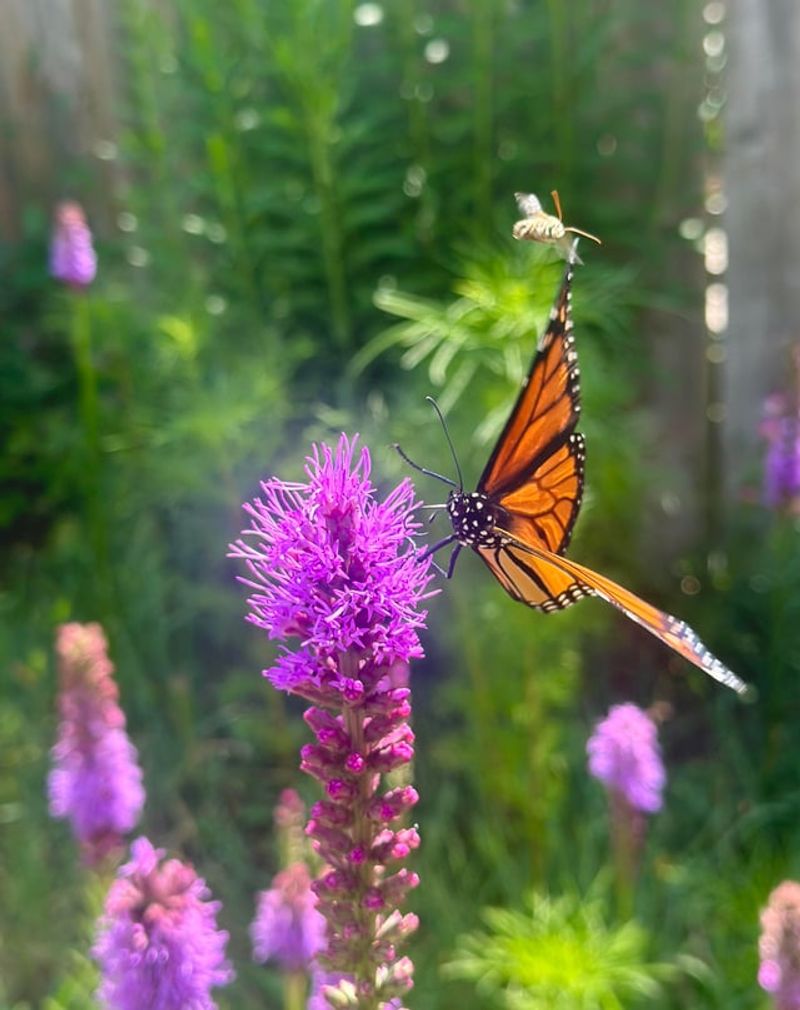
Tall, purple, and a little bit dramatic, blazing star looks like nature’s fireworks. Its feathery spikes shoot upward in late summer and fall. A row of them can stop people in their tracks.
Here is a fun detail most plants don’t share. Blazing star blooms from the top down. The flowers at the tip open first, and the color slowly moves toward the bottom over several weeks.
Butterflies find those fuzzy spikes hard to resist. Monarchs heading south through Texas often land on them to refuel. Bees also crawl all over the tiny flowers, collecting nectar and pollen.
Blazing star grows from a round, bulb-like root called a corm. That root stores water and food, which helps the plant survive hot, dry summers. It is one reason this native handles tough Texas weather so well.
For the happiest plants, choose a sunny spot with soil that drains fast. Soggy ground can cause the roots to rot. Sandy or rocky soil is actually a great fit.
You can plant corms in early spring or buy potted plants in fall. Set them in small groups of three or five. Clusters look far more striking than a single lonely spike.
Gulf Coast gayfeather and dotted gayfeather are two kinds that do well across much of Texas. Both reach about two to three feet tall. Place them in the middle of a bed so shorter flowers can grow in front.
As a bonus, the spikes make lovely cut flowers. Bring a few inside for a vase. They also dry well and keep their purple tint for months.
5. Maximilian Sunflower
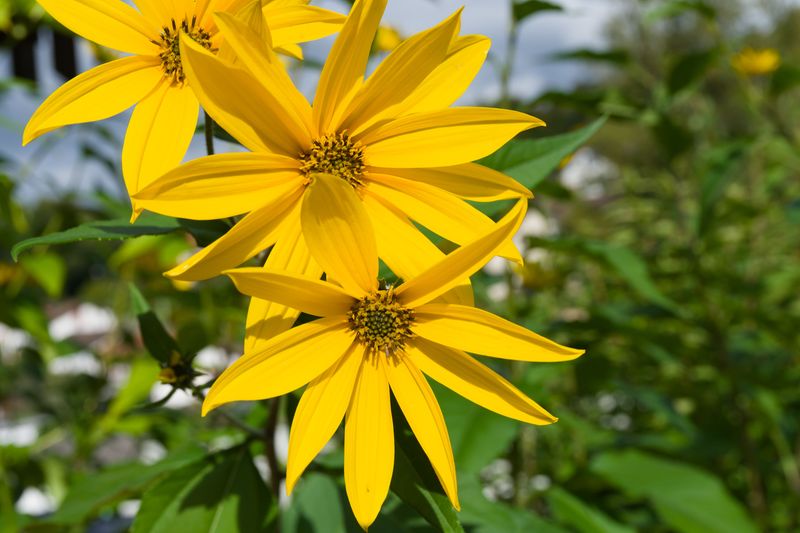
Got a big, sunny corner that needs some drama? Maximilian sunflower might be your answer. It can grow six to eight feet tall and covers its stems in bright yellow blooms.
The plant is named after Prince Maximilian of Wied, a German explorer. He traveled across the American plains in the 1830s and studied the wild plants he found. This tough sunflower was one of them.
Unlike garden sunflowers with one giant head, this one makes dozens of smaller flowers. They line the tall stalks from top to middle. In September and October, a patch looks like a golden wall.
Bees buzz around it from morning until evening. Butterflies stop by too, especially on calm, warm days. When the flowers fade, the seeds become a feast for goldfinches, sparrows, and other birds.
Maximilian sunflower is very hard to discourage. It shrugs off heat, drought, and poor soil. Deer usually leave it alone as well.
Because it gets so tall, plant it along a fence, at the back of a bed, or in a wild corner. It spreads by roots and forms large clumps over time. Give it room, or plan to divide it every few years.
To keep it shorter and bushier, cut the stems back by half in early summer. The plant will still bloom, just closer to eye level. That also helps it stand up against strong fall winds.
After the birds finish the seeds in winter, cut the stalks to the ground. New shoots will rise in spring. Before you know it, your golden wall will be back.
6. Copper Canyon Daisy
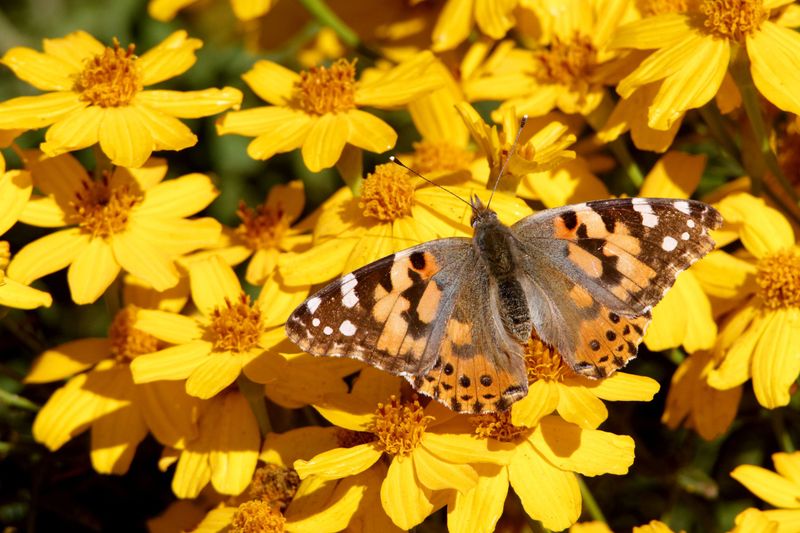
Love the warm orange glow of fall mums? Copper canyon daisy gives you that same cozy color, plus a lot more. It is a shrubby plant that bursts into golden-orange daisies in late fall.
The show often starts in October and lasts until the first hard freeze. Just when many gardens look tired, this plant lights up. It feels like a bonfire in your flower bed.
Brush against the leaves, and you will notice something special. They smell strong, kind of like a mix of mint, citrus, and marigold. People either love the scent or think it is a bit much.
Deer usually fall into the second group. They tend to avoid it, which is great news for Hill Country gardeners. Rabbits mostly skip it too.
Butterflies, on the other hand, are big fans. Monarchs, sulphurs, and skippers sip from the bright blooms. Bees also pay regular visits.
This plant comes from the mountains of northern Mexico, close to Texas. It grows about three to four feet tall and wide. Plant it in full sun with soil that drains well.
Once it is established, water only during long dry spells. Too much water makes it floppy. Rocky slopes and dry garden beds are perfect spots for it.
In colder parts of North Texas, a hard winter may freeze it to the ground. Don’t panic, though. It usually sprouts again from the roots in spring.
Give it a light trim in early summer to keep it compact. Skip pruning after August, or you might cut off the flower buds.
7. Frostweed
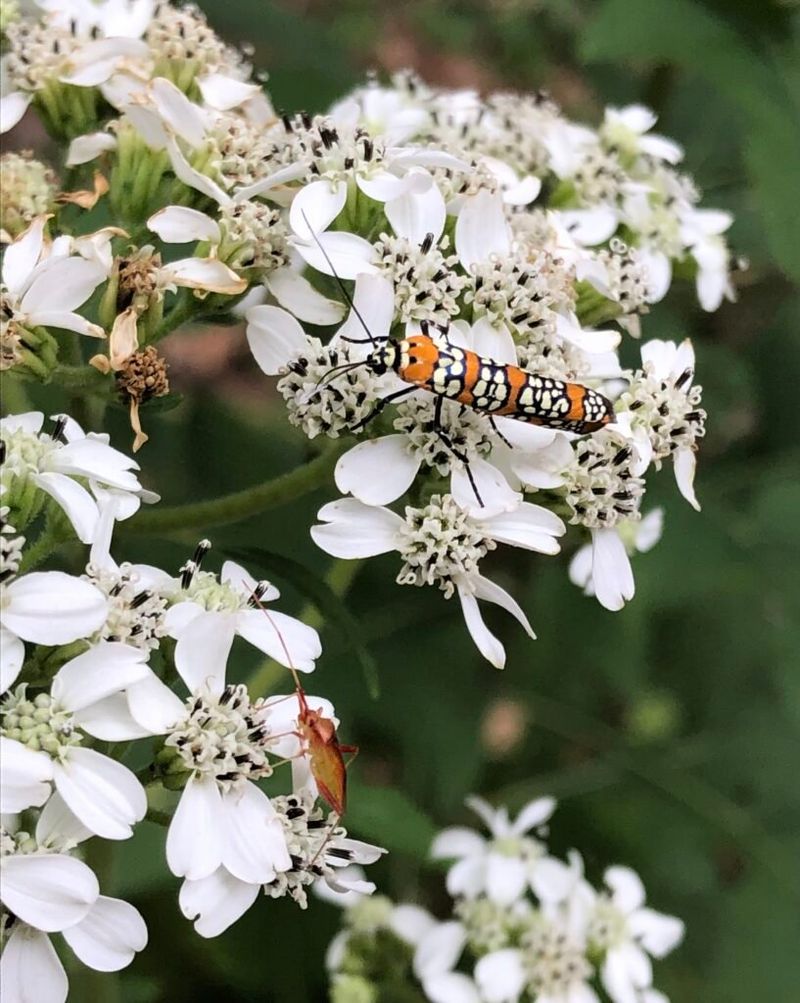
On the first freezing morning of the year, frostweed puts on a magic trick. Its stems split open and push out thin ribbons of ice. These curly frozen shapes look like delicate white sculptures.
That is how the plant got its name. People in Texas sometimes go hiking just to spot these ice ribbons. They melt fast, so you need to look early in the morning.
Long before the frost arrives, frostweed is busy feeding pollinators. In fall, it opens large, flat clusters of small white flowers. Monarchs flock to them during their migration.
In some parts of Texas, frostweed is one of the top nectar plants for monarchs in October. Bees, wasps, and many other butterflies join in too. A healthy patch can hum with activity all day.
Here is what makes it extra useful. Most fall bloomers need lots of sun, but frostweed is happy in shade. It grows well under trees where mums would struggle and sulk.
Frostweed reaches three to six feet tall. Its stems have thin, wing-like edges running along them. The leaves are big and slightly rough.
Plant it in partial shade with soil that holds some moisture. It grows naturally along creeks and woodland edges. Still, it can handle dry periods once it settles in.
It spreads by seed, so new plants may pop up nearby. Pull extras if you need more space. Leave the stems standing after the flowers fade so you can watch for those ice ribbons on cold mornings.
Shady yards finally get a fall star of their own.