What It Really Means When Woodpeckers Keep Visiting Your Texas Yard
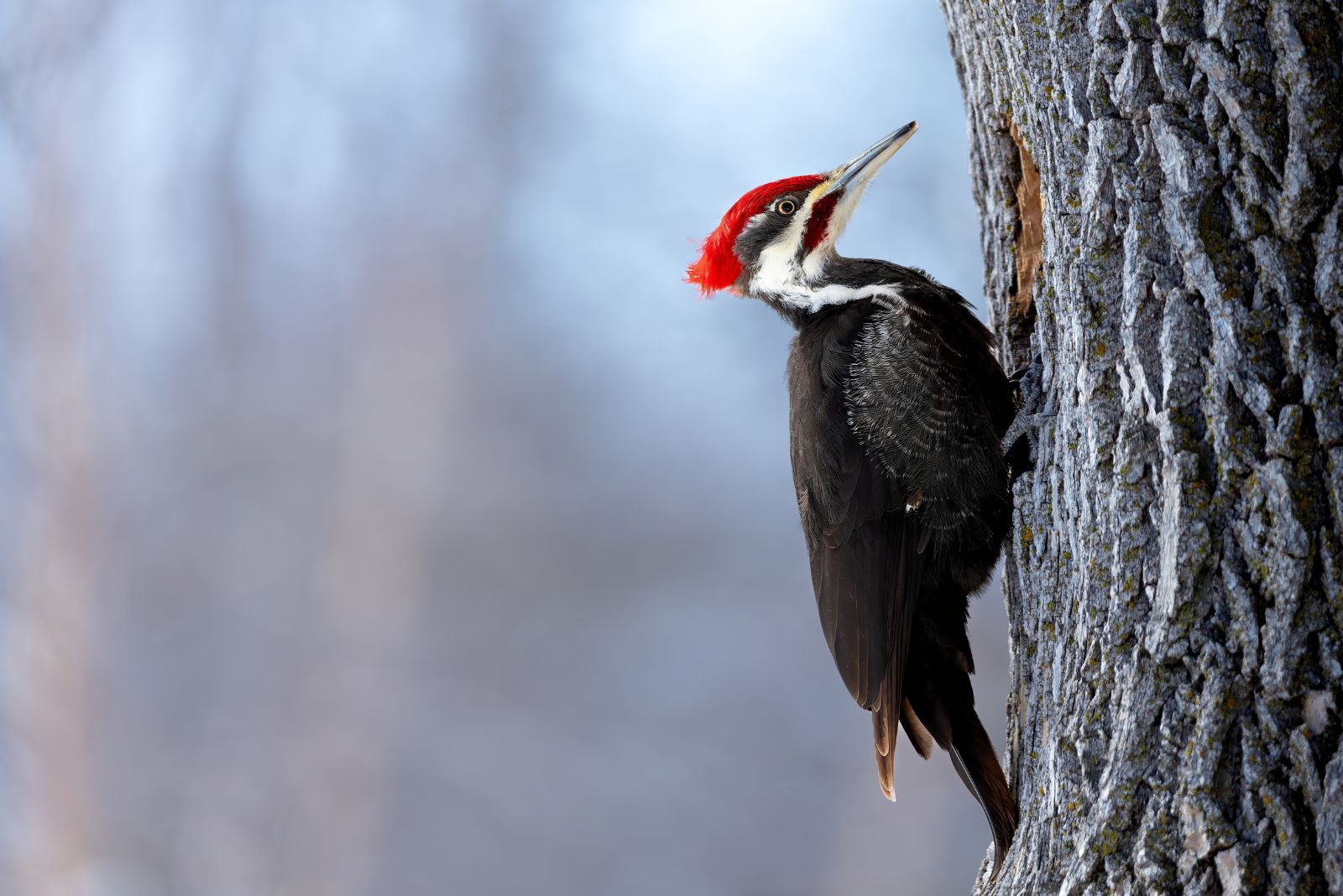
Woodpeckers are hard to ignore. That rapid, rhythmic drumming carries further than you’d expect, and once you spot one working its way up a tree trunk with total focus and purpose, it’s difficult to look away.
If woodpeckers have been showing up in your Texas yard regularly, most people’s first reaction is either delight or mild concern about what they might be doing to the trees.
Both reactions make sense. But the full story is more interesting than either one. Woodpecker visits are rarely random.
These birds are highly selective about where they spend their time and energy, and when they keep returning to your yard, they’re responding to very specific conditions that your trees and landscape are offering.
Their presence can tell you a great deal about the health of your trees, the insect activity in your yard, and the overall character of your local environment.
Here’s what woodpeckers visiting your Texas yard are really telling you and what, if anything, you should do about it.
1. Your Yard Has Insects They Want
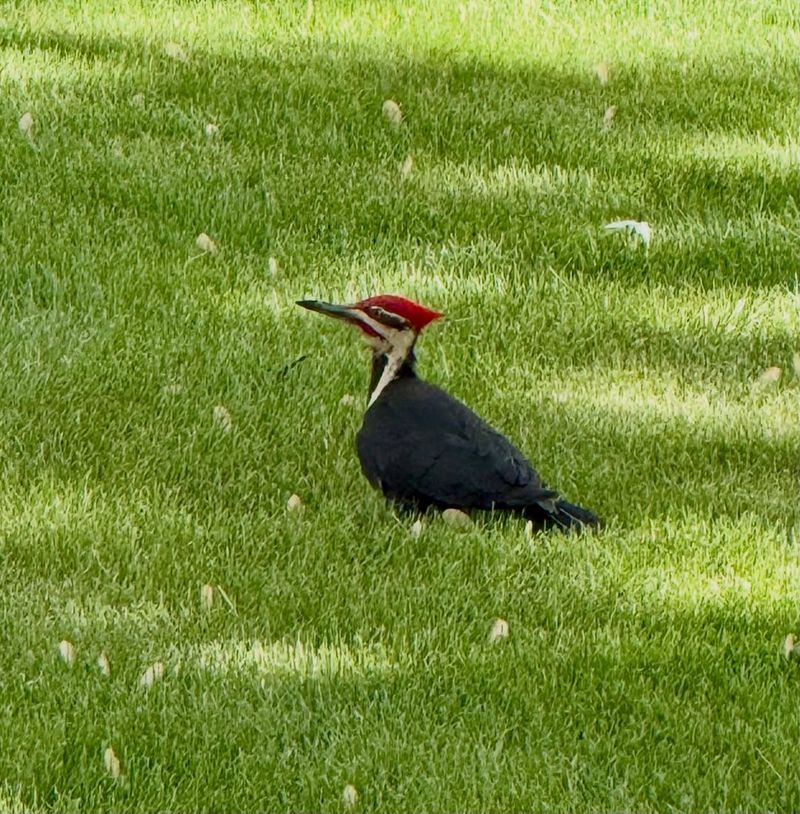
Woodpeckers are some of nature’s best pest detectors, and if one keeps returning to the same spot in your yard, there is a good chance it found a meal worth coming back for. These birds have an incredible ability to hear and feel insects moving beneath tree bark.
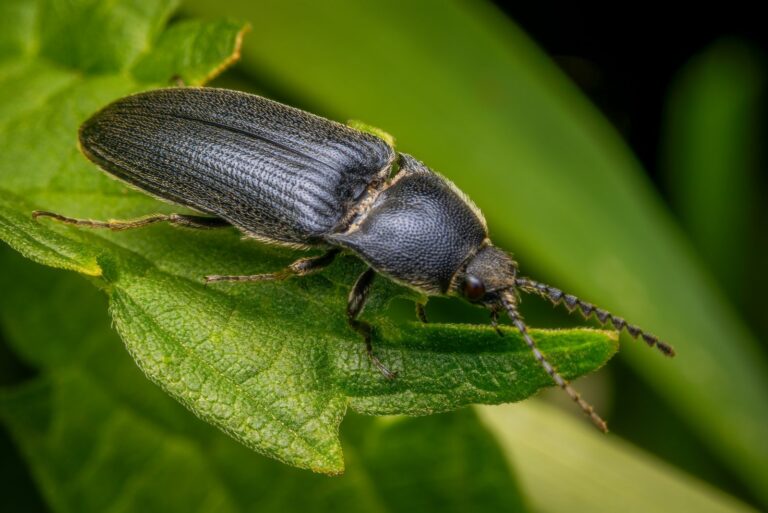
Their long, sticky tongues can reach deep into small crevices to pull out ants, beetle larvae, wood-boring insects, and termites.
In Texas, common culprits include carpenter ants and emerald ash borer larvae, both of which tunnel through wood and weaken trees over time.
A woodpecker repeatedly visiting the same tree is actually doing you a favor by alerting you to a possible insect problem. Pay close attention to which tree or structure they keep targeting.
If the bird is focused on a specific section of trunk or a wooden fence post, take a closer look at that area. Soft spots, small holes, sawdust-like material at the base of a tree, or hollow-sounding wood are all signs of insect activity.
Catching a wood-boring pest problem early can save a tree and prevent costly structural damage to fences or outbuildings.
You do not need to do anything dramatic right away. Start by observing the woodpecker’s behavior.
If it seems to be finding food consistently in one spot, consider having a certified arborist inspect that tree. Early detection is always better than waiting until damage becomes severe.
Woodpeckers rarely waste energy pecking where there is nothing to find, so trust what their behavior is telling you about your yard.
2. You Have Trees With Good Foraging Spots
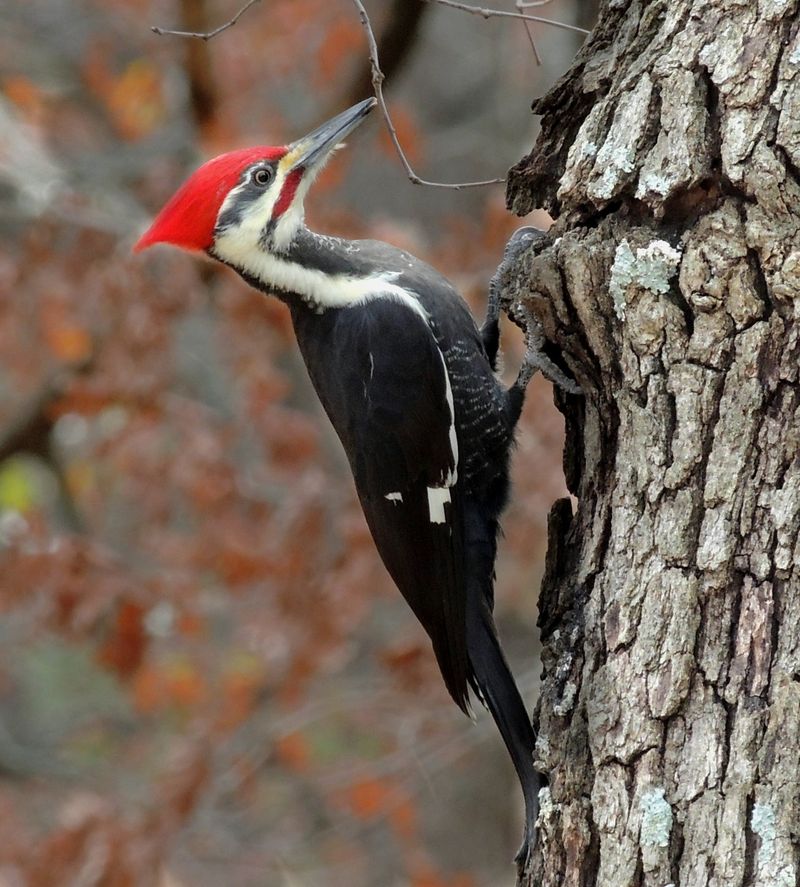
Not every tree in a neighborhood gets a woodpecker’s attention. These birds are selective, and they tend to favor trees that offer the best foraging opportunities.
In Texas yards, native trees like live oaks, pecans, cedar elms, and Texas ash are especially attractive because their bark texture and wood density make great habitat for the insects woodpeckers love to eat.
Your Texas Garden Changes Every Week. Your Plan Should Too.
Gardening in Texas changes quickly throughout the season. Every Friday you’ll receive a simple weekly plan showing exactly what to plant, prune, fertilize, harvest, and protect so you never miss the right timing.
Dry limbs and aging trunks are particularly appealing. Decaying wood softens over time, making it easier for woodpeckers to excavate and find food.
A tree with rough, furrowed bark also gives them more surface area to explore. Seeing a woodpecker work its way up and down a trunk is a sign that your tree has the kind of texture and structure that makes foraging worthwhile.
Repeated pecking in one area does not always mean the tree is in serious trouble. Sometimes a bird simply found a productive patch and keeps returning to check it.
However, if you notice large sections of bark being removed or deep excavation happening quickly, that could indicate a heavier insect presence worth investigating.
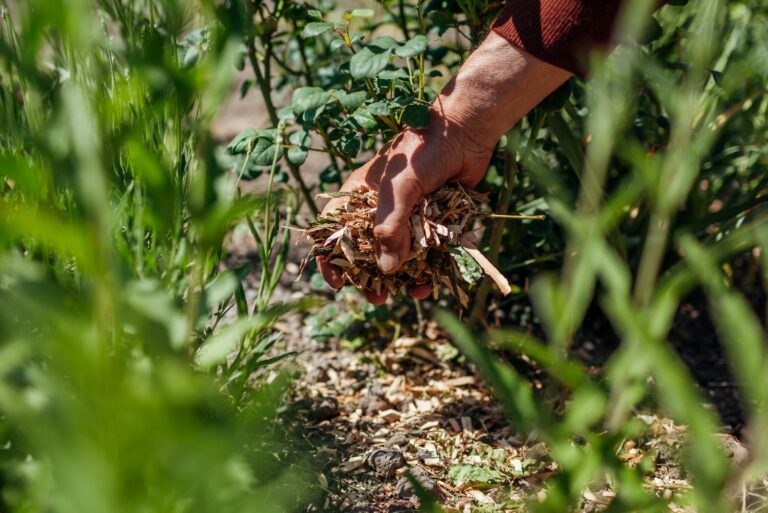
Keeping your native trees healthy through proper watering and occasional pruning helps maintain good structure. Avoid over-mulching around the base of trees, which can trap moisture and invite fungal issues that weaken wood.
Healthy trees with a few natural rough patches and mature limbs create the perfect foraging environment. Your yard does not need to look perfectly manicured to support wildlife.
A little wildness goes a long way when it comes to attracting beneficial birds like woodpeckers.
3. They May Be Drumming To Claim Territory
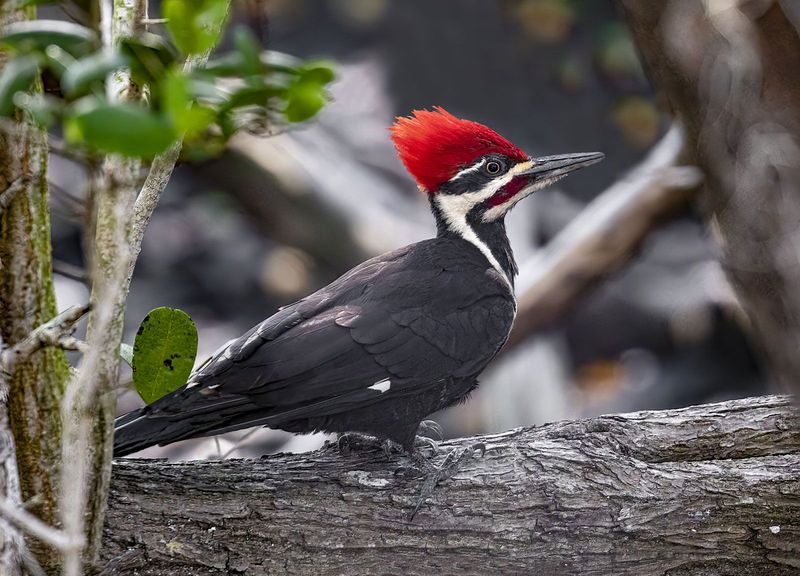
Ever heard a woodpecker going absolutely wild on your metal gutters at sunrise? That loud, rapid hammering is not always about food.
Sometimes woodpeckers drum purely for communication. Drumming is how they announce their presence, attract a mate, or warn other woodpeckers to stay out of their territory. The louder and more resonant the surface, the better it works for the bird.
Metal gutters, chimney caps, wooden siding, and even air conditioning units are popular drumming spots because they amplify sound.
A woodpecker that has discovered your gutters make a great drum set will come back to that spot repeatedly, especially during spring breeding season. The behavior can start as early as February in Texas and continue through late spring.
Drumming is different from foraging in a noticeable way. Foraging involves slower, more deliberate pecking in one focused area.
Drumming is fast, rhythmic, and often done in short bursts with pauses in between. Once you know the difference, you can better understand what the bird is up to each time it visits.
If drumming on your house is becoming a problem, there are humane ways to discourage it. Hanging reflective tape, pinwheels, or bird-safe scare devices near the drumming spot can help.
You can also try temporarily covering the surface with foam padding or burlap to reduce the sound appeal. Be patient, since breeding season does not last forever.
Most drumming activity slows down significantly once a woodpecker has found a mate and settled into nesting season. With a little persistence, the problem usually resolves on its own.
4. Your Yard May Offer Nesting Cavities
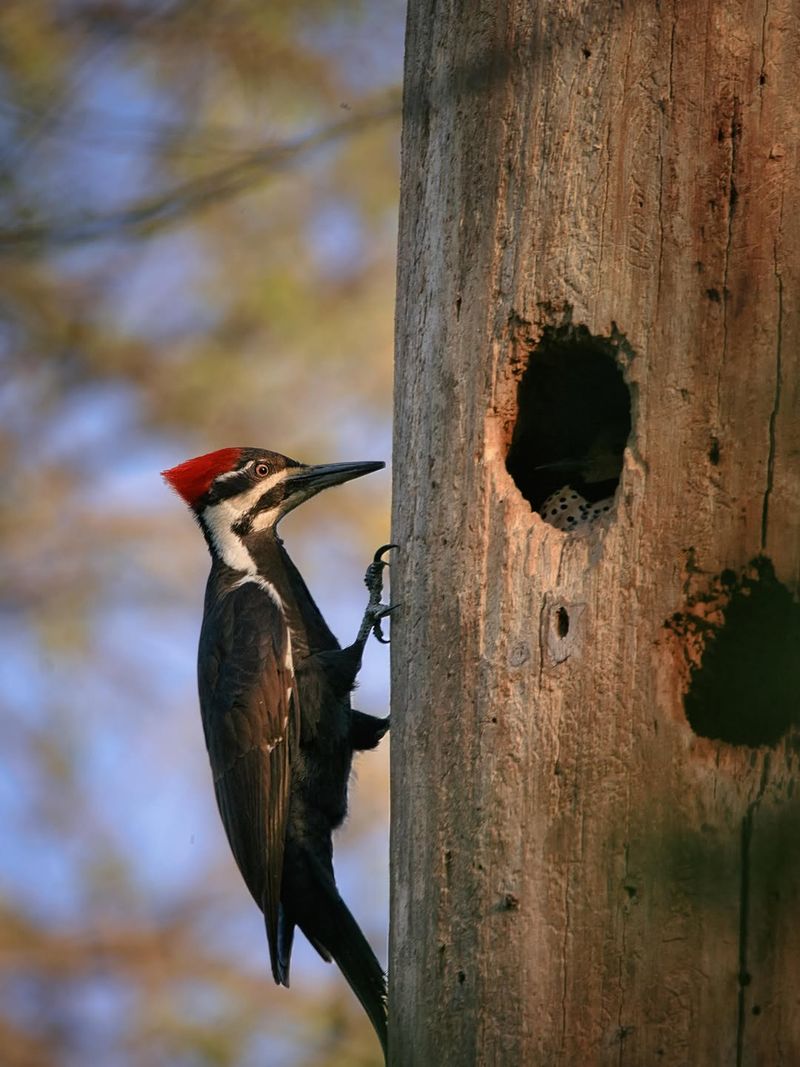
Woodpeckers are cavity nesters, which means they carve out holes in wood to raise their young. Unlike many birds that build open nests, woodpeckers need soft or decaying wood to excavate a safe, enclosed space.
If woodpeckers are visiting your yard during breeding season and seem to be investigating certain trees or limbs closely, they may be house hunting.
In Texas, breeding season for most woodpecker species runs from early spring through early summer. During this time, you might notice a woodpecker spending a long time at one spot, chipping away slowly and methodically rather than moving around quickly.
That focused, deliberate behavior is a strong clue that it is working on a potential nest cavity.
Dry or softened wood is the preferred material for nest excavation. A standing dry tree, also called a snag, is one of the most valuable habitat features you can have in a Texas yard.
Even a single dry limb on an otherwise healthy tree can become a productive nesting site. Woodpeckers typically excavate a new hole each season, which means their old cavities often become homes for other cavity-nesting birds like chickadees, wrens, and small owls.
You do not need a forest to support nesting woodpeckers. Even a modest yard with one or two mature trees can work.
If you are concerned about a dry limb near your home, consult an arborist before removing it. Limbs that are not a safety hazard can be left in place to benefit multiple species of wildlife.
Nesting woodpeckers are a sign that your yard has reached a meaningful level of ecological health.
5. They Are Using Your Yard As A Safe Stopover
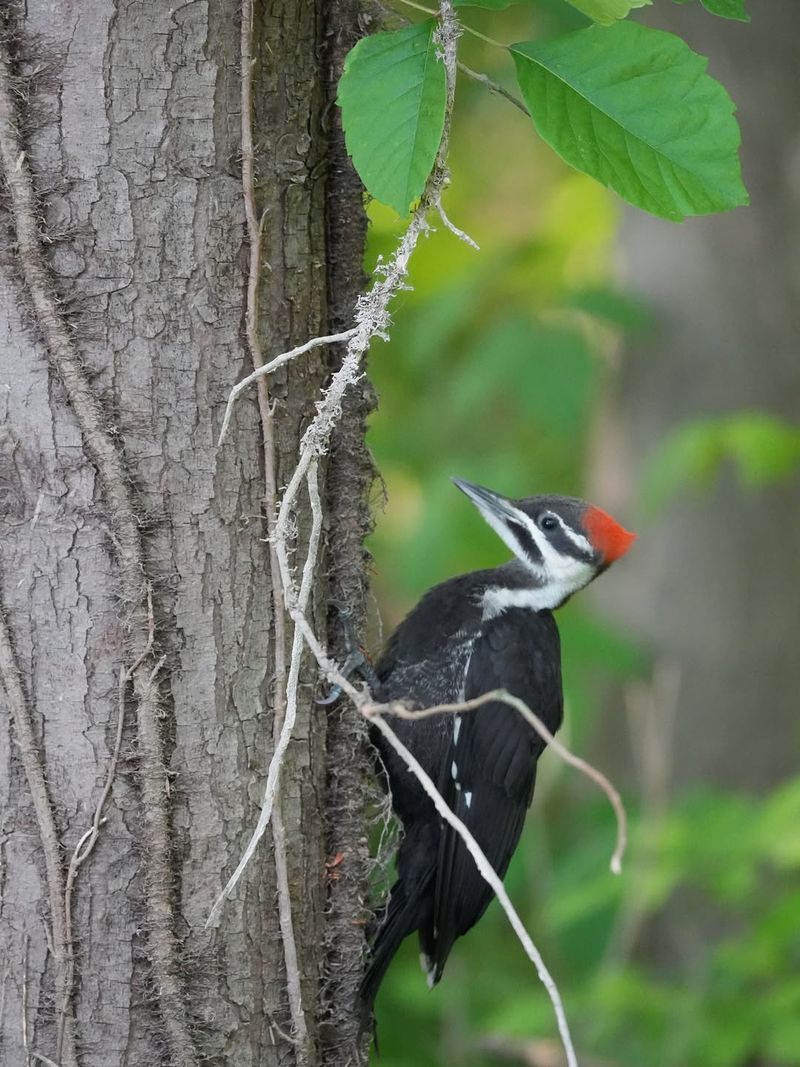
A woodpecker does not wander randomly. When one keeps showing up in your yard, it usually means your space has become a regular stop on its daily or weekly route.
Birds establish what naturalists call a home range, which is a set area they travel through consistently to find food, water, and shelter. Your yard may have earned a spot on that map.
Texas yards that attract woodpeckers tend to share a few things in common. Mature trees offer structure and foraging opportunities.
Native shrubs provide cover and additional insect habitat. A clean water source like a bird bath or small pond gives birds a place to drink and bathe. Limited or no pesticide use means there are still plenty of natural insects available as food.
Pesticides are one of the biggest reasons wildlife stops visiting a yard. When you spray for insects broadly, you remove the food source that woodpeckers and many other beneficial birds depend on.
Choosing targeted, low-impact pest control methods when absolutely necessary helps keep your yard’s food web intact. Even small changes in how you manage your yard can make a noticeable difference in wildlife activity over time.
Think of your yard as a small wildlife corridor. In suburban and urban Texas, green spaces are fragmented, and birds rely on individual yards to move safely through the landscape.
A woodpecker using your yard as a safe stopover is a quiet compliment. It means your space offers enough structure, food, and calm to be worth returning to.
Maintaining that environment takes minimal effort but delivers big rewards for local wildlife.
6. You Should Protect Trees Without Removing Every Dry Limb
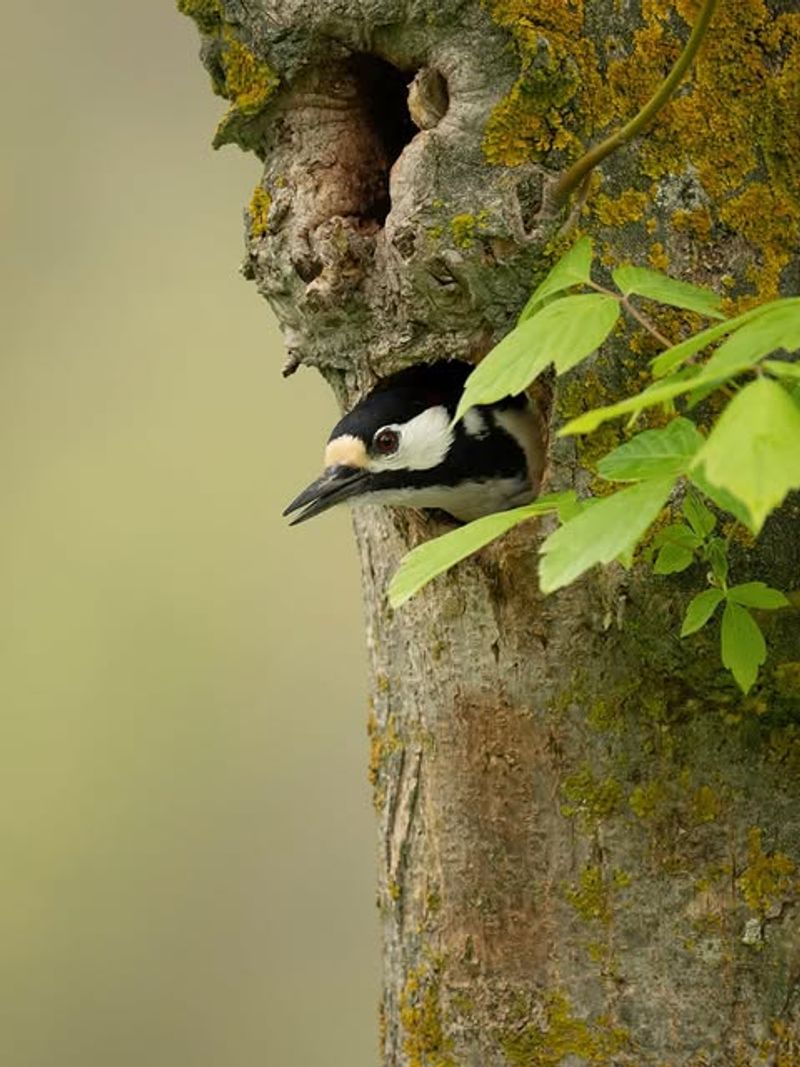
When people spot woodpecker damage on a tree, the first instinct is often to remove the damaged limb or even the whole tree. But taking that step too quickly can actually hurt your yard’s ecosystem more than help it.
Dry and decaying wood plays an important role in supporting wildlife, and not every dry limb needs to come down right away.
The key is to think about safety first and ecology second. If a dry limb hangs over a roof, a frequently used walkway, or a play area, removing it is the right call.
But if it is far from the house and not a hazard to people or property, leaving it in place benefits woodpeckers, insects, mosses, and many other species that depend on decaying wood.
If woodpeckers are causing damage to your home’s wooden siding or trim, that is a different situation worth addressing. Start by looking for signs of insect activity in those areas, since woodpeckers rarely peck at a structure without a reason.
Treating the underlying insect problem is more effective than just covering the surface. You can also temporarily cover damaged areas with hardware cloth or foam while you work on a longer-term solution.
Avoid feeding woodpeckers near the house with suet feeders placed too close to wooden structures, as this can encourage them to explore siding and trim. Moving feeders farther from the house and placing them near trees is a simple adjustment that often helps.
Coexisting with woodpeckers takes a little planning, but the payoff is a yard full of life, activity, and natural pest control you never have to pay for.