Gas Leaf Blowers Go Silent In Alexandria Next Month. Is Your Virginia Town Next?
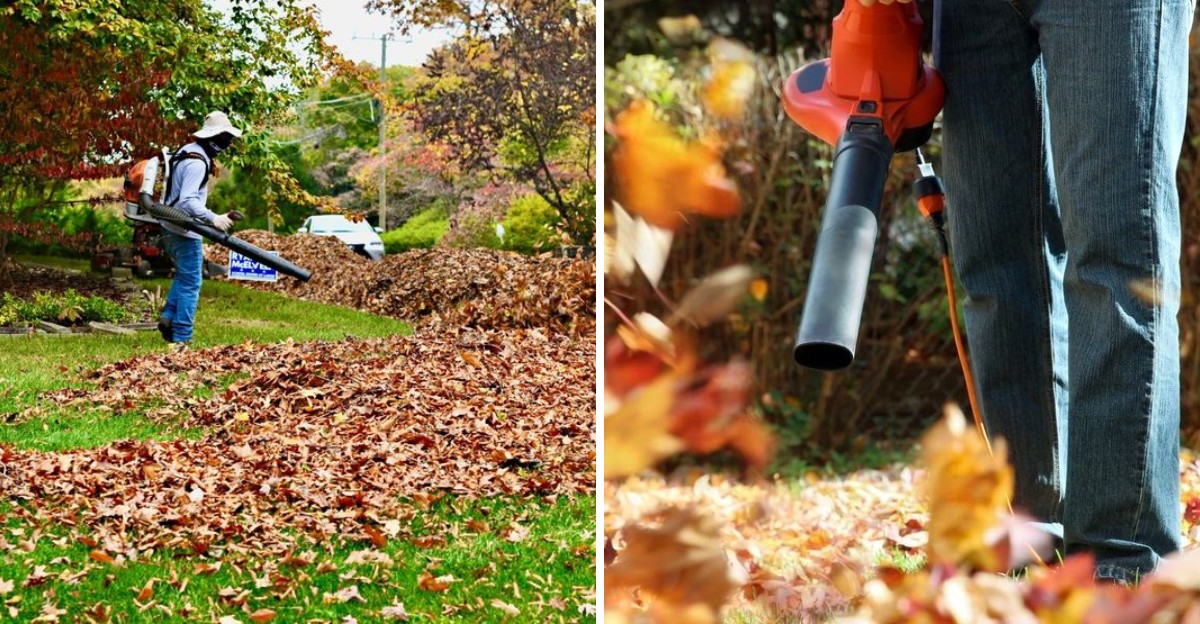
Hire a landscaping crew with a gas leaf blower next month, and you could end up paying a fine right alongside them.
Starting November 17, gas-powered leaf blowers will be banned across all of Alexandria. Homeowners, landscaping crews, and anyone who hires them will have to play by the new rules.
The change raises a big question for neighbors across Virginia. Could your town be the next to pull the plug on these noisy machines?
Arlington has already passed its own ban for later this decade, and other localities are quietly taking notes.
Knowing what the rule covers, who can get fined, and which tools are still allowed can save you money and stress. Plenty of easy ways to handle leaves without a gas blower make the switch far less painful than it sounds.
The Ban Kicks In November 17 For Everyone In City Limits
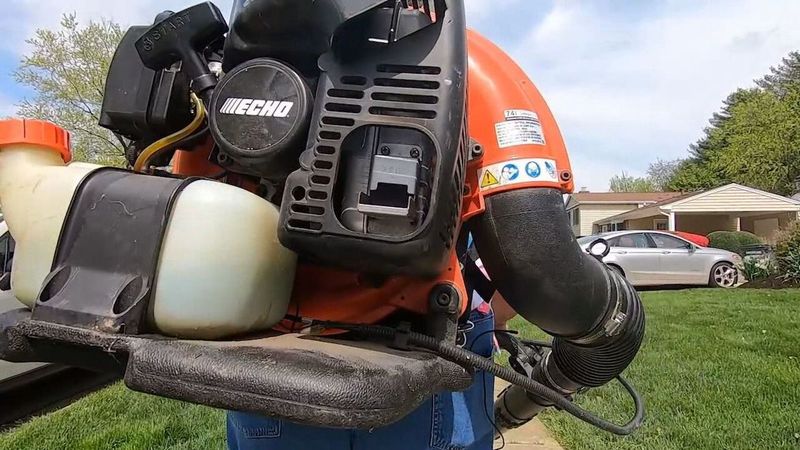
Mark your calendar, because November 17, 2026 is the big day. On that date, gas leaf blowers become illegal everywhere inside Alexandria city limits.
The rule did not appear overnight. City Council approved the ordinance back in May 2025, then gave everyone 18 months to get ready.
Eighteen months is a generous window for a change like this. It gave families time to save money and gave businesses time to swap out gear.
Fall is the busiest leaf season, so the timing matters a lot. Many trees in the city drop their leaves in early to mid November.
So the new rule lands right in the thick of raking season. Expect to notice the difference within days of the start date.
The rule covers the whole city, from Old Town to Del Ray to the West End. Neighborhood size or property type does not change anything.
A big estate and a tiny townhouse yard follow the same standard. Fairness was a key goal when leaders shaped the ordinance.
Here is a handy tip for the weeks ahead. Do any heavy gas blower cleanup before November 17, then retire the machine for good.
You might also check your garage now for gear you forgot you owned. Old blowers love to hide behind bikes and holiday boxes.
Planning early keeps the switch calm instead of rushed. Your future self, and your neighbors, will thank you for that small effort.
Homeowners And Landscapers Are Both Covered
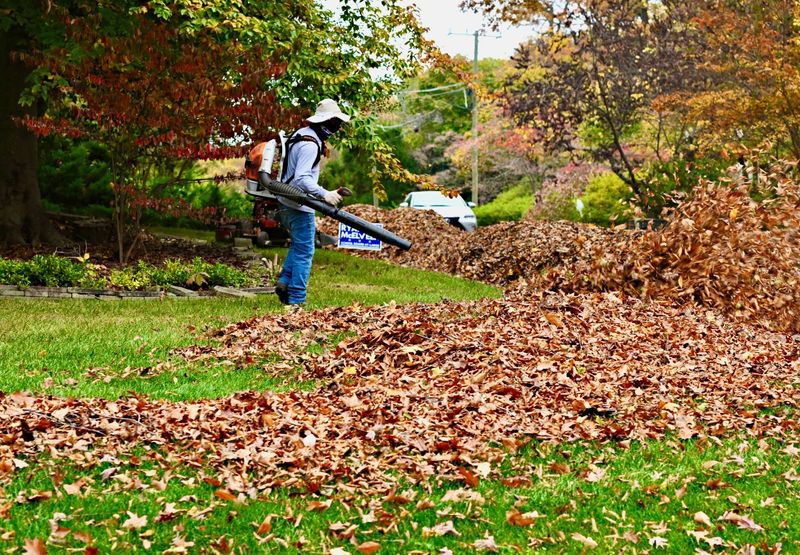
Nobody gets a free pass under this rule. Residents, property managers, businesses, contractors, and homeowner associations all have to follow it.
Think of it like a speed limit on a public road. The same sign applies whether you drive a minivan or a delivery truck.
City crews actually went first, which is a nice touch. Alexandria switched its own operations to electric blowers on May 17, 2026.
Leaders wanted to show the plan could work before asking others to follow. Leading by example tends to build more trust than lectures do.
Homeowner associations may feel the change in a big way. Many HOAs hire one crew to care for dozens of shared lawns.
If you sit on an HOA board, review your landscaping contract soon. Ask the company directly what equipment they plan to use after November.
Your Virginia Garden Changes Every Week. Your Plan Should Too.
Gardening in Virginia changes quickly throughout the season. Every Friday you’ll receive a simple weekly plan showing exactly what to plant, prune, fertilize, harvest, and protect so you never miss the right timing.
Property managers for apartment complexes face similar homework. Large parking lots and courtyards often relied on loud backpack blowers.
Businesses with storefront sidewalks should take note as well. Even a quick morning cleanup with a gas blower now counts as a violation.
A smart move is to write the new rule into any service agreement. Clear contract language protects both sides if questions pop up later.
For renters, a friendly note to your landlord can help too. Most owners appreciate a heads-up rather than a surprise fine down the road.
Gas Leaf Vacuums Are Off The Table Too
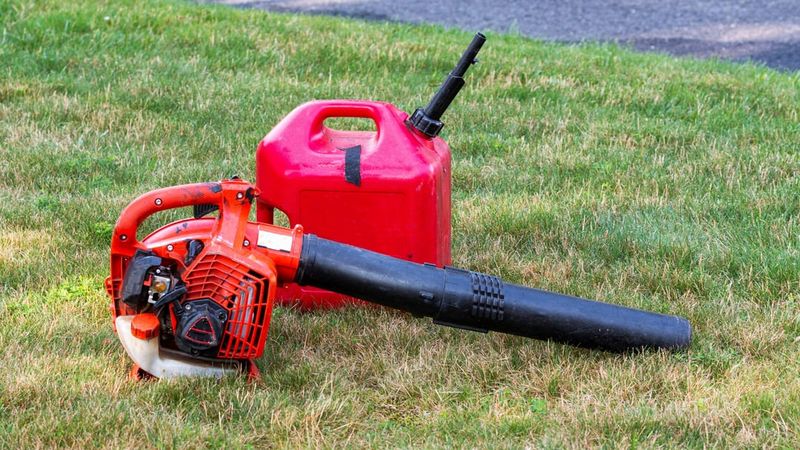
Sneaky loophole hunters, sorry to disappoint you. Leaf vacuums powered by fuel are banned right alongside gas blowers.
The rule reaches any machine running on gasoline, diesel, alcohol, or other liquid or gaseous fuel. If an engine burns something, it is likely covered.
Size does not matter either. Handheld units, backpack models, and walk-behind machines with combustion engines are all included.
Walk-behind leaf vacuums can be pricey, so owners may feel this one. Still, the noise and fumes from them mirror those of blowers.
Now for some good news. Not every gas-powered yard tool is affected.
Gas lawn mowers remain allowed for now. Trimmers and other yard gear are not included in this ordinance either.
Fun fact: a typical gas blower uses a simple two-stroke engine. Those engines mix oil into fuel and can release lots of unburned exhaust.
Before buying a replacement, read the label closely. Look for battery or corded power, not fuel tanks.
Many brands sell combo tools that blow and vacuum on one battery. A single smart purchase can cover both jobs and save garage space.
Hire A Crew With Gas Blowers, And You Could Both Be Fined
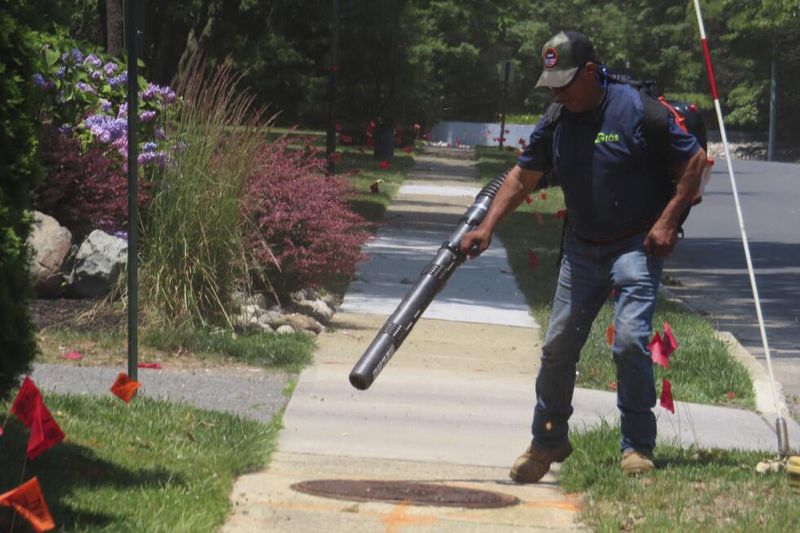
Paying someone else does not move the responsibility off your plate. Under the new rule, the crew and the property owner can both receive citations.
Picture this scene on a sunny Tuesday. You are at work while your lawn service fires up a gas blower in your yard.
A neighbor reports it, and an inspector stops by. Both the company and you could end up facing a penalty.
The city says it wants voluntary compliance first. Officials plan to reach both parties with information before handing out fines.
Even so, a warm approach today can turn into a ticket later. Waiting until a warning arrives is a risky way to plan.
Here is a practical step worth taking this week. Call or email your landscaper and ask what tools they will bring after November 17.
Get the answer in writing if you can. A short email works well as proof that you checked.
Some crews may raise prices slightly to cover new electric gear. Battery packs and chargers cost real money, especially for full teams.
A small increase may still beat paying a fine yourself. It also supports a business doing the right thing.
If your current crew refuses to switch, shop around. Plenty of local companies already advertise quiet, electric-only service as a selling point.
Repeat Offenders Face Fines Up To $500

Numbers tell this story best. A first offense brings a written warning, then fines climb from $100 to $500.
The ladder works in clear steps. A first fine is typically $100.
A second offense can cost $250, and a third jumps to $500.
Those numbers can sneak up on you. One careless season of gas blowing could get pricey.
Imagine a crew that keeps using gas blowers week after week. Each new violation moves further up that ladder.
The graduated setup is meant to teach, not punish right away. Most folks just need a reminder before changing their habits.
Still, the costs add up. A $500 fine could easily pay for a quality battery blower.
Think of it as a math problem with an easy answer. Switching tools is cheaper than paying fines more than once.
Keep any warning letter you receive in a safe place. It helps you track dates and keep an eye on repeat violations.
If you believe a citation is a mistake, ask the city about next steps. Calm questions and good records usually go further than frustration.
Electric Blowers Are Still Allowed During Set Hours
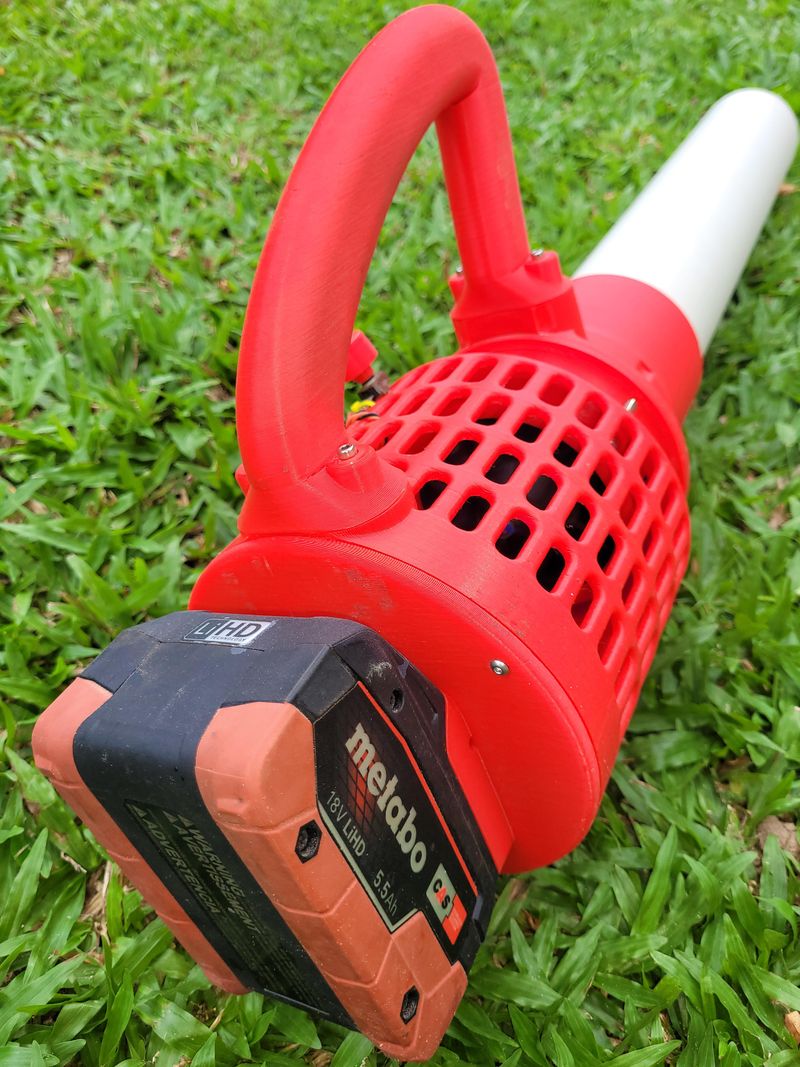
Good news for fans of the quick cleanup. Battery and corded electric blowers remain legal in Alexandria.
There is a catch, though, and it involves the clock. Electric models must follow the city’s noise code hours, so check the exact weekday and weekend times before you start.
Those set hours help keep early mornings and late evenings peaceful. Your neighbors will appreciate the quiet.
Electric blowers are much quieter than gas units. Many sound more like a loud hair dryer than a motorcycle.
They also start with a button instead of a stubborn pull cord. No more yanking a rope ten times while your shoulder complains.
Battery life is the main thing to watch. Small yards may need only one battery, but large lots might need two.
A helpful tip is to buy within one brand. Sharing batteries across a blower, trimmer, and mower saves money over time.
Store batteries indoors during cold snaps for better performance. Chilly garages can shorten run time noticeably in late November.
Finally, try lower speed settings when possible. You will stretch battery life and scatter fewer leaves into the street.
Rakes, Sweepers, And Mulching Mowers Are Fair Game
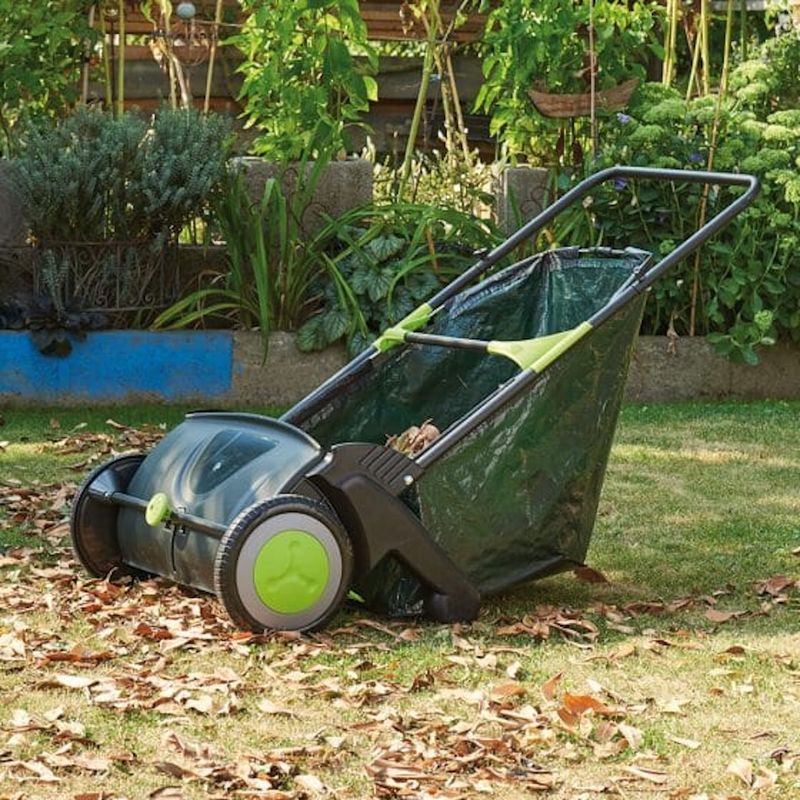
Grandpa’s favorite yard tool is having a comeback moment. Plain old rakes are fully welcome under the new rules.
The city also lists brooms, leaf scoops, and leaf claws as helpful options. Push lawn sweepers and leaf plows make the cut too.
A lawn sweeper might be the most underrated tool here. You push it like a mower, and spinning brushes toss leaves into a bag.
Leaf scoops work like giant hands for grabbing piles. They make bagging much faster and save your back from bending.
Mulching mowers deserve a special shout-out. They chop dry leaves into tiny bits that sink right into the grass.
Many people find mulching quicker than raking. One or two passes can make a carpet of leaves nearly disappear.
For best results, mow when leaves are dry and crunchy. Wet leaves clump together and can clog the mower deck.
Raking can also be a fun family activity. Kids love jumping in a fresh pile before it gets bagged.
A good ergonomic rake makes a big difference. Look for a wide head and a comfortable grip to reduce strain.
Mixing tools often works best. Mulch the open lawn, then rake flower beds and corners by hand.
Leaving Leaves In Place Is Officially Encouraged

Here is permission many of us have quietly wanted. The City of Alexandria officially encourages leaving some leaves right where they fall.
Natural areas under trees and shrubs are the best spots. Leaves there can break down slowly and feed the soil.
Over time, those leaves turn into rich organic matter. Your plants get a free snack, and you skip hours of work.
Nature has worked this way for millions of years. Forests manage just fine without anyone raking them.
Leaf layers also offer shelter for helpful critters. Many caterpillars, bees, and fireflies spend winter tucked inside leaf litter.
Fun fact: some moth and butterfly species overwinter in fallen leaves. Clearing every leaf can remove their cozy winter homes.
Of course, a thick blanket on grass can smother your lawn. That is where the mulching mower method comes in handy.
Chopped leaves act as natural fertilizer for turf. Your lawn may look greener next spring without extra store-bought products.
Keep sidewalks, steps, and storm drains clear for safety. Wet leaves get slippery, and clogged drains can cause street flooding.
Try a simple plan this fall. Mulch the lawn, leave beds alone, and clean only walkways.
Old Gas Blowers Can Go To The Household Hazardous Waste Facility
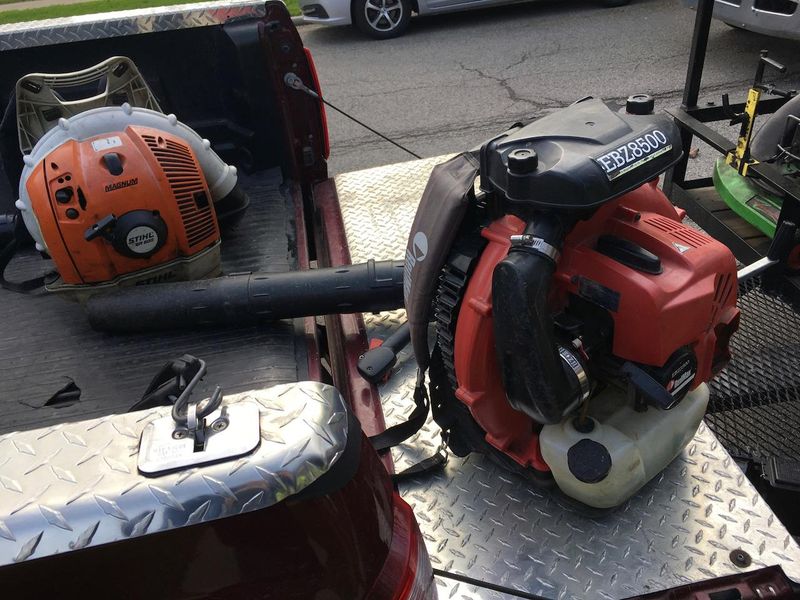
Wondering what to do with that old machine gathering dust? Alexandria has a tidy answer for residents.
Bring it to the Household Hazardous Waste Facility at 3224 Colvin Street. Staff will make sure it gets recycled as scrap metal.
First, though, the blower must be fully drained. Remove all gasoline and oil before you load it into your car.
You can bring that leftover fuel and oil to the same facility. Pouring it down drains or into the trash is a bad idea.
Use an approved gas can for the fuel. A sealed container keeps fumes and spills out of your vehicle.
Here is a key detail to remember. The service is for individual residents only, not commercial landscapers.
Landscaping companies will need to find another disposal route. Many scrap metal yards or equipment dealers may accept old units.
Before you go, check the facility hours online. Showing up on a closed day is a frustrating way to spend a Saturday.
Some folks wonder about selling their blower instead. Remember that the machine cannot legally be used inside the city after the ban.
Recycling keeps metal parts out of landfills. It also gives you closure on a noisy chapter of yard care.
Arlington’s Ban Is Already On The Books, And Others Are Watching
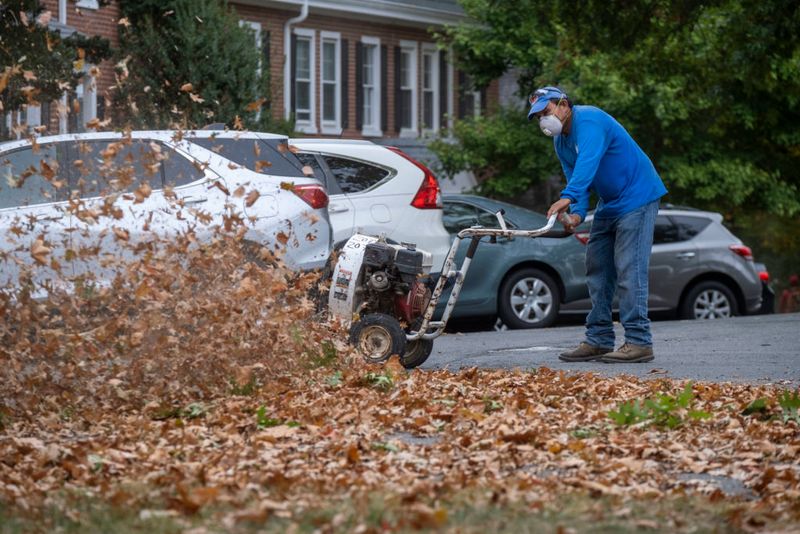
Alexandria is not alone in this quiet revolution. Arlington County has also adopted a ban on gas leaf blowers and vacuums.
Arlington is moving a bit slower, though. Its rule takes effect on January 1, 2029, after a 29-month transition.
Across the river, the trend is even older. Washington, D.C. and Montgomery County, Maryland already have similar bans in place.
Other Virginia localities are paying close attention, especially in Northern Virginia.
Not every town is choosing a ban, however. Some places may prefer rebates that help people switch to electric gear instead.
Rebates reward early movers without forcing anyone. Some residents prefer that gentler path over fines.
So is your Virginia town next? The honest answer depends on local leaders and on what residents say.
Want a voice in the decision? Watch your city council or county board agendas for discussions on yard equipment.
Public comment periods are a great time to share your view. Leaders do listen when neighbors show up with thoughtful ideas.
Either way, planning ahead is smart. Buying electric tools now could save money if your area adopts a ban later.