Pennsylvania Gardeners Should Do These Rosemary Care Tasks Before October Ends
Rosemary spent all summer being quietly magnificent. It perfumed your fingers every time you brushed past it, showed up in your roasted potatoes without being asked, and basically asked for nothing in return.
Now October is here, the nights are getting genuinely cold, and that dependable little shrub needs you to return the favor.
Pennsylvania frost does not send a polite warning before it arrives, and rosemary is a Mediterranean plant at heart, which means it has opinions about freezing temperatures and they are not positive ones.
The good news is that keeping it happy through winter is very manageable with a handful of simple tasks done before the cold really settles in.
None of them take long, none of them cost much, and your spring self will be very glad you showed up for this one.
1. Check Your Frost Dates Right Away

Timing is everything with rosemary, and the calendar can be sneaky. Most of Pennsylvania sees its first frost somewhere between late September and late October.
Gardeners near Erie or up in the northern mountains often get chilly surprises first. Folks around Philadelphia and Pittsburgh usually enjoy a few extra weeks of mild weather.
Rosemary is a Mediterranean plant, so it loves sunshine and warm breezes. Light frost around 30 degrees may only nip the tips, but a hard freeze in the low 20s can seriously harm many varieties.
Start by looking up your average first frost date by zip code. The Penn State Extension website and local weather stations both share helpful charts for every county.
Next, set a reminder on your phone about two weeks before that date. That gives you a cushion to finish trimming, potting, or moving plants without rushing in the dark.
Keep an eye on the ten-day forecast too. A sudden cold snap can arrive earlier than the average, especially in valleys where cold air settles at night.
Here is a fun fact to share at dinner. The name rosemary comes from Latin words meaning dew of the sea, because it grows wild along salty coastlines.
Knowing your dates turns guessing into planning. Once you have that number, every other fall task becomes much easier to schedule and finish.
2. Give Rosemary A Light Fall Trim
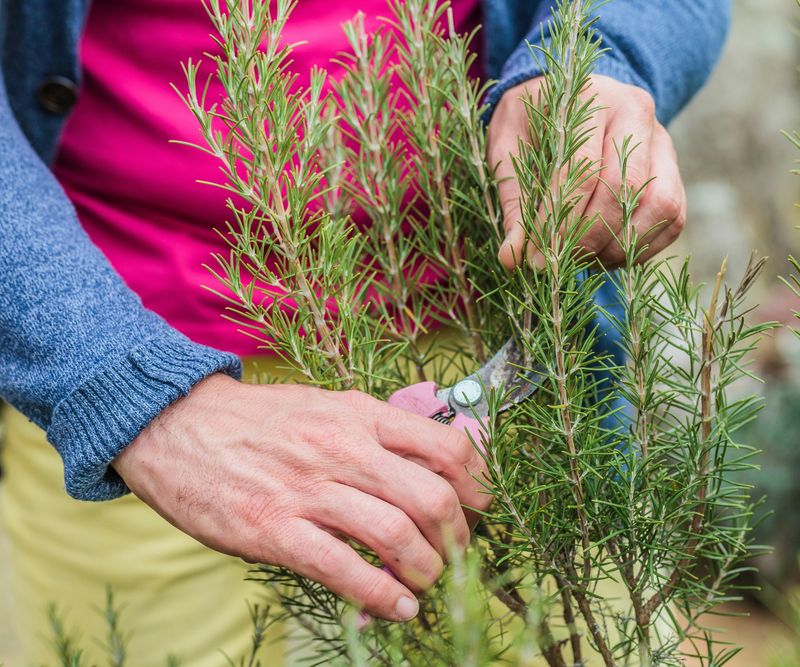
Snip, sniff, smile. Few garden chores reward your nose quite like trimming rosemary on a cool October afternoon.
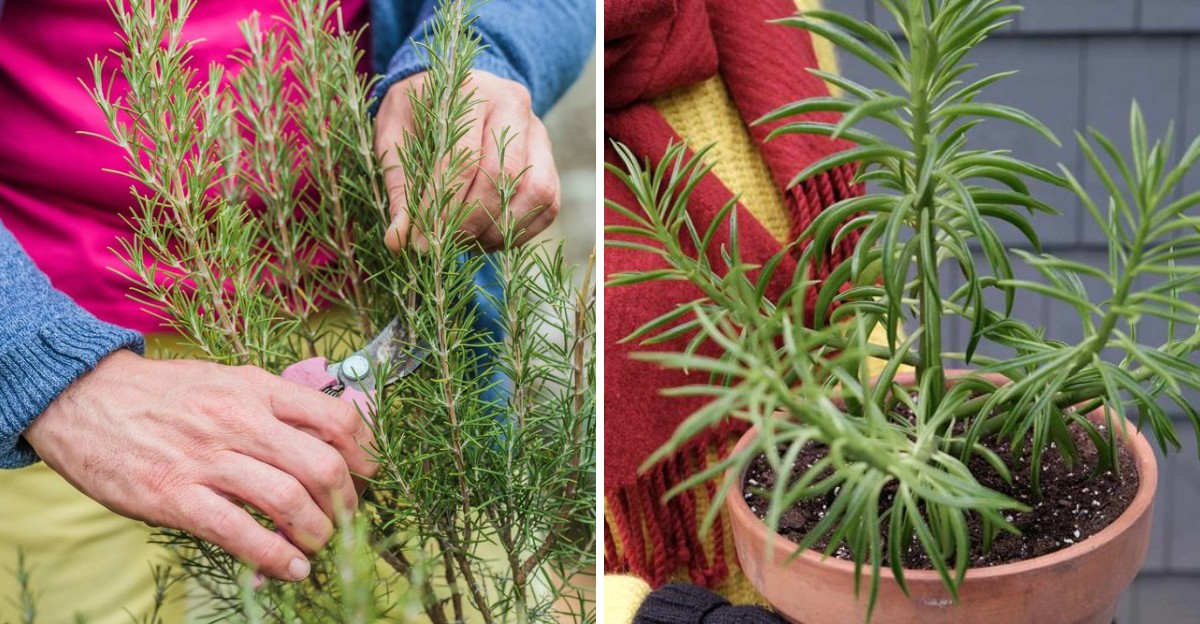
A gentle haircut now helps the plant focus its energy on staying strong. The goal is shaping, not a dramatic makeover, so go easy with those pruners.
Remove no more than one third of the plant at a time. Cutting too deep into old, woody stems can leave bare spots that struggle to regrow before spring.
Focus first on any broken branches or stems that look brown and brittle. Then trim the soft green tips to tidy the shape and encourage a fuller, bushier look.
Use clean, sharp pruners for smooth cuts. Wiping the blades with rubbing alcohol between plants helps stop the spread of plant diseases.
Your Pennsylvania Garden Changes Every Week. Your Plan Should Too.
Gardening in Pennsylvania changes quickly throughout the season. Every Friday you’ll receive a simple weekly plan showing exactly what to plant, prune, fertilize, harvest, and protect so you never miss the right timing.
Gardeners across Pennsylvania often wait too long and prune right before a freeze. Fresh cuts can be tender, so finish trimming at least two to three weeks before your frost date.
Save every sprig you remove, because those clippings are kitchen gold. Tie them into small bundles and hang them upside down in a dry spot to make your own dried herbs.
Your plant will thank you with healthier growth next year. Plus, your kitchen will smell like a cozy Italian restaurant for days.
3. Bring Potted Rosemary Indoors Slowly
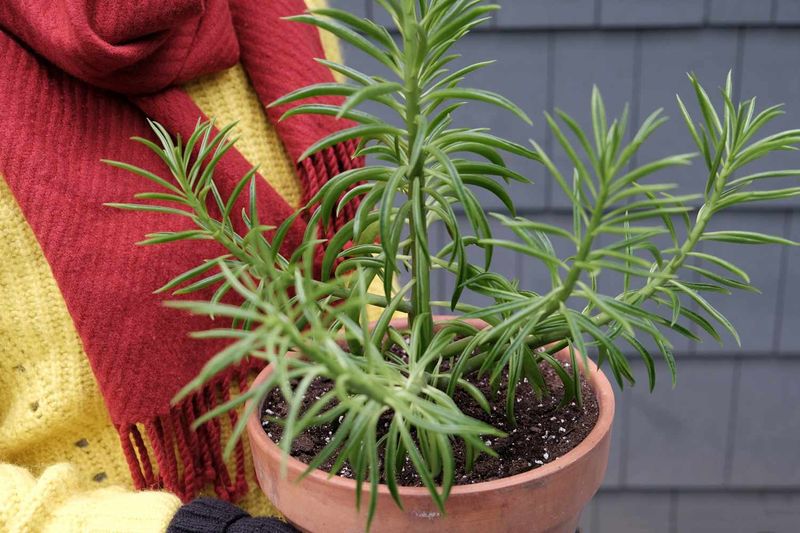
Moving day can be stressful for anyone, including plants. Rosemary that has lived outside all summer needs a little time to adjust before heading inside.
Indoor homes in Pennsylvania are darker, drier, and warmer than a sunny patio. A sudden switch can shock the plant and cause its needles to drop.
Try a slow transition over about one to two weeks. Start by placing the pot in a shady spot outdoors for a few days so it gets used to less light.
Next, bring it inside for a few hours each day, then return it outside. Gradually increase the indoor time until the plant stays in full time.
Before the final move, inspect every branch closely. Aphids, spider mites, and whiteflies love hitching rides indoors, so rinse the leaves with a gentle spray of water.
Check under the pot too, since sneaky slugs and spiders often hide there. Nobody wants surprise guests crawling across the living room floor.
Choose a pot with good drainage holes before the big move. Terracotta works nicely because it breathes and lets extra moisture escape.
Patience pays off here. A plant that adjusts slowly usually keeps its color and flavor through the long winter months.
4. Find The Sunniest Window For Winter
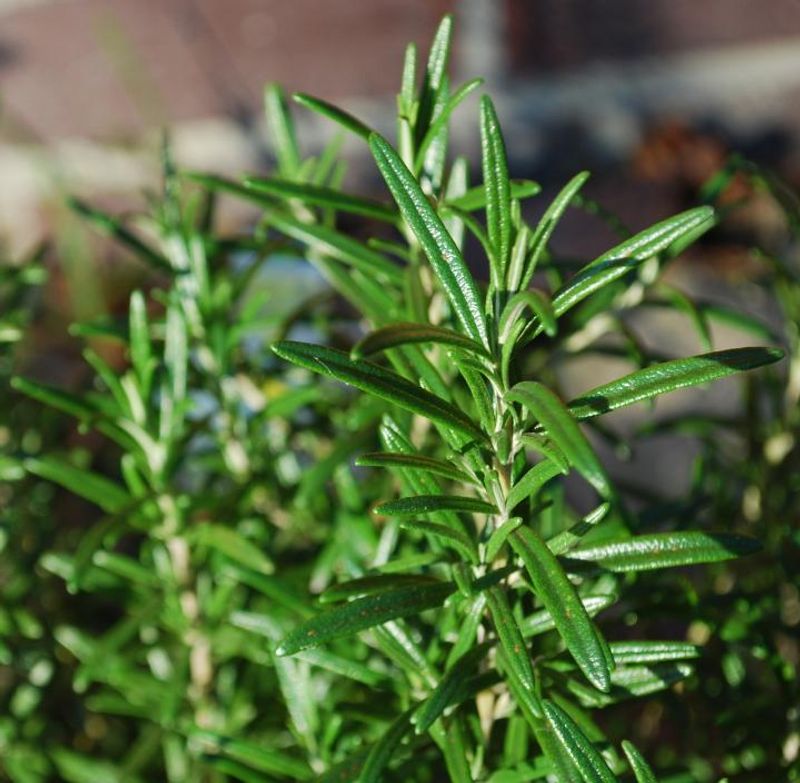
Sunlight is basically rosemary’s favorite snack. Without enough of it, the plant gets leggy, pale, and grumpy fast.
Winter days in Pennsylvania are short and often cloudy. That makes picking the right window one of the smartest choices you can make this month.
A south-facing window is the top pick because it gets the most light. West-facing windows are a decent backup, offering strong afternoon sunshine.
Aim for at least six hours of bright light each day. If your home just does not have a sunny spot, a simple LED grow light can fill the gap nicely.
Keep the light about six to twelve inches above the plant. Running it for twelve to fourteen hours daily mimics a long summer day.
Watch out for cold drafts near windows at night. Leaves touching icy glass can get damaged, so leave a few inches of space.
Also keep the plant away from heating vents and radiators. Hot, dry air blowing straight on it can quickly crisp the needles.
Give the pot a quarter turn every week or so. That simple habit keeps the plant growing evenly instead of leaning toward the glass like a sunflower.
5. Protect In-Ground Rosemary With Mulch
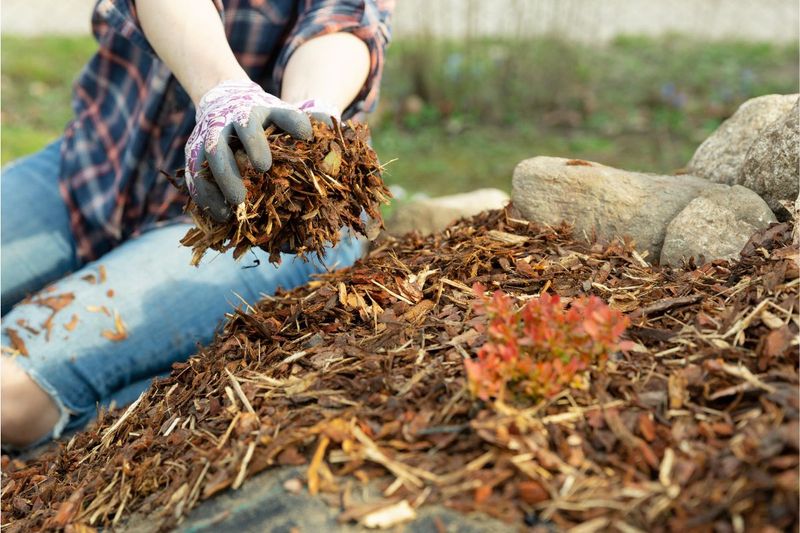
Some rosemary lives right in the ground, and digging it up is not always practical. Luckily, a cozy blanket of mulch can help it brave the cold.
Hardy varieties like Arp and Madalene Hill, sometimes called Hill’s Hardy, handle chilly weather better than most. Many gardeners in southeastern Pennsylvania have success keeping these outdoors all year, particularly in the warmer zone 6b and 7a areas of the region.
Wait until the soil cools a bit, usually mid to late October. Then spread two to three inches of mulch around the base of the plant.
Shredded bark, straw, or pine needles all work well. Avoid piling mulch right against the stems, since trapped moisture can cause rot.
Leave a small ring of open space around the trunk. Think of it like a donut shape rather than a volcano.
Plant location matters a lot too. Rosemary near a south-facing brick wall or foundation soaks up stored warmth on frosty nights.
For extra protection, keep a frost cloth or old bedsheet handy. Drape it over the plant on extra cold nights and remove it during sunny days.
Burlap wraps help shield plants from harsh winter winds as well. With a bit of planning, your outdoor rosemary has a real shot at greeting spring with fresh green growth.
6. Cut Back On Watering For Rosemary
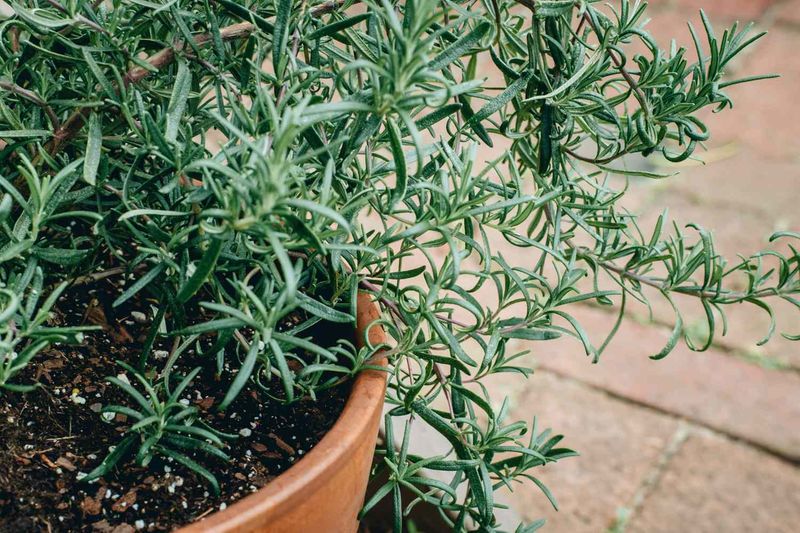
Here is a twist that surprises plenty of new gardeners. Rosemary is far more likely to suffer from too much water than too little.
The plant grew up on rocky, dry hillsides in places like Spain and Greece. Soggy roots make it miserable, and cooler fall weather means the soil dries much more slowly.
Around Pennsylvania, October rains can keep outdoor beds damp for days. Hold off on extra watering unless the soil feels dry a couple inches down.
For potted plants, try the finger test. Push a finger into the soil, and only water when the top inch or two feels dry.
When you do water, soak the pot thoroughly until water drains out the bottom. Then empty the saucer so the roots are not sitting in a puddle.
Indoor rosemary in winter may only need water every one to two weeks. That number depends on your home’s temperature and humidity.
Watch for warning signs as you go. Yellowing lower leaves and mushy stems often point to overwatering, while crispy brown tips can mean it is too dry.
A gritty potting mix made for cactus can really help. It drains fast and keeps roots breathing happily all winter.
7. Take Rosemary Cuttings As Backup
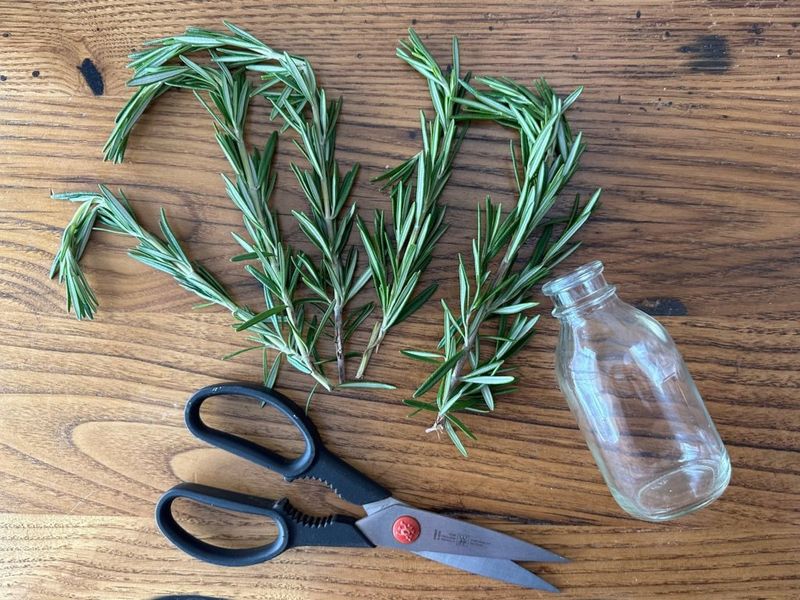
Smart gardeners like having a plan B. Taking a few rosemary cuttings now is like buying cheap insurance for your herb garden.
Even with careful protection, a brutal Pennsylvania winter can be tough on outdoor plants. Fresh cuttings grown indoors give you a guaranteed head start next spring.
Choose healthy stems that are four to six inches long. Look for green, bendy growth rather than thick, woody branches.
Strip the needles from the bottom two inches of each stem. Dip the cut ends in rooting hormone if you have it, though it is not required.
Place the cuttings in a small pot of moist, sandy soil or a glass of water. Set them in bright, indirect light and keep the soil lightly damp.
Roots usually show up in about four to eight weeks. Gently tug a stem, and if you feel resistance, roots are forming.
Once the roots look sturdy, move each cutting into its own small pot. Treat them like your grown plants, with lots of light and careful watering.
Extra plants make wonderful holiday gifts too. A tiny potted rosemary with a ribbon is charming, useful, and smells amazing.
8. Harvest And Preserve Your Rosemary
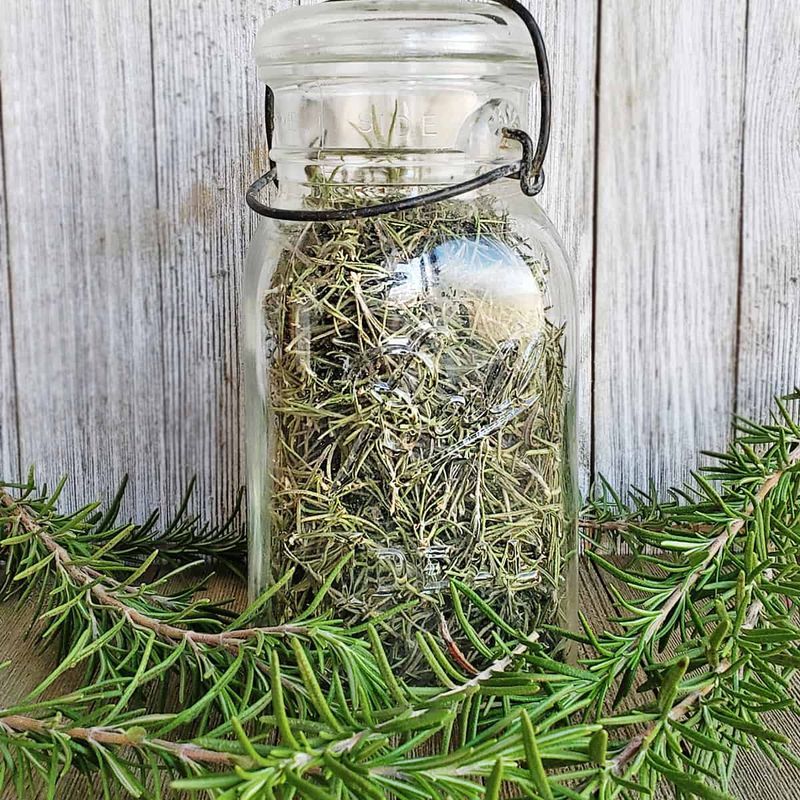
Grandma had the right idea when she hung herbs from the kitchen rafters. October is the perfect time to stock up on that piney flavor before winter slows growth.
Rosemary leaves hold the most oil and flavor in the morning. Pick after the dew dries but before the afternoon sun warms things up.
Drying is the easiest way to preserve your harvest. Tie small bundles with string and hang them upside down in a warm, dark, airy place for about two weeks.
Once the needles feel crispy, strip them off and store them in airtight jars. Keep the jars away from the stove so the flavor lasts longer.
Freezing works great too, especially for soups and stews. Chop fresh rosemary, pack it into ice cube trays, and cover with olive oil before freezing.
Many Pennsylvania cooks also love making rosemary salt. Blend fresh needles with coarse sea salt, spread it out to dry, and sprinkle it on roasted veggies.
Here is a fun bit of history. Ancient Greek students wore rosemary wreaths while studying because they believed it boosted memory.
Harvesting now also helps the plant stay tidy. You get delicious flavor, and your rosemary gets a gentle trim at the same time.
9. Watch For Pests On Rosemary Plants
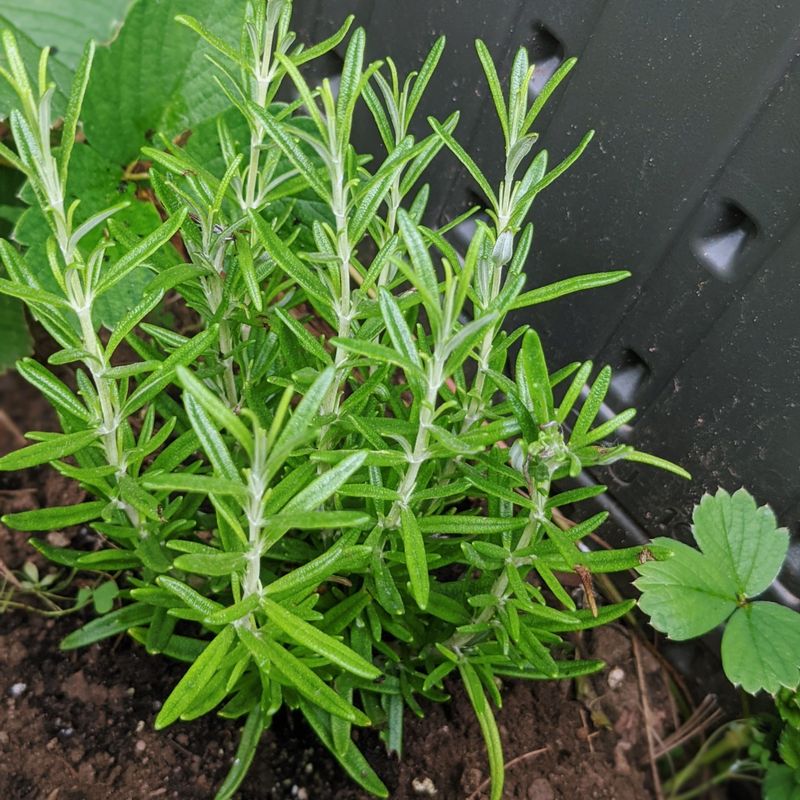
Tiny troublemakers love cozy indoor spaces just as much as we do. October is prime time to catch them before they move in for the winter.
Spider mites, aphids, and mealybugs are the usual suspects on rosemary. Powdery mildew, a white dusty coating, also shows up often during humid Pennsylvania falls.
Grab a magnifying glass and take a close look once a week. Check under the leaves, along the stems, and where branches meet.
Fine webbing usually means spider mites have arrived. Sticky leaves or clusters of small green bugs point to aphids.
For light problems, a strong spray of water often does the trick. Insecticidal soap or neem oil works well for tougher cases and is safe for edible herbs.
Always rinse harvested sprigs before cooking, especially after treating the plant. Following product labels carefully keeps everyone safe.
Good airflow is the best defense against mildew. Space plants apart and run a small fan nearby for a few hours a day indoors.
Catching issues early saves loads of frustration later. A healthy, pest-free plant will reward you with fresh, fragrant sprigs all winter long, ready for your next pot of soup.