Your Christmas Cactus Can Bloom Before Christmas In Michigan With These Tips
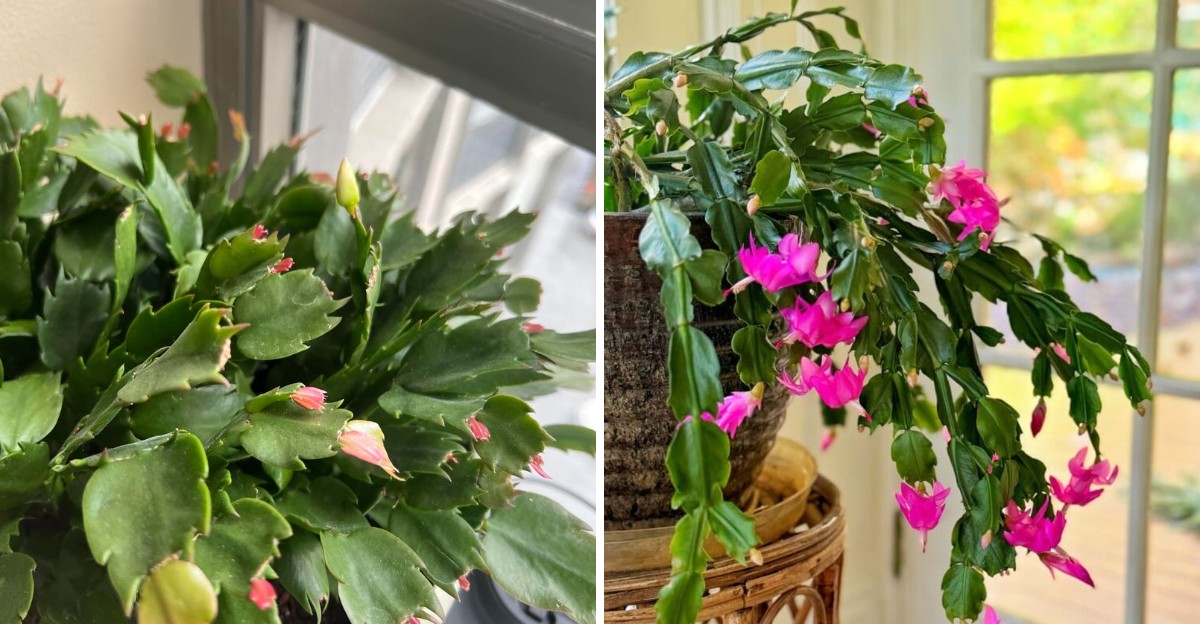
Plenty of Christmas cacti bloom in January and leave their owners wondering what went wrong. Nothing did. The plant simply missed its signal. Buds form when nights grow longer and cooler, and many Michigan homes send mixed messages.
A bright lamp, a warm hallway, or a sunny spot that stays lit late can all delay the show. Michigan’s early darkness this time of year works in your favor if you protect it.
A cool room, steady nights, and a lighter touch with water tell the plant that winter is near. Most plants need about six weeks of these conditions to set buds.
Start now, and flowers can open right around the holidays. Waiting until November often means a post-holiday bloom instead.
1. Start The Bloom Countdown Now
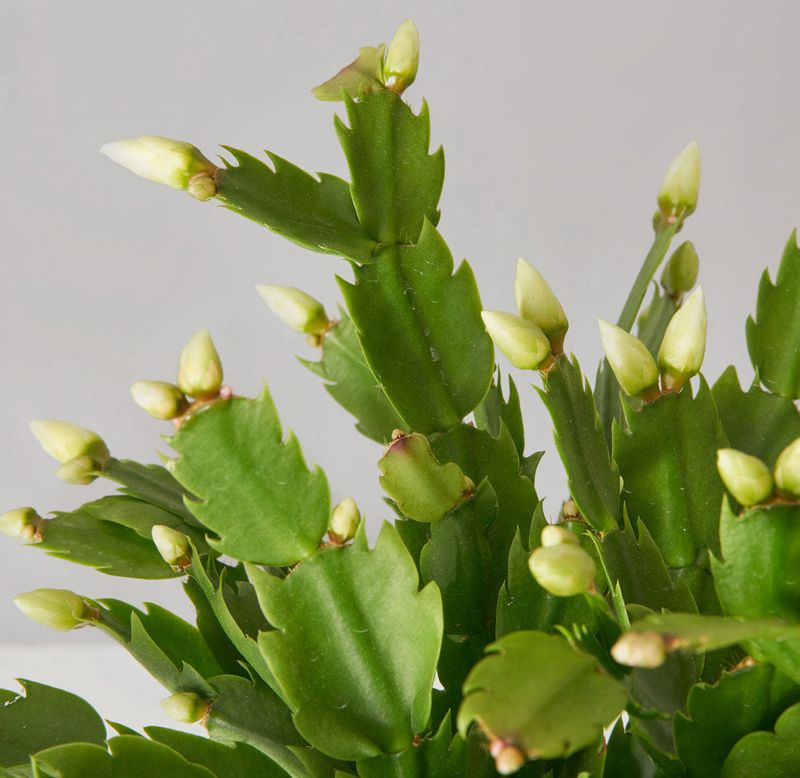
Every great holiday bloom begins with a calendar, not a watering can. A Christmas cactus, known to botanists as Schlumbergera, flowers on a schedule set by the seasons. Miss the starting line, and those bright blooms may show up after the tree comes down.
Here is how the timeline works. The plant needs about six weeks of cool temperatures or long nights before it forms flower buds.
After the buds appear, they need several more weeks to grow, swell, and finally open, so the whole process should begin by early to mid October.
Running a little behind? No need to worry. If you start bud-setting conditions right away in mid October, your plant can often still bloom by mid to late December. That gives you a real shot at flowers for holiday parties and family dinners.
A simple trick makes tracking easy. Grab a calendar or set a reminder on your phone for the day you begin, then mark the date six weeks later. Jot down notes along the way, such as when you notice the first tiny buds, so you can repeat your success next year.
Michigan gives you a nice head start here. October brings crisp nights and cooler indoor rooms, especially before the heat runs all day long. Those natural conditions match what the cactus wants, so you are working with the weather instead of against it.
Think of October as planting season for flowers you will enjoy in December. A few minutes of planning now pays off with weeks of color later. Your future self, sipping cocoa beside a blooming cactus, will thank you for starting on time.
2. Use A Cool Room To Trigger Buds
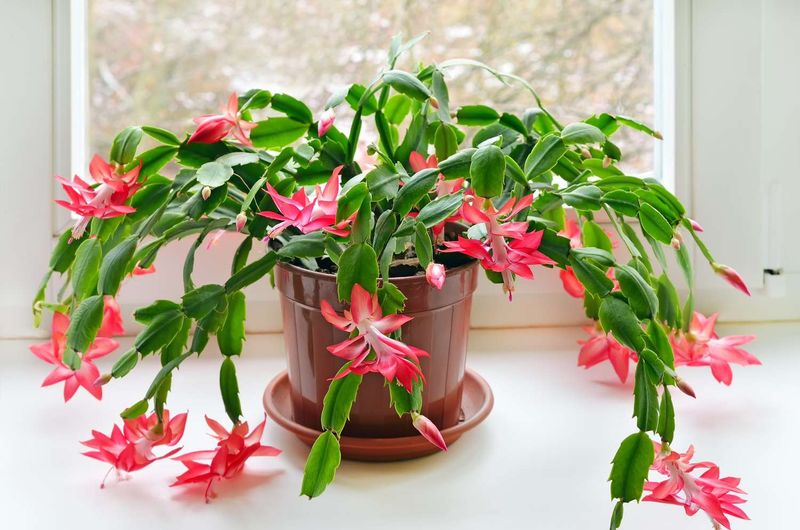
Sometimes the easiest gardening trick is simply turning down the heat. A Christmas cactus responds strongly to cool air, and chilly temperatures alone can tell it that flowering season has arrived. You may not even need to fuss with darkness at all.
Keep the plant at about 50 to 60°F, and it will usually start forming buds on its own. In this cool range, the cactus sets flowers even if the nights are not perfectly dark. That makes a spare bedroom, guest room, or sunroom one of the simplest tools you have.
Your Michigan Garden Changes Every Week. Your Plan Should Too.
Gardening in Michigan changes quickly throughout the season. Every Friday you’ll receive a simple weekly plan showing exactly what to plant, prune, fertilize, harvest, and protect so you never miss the right timing.
Plan to leave the plant in that cool, bright room for about six weeks. Bright light during the day keeps it healthy and strong while the buds get started. Check on it every few days, but otherwise let the cool air do the work.
Watch out for a few trouble spots, though. Cold drafts that drop below about 45°F can stress the plant, so keep it away from leaky doors and very cold glass.
Heat vents and fireplaces cause the opposite problem by drying it out and warming it too much. Michigan homes are often perfect for this method.
Many houses have a back bedroom that stays cool, an enclosed porch, or a spot near a window that naturally sits in the right range during fall. A cheap indoor thermometer can confirm the temperature in just a day or two.
Choosing the right room may be the smartest move you make all season. Once you find that cool, bright corner, write it down. It could become your cactus’s favorite fall hangout year after year.
3. Give It Long, Dark Nights In Warmer Rooms
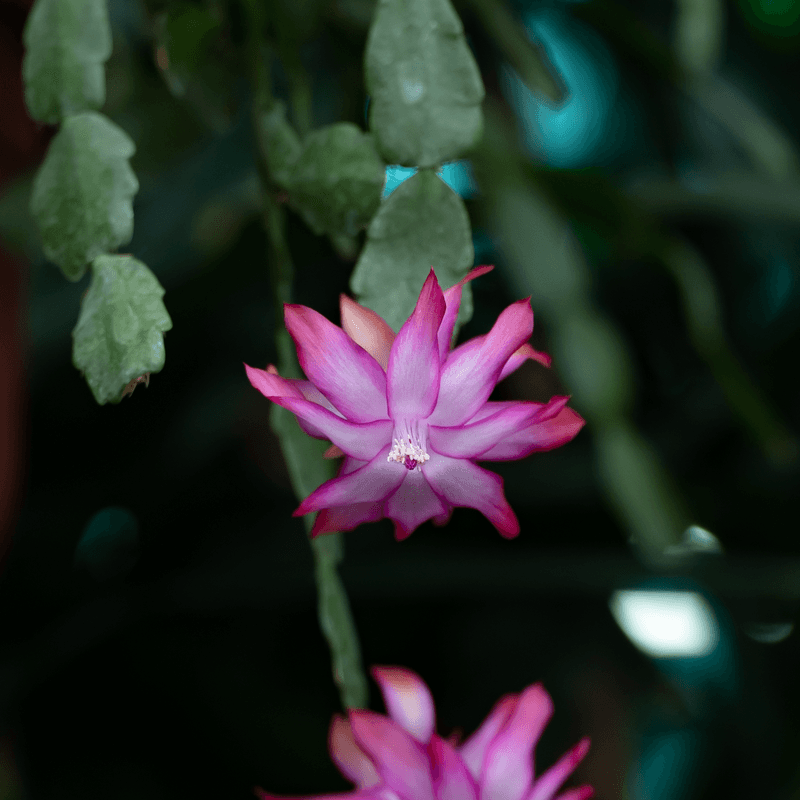
Not every house has a chilly room to spare, and that is perfectly fine. When your home stays warm, darkness becomes the key that unlocks flower buds. The plant can read the length of the night almost like a clock.
In warmer rooms, a Christmas cactus needs about 12 to 14 hours of uninterrupted darkness each night to form buds.
Even short bursts of light can reset its internal timer. Lamps, television screens, and streetlights shining through a window may all interrupt the process without you noticing.
So where should it go? A room that stays dark in the evening works best, such as a rarely used bedroom or a quiet office. Close the curtains and keep the door shut so hallway lights stay out.
No dark room available? Grab a cardboard box big enough to cover the plant without crushing it. Slip it over the cactus around 6 p.m. and lift it off around 8 a.m., then return the plant to bright, indirect light for the day.
Keep up this routine for about six weeks. Setting phone alarms for morning and evening helps a lot, since skipping a few nights can delay the buds. Kids often enjoy taking charge of the box, which turns plant care into a family job.
Michigan fall evenings make this step extra important. With darkness arriving early, lights in living rooms and kitchens tend to stay on for hours.
Your cozy evenings are great for people, yet a cactus sitting under a reading lamp may never get the message to bloom.
4. Hold Off On Fertilizer
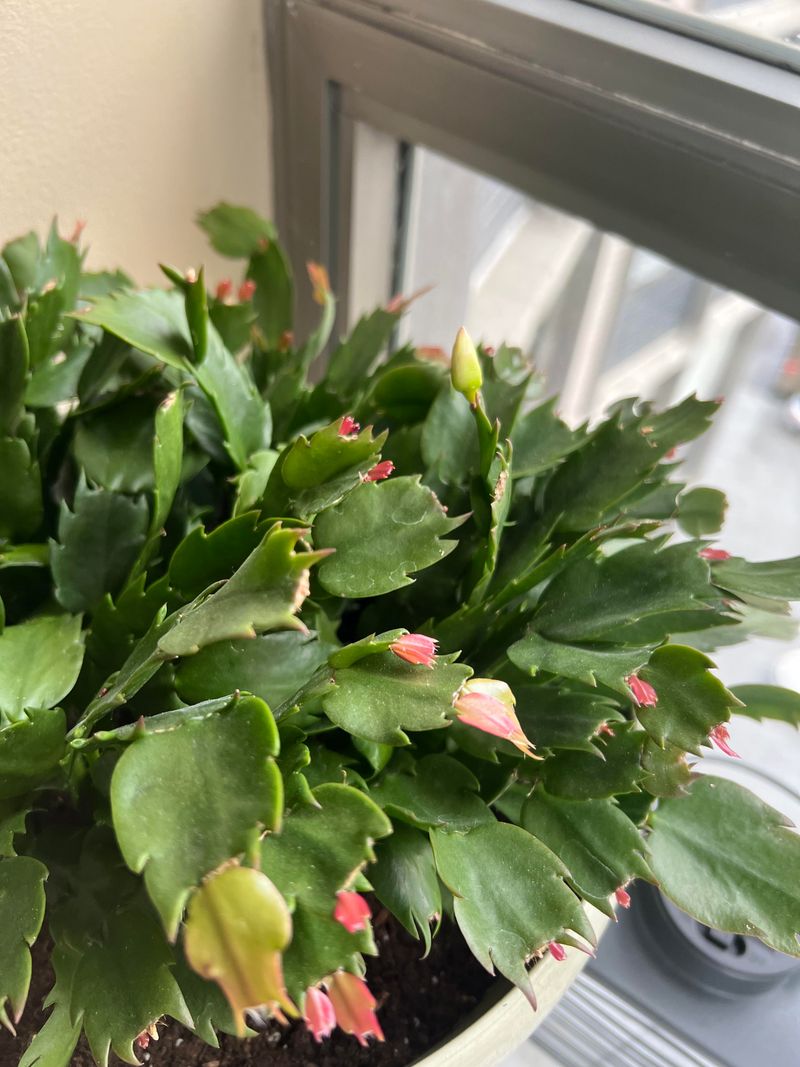
Feeding a plant seems like a kind thing to do, yet in fall it can actually backfire. A Christmas cactus that keeps getting fertilizer may focus on the wrong job. Instead of making flowers, it keeps pushing out fresh stems.
The reason is pretty simple. Fertilizer encourages leafy new growth, and that growth competes with bud formation for the plant’s energy. Cactus plants fed well into autumn often end up with plenty of green segments and only a handful of blooms.
Timing your feeding solves the problem. Stop fertilizing by late summer, usually around the end of August or early September. Then skip feeding completely through the bud-setting and blooming period, even if the plant looks a little quiet.
Spring is when the food bottle comes back out. Once new growth appears after the flowers fade, start with light feedings using a balanced houseplant fertilizer mixed at about half strength.
This steady support during spring and summer builds strong stems that will carry next year’s flowers. Plenty of Michigan gardeners feel tempted to reach for fertilizer in fall.
As days shorten and light gets weaker, many houseplants slow down and look less lively. That slowdown is natural, though, and a resting Christmas cactus is often getting ready to bloom rather than asking for a snack.
Holding back can feel strange at first, almost like you are ignoring your plant. Think of it as letting the cactus concentrate. Patience now means more buds, brighter color, and a showier display when relatives gather around the table in December.
5. Water A Little Less While Buds Form
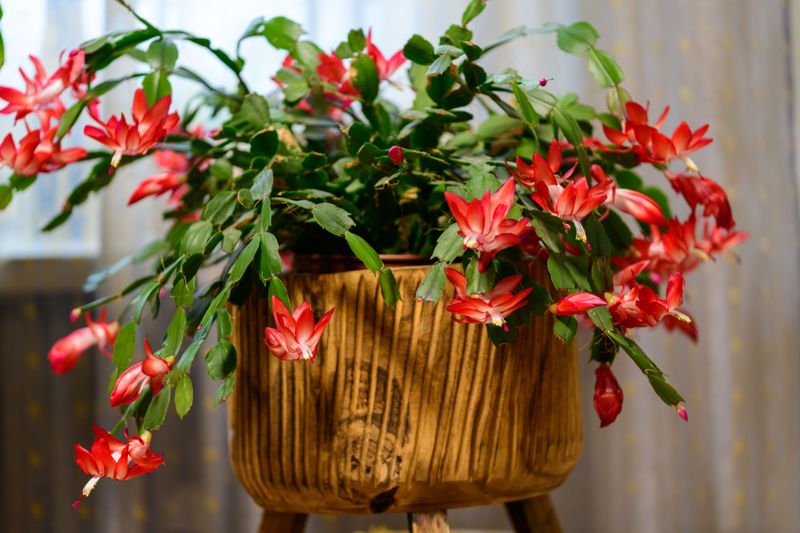
Your finger may be the best watering tool you own. During bud season, a Christmas cactus likes its soil a touch drier than usual. Learning to check before you pour makes a big difference.
Slightly drier soil helps the plant shift its energy toward flowering. On the flip side, soggy soil in a cool room is a recipe for root rot, one of the most common problems with this plant. Roots sitting in wet, chilly soil simply cannot breathe well.
Here is an easy routine for the six-week bud-setting period. Push a finger into the soil, and water only when the top inch or two feels dry. If it still feels damp, wait a few more days and check again.
When it is time, water thoroughly until some runs out the drainage hole. Let the extra drain away in the sink for a few minutes. Never leave the pot sitting in a saucer full of water, since that keeps the roots soaked.
A pot with good drainage helps too. Christmas cactus grows naturally on trees and rocks in Brazilian forests, so its roots are used to quick-draining material rather than heavy, wet mud. A loose potting mix made for cactus or orchids can suit it nicely.
Michigan fall conditions call for extra attention here. In cool rooms with weaker sunlight, soil dries much more slowly than it does in summer.
A plant that needed water every week in July might only need it every two weeks now, so let the soil, not the calendar, set the schedule.
6. Know Whether You Have A Thanksgiving Or Christmas Cactus
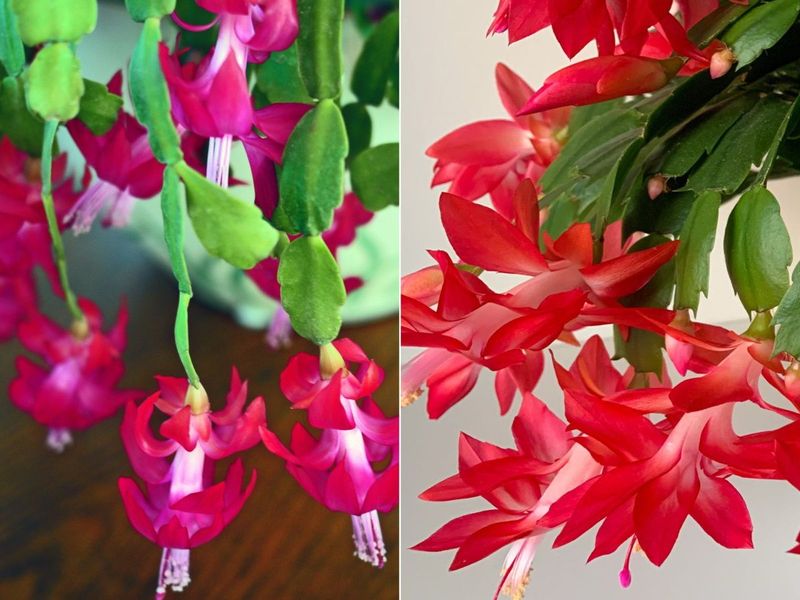
Plenty of people have been growing a Thanksgiving cactus for years without knowing it. Stores often sell holiday cactus plants under one cheerful label, even when they are different types. Figuring out which one you own can clear up a lot of timing confusion.
Many plants sold as Christmas cactus are actually Thanksgiving cactus, called Schlumbergera truncata. Its flat stem segments have pointed, claw-like edges that look a bit like little teeth.
This type usually blooms in late November, right around turkey time. A true Christmas cactus looks softer around the edges.
Its segments have rounded, scalloped margins with no sharp points. It tends to bloom a few weeks later than its Thanksgiving cousin, closer to the December holidays.
Take a minute to look closely at your plant today. Run your eyes along the edge of a few segments and compare them to these descriptions. Once you know, you can plan the season with far more confidence.
Got a Thanksgiving cactus? Expect it to flower well before Christmas if you follow the usual fall routine. If you would rather see blooms closer to December 25, start its cool or dark bud-setting period a little later, perhaps a couple of weeks after mid October.
Michigan gardeners can use this knowledge to plan around family gatherings, school concerts, and holiday visits.
A plant that blooms early is still a joy, of course. Even so, knowing your type turns guesswork into a plan, and that makes the whole process feel easier and more rewarding.
7. Keep Everything Steady Once Buds Appear
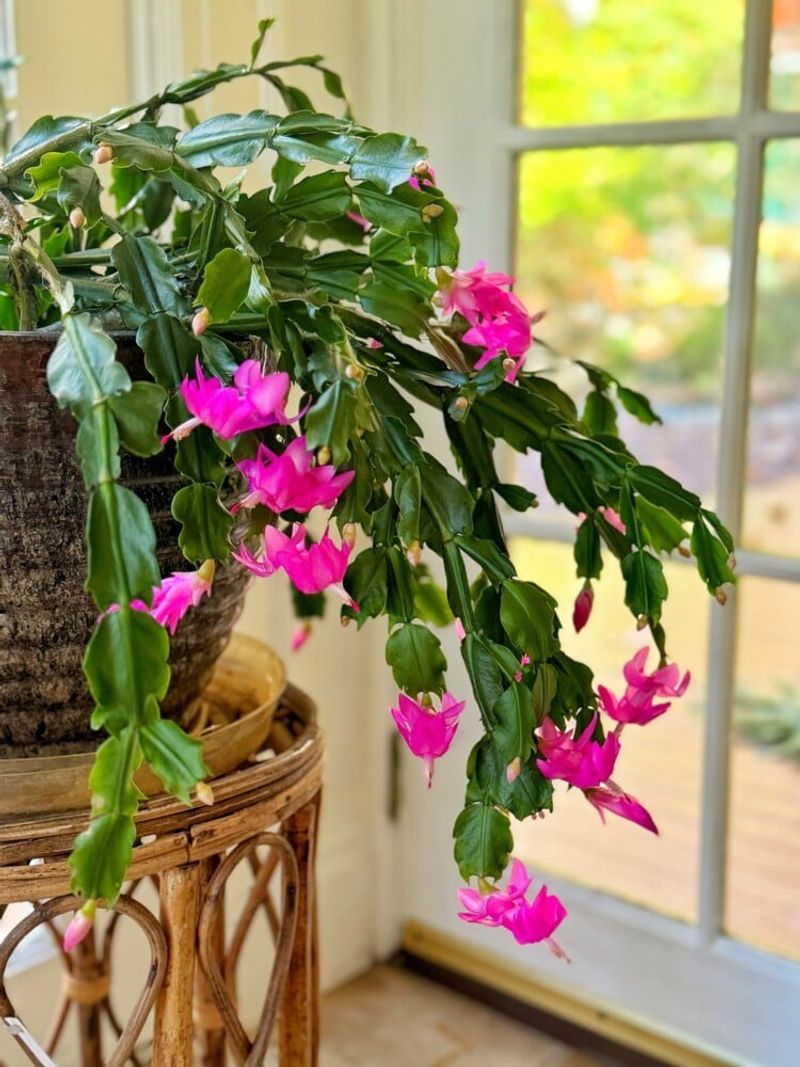
Those first tiny buds feel like a reward, and now the goal is to protect them. Christmas cactus buds are famous for being fussy. A plant that seems perfectly happy can drop them almost overnight if something changes too fast.
Sudden shifts are the main troublemakers. Moving the plant to a new spot, big temperature swings, cold drafts, blasts of hot air from vents, or soil that dries out completely can all cause buds to fall before they open.
The plant reacts to stress by letting go of its flowers. Once buds show up, choose one good spot and leave the plant there. Bright, indirect light works best.
You can also stop the long nights now, since darkness is no longer needed and normal room lighting is perfectly fine.
Watering should change slightly as well. Keep the soil lightly and evenly moist, never soggy and never bone dry. Checking every few days helps you catch dry soil before it becomes a problem.
Humidity matters more than many people expect. Set the pot on a tray filled with pebbles and a little water, making sure the pot sits above the waterline. Grouping several houseplants together also creates a small pocket of moist air they all share.
Michigan winters make this step especially important. As December arrives, furnaces run more often, and indoor air can become very dry.
A steady spot away from heat registers, plus a little extra moisture in the air, gives those buds the calm setting they need to open into full, glowing blooms.
8. Adjust Warmth To Fine-Tune The Timing
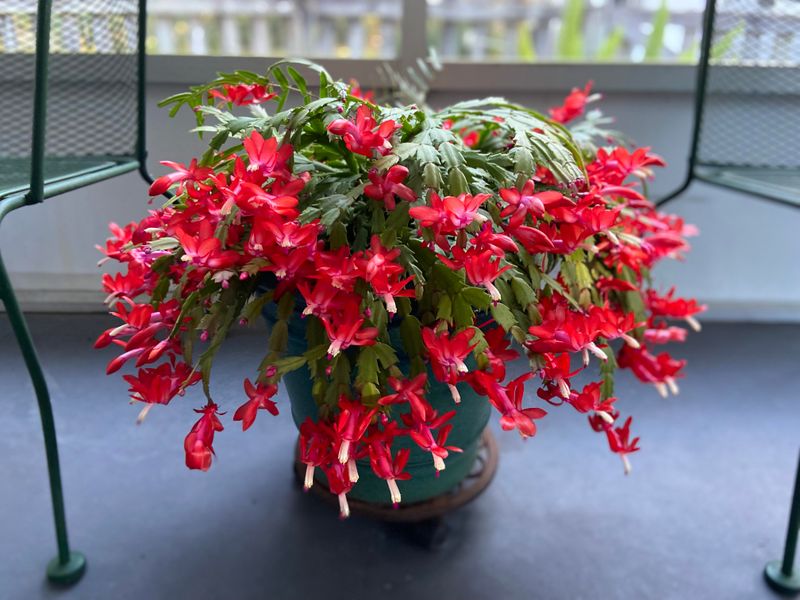
Think of temperature as a gentle dial you can turn to speed up or slow down your blooms. After buds form, the warmth of the room has a real effect on when they open. That gives you a surprising amount of control over the big reveal.
Slightly warmer conditions encourage buds to open sooner. Cooler conditions slow them down and stretch out the wait. With a bit of watching, you can nudge the flowers toward the week you want them.
Say it is early December and the buds still look small. Move the plant to a slightly warmer room with bright light, perhaps a living area that sits around 65 to 70°F. Keep it well away from radiators, fireplaces, and heat vents, since direct heat can cause bud drop.
Now imagine the opposite problem, with buds swelling fast and color showing too soon. Keeping the plant a little cooler can hold them back for a while. A cooler bedroom or a spot farther from the main heat source often does the trick.
Gradual changes work best either way. Shift the plant only a few degrees at a time, and avoid jumping from a cold porch straight to a toasty kitchen. Steady, small adjustments keep stress low while still guiding the timing.
Michigan gardeners hoping to show off blooms at holiday gatherings will love this final trick.
A little planning means the cactus can be the star of the table when family walks through the door. Few things feel as cheerful as bright flowers glowing indoors while snow falls outside.