The Scents Pennsylvania Deer Can’t Stand And The Ones They Love
What if keeping deer out of your yard had less to do with fences and more to do with smell?
Deer live in a world ruled by scent. Their noses are far more powerful than ours. They use them to find food, sniff out danger, and decide which yards are worth a visit.
That gives Pennsylvania homeowners a surprising advantage. Certain scents send deer straight into your yard, like sweet, ripening fruit or freshly fertilized soil.
Others put them on high alert, making them nervous enough to move on before they take a single bite.
Knowing which smells attract deer and which ones drive them away can make a big difference. Used the right way, a few simple scents can help protect your garden without fences or harsh chemicals.
1. Rotten Eggs Send Deer Packing
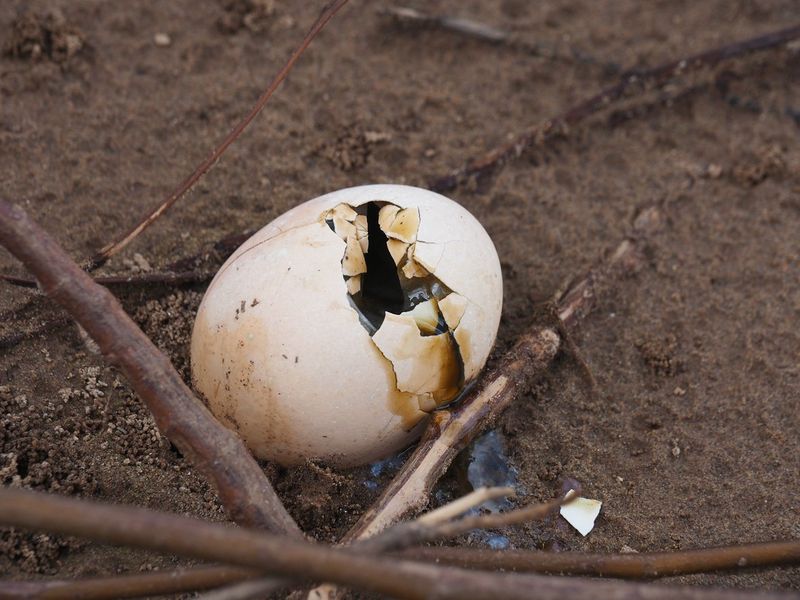
Nobody likes the smell of rotten eggs, and deer agree with us on that one. That nasty, sulfur-like stink is one of the most powerful deer deterrents you can find. Gardeners across Pennsylvania swear by it.
Why does it work so well? Deer link the odor with decay and with predators like coyotes. To a deer, that smell means something bad happened nearby, so it is better to stay away.
Walk down the garden aisle at any store and read the labels on deer sprays. Many of them list putrescent egg solids as a main ingredient.
That is a fancy way of saying rotten egg powder. Products like these are among the most tested repellents out there.
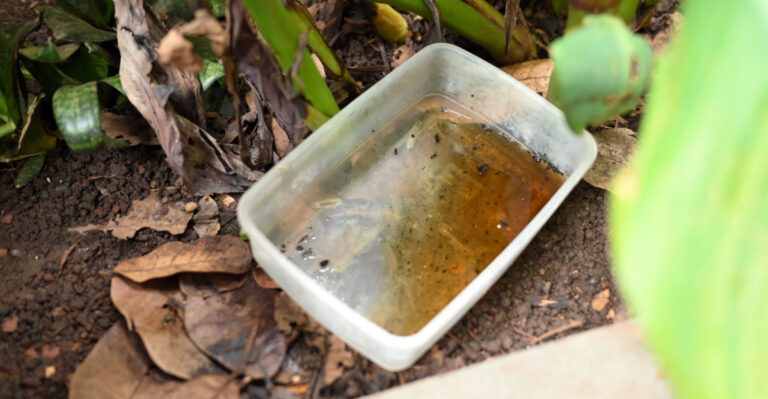
You can also make a simple homemade spray. Blend a couple of raw eggs with water, let the mix sit for a day or two, then strain it and spray it on your plants.
Expect your nose to complain, but the smell fades for people within a few hours while deer can still pick it up. Here are a few tips to get the best results:
Spray on a dry day so rain does not wash it away. Reapply every two to three weeks and after heavy storms. Treat new growth, since fresh leaves are what deer crave most.
Switch things up now and then too. Deer can get used to one smell if it never changes. Rotating between egg spray and another repellent keeps them guessing.
Avoid spraying fruits or veggies you plan to eat soon. Stick to flowers, shrubs, and young trees. With a little patience, your yard will become a place deer would rather skip.
2. Garlic Builds A Smelly Shield
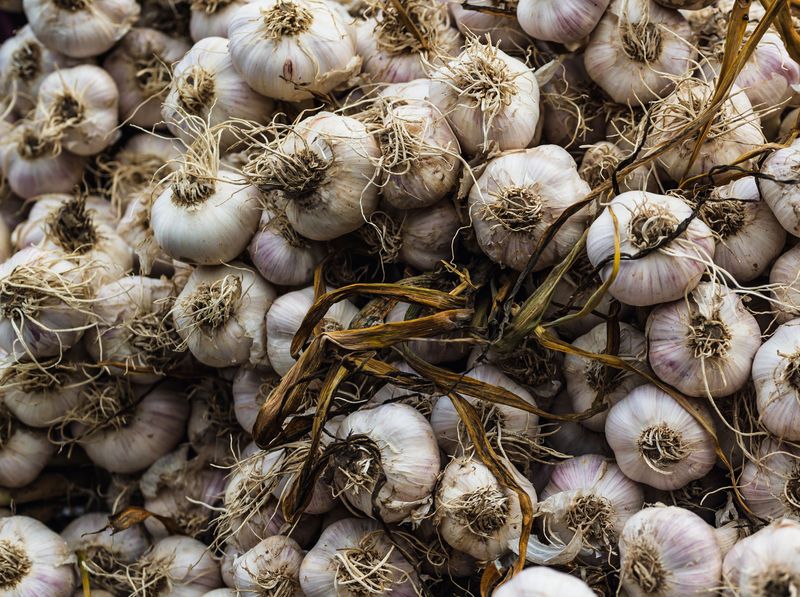
Vampires are not the only ones who hate garlic. Deer find its sharp, pungent smell just plain rude. One whiff and many of them decide your garden is not worth the trouble.
Garlic shows up in lots of store-bought repellents for good reason. It is strong, cheap, and natural. You can even whip up your own version at home with a few kitchen basics.
Try this easy recipe. Crush a whole bulb of garlic, add it to a gallon of water, and let it soak overnight. Strain out the chunks, pour the liquid into a spray bottle, and mist your plants. A drop of dish soap helps it stick to leaves.
Your Pennsylvania Garden Changes Every Week. Your Plan Should Too.
Gardening in Pennsylvania changes quickly throughout the season. Every Friday you’ll receive a simple weekly plan showing exactly what to plant, prune, fertilize, harvest, and protect so you never miss the right timing.
Planting is another smart move. Garlic, onions, chives, and ornamental alliums all carry that same bold scent.
Tuck them around the edges of garden beds to build a stinky border. Deer often sniff the edge, wrinkle their noses, and wander off.
Ornamental alliums are a fun bonus. They grow tall purple puffballs that look like something from a storybook. Bees and butterflies love them, so you protect your plants and help pollinators at the same time.
Fun fact: garlic has been grown by people for over 5,000 years. Ancient farmers likely noticed that hungry critters left it alone.
Keep in mind that garlic is not a magic wall. A very hungry deer in late winter may still take a nibble. Mixing garlic plantings with sprays and other tricks gives you the strongest defense.
Plant your bulbs in the fall around October, and by spring you will have a living barrier that smells great on pasta and awful to deer.
3. Mint Overwhelms A Sensitive Nose
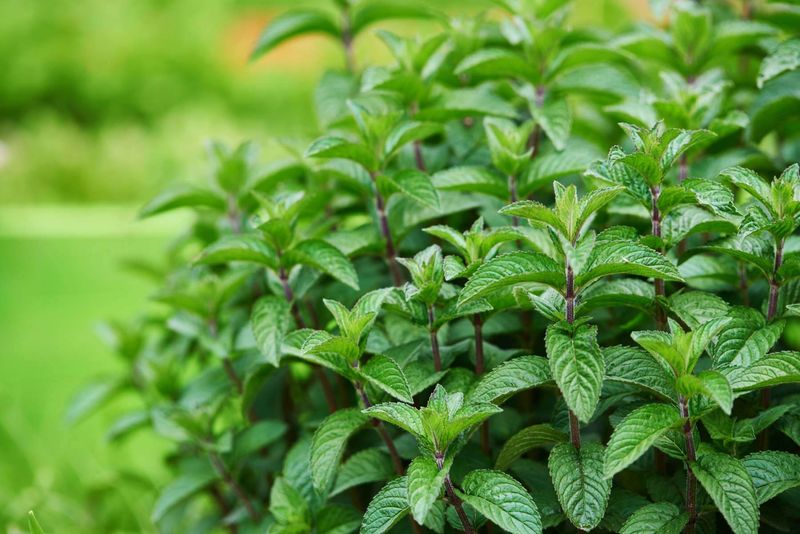
Crush a mint leaf between your fingers and you get a fresh, cool blast. To us, it smells like toothpaste or a summer drink. To a deer, it is way too much.
Deer rely on their noses to tell if food is safe and tasty. Strong scents like mint confuse them and cover up the smells they are searching for. So they often skip right over minty plants and look elsewhere.
There is one catch, and every gardener learns it the hard way. Mint spreads like crazy. Its roots creep underground and pop up all over the place. Plant it in the ground, and in a year or two it may take over your whole bed.
The fix is simple. Grow mint in pots or containers. Then set those pots right next to the plants you want to protect, like tulips, lettuce, or young shrubs. You get the scent barrier without the takeover.
Peppermint and spearmint both work well. Peppermint has the stronger smell, so it is a good pick for problem spots. You can move pots around as needed, which is a big plus.
Want to boost the effect? Brush the leaves as you walk past. That releases more oil and more scent into the air. Some folks also mix a few drops of peppermint oil with water for a quick spray.
Mint is also handy in the kitchen. Snip a few leaves for iced tea or lemonade on a hot July afternoon.
It is a plant that pulls double duty, guarding your garden and treating your taste buds. Just keep it in its pot and it will stay a helpful friend instead of a pushy one.
4. Lavender, Catmint, And Other Bold Herbs
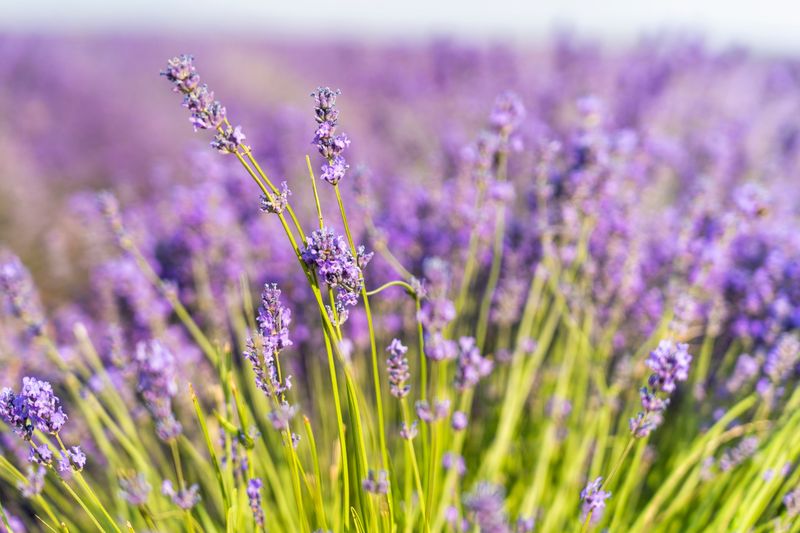
Some of the prettiest plants in the garden are also the ones deer avoid most. Lavender, catmint, Russian sage, and mountain mint all fall into that lucky group. They look lovely, smell amazing to people, and turn deer away.
What makes them so unappealing? Their leaves are packed with strong oils. Many also have fuzzy or rough leaves that feel odd in a deer’s mouth. Between the smell and the texture, deer usually pass them by.
Mountain mint deserves a special shout-out. It is native to Pennsylvania, which means it is well suited to our soil and weather. Pollinators go wild for it. On a sunny day, it can be covered in bees, wasps, and butterflies.
Here is a clever way to use these plants. Put them along the borders of your garden like a fence made of flowers.
Their bold scent helps mask the smell of tastier plants growing behind them. Deer sniff the edge, smell lavender, and figure there is nothing good inside. A few growing tips will help:
Lavender likes full sun and soil that drains well, so avoid soggy spots. Catmint blooms for a long time, and a quick trim after the first flowers often brings a second round. Russian sage handles heat and dry weather like a champ.
Bonus fact: catmint is a cousin of catnip. Your neighborhood cats might roll around in it, which is pretty funny to watch.
No plant is totally deer-proof, especially in a tough winter. Still, mixing several of these herbs together creates a strong, layered scent that gives your garden a real fighting chance.
5. Acorns Ring The Fall Dinner Bell
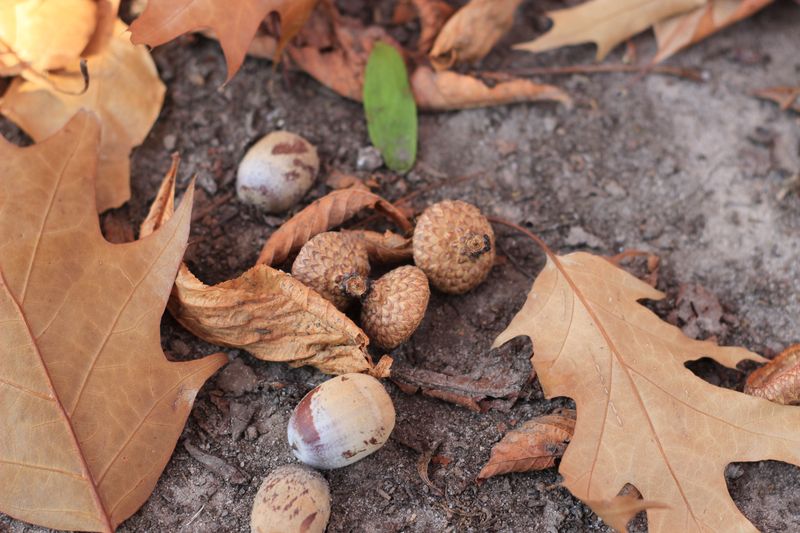
When September rolls around, Pennsylvania oak trees start dropping acorns, and deer notice right away. The nutty scent drifts through woods and yards. Before long, deer are showing up to feast.
Acorns are like energy bars for deer. They are full of fat and carbohydrates, which help deer pack on weight before winter.
That extra layer helps them stay warm and healthy when food gets scarce in January and February.
Hunters know this well. Many look for oak stands in the fall because deer travel there again and again. White oak acorns are a favorite since they taste sweeter. Red oak acorns are more bitter, so deer often save those for later in the season.
If you have oak trees in your yard, you have a natural deer magnet. That is not always a bad thing. Watching deer quietly munch under a tree on a crisp morning can be a real treat.
But if you want fewer visitors, a few steps can help. Rake up acorns from lawns and garden areas when you can.
Keep tempting plants away from oak trees during the fall. Add repellents to nearby flower beds while acorns are dropping.
Some years bring a huge acorn crop called a mast year. Trees drop far more nuts than usual. In those years, deer may hang around even longer.
Remember that acorns also feed squirrels, turkeys, bears, and blue jays. They are a big part of the forest food chain.
So you may not want to remove them all. Just clearing the spots near your garden can make a noticeable difference.
6. Sweet Apples And Fallen Fruit
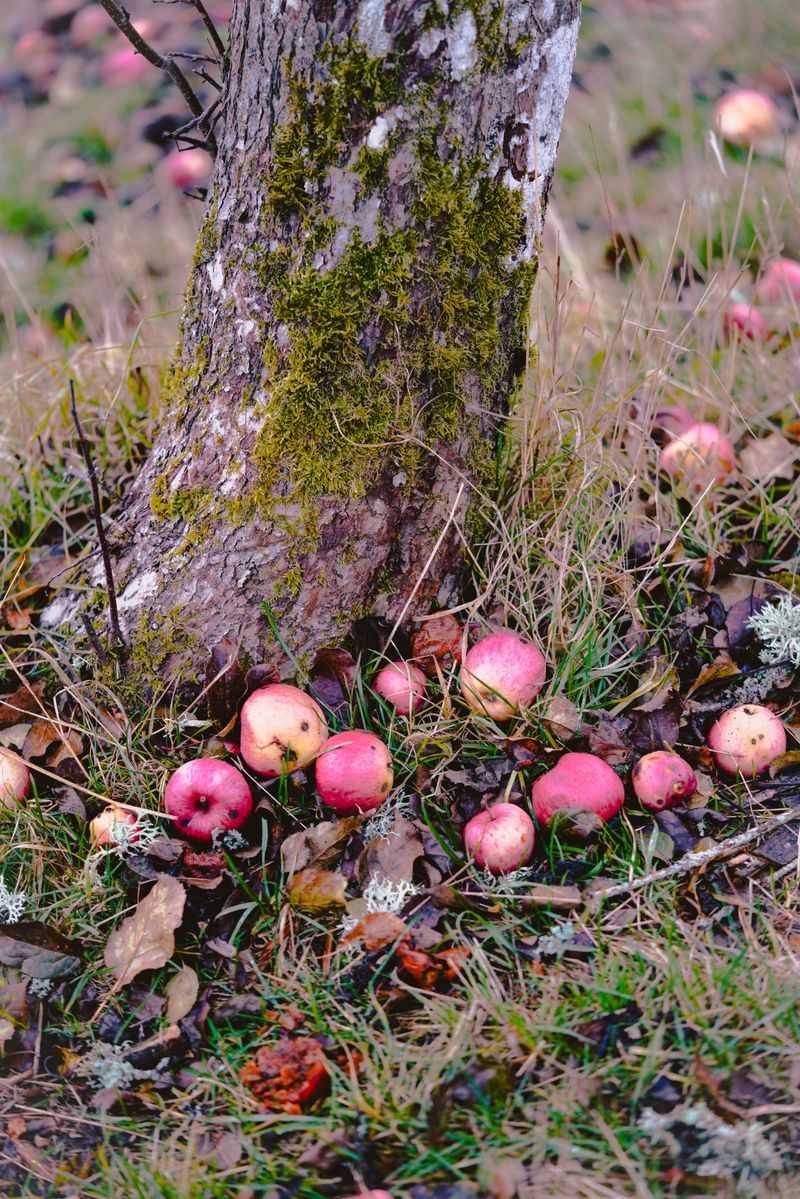
Ever walked past an apple tree in late summer and caught that sweet, slightly fermented smell? Deer catch it too, and they catch it from far away. Fallen fruit is one of the fastest ways to invite them over.
Apples, pears, peaches, and plums all draw deer in. Ripe fruit is sugary and easy to chew, so it is a quick snack. Once a deer finds a good fruit spot, it remembers. It will often come back night after night.
Pennsylvania has a long history with apples. Adams County, near Gettysburg, is one of the biggest apple-growing areas in the country. So it is no surprise that local deer have a serious sweet tooth.
The good news is that you can take control. The easiest step is picking up fallen fruit often. Try to do it every day or two during peak season.
Rotten fruit on the ground is like leaving a buffet open all night. A few more ideas can help:
Harvest fruit as soon as it ripens instead of letting it drop. Put collected fruit in a sealed bin or compost it far from your garden. Wrap young fruit trees with fencing so deer cannot reach low branches or rub the bark.
Fruit trees near roads can create danger too. Deer crossing to reach a tree may step out in front of cars, especially at dusk. Keeping the ground clean lowers that risk for everyone.
Enjoy your fruit trees, but treat cleanup as part of the deal. A little raking now saves a lot of chewed plants later.
7. Corn Is Tempting But Tricky
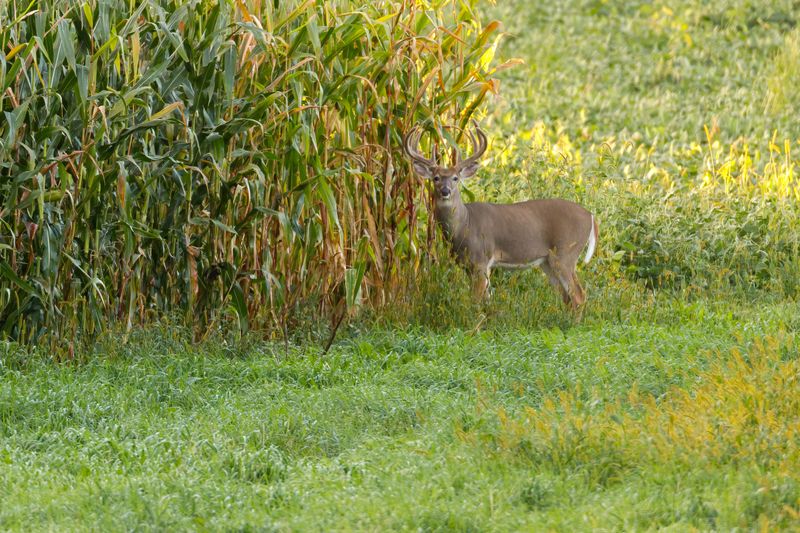
Drive through rural Pennsylvania in the fall and you will likely spot deer near cornfields at sunset. Corn is one of their all-time favorite foods. The sweet, starchy scent pulls them in from the woods.
Corn is packed with carbs, so it gives deer quick energy. That is why it is often used in feeders and why farmers deal with deer damage every year. A herd can do real harm to a field in just a few nights.
Plenty of people like the idea of putting corn out to watch deer up close. It seems kind and harmless. Sadly, it can cause more problems than it solves.
Feeding brings deer into tight groups. When they crowd around one pile, diseases spread much more easily. Chronic wasting disease is a big worry in Pennsylvania. It affects the brain and nervous system of deer, and there is no cure.
Corn piles can also lure deer into yards and across roads. That raises the chance of car crashes. On top of that, a sudden diet of lots of corn can upset a deer’s stomach, especially in winter.
The Pennsylvania Game Commission bans feeding deer in certain areas, including chronic wasting disease management areas.
Rules can change, so always check the Game Commission website before putting any food out. Breaking the rules can lead to fines.
If you grow sweet corn in a home garden, protect it with tall fencing or netting. A fence around eight feet high works best since deer are great jumpers. Enjoy watching deer from a distance and let them find natural foods instead.