9 Things That Attract Bark Scorpions Into Arizona Homes
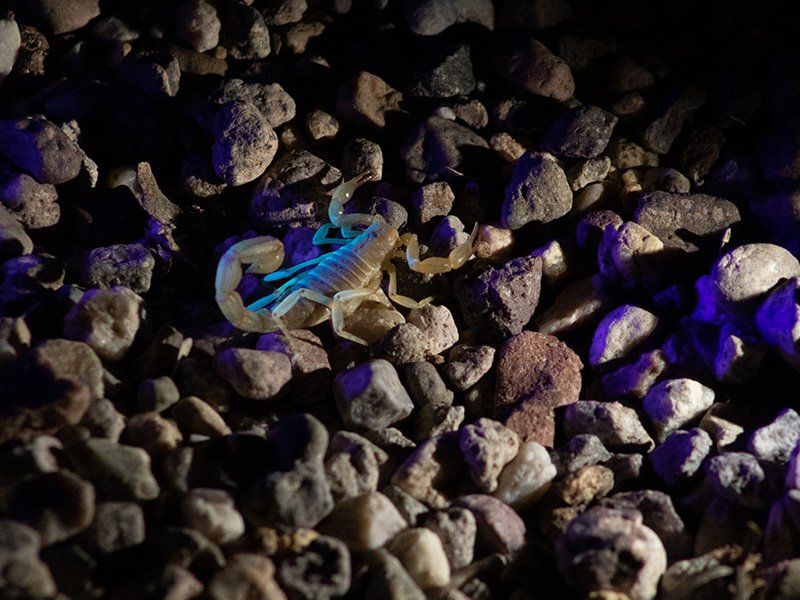
Finding a bark scorpion on your kitchen floor is a rite of passage nobody in Arizona asks for. These tiny desert hunters are not wandering in by accident, because something around your home is calling to them.
Most of the time it comes down to shelter, water, and food that we offer without realizing it. Once you know what draws them in, you can make your yard and house far less inviting.
1. Decorative Rock and Landscape Stones
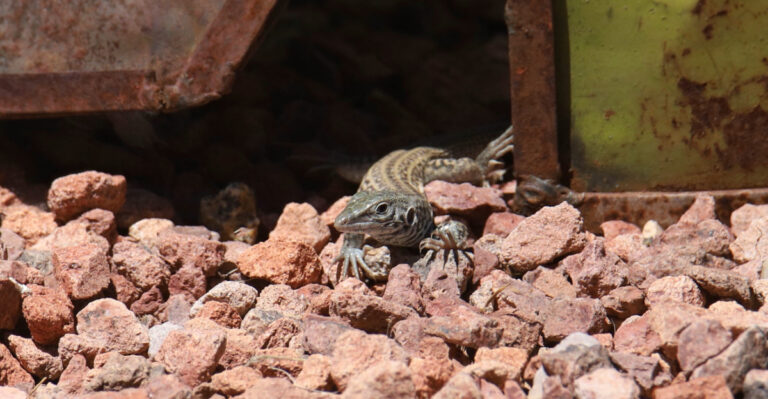
Picture a scorpion’s dream apartment: cool, dark, and tucked away from 110-degree sun. Large river rock, boulder clusters, and stacked flagstone deliver exactly that, which is why they rank near the top of the list for Arizona homeowners.
During the day, bark scorpions squeeze into the tight gaps between stones and wait out the heat. After sunset, they wander out to hunt, and if those rocks sit right against your foundation, your stucco wall becomes their next stop.
A rock border hugging the house is basically a welcome mat.
You don’t have to rip out your whole xeriscape to make a difference. Try pulling decorative rock back at least 12 to 18 inches from the house and replacing that strip with fine decomposed granite, which packs down and leaves fewer crevices.
Loose piles of leftover landscape stones behind the side yard are worth clearing out too. Natives like brittlebush or desert marigold can fill bare spots with color while giving scorpions far fewer hiding pockets than a heap of rocks.
Fewer crevices near the walls may help reduce how many scorpions linger close to your doors and windows.
2. Woodpiles and Yard Debris
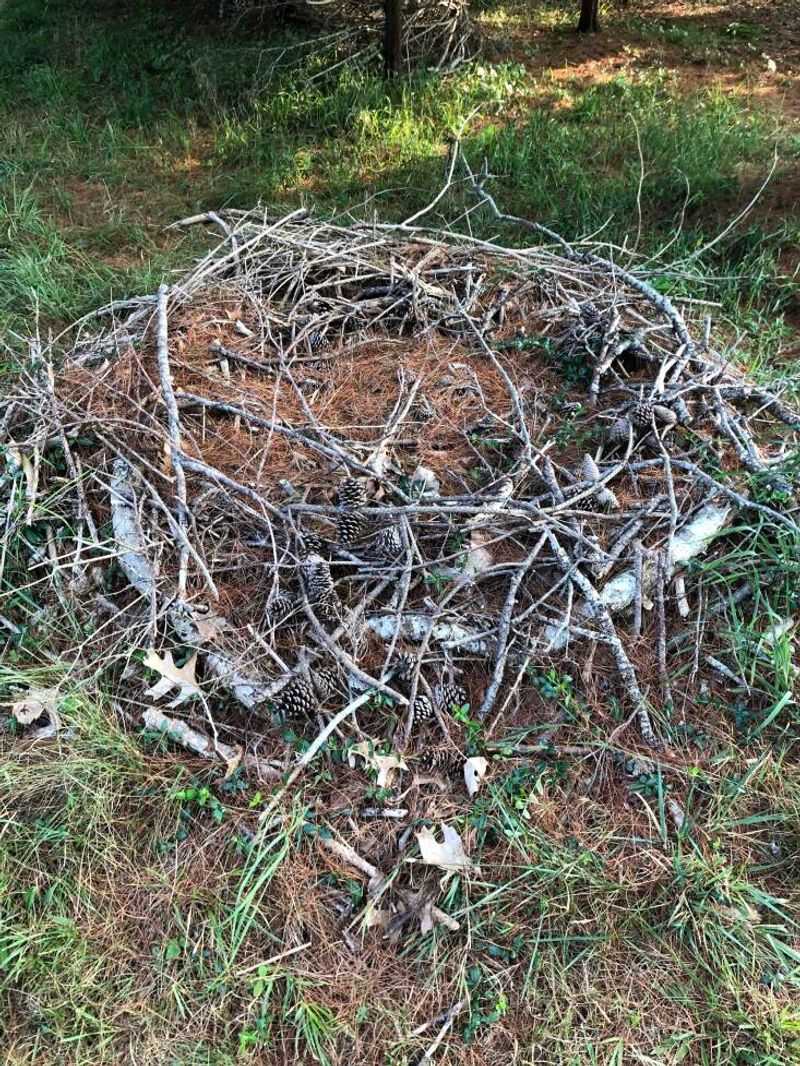
Ask any longtime Tucson resident where they found their first scorpion, and there’s a good chance the answer involves a woodpile. Stacked firewood, old lumber, and fallen palm fronds create layer after layer of shaded hiding space.
The appeal goes beyond shelter. Rotting wood and leaf litter hold a little moisture and attract crickets, roaches, and beetles, so scorpions get a bedroom and a snack bar in one spot.
That combination is hard for them to resist.
Here’s the fix in plain terms: move firewood at least 20 feet from the house and raise it off the ground on a metal rack. Wear thick gloves whenever you grab a log, especially at night or after a monsoon storm.
Clean up dropped mesquite and palo verde branches regularly, along with piles of brush left from pruning. Old boxes, tarps, and spare pavers stacked along the side of the house deserve the same attention.
A tidier yard doesn’t mean a sterile one, though. You can still keep healthy native trees and shrubs, just without the clutter piled underneath them, and the space will feel more open and easier to inspect.
3. Leaky Faucets and Overwatered Landscaping
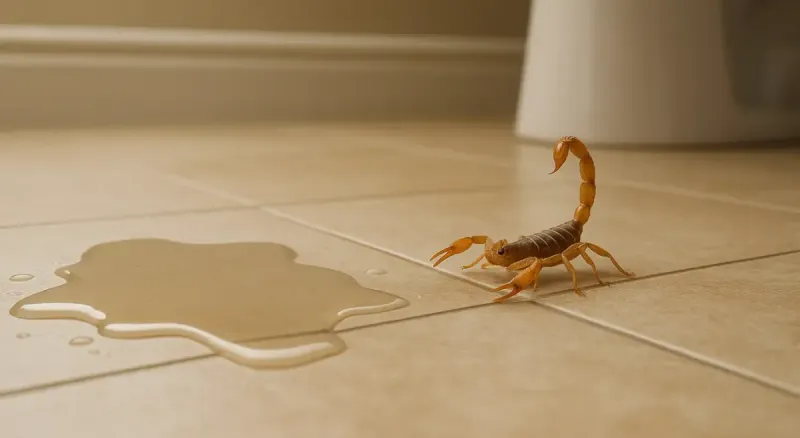
Water is gold in the desert, and scorpions know it as well as any gardener. A slow drip from an outdoor faucet or a sprinkler zone running too long can turn one corner of your yard into a damp little oasis.
Your Arizona Garden Changes Every Week. Your Plan Should Too.
Gardening in Arizona changes quickly throughout the season. Every Friday you’ll receive a simple weekly plan showing exactly what to plant, prune, fertilize, harvest, and protect so you never miss the right timing.
Bark scorpions handle dry air surprisingly well, but they still look for humid spots to rest. Soggy soil near the foundation also draws the insects they hunt.
In other words, moisture brings prey, and prey brings scorpions.
Start with a simple walk around the house. Check hose bibs, drip emitters, and irrigation lines for leaks or puddles, and fix worn washers right away.
Then look at your watering schedule, since many yards in Phoenix get far more than plants actually need.
Switching thirsty lawns or tropical shrubs to drought-tolerant natives can help a lot. Desert willow, Texas ranger, and red yucca thrive on deep, infrequent watering, which lets the soil surface dry between cycles.
Your water bill tends to drop as well, which feels like a nice bonus. Drier ground near the walls is simply less inviting to scorpions looking for a cool, damp hangout.
4. AC Condensation and Poor Drainage
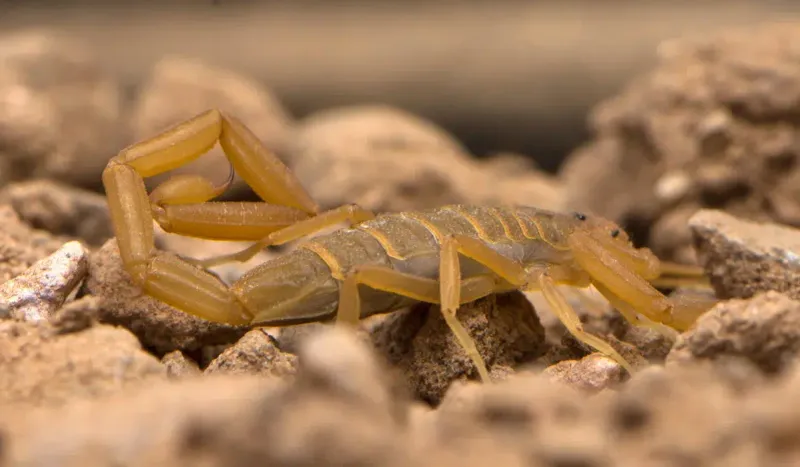
Here’s one most people never think about. Every summer, your air conditioner pulls gallons of water out of indoor air, and that water has to go somewhere, often right onto the ground beside your house.
A condensate line dripping all day creates a steady wet patch through the hottest months. For a bark scorpion, a cool, damp spot by the wall in July is about as good as it gets.
Gutters that dump monsoon rain against the foundation cause the same problem on a bigger scale.
Take a look at where your AC drain line ends. Extending it away from the house or directing it into a planting basin can redirect that moisture somewhere useful.
A palo verde or desert ironwood a safe distance from the home will happily soak up the extra water.
Fun fact: one central AC unit can produce several gallons of condensate a day during humid monsoon weather. That’s free irrigation if you send it to the right place.
Make sure downspouts also drain at least a few feet out, and fill low spots where water pools after storms. Good drainage keeps your walls drier and less appealing to scorpions.
5. Plenty of Insects to Eat
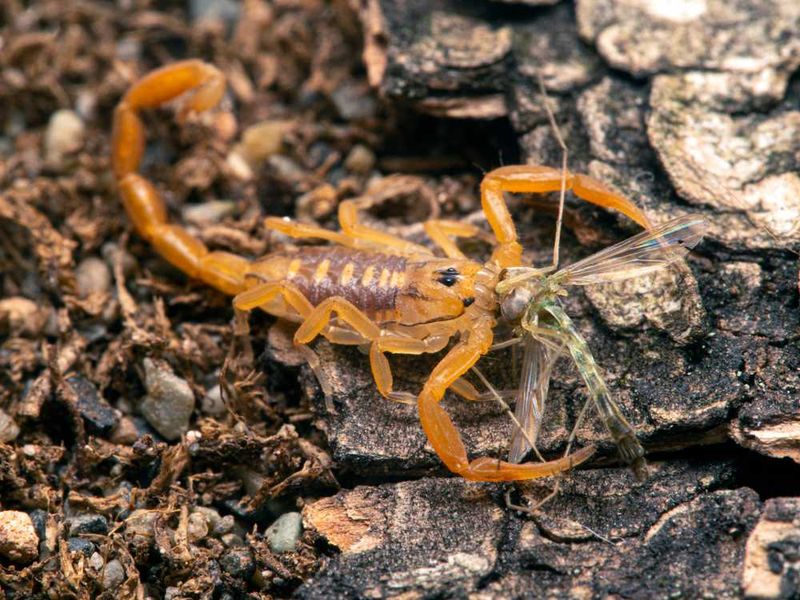
Scorpions don’t move in for the scenery. They follow the menu, and if your yard is full of crickets, roaches, beetles, and spiders, you’re running an all-you-can-eat buffet.
Bark scorpions are patient ambush hunters. They wait still in the dark and grab passing insects with their pincers.
A healthy bug population around the patio or garage gives them every reason to stick around and move closer to the house.
Cutting down that food supply is one of the smartest long-term steps you can take. Keep pet food indoors, seal trash cans tightly, and clean up fallen fruit from citrus trees.
Indoors, wipe crumbs and fix leaks under sinks that attract roaches.
Nature can lend a hand too. A yard with native plants like desert milkweed and penstemon supports birds and lizards that snack on insects, and even scorpions.
Roadrunners, quail, and spiny lizards may help keep both bugs and scorpions in check when they have shelter and cover nearby. Bats patrolling at dusk eat huge numbers of night-flying insects as well.
When the bug population shrinks, scorpions tend to find your property a lot less rewarding.
6. Bright Outdoor Lighting
That cheerful porch light might be doing more than lighting your path. On warm Arizona nights, bright white bulbs pull in moths, beetles, and crickets from all over the neighborhood.
Where insects gather, scorpions follow. They climb the stucco, wait near the glow, and snag a meal, often just inches from your front door.
Over time, a well-lit entry can become one of the busiest scorpion spots on the property.
Thankfully, the fix is cheap and easy. Swap out bright white bulbs for warm yellow LEDs or bug lights, which tend to attract fewer flying insects.
Motion-sensor fixtures help too, since the light only stays on when someone actually needs it.
Consider where your lights point as well. Mounting fixtures away from doors and shining them toward the house instead of out into the yard can reduce the bug traffic right at your entry.
Turning off decorative landscape lights late at night is another small change worth trying. Bonus: dimmer yards are friendlier to night-hunting bats and owls, which help with insect control.
A softer glow outside may mean fewer scorpions patrolling your doorstep.
7. Overgrown Shrubs and Branches Touching the House
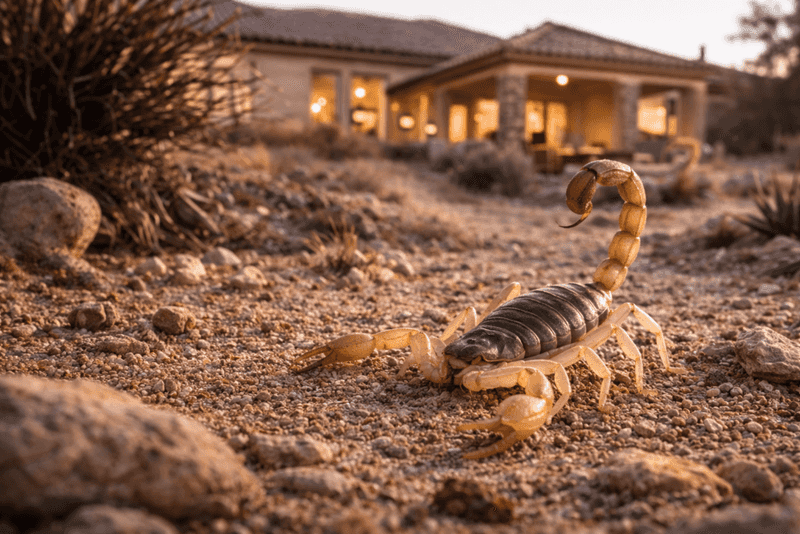
Bark scorpions are the acrobats of the desert. Unlike many scorpion species, they climb easily, scaling tree trunks, walls, and fences without much trouble.
So when a mesquite limb rests on your roof or a dense oleander hedge presses against the stucco, you’ve basically built a bridge. Scorpions can travel up the plant, cross onto the roofline, and slip into the attic through small gaps.
Thick shrubs at ground level also give them deep, shady cover right beside the walls.
Trim back trees so branches stay a few feet away from the roof and walls. Prune lower shrub growth so you can see the ground underneath, and remove dense ground covers that hug the foundation.
Choosing open, airy natives makes upkeep easier. Desert spoon, agave, and globe mallow have a more open shape than tangled hedges, so they offer fewer hiding pockets.
Plant shade trees like palo verde far enough from the house that their mature canopy won’t touch the roof. You’ll still enjoy cooling shade during 110-degree afternoons, without handing scorpions a highway straight to your attic vents.
8. Tiny Gaps Around Doors and Windows
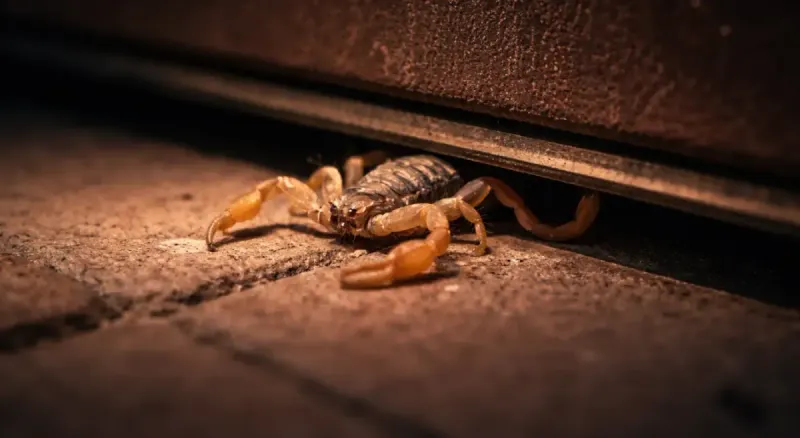
Could a scorpion really fit under your door? Sadly, yes.
A bark scorpion can flatten its body and slip through openings about as thin as a credit card, roughly 1/16 of an inch.
Worn door sweeps, cracked weather stripping, and torn window screens are some of the most common entry points. Gaps around pipes, cable lines, and dryer vents work just as well.
If you can slide a card through it, a scorpion probably can too.
Grab a flashlight one evening and check each exterior door. If you see light passing underneath, it’s time for a new sweep.
Replace brittle weather stripping, patch screen holes, and fill small gaps around utility lines with a quality silicone caulk.
Garage doors deserve special attention, since their rubber seals often wear out from Arizona sun. A fresh bottom seal is an inexpensive upgrade.
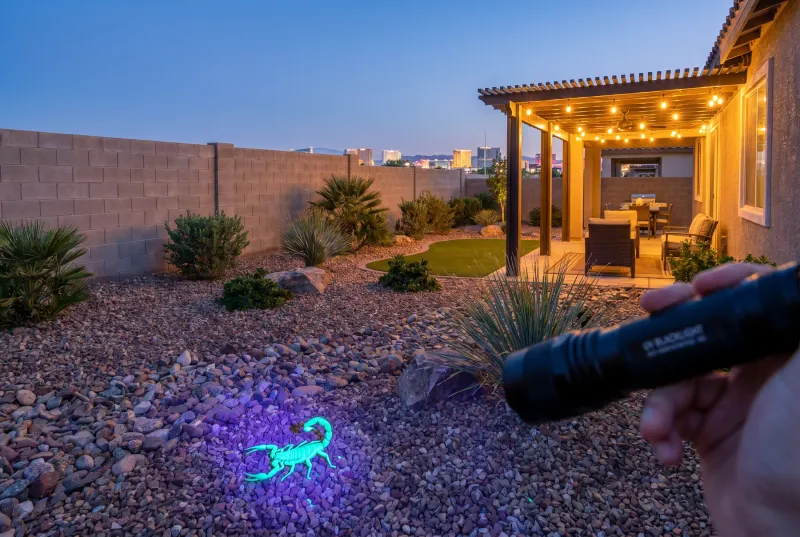
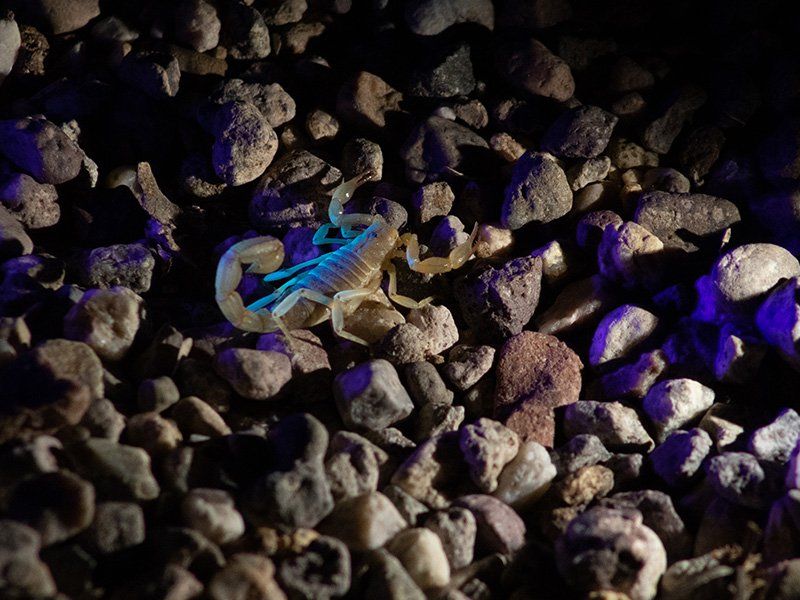
Did you know? Under a UV black light, scorpions glow blue-green, which makes a nighttime check of your entry points surprisingly easy.
Sealing these openings won’t guarantee zero visitors, but it can greatly cut down on how many make it inside.
9. Cracks in Block Walls and Foundations
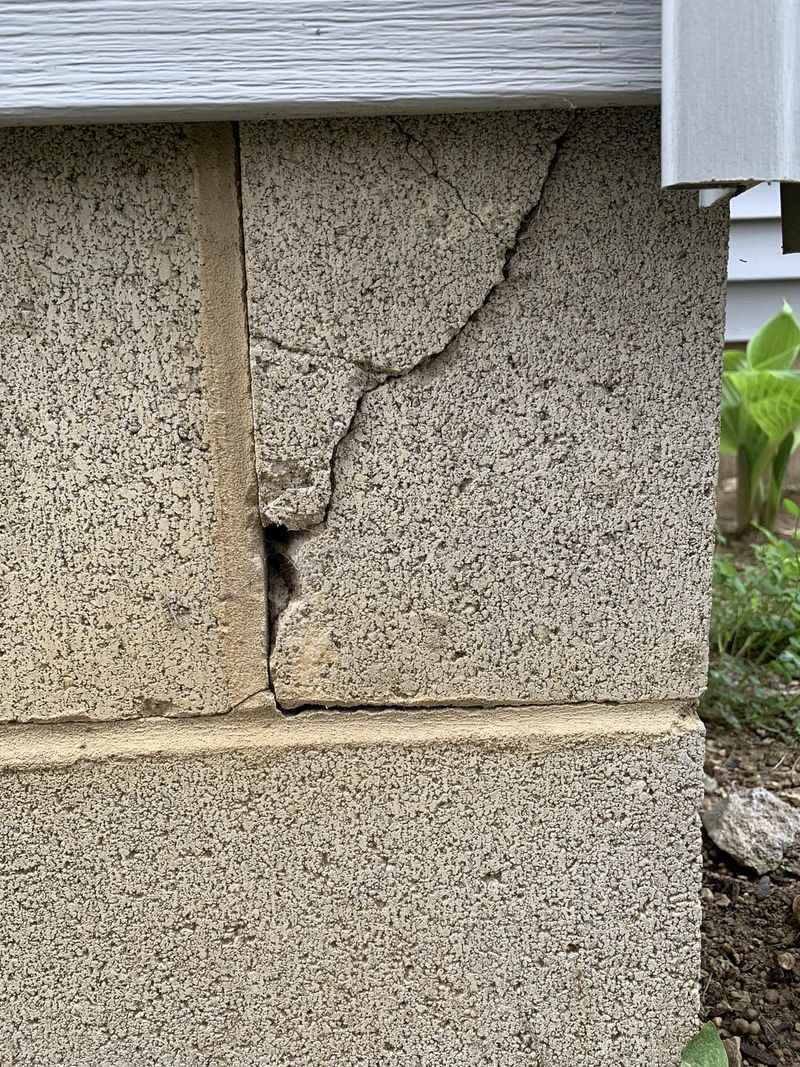
Those classic block walls lining Arizona backyards look solid, but to a scorpion they’re more like apartment buildings. Hollow cinder blocks offer cool, protected chambers where dozens of scorpions may gather together.
Weep holes, crumbling mortar, and cracks in the cap give easy access. From there, scorpions can move along the wall and reach your home, especially where the wall connects to the house.
Foundation cracks, expansion joints, and stucco gaps near the slab provide even more ways in.
Walk your property line and look for broken caps, open holes, and missing mortar. Repairing cracks and capping open block tops can reduce the number of hiding spaces.
Fine mesh over weep holes lets water drain while making it harder for scorpions to crawl through.
Around the house, seal stucco cracks and gaps along the foundation with an exterior-grade sealant. Keep a clear strip of soil or gravel at the base of the wall, free of plants and clutter, so scorpions have less cover nearby.
Honest truth: walls alone won’t solve every problem, but fixing them along with the other eight steps can make your home far less inviting to these desert climbers.