These Pennsylvania Vegetables Can Regrow After Cutting
Plenty of vegetables can keep producing long after the first harvest. Leafy greens sprout new leaves from the center when you snip the outer ones.
Certain plants send up smaller side shoots after the main head is cut. Some kitchen scraps can even be coaxed back to life indoors during the colder months.
For Pennsylvania gardeners, that’s a big win. With a short growing season and long winters, getting more than one harvest from the same plant stretches your space and effort.
A little know-how can keep fresh vegetables coming far longer than you’d expect.
1. Leaf Lettuce Bounces Back Fast
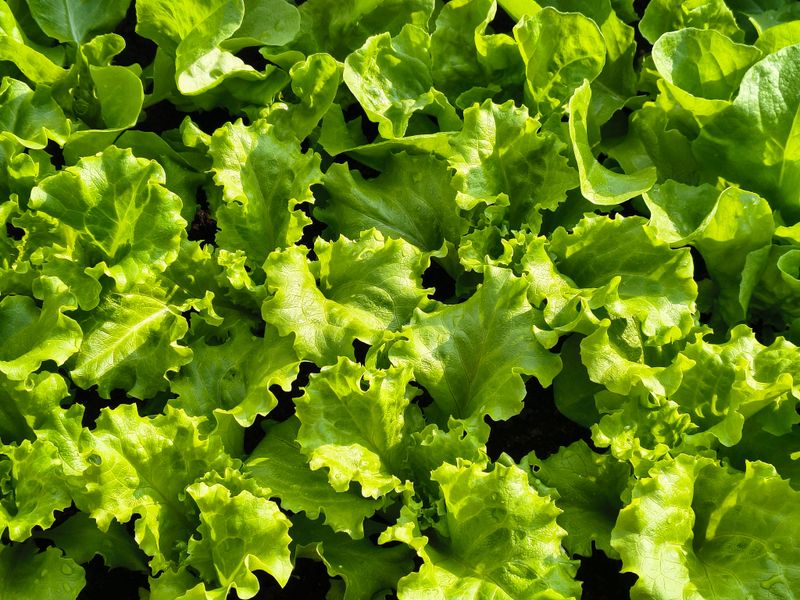
Few things beat a salad picked just minutes before dinner. Leaf lettuce makes that easy, and it grows back after you cut it. You can get three or four harvests from one planting.
The trick is all in where you cut. Use clean scissors and snip the leaves about one inch above the soil. Leave the base and roots alone, and new leaves will pop up in a couple of weeks.
Pennsylvania weather suits lettuce well in spring and fall. It loves cool days between 45 and 75 degrees.
Once summer heat arrives in late June, lettuce often bolts, which means it sends up a flower stalk and turns bitter.
To beat the heat, plant seeds in March or April as soon as the soil can be worked. Then plant again in late August for a fall crop. Many gardeners in the state pick lettuce well into November with a simple row cover.
Loose-leaf types work best for regrowing. Try varieties like Black Seeded Simpson, Red Sails, or Salad Bowl. Head lettuces like iceberg do not bounce back nearly as well.
Water matters too. Lettuce has shallow roots, so it dries out quickly. Give it about an inch of water each week, and add a light layer of mulch to keep the soil cool and moist.
A little feeding helps after each cutting. Sprinkle some compost or a gentle liquid fertilizer around the plants. That gives them the energy to push out fresh, tender leaves.
Here is a fun bonus. Lettuce grows great in containers, so even apartment dwellers can join in. A window box on a sunny ledge can supply salads for weeks.
2. Swiss Chard Keeps The Color Coming
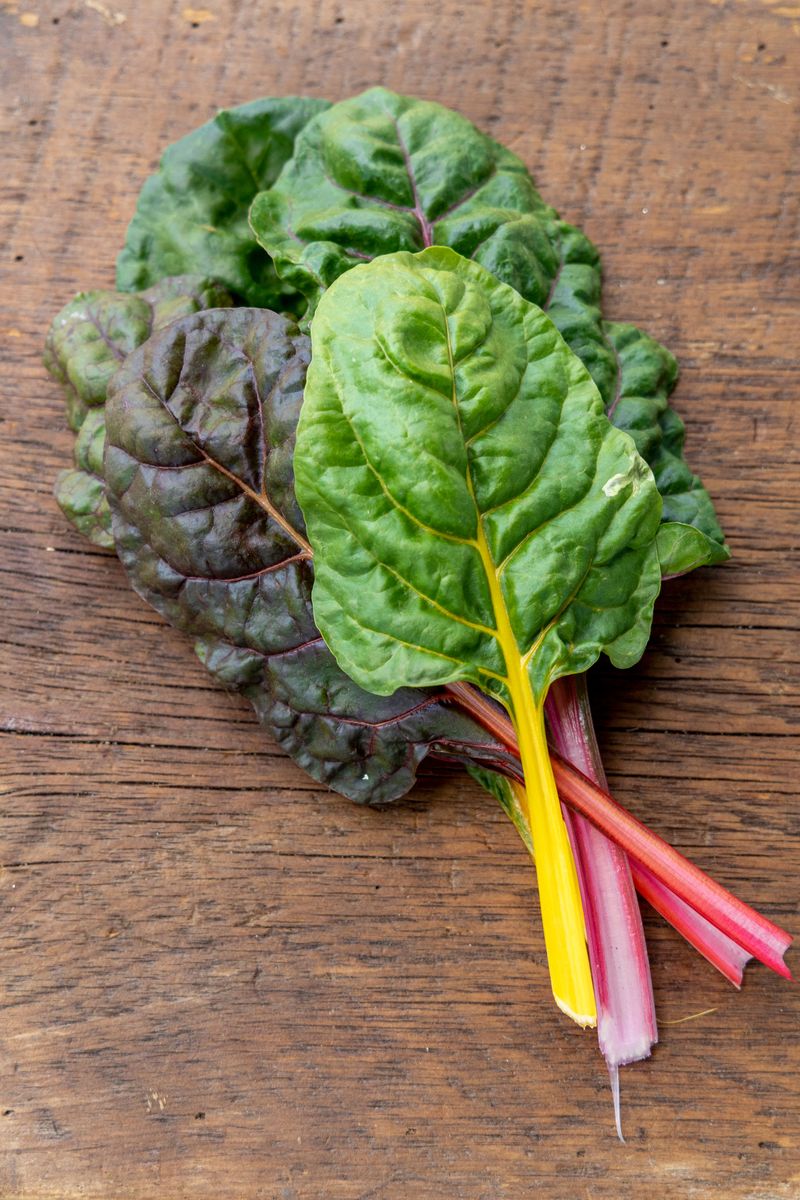
Talk about a show-off. Swiss chard has bright stems in red, yellow, orange, pink, and white. It looks so pretty that some people grow it in flower beds.
Beauty is only half the story, though. Chard is a hard worker that keeps producing from late spring until a hard freeze. One planting can feed a family for months.
Harvesting is simple. Pick the outer leaves when they are about eight to ten inches long. Cut them near the base of the plant, and always leave the center leaves alone so the plant can keep growing.
In Pennsylvania, sow chard seeds outdoors in April or early May. The plants handle summer heat much better than spinach or lettuce. They will not bolt as quickly, so you get steady greens all season.
Your Pennsylvania Garden Changes Every Week. Your Plan Should Too.
Gardening in Pennsylvania changes quickly throughout the season. Every Friday you’ll receive a simple weekly plan showing exactly what to plant, prune, fertilize, harvest, and protect so you never miss the right timing.
Fall is when chard really shines. It can handle light frosts in October with no trouble. Many gardeners in central and southern parts of the state still pick it at Thanksgiving.
Give your plants rich soil and plenty of sunshine. Six hours of sun a day is ideal. A layer of compost in spring gives them a strong start.
Want to know something neat? Chard is actually the same species as beets. It was bred for its leaves instead of its roots, which is why the stems look so much like beet colors.
In the kitchen, chard is very flexible. Sauté the leaves with garlic, toss them in soup, or chop the stems like celery. Kids often enjoy picking out their favorite color stem for dinner.
3. Kale Laughs At Frost
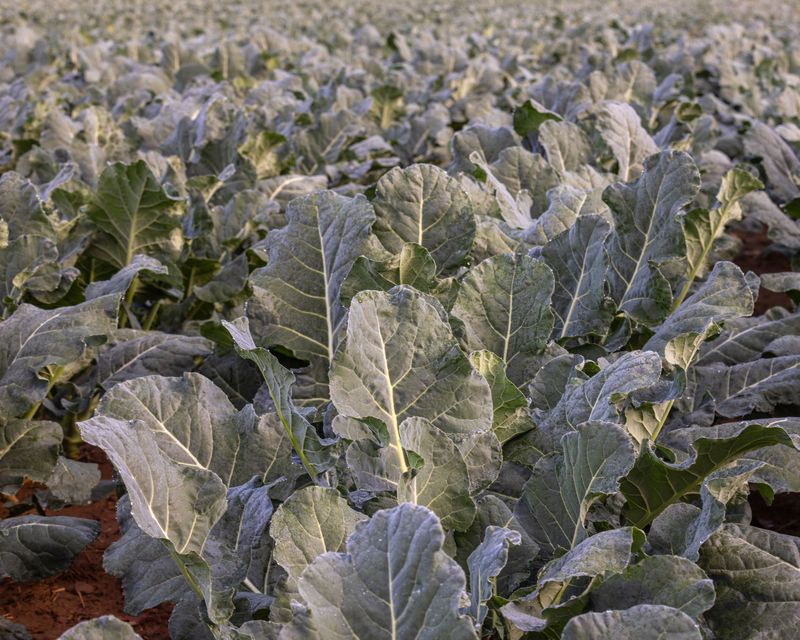
Ask any veteran gardener which crop never quits, and kale will likely come up. It is tough, tasty, and amazingly productive. A few plants can give you greens from spring to winter.
Kale grows from the top. That means you pick the lower, outer leaves first and let the center keep reaching upward. Over time, the plant can look like a tiny palm tree with a leafy crown.
Start picking when leaves are about the size of your hand. Take a few leaves from each plant at a time. Leave at least five or six leaves at the top so it can keep making food from sunlight.
Cold weather is where kale truly stands out. It handles Pennsylvania frosts with ease and often survives temperatures in the low 20s. Even better, a frost makes the leaves taste sweeter.
Why does that happen? Cold weather causes the plant to turn some of its starches into sugars. Those sugars work like a natural antifreeze, and they also give your salad a nicer flavor.
For the best results, plant kale in early spring or in mid-summer for a fall crop. Popular choices include Lacinato, also called dinosaur kale, and Winterbor, which is famous for its cold hardiness.
Watch out for cabbage worms, those small green caterpillars that chew holes in leaves. A lightweight row cover can keep the white moths from laying eggs. Checking under leaves each week also helps.
Kale is great in smoothies, soups, or baked into crunchy chips. Its staying power makes it one of the best values in any backyard garden.
4. Green Onions Grow On A Windowsill
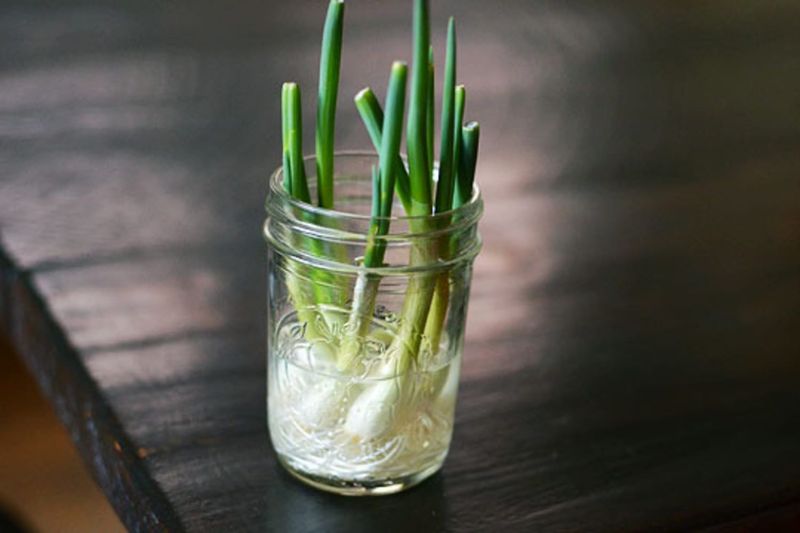
Here is a kitchen trick that feels almost too easy. Next time you buy green onions at the store, save the white ends with roots. With a little care, they will grow new green tops.
Start by leaving about an inch of white bulb attached to the roots. Plant those ends in a pot of soil with the tips just poking out. You can also set them in a glass with a little water.
Soil works better over the long run. Onions in water grow fast at first, but they tend to get weak after a couple of rounds. Change the water every few days if you go that route.
In the garden, green onions are just as forgiving. Cut the tops about an inch above the base, and fresh shoots appear within a week or two. You can repeat that several times each season.
Pennsylvania gardeners can plant green onions outdoors from April through August. They like loose soil, steady water, and full sun. Some kinds, like Egyptian walking onions, even come back every year.
Here is a fun fact about those walking onions. They grow little bulbs on top of their stalks. When the stalks bend over, the bulbs touch the ground and plant themselves, so the patch slowly travels.
Green onions make a great first project for kids. They grow quickly, so young gardeners see results in days. That fast payoff keeps them excited about growing food.
Use your fresh tops in eggs, soups, tacos, or fried rice. Snipping just what you need means no more slimy bunches forgotten in the fridge.
5. Broccoli Gives A Bonus Harvest
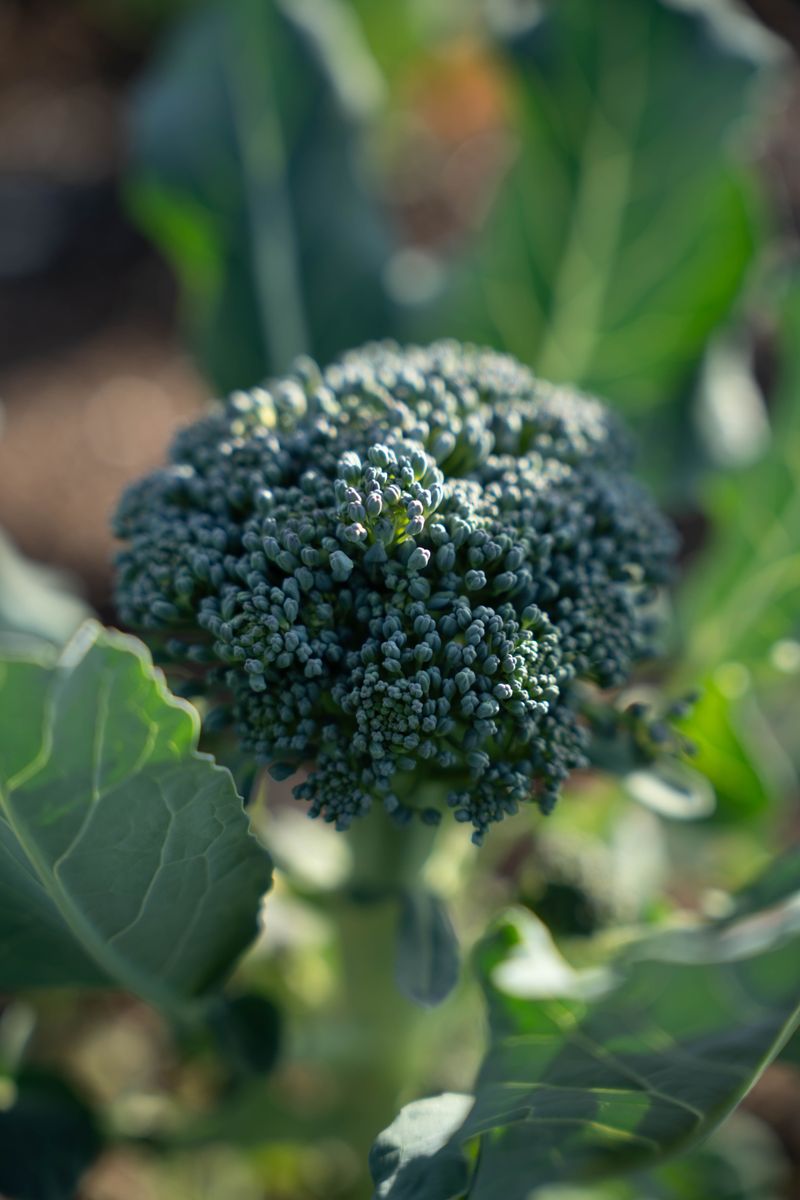
Most people think broccoli is a one-and-done crop. You grow a big head, cut it, and pull the plant. That is actually a big mistake.
After the main head is gone, the plant gets busy. Small side shoots start forming where the leaves meet the stem. These mini heads can keep coming for several weeks.
Cut the main head with a slanted cut, about five inches below the top. The angle helps water roll off so the stem does not rot. Keep the rest of the plant in the ground.
Side shoots are smaller, often about the size of a golf ball. Still, they are tender and full of flavor. Pick them often, because each harvest encourages the plant to make more.
Timing matters in Pennsylvania. Broccoli hates hot summers and tends to flower fast in July heat. For the longest side-shoot season, plant transplants in late July or early August for a fall crop.
Cool fall nights are perfect for broccoli. The plants keep producing through light frosts, often into November. Many gardeners say fall broccoli tastes sweeter than spring broccoli.
Some varieties are better at making side shoots. Look for names like Packman, Green Goliath, or Calabrese. Seed packets often mention strong side-shoot production.
Keep the soil rich and moist. Broccoli is a heavy feeder, so add compost before planting and a bit of fertilizer after the main harvest. Watch for yellow buds, and pick before the tiny flowers open.
Toss your little florets into stir-fries or steam them as a quick snack. Every bonus shoot feels like a free gift.
6. Asparagus Returns For Years
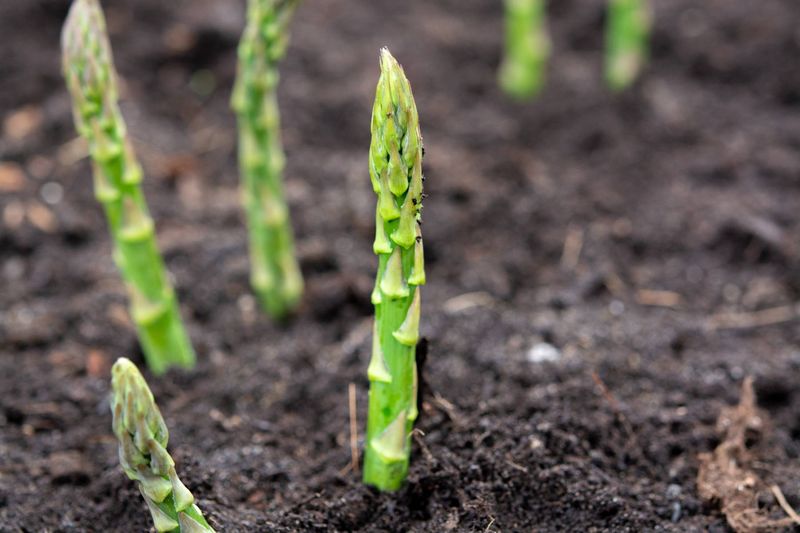
Patience pays off in a big way with asparagus. Plant it once, and it can feed you for fifteen years or more. Some old Pennsylvania farm beds have been producing for decades.
Asparagus is a perennial, which means it comes back every year. In spring, thick green spears push up from the ground. You cut them, and new ones keep appearing for weeks.
Most gardeners start with crowns, which are one-year-old roots. Plant them in early spring in a sunny spot with good drainage. Dig a trench about six to eight inches deep and spread the roots out.
Now comes the hard part. Do not harvest anything the first year. In the second year, pick lightly for about two weeks, and by year three you can harvest for six to eight weeks.
To harvest, cut or snap spears when they are seven to nine inches tall. In warm May weather, they can grow several inches in a single day. Check your bed every morning.
Stop picking by late June. Let the remaining spears grow into tall, feathery ferns. Those ferns gather sunlight and feed the roots for next spring.
Here is a cool fact. White asparagus is the same plant as green asparagus. Farmers simply cover the spears with soil so sunlight never turns them green.
Keep the bed weeded and mulched, since asparagus does not like competition. Cut the brown ferns down in late fall or early spring. Treat the bed well, and it will reward you every year.
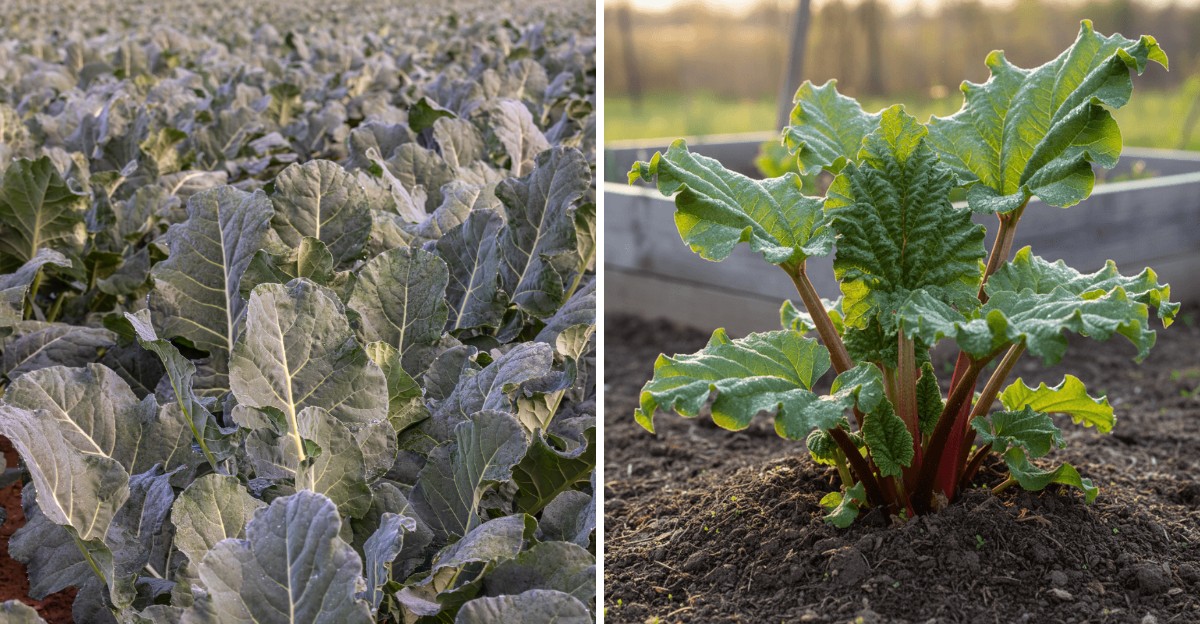
7. Rhubarb Loves A Cold Winter
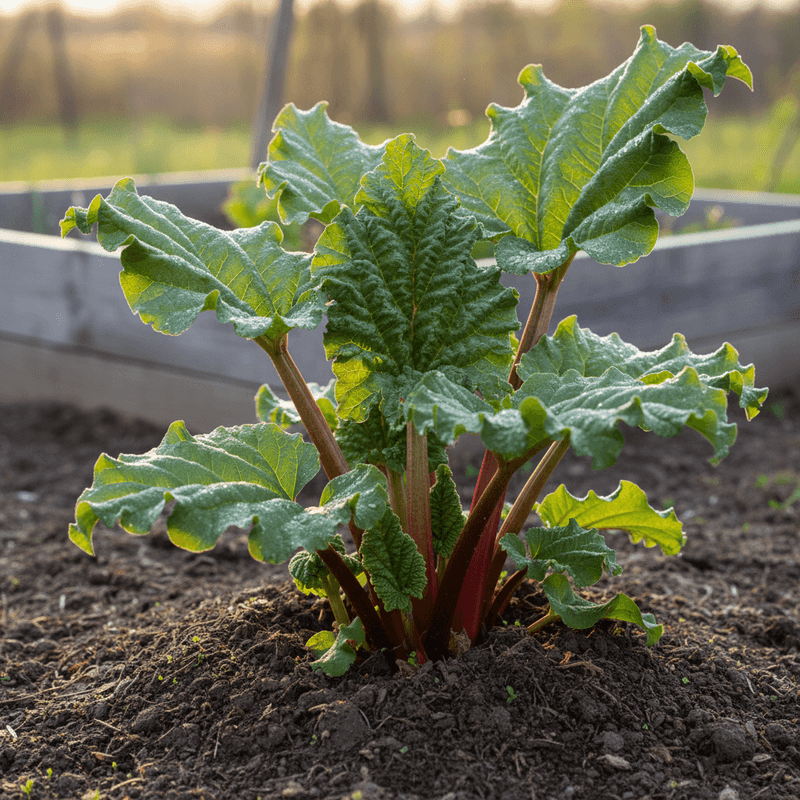
Grandma’s rhubarb patch is a classic sight in Pennsylvania. Many families have plants that were passed down from relatives. Strawberry rhubarb pie is practically a state tradition.
Rhubarb is a hardy perennial that actually needs cold winters. It must have a chilly rest period to grow well. Our snowy months give it exactly what it wants.
Plant crowns in early spring in a sunny spot with rich soil. Give each plant plenty of room, since they can grow three to four feet wide. Pick a spot where it can stay for years.
Wait until the second year before harvesting. After that, pull stalks from late April into June. Grab the stalk near the base, then twist and pull instead of cutting.
Why pull instead of cut? A clean pull leaves no stub behind that could rot. It also tells the plant to send up a fresh stalk.
Take no more than about one-third of the stalks at a time. Leaving plenty behind keeps the roots strong. Stop harvesting by early July so the plant can rest.
One safety rule is very important. Never eat rhubarb leaves, because they contain oxalic acid and are toxic. Cut them off right away and toss them in the compost pile.
If a tall flower stalk shows up, snap it off. Flowering takes energy away from the tasty stalks. A layer of compost each spring keeps the plant happy.
Bake your stalks into crisps, jams, or that famous pie. One healthy plant can keep your family in desserts for many years.