ZZ Plant Mistakes That Keep It From Growing Bushy In Pennsylvania
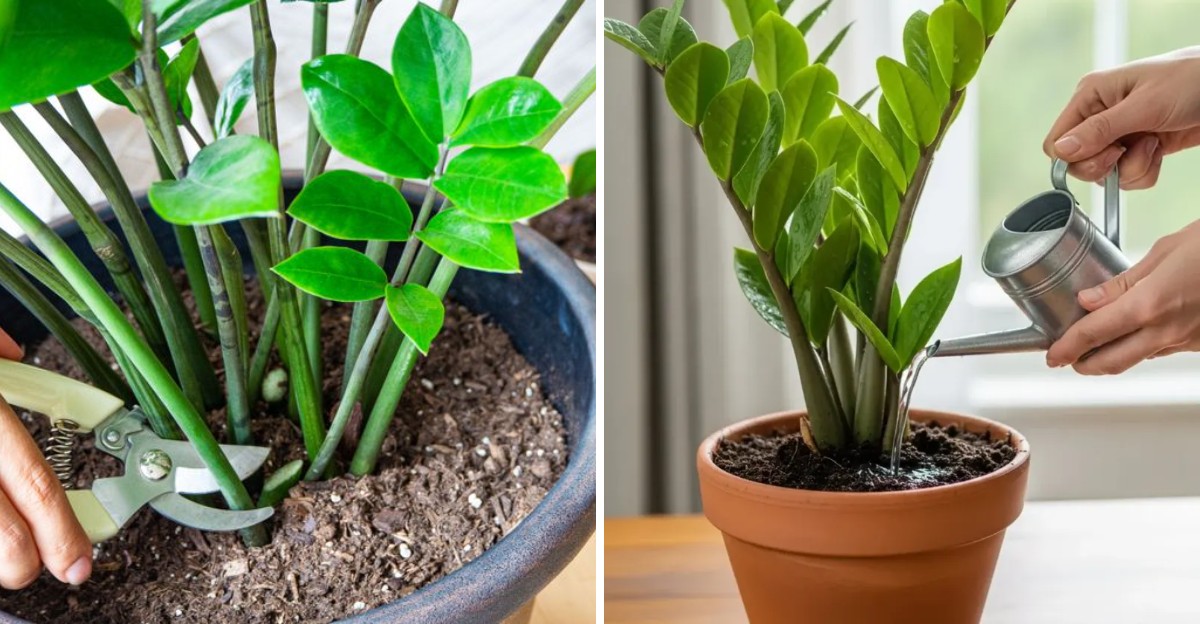
A ZZ plant can go weeks, sometimes even months, without a drink. Thick, potato-like rhizomes hidden under the soil store water, helping it handle dry spells that would flatten most houseplants.
That toughness is exactly why so many Pennsylvanians love it. It’s also why it’s so easy to take for granted.
A ZZ plant that’s merely surviving looks very different from one that’s thriving. Instead of a full, glossy clump of upright stems, you might end up with a few long, floppy stalks leaning toward the window.
New growth comes slowly, if it comes at all. Low winter light, cool drafts, overwatering, and the wrong pot size can all quietly hold it back.
A few simple adjustments can make a big difference, though. Fix these common mistakes, and your ZZ plant can grow fuller, lusher, and more impressive every year.
1. Keeping It In Too Little Light
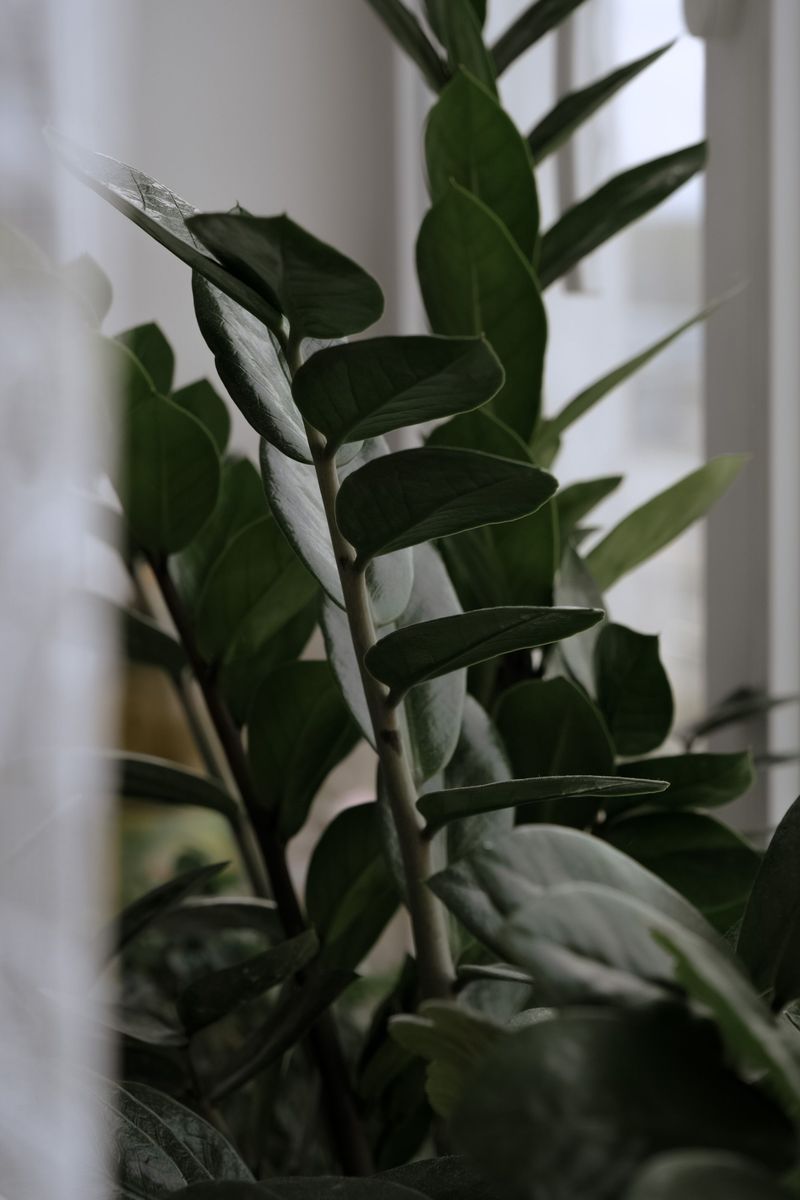
Stick a ZZ plant in a dark hallway, and it will probably survive. Survival is not the same as growing well, though. In low light, a ZZ makes very few new stems, and the ones it does grow come out thin and stretched.
You may notice the stems leaning hard toward the closest window. That lean is the plant reaching for more energy.
Leaves may also spread farther apart along each stem, which makes the whole plant look sparse and floppy.
Pennsylvania winters make the problem worse. From November through February, days are short and skies are often gray.
A spot that seemed bright enough in July can feel like a cave by January. Cities like Pittsburgh are known for cloudy winters, so plants there get even less sun.
The fix is simple. Move your ZZ to bright, indirect light. An east-facing window is a great choice because morning sun is gentle.
A spot a few feet back from a south or west window also works well. Sheer curtains can soften strong afternoon rays in summer.
Watch out for harsh, direct sun through hot glass, since it can scorch the leaves. Pale or bleached patches are a sign the light is too strong.
A happy middle ground is a room that feels bright all day without sunbeams hitting the leaves directly.
If your home is dark in winter, try a small LED grow light. Run it for about 10 to 12 hours a day. Many affordable clip-on lights work great for houseplants.
With better light, your ZZ has the fuel it needs to push up fresh stems from below the soil, and that is how a plant starts looking full.
2. Overwatering
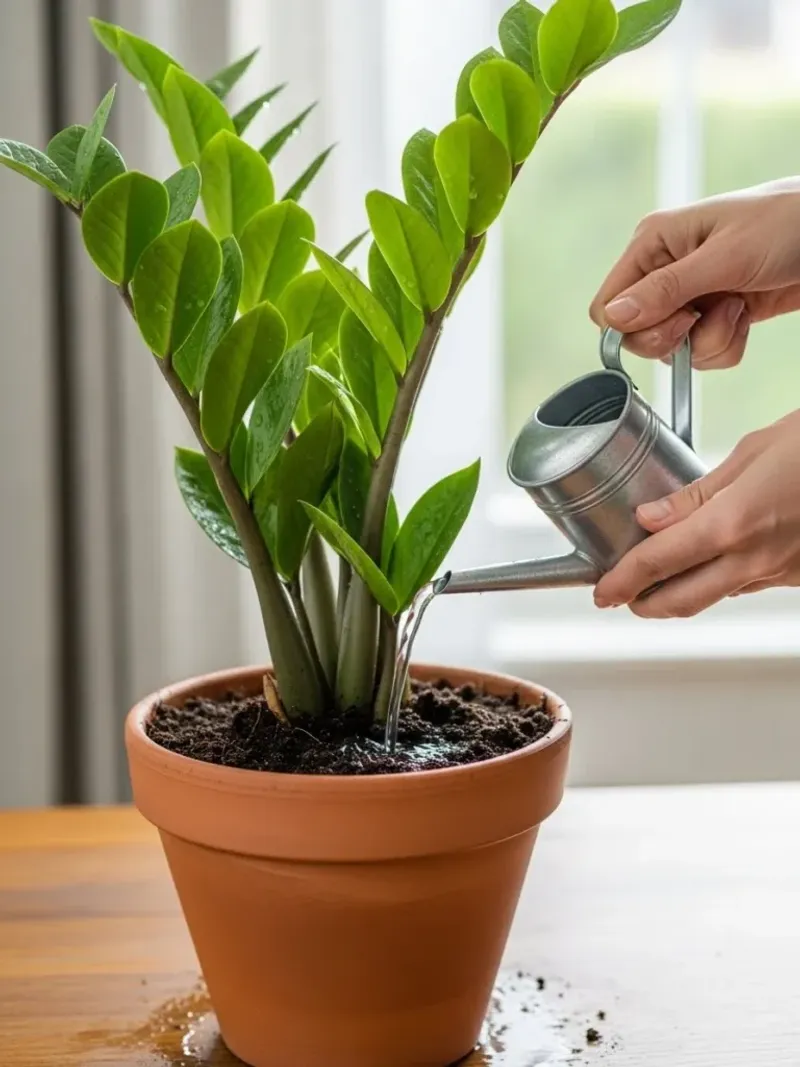
Kindness can sometimes hurt a houseplant. Many people water their ZZ every week out of habit, thinking they are helping it grow. In reality, too much water is one of the fastest ways to hold it back.
Under the soil, a ZZ has thick, potato-like parts called rhizomes. They store water like a camel stores energy. Because of that, the plant can go weeks without a drink. When the soil stays wet all the time, those rhizomes can rot.
Your Pennsylvania Garden Changes Every Week. Your Plan Should Too.
Gardening in Pennsylvania changes quickly throughout the season. Every Friday you’ll receive a simple weekly plan showing exactly what to plant, prune, fertilize, harvest, and protect so you never miss the right timing.
Rotting roots cannot feed the plant. Early warning signs include yellow leaves, soft or mushy stems, and a sour smell from the pot. A plant fighting rot will not put energy into new stems, so it stays thin.
Here is a better routine. Check the soil before you water. Push your finger a couple of inches deep. If it feels dry all the way down, water slowly until it drains from the bottom. If it feels even a little damp, wait.
In Pennsylvania, watering needs change a lot with the seasons. During summer, soil may dry out every two to three weeks.
In winter, growth slows and the soil can stay damp much longer. Some ZZ plants only need water once a month or less in the cold months.
Good drainage matters too. Always use a pot with holes in the bottom. Pick a gritty, fast-draining mix, like cactus soil blended with some perlite. Empty saucers after watering so the roots are not sitting in a puddle.
A wooden chopstick pushed into the soil is a handy tool. If it comes out clean and dry, your plant is ready for a drink.
3. Using A Pot That Is Too Big
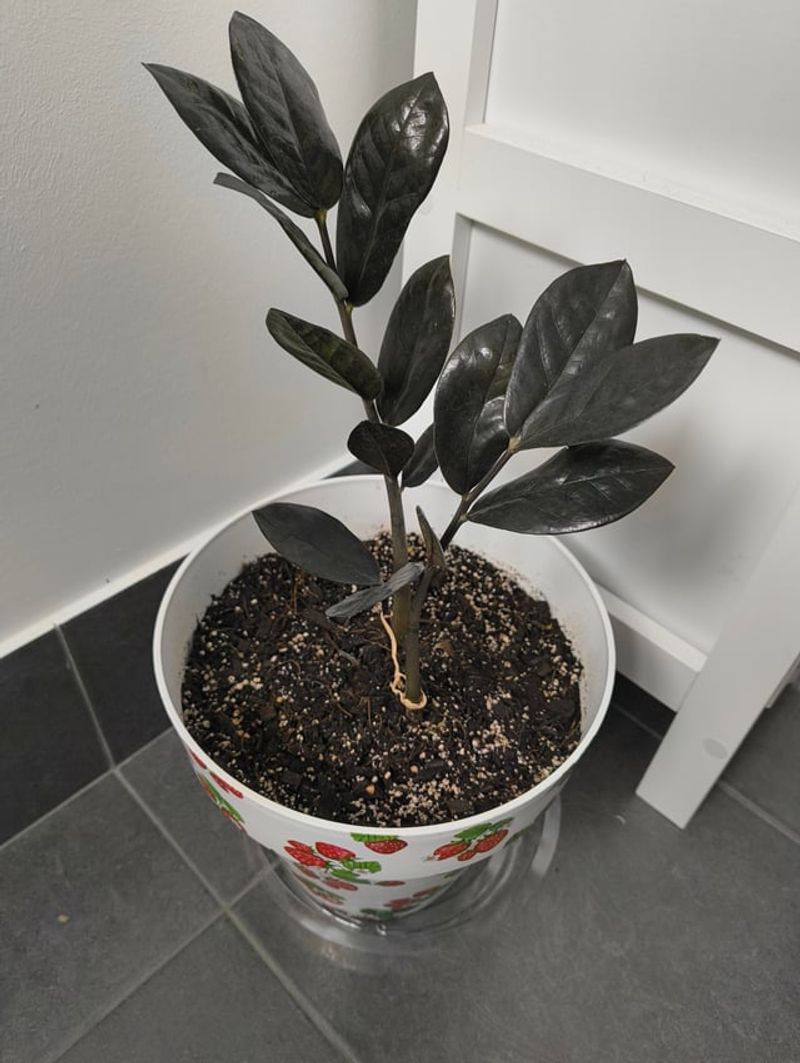
Bigger seems better, right? When it is time to repot, it is tempting to grab a large container so the plant has plenty of room to grow. With a ZZ, that plan often backfires.
A huge pot holds a lot of extra soil. The roots can only reach part of it. The rest just sits there, soaking up water and staying wet for days or even weeks. That damp soil is the perfect setup for rot, which we already know slows growth.
There is another surprise. ZZ plants actually like being a little snug. When the roots fill the pot, the plant often responds by sending up new shoots.
In a giant container, it may spend months building roots instead of making the leafy stems you want to see.
So how do you know when to repot? Look for signs like roots poking out of drainage holes, a plastic pot bulging out of shape, or water running straight through without soaking in. Most ZZ plants only need a new pot every two or three years.
When you do repot, go up just one size. That usually means a pot about one or two inches wider than the old one. Spring is the best time in Pennsylvania, when longer days help the plant settle in quickly.
Fun fact: ZZ rhizomes are strong enough to crack thin plastic pots as they grow. If you see that happening, it is a clear sign your plant is ready for a modest upgrade. Terracotta pots are a smart pick because they breathe and help soil dry faster.
4. Placing It Near Cold Windows Or Drafts
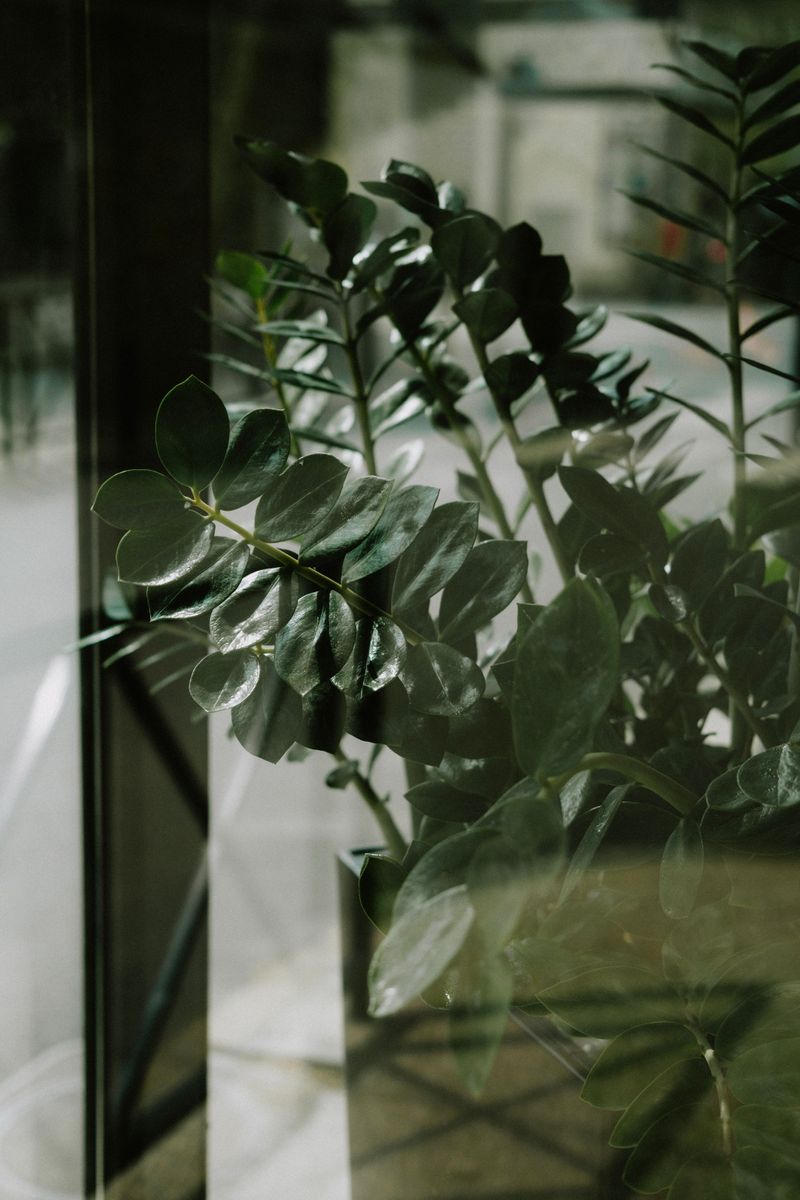
Think about where the ZZ comes from. It is native to eastern Africa, where it stays warm all year. A Pennsylvania January, with temperatures dipping into the teens, is a whole different world.
Indoors, your plant may feel safe. But window glass can get icy cold on winter nights. If a leaf touches that glass, it can turn brown, mushy, or spotted. Even without touching, the air near a single-pane window can feel like a refrigerator.
Drafts are another sneaky problem. Front doors that open often, leaky back doors, and drafty basement stairs all send blasts of chilly air.
A ZZ sitting in that path gets stressed again and again. Stressed plants stop growing and focus on just hanging on.
ZZ plants are happiest between about 65 and 80 degrees. Damage can start when temperatures stay below 50 degrees.
Many older homes in places like Philadelphia, Scranton, and Erie have drafty windows, so this issue is very common across the state.
Try these easy fixes. Slide your plant a few inches back from the glass during winter. Make sure no leaves are pressing against the window. Keep it away from doors that open to the outside.
Heat can also be a problem. Do not park your ZZ right next to a radiator, space heater, or heating vent. Hot, dry air can crisp the leaves just like cold can.
Aim for a steady, comfortable spot, much like where you would want to sit and read a book. A simple thermometer near the plant can help you check.
5. Never Feeding It During The Growing Season
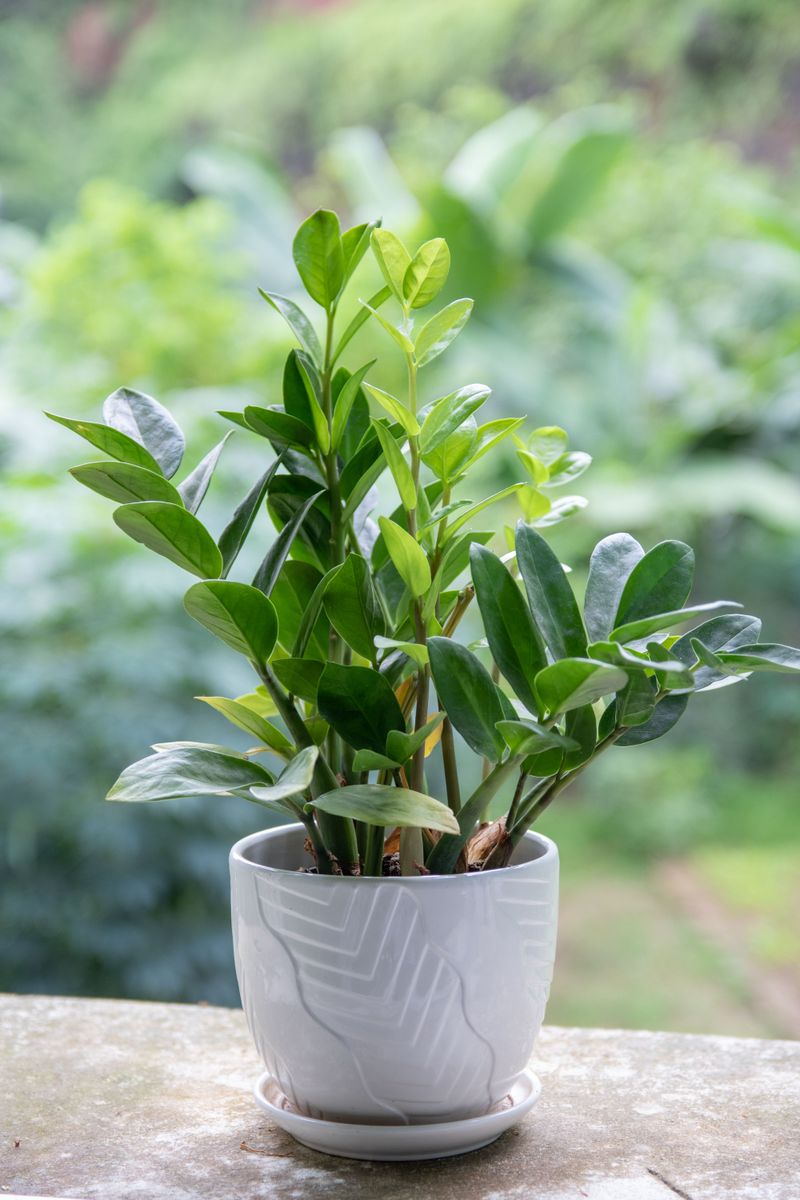
Plenty of folks believe a ZZ never needs fertilizer at all. It is true that this plant is not a heavy eater. Still, skipping food entirely can leave it with nothing extra to build new stems.
Potting soil slowly runs out of nutrients over time. Each watering washes a little bit away. After a year or two, your plant may be living on very slim pickings, even if it looks okay.
A light snack during the growing season can help a lot. In Pennsylvania, that means spring and summer, roughly April through August. Days are longer, the plant is awake, and it can actually use the boost.
Choose a balanced liquid houseplant fertilizer. Mix it at half strength, or even a quarter strength. Feed your ZZ about once a month, right after a regular watering when the soil is already moist. Feeding dry soil can burn the roots.
More is not better here. Too much fertilizer can cause brown leaf tips and a crusty white layer on top of the soil. If you see that crust, flush the pot with plain water and skip a feeding or two.
Once fall arrives, stop fertilizing. From about September through March, a ZZ in Pennsylvania mostly rests.
Shorter, darker days mean it is not growing much, so it cannot use the extra nutrients. Unused fertilizer just builds up in the soil.
A good tip is to set a monthly phone reminder in spring. That way you will not forget, and you will not overdo it either. Steady, gentle feeding gives your plant energy to send up fresh shoots.
6. Forgetting To Rotate It
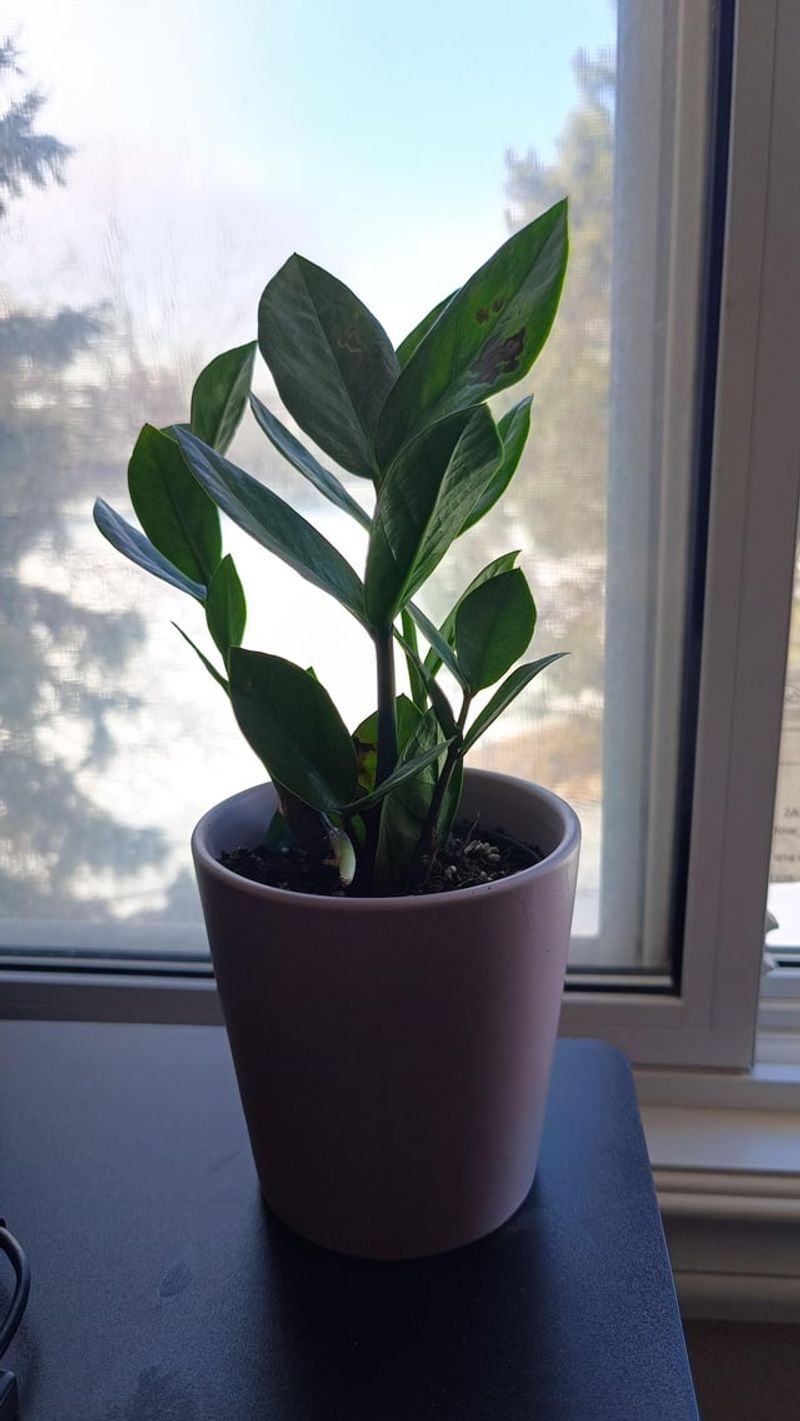
Here is a quick test. Walk around your ZZ and look at it from every side. Does one side look full while the other looks bare? If so, light is probably pulling it in one direction.
Plants grow toward their light source. Scientists call that phototropism, which is a fancy word for leaning toward the sun.
The side facing the window gets more energy, so it grows faster and fuller. Meanwhile, the back side stays thin.
Over months, your plant can become lopsided. Stems may tilt so far they flop over. It ends up looking sparse, even if it is actually healthy.
Luckily, the fix takes about two seconds. Give the pot a quarter turn every week or two. That way each side gets its turn facing the light. The plant grows more evenly, and new stems pop up all around.
A simple trick helps you remember. Turn your plant every time you water it, or pick one day, like Sunday, as rotating day. Some people put a small sticker on the pot so they can track which way it faced last.
Rotation matters even more during Pennsylvania winters. With the sun sitting lower in the sky, light comes in at a sharp angle and from one direction. Your plant will lean harder than it does in summer.
If your ZZ is already leaning badly, do not worry. Start rotating now, and newer stems will grow straighter. You can also gently stake a heavy stem for support while the plant evens itself out over the next few months.
7. Expecting Pruning To Make It Bushier
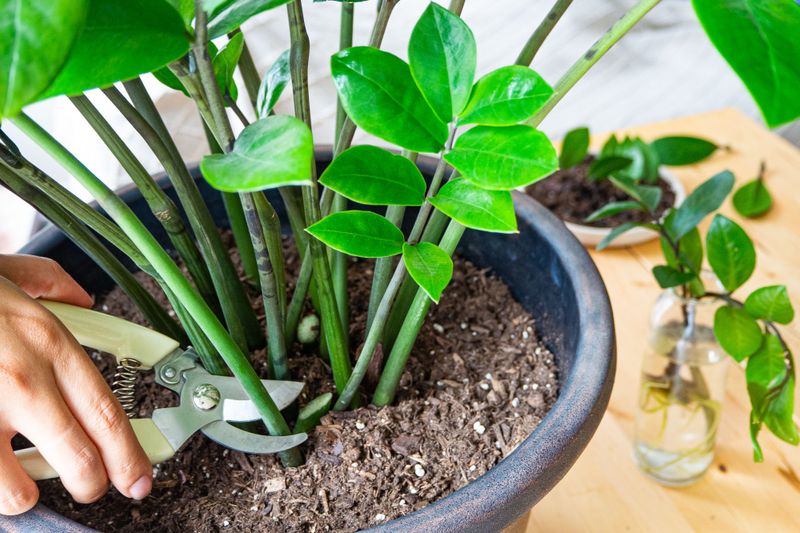
Pinch a pothos or a basil plant, and it branches out. Many plant owners expect a ZZ to do the same. Sadly, cutting a ZZ stem will not make it split into two new ones.
That is because ZZ stems do not branch the way many houseplants do. Each stem is really one big compound leaf.
New growth comes from the rhizomes hidden under the soil. Snipping the top off a stem just leaves a shorter stem.
So what should you prune? Only remove yellow, damaged, or extra-leggy stems. Cut them near the soil line with clean scissors. That tidies the plant without wasting its energy.
Getting a fuller look takes patience and a bit of planning. Healthy rhizomes send up new shoots over time, especially in spring and summer. Good light, smart watering, and gentle feeding all help them along.
Want faster results? Try growing several ZZ plants together in one pot. Many nurseries sell small plants cheaply, and grouping three or four creates an instantly bushy display. Just make sure the pot has good drainage.
Dividing an overgrown plant is another great option. In spring, slide it out of its pot and gently pull the rhizomes apart. Each section with a few stems can become its own plant, or you can rearrange them more tightly.
Did you know? You can even grow new ZZ plants from single leaflets stuck in soil. It can take months for a tiny rhizome to form, but it is a fun experiment. Remember to wear gloves when handling ZZ sap, since it can irritate skin.