What Florida Yards Need For Migrating Warblers To Stop And Refuel
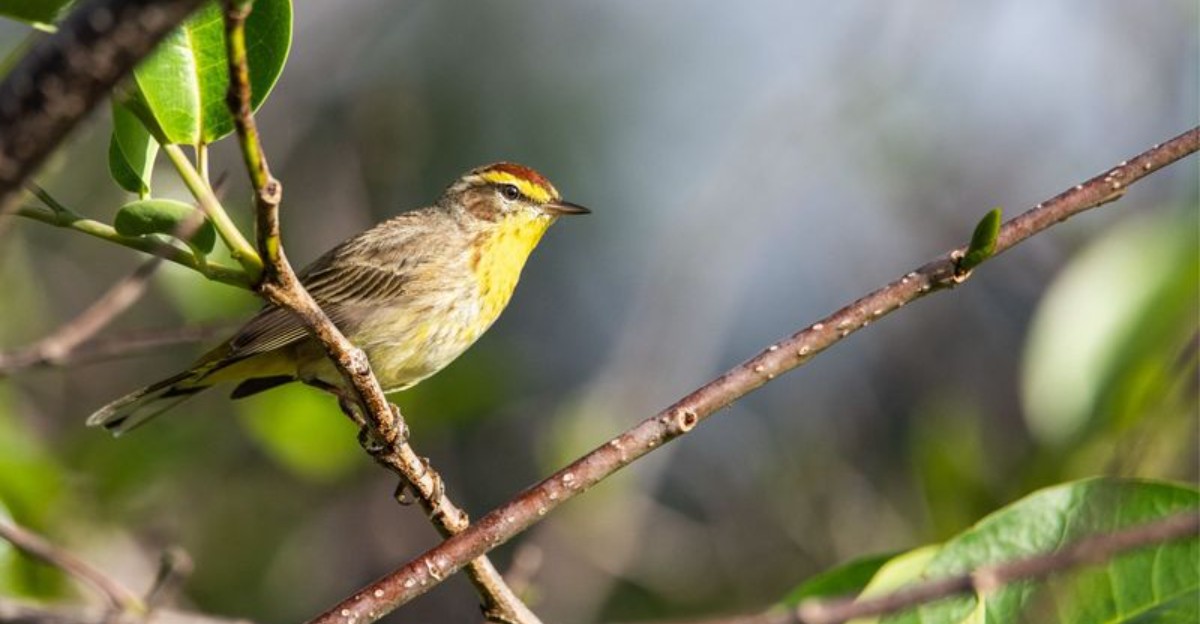
A migrating warbler can cross miles of open sky, then pass right over your Florida yard without stopping for a bite. These tiny travelers burn through energy fast, and the right backyard could offer exactly the pit stop they need.
The catch is that a pretty garden doesn’t always make a useful one. Warblers need more than a bird feeder and a splash of color.
They look for the insects, shelter, and leafy cover that help them refuel before the next leg of their journey.
Even a modest yard can make a difference, especially during fall migration, when waves of birds move through Florida on their way south. A few thoughtful changes can turn an ordinary patch of greenery into a welcome rest stop.
And the best part? You may not need to buy a single feeder.
What matters most could already be growing in your yard.
1. Florida Sits In The Middle Of A Major Migration Route
Think of Florida as a giant highway rest stop shaped like a thumb. Millions of birds pass over it each year, traveling between North America and the tropics.
The state is part of the Atlantic Flyway, a main bird route that runs along the eastern side of the continent. Its long peninsula, barrier islands, and warm climate act like a funnel that guides tired flyers right toward us.
Here is the encouraging part. The state supports many migratory birds that stop to rest and feed during their journeys.
Coastal areas, wooded habitats, and other natural spaces can provide valuable places to recover before the next leg of migration.
Timing matters if you want to spot them. Spring migration usually peaks from late April to early May.
Fall migration runs from August through October, though some shorebirds show up as early as July.
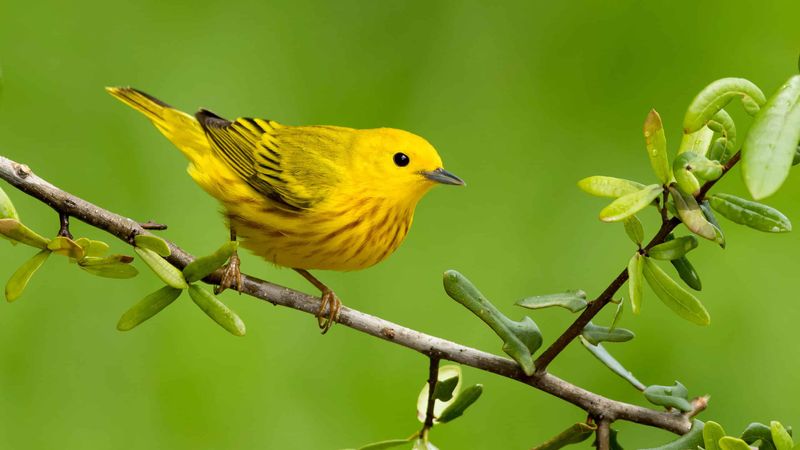
Warblers are small, bright, and busy birds that mostly eat insects. During these trips, they burn through their energy fast and need to refill quickly.
A single night of flying can leave them hungry and worn out.
Knowing all this changes how you see your yard. Your patch of grass and trees sits right under one of the busiest bird routes in the country, and that gives you a real chance to help.
2. Your Yard Can Work As A Stopover Habitat
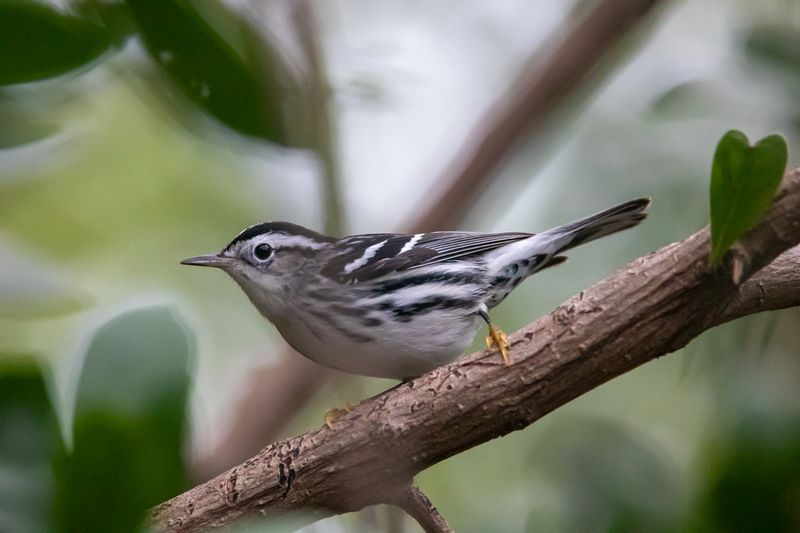
Ever pulled into a gas station with an empty tank and a growling stomach? Migrating warblers feel the same way, only their gas station is often a backyard.
Scientists call these resting places stopover habitats. They are spots where birds can grab food, sip water, and hide for a day or two before moving on.
Big parks help, but even small yards can make a big difference.
You do not need acres of land. A corner lot or a tiny townhouse garden can still offer what a tired bird needs.
When lots of neighbors do the same, those small patches link up into a helpful chain across town.
The secret is layers. Picture a tall canopy tree on top, smaller understory trees below, then shrubs, and finally wildflowers and groundcovers near the soil.
Your Florida Garden Changes Every Week. Your Plan Should Too.
Gardening in Florida changes quickly throughout the season. Every Friday you’ll receive a simple weekly plan showing exactly what to plant, prune, fertilize, harvest, and protect so you never miss the right timing.
Each layer offers food and shelter at a different height.
Warblers move through these levels in different ways. Some hunt high in treetops, while others poke around in low bushes.
A layered yard gives every kind of visitor a place to search.
Native plants work best because local birds and bugs already know them. Start with one new tree or a single shrub bed this season.
Your yard can slowly grow from plain lawn into a welcoming pit stop.
3. Native Plants That Feed Insects
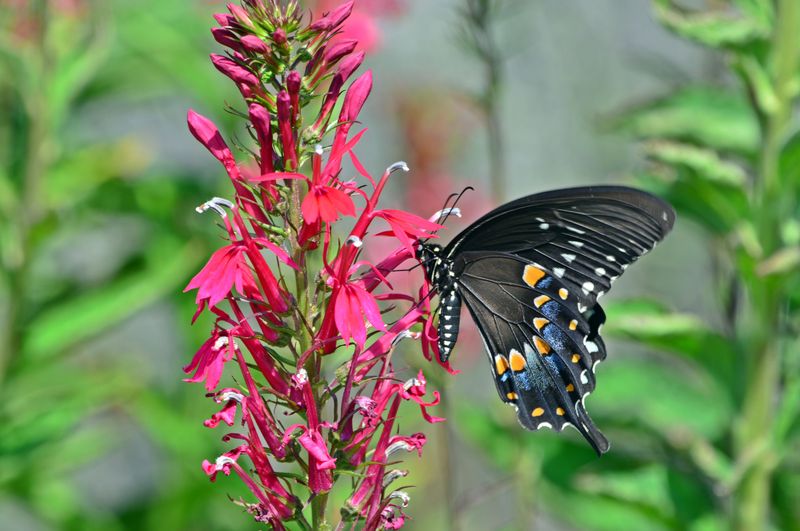
Bugs might not sound like a party snack to you, but to a warbler they are pure gold. Most warblers eat insects, and they need a lot of them to keep flying.
Here is where native plants shine. Plants that grew in the state long before us support far more native insects than imported plants do.
Fancy foreign shrubs may look nice, yet many local bugs simply cannot eat them.
Native wildflowers such as goldenrod, blazing star, and black-eyed Susan can support pollinators and other insects. Choose species suited to your part of the state, and include native trees and shrubs as well.
Flowers are only part of the picture. For insect-eating warblers, the biggest benefit comes when a yard supports plenty of caterpillars, spiders, and other small prey on its leaves, stems, and branches.
A diverse mix of native plants helps create that food supply.
Do not forget what lies on the ground. Fallen leaves under your plants are home to beetles, spiders, and larvae.
Leaving some leaf litter in place gives birds even more to snack on.
A quick tip for shopping: ask your local nursery for plants native to your part of the state. North Florida and South Florida have different climates, so the right choice depends on where you live.
A few well-chosen plants can feed a surprising number of hungry travelers.
4. Oak Trees Full Of Caterpillars And Bugs
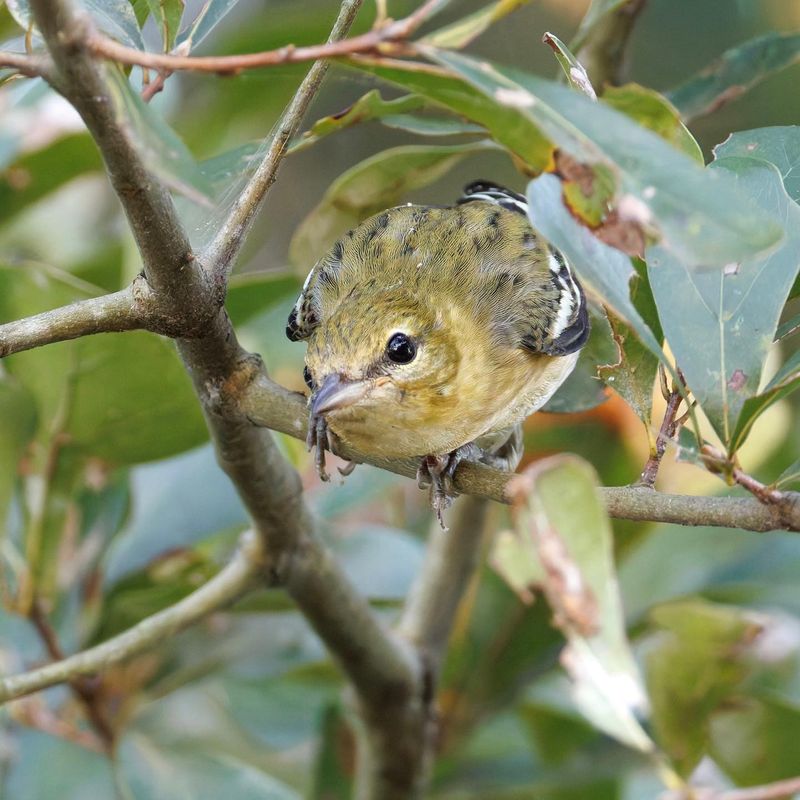
Caterpillars are an important food source for many birds, especially when they need plenty of protein to raise their young. Native oaks can help provide that food.
Native oaks support a wide variety of insects, including caterpillars that birds pick from leaves and branches. Migrating warblers can benefit from this natural food supply as they pause to feed and recover.
Oaks also provide shelter and, eventually, acorns that support other wildlife. They are a long-term investment in a more diverse backyard habitat.
You have several good choices. Live oak is the classic giant with sweeping branches.
Sand live oak and myrtle oak stay smaller, which makes them handy for tighter spaces.
Here is one easy trick. Let the leaves pile up under your oak instead of raking every last one.
Many caterpillars drop to the ground and use that leaf layer to change into moths and butterflies.
Oaks take time to grow, so planting one is a gift to the future. Still, even a young tree starts hosting bugs within a few seasons.
If you have room for just one tree, an oak may be the smartest pick for birds.
5. Native Shrubs Loaded With Berries
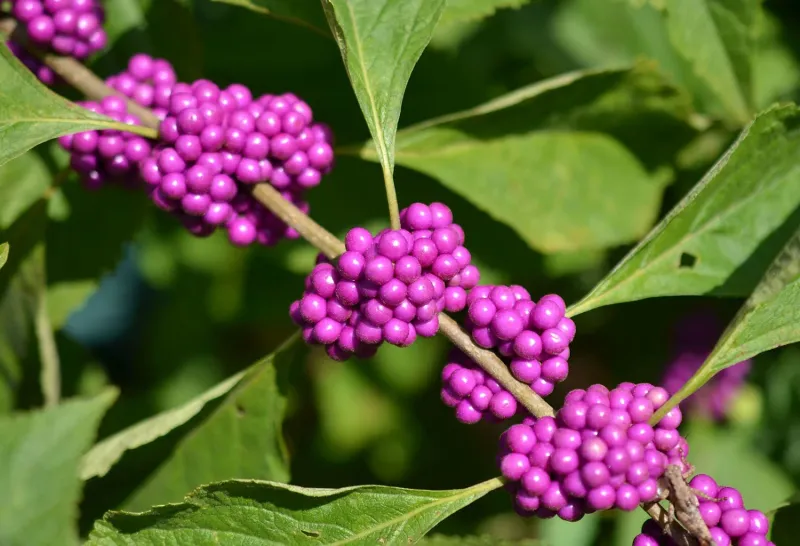
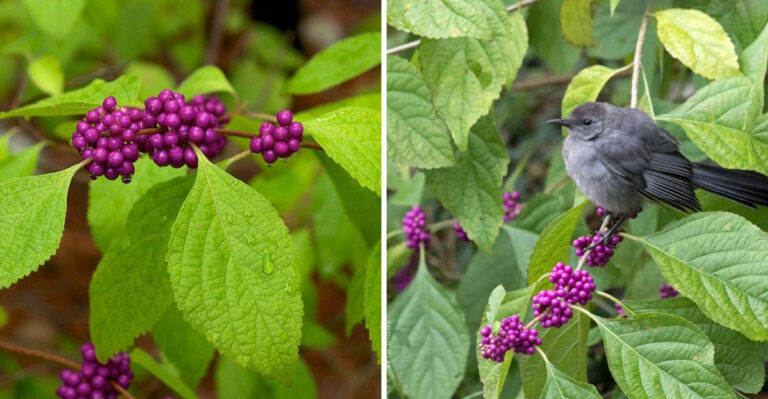
Bright purple berries clustered along a branch look almost too pretty to be real. That is American beautyberry, and birds treat it like candy.
Berries provide food for many migrating birds, especially species that eat fruit as part of their diet. Most warblers rely heavily on insects, so berry-producing shrubs are best viewed as one part of a bird-friendly yard rather than their main source of fuel.
Native shrubs also offer something every tired traveler can use: leafy cover where birds can rest and shelter between feeding trips.
Florida offers plenty of great berry makers. Dahoon holly and yaupon holly produce shiny red fruit.
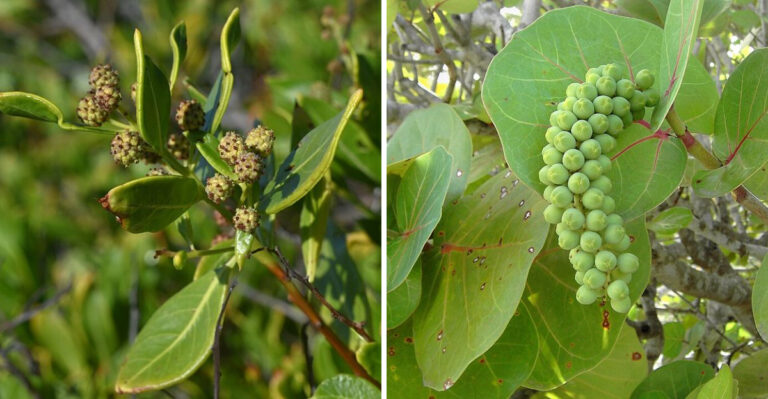
Wax myrtle, Simpson’s stopper, firebush, and myrsine are also favorites, along with native viburnums and blueberries.
Beautyberry deserves extra praise. Its fruit appears in late summer and can last into winter, and the shrub’s leafy shape offers good hiding spots.
Darrow’s blueberry gives sweet, juicy berries in summer for birds and maybe you too.
Yaupon holly is a handy evergreen that stays green all year. It can be trimmed into a hedge or left to grow tall and natural.
Try planting a mix so something is ripe in each season. When one shrub finishes, another can take over.
Plant a few in groups rather than spreading single bushes around the yard, since clumps feel safer to shy birds and are easier for them to find.
6. Dense Cover To Hide From Predators
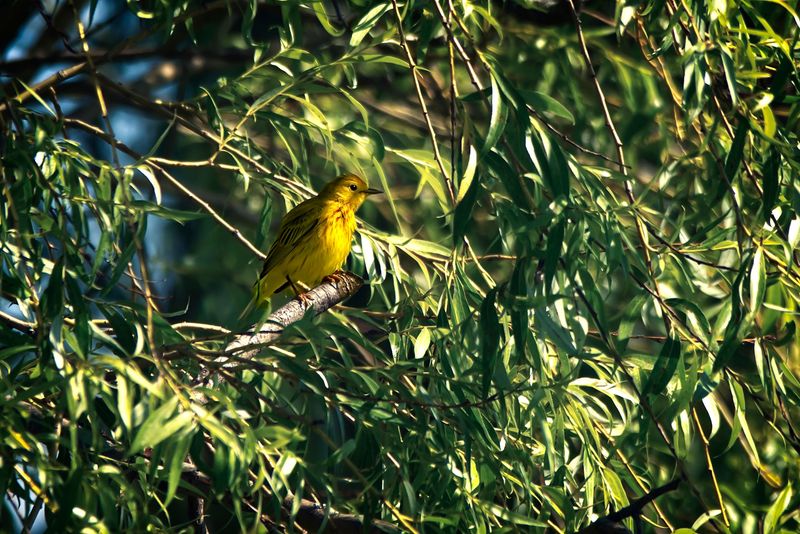
Imagine eating lunch in the middle of an open field while a hawk circles overhead. Not very relaxing, right?
Warblers feel that worry every time they leave the bushes.
Thick plants give birds a safe place to rest between meals. When danger appears, they need a quick hideout just a short hop away.
Without cover, even a yard full of food can feel too risky.
Layers are your best friend again. Low groundcovers, native grasses, shrubs, and trees create hiding spots at every height.
Dune sunflower spreads into dense mats, while wax myrtle, hollies, and cedars make leafy privacy borders.
Other strong choices include wild coffee, Simpson’s stopper, and Florida privet. Each one grows thick enough to hide small birds from sharp eyes.
Got fallen branches after a storm? Stack them into a loose brush pile in a back corner.
Birds duck inside during bad weather or chilly nights, and bugs move in too, which means extra snacks.
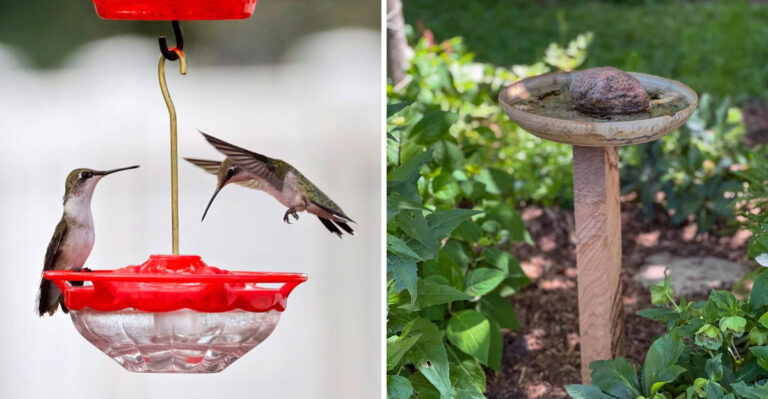
Placement around birdbaths matters as well. Put the bath near shrubs or other cover so birds have somewhere to retreat, but leave enough open space around it that approaching predators are easier to spot.
There is no single distance that works for every yard. Check the area from a bird’s-eye view, and keep pet cats indoors to reduce the risk to visiting birds.
7. Clean Water Refreshed Every Few Days
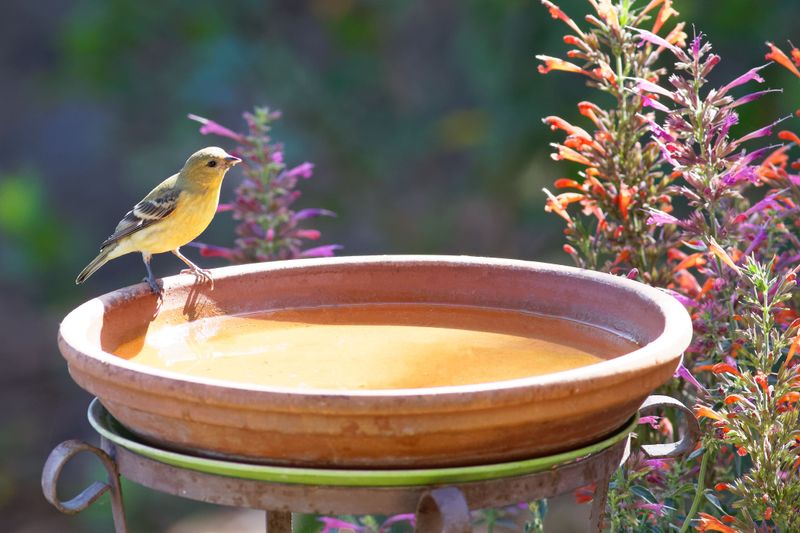
Splish, splash. Few things are cuter than a tiny warbler fluffing its feathers in a birdbath after a long flight.
Water matters just as much as food. Birds need it for drinking and for keeping feathers clean, which helps them fly well.
During dry spells, a simple birdbath can become the most popular spot on the block.
Depth is key. Songbirds like water only one to three inches deep, so choose a shallow basin.
A rough or textured bottom helps their little feet grip, and you can add a flat stone if the bowl feels slippery.
Keep things fresh. Check the birdbath daily, especially during hot weather, and change the water whenever it looks dirty or develops algae.
Refreshing it every day or two helps keep it inviting and reduces the chance of mosquitoes breeding in standing water.
Regularly scrub the basin with a solution of nine parts water to one part vinegar, then rinse it thoroughly before refilling. Avoid leaving dirty water sitting for days, especially during migration when many birds may visit.
Location makes a difference too. Set your bath in a shady, open spot that stays cool, with shrubs nearby for a quick getaway.
Too much hot sun can warm the water fast.
Want a bonus? Moving water grabs attention.
A small fountain, bubbler, or mister sparkles and makes sounds that birds notice from far away. It also keeps water from going stale, though you may need to top it off more often since it evaporates faster.
8. A Yard Free Of Pesticides
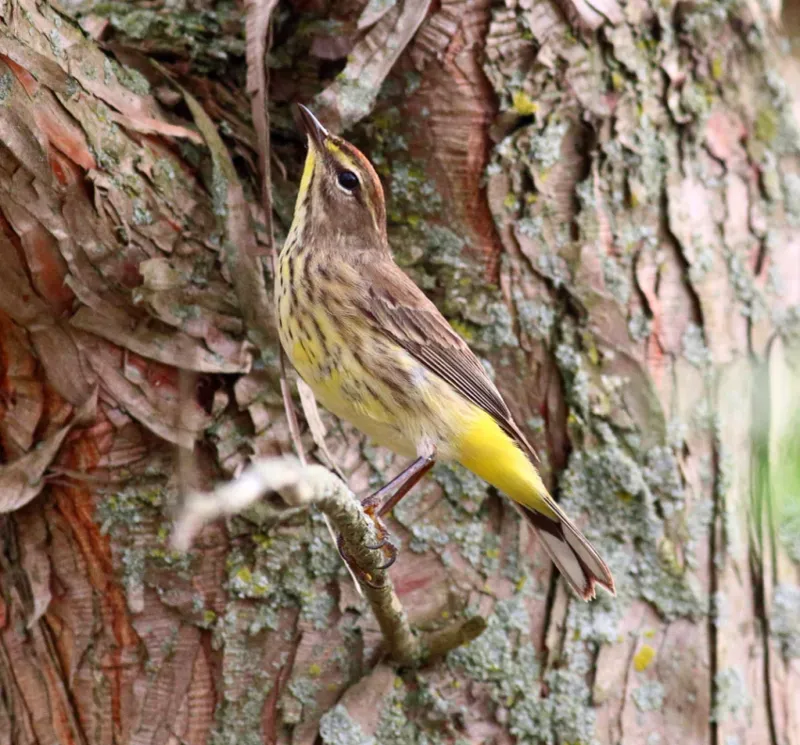
Bug spray might seem like a quick fix for chewed leaves. For migrating warblers, though, it can quietly cause big trouble.
Some pesticides, including certain neonicotinoids, can harm birds under particular exposure conditions. In controlled studies, researchers found that exposure to imidacloprid reduced food consumption and fat stores in migrating songbirds and delayed their departure.
Other research has found effects on migratory orientation in exposed birds. These findings do not mean every pesticide has the same effect, but they are a good reason to avoid unnecessary insecticide use around a yard meant to support wildlife.
The simplest approach is to tolerate minor leaf damage, encourage natural predators, and use targeted pest controls only when needed.
There is also the food problem. Insect sprays wipe out the very bugs warblers come to eat.
A yard with no caterpillars is like a restaurant with an empty kitchen.
So what can you do instead? Accept a few holes in your leaves as a sign your yard is working.
Pull weeds by hand, and let birds, ladybugs, and spiders handle many pests for free.
Go easy on lawn fertilizers too, since they can wash into ponds and harm wildlife. If a pest gets out of hand, ask your local extension office for gentle, targeted options.
Your yard will buzz with life, and the birds will notice.
9. Darker Nights And Bird-Safe Windows

Most warblers fly at night, using the stars to steer. Bright city lights can pull them off course like moths to a porch lamp.
Artificial light wastes their precious energy as they circle around confused. It also raises the chance they crash into buildings.
Each year in the U.S., hundreds of millions of birds are affected by collisions with buildings. Research estimates that about 44% of these incidents involve homes, making bird-safe windows an important way to help protect migrating birds.
The fix starts with a light switch. During peak migration, from March through May and August through November, turn off extra lights from 11 p.m. until sunrise.
Point outdoor lights downward, add shields, or use motion sensors.
Windows are tricky for birds. They see reflections of sky and trees, or look right through clear glass, and think the path is open.
Helping them notice the glass makes a huge difference.
Try window film with dots, stripes, or UV patterns that birds can see. Outdoor screens, shutters, and vertical cords hung a few inches apart work well too.
Closing blinds at night and moving houseplants away from windows also helps.
Building or remodeling soon? Ask about bird-friendly glass with built-in patterns or frosted finishes.
A darker yard and safer windows mean more warblers make it to their next stop.