What Is Quietly Heating Up Beneath Your Louisiana Flower Beds This Weekend
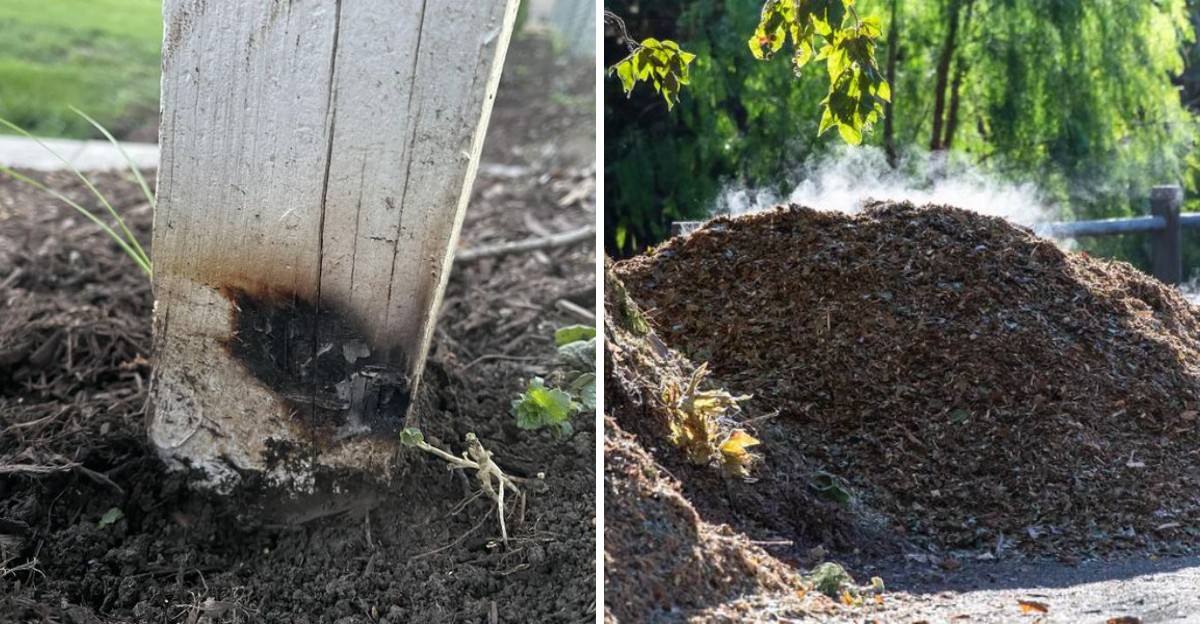
Deep mulch can ignite without a spark. Bacteria inside thick layers of bark generate heat as they feed.
Temperatures in a packed pile can climb high enough to char bark. Louisiana autumns hand you dry afternoons that speed the process.
Gusty winds forecast for this weekend can fan a hidden ember into flame. Push a garden fork beneath the surface and test for warmth.
Steam rising from the bed or a sour odor signals trouble underneath. Check beds hugging your siding, fence line, and wooden steps.
Discarded cigarette butts and hot grill ashes can ignite dry bark fast. Soak any warm spot with water and turn the material with a rake.
Pull mulch back from your foundation to create a gap. Fire crews across Louisiana respond to mulch fires that start beside homes. You can address this before Saturday’s gusts.
Smoldering Mulch Is An Overlooked Risk Next To Your Home
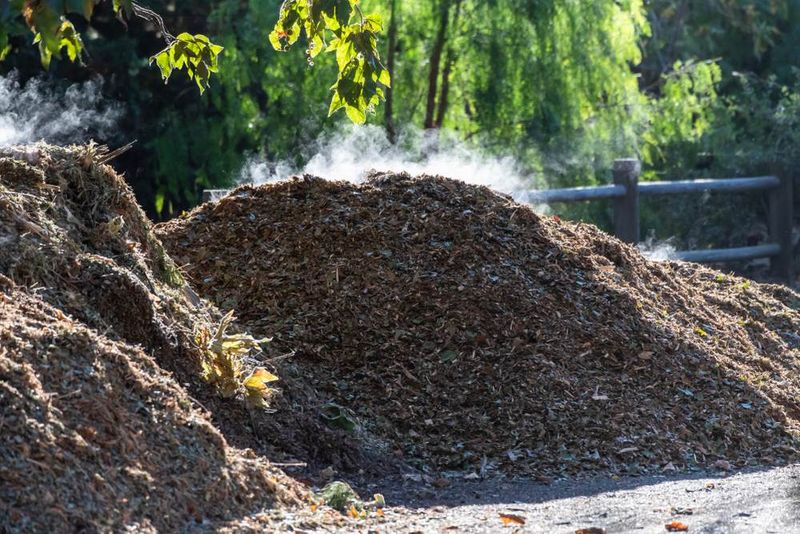
Picture a pile of shredded pine bark sitting quietly against your brick wall. Inside, tiny pockets of heat can build until the wood starts to smolder like charcoal.
Mulch fires often begin without flames, which makes them easy to miss. A thin curl of smoke or a sour, burnt smell may be the only early clue.
Deep piles are a main concern because they trap heat as the material breaks down. Bacteria eat the wood, and that feast gives off warmth, a bit like a compost bin.
Once a spark or hot ember lands on top, the dry surface can catch fast. Fire crews across Louisiana answer these calls during the fall season, often near apartment buildings and shopping centers.
Homes are at risk too, especially where beds touch vinyl siding, wooden steps, or porch posts. Flames can climb those surfaces and reach the eaves quickly in dry, windy conditions.
Rubber mulch deserves a special mention, since it burns hotter than most wood types. It also gives off thick black smoke that is hard to put out.
Luckily, a smoldering bed is easy to spot once you know what to look for. Kneel down, sniff the air, and look for gray ash spots or warm patches.
Sun-warmed mulch is normal, so probe beneath the surface for steam, sour smells, or lingering heat. A quick check now beats an emergency call later.
Think of it as a weekly yard chore, right alongside pulling weeds and refilling the bird feeder. Your future self, and your siding, will thank you.
Dry October Air And Gusty Fronts Increase The Risk

Ask any Louisiana gardener about October, and you will hear about relief from the sticky summer heat. Lower humidity feels wonderful on your skin, but your mulch feels it too.
Dry air pulls moisture out of bark and pine straw within days. A bed that stayed damp all August can become very dry by the middle of fall.
Fall cold fronts add another layer to the problem. As each front pushes through, winds often gust over twenty miles per hour across open yards.
Your Louisiana Garden Changes Every Week. Your Plan Should Too.
Gardening in Louisiana changes quickly throughout the season. Every Friday you’ll receive a simple weekly plan showing exactly what to plant, prune, fertilize, harvest, and protect so you never miss the right timing.
Wind does two risky jobs at once. It feeds oxygen to hidden embers and carries sparks from one bed to the next.
Louisiana also tends to see a dry stretch in early fall, with fewer rain showers than summer. Burn bans can be issued at the state or parish level when grass and leaves get too dry, so check current notices.
Pay attention to those warnings, even if you live in town and not near the woods. A burn ban is a strong hint that your landscaping is very dry.
The National Weather Service issues red flag warnings, and local news stations share them when wind and low humidity combine. Set an alert on your phone so the heads-up reaches you before the weekend.
Another smart habit is checking the forecast every Thursday during fall. If gusts and dry air are coming, plan a quick yard check on Friday evening.
Timing matters as much as effort here. A ten-minute walk before the wind kicks up can spare you plenty of worry.
A Tossed Cigarette Or Hot Grill Ash Near The Beds
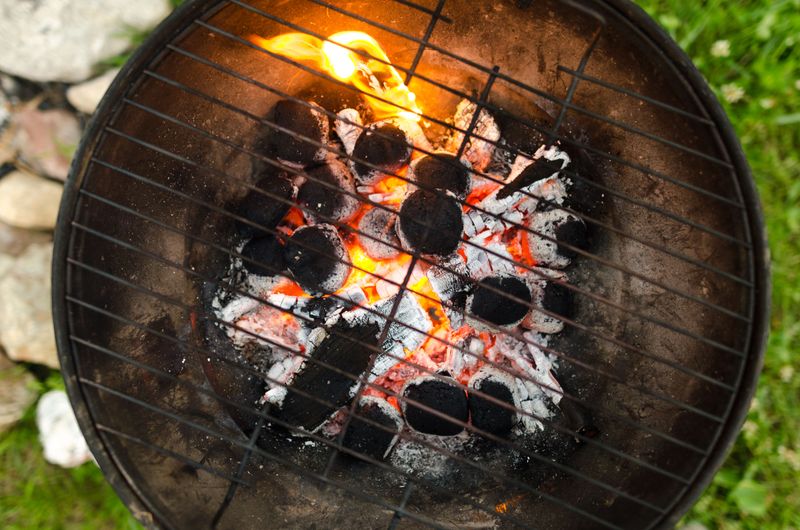
A cigarette flicked into an azalea bed can leave a line of glowing embers within minutes. Discarded cigarettes are a leading cause of mulch fires, especially near busy doorways and patios. The butt can sit and smolder for hours before anyone notices a problem.
Grill ash is another common culprit during tailgate season. Coals can stay hot for a full day, even when they look gray and cool.
Dumping a grill or fire pit into a flower bed creates a serious fire risk. Let ashes cool in a metal bucket with a lid, then soak them with water.
Fall decorations can add risk as well. Pumpkin candles and frayed string lights both deserve a careful look.
Even a lawn mower parked over dry straw can cause trouble. Its muffler gets hot enough to scorch nearby mulch after a long mowing session.
Smokers in your home or guests at a party might not think twice. Set out a sturdy ashtray filled with sand, and place it far from planting beds.
A friendly sign or reminder can help without making anyone feel scolded. Many people simply forget that mulch is readily combustible.
Small habits go a long way with this risk. Cool ashes, careful smokers, and smart parking keep your yard safe through the busy fall months.
Pass the tip along to friends and family who love backyard cookouts. Share it at your next fish fry or football watch party.
A Garden Hose And A Rake For Handling A Small Smolder
Spot a wisp of smoke rising from your flower bed? A small smolder away from the house can be handled with basic tools, but call 911 if you are unsure.
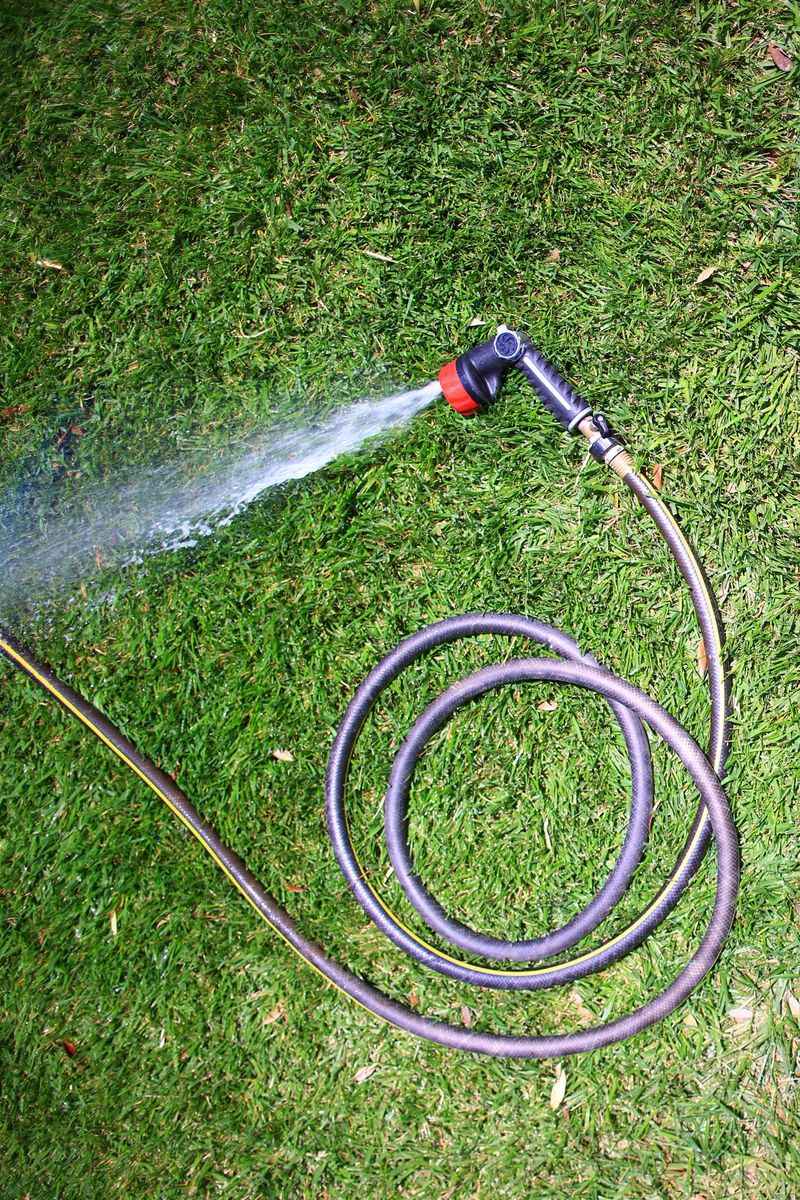
First, grab your garden hose and set the nozzle to a soft shower. A hard blast can scatter embers and spread the heat to new areas.
Soak the spot well, then keep going a little longer than feels needed. Water has to reach several inches down where the heat likes to hide.
Next, use a rake or shovel to stir and spread the mulch apart. Turning it over exposes buried hot spots so you can soak them too.
Keep rotating between raking and spraying until the material feels cool to the touch. Wear sturdy gloves and closed shoes, since hidden coals can burn skin fast.
Check the area again an hour later, and once more before bed. Mulch fires are known for flaring back up after people think the job is done.
If you see flames, or the fire is near the house, call 911 right away before trying to put it out. Firefighters would rather arrive early than after the fire has spread.
Keep a hose connected near the front and back beds all fall long. A coiled hose by the spigot saves precious seconds in an emergency.
A small fire extinguisher in the garage is a smart backup plan, too. Make sure everyone in the family knows where it lives and how it works.
Practice once with the hose so every adult knows which way the nozzle turns. A little rehearsal helps people act quickly and confidently.
The Cost Of A Mulch Fire: Siding, Shrubs, And Insurance
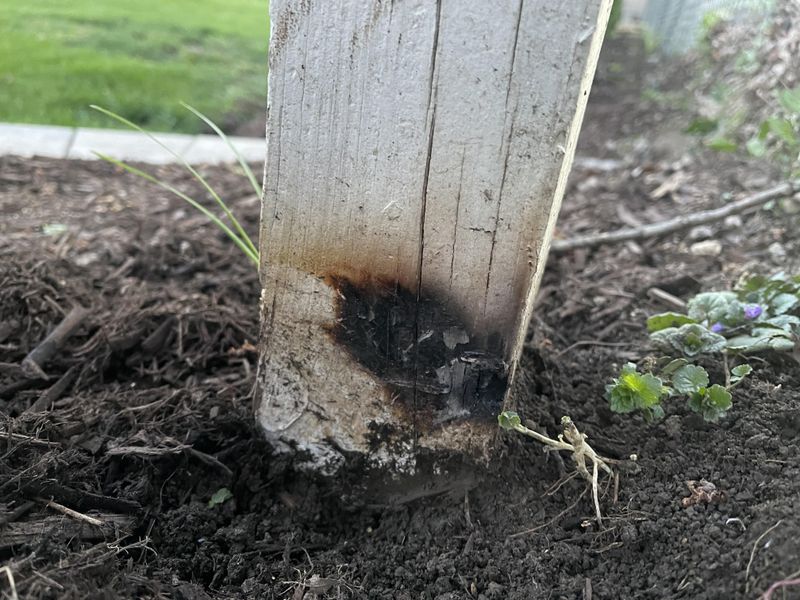
Fires near vinyl siding can leave it warped and melted. Even a small mulch fire can cause costly damage.
Even a small mulch fire can cause expensive damage in a short time. Repairing siding, trim, and window frames can cost thousands of dollars, depending on the damage.
Plants struggle as well. Boxwoods, azaleas, and camellias near the flames can scorch, lose leaves, or fail to bounce back next spring.
Soil also takes a hit after a hot burn. Intense heat can reduce helpful worms and microbes in the top layer of soil.
Smoke damage is another headache that sneaks indoors. It slips through vents and window gaps, leaving a stubborn smell in curtains and carpets.
Families with asthma or allergies feel that lingering odor the most. Cleaning crews may need several visits to clear the air inside the home.
Then there is the stress, which no repair bill fully covers. Watching fire trucks pull up to your house is a stressful experience.
On the bright side, many of these losses are easy to avoid. Spending a little time on safety now protects your home, your garden, and your peace of mind.
Take photos of your landscaping and the outside of your house this month. Those pictures can speed up an insurance claim if trouble ever strikes.
Review your homeowner policy as well, and ask whether outdoor plants and fences are covered. A five-minute phone call can clear up plenty of confusion later.
A Safer Buffer Zone Around The Foundation

Fire safety experts love a simple rule called the five-foot zone. Keep the first five feet around your home free of anything that burns easily.
Swap wood chips and pine straw in that area for river rock, gravel, or pavers. Crushed stone looks sharp and holds up well in Louisiana rainstorms.
If you love the look of mulch, keep layers no deeper than three inches. Thick piles trap heat, while thinner layers release it more easily.
Water your beds during long dry spells, even in the cooler fall months. Damp mulch is much harder to ignite than a dusty, crunchy layer.
Rake away fallen leaves and pine needles that pile up on top. Those loose bits catch sparks far faster than settled mulch underneath.
Larger bark nuggets tend to resist flames better than finely shredded mulch, pine straw, or rubber. Ask your local garden center which options suit your yard and budget.
Leave a small gap between mulch and wooden steps, fences, or deck posts. Even a few inches of bare soil or stone can slow a creeping fire.
Test the indoor smoke alarms near doors and garages that face your landscaping every month. Early warning gives you extra time to get everyone out and call 911.
Most of these changes take just one weekend afternoon. Finish them before the wind arrives, and you can relax with a glass of sweet tea.
Your beds will still look lovely, and your home will be far safer. Southern charm and smart planning can share the same front yard.