The One Thing You Should Never Do To Crape Myrtles In Pennsylvania This Fall
Crape myrtles are Southern favorites, but more and more Pennsylvania gardeners have been giving them a try.
In the milder corners of the state, especially the southeast, they can thrive and put on a spectacular summer show. Still, growing them this far north means living a little closer to the edge.
Pennsylvania winters can be tough on these heat-loving plants. Bitter cold snaps, icy winds, and sudden temperature swings can damage stems and branches, even on healthy trees. That’s why what you do in the fall matters so much.
One common habit, usually done to tidy things up before winter, can leave crape myrtles far more exposed to the cold. It can also trigger tender new growth that won’t survive the first hard freeze.
Waiting until spring is the safer bet. Your crape myrtles will have a much better chance of coming back strong and blooming beautifully.
Don’t Prune Crape Myrtles In Fall
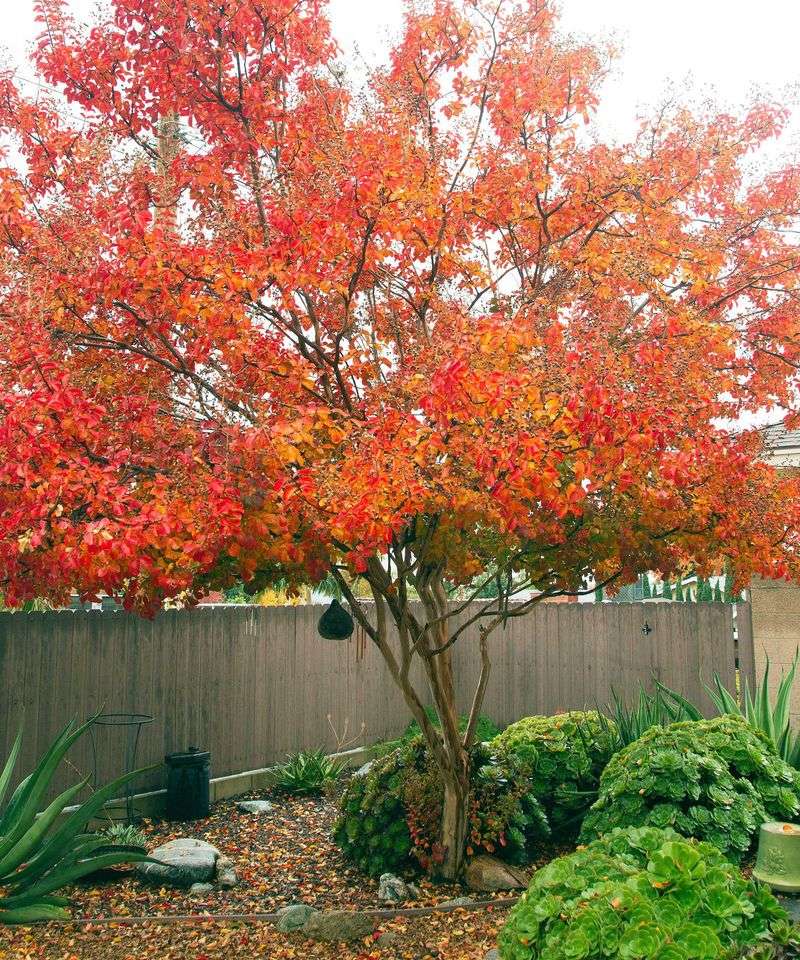
Every October, garden centers in Pennsylvania see the same scene. Folks walk in holding pruners, ready to give their crape myrtles a fall haircut.
Sadly, that tidy-up job is one of the most common mistakes people make with these plants. Crape myrtles used to be a rare sight up north.
Now they grow in lots of yards, especially in the southeastern part of the state around Philadelphia, Lancaster, and Chester County. Warmer winters and new hardy types have made them more popular than ever.
Still, these trees are southern at heart. They like long, hot summers and mild winters. When you cut them back in fall, you remove branches that help shield the plant from cold weather. Fresh cuts also leave open wounds right before the harshest months of the year.
Those wounds do not heal well in cold air. Ice, wind, and freezing temperatures can push damage deeper into the branches. The result is more dieback, weaker stems, and a slower start in spring.
So what should you do instead? Put the pruners away until spring. It is fine to snap off a broken branch after a storm. Beyond that, let your crape myrtle rest just as it is.
You can still help your plant get ready for winter in other ways. Give it a deep drink of water before the ground freezes.
Spread two to three inches of mulch around the base, keeping it a few inches away from the trunk.
Raking up fallen leaves is another easy fall task. It keeps the area neat and can cut down on leaf spot problems next year. That way, you still get to garden without risking harm.
Pruning Wakes Up Tender Growth Before Winter
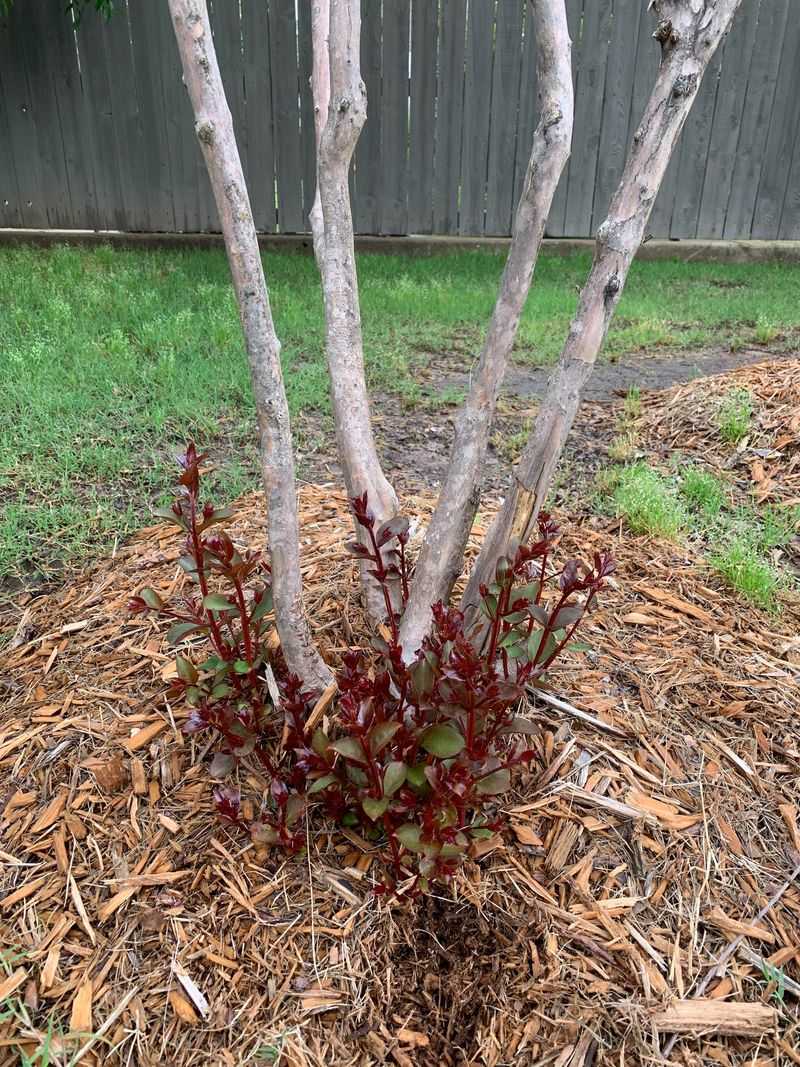
Plants are a bit like people after a nap. Give them a little nudge, and they wake right up. Pruning works as that nudge for a crape myrtle.
When you cut off branches, the plant gets a signal to grow. It sends energy to buds near the cut, hoping to replace what was lost. In summer, that is great news. In fall, it spells trouble.
Your Pennsylvania Garden Changes Every Week. Your Plan Should Too.
Gardening in Pennsylvania changes quickly throughout the season. Every Friday you’ll receive a simple weekly plan showing exactly what to plant, prune, fertilize, harvest, and protect so you never miss the right timing.
Pennsylvania often gets warm spells in October and even November. A few sunny days in the 60s can trick a freshly pruned crape myrtle into pushing out new shoots. Those shoots are soft, green, and full of water.
Here is the problem. New growth needs weeks to harden off. That means the stems slowly toughen up and get ready for cold. Fall shoots simply do not have enough time before the first hard freeze arrives.
When freezing weather hits, the water inside those tender stems turns to ice. The cells burst, and the shoots turn black and mushy. All that energy the plant spent on growing is wasted.
Worse, the plant is now more stressed going into winter. It has used up stored food that it needed for spring. A tired crape myrtle may leaf out late and bloom less the next summer.
Fun fact: crape myrtles store much of their winter energy in their roots and woody stems. Leaving the branches alone helps keep that supply safe.
The smart move is to let your plant slow down on its own. Stop fertilizing by late summer, too. Fertilizer is another wake-up call that can spark unwanted growth. Calm, quiet plants handle winter best.
Crape Myrtles Are Already Pushing Their Cold Limits Here
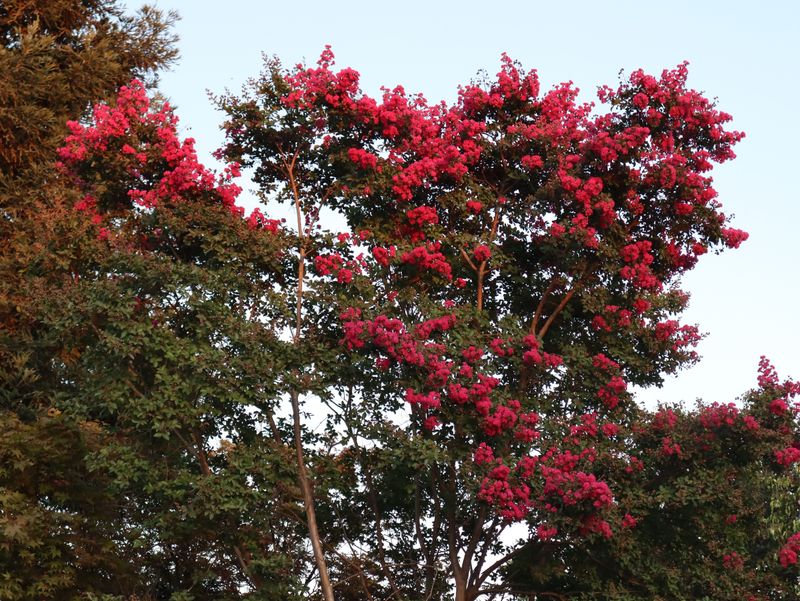
Think of a crape myrtle in Pennsylvania as a beach lover visiting the mountains in January. It can handle the trip, but it is not exactly in its comfort zone.
These plants first came from China, Korea, and other warm parts of Asia. In the United States, they became famous across the South, where summers are steamy and winters are short. Some people even call them the lilac of the South.
Most of Pennsylvania sits in USDA zones 6 and 7. That puts crape myrtles near the northern edge of where they can grow.
Southeastern counties tend to be a bit warmer, which is why the plants do best there. Higher, colder areas can be a real challenge.
Because they are already stretching their limits, every bit of protection counts. The branches act like a natural shield. They hold buds, stored energy, and tissue that can bounce back after a cold snap.
When you leave the branches whole, the plant has extra wood to spare. If the tips get frozen, healthy wood lower down can still sprout in spring. Cutting branches in fall takes away that safety cushion.
Location matters too. Plant crape myrtles in a sunny spot near a south-facing wall if you can. Brick and stone soak up heat during the day and give it back at night.
Shelter from strong winter winds also helps. A fence, hedge, or the side of a house can block harsh gusts.
For young plants, wrapping the base with burlap during the coldest stretch can offer a little extra comfort until they settle in.
You Will Miss Out On Gorgeous Winter Beauty
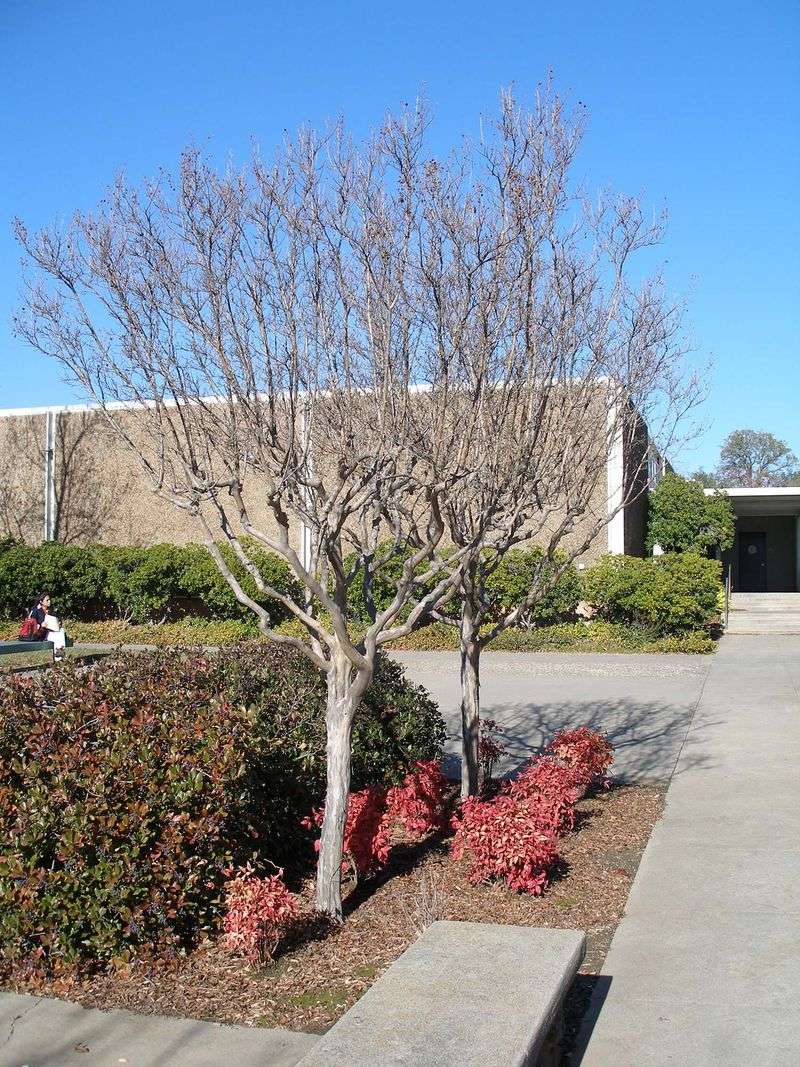
Who says gardens have to look dull in winter? Crape myrtles laugh at that idea. Once their leaves drop, they put on a whole new show.
The star of that show is the bark. Many crape myrtles have smooth trunks that peel in thin strips. Underneath, you will find patches of cinnamon, tan, cream, and soft gray. On a sunny winter day, the colors almost glow.
Some varieties are especially famous for their bark. Natchez has bright cinnamon trunks that look almost polished.
Tuscarora and others also show off lovely mottled patterns. Kids often love running their hands over the smooth wood.
Then come the seed pods. After the flowers fade, little round capsules form at the branch tips. They turn brown and hang on through winter, adding fun texture against the sky. A dusting of snow on those pods makes a perfect photo.
Birds may visit, too. Some small birds peck at the seed pods for a snack when food is scarce. That brings even more life to a quiet yard.
When you prune in fall, you cut away much of this charm. You lose the graceful shape of the branches and the pods that make the plant interesting. The tree ends up looking like a stubby stick until spring.
A simple tip is to plant your crape myrtle where you can see it from a window. Add a few evergreen shrubs nearby for contrast.
Dark green leaves make the peeling bark pop. You might be surprised how much joy one tree brings on a gray February morning.
Wait Until Spring To Check For Winter Damage
Patience might be the hardest gardening skill of all. With crape myrtles, it pays off in a big way.
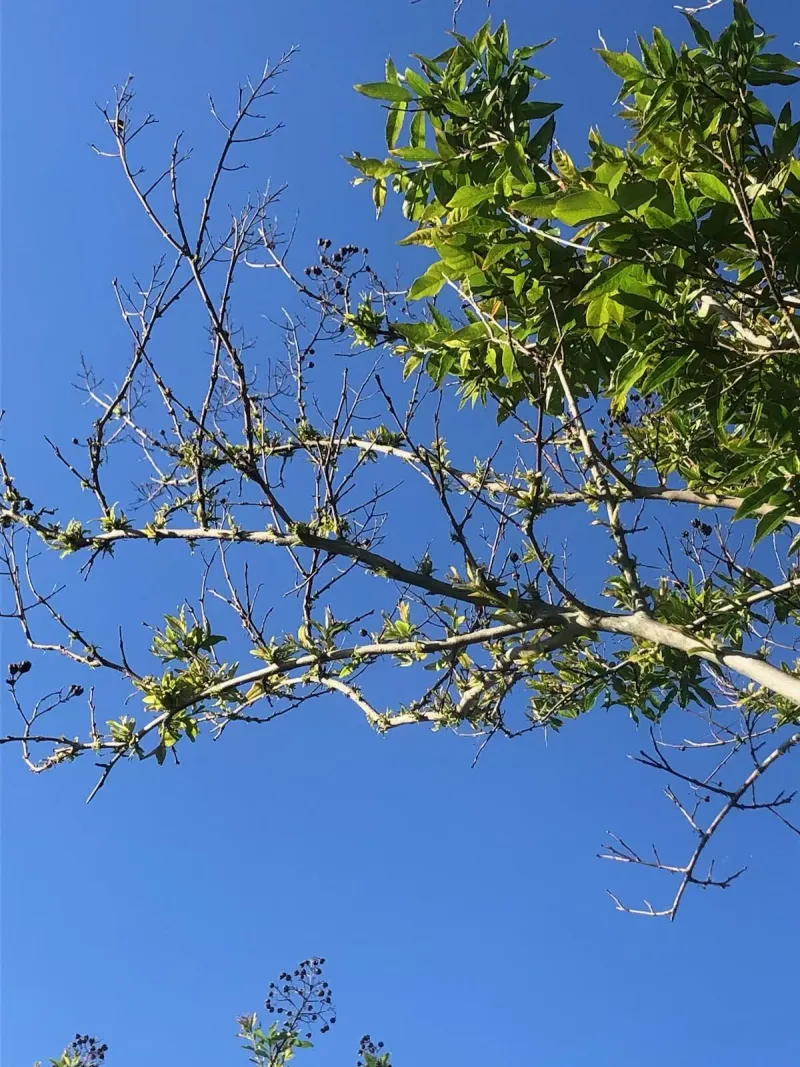
Crape myrtles are famous for being late sleepers. While maples and dogwoods leaf out in April, crape myrtles often stay bare until May in Pennsylvania.
Many new owners panic and think their plant did not make it. In most cases, it is just taking its time.
The trick is to wait until buds start to swell. Small reddish or green bumps will appear along the stems. Once you see them, you can tell which branches are alive and which are not.
Not sure about a branch? Try the scratch test. Use your fingernail to gently scrape a tiny bit of bark. Green underneath means it is alive. Brown and dry means that part is dry wood.
Now it is time to prune. Cut dry branches back to healthy wood, just above a live bud or side branch. Use clean, sharp pruners or a small saw for thicker limbs.
Sometimes a very harsh winter freezes the whole top of the plant. Do not give up right away. Crape myrtles often regrow from their roots, sending up fresh shoots by early summer.
Better yet, they bloom on new growth. That means a plant frozen to the ground can still flower that same summer. The blooms may come a little later, but they will come.
Mark your calendar for mid to late May. Check your plant then, and make your cuts with confidence. Waiting a few extra weeks saves you from removing branches that were perfectly healthy.
Skip The Harsh Topping And Prune Smarter
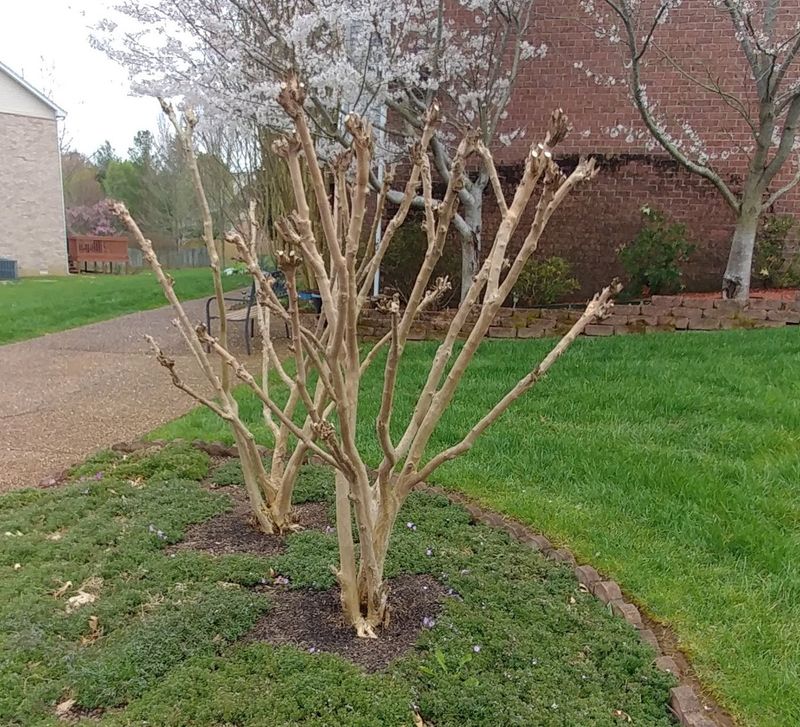
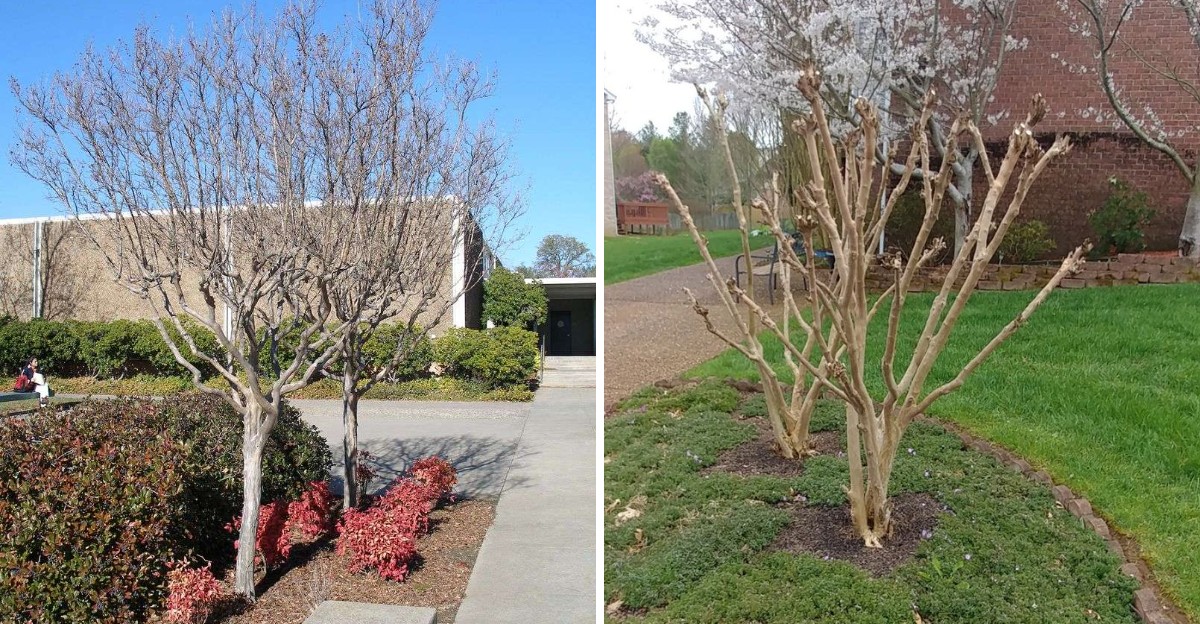
Gardeners have a nickname for badly chopped crape myrtles. They call it crape murder. Drive through almost any neighborhood, and you will spot trees cut down to thick, ugly stubs.
Severe topping means cutting the main branches way back, often to the same height every year. It might look neat at first. Over time, though, it causes big problems.
Knobby lumps form where the cuts are made. From those knobs, a bunch of thin, whippy shoots sprout. These shoots are weak and floppy. When heavy blooms or summer rain hit, they bend over or snap.
A better approach is gentle, careful pruning in spring. Start by removing any crossing branches that rub against each other.
Cut off suckers, which are the little shoots popping up from the base. Then take out any dry or damaged wood.
That is really all most crape myrtles need. The natural shape is graceful and strong. It also shows off the bark and flowers much better.
The real secret is choosing the right plant from the start. Many people top their trees because they planted one that grows too big for the spot. Check the mature size on the tag before you buy.
For Pennsylvania, pick cold-hardy varieties. Natchez offers white flowers and stunning bark. Tuscarora has coral pink blooms. Hopi is a smaller choice with soft pink flowers and great cold tolerance.
Many of the hardiest types came from breeding work at the U.S. National Arboretum. Pick one that fits your space, and you will rarely need heavy pruning at all.