The Garlic Texas Gardeners Plant In October For A Big Harvest Next June
Tomatoes and peppers love being the center of attention all summer, demanding water, staking, and constant check-ins. Garlic, on the other hand, is the quiet overachiever of the Texas garden.
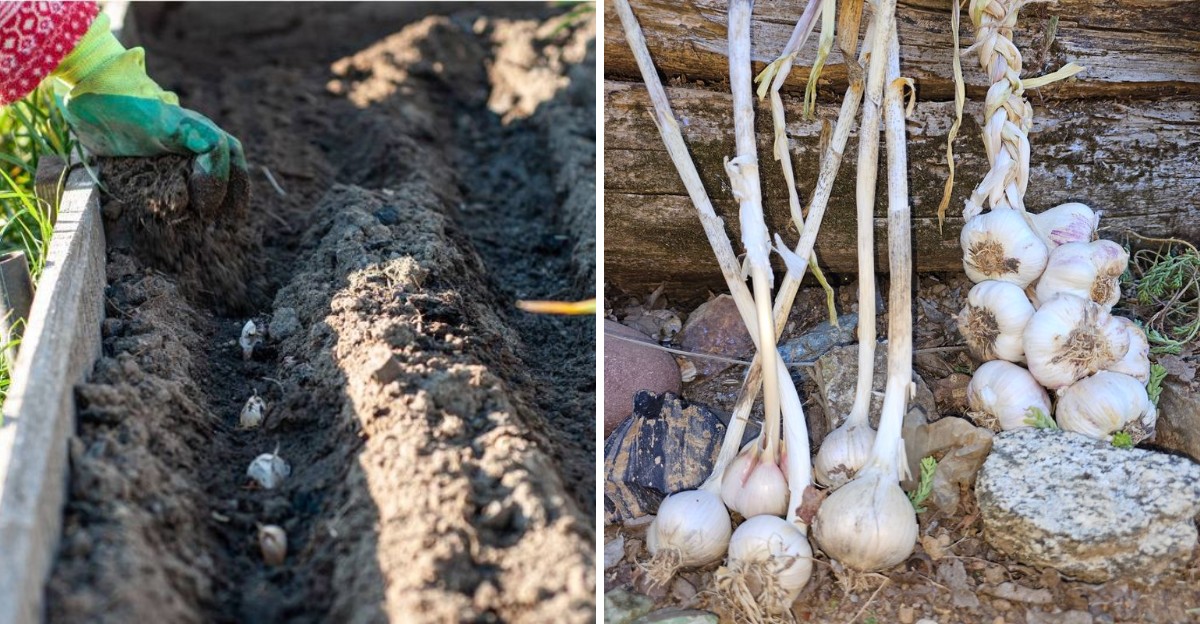
You tuck it into the soil in October, mostly forget about it while you enjoy cooler weather and holiday treats, and it spends the whole winter quietly building something wonderful underground. Talk about low-maintenance roommates.
Come June, you could be pulling up fat, papery bulbs that make your kitchen smell like a cozy Italian restaurant for months.
But here is the catch nobody mentions at the garden center: choose the wrong type for your region and you might harvest bulbs barely bigger than a marble.
Choose wisely, and you will be braiding garlic like a pro. It all starts with picking the right variety.
1. Softneck Versus Hardneck: The Big Garlic Split
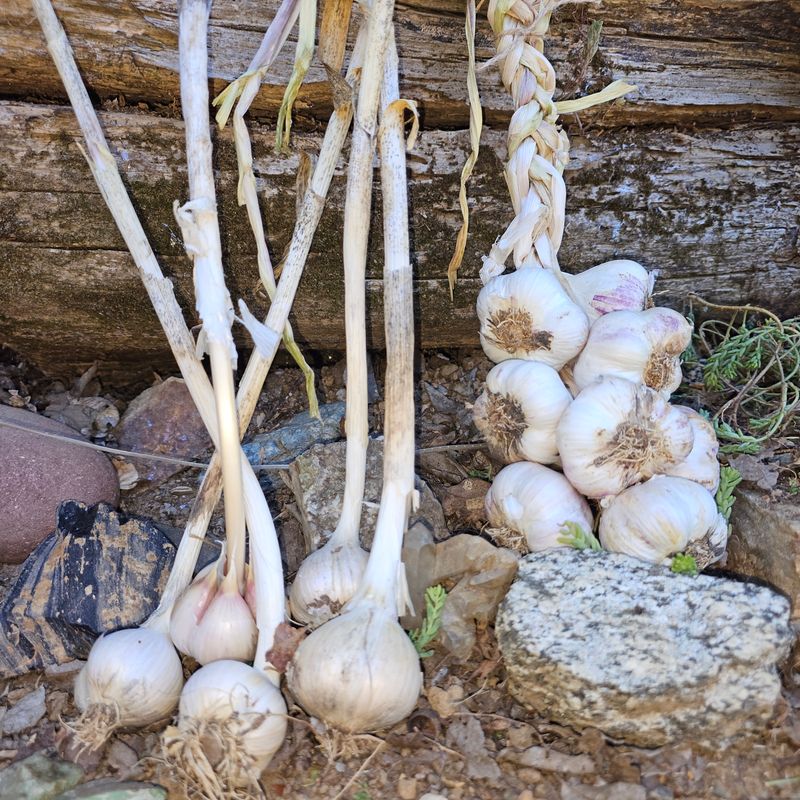
Every garlic bulb falls into one of two family groups. Softneck types have bendy stems, while hardneck types grow a stiff stalk right through the middle.
That small difference shapes almost everything about how the plant behaves. Hardnecks need a long, cold winter to form big bulbs, often around ten weeks below 45 degrees.
Most of Texas just does not get that kind of steady chill. Our winters bounce from frosty mornings to warm, sunny afternoons, sometimes in the same week.
Softnecks handle those mood swings much better. They need less cold, so they still build plump bulbs in mild southern weather.
Softnecks also store longer, often six to nine months in a cool pantry. You can braid their floppy stems into pretty strands that hang in the kitchen.
Hardnecks do have fans, though. They produce curly flower stalks called scapes, which taste like a mild garlic and onion mix and are great in stir-fries.
So which should you grow? For most gardeners, softneck is the safe and steady choice.
Folks in the Panhandle or high plains, where winters bite harder, can test a few hardnecks. Try a small row first and compare your results in June.
Fun fact: almost all supermarket garlic is softneck. It ships and stores so well that growers favor it worldwide.
2. California Early Is A Favorite For Good Reason
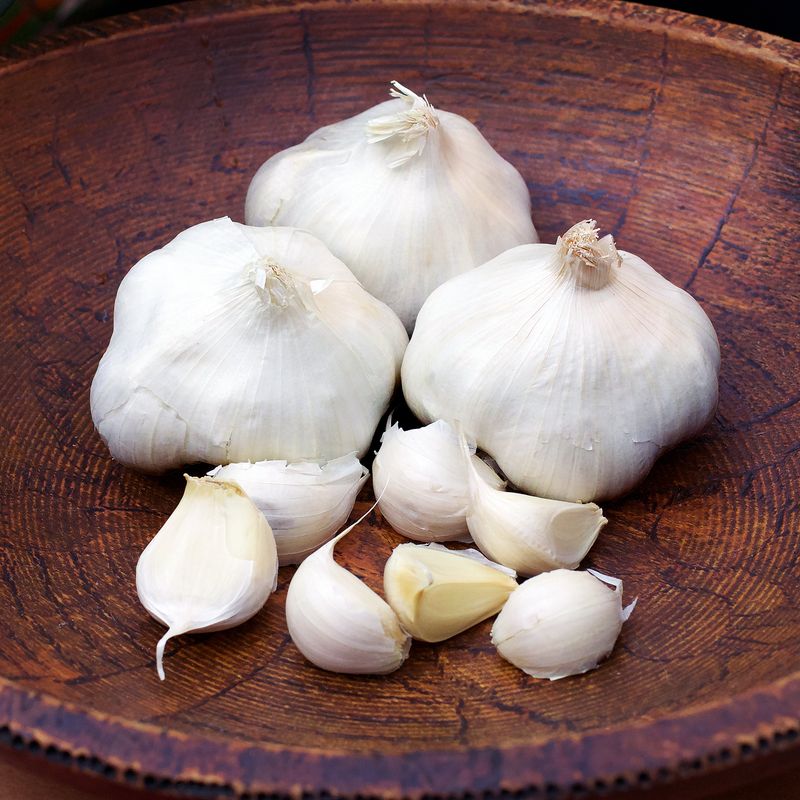
Ask ten garden club members which garlic they trust, and several will say California Early. It has earned that loyalty by doing well in warm places.
Bulbs are creamy white with a faint pink blush on the cloves. Each head usually holds ten to fourteen cloves, which means plenty to cook with.
The flavor is mild and friendly. Kids who wrinkle their noses at strong garlic often enjoy it roasted until soft and sweet.
Plant cloves in October, about two inches deep and six inches apart. Point the flat root end down and the tip up, like a tiny rocket.
Green shoots will pop up within a couple of weeks. Through winter, the leaves keep growing slowly, storing energy for the bulb.
By late May or early June, the lower leaves start to brown. That is your signal to stop watering and get ready to dig.
Your Texas Garden Changes Every Week. Your Plan Should Too.
Gardening in Texas changes quickly throughout the season. Every Friday you’ll receive a simple weekly plan showing exactly what to plant, prune, fertilize, harvest, and protect so you never miss the right timing.
California Early stores well for about six months if cured properly. Hang it in a shady, airy spot for two to three weeks before trimming.
One handy tip is to save your biggest bulbs for replanting. Over a few seasons, the garlic adapts to your own backyard soil and weather.
Many growers say their homegrown seed garlic outperforms store-bought cloves after just two or three years.
3. Texas Rose Brings Southern Grit To The Garden
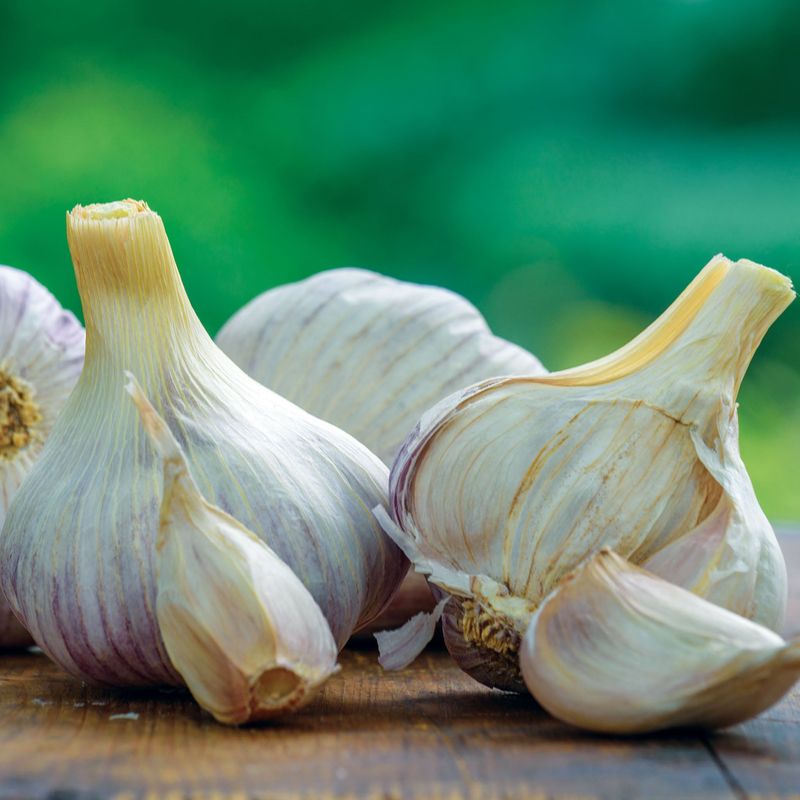
With a name like that, you might guess this garlic was made for the Lone Star State. You would be right, since it has a long history of being grown and shared in Texas gardens.
Texas Rose is a softneck variety prized for its lovely rose-colored clove skins. Those pink-tinged cloves look pretty on a cutting board and make it easy to spot in the pantry.
Gardeners love it because it shrugs off warm winters. It does well even in southern parts of the state, where frost may show up only once or twice a year.
The taste is rich and a bit spicy, with a strong punch when raw. Cook it slowly, though, and it mellows into something buttery and smooth.
Bulbs tend to be medium sized and tightly wrapped. That snug wrapping helps them keep for many months after harvest.
Plant in October in loose, well-drained soil. Raised beds work wonders if your yard has heavy clay that holds too much water.
Feed lightly with compost at planting and again in January. Too much nitrogen late in spring can make leafy plants with small bulbs.
Because it has been passed between local gardeners for years, you may find it at farmers markets, seed swaps, or through a generous neighbor. If someone offers you a few cloves, say yes.
You might be planting a little piece of local garden tradition.
4. Inchelium Red Handles Weather Swings
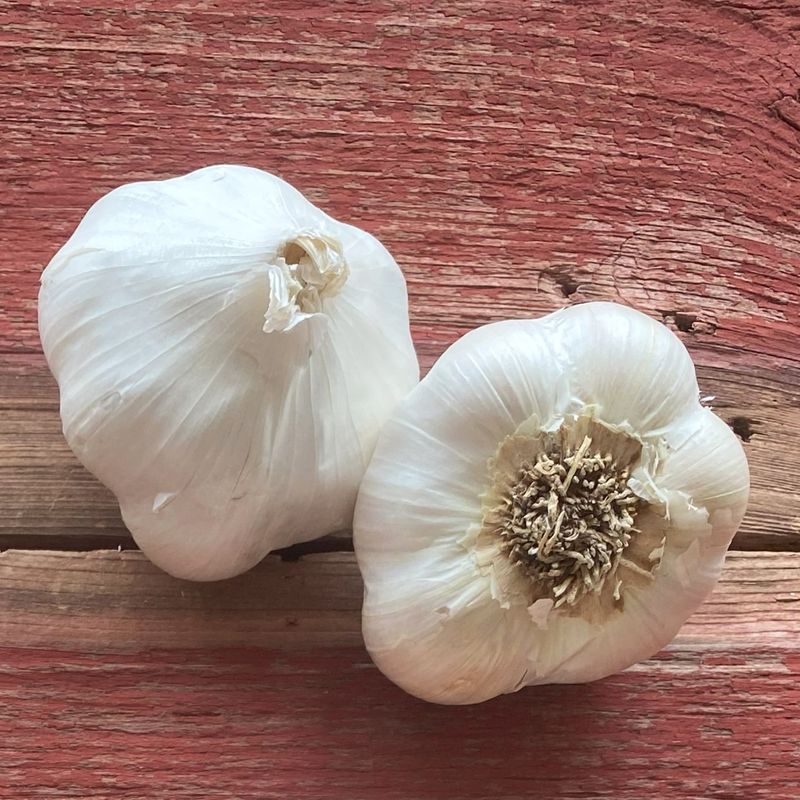
Back in 1990, Inchelium Red won a big taste test among dozens of garlic types. Chefs praised its deep, smooth flavor that never feels too harsh.
It originally came from a Native American reservation in Washington state. Even so, it travels well and performs nicely in many parts of Texas.
Bulbs grow large, often three inches across. They carry eight to twenty cloves with soft purple streaks on the wrappers.
What makes it a good fit here? It tolerates both cold snaps and sudden warm spells without losing its rhythm.
North and Central Texas gardeners report especially good results. The extra winter chill in those areas helps the bulbs bulk up.
Give each clove plenty of room, at least six inches. Crowded plants compete for food and end up smaller.
Mulch with straw or shredded leaves after planting. A three-inch layer keeps soil moisture steady and blocks weeds that steal nutrients.
This variety can store for up to nine months. That means June garlic can still flavor your Thanksgiving stuffing and even Valentine’s dinner.
Try roasting a whole head drizzled with olive oil. After forty minutes in the oven, the cloves squeeze out like soft butter onto warm bread.
It is a simple treat that shows off why so many cooks adore this one.
5. Elephant Garlic Grows Huge In Texas Soil
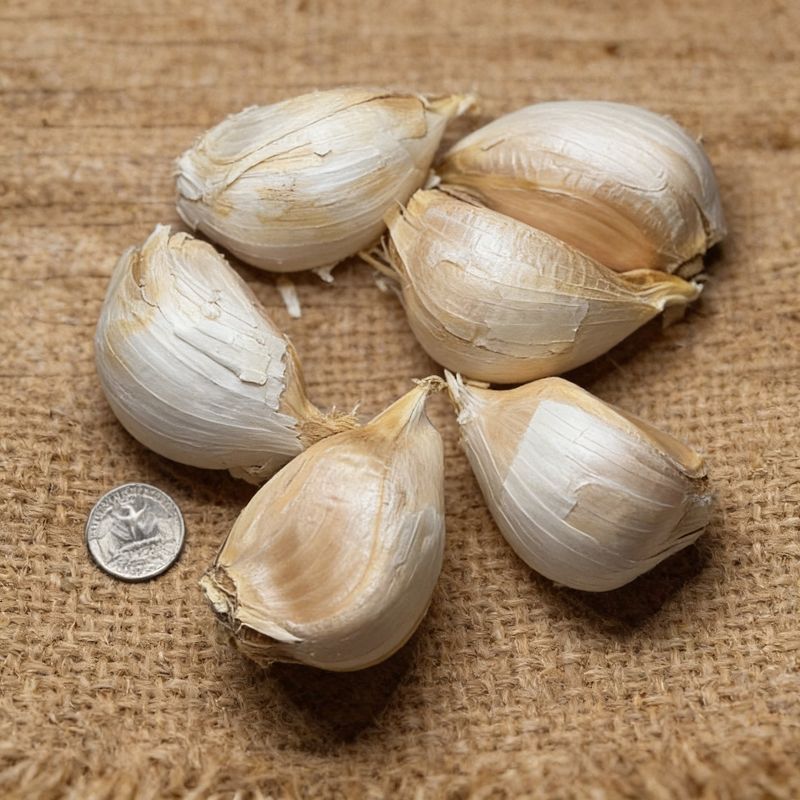
Okay, a small confession first. Elephant garlic is not true garlic at all but a close cousin of the leek.
Still, it looks and acts enough like garlic that most growers lump it in. And in The Lone Star State, it grows like a champ.
Bulbs can reach the size of a baseball. Some cloves alone are as big as a regular garlic head, which always gets a laugh from friends.
The flavor is gentle, almost sweet. People who find normal garlic too strong often prefer this giant version.
It loves heat and needs very little winter cold. That makes it great for gardens along the coast and in the Rio Grande Valley.
Plant cloves about four inches deep and eight inches apart. Their larger size means they need more space and depth.
Elephant garlic takes a little longer to mature. Expect to harvest in June, sometimes a week or two after other types.
Watch for small knobby bulbs called corms on the outside of the main bulb. Plant them in fall, and in a year or two they become full-sized plants.
Slice it thin and toss it raw into salads. Or grill thick slices brushed with oil for a smoky side dish.
It may not be real garlic, but it sure earns its garden space.
6. Hardnecks Worth Testing In Cooler Regions
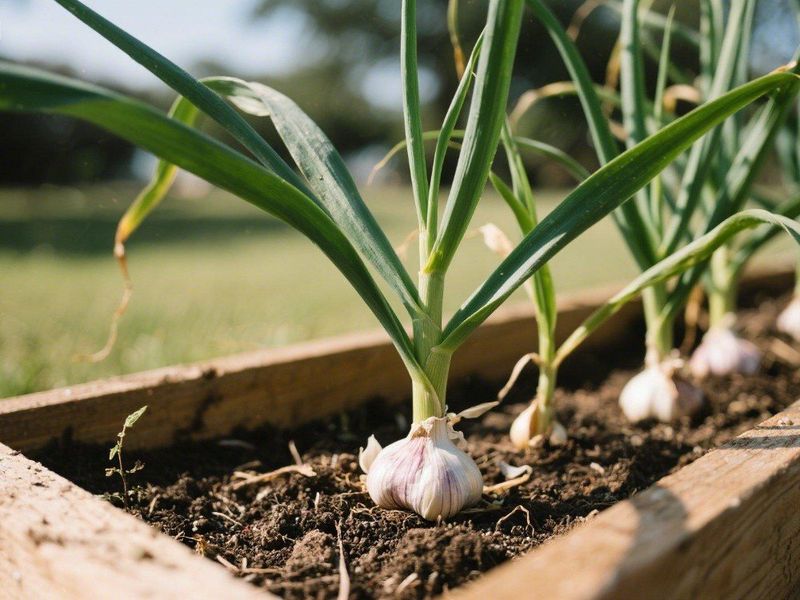
Feeling adventurous? Hardneck garlic might tempt you, especially if you live up north in Amarillo or Lubbock.
The Panhandle gets longer, colder winters than the rest of Texas. That chill gives hardnecks a fair shot at forming decent bulbs.
Varieties to try include Music, German Extra Hardy, and Chesnok Red. Music is famous for big, easy-to-peel cloves with a bold, hot flavor.
Gardeners farther south have a trick. They place cloves in the refrigerator for eight to ten weeks before planting to fake a cold winter.
Keep them in a paper bag in a drawer set aside just for garlic. Storing them apart from fruit and other produce helps keep conditions clean and consistent, and it saves the family from any surprise mix-ups.
In spring, hardnecks send up curly stalks called scapes. Snip them off once they curl so the plant sends energy to the bulb instead.
Do not toss those scapes! Blend them into pesto, chop them into eggs, or grill them whole like green beans.
Keep expectations realistic, though. Hardnecks usually store only four to six months, so eat them first.
Treat it as a fun experiment rather than your main crop. Plant softnecks for reliable results and a short row of hardnecks for curiosity.
You may discover a new favorite that thrives in your yard against the odds.
7. Prepping Beds Before October Planting
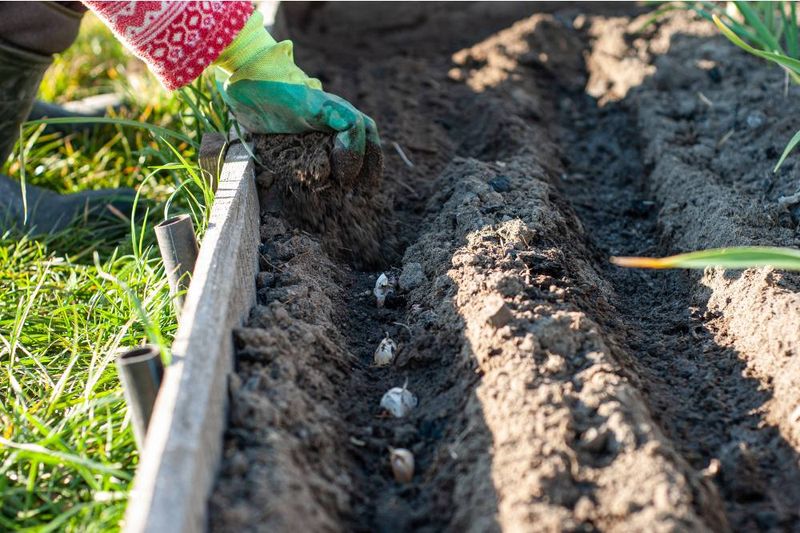
Great garlic starts underground long before the first clove goes in. Think of soil prep as setting the table before a big dinner party.
Garlic likes loose, crumbly soil that drains quickly. Soggy ground can cause cloves to rot, especially after heavy winter rains.
Much of Texas has stubborn clay or sandy soil. Both improve when you mix in two to three inches of compost.
Aim for a soil pH between 6.0 and 7.0. A simple test kit from a garden store, or a soil test through your county extension office, tells you where you stand.
Many yards lean alkaline, and that is tough to change in the ground. Garden sulfur has a limited and short-lived effect on naturally alkaline soils, so it tends to be more practical in raised beds filled with imported soil.
Regular additions of compost are a gentler, steadier way to improve conditions over time.
Raised beds are a smart choice if drainage is poor. Even a bed eight inches tall makes a noticeable difference.
Pick a spot with full sun, at least six hours daily. Garlic leaves act like solar panels, and more light means bigger bulbs.
Work in a balanced fertilizer before planting, ideally guided by your soil test results. Bone meal is a popular phosphorus source, but it releases phosphorus poorly in alkaline soil, so it is most useful in beds that test neutral or slightly acidic.
Skip spots where onions or garlic grew last year. Rotating crops helps cut down on soil diseases and pests.
8. Winter Care Keeps Texas Garlic Growing Strong
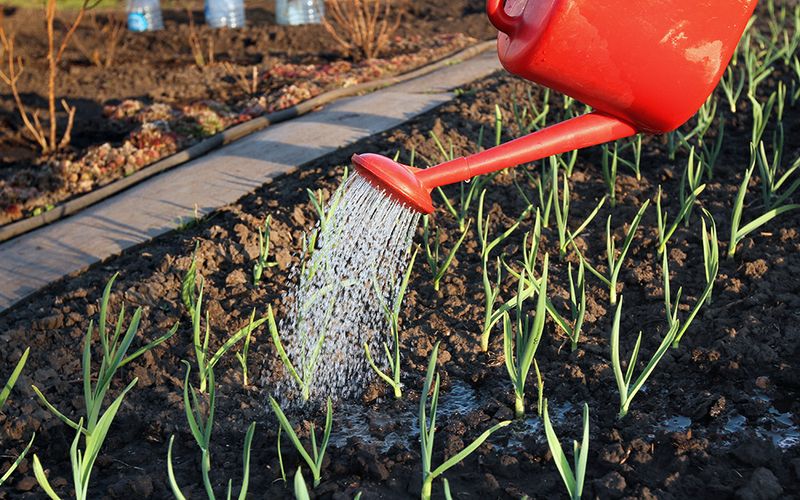
Garlic is one of the easiest crops you will ever babysit. Once it is tucked in, it mostly asks for water, food, and a weed-free bed.
Water about an inch per week if rain is scarce. Push a finger into the soil, and if it feels dry two inches down, it is time.
Texas winters can be surprisingly dry. Do not let the bed turn dusty for weeks, or bulbs may stay small.
Feed plants in January and again in early March. A fish emulsion or blood meal gives leaves a healthy nitrogen boost.
Each green leaf matches one layer of wrapper on the bulb. More strong leaves in spring mean a bigger, better-protected harvest.
Weeds are garlic’s biggest bully. Pull them by hand while small, since garlic roots are shallow and dislike hoe damage.
A sudden hard freeze might worry you. Garlic handles cold well, but a blanket of extra mulch adds comfort during extreme snaps.
Keep an eye out for thrips, tiny insects that leave silvery streaks. A strong spray of water or insecticidal soap usually handles them.
Stop fertilizing by late March. After that, the plant should focus on swelling its bulb rather than growing more leaves.
Quiet attention now pays off big later.
9. Harvesting And Curing Your Garlic In June
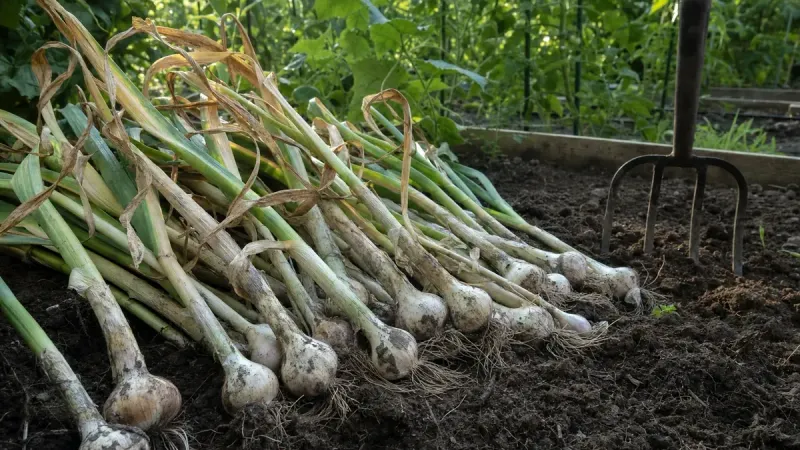
June arrives, and suddenly all those months of waiting feel worth it. Still, timing the dig matters more than most people think.
Watch the leaves closely. When about half have turned brown and the rest are still green, the bulbs are ready.
Wait too long, and the wrappers split. Dig too early, and bulbs stay small and will not store as long.
Stop watering about a week before harvest. Dry soil makes digging easier and helps the skins firm up.
Loosen the soil with a garden fork a few inches from the plant. Then gently lift, since bruised garlic spoils faster.
Brush off loose dirt, but do not wash the bulbs. Leave leaves and roots attached for now.
Curing comes next. Hang bundles or spread them on racks in a shady, breezy spot for two to four weeks.
Texas heat in June can be fierce. Keep garlic out of direct sun, which can scorch and soften the bulbs.
Once the necks are dry and tight, trim roots and stems. Softnecks can be braided instead, which makes a charming kitchen display.
Store finished bulbs somewhere cool, dry, and dark. Then set aside your biggest heads for October, and the cycle begins again.