The Easiest Fruit Tree To Get In The Ground Across Arizona Before Winter
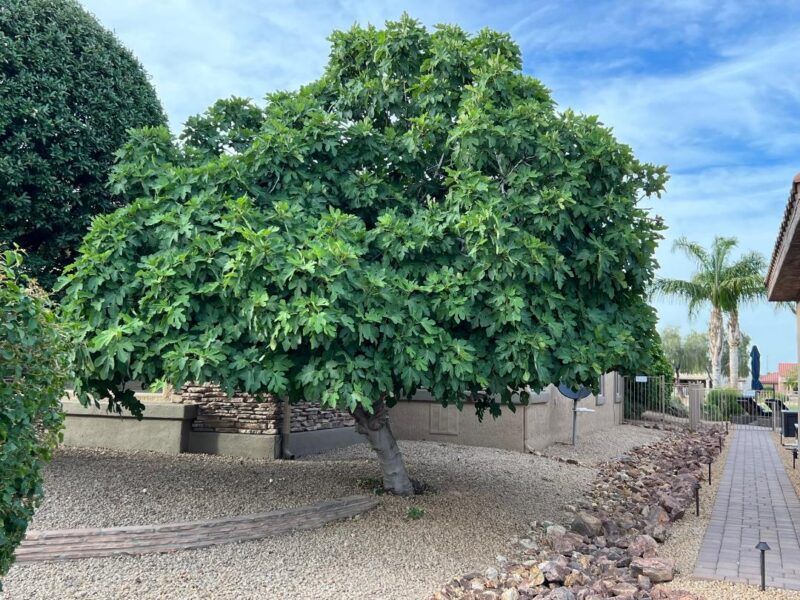
A fig tree planted during the mild months can settle in before the hard summer heat arrives. For many low-desert yards, it is a sensible fruit tree to try.
It still needs the right spot, steady water, and some patience. Here is how to choose one and get it planted well.
Why a common fig suits the low desert
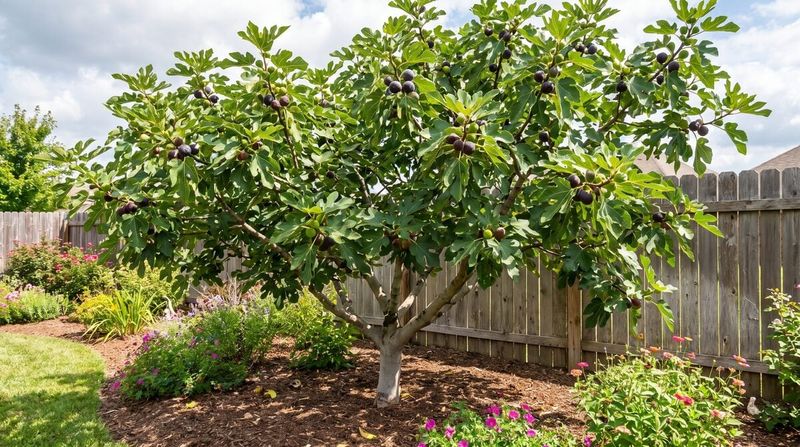
Plenty of fruit trees struggle in low-desert heat, which makes the common fig a standout. Arizona’s low-desert fig guide says figs suit that region, self-pollinate, and do not need special pruning to fruit.
That means you only need one tree, and you do not need a second one nearby for pollination.
Figs also need fewer than 300 chill hours, so they do not depend on long cold winters. The same guide names Brown Turkey and Black Mission as the varieties that perform best in the low desert.
If you shop at a local nursery, those two names are good ones to ask for.
Relatively forgiving does not mean care-free, and it does not make the fig the easiest tree for every corner of the state. Arizona’s climates vary a lot, and mid-elevation fruit guidance treats site and variety as key choices.
If you garden above the low desert, check local conditions before buying.
Choose a mild planting window
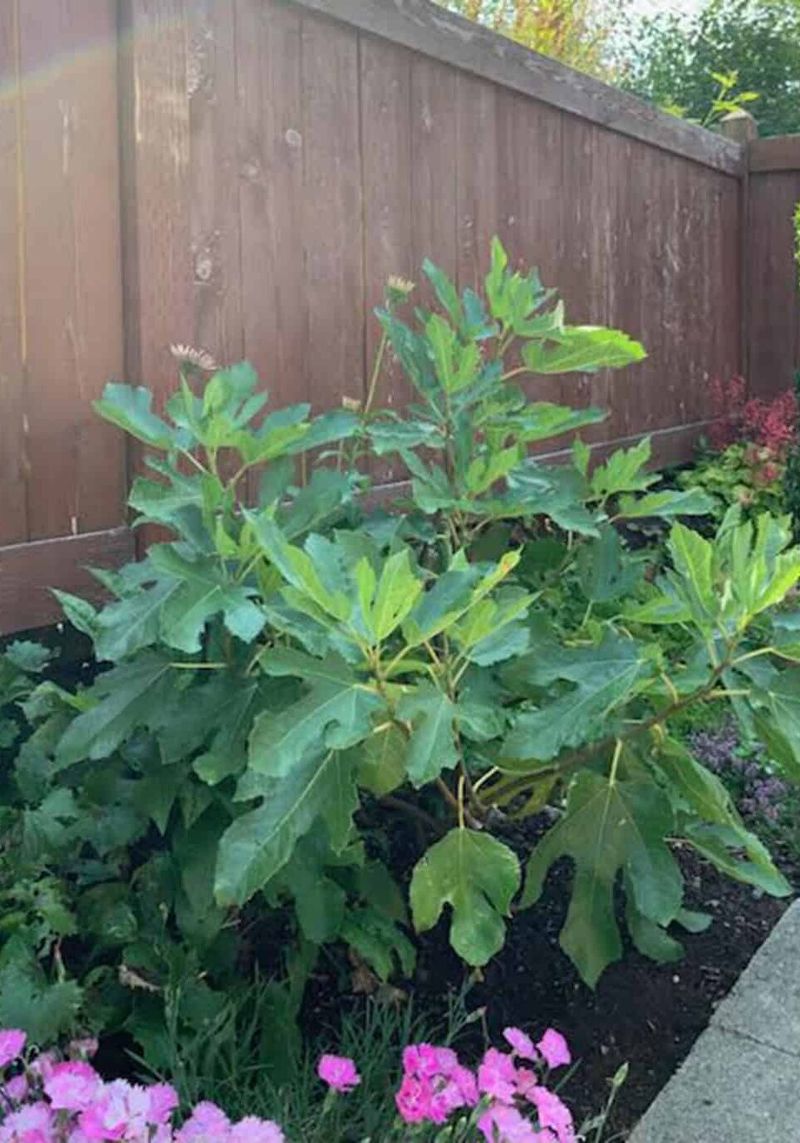
Timing gives young roots a head start. For low-desert figs, the University of Arizona recommends planting in fall or early spring, so the roots can spread before summer heat arrives.
Those are the windows to aim for if you live in a suitable low-desert area.
That advice belongs to the low desert, not to the whole state. Higher elevations have colder winters and different seasons, so a good planting date there depends on local conditions.
A neighbor’s calendar two hours away may not match yours.
Check the weather before you dig. Container tree planting guidelines advise transplanting when temperatures are above freezing and conditions are not too hot and dry.
If a cold snap or a hot, dry spell is forecast, wait a week or two and plant when the weather settles.
Check sun, space, and drainage
Walk your yard before you buy anything. Figs want 8 to 10 hours of sun, so pick a spot that stays bright through the day.
They also grow big, reaching 10 to 30 feet tall and wide according to the low-desert fig guide. Keep that size in mind around walls, pools, and power lines.
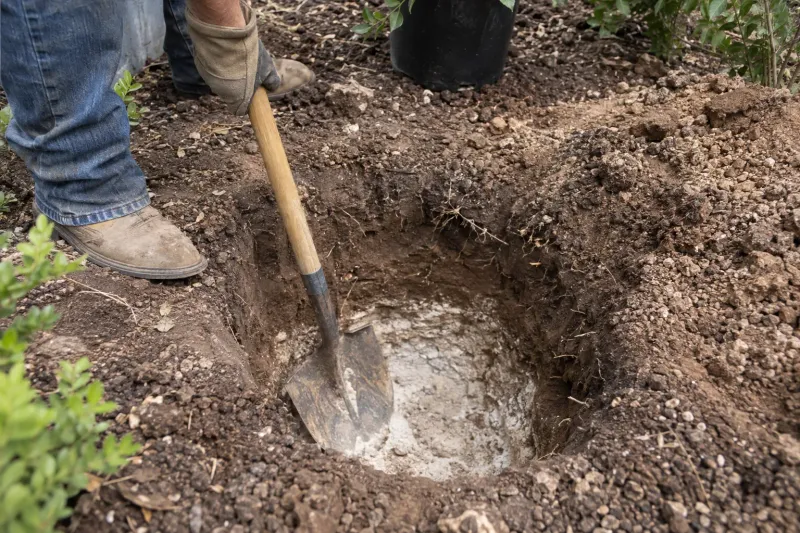
Drainage matters just as much as sun. Dig a test hole, fill it with water, and see how long it takes to empty.
If water sits for a long time, the spot may need a different plan.
Many desert yards have caliche, a hard mineral layer that can block roots and drainage. Where practical, you can break through it, or you can mound the soil, as described in guidance on managing caliche.
These are options, not rules for every yard, so match the fix to what you find.
Your Arizona Garden Changes Every Week. Your Plan Should Too.
Gardening in Arizona changes quickly throughout the season. Every Friday you’ll receive a simple weekly plan showing exactly what to plant, prune, fertilize, harvest, and protect so you never miss the right timing.
Plant the container-grown tree carefully
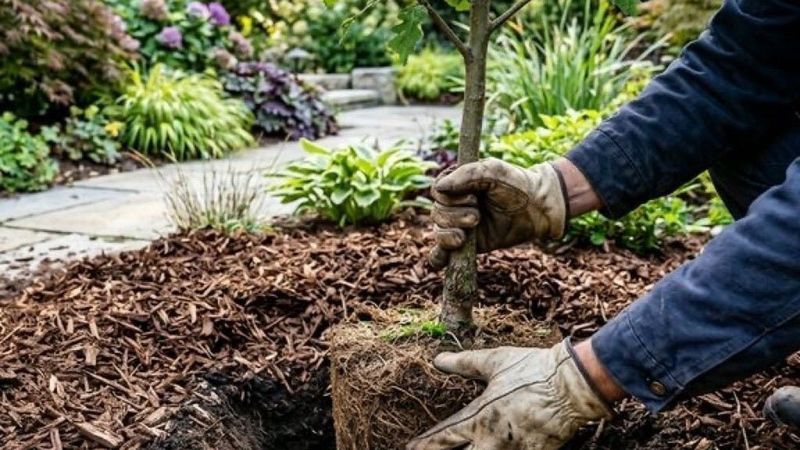
Once the site checks out, planting goes quickly. Dig the hole no deeper than the root ball, though it can be wider.
Set the tree in so the root flare, where the trunk widens at the base, stays visible above the soil line.
Fill the hole with the native soil you dug out. University of Arizona container tree guidance recommends native-soil backfill and says organic amendments mixed in at planting may inhibit growth.
Heavy amendments in the hole are not a cure-all, so skip the bags of rich mix.
Finish by watering the root ball thoroughly so the soil settles around the roots. If the water drains slowly or pools, revisit your drainage check before going further.
A tree set properly in a well-drained spot has the best chance of settling in.
Water as the fig establishes
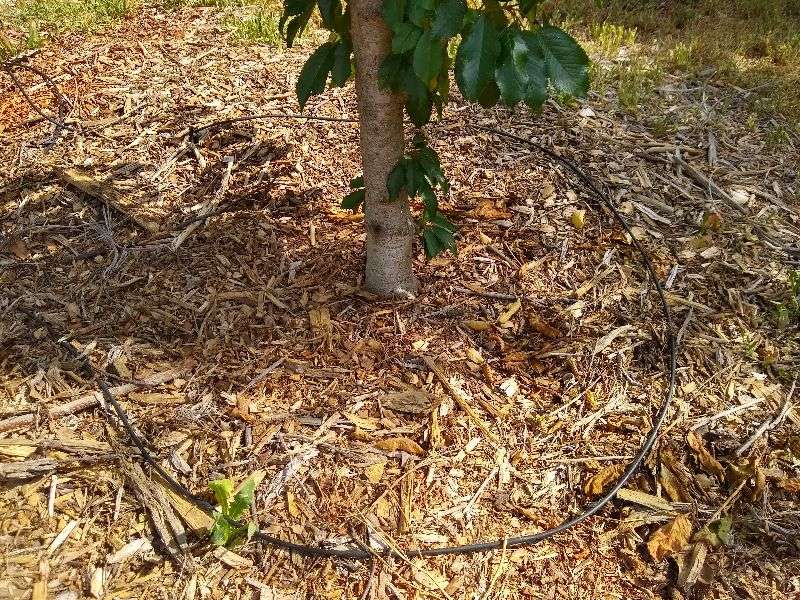
New roots need steady moisture. At first, water the tree every few days, then stretch the time between waterings as the weather and the tree’s growth allow, as the container tree planting guide advises.
A cool fall week calls for less water than a warm, windy spell.
Poke a finger or a trowel into the soil near the root ball before each watering. If it is still damp, hold off.
If it is dry a few inches down, it is time.
A fig that suits the desert is still not a no-water plant. The fig guide notes that adequate summer irrigation improves fruit size and production.
Plan on a reliable watering system, such as drip irrigation, so the tree is not left to fend for itself in July.
Expect a wait for fruit
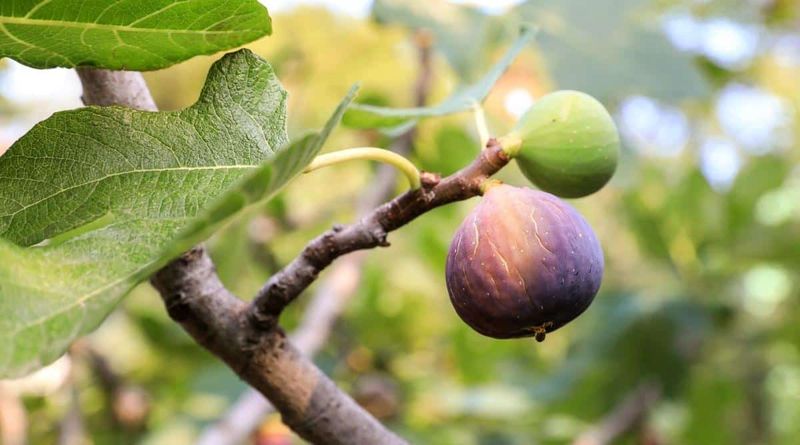
Fruit takes time. A fig may need three to four years to produce a viable crop, and planting in fall does not shorten that wait.
Plan on a few seasons of watering and watching before you pick your first handful.
Keep an eye out for trouble along the way. Birds, green fig beetles, and gophers can all go after a fig tree or its fruit, and the guide also warns of serious soilborne diseases.
Fruit that is pest-free is never guaranteed, so check the tree regularly.
Your location also shapes the plan. Higher-elevation yards need a closer look at elevation, variety, and site before any fruit tree goes in.
A fig is a solid regional candidate for suitable low-desert yards, not a universal Arizona answer.
Good figs reward the patient: the tree that spends years quietly rooting in often becomes the one everyone asks about.