Something Is Riding Inside Your Potted Plants Into Louisiana Homes Before The Cold Front Hits
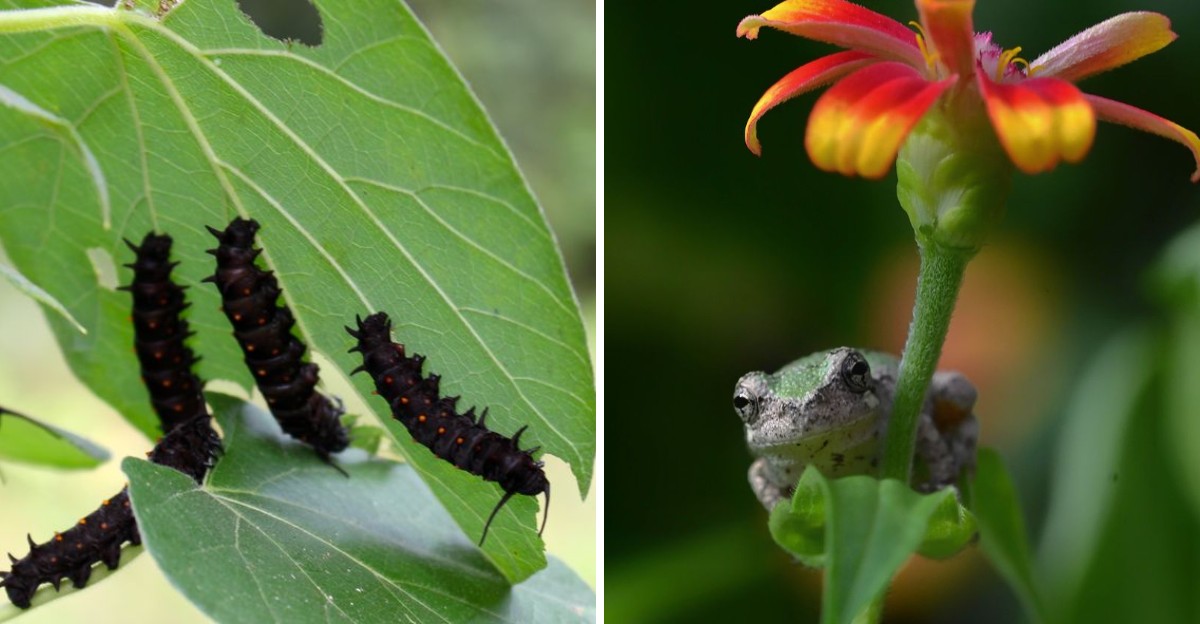
A tiny rustle behind your fern is not the cat. Stowaways may lurk inside pots you hauled in tonight.
Louisiana summers breed spider mites, aphids, scale, and whiteflies on your leafy favorites. Roaches, crickets, and tiny frogs slip into soil as well.
Midnight chirps from a pot will steal your sleep. Humidity across Louisiana can help some pests multiply indoors.
Inspect each pot before the cold front arrives. Tilt the pot and look for fleeing legs in the drainage holes.
Flip leaves and check the undersides for webbing, sticky residue, or white specks. Soak the soil in lukewarm water until intruders surface.
Wipe stems with a soapy cloth to remove stubborn aphids. Quarantine suspicious plants in a spare room away from healthy ones.
Act now, because a warm living room invites unwanted tenants to settle in. You decide who stays.
Little Frogs, Anoles, Roaches, And Ants Tucked In The Pots
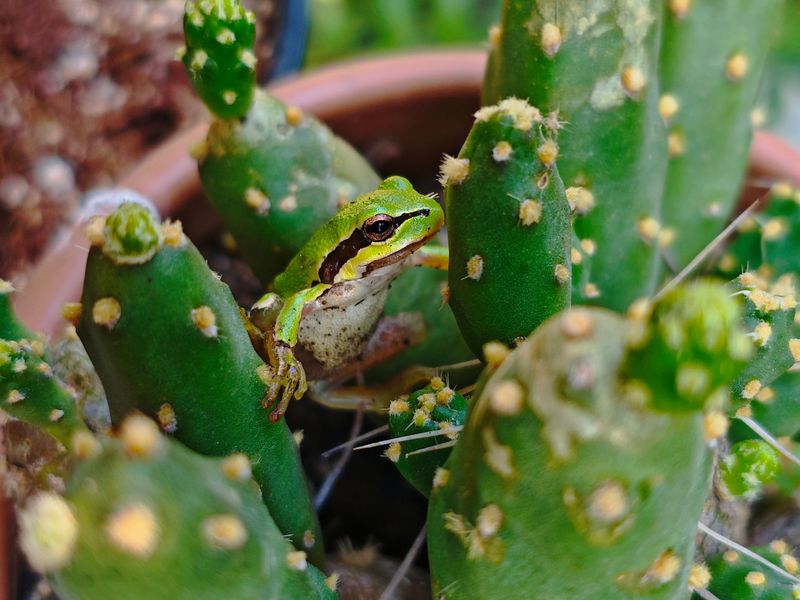
Lift a pot after a summer on a Louisiana porch, and you might meet a whole neighborhood. Green anoles, Cuban tree frogs, and baby geckos love the cool, damp shade.
Underneath the drainage holes, things get even busier. American cockroaches, sowbugs, and earwigs hide in the soggy saucer like it is a private pool.
Ants are among the hardest tenants to spot. A colony of fire ants or ghost ants can move a queen right into the root ball.
Spiders tag along too, mostly harmless ones that hunt the other bugs. Still, few people want a large wolf spider on the kitchen counter.
Snails and slugs ride inside the rim, glued tight with their own slime. They wake up at night and leave shiny trails across your floor.
Fungus gnats are small hitchhikers, but they are easy to spot. Their larvae live in wet potting mix and munch on tiny roots.
Even small mammals sometimes join the party in large planters. A field mouse may nest in a big pot left beside the shed.
Louisiana heat and humidity make outdoor pots feel like five-star hotels. Moist soil, steady shade, and plenty of food keep these critters checking in all summer.
Knowing who might be inside helps you plan the eviction. A quick look today can spare you an unwelcome surprise next week.
So treat each outdoor pot like a suitcase coming home from vacation. Something may have packed itself inside without asking.
The October Cold Front Countdown
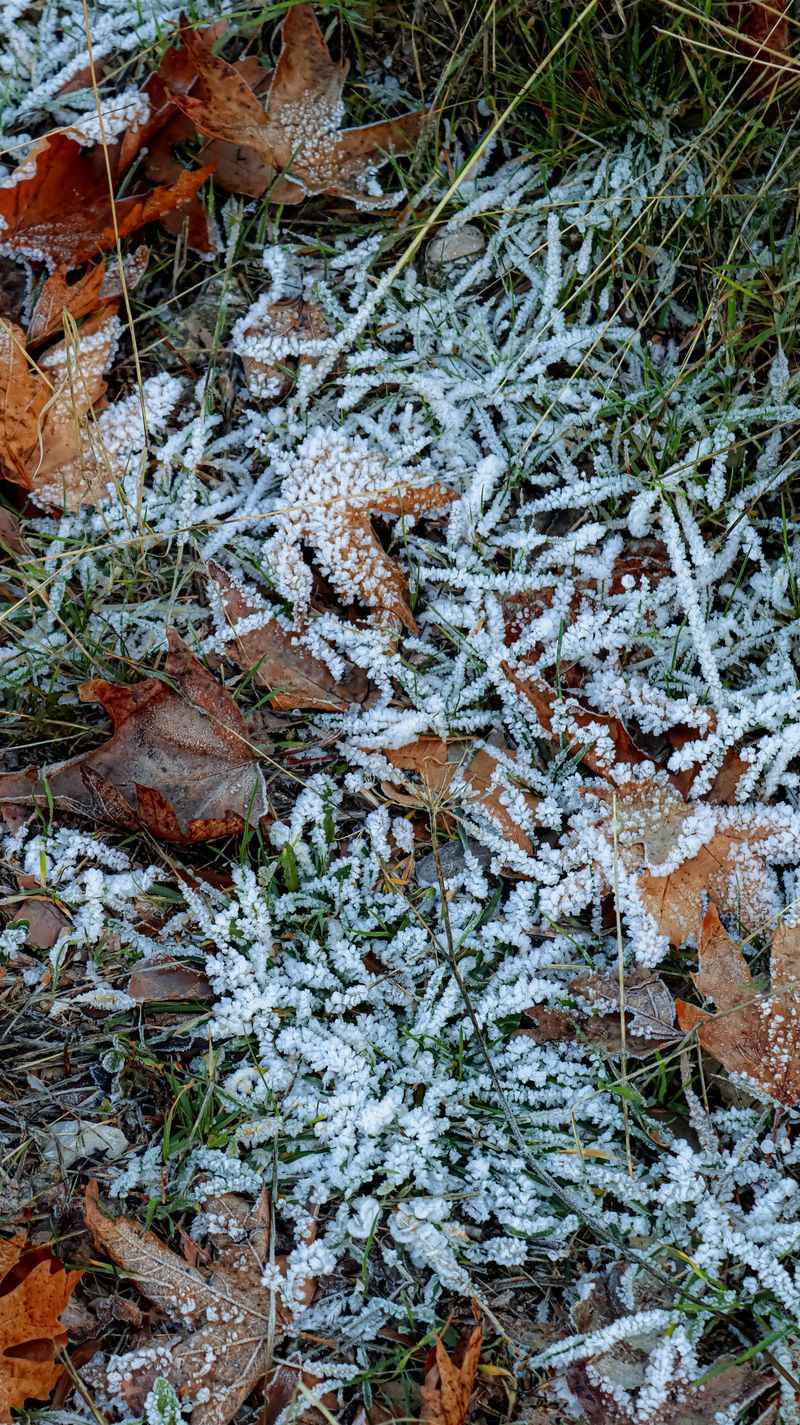
Each October, many Louisiana gardeners play a guessing game with the weather app. The first real cold front can drop nighttime temperatures twenty degrees in one evening.
Tropical houseplants start to struggle when nights dip below fifty degrees. Many people wait until the forecast turns cold, then rush the pots inside at once.
That rushed move is exactly when hitchhikers win. Critters are also feeling the chill, so they burrow deeper into warm, moist pots.
Lizards and frogs slow down as the air cools. Instead of hopping away when you lift the pot, they stay tucked in and ride along.
Your Louisiana Garden Changes Every Week. Your Plan Should Too.
Gardening in Louisiana changes quickly throughout the season. Every Friday you’ll receive a simple weekly plan showing exactly what to plant, prune, fertilize, harvest, and protect so you never miss the right timing.
A smarter plan starts about two weeks before the first cold snap. Mid-October is a common target for southern Louisiana, while the northern parishes may need earlier action.
Shreveport and Monroe can see chilly nights sooner than New Orleans or Houma. Check your local forecast and count backward from the first night near fifty.
Spread the work over several sunny afternoons. Warm days keep pests active and visible, which makes them much easier to spot and shoo away.
Morning is a great time to inspect, since dew brings snails and slugs to the surface. Afternoon heat sends roaches scurrying when you tip a pot.
Keep a small notebook or phone note listing which pots you already checked. It is frustrating to inspect the same fern twice while missing the biggest planter.
Think of it as packing for a trip rather than a last-minute dash. Calm, early prep usually beats a rushed midnight shuffle.
Common Carry-In Mistakes To Avoid
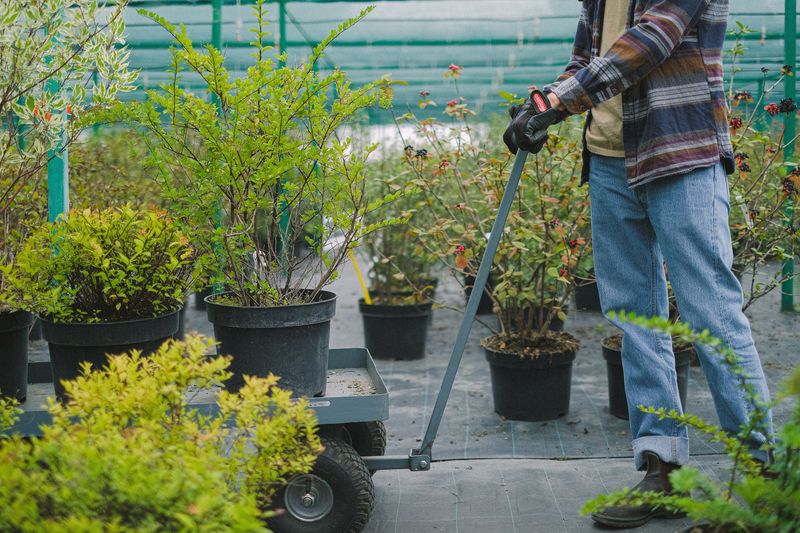
Picture carrying a prized hibiscus inside on a chilly night. By morning, a Cuban tree frog is croaking from your shower curtain.
You skipped the inspection, and many people do the same. The pot looked clean on top, so it seemed fine.
A quick flashlight sweep at dusk could have revealed that frog in seconds. Its golden eyes shine back when light hits them.
Surface checks can miss many hiding spots. Pests hide under rims, inside drainage holes, deep in the root ball, and beneath leaves.
Another common slip is bringing the saucer inside with the plant. Those shallow dishes collect water and become cozy beds for roaches and earwigs.
Some folks also overwater plants right after the move. Soggy indoor soil invites fungus gnats to multiply quickly.
Grouping all your plants together in one corner is another trap. If one pot holds mealybugs or spider mites, the whole jungle can share them quickly.
Mealybugs look like tiny cotton puffs stuck in leaf joints. Spider mites leave fine webbing and speckled, faded leaves that many people blame on dry air.
Skipping a quarantine spot is the final misstep. New arrivals from the porch should sit apart for two to four weeks before joining the crowd.
None of these slips makes you a bad gardener. Busy schedules and surprise forecasts push everyone to hurry when the temperature drops.
Slowing down just a little can change the outcome. Your shower curtain will thank you for it.
A Gentle Soak, Rinse, And Inspection Routine
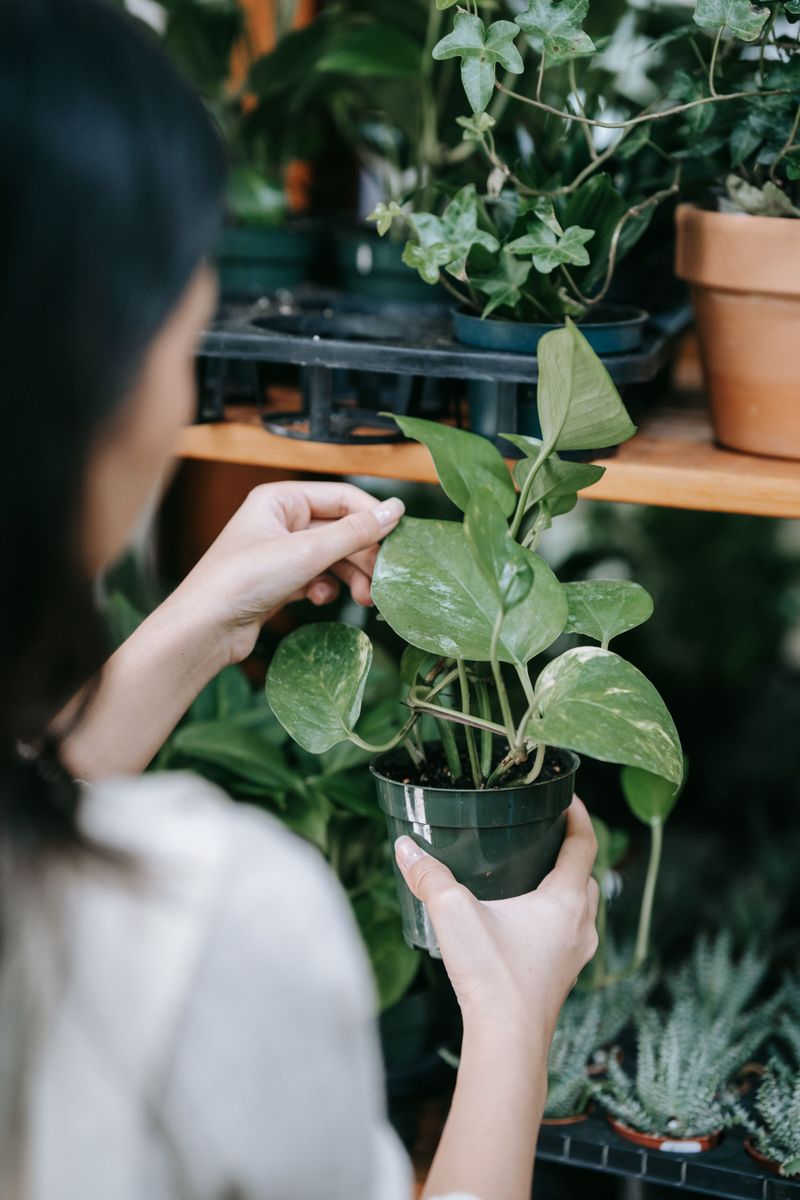
Grab a bucket, a garden hose, and a cheap flashlight. Those three tools handle most hitchhikers without any harsh chemicals.
Work in shade so leaves stay cool and dry slowly. A shady carport or porch corner makes an ideal washing station.
Start by hosing down the leaves, top and bottom, with a moderate spray, and go softer on tender foliage. Mealybugs, aphids, and spider mites lose their grip and wash away.
Next, tip each pot on its side and peek through the drainage holes. A flashlight reveals hiding frogs, lizards, and roaches in seconds.
For smaller pots of plants that tolerate wet soil, try the soak trick. Skip it for succulents and cacti.
Fill a bucket with lukewarm water and sink the pot until the soil is covered for fifteen minutes.
Ants, pill bugs, and earthworms can float up or crawl out quickly. Scoop pill bugs and earthworms into the flower bed. If fire ants surface, wear gloves, avoid touching them, and skim them off into soapy water.
Native lizards and frogs deserve a kind relocation, not panic. Gently nudge them into a cup and release them near shrubs outside.
Native green treefrogs are common in Louisiana pots and can go back outside. Invasive Cuban tree frogs have larger toes and rougher skin.
Wear gloves, since their skin secretions can irritate, and report suspected ones to the Louisiana Department of Wildlife and Fisheries instead of releasing them.
Insecticidal soap or neem oil helps with stubborn mealybugs and scale. Spray in the evening and test one leaf first to avoid burning tender foliage.
Scrape away the top inch of old potting mix, too. Scraping removes snail eggs and gnat larvae living near the surface, and fresh soil replaces what you took out.
Let each pot drain fully before it heads indoors. Wet soil and dripping saucers undo all your hard work in a hurry.
Finally, wipe the outside of each container with soapy water. Clean pots carry fewer eggs and look nicer on your windowsill.
Life Indoors With Uninvited Roommates
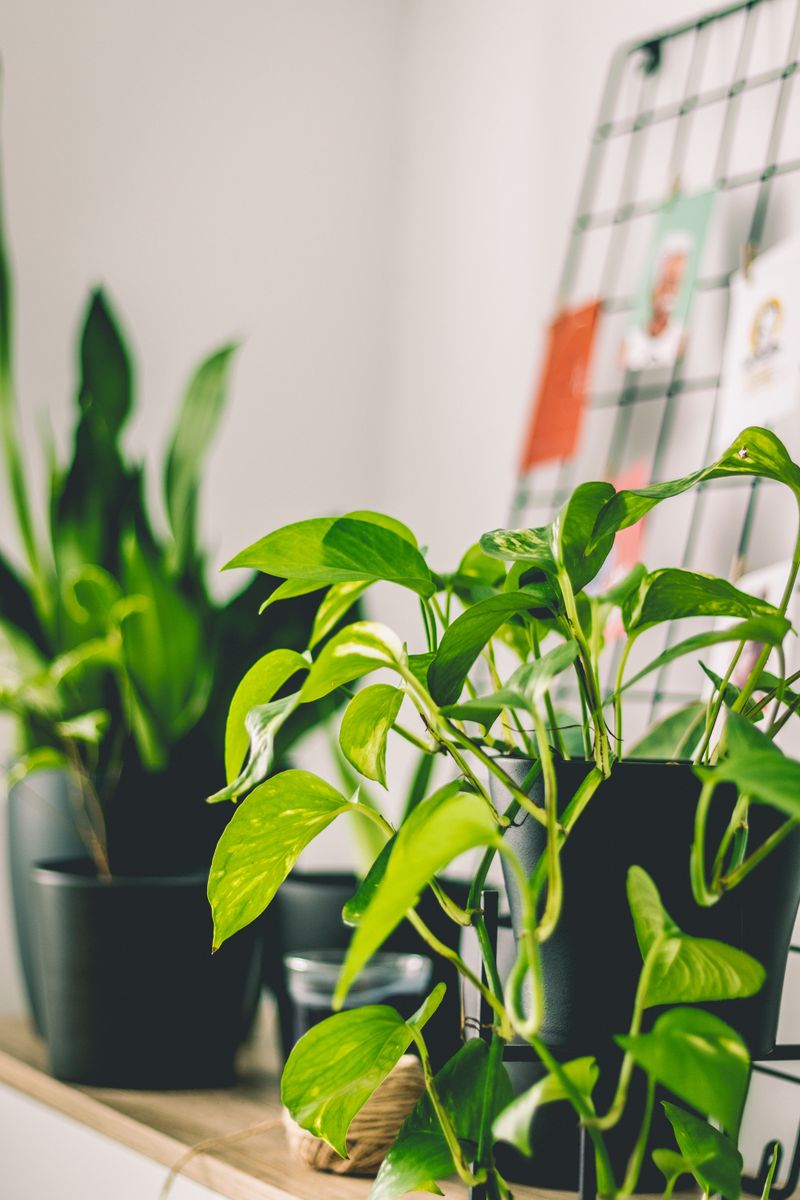
Imagine settling in for a cozy movie night in late November. Suddenly, a gecko sprints across the ceiling, and your popcorn goes flying.
Skipping the check can lead to scenes like that all winter. Some guests are funny, but others bring real headaches.
Cuban tree frogs are loud and surprisingly bold. Their nighttime calls echo through quiet houses, and they may eat smaller native frogs, so do not release them outdoors.
Roaches that sneak in through saucers can settle under sinks and appliances. Once established, they breed quickly in warm Louisiana kitchens.
Fire ants are a serious concern for families with kids or pets. Their stings burn, itch, and can trigger allergic reactions in sensitive people.
Fungus gnats are mostly a nuisance, buzzing around faces and floating into drinks. Mealybugs and spider mites quietly weaken houseplants until leaves yellow and drop.
Pet owners should watch closely, too. Cats love chasing lizards, and a curious dog may mouth a toad that secretes irritating toxins.
Some stowaways cause no harm at all. A small spider in the corner may even help by catching gnats.
Still, a house is not a natural home for wild critters. Many of them struggle indoors without the right food, light, and humidity.
Catching a problem early keeps it small and cheap. Waiting until spring can mean pest control bills and a lot of grumbling.
Pay attention to clues like droppings, chirps, tiny webs, or shiny trails. Little signals like these tell you a guest has moved in.
Year-Round Habits That Help Reduce Pests In Pots
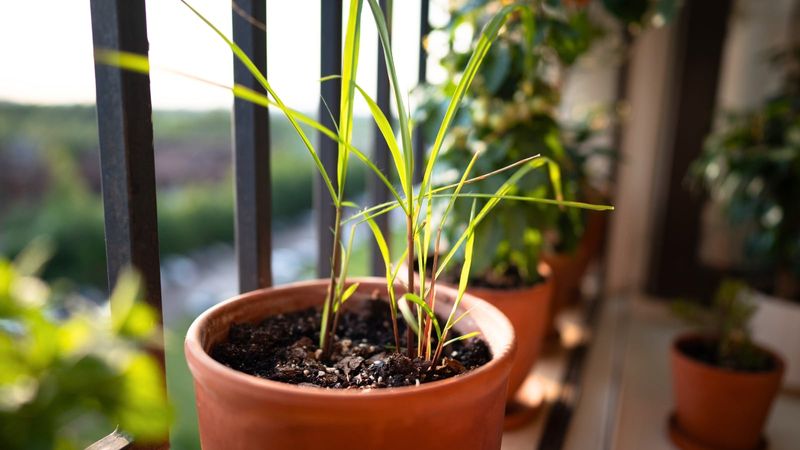
Prevention starts long before October rolls around. Small habits during spring and summer make the fall move much easier.
Raise outdoor pots on pot feet or bricks. That gap lets water drain and gives roaches and slugs fewer dark hiding spots.
Empty saucers after every rain shower. Standing water attracts mosquitoes, too, which Louisiana already has plenty of.
Cover drainage holes with a small square of window screen when repotting. Water flows out, while lizards and frogs stay out and larger ants have a harder time getting in.
Choose a light, well-draining potting mix instead of heavy garden dirt. Fluffy soil dries faster, which discourages fungus gnats from laying eggs.
Sprinkle a thin layer of gravel on top of the soil in larger containers. Gnats dislike the dry surface, and the gravel may slow snails.
Check plants every week while you water them. A thirty-second glance under leaves and around rims catches trouble before it spreads.
Keep pots a few feet away from walls, woodpiles, and leaf litter. Those areas act like highways for ants, roaches, and spiders.
Yellow sticky traps placed indoors catch flying gnats early. Swap them out once they fill up, usually every few weeks.
Set up a small quarantine shelf for any plant coming inside. Two to four weeks apart from your other plants reveals hidden problems safely.
Teach kids to help with the weekly pot patrol. Spotting a sleepy anole becomes a little treasure hunt instead of a chore.
Over time, these simple steps become second nature. Next October, the cold front can roll in while your plants arrive clean and calm.