Growing Apples In South Georgia Starts With Choosing The Right Varieties
Picking crisp apples from your own tree can sound like something reserved for colder states.
Plenty of warm-climate homeowners try anyway and end up with trees that leaf out nicely but rarely bloom. The problem usually has less to do with care than with which apple went in the ground.
Most familiar grocery store varieties need a long winter chill before they can flower properly.
Winters across south Georgia often fall short of that, especially closer to the coast.
Ask the nursery about chill hours before buying, since that number shows whether a tree fits your area. Low-chill varieties bred for warmer regions can make the difference between a few blossoms and a real harvest.
Many also need a compatible partner nearby, so planning for two trees often pays off.
1. Most Popular Apple Varieties Struggle With Southern Winters
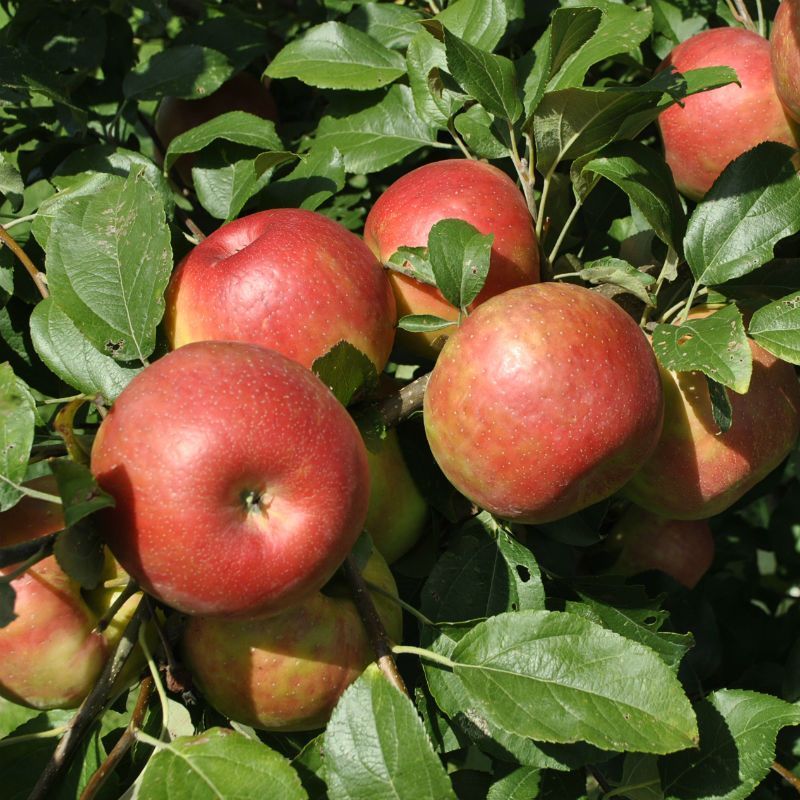
Honeycrisp might be your favorite snack, but it rarely feels at home this far south. Popular grocery store apples like Honeycrisp, Gala, Fuji, and Red Delicious were developed for regions with long, cold winters.
Apple trees need a certain amount of cool weather each winter before they wake up properly in spring.
Without enough cold, these varieties often leaf out late and unevenly. Bloom can be weak or scattered, and fruit set may be poor or missing in many years.
South Georgia simply does not provide the steady chill these trees expect.
Gardeners sometimes plant them anyway because the names feel familiar and the trees are easy to find at big box stores. A few trees may limp along, especially after an unusually cold winter, but results tend to be inconsistent.
Spending money and years on a tree that struggles can be discouraging.
So before buying, check the tag or catalog for a chill hour rating. If the nursery cannot tell you, that is a good sign to keep looking.
Local nurseries and your county Extension office can point you toward varieties that have a track record in warm areas.
Shopping with climate in mind first, and flavor second, usually leads to far better outcomes in a southern backyard orchard.
2. Anna Is One Of The Best Choices For Warmer Areas
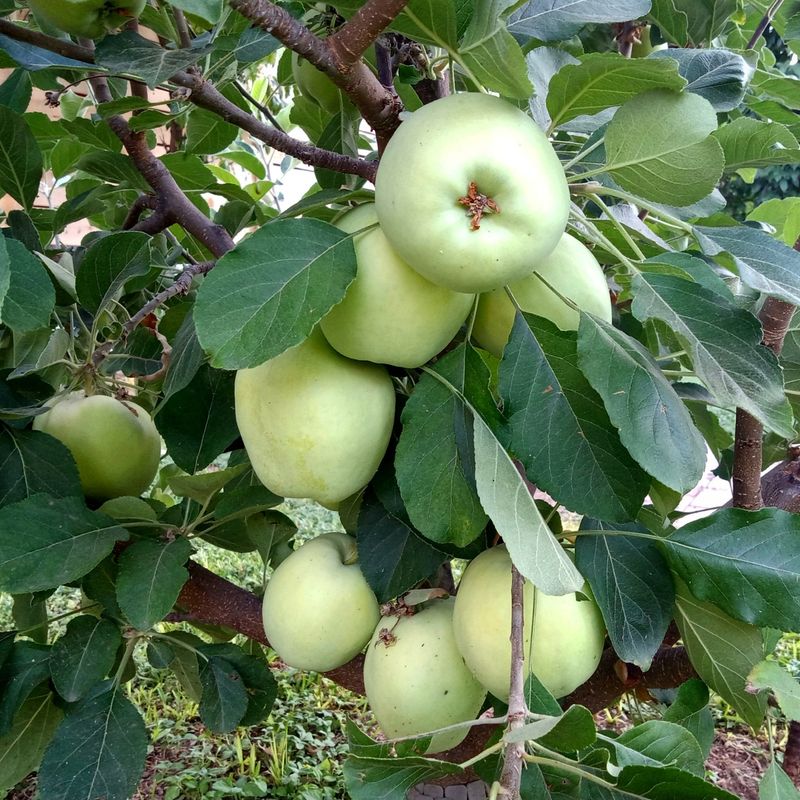
Bred in Israel for hot climates, Anna has earned a loyal following among warm region growers. Its very low chill requirement makes it one of the most commonly recommended apples for the Deep South.
Trees tend to bloom early, often before many other apples even think about flowering.
Fruit is usually pale green to yellow with a rosy blush on the sunny side. Flavor is sweet with a little tang, and the texture is crisp when picked at the right time.
Anna apples do not keep as long as many northern types, so plan to eat, bake, or share them fairly soon after harvest.
Early bloom brings one real risk. A late frost can damage open flowers, and some springs in Georgia bring a cold snap after trees have already blossomed.
Planting on slightly higher ground, where cold air drains away, may help a little.
Your Georgia Garden Changes Every Week. Your Plan Should Too.
Gardening in Georgia changes quickly throughout the season. Every Friday you’ll receive a simple weekly plan showing exactly what to plant, prune, fertilize, harvest, and protect so you never miss the right timing.
Anna also needs a pollination partner to set a good crop. Dorsett Golden is the classic match because the two often bloom around the same time.
Young trees may take a few years to start bearing, and yields depend on care, weather, and site. With patience and a good partner nearby, Anna can be a rewarding first apple tree.
3. Dorsett Golden Offers Another Reliable Low Chill Option
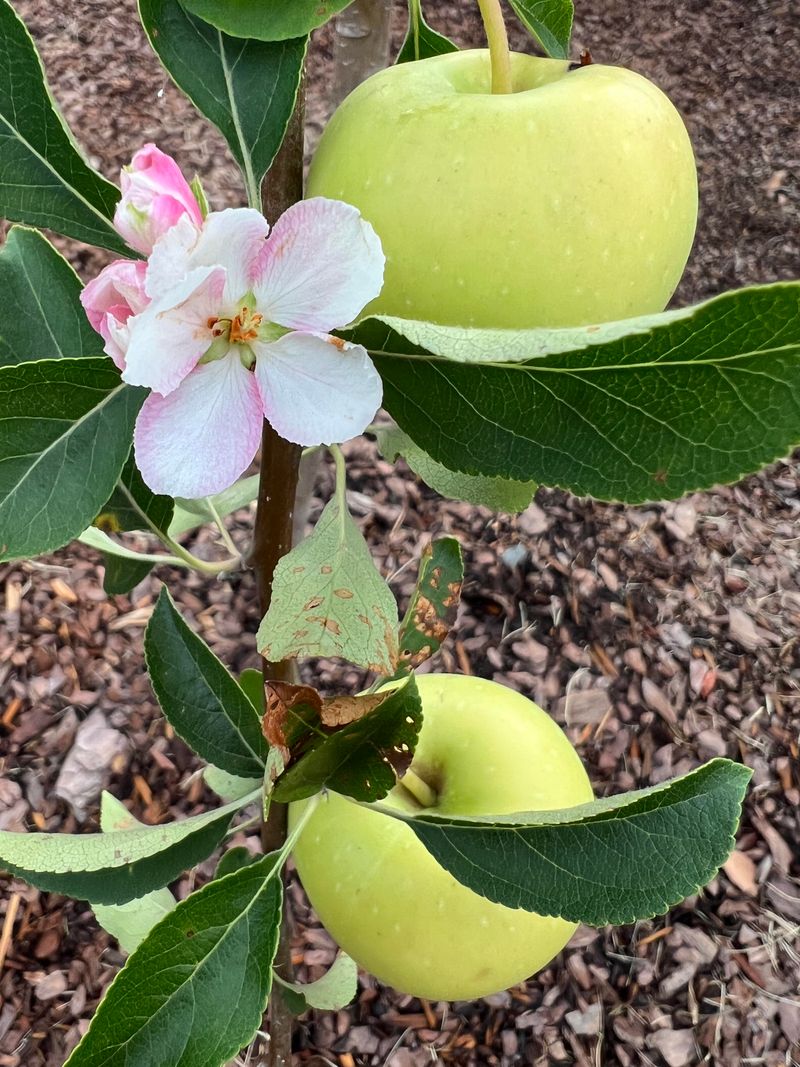
Golden fruit with a sweet, mild flavor is what makes Dorsett Golden stand out. Discovered in the Bahamas, it has become a dependable choice for gardens with short, warm winters.
Its fruit looks a bit like a Golden Delicious, sometimes with a soft red blush.
Home growers often plant it alongside Anna. Each one helps pollinate the other, which can improve fruit set when bloom times overlap.
Dorsett Golden is useful as a partner, but it also earns its spot on taste alone.
Apples tend to be good for fresh eating, pies, and applesauce. Like Anna, the fruit usually does not store for months, so enjoy it within a few weeks of picking if you can keep it cool.
Growers in south Georgia often find it fits well with their winters, though performance can still shift from year to year.
Bloom tends to come early, which means spring frost can be a concern here too. Keeping an eye on forecasts during flowering is a smart habit.
Regular watering during the first couple of summers helps young trees settle in.
Avoid heavy fertilizing, since lush growth can make some disease problems worse. Steady, moderate care usually works best for a tree that may produce for many years.
4. Matching Bloom Times Is Essential For Successful Pollination
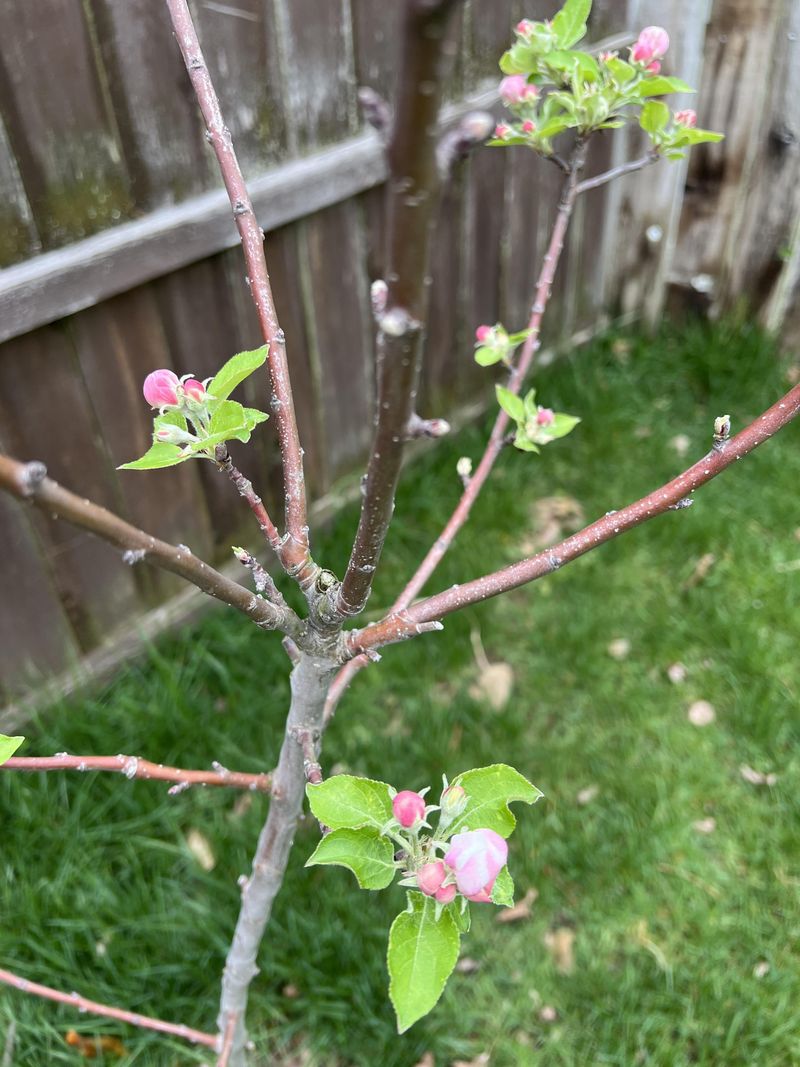
One lonely apple tree usually means few or no apples. Most varieties are not able to pollinate themselves well, so they need pollen from a different apple variety.
Bees carry that pollen from flower to flower, but only when both trees are blooming together.
Picture two trees in your yard. If one flowers in late February and the other waits until April, the bees have nothing to share between them.
Overlapping bloom is what makes cross pollination work.
Low chill apples like Anna and Dorsett Golden tend to bloom early and around the same window. Pairing a low chill tree with a high chill one rarely works, since their timing is often far apart.
Weather in Georgia can shift bloom from one spring to the next, so some overlap years will be better than others.
Planting two compatible trees within a reasonable distance helps bees move between them easily. A neighbor’s apple or crabapple nearby might help, though you cannot count on it.
Encourage pollinators by limiting insecticide use while trees are in flower.
Some nurseries sell trees labeled as partially self fruitful. Even those often produce better with a partner, so planting a second variety is still a good idea when space allows.
5. Winter Chill Requirements Matter More Than Many Gardeners Realize
Cold weather is not the enemy of apple trees. In fact, they depend on it to reset each year.
Chill hours are a rough count of time spent at cool temperatures during dormancy, and each variety has its own target.
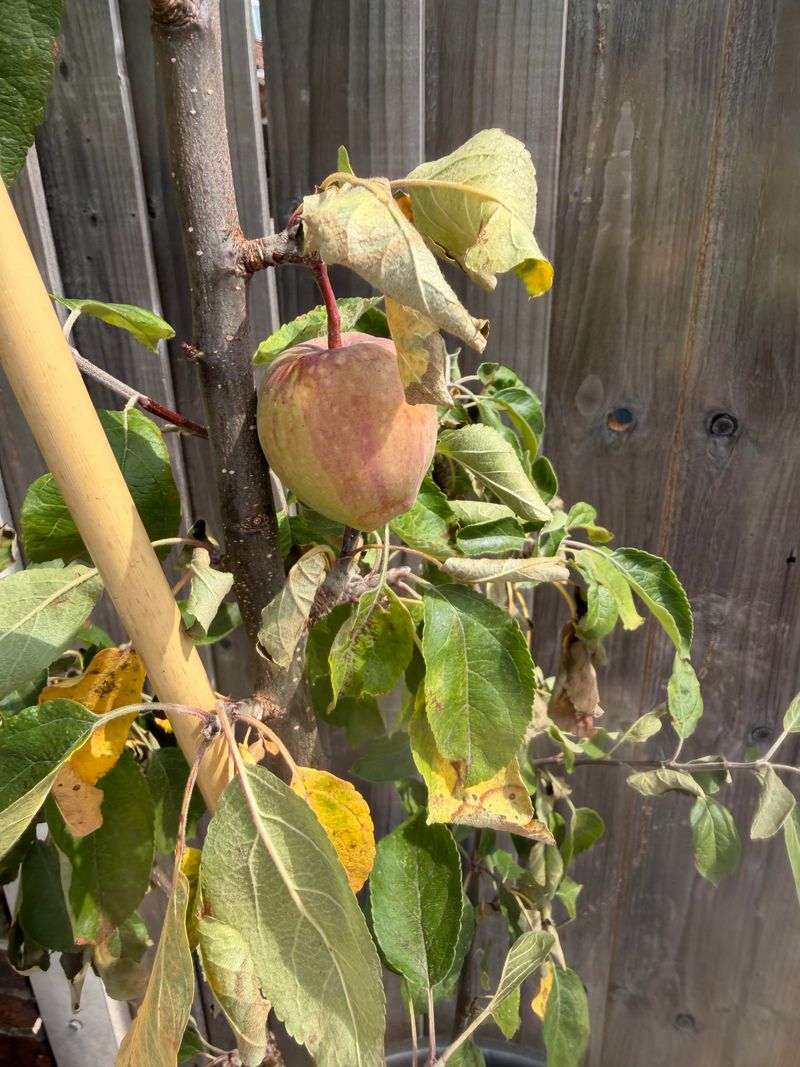
When a tree gets close to its needed amount, it can break bud and bloom fairly evenly in spring. Falling short often leads to delayed leaves, spotty flowers, and weak growth.
Low chill apples were bred to get by on much less cold than northern types.
Winters in south Georgia vary a lot. Some years are fairly cool, while others stay mild for long stretches, so the chill a tree receives can change from season to season.
Choosing a variety with a requirement a bit below your typical local chill can give you a little buffer.
Your county Extension office may have chill data for your area. Weather stations and university resources can also offer estimates.
Going too low has trade offs as well.
A variety that needs very little chill may wake up during a warm spell in winter. If a hard freeze follows, buds or blossoms can be damaged, which is why matching chill to your area matters in both directions.
6. Full Sun And Well Drained Soil Give Trees A Better Start
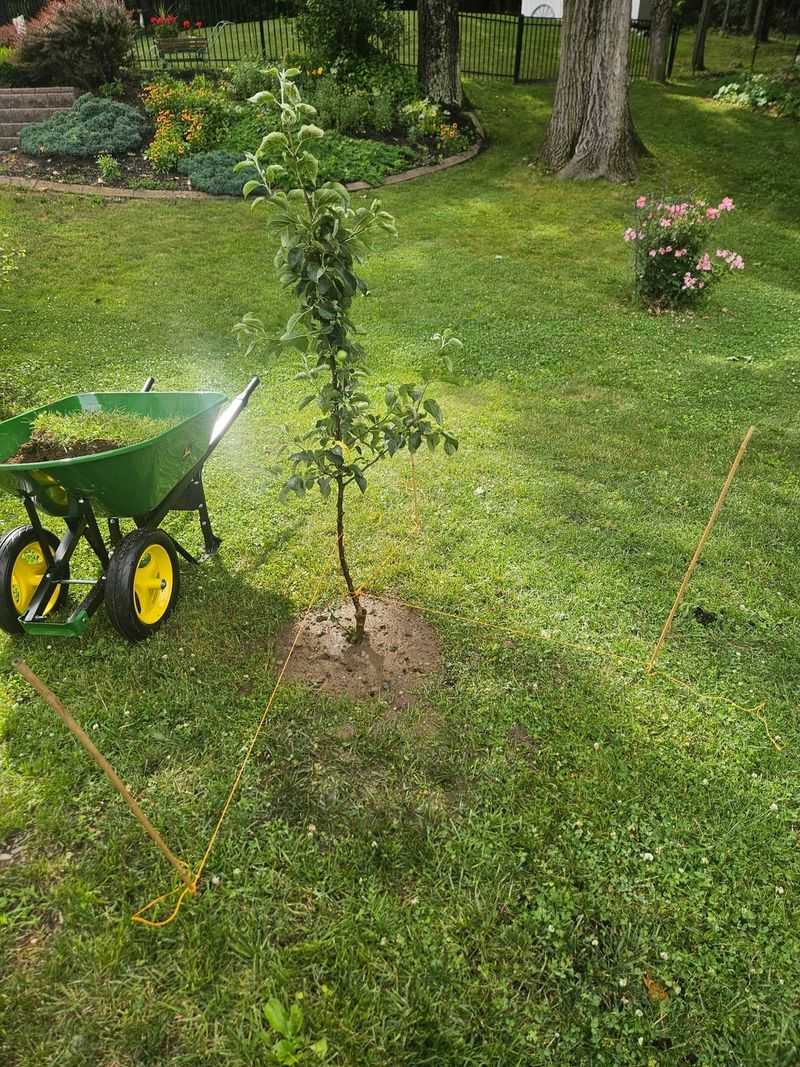
Shade and soggy ground can hold back even the toughest apple variety. Trees need plenty of direct sun to grow strong wood, flower well, and ripen sweet fruit.
Aim for a spot that gets sun for most of the day, away from large trees and buildings.
Drainage is just as important. Apple roots do poorly in soil that stays wet, and standing water after rain can lead to root problems.
Watch your planting site after a heavy storm to see where puddles linger.
Soils across south Georgia are often sandy, which usually drains well but may not hold much water or nutrients. Some areas have clay layers below the surface that slow drainage, so digging a test hole can tell you a lot.
A soil test through your county Extension office is inexpensive and very helpful.
Results show your pH and nutrient levels, so you only add what the soil actually needs. Apples generally prefer slightly acidic soil, and lime may be suggested if yours is too acidic.
Plant at the same depth the tree grew in the nursery, and keep the graft union above the soil line.
A layer of mulch, kept a few inches away from the trunk, helps hold moisture during hot summer weather.
7. Choosing The Right Rootstock Affects Tree Size And Performance
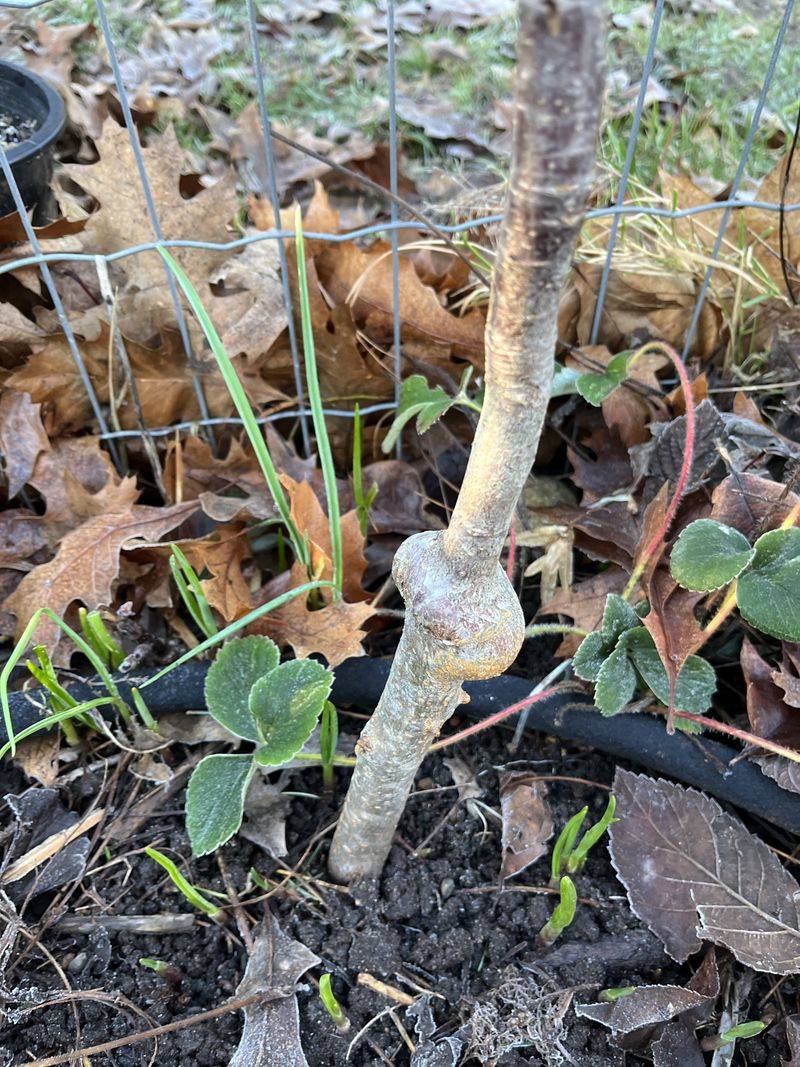
Look closely at the lower trunk of a nursery apple tree and you will often spot a knobby joint. Above that line is the variety you chose, and below it is the rootstock.
Rootstock has a big influence on how tall the tree grows and how it handles local soil.
Dwarfing rootstocks keep trees smaller and can bring fruit sooner. They are easier to prune, spray, and pick, but they often need staking or support because their roots are less anchored.
Larger rootstocks build bigger, sturdier trees that may take longer to bear.
Soil and climate also matter. Some rootstocks handle heat, drought, or certain soil diseases better than others, and not every type performs well in warm southern ground.
Ask the nursery which rootstock is on the tree before you buy.
Gardeners in Georgia can get rootstock advice from their Extension office or from nurseries that specialize in fruit for the Southeast. Mail order suppliers usually list rootstock details in their descriptions.
Think about your space honestly.
A small backyard may suit semi dwarf trees, while a larger lot could handle bigger ones. Matching rootstock to your site helps the tree stay healthy and manageable for years.
8. Fire Blight And Other Diseases Can Complicate Apple Growing
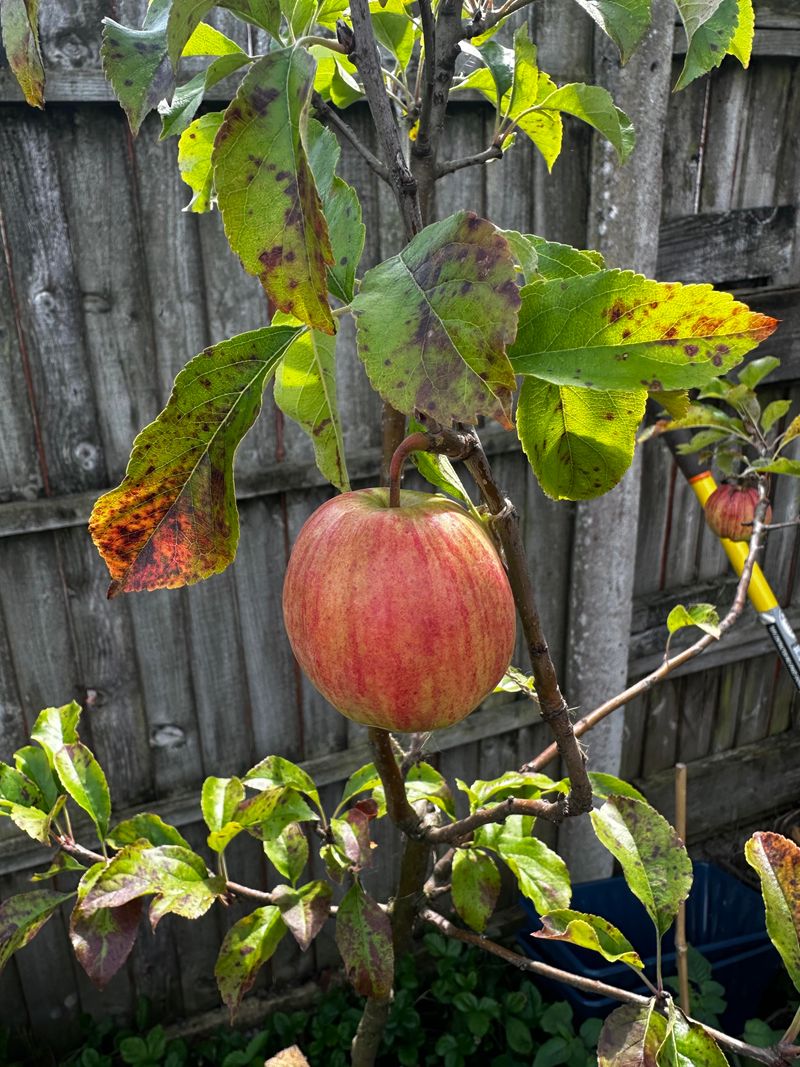
Warm, wet springs can be rough on apple trees. Fire blight is a bacterial disease that thrives in that kind of weather, and it is a known concern across the Southeast.
Infected shoots often turn dark and bend at the tip like a shepherd’s crook, looking almost scorched.
Blossoms are a common entry point, so spring bloom is a key time to watch. Heavy nitrogen fertilizer can push soft growth that seems more vulnerable.
Pruning out infected branches during dry weather, well below the visible damage, is a standard management step.
Clean your pruners between cuts with a disinfectant. Doing this helps reduce the chance of spreading bacteria to healthy wood.
Fire blight is not the only issue in the humid South.
Leaf spots, rots, and cedar apple rust can also show up, depending on the variety and season. Rust is more likely when eastern red cedar trees grow nearby, since the disease moves between the two plants.
Good airflow from proper pruning and spacing helps leaves dry faster after rain.
Some varieties show better resistance than others, though no apple is fully immune. For spray timing or product questions, your local Extension agent can offer advice suited to your area and your particular trees.
9. Early Summer Harvests Make These Apples Different From Northern Varieties
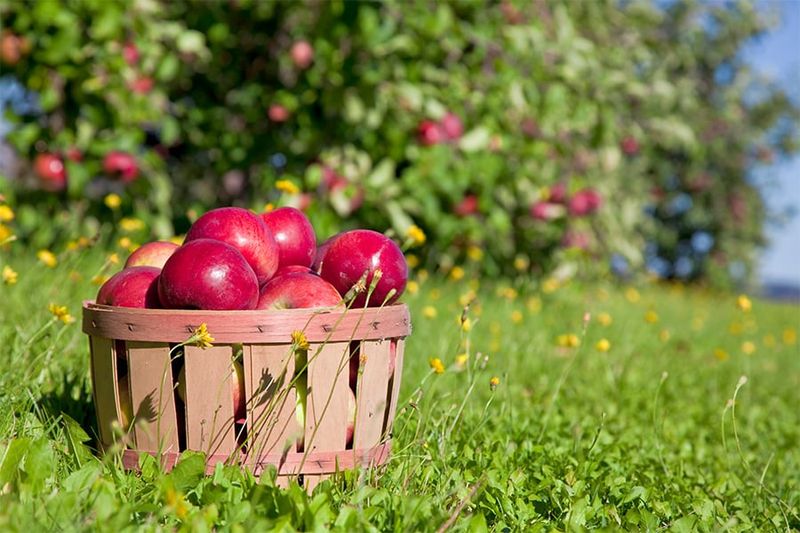
Forget the picture of fall apple picking in sweaters. Low chill apples grown in the Deep South often ripen in early to mid summer instead.
Exact timing depends on the variety, the weather that year, and when the tree bloomed.
Anna and Dorsett Golden commonly ripen sometime around June or July in warm areas. A cool spring or late bloom can push that later, while an early spring may move it ahead.
Checking fruit often as it nears ripeness is the best way to catch it at its peak.
Ripe apples usually separate from the branch with a gentle lift and twist. Color changes and a sweeter taste are good clues too, so sampling one or two is perfectly fine.
Summer heat speeds up softening once fruit is picked.
Store apples in the refrigerator to help them last longer, since these varieties do not keep as well as many northern types. Plan to eat them fresh, bake with them, or turn extras into applesauce.
Birds and insects may notice ripening fruit around the same time you do.
Light netting can help protect a small tree. For growers across south Georgia, a summer apple harvest is a fun reward for picking the right varieties from the start.