Georgia Shade Ground Covers That Actually Stay Put On Slopes Where Mulch Washes Away
There is a very specific kind of frustration that comes with spreading fresh mulch on a shaded slope, stepping back to admire your work, and then watching the next Georgia rainstorm undo all of it in about twenty minutes.
If that sounds familiar, you are definitely not alone.
Shaded slopes are one of the trickier problems in a Georgia yard: clay soil that drains poorly, tree roots that make planting a workout, and damp shade that chews through mulch faster than seems fair.
Living ground covers are the kind of long-term fix that actually addresses the problem instead of just covering it up temporarily.
They take a little patience while getting established, but once they root in they can hold slopes together, cut down on washout, and keep shaded areas looking genuinely tidy season after season.
1. Mondo Grass Makes A Dense Shade Mat
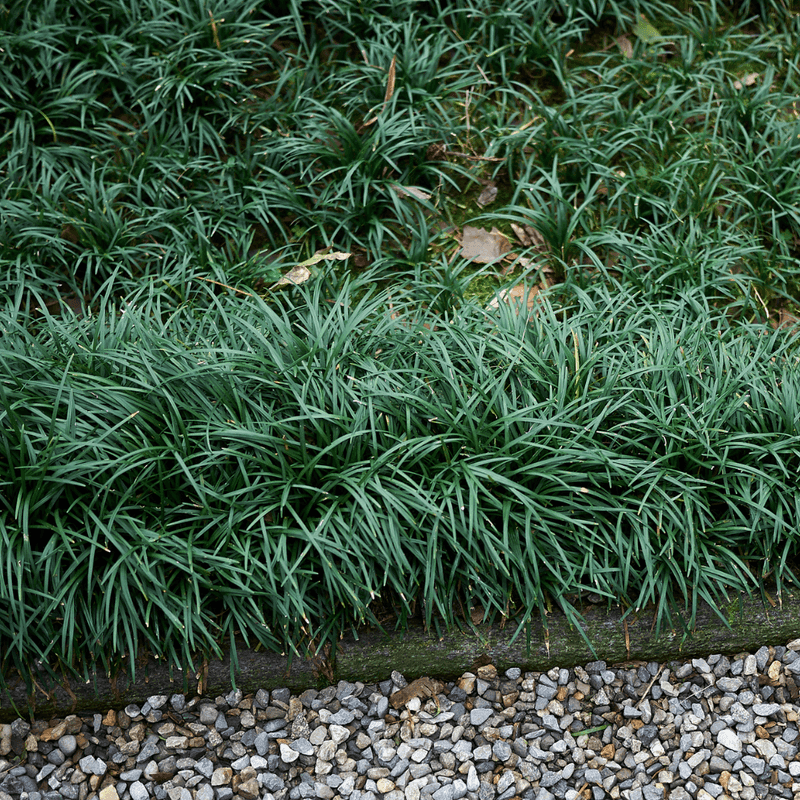
After a hard Georgia rainstorm rolls through, bare soil on a shaded bank can look like it lost a fight. Mondo grass is one of those plants that quietly solves that problem without asking for much in return.
It forms a dense, grass-like mat of deep green blades that roots firmly into the soil, making it far more reliable than pine straw on a sloped bed.
Mondo grass grows well in moderate to full shade, which makes it useful under trees where little else wants to cooperate. In Georgia landscapes, it handles the heat and humidity reasonably well once it settles in.
It grows slowly at first, so spacing plants about six to eight inches apart gives it the best chance to fill in without leaving gaps for too long.
The soil does not need to be perfect, but it should drain reasonably well. Overly soggy spots can cause the roots to struggle.
Once established, mondo grass stays tidy with very little intervention. It does not spread aggressively, which means it tends to stay where you put it rather than taking over nearby beds.
For shaded slopes in Georgia where mulch keeps washing away, this plant is a dependable long-term option worth considering.
2. Dwarf Mondo Grass Holds Low And Neat
Some slopes need a ground cover that stays truly low to the ground without flopping over or spreading into walkways.
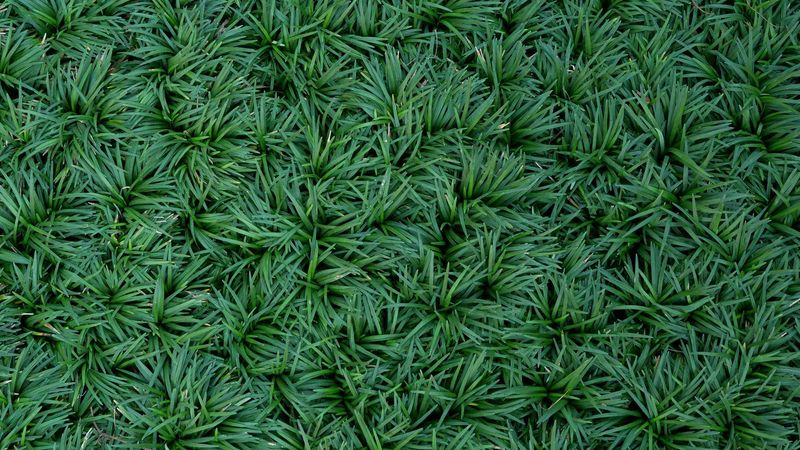
Dwarf mondo grass fits that role well, staying just two to four inches tall and forming a compact, dark green carpet that looks intentional rather than wild.
Homeowners who want a tidy appearance along shaded paths or at the base of trees often find it suits the space nicely.
In Georgia gardens, dwarf mondo grass performs best in partial to full shade. It tolerates the summer heat reasonably well once established, though newly planted sections benefit from regular watering during the first season.
The plant spreads slowly by underground rhizomes, gradually filling in gaps over time without becoming invasive.
Clay-heavy soil should be amended with organic matter before planting to improve drainage and give roots a better start. Spacing plants about four to six inches apart speeds up coverage on steeper banks.
Your Georgia Garden Changes Every Week. Your Plan Should Too.
Gardening in Georgia changes quickly throughout the season. Every Friday you’ll receive a simple weekly plan showing exactly what to plant, prune, fertilize, harvest, and protect so you never miss the right timing.
Because dwarf mondo grass stays so short, it does not hide debris well, so the area should be kept fairly clean for the best look.
For neat, low-maintenance coverage on shaded slopes where mulch tends to disappear after rain, this compact option earns its place in the Georgia landscape.
3. Christmas Fern Covers Slopes With Texture
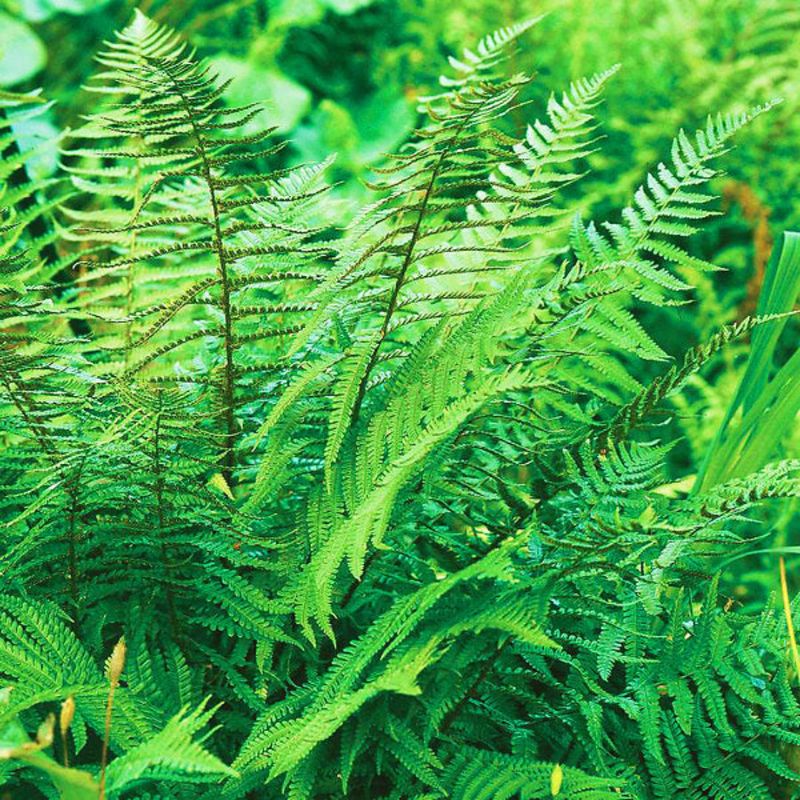
Walk through almost any Georgia woodland and you will likely spot Christmas fern clinging to shaded banks where little else grows. Its dark green, leathery fronds stay green through winter, which is how it got its name.
That year-round presence makes it one of the more visually reliable options for shaded slopes where bare soil is a recurring problem.
Christmas fern is native to Georgia, which means it is already adapted to the local climate, soil types, and rainfall patterns. It grows well in partial to full shade and handles the kind of moist, humus-rich soil often found under mature hardwoods.
On slopes, the spreading root system helps anchor soil in place, though it takes a full growing season or two before the planting really fills in.
The fronds arch outward in a way that softens the look of a sloped bank, making it feel more like a woodland garden than a maintenance problem. Spacing plants about eighteen inches apart gives them room to spread naturally.
During dry spells in summer, supplemental watering helps new plants stay established. Christmas fern is not fussy about soil pH, and it tends to handle Georgia clay better than many other fern species.
For shaded banks with texture and staying power, it is a solid native choice.
4. New York Fern Spreads Through Moist Shade
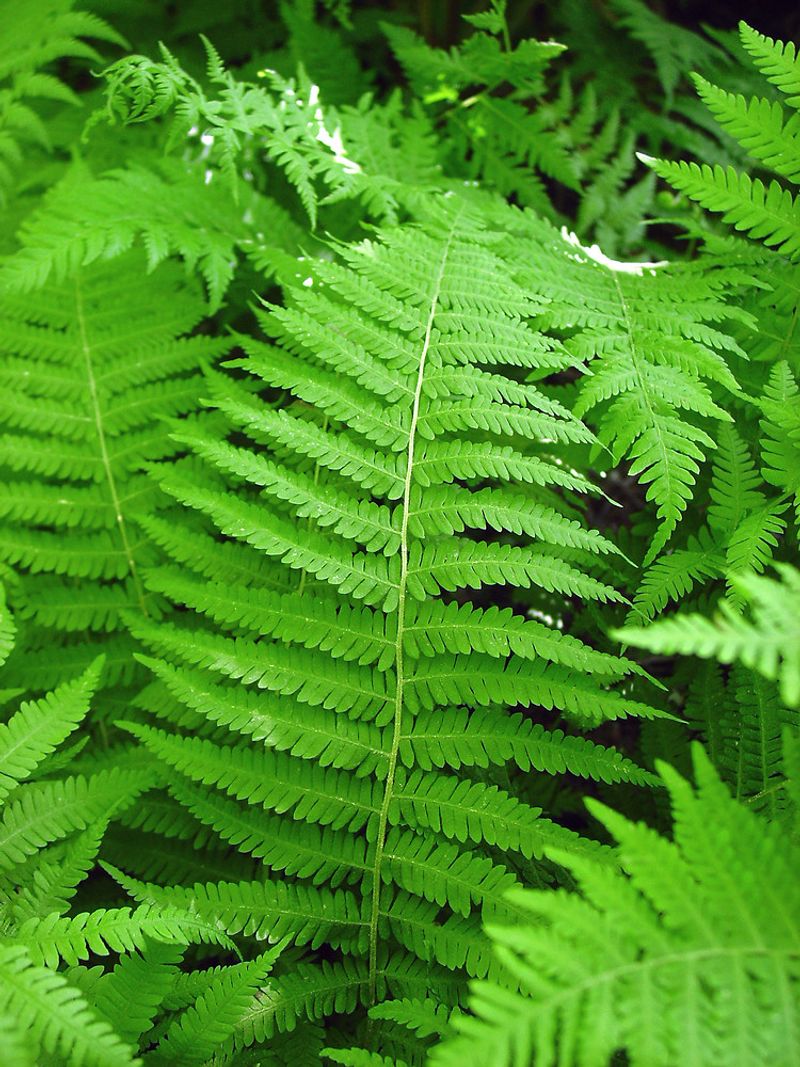
Moist, shaded banks in Georgia can be tricky spots to cover. The soil stays damp, tree roots compete for nutrients, and most ground covers either struggle or spread too aggressively.
New York fern hits a useful middle ground, spreading steadily through underground rhizomes to fill in shaded areas without completely overtaking a bed.
The fronds are lighter green and more delicate-looking than Christmas fern, giving a softer, airier texture to slopes and woodland edges. New York fern prefers consistently moist, well-drained soil with plenty of organic matter.
It does best in partial to full shade and tends to thin out in spots that dry out too much during Georgia summers.
Because it spreads through rhizomes, New York fern can gradually expand to cover a slope over two to three growing seasons. That spreading habit is actually helpful on steeper banks where you want soil coverage without replanting every year.
It works well along creek edges, beneath deciduous trees, and on north-facing slopes where moisture tends to linger. Spacing plants about twelve to eighteen inches apart gives them room to fill in at a reasonable pace.
For gardeners dealing with damp shaded banks that wash out after rain, New York fern offers dependable, spreading coverage with a pleasant woodland look.
5. Green-And-Gold Brightens Shady Soil
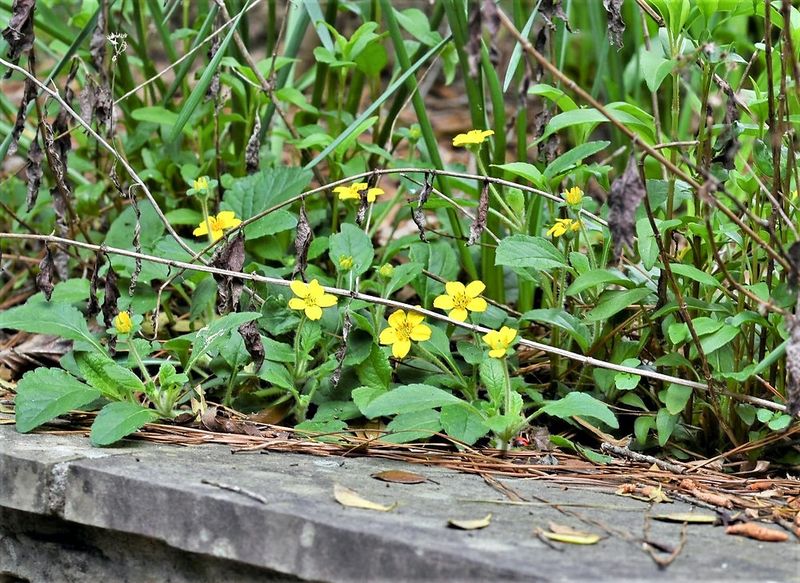
Tucked beneath a canopy of hardwoods on a Georgia slope, green-and-gold brings a cheerful pop of yellow that most shade-tolerant plants simply cannot offer.
This low-growing native wildflower produces bright yellow blooms in spring and holds its semi-evergreen foliage through much of the year, keeping slopes covered even when flowers are not present.
Green-and-gold grows well in partial to full shade and spreads at a moderate pace through runners that root as they go. That spreading habit makes it genuinely useful on sloped beds where you want soil covered without constant replanting.
It tolerates a range of soil types, including Georgia clay, as long as drainage is reasonable. Adding organic matter before planting helps new sections establish faster.
On shaded banks, green-and-gold stays low enough that it does not compete visually with larger shrubs or trees. It typically reaches about six to twelve inches tall, making it easy to combine with taller ferns or larger ground covers in mixed plantings.
Once established, it requires very little attention beyond occasional watering during dry stretches. Spacing plants about twelve inches apart allows runners to fill gaps within one to two seasons.
For homeowners who want color and coverage on a shaded slope, this native option delivers both without demanding much in return.
6. Foamflower Softens Damp Shaded Slopes
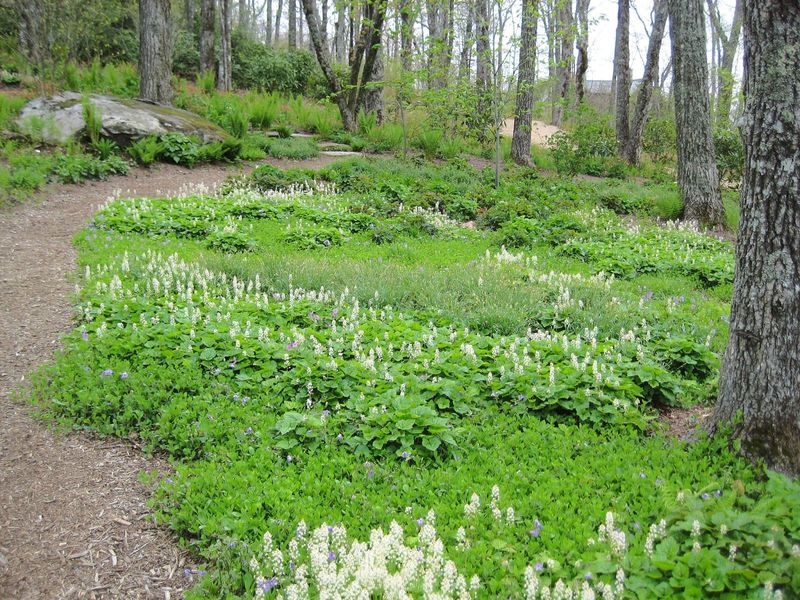
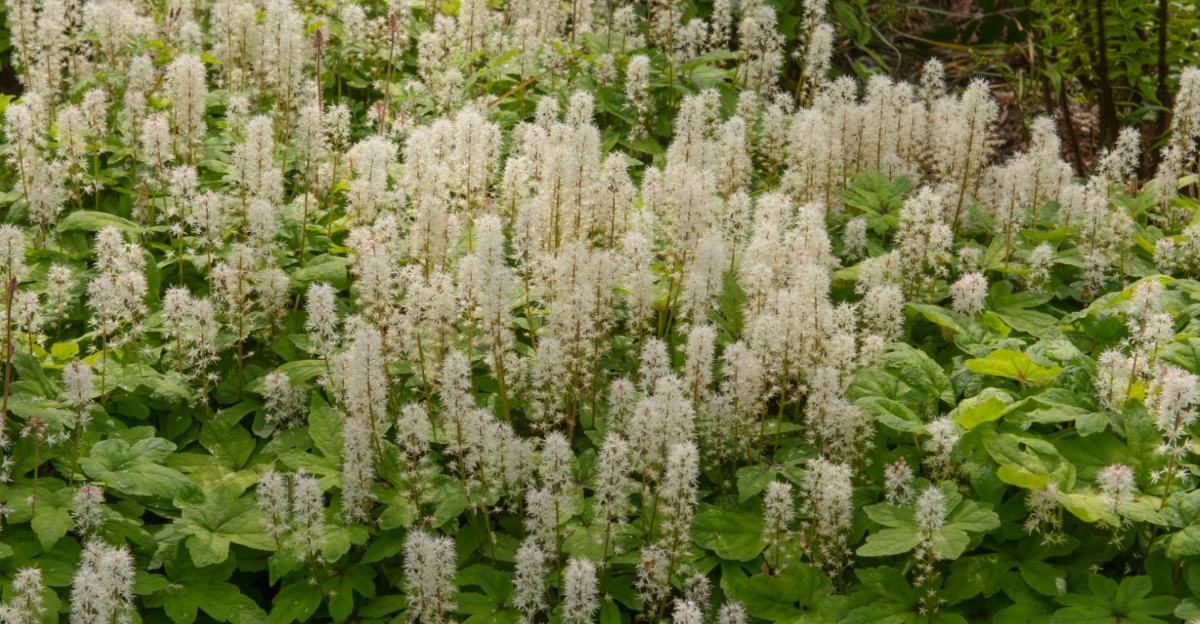
There is something genuinely lovely about a foamflower in full bloom on a damp Georgia slope in spring. The feathery white flower spikes rise above heart-shaped, lobed leaves and give a soft, woodland-garden feel that is hard to replicate with other low-growing plants.
Beyond the flowers, the foliage stays attractive through much of the growing season.
Foamflower is native to the eastern United States and grows well in Georgia’s moist, shaded spots. It prefers consistently moist, humus-rich soil and partial to full shade.
On slopes with good moisture retention, it spreads slowly by stolons to form a low mat of coverage. It does not spread aggressively, so it tends to stay in bounds while gradually filling in over a few seasons.
New plantings benefit from regular watering during the first summer, especially during Georgia’s dry spells. Mulching lightly around new plants helps retain moisture while the roots establish.
Once foamflower settles in, it handles the damp shade under trees without much intervention. It pairs well with ferns and other native woodland plants, creating a layered look on shaded banks.
For slopes that stay moist and shaded, foamflower adds both beauty and functional coverage that holds soil more reliably than loose mulch ever could after a hard Georgia rain.
7. Partridgeberry Creeps Low Under Trees
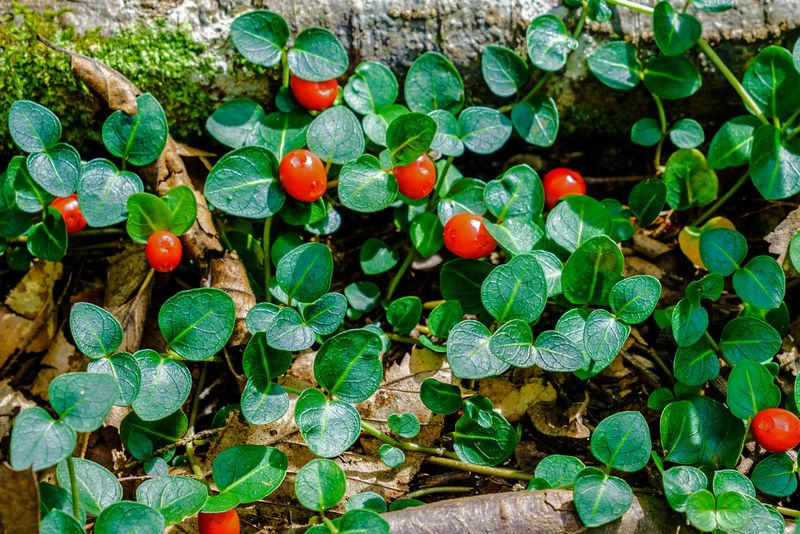
Few plants creep as quietly and reliably as partridgeberry across the floor of a Georgia woodland. The small, glossy leaves hug the ground in a dense mat, and tiny white flowers in spring give way to bright red berries by fall.
It is a slow-spreading native that rewards patient gardeners with dense, low coverage in spots where most plants struggle.
Partridgeberry grows best in full to partial shade with consistently moist, acidic soil rich in organic matter. Under mature pines or hardwoods in Georgia, the conditions often suit it well without much amendment.
Because it spreads by trailing stems that root at the nodes, it knits together over time to form a tight carpet that holds soil in place on gentle slopes.
This plant is not a fast filler. It takes two or more growing seasons to establish meaningful coverage, so patience matters here.
Spacing transplants about six to twelve inches apart gives the trailing stems room to root and spread without competing too early. Once established, partridgeberry is low maintenance and handles Georgia’s humidity well.
It works especially well on shaded, moist slopes near woodland edges, under camellias, or along paths where foot traffic is minimal. The red berries add seasonal interest that makes the wait worthwhile.
8. Southern Shield Fern Fills Shaded Banks
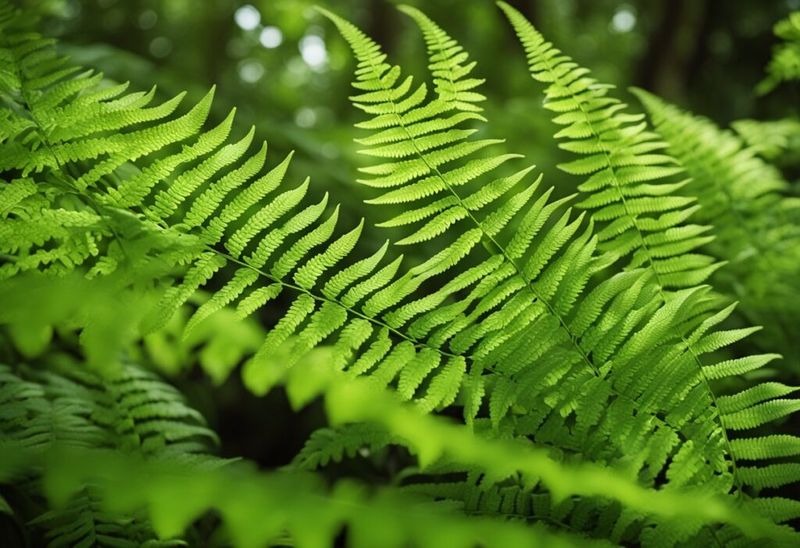
Shaded banks with damp, acidic soil are exactly where southern shield fern feels at home.
This robust native fern produces large, arching, bright green fronds that can reach two to three feet tall, creating full, lush coverage on slopes that smaller ground covers would take years to fill.
For homeowners dealing with steep, shaded banks, it can make a noticeable difference in a single growing season.
Southern shield fern grows naturally in moist woodlands, streambanks, and low-lying shaded areas across Georgia. It handles heat and humidity well and tolerates the wet clay soils found in many Georgia yards better than many other ferns.
It spreads by rhizomes and gradually expands outward, filling in gaps over time without becoming unmanageable.
Because the fronds are large and arching, this fern provides visual coverage quickly while the root system works to stabilize soil on a slope. New plants should be watered regularly through the first summer to help roots establish in Georgia’s heat.
Spacing about two feet apart allows plants to fill in without crowding each other too early. Southern shield fern works well mixed with smaller ground covers like green-and-gold or partridgeberry to create a layered woodland look.
For shaded slopes that need bold, reliable coverage, this fern stands out as a hardworking and attractive native option.
9. Cast Iron Plant Handles Tough Shade
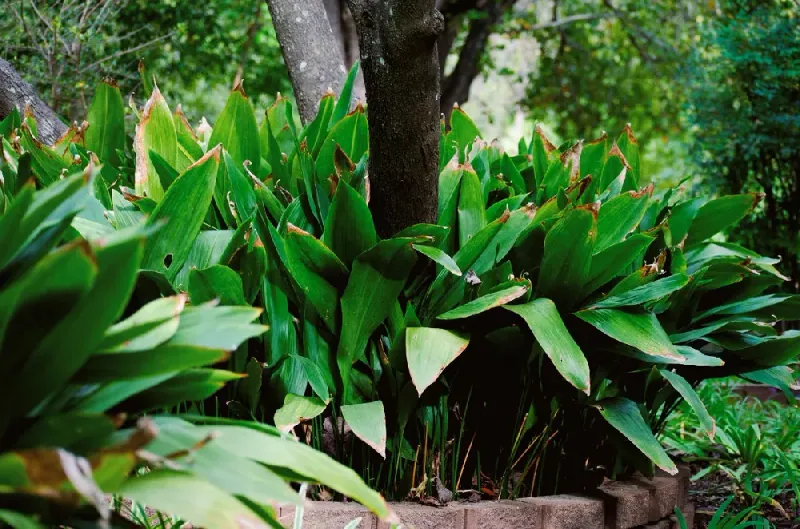
Reputation matters in gardening, and cast iron plant has built one of the best in the South. It earned its name honestly, thriving in deep shade, dry conditions, and tough spots where most plants quietly give up.
For homeowners dealing with shaded slopes near foundations or under dense tree canopies, it is one of the most dependable options available.
Cast iron plant grows broad, strap-like, deep green leaves that reach about two feet tall and spread slowly over time to form a dense, weed-suppressing mass.
It tolerates dry shade far better than most other ground covers on this list, making it especially useful under shallow-rooted trees or on slopes with poor, compacted soil.
Once established, it needs very little water or attention.
Growth is slow, so expect to wait two to three seasons before full coverage develops. Spacing plants about eighteen to twenty-four inches apart gives them room to fill in at their own pace.
Cast iron plant does not spread aggressively, which means it stays where you plant it rather than creeping into lawn areas or other beds. It handles Georgia heat, humidity, and occasional drought without much complaint once rooted in.
For the toughest shaded slopes in Georgia where other plants have struggled, this plant often surprises homeowners with its quiet reliability.
10. Allegheny Spurge Covers Woodland Slopes
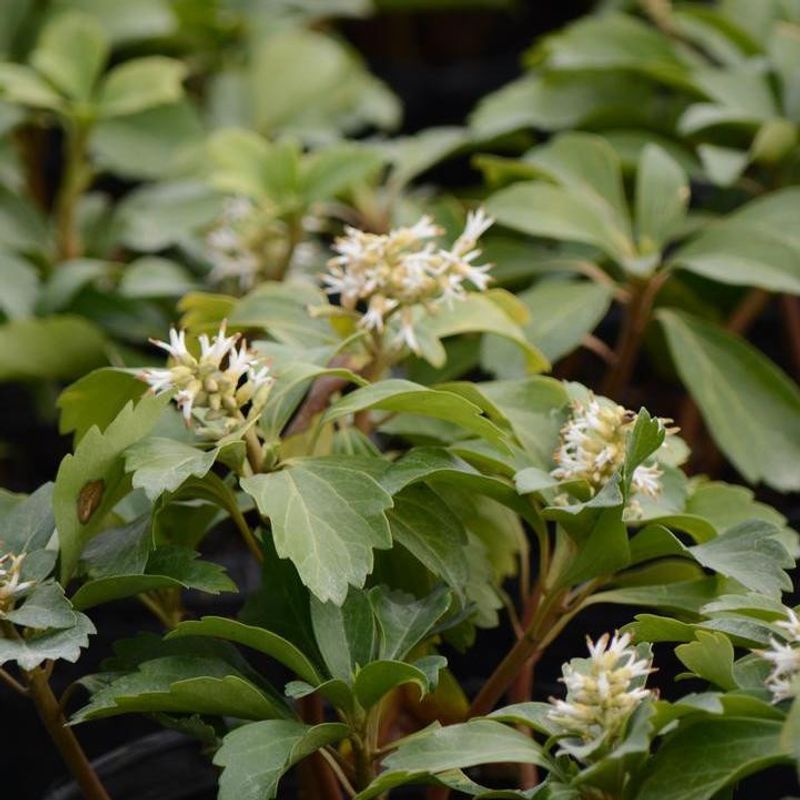
Along shaded slopes at woodland edges in Georgia, Allegheny spurge has a way of looking like it belongs there naturally.
The semi-evergreen leaves are dark green with silvery markings, and in early spring, small white flower spikes rise just above the foliage in a quiet, understated display.
It is a native plant that fits Georgia’s woodland landscapes without demanding attention.
Allegheny spurge grows best in partial to full shade with moist, well-drained, humus-rich soil. It spreads slowly by short rhizomes to form a low mat, typically staying about six to ten inches tall.
That low, spreading habit makes it useful on gentle to moderately sloped shaded beds where you want consistent coverage without a plant that takes over.
New plantings need regular moisture through the first growing season, particularly during Georgia’s hot, dry stretches in summer. Amending heavy clay soil with compost before planting helps roots get established more easily.
Once settled in, Allegheny spurge is fairly self-sufficient and handles humidity well. It pairs nicely with Christmas fern, foamflower, and other native woodland plants in layered shade gardens.
Spacing plants about twelve inches apart allows the rhizomes to spread and fill in over two to three seasons. For shaded woodland slopes, this native spurge offers refined, low-growing coverage that holds up season after season.