The 10 Best Groundcovers To Grow In North Carolina And Why They Deserve More Attention
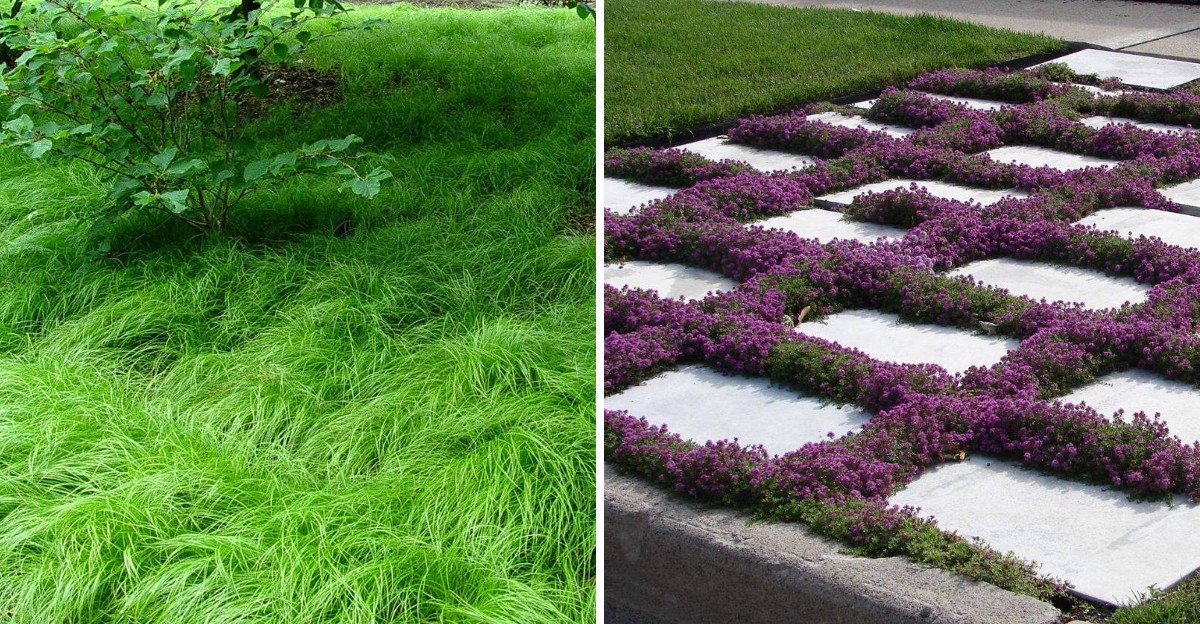
Mulch fades, and bare soil invites weeds. A good groundcover solves both problems and looks better doing it. North Carolina offers a wide range of choices, since its climate runs from mountain cool to coastal warm.
Some groundcovers thrive in deep shade where grass gives up. Others handle hot, dry slopes with ease. Many bloom, and a few stay green all winter.
They also hold soil in place, which helps after heavy rain like the kind Isaias brought. Gardeners often reach for the same two or three, and miss plants that do the job better.
A few spread fast and can become pushy, so choice matters. Ten reliable options deserve a second look. Matching the plant to your spot makes the work easy.
1. Green And Gold Brightens Shade With Yellow Stars
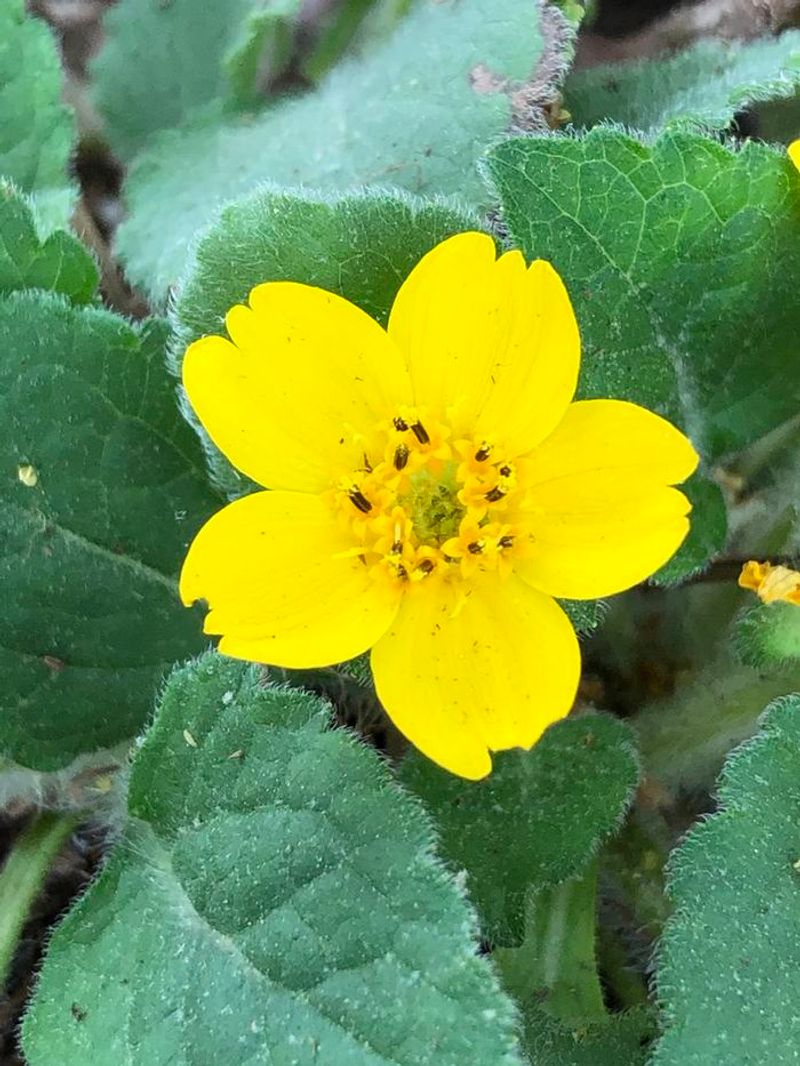
Few plants smile as much as green and gold. Its little yellow flowers, each with five rounded petals, look like stars scattered across a low mat of fuzzy green leaves.
Known to botanists as Chrysogonum virginianum, it grows wild across North Carolina, from mountain coves to Coastal Plain woods.
Spring is when the show really starts. The plant blooms heavily from about March into May, and then it often keeps tossing out a few flowers off and on until fall.
That long season of color is rare for a shade plant, which is one big reason gardeners should give it more love.
In milder parts of the state, the leaves stay mostly evergreen through winter. The plant spreads by short runners and forms a neat carpet, yet it rarely turns pushy. You get coverage without a takeover, so it plays nicely with ferns, hostas, and spring bulbs.
Getting started is simple. Choose a spot with part shade or light sun, ideally where morning light hits and afternoon heat fades. Moist, well-drained soil keeps it happiest, so work a little compost into heavy clay before planting.
Water regularly during the first growing season while the roots settle in. After that, a good soak during dry spells is usually all it asks for. A light mulch of shredded leaves helps hold moisture and mimics the forest floor where it naturally lives.
Since green and gold evolved along woodland edges right here, it already knows how to handle our humid summers and changing winters. Tuck it along a shady path or under tall trees, and it will brighten the space for years.
2. Allegheny Spurge Is A Native Alternative To Pachysandra
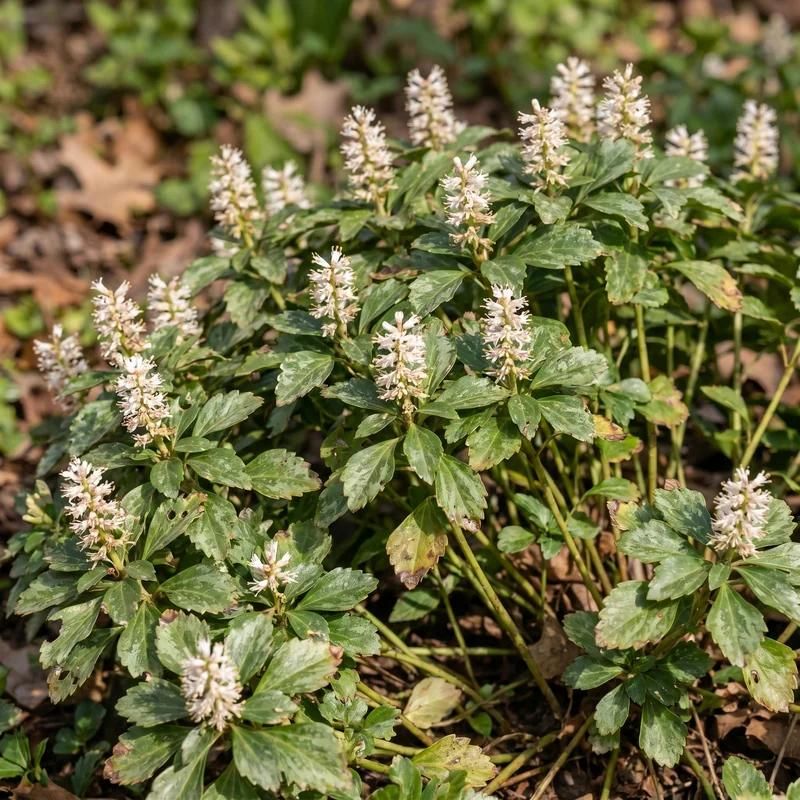
Japanese pachysandra shows up in countless shady yards, but there is a quieter cousin with deep Southern roots. Allegheny spurge, or Pachysandra procumbens, is native to the Southeast and offers that same tidy groundcover look with a lot more charm.
Its leaves are broad and scalloped along the edges, often mottled with soft silver patterns that seem almost hand-painted. In early spring, before the new leaves fully open, fuzzy white flower spikes pop up from the base.
They smell sweet, and early bees are glad to find them. Here is the real selling point. While Japanese pachysandra can spread aggressively and escape into natural areas, Allegheny spurge spreads slowly and is not considered invasive.
Your North Carolina Garden Changes Every Week. Your Plan Should Too.
Gardening in North Carolina changes quickly throughout the season. Every Friday you’ll receive a simple weekly plan showing exactly what to plant, prune, fertilize, harvest, and protect so you never miss the right timing.
You can plant it near woods or streams without worrying about it marching off into the forest.
Shade is its happy place. Plant it in part to full shade, in soil that is rich, moist, and well drained. Leaf mold or compost mixed into the planting hole gives it a strong head start, and a layer of mulch keeps the roots cool.
During dry spells, give it a deep drink, especially in its first couple of years. Patience matters here, because this plant fills in gradually over several seasons. Setting plants about a foot apart helps the carpet come together faster.
Shaded woodland gardens in the Mountains and Piedmont suit it beautifully. In a bed under oaks or beside a north-facing wall, its silvery leaves glow softly, giving you a classy, native look that neighbors will ask about.
3. Christmas Fern Stays Green All Winter
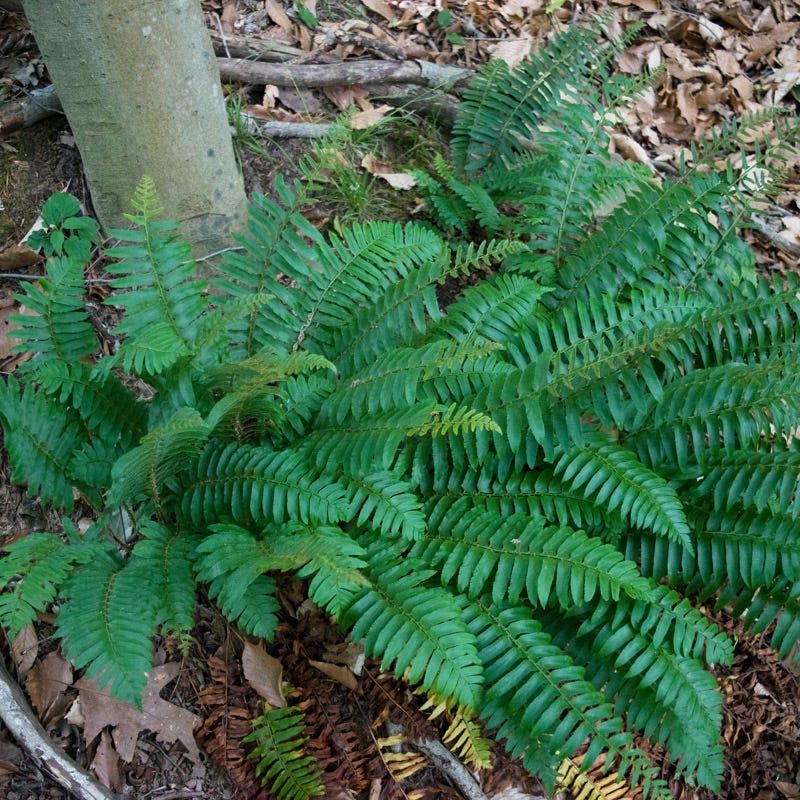
Early settlers noticed this fern still looked fresh and green when December rolled around, and the name stuck.
Some folks also point out that each little leaflet has a tiny bump at its base, shaped like a Christmas stocking or a sleigh. Either way, Christmas fern earns its holiday title.
Polystichum acrostichoides forms neat clumps of leathery, dark green fronds about one to two feet tall. Unlike many ferns that fade away in fall, it holds its color through the cold months.
That gives a shady yard some welcome life when everything else looks brown. What makes it truly special is toughness.
Most ferns want steady moisture, but this one handles dry shade surprisingly well once established. Deer usually leave it alone too, which is a huge relief for many North Carolina gardeners.
Shady slopes, spaces under big trees, and the north side of a house are all great spots. Plant it in part to full shade, then spread shredded leaves around it as mulch. Water during the first season so the roots can settle deep into the soil.
Once a year, in early spring, snip away the old fronds that have flattened onto the ground. New fiddleheads will soon uncurl, covered in silvery fuzz, and they are a joy to watch.
Wild Christmas ferns already grow on wooded hillsides from the Mountains down to the Coastal Plain.
Because they belong here, they shrug off our weather and fit naturally into nearly any shady landscape. Planting a few in a group creates an easy, lasting green blanket.
4. Woodland Stonecrop Is A Succulent For Shade
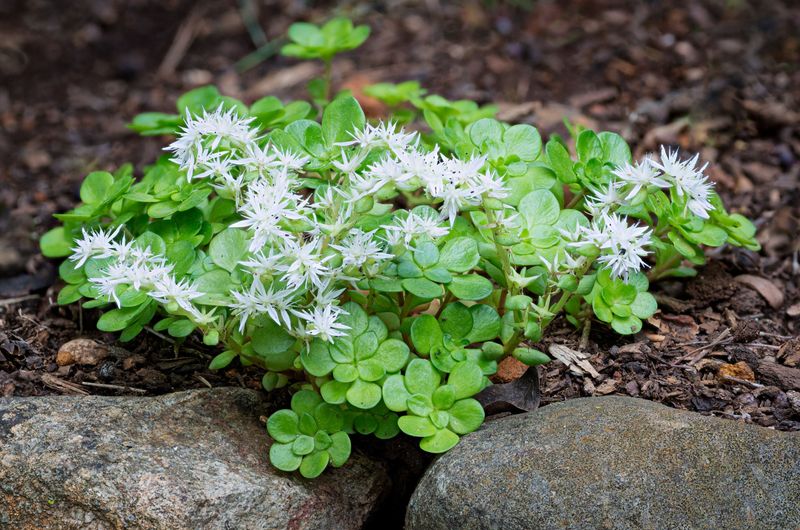
Most people think succulents need hot sun and desert sand. Woodland stonecrop happily breaks that rule. Sedum ternatum is a low, creeping succulent that actually prefers shade, and it grows wild right here in North Carolina.
Its small, rounded leaves grow in little whorls of three, which is where the name ternatum comes from. In spring, the plant covers itself with clusters of tiny white flowers shaped like stars. Against dark rocks or moss, the effect looks like a sprinkle of snow.
Gardeners love it for tricky places. It creeps over boulders, softens the edges of paths, and slips between stepping stones without fuss. Shallow soil on top of rocks does not bother it at all, so it can cover spots where other plants give up.
For best results, plant it in part shade with well-drained soil that holds some organic matter. A bit of compost helps, but soggy ground is a problem, so avoid low spots where water sits. During long dry spells, a drink of water keeps the leaves plump.
Fall brings one small chore. Heavy layers of tree leaves can smother this low plant, so gently rake or blow them off once they pile up. A light dusting is fine, but a thick blanket blocks the light it needs.
Naturally, woodland stonecrop grows on rocky, wooded slopes in the Mountains and Piedmont. If your yard has rock walls, stony banks, or a shady patio, this charming little succulent can turn them into a living tapestry of green.
5. Creeping Phlox Carpets Sunny Slopes In Spring Color
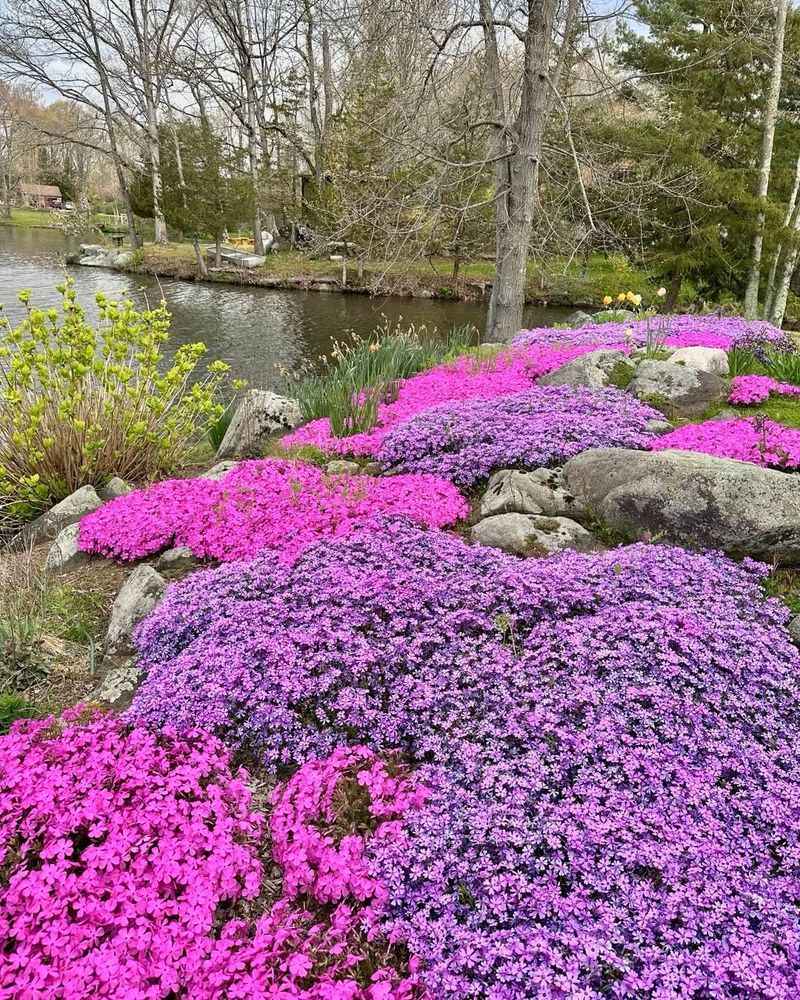
Drive through the Piedmont in early spring and you may spot hillsides glowing in pink or lavender. Chances are good that creeping phlox is behind the show. When it blooms, the flowers pack so tightly that you can barely see a single leaf.
Phlox subulata is a native groundcover with short, needle-like evergreen foliage. Its blooms come in pink, lavender, soft blue, or white, depending on the variety. Mixing a few colors together creates a patchwork quilt effect that stops people in their tracks.
Beauty is only half the story. The plant forms dense mats that help hold soil in place on sunny banks, making it a smart choice for slopes that wash out in heavy rain. It also thrives in rock gardens, along walls, and at the front of sunny borders.
Full sun is a must for heavy flowering. Plant it in well-drained soil, and steer clear of spots where water collects after storms, since soggy roots cause trouble. Water during the first season until it settles in, and after that, it handles dry weather well.
Right after flowering ends, give the plant a light shearing with scissors or hedge clippers. Trimming keeps it dense and tidy, and it may even encourage a few extra blooms later on.
From the Mountains through the Piedmont, creeping phlox feels right at home on slopes and rocky ground.
Butterflies visit its early flowers, and the evergreen foliage looks neat year-round. For a sunny bank that needs both color and grip, few plants do the job better.
6. Heartleaf Ginger Adds Evergreen Texture To Shade
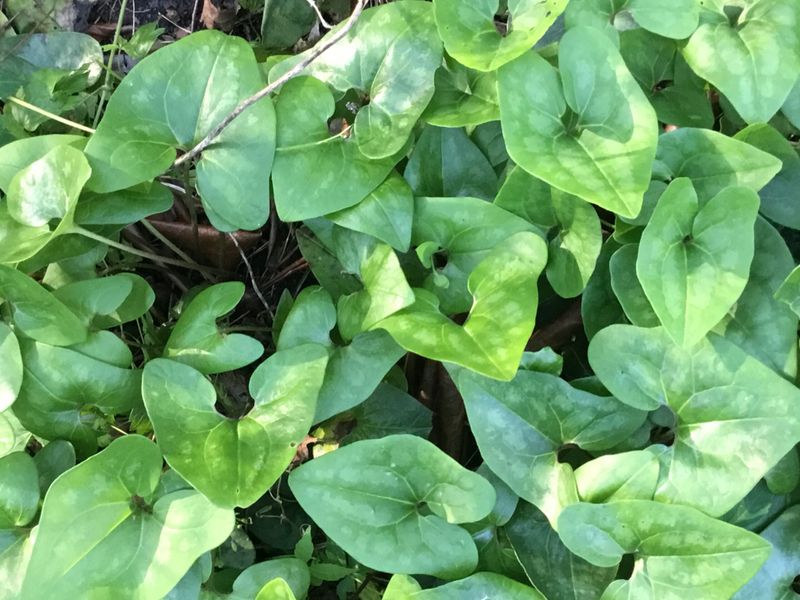
Some plants shout for attention, while others keep a few secrets. Heartleaf ginger belongs in the second group. Hexastylis arifolia is famous among wildflower lovers for its hidden blooms, which most people walk right past.
In spring, small brown flowers shaped like little jugs appear down at the soil line, tucked under the leaves.
Kids sometimes call them little brown jugs, and finding them feels like a treasure hunt. Ants and other crawling insects visit them more than flying pollinators do.
Even without showy flowers, this plant earns its place. The glossy, arrow-shaped leaves stay green all year, and many carry beautiful silver markings.
They add rich texture to shady beds and look especially striking in winter, when the rest of the garden goes quiet.
Despite the name, it is not the ginger used in cooking, though its leaves do give off a spicy scent when crushed. Treat it as an ornamental plant, not a kitchen herb.
Plant heartleaf ginger in part to full shade, in moist, well-drained soil that leans acidic. Rich organic matter helps a lot, so mix in compost or leaf mold before planting. Mulch with shredded leaves, and water during dry spells to keep the foliage looking fresh.
Native woodlands across much of North Carolina are full of this plant, often growing near oaks and pines. Because our acidic soils suit it perfectly, it settles in easily. Pair it with ferns or foamflower for a woodland garden that stays handsome in every season.
7. Pennsylvania Sedge Makes A Soft, Low-Maintenance Carpet
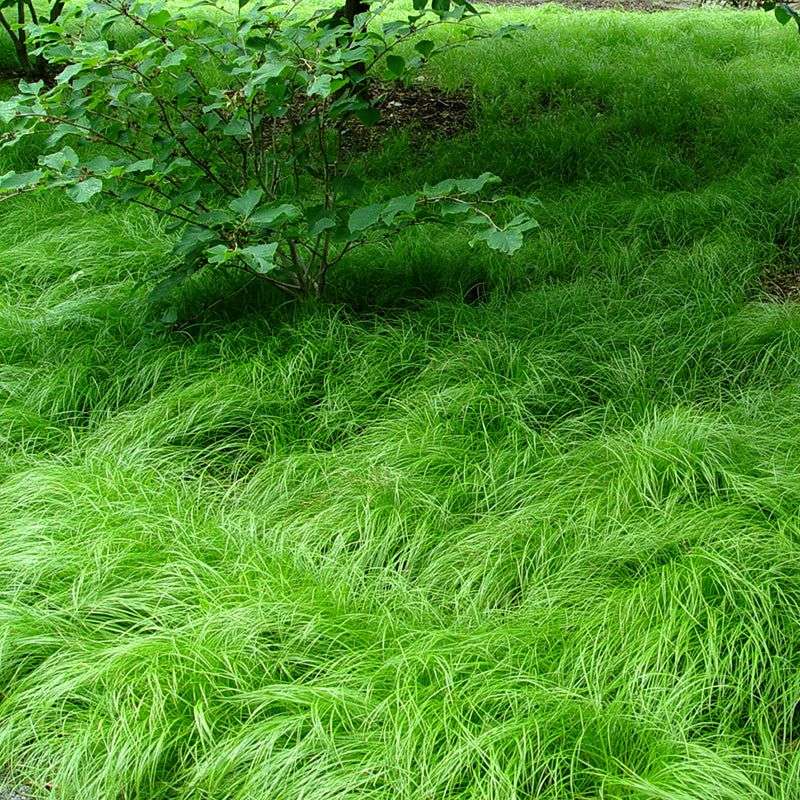
Tired of reseeding grass under your big shade trees every fall? You are not alone. Lawn grass simply struggles in dry shade, and many homeowners fight that losing battle year after year.
Pennsylvania sedge offers a gentler answer. Carex pensylvanica is a native grass-like plant with fine, soft leaves that arch over into a low, flowing mat. Running your hand across it feels a bit like petting a shaggy rug.
Its big strength is handling dry shade under trees, exactly where turf grass gives up. It stays short, often around six to eight inches, so it needs little or no mowing.
In shady spots, it can work as a true lawn alternative, though it prefers light foot traffic rather than daily soccer games.
Plants usually come as small plugs. Set them closely together, around eight to twelve inches apart, so they knit into a carpet sooner. Choose part to full shade and well-drained soil, then water regularly while the roots get established.
Once settled, it needs very little help. For a tidier look, you can trim or mow it once in early spring, setting the mower high. Many gardeners skip that step and enjoy its relaxed, meadow-like flow.
Shady yards in the Mountains and Piedmont are ideal spots for this sedge. It saves water, time, and fuel, and it gives you a soft, green floor beneath your trees. Mixing in spring bulbs or woodland flowers can turn a plain patch into a lovely woodland lawn.
8. Foamflower Brings Frothy Spring Blooms To Shade
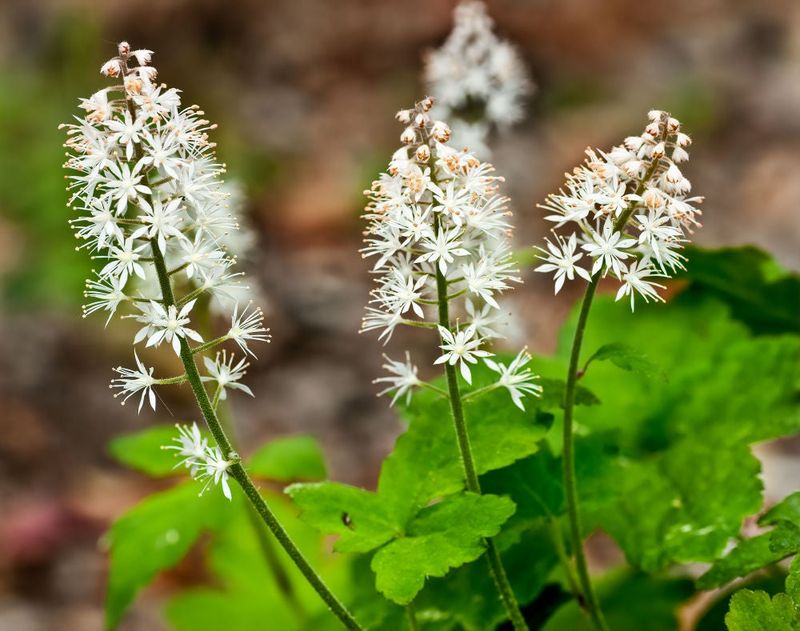
Imagine a shady corner that looks like someone frosted it with sea foam. That is exactly what foamflower does each spring. Tiarella cordifolia sends up fluffy spikes of tiny white to pale pink flowers that seem to float above the leaves.
The foliage is just as lovely. Leaves are shaped like hearts or maple leaves, and some types show dark markings along the veins. When cool weather arrives, many turn bronze or reddish, adding warm color to fall and winter beds.
Both clumping and spreading forms exist. The spreading kinds send out runners, slowly filling the ground under shrubs and trees with a soft green blanket. Gardeners who want coverage should look for those running types at the nursery.
Care is straightforward. Plant foamflower in part to full shade, in soil that is moist, rich, and well drained. Compost mixed in at planting time makes a big difference, especially in heavy clay.
Keep a layer of mulch around the plants to hold in moisture. Water during dry spells, because foamflower does not enjoy drying out. A little attention in summer pays off with fuller plants and better blooms the next spring.
Moist woodlands, especially in the Mountains and Piedmont, are where foamflower grows wild in North Carolina.
Bees and other small pollinators visit its blossoms early in the season. Plant it near a path or bench, where you can enjoy those frothy flowers up close.
9. Partridgeberry Offers Evergreen Leaves And Red Berries
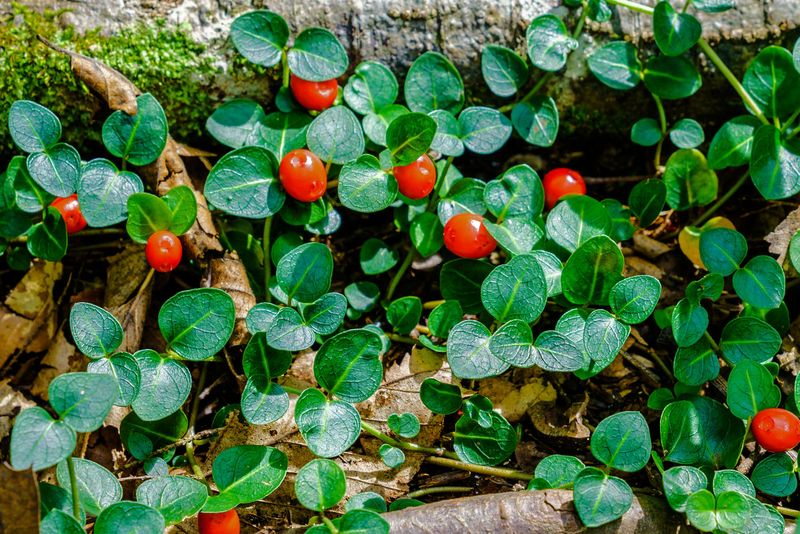
Tiny, tidy, and full of surprises, partridgeberry is the kind of plant you might step over on a forest walk without noticing. Look closer, though, and you will find small, round evergreen leaves, often with a pale line down the middle, trailing along the ground.
Mitchella repens has a neat trick. Its white, fragrant flowers bloom in pairs in early summer, and the two flowers share one ovary. As a result, each bright red berry carries two small dimples, marking where both blossoms joined together.
Those berries often hang on well into winter. They add cheerful spots of red when the garden needs color most, and birds, turkeys, and other wildlife snack on them. For a backyard nature lover, that is a sweet bonus.
The plant stays very low, usually just an inch or two tall, so it never looks messy. It works well along shady paths, around stepping stones, or tucked beneath shrubs.
Give partridgeberry part to full shade, in moist, acidic, well-drained soil. A mulch of shredded leaves helps it feel at home, just like its natural forest floor. Water when the weather turns dry, especially in the first year.
Patience is key, since it spreads slowly. Planting several small plants close together speeds things along.
Because it grows naturally in forests throughout North Carolina, from the Mountains to the coast, it adapts easily to our acidic soils. Give it time, and you will have a charming little carpet that sparkles with red each winter.
10. Creeping Thyme Covers Sunny, Dry Spots
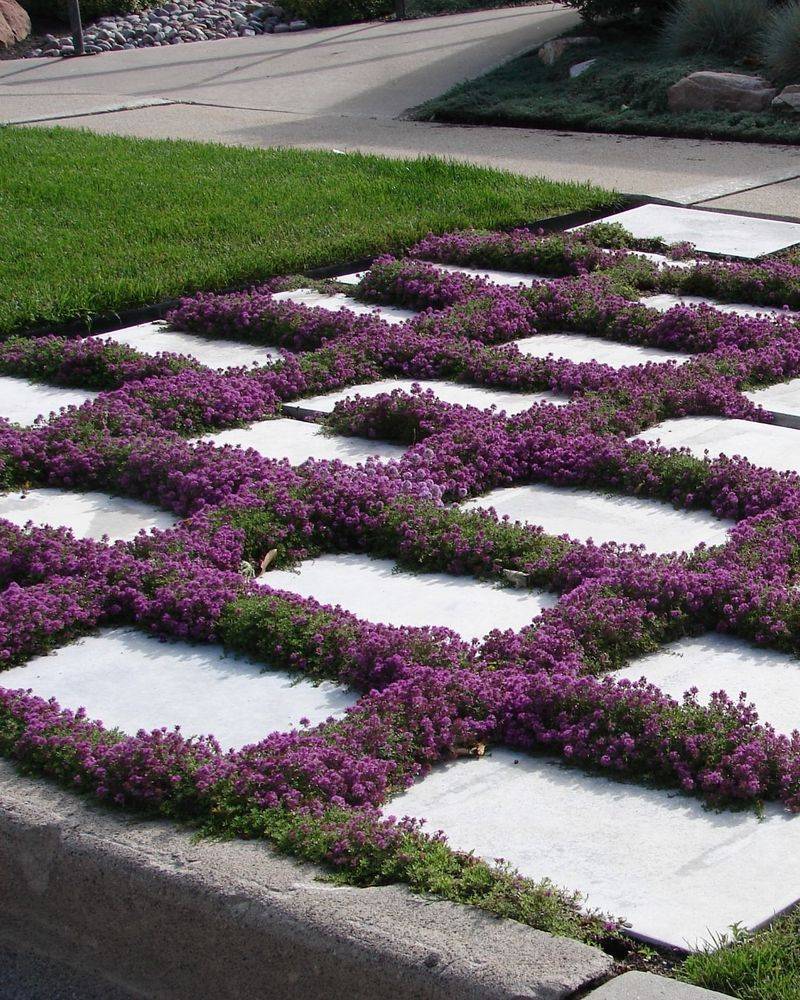
Step on creeping thyme and the air fills with a warm, herbal scent. That fragrance alone makes it a favorite for paths and patios. It also happens to solve one of the toughest problems in any yard: hot, dry, sunny ground.
Creeping thyme, including Thymus serpyllum and other low-growing thymes, forms flat mats of tiny leaves. In late spring and early summer, it bursts into small flowers in pink, purple, or white. Bees adore those blooms, so expect plenty of buzzing visitors.
Plenty of groundcovers struggle in baking sun and poor soil, but thyme thrives there. It handles light foot traffic, which makes it perfect between stepping stones. Each gentle step releases more of that lovely smell.
The trick is keeping things lean. Plant it in full sun, in soil that drains very well, such as a sandy or gravelly mix. Skip the fertilizer and rich compost, because too much food makes it floppy and weak.
Once established, water only during long dry spells. After flowering, trim it lightly to keep the mat dense and neat.
Here is where North Carolina gardeners need a small strategy. Our sticky summer humidity can cause trouble for thyme in flat, heavy clay.
Raised beds, rocky areas, slopes, and spots between pavers drain faster and dry out quicker, helping it stay healthy.
Choose the right spot, and creeping thyme rewards you with a fragrant, flowering carpet. You can even snip a few sprigs for cooking, since it is a true thyme.