Moles Can Leave Fresh Tunnels In Georgia Lawns After Heavy Rain
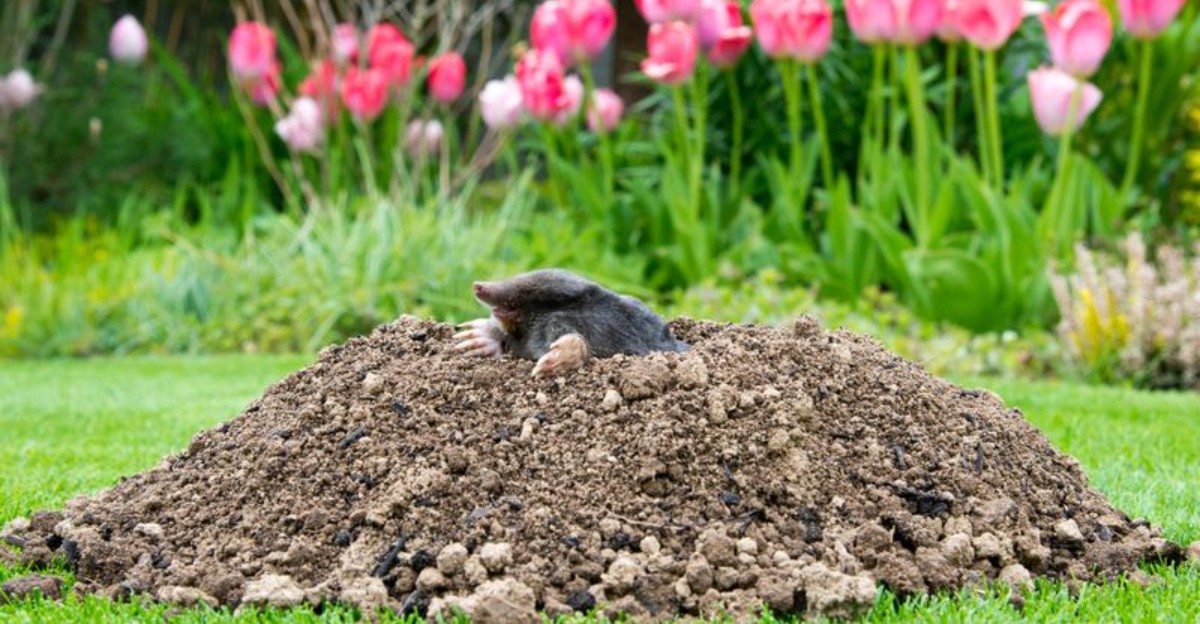
Stepping on the lawn after a downpour and feeling the ground sink under your shoe often signals a mole.
Heavy rain softens the soil, which makes digging much easier for an animal that spends nearly its whole life underground.
Earthworms also move closer to the surface when the ground stays wet. Moles follow that food, pushing shallow feeding tunnels just under the grass.
Lawns across Georgia can show a sudden burst of new ridges after a stormy week, even if moles were there all along.
Many of these shallow runs are temporary feeding paths the mole may never revisit. Focus your effort on deeper travel tunnels, since those are the ones moles use every day.
Knowing which tunnels are active can save you from chasing every bump in the yard.
1. Soft, Moist Soil Makes Digging Easier Right After A Storm
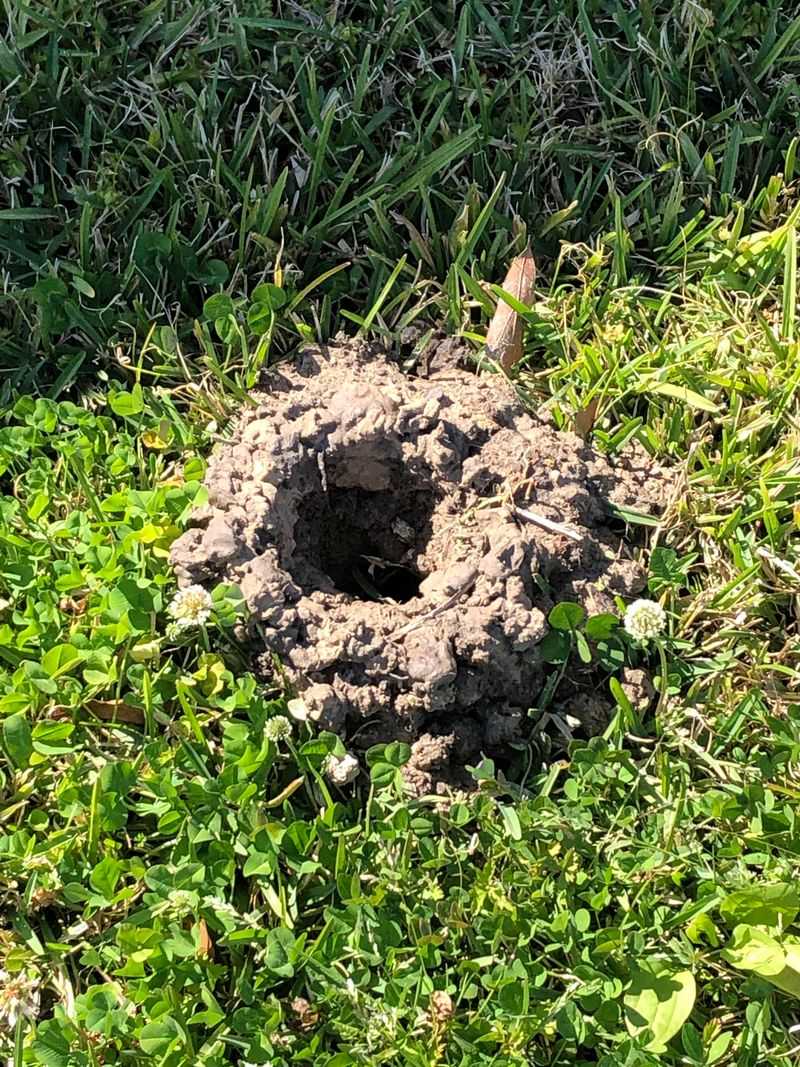
Wet dirt gives way. After a heavy rain soaks the ground, moles can push through soil that felt firm and stubborn only a day earlier.
Georgia clay is a good example of how much moisture matters, since dry red clay can bake hard in summer heat.
Once rain loosens the top layer, moles have an easier time shoving soil aside with their broad front feet. That is one reason fresh ridges seem to appear almost overnight after a storm.
Sandy soils in the Coastal Plain drain faster, so the effect there may be shorter or less dramatic.
Timing also plays a role in what you notice. Moles are active through much of the year, but spring and fall often bring steady moisture and mild soil temperatures that suit surface digging.
Long dry spells can push moles deeper, where the soil stays cooler and damper.
So when a drought finally breaks, it is fairly common to see a burst of new activity near the surface. The moles did not suddenly arrive, since they may have been working deeper the whole time.
A practical step is to walk your lawn a day or two after rain and note where ridges show up first. Those spots can point to areas moles favor, which helps if you decide on trapping or other control later.
2. Earthworms And Other Soil Creatures Draw Moles Toward Food
Hunger drives nearly every tunnel. Moles eat a lot for their size, and earthworms make up a big share of their meals.
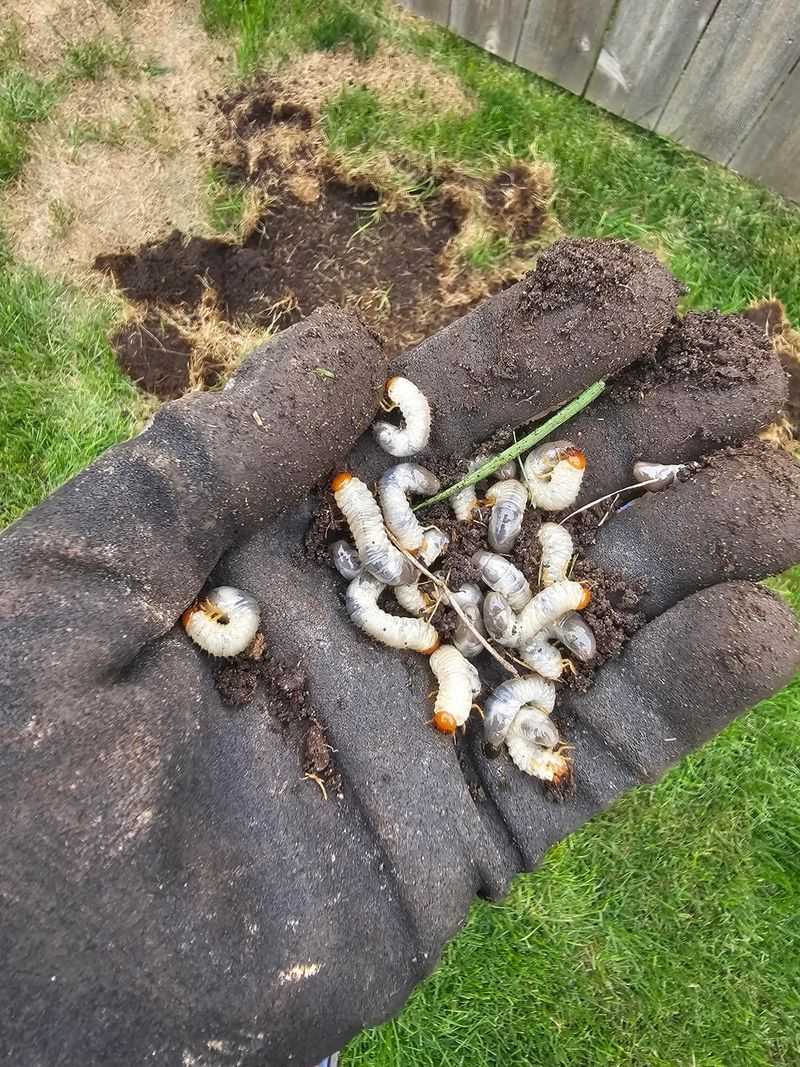
Grubs, beetle larvae, ants, and other small soil creatures are also on the menu.
Heavy rain can bring earthworms closer to the surface, especially when deeper soil becomes waterlogged. Moles may follow that food upward, which helps explain the shallow ridges you spot afterward.
Healthy, well-watered lawns often support plenty of earthworms, so tunnels are not a sign your yard is in poor shape.
Some homeowners treat for grubs hoping to drive moles away. University Extension sources, including those serving Georgia, note that this approach often falls short because worms remain a major food source even after grubs are reduced.
Grub treatment makes sense only if you actually find a damaging grub problem.
Your Georgia Garden Changes Every Week. Your Plan Should Too.
Gardening in Georgia changes quickly throughout the season. Every Friday you’ll receive a simple weekly plan showing exactly what to plant, prune, fertilize, harvest, and protect so you never miss the right timing.
To check, cut a small square of turf and peel it back a few inches deep. If you see several white, C-shaped grubs in one spot, a local Extension office can help you judge whether treatment is worthwhile.
Earthworms themselves are a plus for your soil, since they help air and water move through it.
Accepting some mole activity may be easier than trying to remove every food source underground.
3. Shallow Feeding Tunnels Differ From Deeper Travel Routes
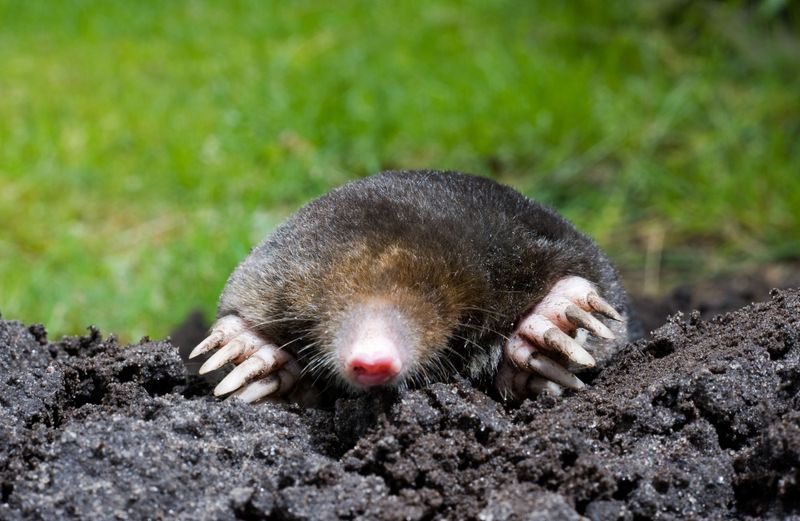
Not all tunnels are equal. Some are quick feeding runs dug just below the grass, while others are deeper paths moles use again and again.
Feeding tunnels tend to wander in twisting, random patterns across open turf.
Travel routes usually run straighter and often follow edges like fences, sidewalks, driveways, or flower bed borders. They may connect nesting areas to good feeding grounds and can stay in use for a long time.
Telling the two apart matters if you plan to use traps.
A simple test can help. Press down a short section of ridge with your foot, mark it with a small flag, and check back over the next day or two to see if it gets raised again.
Repeated lifting suggests an active runway, which is where traps tend to work best.
In many Georgia yards, these active paths run along shaded edges where soil stays moist. Deeper tunnels may sit several inches down or more and leave little visible trace on the surface.
Patience pays off here. Spending a few days watching activity often gives you a clearer picture than reacting to every new ridge the morning after a storm.
4. Volcano-Shaped Mounds Come From Soil Pushed Up From Below
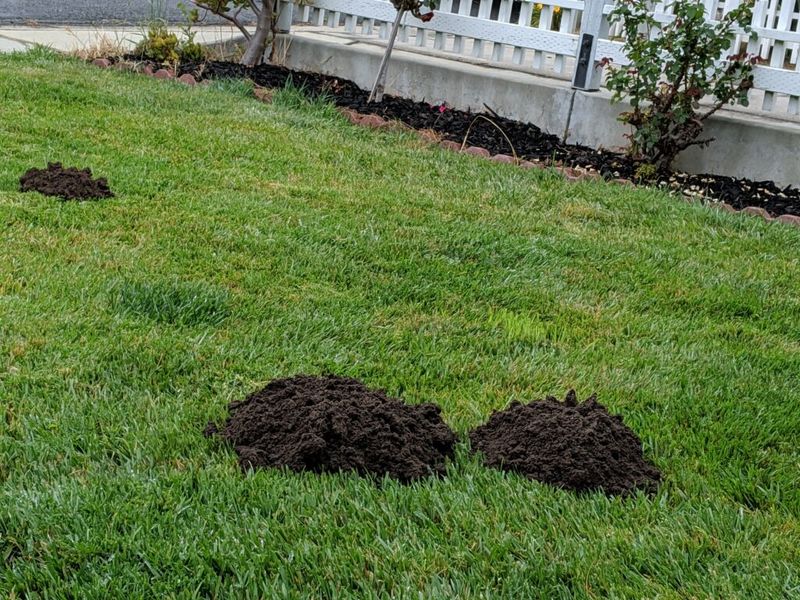
Picture a tiny volcano of loose dirt in the middle of your grass. Moles build these mounds when they dig deeper tunnels and need somewhere to dump the extra soil.
They shove that soil up through a vertical shaft until it piles on the surface.
Mole mounds are often rounded or cone-shaped, and you usually will not see an open hole in the center. The shaft below tends to be plugged with soil.
Pocket gophers make crescent-shaped mounds with a plug off to one side, but they are not typically found across most of Georgia.
Voles are another story, since they leave small open holes and surface runways rather than big mounds. Mixing up these animals can lead to the wrong control method.
Mounds can pop up more after wet weather because moist soil packs and lifts easily. Still, deep digging happens through much of the year, so mounds alone do not prove rain was the trigger.
Rake mounds flat instead of leaving them to smother the grass underneath.
Spread the loose soil thinly over nearby turf, which can actually help fill low spots. If bare patches remain, light reseeding or patching during the right growing season for your grass type may help them fill in.
5. Many Surface Ridges Get Used Once And Then Abandoned
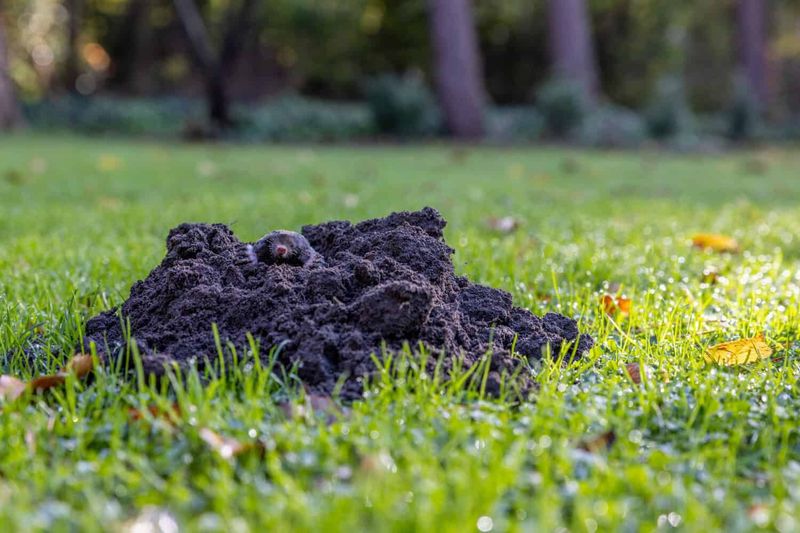
Here is some relief for worried homeowners. A large share of the ridges you see after rain may never be used again.
Moles often dig shallow feeding tunnels while searching an area, then move on once the food runs thin.
That means a yard covered in ridges does not always mean you have a crowd of moles. Eastern moles tend to live alone outside of breeding season, and one animal can dig a surprising amount of tunnel in a short time.
Extension specialists often point out that only a few moles may be responsible for damage across a typical yard.
So how do you know which ridges still matter? Go back to the step-down test, and flatten small sections in several spots across the lawn.
Ridges that stay flat for a few days are likely abandoned.
Those are good candidates for simple repair, since nothing is coming back to lift them. Ridges that rise again deserve your attention if you plan to set traps.
Georgia homeowners may see this cycle repeat after each wet spell during the cooler months. Keeping notes or snapping a quick phone photo can help you track whether activity is growing, shrinking, or simply shifting around.
6. Lifted Turf Over Tunnels Can Dry Out And Brown
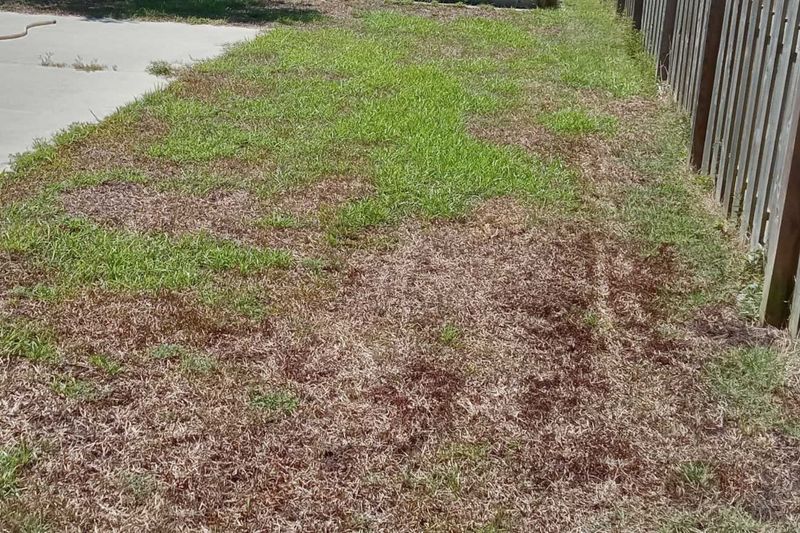
Brown stripes across green grass can look alarming. Often, the real issue is not the mole chewing roots but the air gap left below the turf.
Moles mainly eat insects and worms rather than grass, so root feeding is not usually the problem.
When a ridge lifts the sod, roots lose good contact with the soil underneath. They then have a harder time pulling up water, especially once hot sun returns after the storm passes.
Warm, dry, breezy days can speed up the browning.
In Georgia, summer heat can stress lifted turf within days if rain does not follow. Warm-season grasses like bermudagrass, zoysia, centipede, and St. Augustine may recover once roots reconnect, though results depend on how long the turf stayed lifted.
Keep in mind that brown patches have many possible causes, including fungal disease, drought, insects, or mower damage. Check whether the browning follows a raised line before blaming moles.
Gently press on the spot and feel for a hollow, spongy layer under the grass.
If you find one, act soon rather than waiting. Firming the turf back down and watering lightly can give roots a better chance, while leaving the lift in place tends to let the damage spread.
7. Pressing Raised Ridges Down Helps Restore Contact With The Soil

Your feet might be the best lawn tool you own. Stepping firmly along a raised ridge pushes turf back against the soil so roots can reconnect.
It costs nothing and takes only a few minutes.
Wait until the ground is moist but not soggy. Pressing saturated soil right after a downpour can compact it, which may make drainage and root growth harder later on.
A day or so after heavy rain is often a good window, though your soil type will change the timing.
For larger areas, a lightweight lawn roller can speed things up. Avoid heavy rolling across the whole yard, since that can squeeze too much air out of clay soils common in many parts of Georgia.
Water lightly after pressing if the weather turns dry.
That moisture helps roots settle back in and can reduce browning. Watch the spot for several days to see whether the grass greens up or the ridge gets lifted again.
A ridge that keeps rising points to an active tunnel. At that stage, trapping in the active runway is the method many Extension specialists consider most reliable, and checking local rules first is a smart move before you begin.