Stop Pruning Florida Azaleas In October, Or You’ll Cut Off Spring’s Blooms
Azalea hedges that grew lanky over the summer can look ragged next to a freshly mowed lawn.
Shaping them now feels like good timing, especially with cooler weather making yard work more pleasant. For these shrubs, though, October is one of the riskiest times to cut.
Next spring’s flower buds formed weeks ago and are already sitting at the tips of the branches.
In Florida, many homeowners trim azaleas in fall and then wonder why the shrubs barely bloom in March. The leaves come back thick, but the color they were waiting for never shows up.
Waiting until right after flowering gives the plant time to set a fresh round of buds.
Peek at the end of a branch, and you can often spot those plump buds already in place.
1. Swollen Buds At The Branch Tips Are Already Packed With Flowers
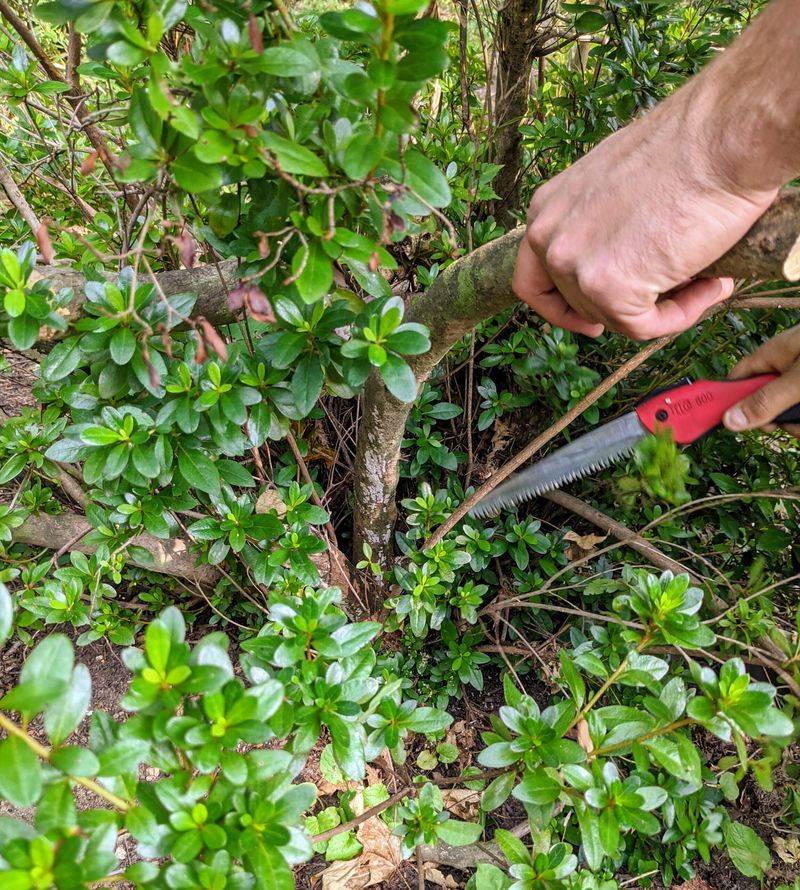
Look closely at an azalea branch this month and you may spot something easy to miss. Plump, rounded buds sit right at the tips, a bit fatter than the thin leaf buds farther down the stem.
Those fat buds hold next spring’s flowers, already formed and waiting.
Azaleas typically set their flower buds during summer and into early fall, after the spring bloom ends. By October, much of that work is finished, so the shrub is mostly resting on what it has built.
Shearing the outer layer now removes the exact spots where flowers would open.
Gardeners in Florida sometimes notice a hedge that looks neat in winter but blooms thinly in spring. Fall trimming is a common reason, though stress, heavy shade, or drought can also reduce flowering.
Try a quick check before you cut anything at all. Gently compare a tip bud with a side bud, and the difference in size usually tells the story.
A stray branch poking into a walkway can still be snipped if it truly needs to go. Just know that you will lose any blooms on that piece, so keep those cuts few and targeted.
Leaving the rest of the shrub alone until after flowering protects the bulk of your spring color.
2. Southern Indica Types Common Here Bloom On Last Season’s Growth
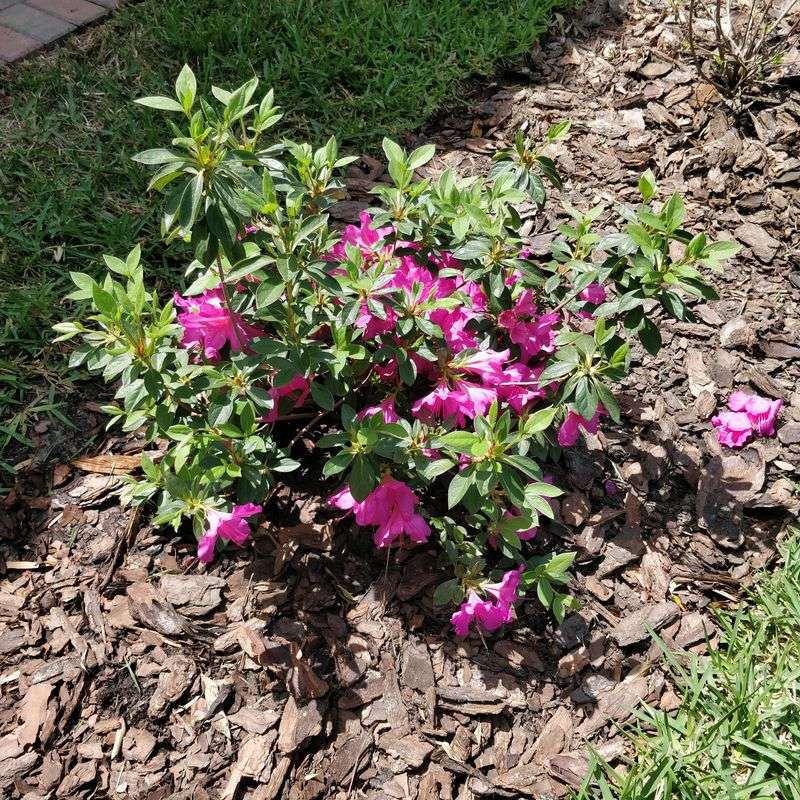
Big, mounded azaleas lining older neighborhoods are often Southern Indica types. Varieties like Formosa and George Tabor are classic picks across much of the state.
Their spring flowers open on wood that grew during the previous season.
That growth pattern matters when you pick up pruners. Stems that pushed out in early summer are the same stems now carrying buds, so cutting them in fall removes blooms you would have enjoyed in a few months.
Indicas are vigorous and can get quite large, sometimes taller than a person.
That size tempts people to cut them back hard whenever they look crowded. A better plan is to wait until flowering is done, then shape the shrub while new growth still has time to mature.
Bloom time varies across Florida, with flowers often appearing from late winter into early spring. Northern areas usually bloom a little later than central parts of the state, depending on the year.
Your Florida Garden Changes Every Week. Your Plan Should Too.
Gardening in Florida changes quickly throughout the season. Every Friday you’ll receive a simple weekly plan showing exactly what to plant, prune, fertilize, harvest, and protect so you never miss the right timing.
Indicas tend to do best in North and Central regions.
South Florida’s warmer winters and alkaline soils can make azaleas harder to grow there. If yours struggle in the south, soil pH and site choice may be playing a bigger role than pruning habits.
A soil test through your county Extension office can help clear things up.
3. Post-Bloom Trimming In Late Spring Keeps Future Buds Safe
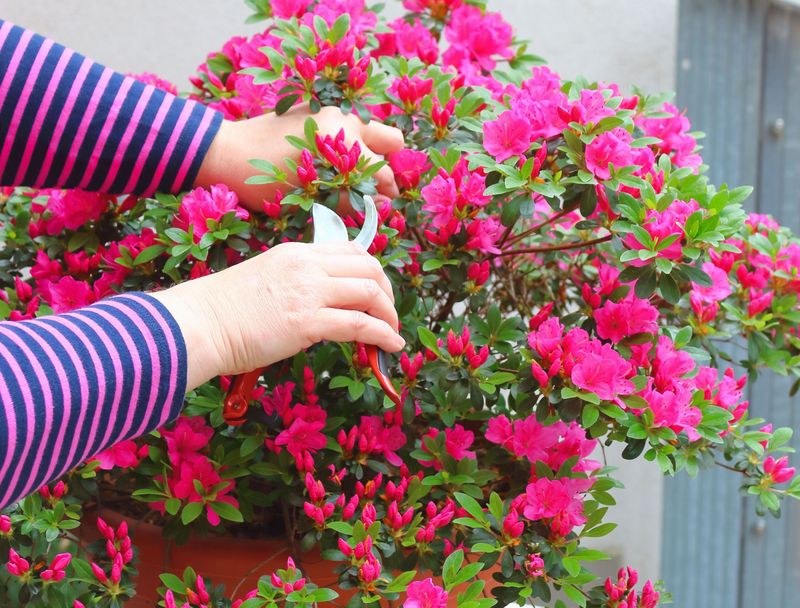
Timing beats technique when it comes to azalea pruning. Cut soon after the last flowers fade, and the shrub gets a full growing season to make new buds.
UF/IFAS Extension generally suggests finishing azalea pruning by early summer.
Late spring into early summer offers that sweet spot in most of Florida. New shoots push out after trimming, harden over the warm months, and then form flower buds before fall arrives.
Wait too long, and you start cutting into the buds that are already forming.
Hand pruners usually work better than electric shears for these shrubs. Selective cuts just above a leaf or side branch encourage fuller growth without leaving a flat, boxy surface.
Thinning a few older stems at the base can open up a crowded plant.
Light shaping is often all a healthy azalea needs each year. Heavy cutting can be done for badly overgrown shrubs, but expect fewer flowers the following spring while the plant recovers.
Sanitize blades between plants if you notice disease, and remove clippings so they do not pile up under the shrub. A tidy job in late spring sets you up for an easy fall with nothing urgent to cut.
4. Encore Varieties Flowering Now Still Need A Gentle Hand
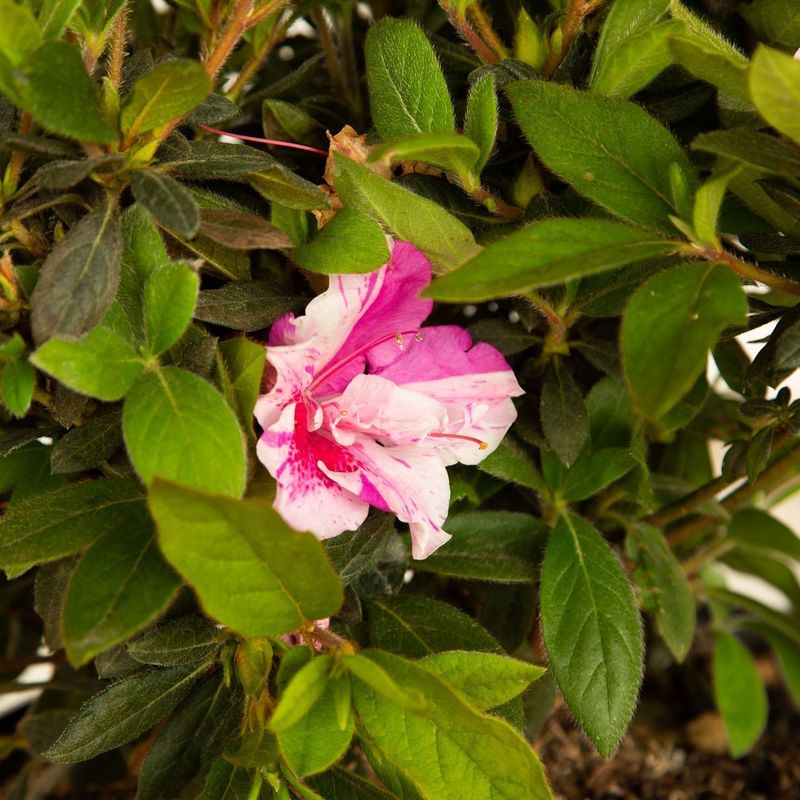
Spotting fresh azalea flowers in October can feel like a pleasant surprise. Reblooming types, such as the Encore series, often flower in spring and again from late summer into fall.
Those fall flowers do not mean the shrub is ready for a haircut.
Rebloomers set buds on a different rhythm than older types, and timing can vary by variety and growing conditions. Pruning while they are blooming or budding simply removes flowers you could be enjoying now or soon.
Most Encore growers recommend pruning right after the spring bloom.
That window gives the shrub time to grow and build buds for the next round. Light tip pinching then is usually enough, since many Encores stay fairly compact on their own.
Gardeners around Florida enjoy these shrubs for that extra season of color. Results depend on sunlight, though, and rebloomers kept in deep shade may flower less than expected.
Faded fall flowers can be left alone without harming the plant.
If a branch is broken or clearly unhealthy, cut it back to healthy wood whenever you notice it. Otherwise, admire the show and save shaping for spring.
A patient approach tends to keep these shrubs fuller and more reliable from year to year.
5. Stippled, Pale Leaves This Time Of Year Often Mean Lace Bugs
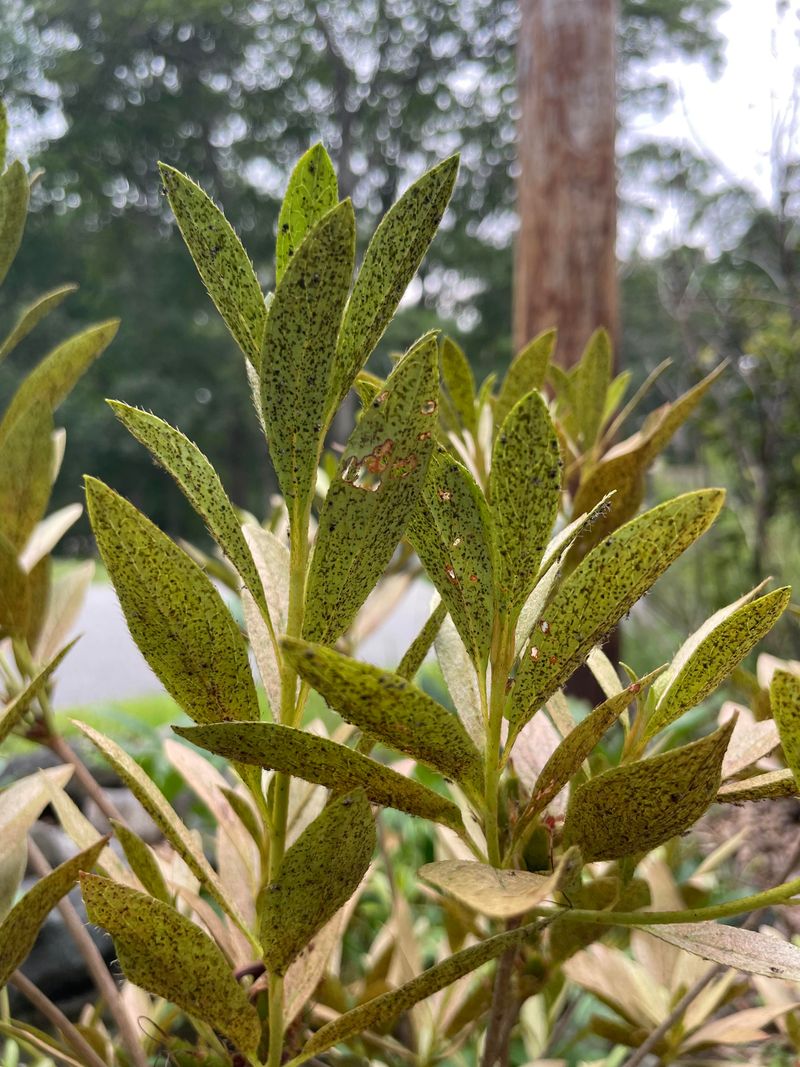
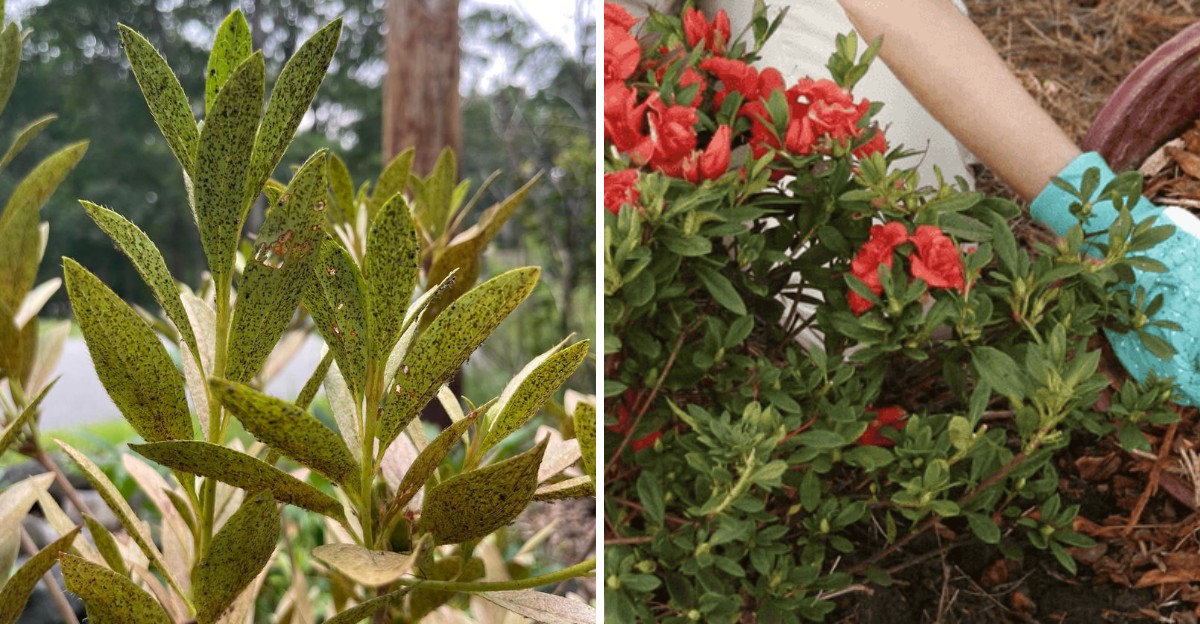
Faded, speckled leaves can make a healthy azalea look tired fast. Lace bugs are a frequent cause, especially on shrubs planted in sunny, hot spots.
Flip a leaf over before blaming anything else.
Lace bugs feed on the underside, so look there for tiny insects with clear, lacy wings. Small dark, shiny specks of excrement are another common clue that they have been busy.
Damage shows on top as pale or whitish dots that can merge together.
Spider mites cause somewhat similar speckling, and drought stress or nutrient issues can also dull foliage. Checking closely helps you avoid treating a problem you do not actually have.
Activity can continue through warm stretches of fall in Florida, since mild weather lets pests keep feeding. Populations vary a lot by site and season, so regular checks matter more than any calendar.
Light infestations often respond to insecticidal soap or horticultural oil.
Spray the leaf undersides and follow label directions closely, avoiding hot midday sun. Repeat checks a week or two later, since one round may not reach every insect.
Old stippled leaves will not turn green again, so judge success by clean new growth. Shrubs given some afternoon shade often have fewer lace bug troubles over time.
6. Steady Moisture Matters As The Drier Months Arrive
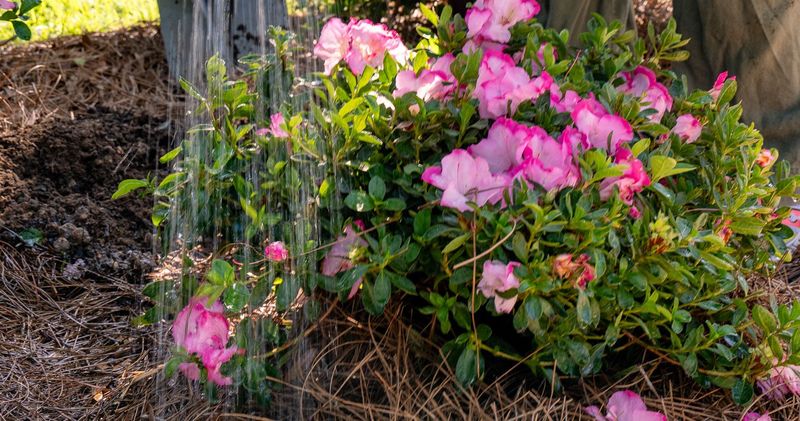
Rainy season fades, and suddenly the garden hose matters again. Across much of Florida, the summer rains taper off in fall, and the months ahead are often drier.
Azaleas notice that shift quickly.
Their roots grow close to the surface, so the top few inches of soil can dry out before deeper layers do. Sandy soils make that drying even faster, while heavier soils may hold water a little longer.
Bud development continues in the shrub even when you cannot see much change.
Extended dry spells during fall and winter may stress plants and can lead to weaker flowering or bud drop. Weather varies year to year, though, so watch the soil instead of following a strict schedule.
Push a finger into the soil near the base of the plant. If it feels dry an inch or two down, give the shrub a deep, slow drink.
Soaker hoses and drip lines put water right where roots need it.
Watering early in the day helps leaves dry quickly, which may reduce disease problems. Overwatering carries its own risks, so avoid keeping the soil soggy.
Check your local watering rules too, since many areas set specific days for irrigation.
7. Pine Straw Mulch Helps Keep Shallow Roots Cool And Moist
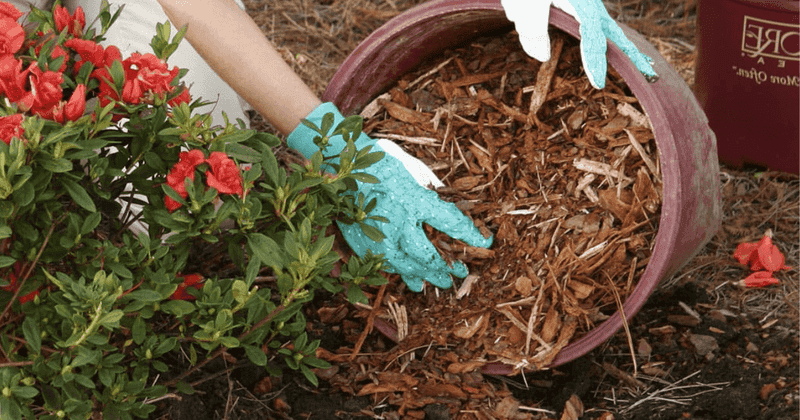
Golden pine straw around a row of azaleas is a classic Southern look for good reason. Beyond looking tidy, it shields fragile surface roots from heat and drying winds.
A layer roughly two to three inches deep is a common recommendation.
Pine straw stays loose, so rain and irrigation water pass through it easily. It also breaks down slowly, which means you will not need to replace it constantly.
Some people believe it makes soil much more acidic, but the effect is usually small.
Soil pH depends far more on your native soil and water source than on mulch alone. Still, the steady moisture and cooler soil it provides help azaleas cope with Florida conditions.
Keep mulch pulled back a few inches from the main stems.
Piling it against the trunk holds moisture there and may encourage rot or pests. Spread it out toward the drip line instead, where most feeder roots are found.
Fall is a handy time to top off thin areas as older straw settles. Pine bark and other organic mulches can work well too, so use what suits your yard and budget.
Fresh mulch now means calmer roots heading into the drier months.