Your Drought-Stressed Virginia Trees Are Running Out Of Time Before Winter Hits, Here’s What To Do
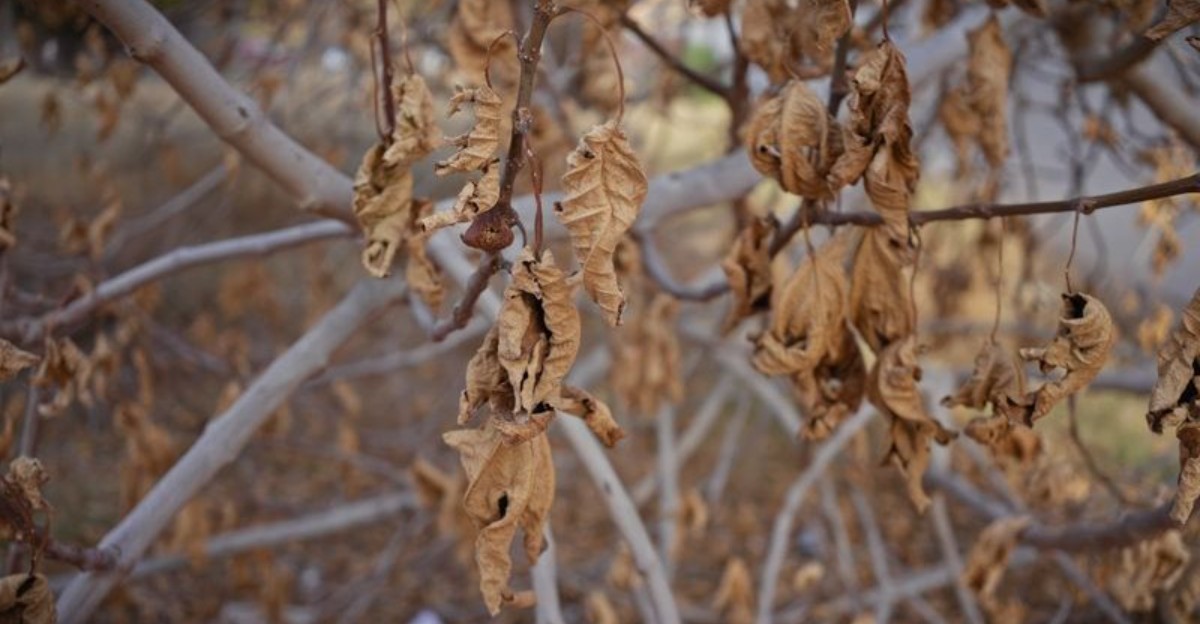
Your oak may look fine from the porch, but its roots could be sipping dust right now. After months of dry weather, plenty of Virginia trees are heading toward winter thirsty and worn out.
Crunchy leaves and cracked soil are easy to spot, yet the real trouble hides underground. Even recent heavy rain may not have reached the roots that need it most.
Trees keep needing water long after the air turns crisp. Once the ground freezes, roots lose their chance to drink until spring.
That leaves a short window to help, and it’s closing fast. The fixes are simple, cheap, and surprisingly satisfying.
One Big Rain Won’t Refill Soil That’s Been Dry For Months
Picture pouring a glass of water onto a brick. Most of it slides right off, and dry soil acts much the same way.
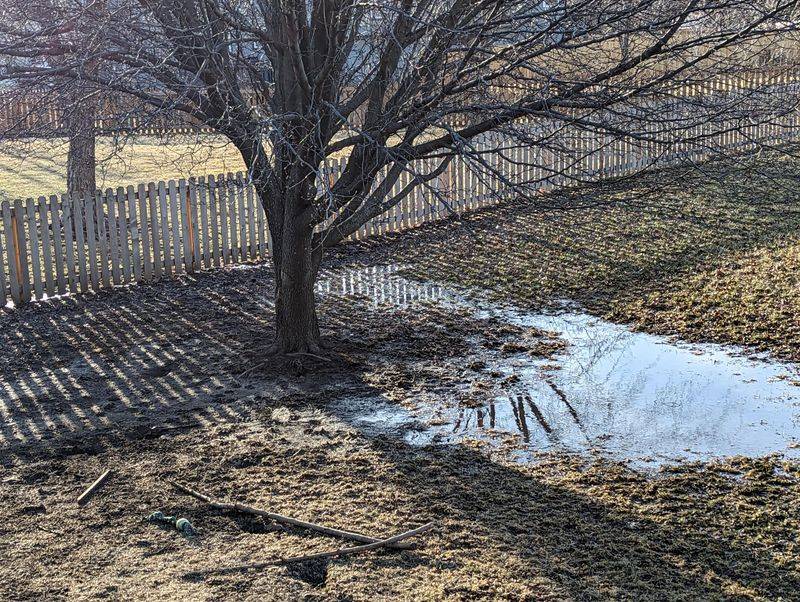
After months without steady rain, the ground gets hard and crusty. A sudden storm often runs across the surface instead of soaking in.
Virginia clay soil makes the problem even worse. Clay packs down tightly when dry, so water struggles to push through it.
You might see puddles after a downpour and feel relieved. Sadly, those puddles often mean water is sitting on top, not sinking toward roots.
Tree roots that do most of the drinking sit several inches below the surface. A one-inch storm may only wet the top inch or two of baked ground.
Fast rain also flows downhill into gutters and storm drains. Your tree barely gets a sip before the water heads somewhere else.
Here is a helpful way to think about it. Soil works like a sponge that must be damp before it absorbs well.
Gentle, repeated watering softens the ground so later rain can actually sink in. Light watering a day before a forecast storm can help the rain soak deeper.
Try this simple test after the next big rain. Dig a small hole with a trowel and see how far down the soil feels wet.
Many people are shocked by what they find. Bone-dry dirt just a few inches down tells you the trees still need your help.
Deep Watering Before The Ground Freezes Is The One Thing They Need
Bare branches can fool you into thinking a tree is asleep and needs nothing. Underneath, the roots are still busy and still thirsty.
Roots keep growing in fall as long as the soil stays above freezing. They need moisture to stay healthy through the cold months ahead.
Once the ground freezes solid, water cannot move into those roots. Whatever moisture the tree stores now has to last until spring.
Moist soil offers another bonus that many gardeners miss. Damp ground holds heat better than dry ground, helping protect roots from harsh frost.
Dry soil, on the other hand, lets cold air sink deep. Roots in that crumbly soil can suffer real injury during a cold snap.
So how much is enough? A good rule is about 10 gallons of water per inch of trunk width, measured at knee height.
Your Virginia Garden Changes Every Week. Your Plan Should Too.
Gardening in Virginia changes quickly throughout the season. Every Friday you’ll receive a simple weekly plan showing exactly what to plant, prune, fertilize, harvest, and protect so you never miss the right timing.
Aim to water every week or two until the ground freezes. In much of Virginia, that window often runs into late November or even December.
Pick a mild day when temperatures sit above 40 degrees. Midday watering gives the water time to soak in before nighttime chills arrive.
Disconnect your hose after each session, though. A frozen hose can crack, and a frozen spigot can turn into a costly plumbing repair.
Think of fall watering as packing a lunch for a long trip. Your trees will carry that moisture straight through the winter months.
Check Moisture 6 Inches Down, Not Just At The Surface
Ever tapped the dirt, felt it damp, and called it good? That top layer can be a sneaky little liar.
Morning dew or a short shower can wet the surface for a few hours. Meanwhile, the soil several inches down may still be powder dry.
Tree roots live much deeper than grass roots. They need moisture in the zone between about 6 and 18 inches down.
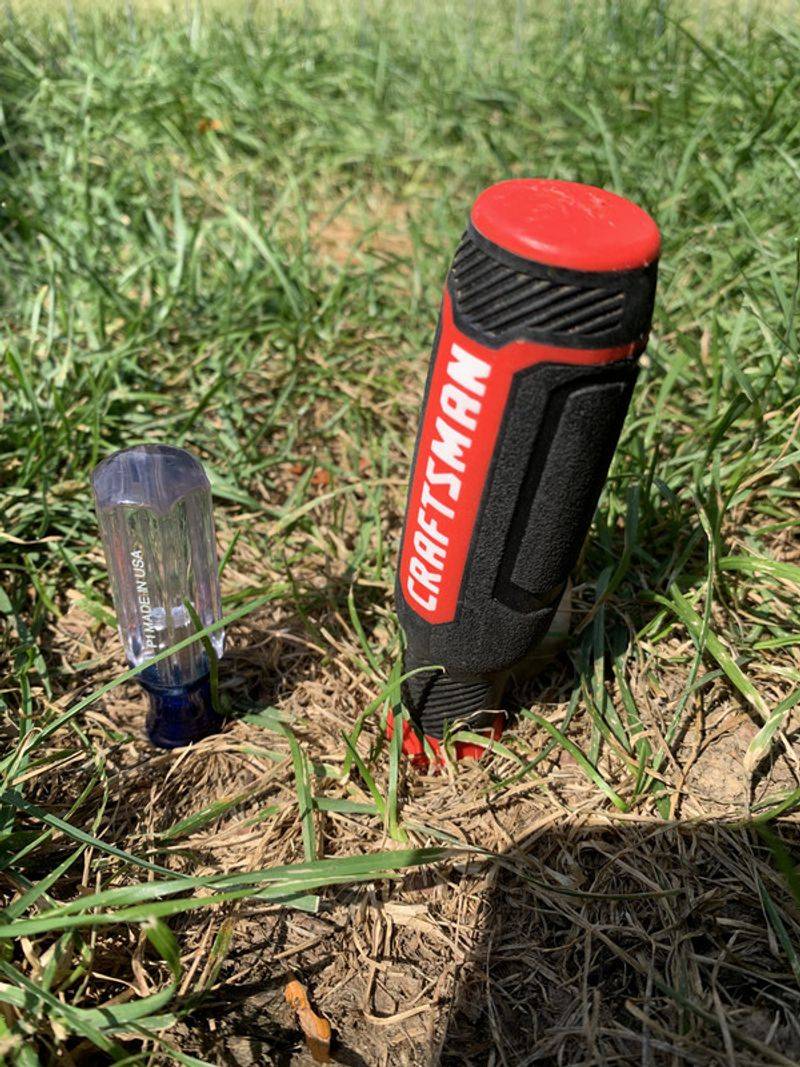
Luckily, you do not need fancy tools to check. A long screwdriver or a thin metal rod works surprisingly well.
Push the tool straight into the ground near the tree. If it slides in easily and comes out cool and damp, the soil is in decent shape.
Struggling to push it in is a strong clue. Hard, resistant ground usually means the soil is dry and needs a slow soak.
Test several spots around the tree, not just one. Soil near the trunk can differ a lot from soil out by the branch tips.
A cheap soil moisture meter offers another option. Many cost less than a pizza and give a quick reading in seconds.
Here is a fun bonus tip. Check again a day after watering to see how deep the moisture traveled.
Over time, you will learn how your yard behaves. Sandy spots drain fast, while clay patches may stay wet longer than you expect.
Water Slowly All The Way Out To The Drip Line
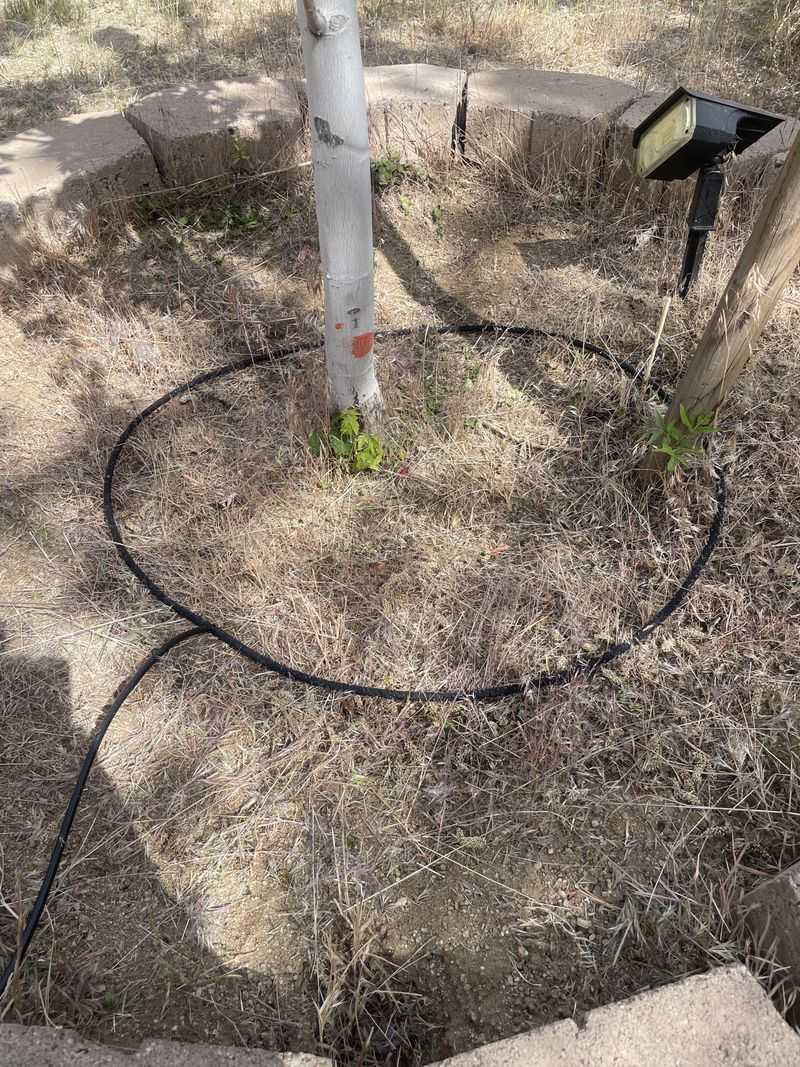
Stand under your tree and look up at the tips of the longest branches. Now imagine a circle on the ground right below them.
Arborists call that circle the drip line. Rain naturally falls off the canopy there, and many feeder roots gather nearby.
Feeder roots are tiny, hairlike roots that grab water and nutrients. Most people water right at the trunk, missing these busy little workers.
The trunk area mostly holds thick, woody roots. Those big roots anchor the tree but do very little drinking.
Spread your watering across the whole area under the canopy. Focus extra attention on the zone near the drip line and slightly beyond it.
Speed matters just as much as location. A fast blast from a hose runs off before it soaks into the ground.
Soaker hoses are a gardener’s best friend for this job. Coil one in a spiral under the canopy and let it seep for an hour or two.
No soaker hose? Set a regular hose to a slow trickle and move it to a new spot every 20 minutes.
Five-gallon buckets with small holes drilled in the bottom also work nicely. Fill them, set them around the drip line, and let gravity do the rest.
Slow, deep watering trains roots to grow downward. Deeper roots handle future dry spells far better than shallow ones.
Evergreens Should Be First In Line For Water
Here is a quirky fact about pines and hollies. They keep losing water through their needles and leaves all winter long.
Deciduous trees drop their leaves and slow way down. Evergreens stay green and keep breathing out moisture, even on frosty days.
Dry winter winds make matters worse. Breezy, sunny days pull water from foliage faster than frozen roots can replace it.
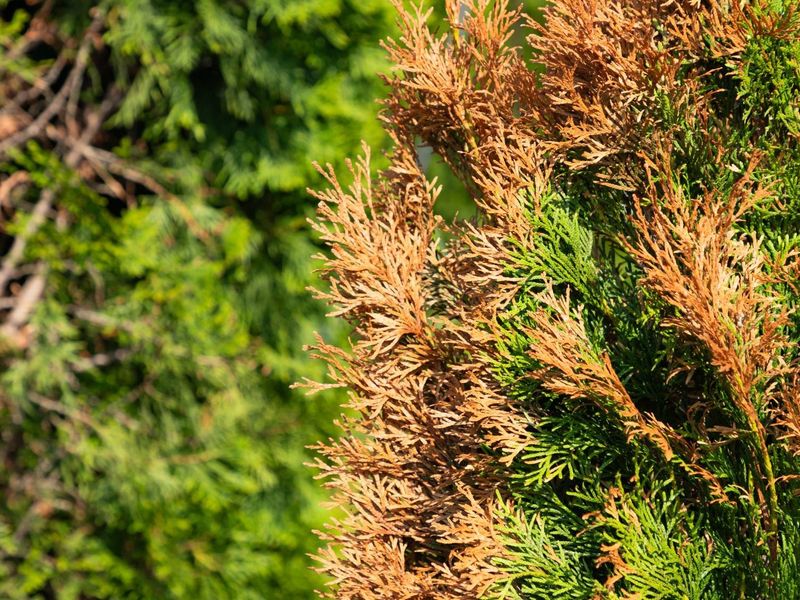
The result is something called winter burn. Needles turn brown or rusty, usually on the side facing the wind or sun.
Arborvitae, hemlocks, boxwoods, and white pines often show this damage. Hollies and rhododendrons can also suffer during dry winters.
So if your water supply or time is limited, start here. Give evergreens a deep soak before the ground freezes hard.
Keep an eye on the weather during mild winter spells. A thaw in January offers a chance to water again if the soil is dry.
Plants along driveways and sidewalks need special care. Road salt and reflected heat can dry them out even faster.
Some people spray anti-desiccant products on broadleaf evergreens. These waxy coatings may slow moisture loss, though water in the soil matters most.
A little attention now saves you from staring at brown hedges in March. Your evergreens provide winter color, so keep them looking lively.
Trees Planted In The Last 3 Years Are Most At Risk
Remember the excitement of planting that young redbud or maple? That little tree is still learning how to fend for itself.
New trees spend their first few years building roots. Until those roots spread out, they reach only a small patch of soil.
Nursery trees also lose much of their root system during digging. It often takes about one year per inch of trunk width to fully recover.
With such limited roots, young trees dry out quickly. A drought that barely bothers an old oak can seriously stress a newcomer.
Plan on roughly 15 gallons per week for a new tree during dry spells. Split that into one or two slow, deep soakings.
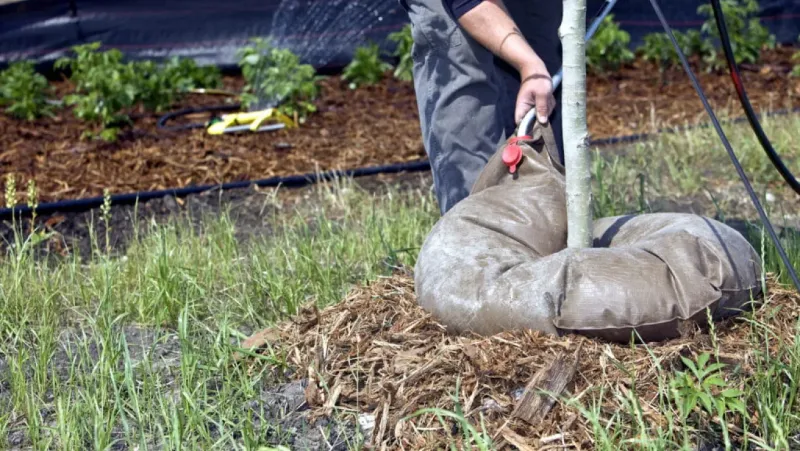
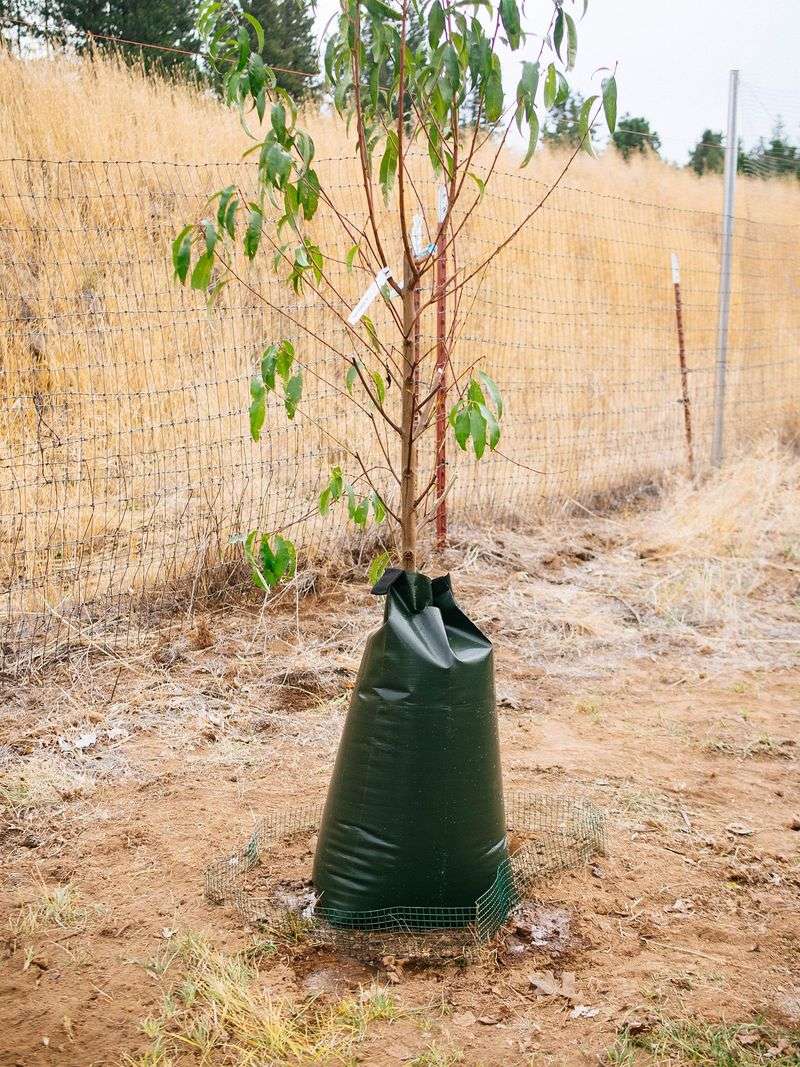
Tree watering bags make this job almost effortless. Zip one around the trunk, fill it up, and it drips slowly over several hours.
Focus water right over the original root ball first. Then expand slightly outward to encourage roots to explore new soil.
Watch for curled, crispy leaves or early leaf drop. Those signs often mean your young tree is begging for a drink.
Many Virginia homeowners plant trees in fall, which is smart timing. Just keep watering until the ground freezes to help them settle in.
A few extra minutes each week protects your investment. That small tree could someday shade your whole house.
Dogwoods And Redbuds Feel Drought Faster Than Most
Few sights say spring in Virginia like a flowering dogwood. It is even the official state tree and state flower.
Redbuds join the show with bright pink blooms on bare branches. Both trees bring joy, but both have a weak spot.
Dogwood roots stay close to the surface, and young redbuds struggle too when grass hogs the water. Top layers of soil dry out first, so these trees feel drought sooner than most.
In the wild, dogwoods and redbuds often grow under taller trees. Shade and leaf litter keep their roots cool and damp.
Out in a sunny lawn, life gets much harder for them. Hot summers and dry falls leave their shallow roots gasping.
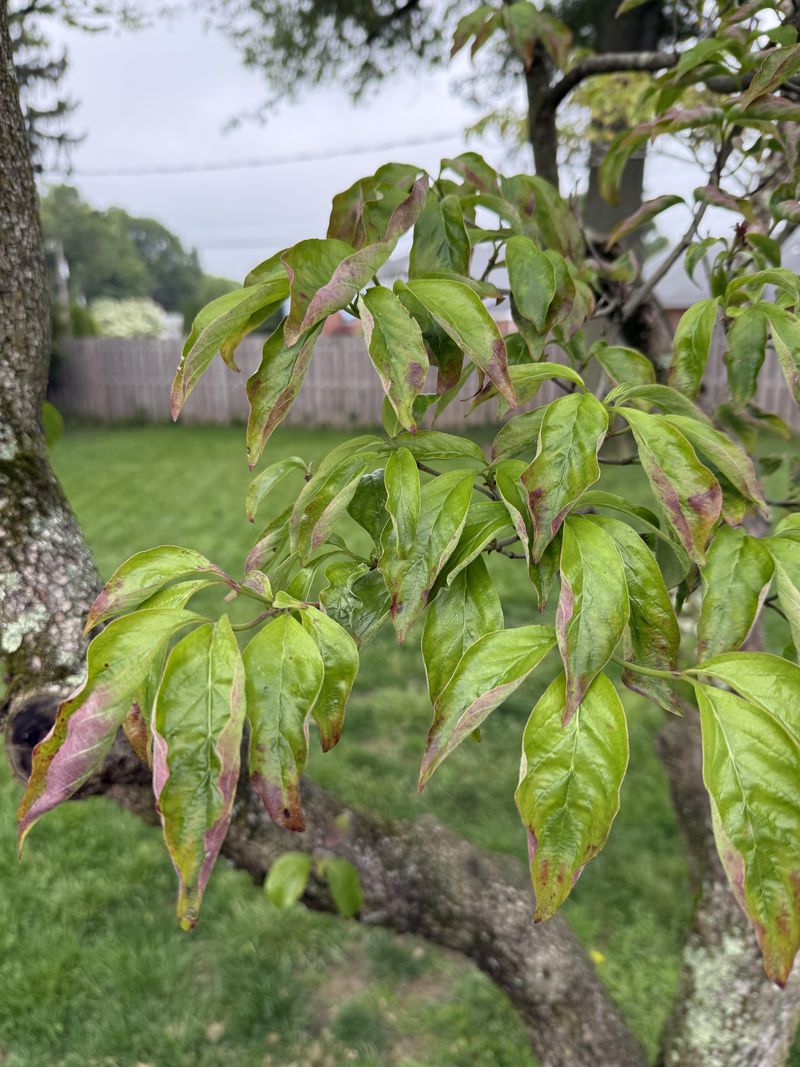
Look for leaves that curl, droop, or turn brown at the edges. Early fall color can also signal drought stress.
Water these trees more often than deep-rooted oaks or tulip poplars. A slow soak every week during dry spells works well.
Grass competes hard for that shallow moisture. Removing turf under the canopy and replacing it with mulch gives roots more breathing room.
Stressed dogwoods are more prone to problems like anthracnose and borers. Healthy, well-watered trees resist these troubles much better.
Keep the lawn mower and string trimmer far from the trunk. Thin bark wounds easily, and damage invites pests and disease.
A Ring Of Mulch Locks Moisture In (Just Skip The Volcano)
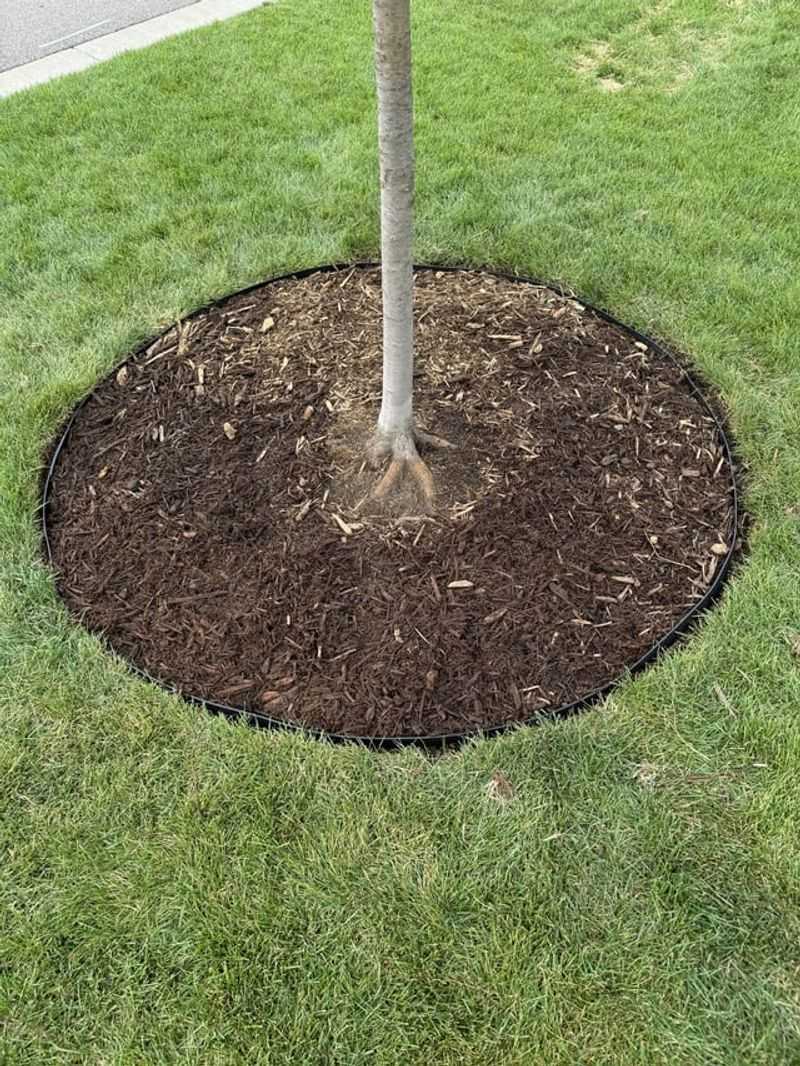
Drive through almost any neighborhood and you will spot them. Tall cones of mulch piled against tree trunks like little volcanoes.
They may look tidy, but they cause real harm. Mulch pressed against bark traps moisture and invites rot, insects, and disease.
Done right, though, mulch works like a cozy blanket. It slows evaporation, keeps soil temperatures steady, and blocks thirsty weeds.
Spread a layer about 2 to 4 inches deep. Shredded hardwood, pine bark, or wood chips all work well.
Shape the mulch like a flat donut, not a cone. Leave a gap of several inches between the mulch and the trunk.
You should see the root flare clearly. That is the spot where the trunk widens as it meets the ground.
Go wide rather than deep. A ring reaching three feet or more from the trunk beats a thick pile any day.
Here is a money-saving tip. Many tree services give away fresh wood chips for free, and some towns offer free mulch too.
Already have a volcano in your yard? Gently pull the mulch back with a rake until the trunk base is exposed.
Fall leaves make great mulch as well. Shred them with a mower and spread them under your trees for a free moisture boost.
Hold Off On Fertilizer For Stressed Trees
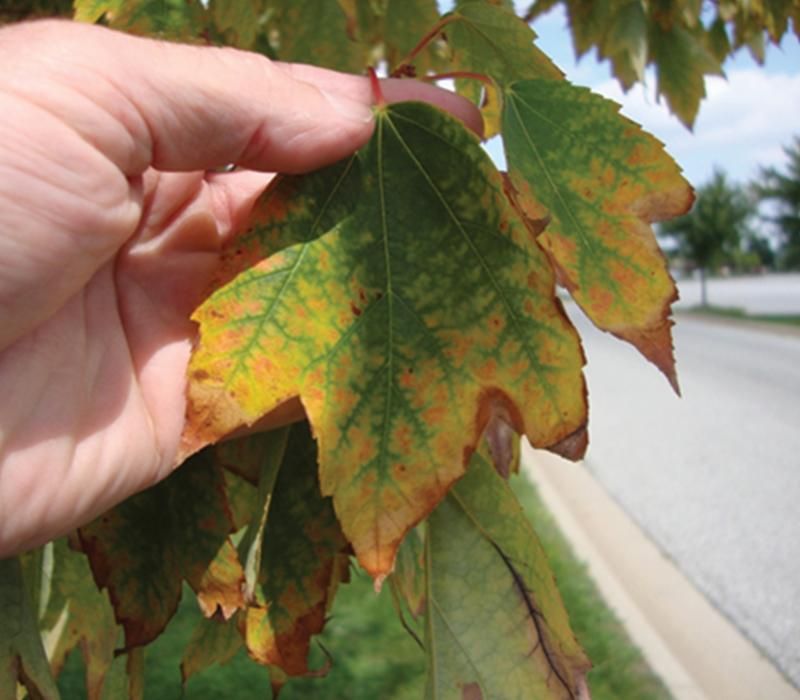
When a tree looks tired, feeding it seems like the kind thing to do. In this case, kindness can backfire.
Most fertilizers contain salts. Those salts can actually pull water away from roots that are already struggling to drink.
Picture eating a bag of salty chips when you are already thirsty. Fertilizer does something similar to a parched tree.
Fertilizer also pushes trees to grow new shoots and leaves. Fresh growth needs even more water, which a stressed tree cannot spare.
Late-season growth brings another problem. Tender new shoots have no time to harden before winter, so frost can easily damage them.
Water is the real medicine here. Focus on deep, slow watering to rehydrate the root zone first.
Healthy trees in natural settings rarely need much fertilizer anyway. Falling leaves and decaying mulch feed the soil over time.
Wondering whether your soil lacks nutrients? A soil test can tell you, and Virginia Cooperative Extension offers affordable kits.
Once your tree recovers and gets regular moisture, you can revisit feeding. Spring is usually a better time, based on what the soil test shows.
Skip the weed-and-feed lawn products near tree roots too. Those blends add fertilizer and herbicides that stressed trees do not need.
Drought Damage May Not Show Up Until Spring
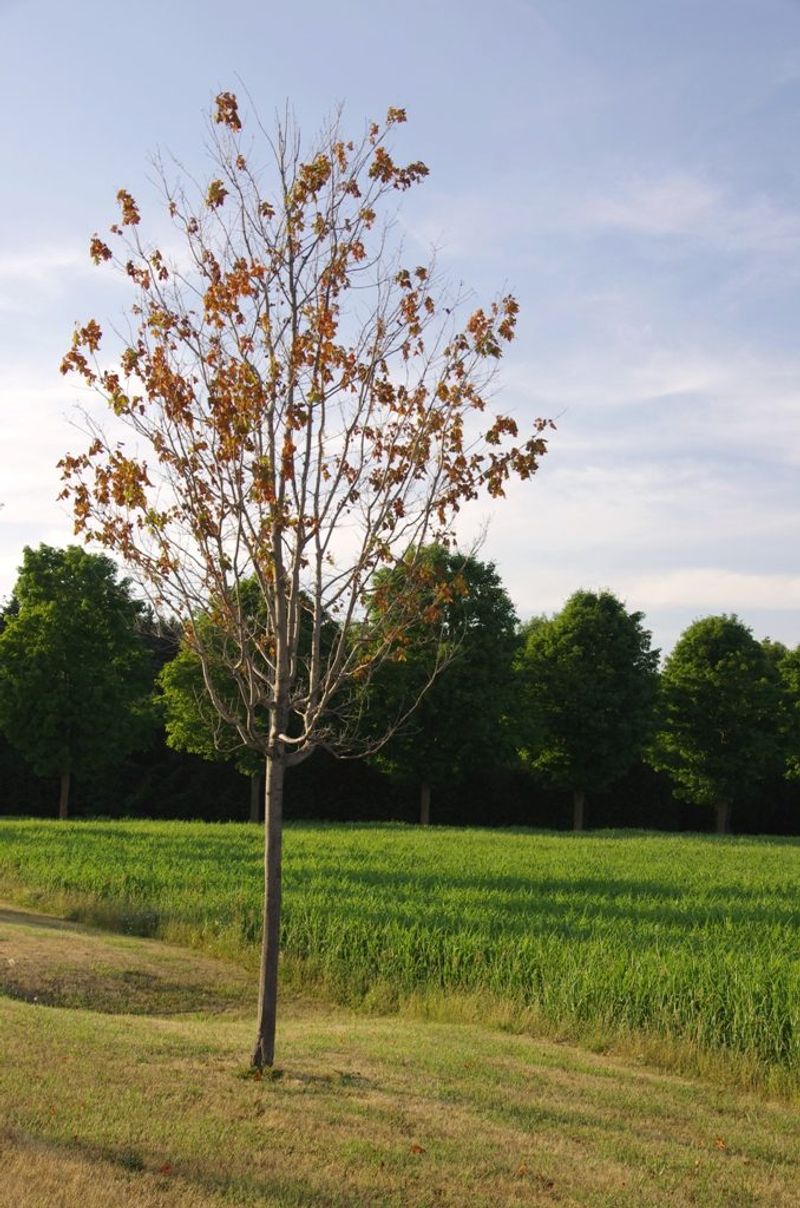
Trees are patient storytellers. The drought you see today may not show up in their branches for months.
A stressed tree can look perfectly normal heading into winter. Then spring arrives, and the damage finally starts to appear.
Watch for leaves that come out small, pale, or late. Thin patches in the canopy can also be a warning sign.
Branch tips that fail to leaf out are another clue. This kind of decline often starts at the top and outer edges of the crown.
Some trees even push out leaves normally, then decline later in summer. Stored energy runs low, and the tree simply cannot keep up.
Weakened trees also attract pests like borers and bark beetles. Those insects tend to target trees that are already struggling.
Here is the hopeful part. Good fall and winter watering helps trees build reserves for a stronger spring comeback.
Snap a few photos of your trees this fall. Comparing them next spring makes changes much easier to spot.
If a big tree looks sick, call a certified arborist. Many arborists offer health checks and can spot hazards before branches fall.
Patience pays off with trees. Keep watering, keep watching, and give them time to show you how they are doing.