How To Reserve Bare Root Fruit Trees At California Nurseries Before Winter
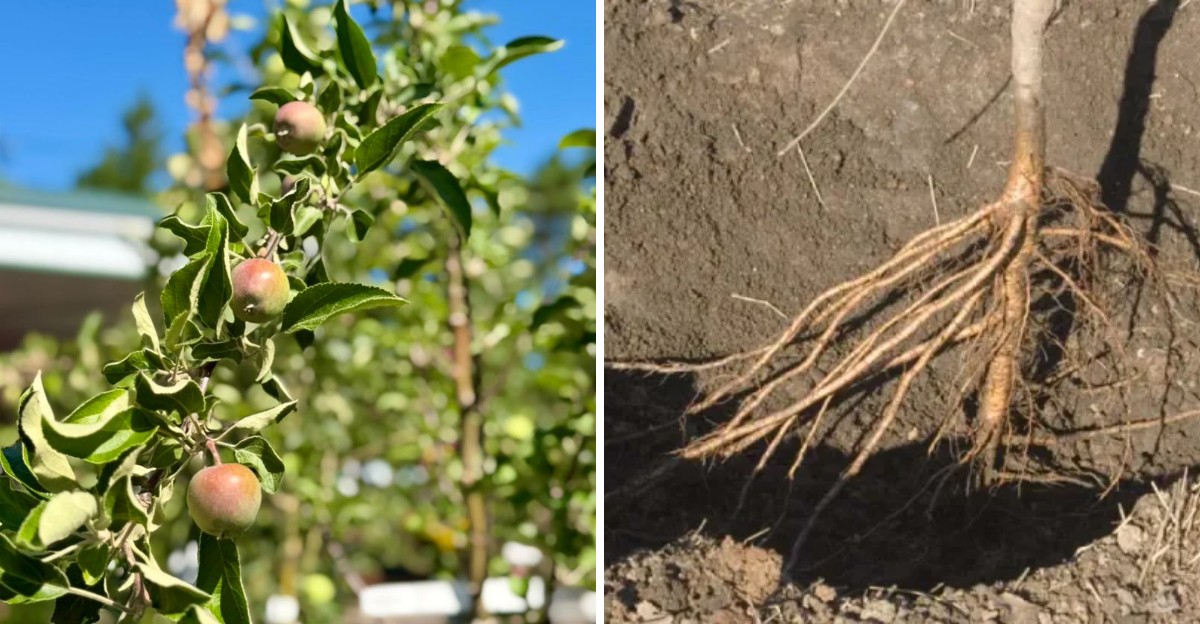
Autumn nursery shelves can look surprisingly quiet in certain sections. That calm hides one of the busiest seasons of the gardening year, though most of the action happens on paper rather than in the aisles.
Some of the most sought-after plants arrive in a form that surprises first-time buyers, and the best selections often disappear within days.
Smart planning now makes all the difference.
A few key questions about climate, size, and partnerships can separate a productive backyard orchard from years of disappointment.
Timing, paperwork, and a well-prepared spot round out the plan.
With a little homework this month, winter can deliver exactly the right tree, ready to grow into seasons of homegrown harvests.
Call Nurseries In October For Pre-Order Lists
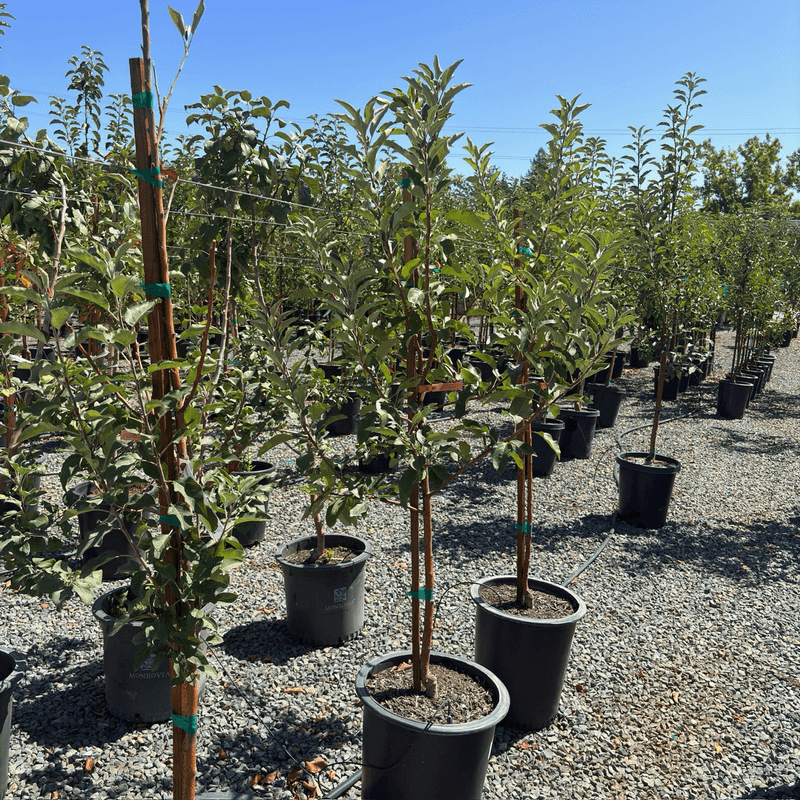
Empty fruit tree sections in October can give the impression that the season has ended. In truth, the real rush hasn’t started yet, since bare-root trees are dug and sold while dormant, without leaves or soil around their roots.
Most California retail nurseries receive bare-root stock from about December through February. UC ANR describes this dormant period as the best time to plant deciduous fruit trees, giving roots a head start before spring growth begins.
October offers the sweet spot for planning. A call or visit to local nurseries with one simple question, asking whether a bare-root pre-order list exists, often opens the door.
Many independent garden centers print one in fall, while others post it online or email it on request.
Each list deserves a careful read. Variety names, rootstock types, and expected arrival windows all matter.
Comparing lists from two or three shops reveals how much prices and selection can vary between nurseries.
Notes from each call help, too. The staff member’s name, the date, and the store’s ordering process are worth recording, since policies differ from shop to shop.
A few minutes on the phone now can prevent staring at bare shelves in January.
Some nurseries also host a bare-root event or opening day. Early arrivals get the pick of the orchard, so asking about those dates during the first call pays off.
Know Your Chill Hours Before You Choose
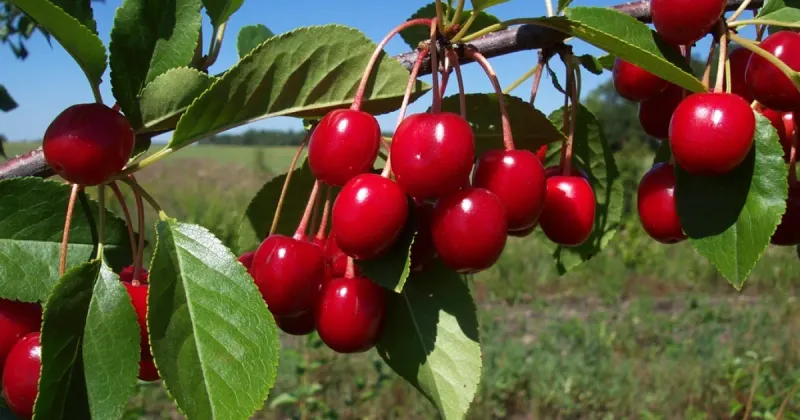
A gorgeous cherry tree can sulk for years in the wrong climate, producing plenty of leaves but barely any fruit. The culprit is usually chill hours.
Chill hours measure the winter time a tree spends at cool temperatures. UC ANR commonly describes them as hours between about 32 and 45 degrees Fahrenheit.
Deciduous fruit trees need enough of this cold rest to break dormancy evenly and set a good crop.
Each variety carries its own chill requirement. Some low-chill peaches and apples need only a few hundred hours, while many traditional cherries and apples want 800 or more.
A high-chill tree planted in a mild coastal yard may bloom late, spotty, or weak.
Finding the local number comes first. UC ANR resources and the UC Fruit and Nut Research and Information Center offer chill estimates and tools, and data from nearby weather stations helps, too.
Your California Garden Changes Every Week. Your Plan Should Too.
Gardening in California changes quickly throughout the season. Every Friday you’ll receive a simple weekly plan showing exactly what to plant, prune, fertilize, harvest, and protect so you never miss the right timing.
Coastal Southern California may receive very few chill hours, while Sierra foothill towns get far more.
That figure becomes a valuable shopping tool. Nursery staff can then narrow choices to varieties within the right chill range, and a good clerk appreciates a customer who arrives prepared.
Chill hours work much like a winter rest period for fruit buds, and too short a rest leaves them sluggish come spring.
Matching variety to chill, decided this month before reservations fill, keeps the harvest coming year after year.
Pick Varieties That Suit Your Region
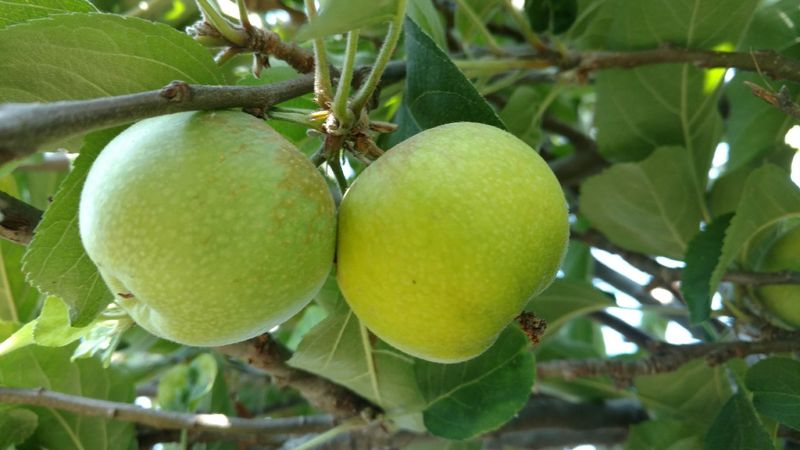
California holds several fruit-growing worlds within one state. Foggy coasts, hot inland valleys, high deserts, and mountain foothills all behave differently, so a variety thriving in Sacramento may struggle in San Diego.
Chill hours tell only part of the story. Summer heat, late spring frost, coastal fog, and disease pressure matter, too.
Foggy areas can encourage fungal problems such as peach leaf curl and brown rot, while hot valleys can sunburn bark and fruit without careful management.
Local guidance offers the best starting point. UC ANR resources and experienced local nurseries can point toward varieties with proven backyard and orchard results in a particular area.
That guidance proves far more reliable than a glossy catalog promising sweet fruit everywhere, regardless of local conditions.
A few examples help. Low-chill apples such as Anna and Dorsett Golden often suit mild Southern California spots, and Santa Rosa plum performs well in many parts of the state.
Colder foothill gardens can grow classic apples and cherries that would falter near the beach.
Personal taste and schedule deserve consideration as well. Fruit for fresh eating, canning, or drying may point toward different choices.
Several varieties ripening at different times spread the harvest, avoiding a two-week flood of peaches followed by an empty summer.
A short wish list, ranked with a backup for each choice, makes reservation calls this month far smoother.
Ask About Rootstock And Mature Size
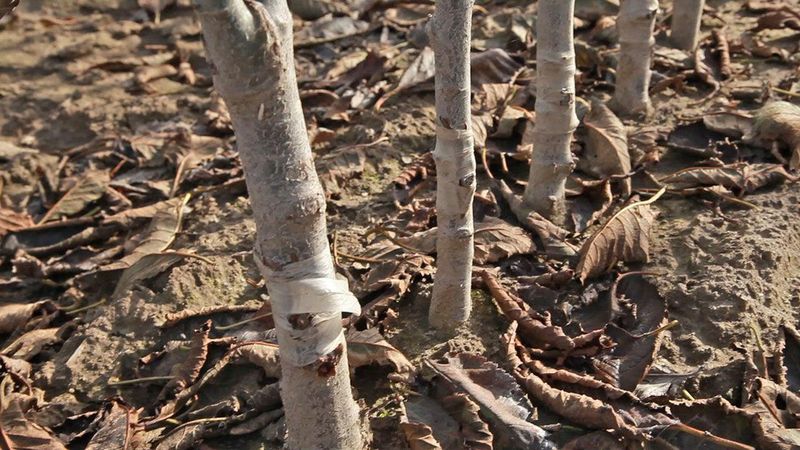
A close look at a bare-root tree reveals a bump near the base. That knobby spot is the graft union, with the fruiting variety above it and the rootstock below.
Rootstock does far more than hold the tree up. UC ANR explains that it influences vigor, mature size, and how the tree handles certain soils and pests.
Two trees of the same variety can end up very different sizes because of what lies underground.
Trees usually fall into three size groups. Dwarf trees stay small and fit tight yards or large containers, while semi-dwarf trees reach a medium height many home gardeners can manage.
Standard trees grow largest and suit roomy properties with space to spare.
Pruning also controls size. UC experts often encourage backyard growers to keep trees short through summer pruning, and even a vigorous tree can stay picker-friendly with steady trimming.
A sensible rootstock choice still makes that job much easier.
Specific questions before reserving help a great deal. Knowing which rootstock a variety is grafted onto, how tall and wide it will grow, and whether it handles heavy clay or wet soil guides the right choice.
Some stone fruit rootstocks tolerate soggy ground better than others. A written record of the rootstock name helps troubleshoot growth or soil issues down the road.
October conversations leave plenty of time to compare options before trees arrive.
Plan For Pollination Partners
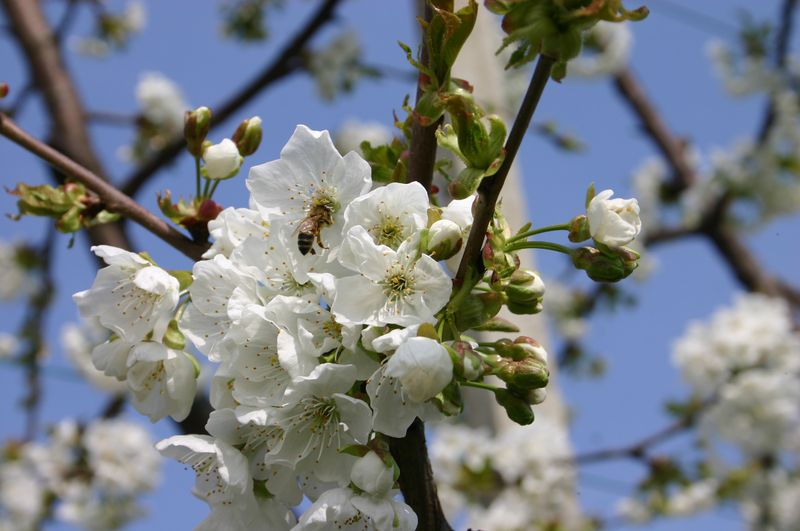
Two years of lovely white blossoms followed by almost no cherries is a letdown many gardeners know well. Often the tree was perfectly healthy but simply lacked a partner.
Some fruit trees are self-fertile, meaning one tree can pollinate its own flowers. Most peaches, nectarines, apricots, and sour cherries fall into this group, so bees can handle the rest with a single tree.
Others need a companion. Many sweet cherries, many apples, most pears, and many Japanese plums require a different, compatible variety nearby.
That partner must bloom at about the same time. Otherwise, flowers open on different schedules, like two friends missing each other at the airport.
UC resources stress checking pollination needs for every variety on the list. A few sweet cherries, such as Stella, are self-fruitful, which helps small yards.
Some nurseries also sell multi-variety grafted trees carrying compatible partners on one trunk, a smart fix when space runs short.
Three questions make a difference at the nursery. Is the variety self-fertile, which varieties pollinate it, and do their bloom times overlap?
Reserving both trees at once prevents a hunt for a partner after stock sells out.
A look over the fence helps, too. A neighbor’s compatible tree within a reasonable distance may already handle the job, since bees travel, and a friendly chat this fall might save an entire extra planting.
Put Down A Deposit To Hold Your Tree
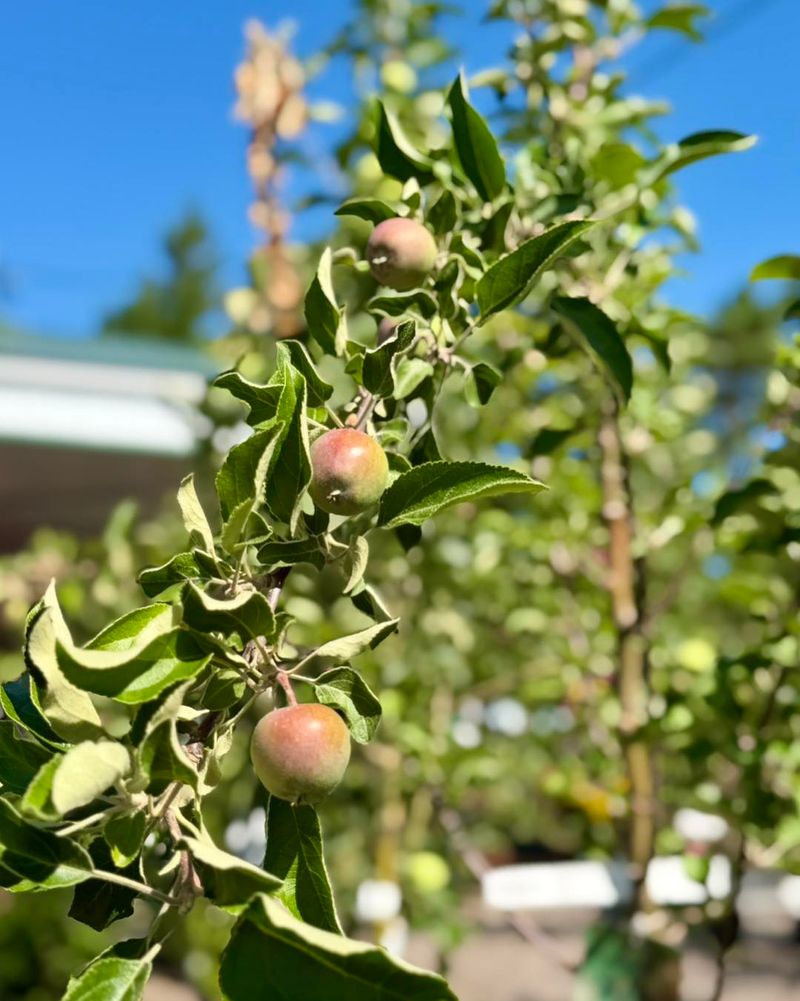
Cash on the counter speaks louder than a promise. A verbal hold can vanish when a busy opening day arrives, while a paid reservation usually carries more weight.
Many nurseries that run pre-order programs ask for a deposit or full payment upfront. Others take reservations without any money, and a few skip pre-orders entirely, selling on a first-come, first-served basis.
Policies vary, so each shop’s system deserves a quick question.
Details matter before any money changes hands. The deposit amount, whether it’s refundable if a grower’s crop falls short, and what happens when a variety fails to arrive all deserve clear answers.
Some nurseries offer a substitute, store credit, or a refund in those situations.
Everything belongs in writing. A receipt or order form should list the variety, rootstock, quantity, and price.
A photo of that receipt on a phone makes it easy to find in January, since paper slips have a sneaky habit of vanishing into junk drawers.
A backup variety adds insurance. Growers sometimes have short crops of popular trees, and pre-orders can be reduced, so naming a second choice on the form can prevent leaving empty-handed.
Budgets deserve attention, too, since deposits for several trees add up quickly. Prioritizing the hardest-to-find varieties makes sense, because common types may still appear on the lot later.
October reservations often secure the best selection of all.
Confirm Pickup Dates For Winter
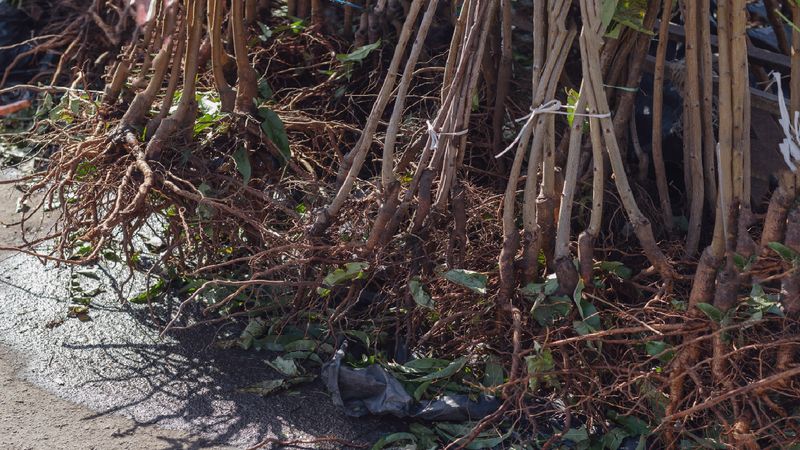
January phone calls tend to go one of two ways. Either the reserved tree waits ready, or it went to someone who showed up first, and confirming dates ahead of time keeps a gardener in the lucky group.
Expected arrival dates for bare-root shipments make a good first question. Many California shops receive trees between December and February, though exact timing depends on growers and weather.
A request for a call, text, or email when the order arrives helps avoid missed pickups.
Hold periods deserve a question, too. Some nurseries keep reserved trees for only a short window, after which unclaimed stock may return to the sales floor, so the pickup deadline belongs on the calendar right away.
Timing matters for the tree as well. Bare roots dry out fast in sun and wind, which is why nurseries often keep them in moist sawdust or similar material.
Planting as soon as possible after pickup gives the best results.
A tarp or old blanket handles the ride home, keeping roots covered and damp rather than exposed in an open truck bed. Roots that look dry benefit from a few hours of soaking in water before planting.
Delays happen. Rain can turn soil into soup on pickup day.
UC ANR guidance supports heeling trees in, which means temporarily burying roots in moist soil or mulch in a shady spot. That buys time without harming the tree until conditions improve.
Prepare The Planting Site In Advance
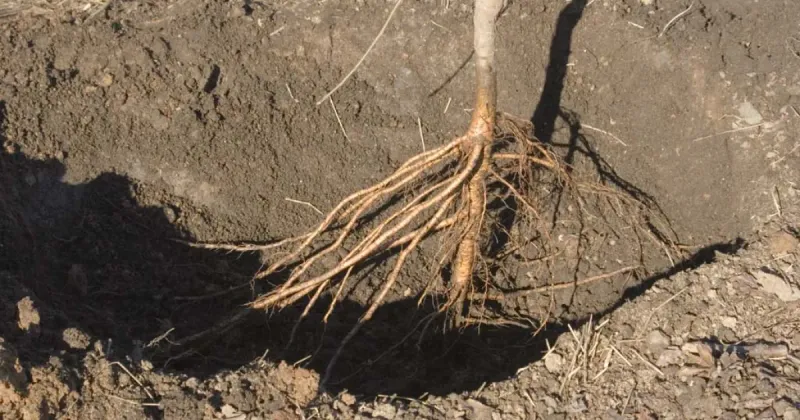
A tree arriving with thirsty roots while the yard remains a jungle of weeds creates an avoidable scramble. A little fall preparation turns planting day into a quick, happy job.
A spot with full sun, ideally six-plus hours of direct light, helps fruit ripen sweet. Spacing based on the mature size a rootstock allows keeps trees from crowding each other or the house.
In fire hazard areas, approved Zone 0 rules bar new trees within five feet of a home once they take effect, so planting sites belong farther out.
Drainage matters enormously. UC ANR warns that fruit trees, especially stone fruit, struggle in soggy soil.
A test hole filled with water reveals how quickly the ground drains, and slow-draining spots may call for a raised mound or berm.
Clearing weeds and grass from a wide circle prepares the site. Loosened soil without heavy amendments in the planting hole works best, since UC guidance generally recommends backfilling with native soil so roots spread outward.
Supplies gathered early save time later. A shovel, hose, mulch, and white interior latex paint diluted with water all come in handy, since UC experts suggest painting young trunks to prevent sunburn.
Pruners belong on the list, too, for the heading cut often made at planting.
At planting, the graft union sits a few inches above the soil line, and a thorough watering settles everything into place. October preparation means the tree can go straight into the ground right away.