California Communities Still Offering Turf Removal Rebates In 2026
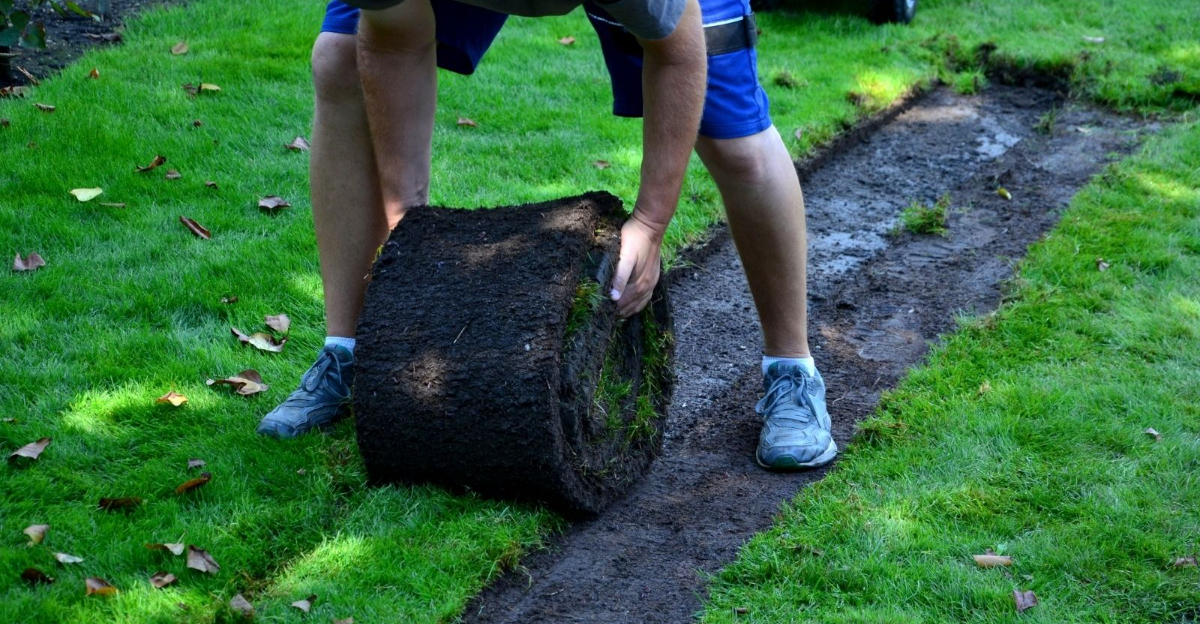
Ripping out a thirsty grass lawn and replacing it with something smarter, more beautiful, and a whole lot less demanding is having a serious moment in California right now.
In 2026, the interest in turf replacement is not slowing down, and honestly it makes complete sense.
Water bills are not getting cheaper, drought conditions are not getting less frequent, and a front yard full of struggling grass that needs constant irrigation is starting to feel like a pretty outdated choice.
The good news is that some California water agencies and regional conservation programs still offer financial incentives to help cover the cost of making the switch.
The not so straightforward news is that availability varies quite a bit depending on your water provider, location, and current funding levels. Checking the details before a single blade of grass comes out is absolutely the move here.
1. Los Angeles Homeowners Can Access Turf Rebates Through LADWP

Walking through some Los Angeles neighborhoods today, you might notice a growing number of front yards that have traded traditional green lawns for gravel paths, native shrubs, and flowering plants that need less water.
For many California homeowners, these changes are part of a broader shift toward landscapes that better match local climate conditions while reducing outdoor water demand.
Customers of the Los Angeles Department of Water and Power may have access to turf replacement incentives through LADWP-connected conservation programs, which can help offset some of the costs involved in converting a grass lawn into a water-efficient landscape.
Qualifying projects generally require replacing turf with approved landscaping elements rather than simply removing grass and leaving bare soil.
In California, these programs are designed around complete landscape conversions that may include appropriate plants, irrigation improvements, and other approved features.
Homeowners should confirm current program requirements directly with LADWP before beginning any work, since eligibility depends on being an active LADWP customer and meeting project guidelines that can change over time.
Not every Los Angeles resident automatically qualifies, and program funding can vary depending on conservation budgets, participation levels, and available resources. đChecking LADWP’s current information or contacting their conservation team is a practical first step.
Applying before removing grass is a common requirement for many turf replacement programs, so planning ahead can help homeowners understand the process before making landscape changes.
For gardeners, taking time to review the rules can make the difference between a smooth conversion and unexpected project delays.
2. San Diego Residents Can Check Local Water Agency Programs
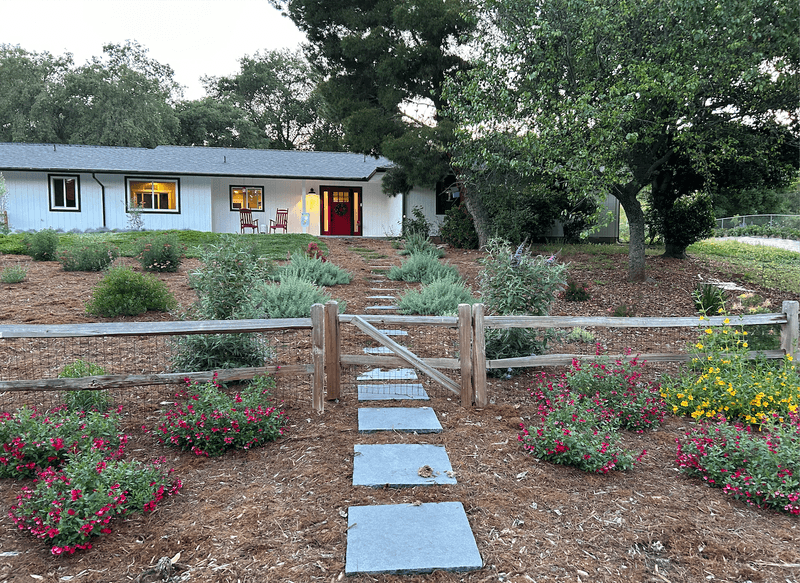
San Diego-area homeowners searching for turf replacement incentives may find that eligibility has less to do with simply living in the City of San Diego and more to do with which water agency supplies their home.
Across California, many conservation programs are managed through local water providers rather than city boundaries alone.
Several participating water agencies in the San Diego region have connected with regional conservation efforts to offer landscape conversion incentives, but the details, funding availability, and requirements can vary significantly from one provider to the next.
Your California Garden Changes Every Week. Your Plan Should Too.
Gardening in California changes quickly throughout the season. Every Friday you’ll receive a simple weekly plan showing exactly what to plant, prune, fertilize, harvest, and protect so you never miss the right timing.
Some agencies may offer rebates based on the square footage of grass removed, while others may have specific requirements involving irrigation upgrades, approved plant lists, project inspections, or landscape design standards.
Homeowners should check their water bill to identify their specific provider and then contact that agency directly to ask about current turf replacement opportunities.
Taking this step before starting a project can help homeowners understand which landscape changes may qualify and which steps need approval first.
Because California has many independent water agencies operating within the same county, two neighbors living just a few blocks apart may have access to very different programs.
Checking with the San Diego County Water Authority or individual member agencies can help clarify what options may be available.
Starting the research process early gives homeowners time to plan a landscape that meets both program requirements and long-term yard goals while creating a more water-conscious outdoor space suited to the local climate.
3. Sacramento Homeowners Have Local Lawn Conversion Incentives

Sacramento summers can be long, warm, and hard on traditional grass lawns, which makes the idea of converting to a lower-water landscape genuinely appealing for many homeowners in the region.
City-supported programs in Sacramento have encouraged residents to replace grass with water-efficient alternatives, and some of those programs include financial incentives tied to approved landscape changes and irrigation improvements.
These efforts reflect a broader California interest in creating landscapes that use resources more thoughtfully while still providing attractive outdoor spaces.
Sacramento turf conversion programs may come with their own set of requirements that differ from what Southern California programs ask of applicants.
Participants might need to submit project plans for review, use approved plant materials, update irrigation to drip or other efficient systems, and agree to maintain the converted landscape over time.
These details matter because failing to meet program guidelines can affect rebate approval.
A successful California landscape conversion is not just about removing turf but about replacing it with a design that fits the local climate, site conditions, and long-term maintenance needs.
Homeowners in Sacramento should connect with Sacramento City Utilities or check the city’s official conservation resources to find out what programs are currently accepting applications.
Requirements, funding levels, and eligible project components can change between program cycles.
Getting confirmation in writing before removing any turf helps protect a homeowner’s eligibility and ensures the project moves in a direction the program will recognize and support.
4. Bay Area Communities Can Qualify Through Participating Water Agencies
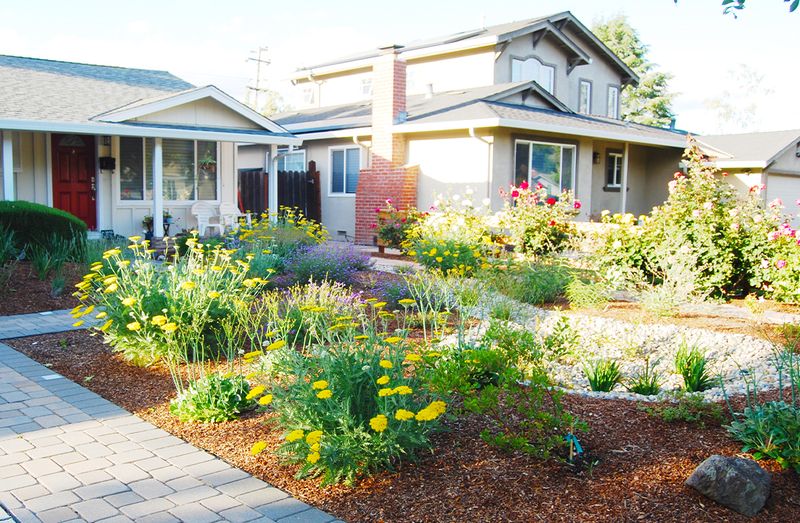
Across the Bay Area, the patchwork of independent water agencies means that turf replacement opportunities are not distributed evenly from one community to the next.
Regional organizations such as the Bay Area Water Supply and Conservation Agency, known as BAWSCA, work with member agencies to support conservation efforts, but individual program availability often depends on the specific water supplier serving a given home.
Two neighbors living a short drive apart in the Bay Area might find that one qualifies for a turf replacement rebate through their local water agency while the other does not, simply because their providers have different funding levels or program participation.
Coastal communities, inland cities, and peninsula neighborhoods all fall under different agency jurisdictions, which is why checking the water bill and contacting the listed supplier is a more reliable approach than searching by city name alone.
Bay Area homeowners interested in turf replacement should reach out to their water agency to ask about current program status, funding availability, and application requirements.
Some agencies may also provide guidance on plant selection suited to the Bay Area’s varied microclimates, which range from cool and foggy near the coast to warmer and drier further inland.
Matching plant choices to local conditions helps create a landscape that holds up well over time.
5. Southern California Programs Often Connect Through Regional Rebates
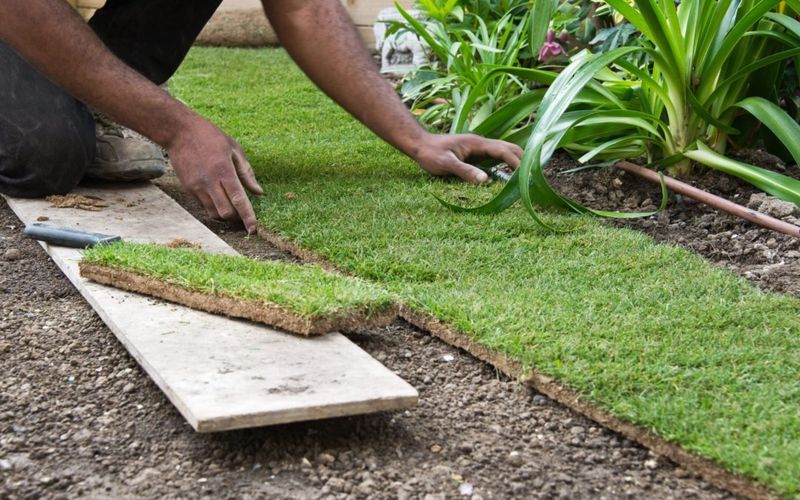
One of the more practical features of turf replacement programs in Southern California is how many of them connect through regional conservation efforts rather than operating entirely on their own.
The Metropolitan Water District of Southern California supports a program called SoCal Water$mart, which allows participating local water agencies to offer rebates to their customers for replacing grass with water-efficient landscapes.
Because the program works through a network of participating agencies, the rebate amount, application process, and eligible project features can vary depending on which local water provider a homeowner uses.
Some agencies may add their own funding on top of regional incentives, while others may have specific requirements around plant selection, irrigation type, or project size.
Availability can also shift when funding runs low or when a program cycle ends.
Homeowners in Southern California looking for turf replacement incentives should start by identifying their local water agency and then checking whether that agency participates in SoCal Water$mart or offers a separate program.
The Metropolitan Water District website can help homeowners locate their water provider and find relevant program information.
Because program rules and funding can change, confirming current details before starting any landscaping work helps avoid unexpected complications later in the process.
6. Why Water Agencies Fund Many Turf Replacement Programs

A common misconception about turf replacement rebates is that homeowners receive a check directly from their city government after removing grass.
In most California communities, the financial incentive actually comes from the water agency or regional conservation program connected to that household’s water supply, not from the city itself.
Water agencies have a practical reason to fund landscape changes. Outdoor water use, particularly irrigation for traditional grass lawns, can account for a significant portion of residential water consumption.
When a homeowner converts to a water-efficient landscape, the long-term reduction in outdoor water use benefits the agency’s overall supply management goals.
Funding landscape incentives can be a cost-effective way for agencies to encourage conservation without requiring major infrastructure changes.
For homeowners, this means the most useful first step before applying for any program is to look at the water bill and identify the specific agency listed as the water provider.
That agency, rather than the city government, is usually the right place to ask about turf replacement programs, current funding, and application requirements.
California has hundreds of independent water agencies, and each one manages its own conservation budget and program participation. Understanding that distinction saves time and helps homeowners find the right contact from the start.
7. What Homeowners Can Plant After Removing Grass
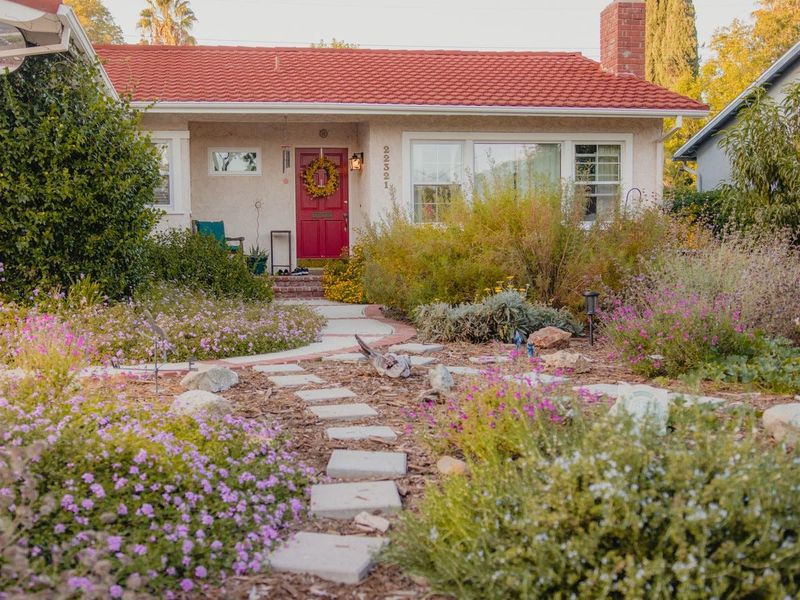
Removing grass is only part of the work involved in a successful turf replacement project.
Most California water agency programs expect homeowners to replace lawn areas with a thoughtfully designed water-efficient landscape rather than leaving the ground bare or covering it entirely with hardscape materials.
California-friendly plants and California native species are popular choices for converted yards because they are generally adapted to local rainfall patterns and require less supplemental irrigation once established.
Options like native sages, ornamental grasses, succulents, and flowering perennials can provide color and texture while reducing the need for regular watering.
Mulch is another common program requirement, as it helps retain soil moisture and reduces water loss between irrigation cycles.
Not every plant or landscape style qualifies for rebate programs, so reviewing the approved plant and materials list provided by the specific water agency before purchasing anything is a worthwhile step.
California’s varied climates also mean that what works well in a coastal San Diego yard may not be the right choice for an inland Sacramento garden or a Southern California desert-adjacent neighborhood.
Drip irrigation or other efficient watering systems are frequently required as part of an approved conversion, helping ensure the new landscape actually uses less water than the grass it replaced.
8. The Requirements To Know Before Starting A Turf Project
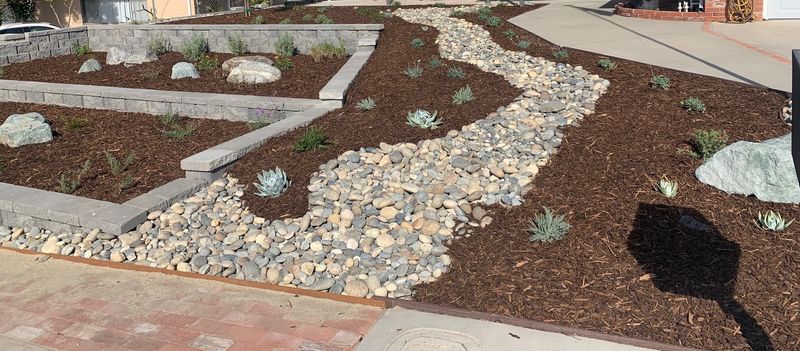
Planning a lawn conversion without first checking program requirements is one of the most common ways homeowners miss out on available rebates.
Many California turf replacement programs require applicants to submit an application and receive approval before any turf removal begins, which means the order of steps matters just as much as the work itself.
Common requirements across different programs may include submitting photos of the existing lawn, getting project plans reviewed, using approved plant materials, installing water-efficient irrigation, and agreeing to maintain the converted landscape for a set period after completion.
Some programs also have minimum square footage requirements or limits on how much hardscape can be included in the converted area.
Requirements vary by program and water provider, so reading the specific guidelines carefully before starting helps avoid situations where completed work does not qualify.
Homeowners should also keep in mind that program funding is not unlimited. Some programs pause when funds run low and reopen later, which means timing an application to match available funding cycles can make a real difference.
Connecting with the water agency early, asking specific questions about current requirements, and documenting the project at each stage are practical habits that support a smoother application process.
Taking the time to plan carefully tends to lead to better results than rushing into removal without a clear roadmap.