7 Free Ways To Get More Plants For Your California Garden
Some of the best additions to a California garden never come with a price tag. They hide in plain sight, often in places gardeners walk past every day without a second glance.
A crowded flower bed, a faded seed head, a surprise sprout in an unexpected corner, each holds more potential than it seems.
Mild winters and seasonal rains give this state a real edge, offering new plants plenty of time to settle in before summer heat returns.
A few basic skills, a little patience, and some good manners do most of the work.
The rewards go beyond savings, too, often reaching neighbors and friends along the way.
An empty patch of soil may not stay empty much longer.
1. Divide Perennials In Fall
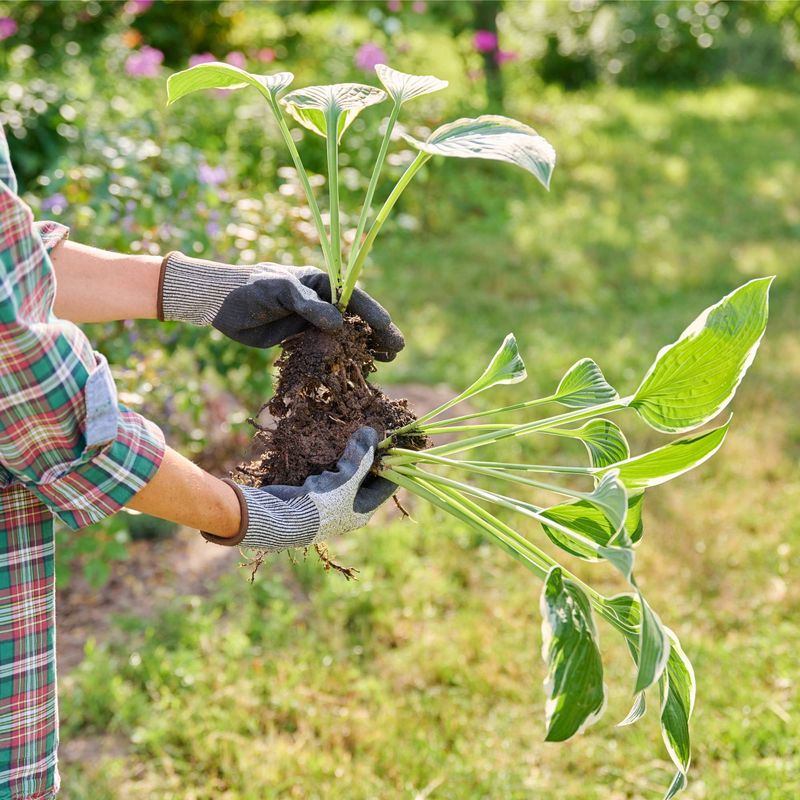
An old clump of daylilies or society garlic often tells its own story. The center looks bare and tired while fresh leaves crowd the edges, a clear sign the plant wants more room.
Fall makes the sweet spot for dividing perennials across most of California. Soil stays warm enough to encourage quick root growth, while cooler air and the coming winter rains ease stress on freshly split pieces.
Spring-blooming perennials, especially, respond well to a fall division.
Watering the plant a day ahead makes digging easier and protects the roots. A spade or garden fork worked around the whole clump lifts it free.
Some plants pull apart by hand, while tougher ones, such as agapanthus, may need a sharp spade or an old bread knife to cut through.
Each new piece needs healthy roots and at least a few shoots or leaves. The woody, worn-out center can go straight into the compost pile.
Divisions do best replanted right away at the same depth they grew before.
A thorough watering followed by lightly moist soil helps roots settle in. A layer of mulch holds that moisture and keeps weeds down, though bark mulch belongs beyond the first five feet of the house in Zone 0 areas.
One crowded clump can easily become five or six healthy plants. Extras make thoughtful gifts or great trading material, and the garden gets a fresh start at no cost.
2. Take Cuttings From Shrubs And Herbs
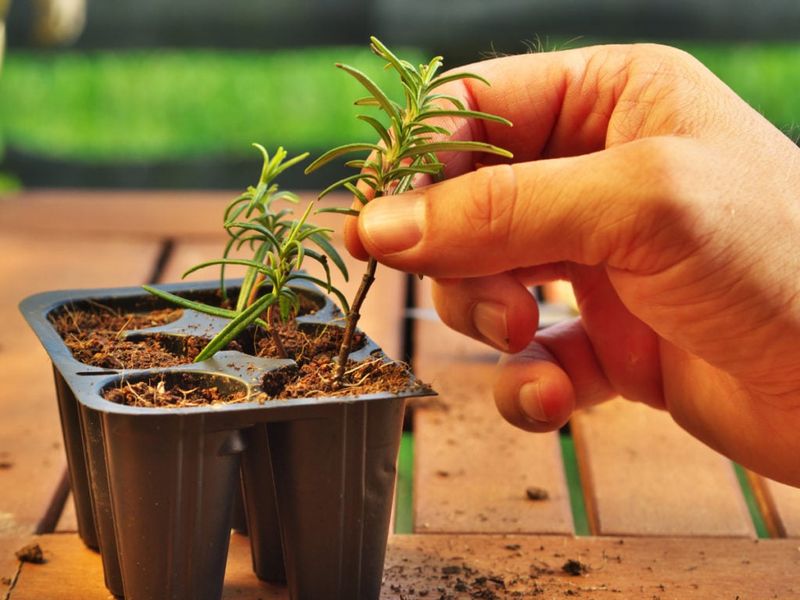
Snip, strip, stick. Those three quick steps can turn one rosemary bush into an entire hedge, making this one of the fastest ways to multiply favorite plants.
Many shrubs and herbs root easily from stem pieces. Rosemary, lavender, sage, salvia, and geraniums rank among the favorites for beginners.
Softwood cuttings from new spring growth root fastest, while semi-hardwood cuttings taken in late summer or early fall work well for many California shrubs. Mid-October still falls within that window in most regions.
A healthy stem without flowers makes the best choice. A piece about four to six inches long, cut just below a leaf joint, needs its lower leaves removed so only a few remain at the top.
Rooting hormone can help, though many herbs root fine without it.
The cut end goes into a small pot of moist, well-draining mix, and perlite blended with potting soil works nicely.
Bright, indirect light suits the pots, away from harsh afternoon sun, and a clear plastic bag over the top holds in humidity.
A gentle tug after a few weeks reveals progress, since resistance means roots are forming. Rooted cuttings move into larger pots before planting out.
Good manners matter too. Permission comes first before clipping a neighbor’s shrub, even one hanging over the sidewalk.
Plants protected by a plant patent are best skipped, since propagating them without permission isn’t allowed. Nursery tags marked PP or PPAF signal patent protection. Most gardeners happily share a sprig when asked politely.
3. Save Seeds From Favorite Plants
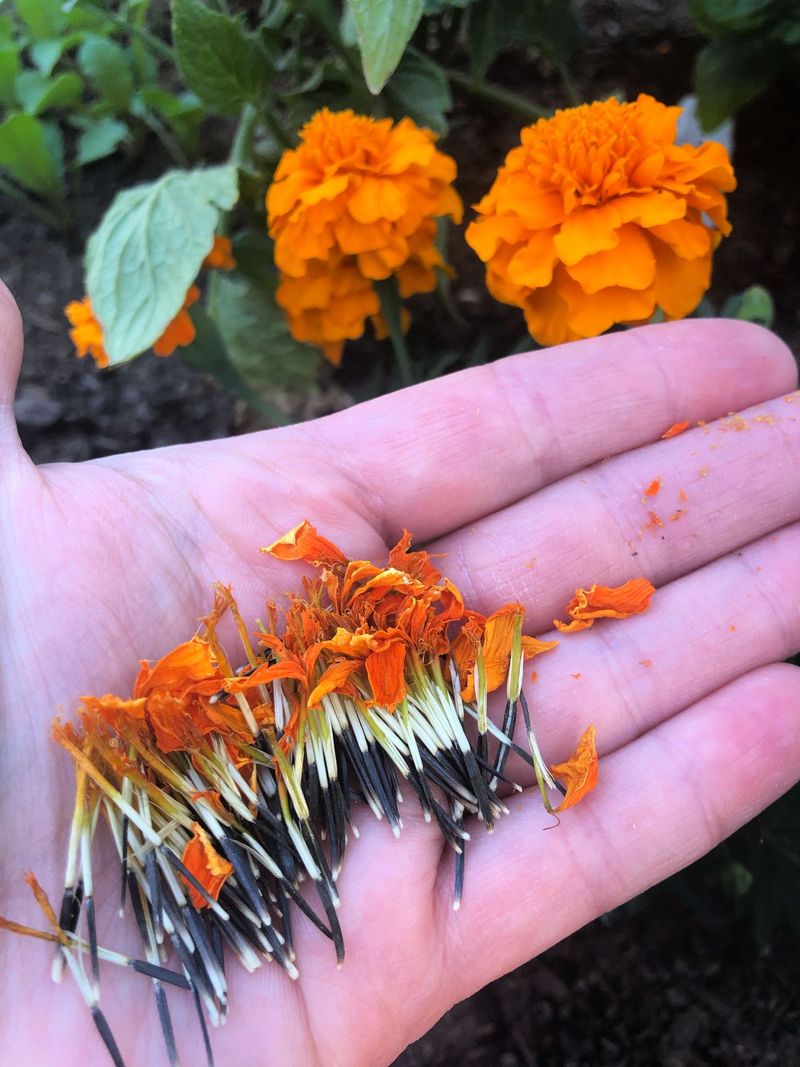
Last summer’s best tomato doesn’t have to stay a memory. Inside every ripe fruit sits a small packet of next year’s harvest.
Open-pollinated and heirloom plants make the best candidates, since their seeds grow into plants much like the parent. Hybrids, often labeled F1, rarely come back true, and their offspring may look and taste quite different.
Beans, peas, lettuce, and tomatoes make easy starter crops. Beans and peas mostly pollinate themselves, so crossing stays rare. October still offers late tomatoes and dried bean pods ready for saving.
Pods dry best on the plant until they turn brown and rattle, while lettuce needs time to form fluffy seed heads.
Tomato seeds need a little extra care. Seeds and pulp scooped into a jar with some water sit a few days until a film forms, then get rinsed and spread to dry on a paper plate.
Complete drying matters before storage, since damp seeds can mold quickly. Paper envelopes tucked into a sealed jar, kept somewhere cool, dark, and dry, keep seeds in good shape, and a refrigerator shelf works well.
Labels with the plant name and date prevent confusion later, and most vegetable seeds stay viable for a few years when stored this way.
Flowers such as cosmos, zinnias, and California poppies are easy to save too. Seed collection from wild plants on public land is a different matter, since state parks and many other public lands restrict or prohibit collecting without a permit.
4. Join A Local Plant Swap
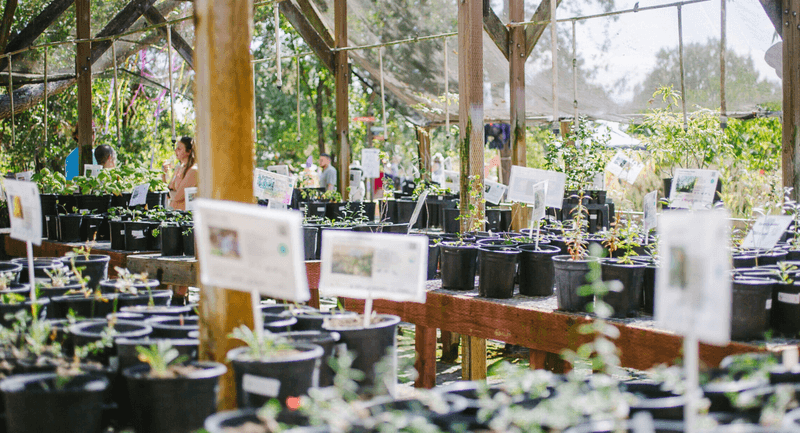
Folding tables crowded with succulents, tomato starts, and baby aloe pups set the scene at a typical plant swap. People chat, compare notes, and leave with arms full of green.
The idea stays simple. Participants bring extra plants, cuttings, or seeds and trade them for something new, and while some swaps follow a one-for-one rule, others let everyone share freely.
Finding one is easier than it sounds. Local garden clubs, community gardens, public libraries, and nurseries often post events, as do neighborhood social media groups.
Spring and fall rank as the busiest swap seasons in California, so October often brings several to choose from.
Preparation pays off a week or two ahead. Divisions, rooted cuttings, or seedlings potted in clean containers travel well, and labels listing each plant’s name, sun needs, and water needs help them find good homes.
Healthy, pest-free plants make the best offerings. Invasive species are best left out of the swap entirely, however pretty they look.
Pampas grass, English ivy, and Mexican feathergrass spread into wild areas and cause real harm. Cal-IPC keeps a helpful list of plants to avoid sharing or planting, and its PlantRight program suggests safer alternatives.
Swaps also grow something beyond plants. Fellow gardeners often share hard-won local growing tricks, from the best tomato varieties for foggy coasts to natives that thrive in inland heat.
Many lasting garden friendships begin with a simple trade at a sunny table, and those connections often outlast the plants themselves.
5. Borrow From A Seed Library
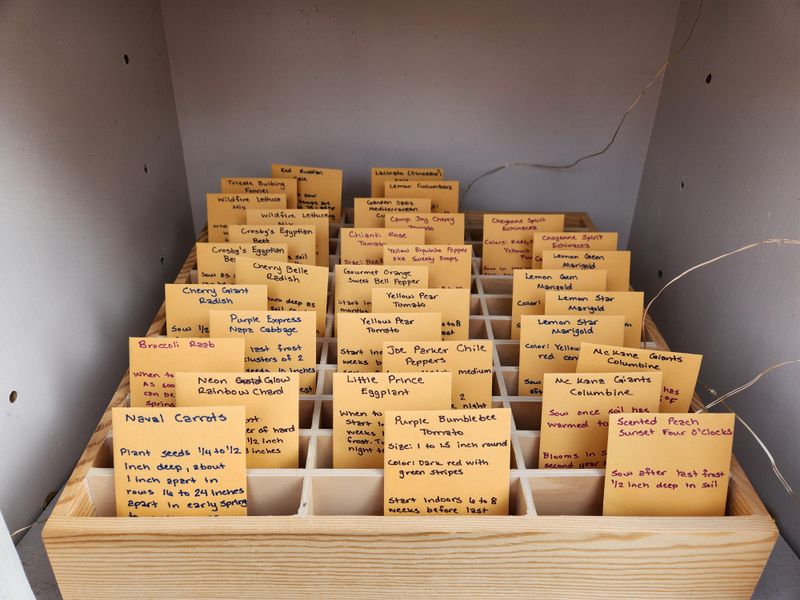
Old card catalogs have found a sweet new job. In libraries across California, those wooden drawers now hold seed packets instead of index cards.
A seed library works much like a book library. Gardeners check out seeds for free, plant them, and grow their crops, and at season’s end, many save some seeds and return them so the collection keeps growing.
Most seed libraries run through public libraries, community gardens, or local gardening groups. A quick online search for a city’s name plus “seed library” usually turns up options nearby, often with simple sign-up steps.
California law supports the idea. A 2016 state law exempts noncommercial seed sharing, such as seed libraries, from many of the labeling and testing rules that apply to commercial seed sales.
Seasonal timing guides each visit. Cool-season crops like peas, lettuce, and kale go in during fall and winter across much of California, making October a busy month at the drawers.
Warm-season crops such as beans, squash, and tomatoes wait until soil warms in spring.
Taking only what will actually get planted keeps the shelves stocked for others. A few packets go a long way, and a quick note of what was borrowed makes returns easier.
Returning seeds is rarely required, yet it makes a kind gesture.
Seeds grown nearby are already adapted to local conditions, so over the years a library can build a collection of tough, tasty varieties suited to the neighborhood.
6. Transplant Volunteer Seedlings
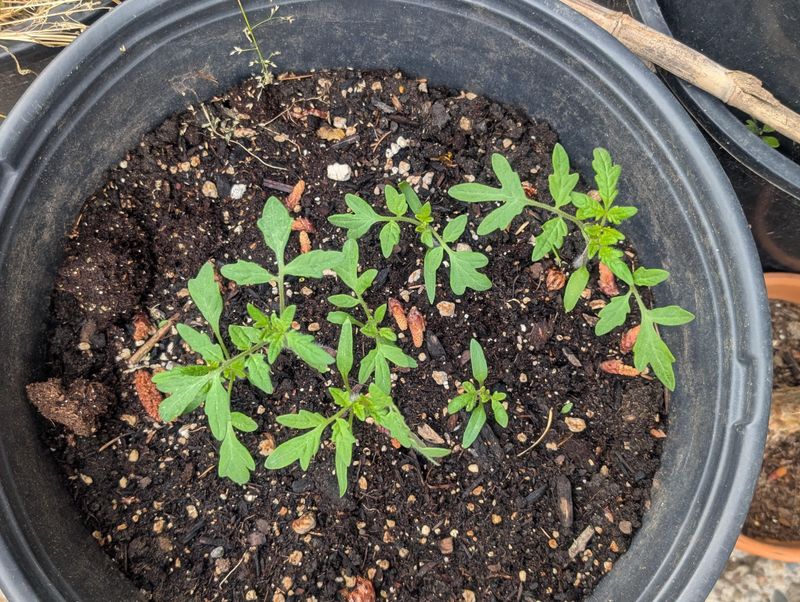
A surprise tomato sprouts in the compost bin, and a tiny sunflower pops up beneath the bird feeder. Gardeners call these freebies volunteers, and they arrive without an invitation.
These seedlings grow from seeds that dropped, blew in, or hitched a ride with birds, and many come from plants grown the previous season. California poppies, cosmos, borage, and cherry tomatoes are famous for showing up on their own.
Identification comes first. Young weeds and flowers can look alike early on, so waiting until a few true leaves appear allows a comparison with the parent plant.
A plant identification app or a knowledgeable local nursery can also help.
Small seedlings handle a move far better than big ones. Cloudy days or cool evenings make the best moving times, and fall weather offers plenty of both.
Watering the area an hour before digging keeps soil together. A trowel or spoon scoops up each seedling with a ball of soil around the roots, and holding it by a leaf rather than the delicate stem prevents damage.
Each seedling goes into its new home at the same depth it grew before. Gentle firming, a good watering, and a few days of light shade help it settle in.
Volunteers from hybrid plants may not match the parent, which can make for a fun mystery.
Invasive volunteers, on the other hand, are best pulled right away before they flower and spread seed.
7. Layer Branches To Root Them
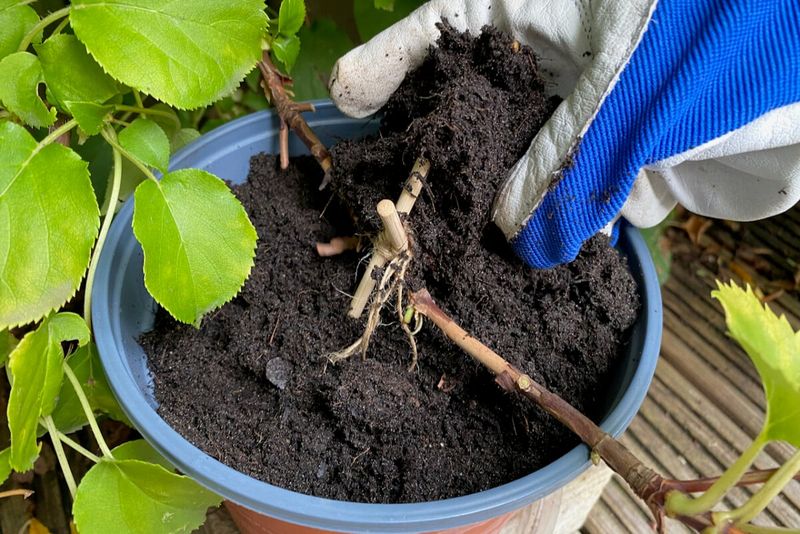
Some plants practically do the work themselves. A low rosemary stem resting on the ground can develop roots of its own within months, a trick nature figured out long before gardeners named it.
Layering roots a branch while it stays attached to the parent plant. The parent keeps feeding the stem with water and nutrients, which makes the method highly reliable.
Rosemary, lavender, star jasmine, and many California natives, including manzanita and ceanothus, respond well.
A flexible, low branch that bends easily to the soil makes the best candidate. Leaves come off the section that will go underground, and a small strip of bark scraped from the bottom of the stem encourages roots to form.
A shallow hole a few inches deep receives the bent branch, with the leafy tip left above ground. A U-shaped wire or bent garden staple pins it in place, followed by a cover of soil and a flat stone on top.
Spring and early summer remain the classic times to start a layer, though fall layers in mild coastal gardens often root over the rainy months. Lightly moist soil through the following weeks keeps things moving.
Roots may take a few months to a full season to form. A gentle tug that meets firm resistance signals success.
At that point, the new plant can be cut free from its parent, left in place a couple of weeks, then dug and moved. One patient branch becomes a brand-new shrub at zero cost.