How To Start Composting In California Without Attracting Pests
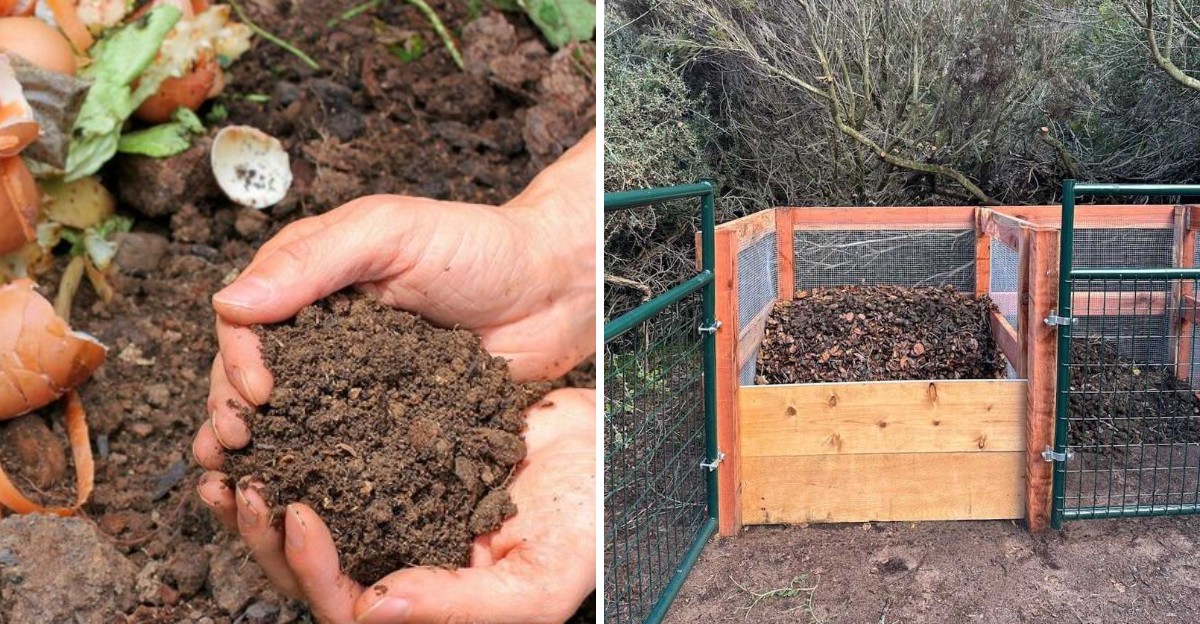
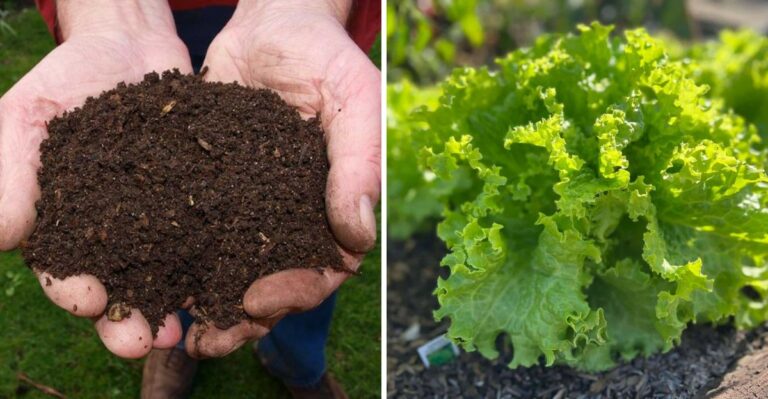
Few backyard projects carry as much promise, or as much hesitation, as turning kitchen scraps into garden gold.
The worry usually comes down to unwanted visitors, from tiny winged ones to the masked kind that work the night shift.
Those concerns are reasonable, yet most of them trace back to a handful of easy-to-fix details.
California adds a few twists of its own, with long dry spells, mild winters that keep critters active, and fire-safety considerations close to the house.
With the right setup, the result smells earthy rather than sour, feeding the soil instead of the neighborhood wildlife.
Fall, with its flood of free leaves, makes an especially good moment to begin. Patience helps, though less than most expect.
Pick An Enclosed Bin With A Tight Lid
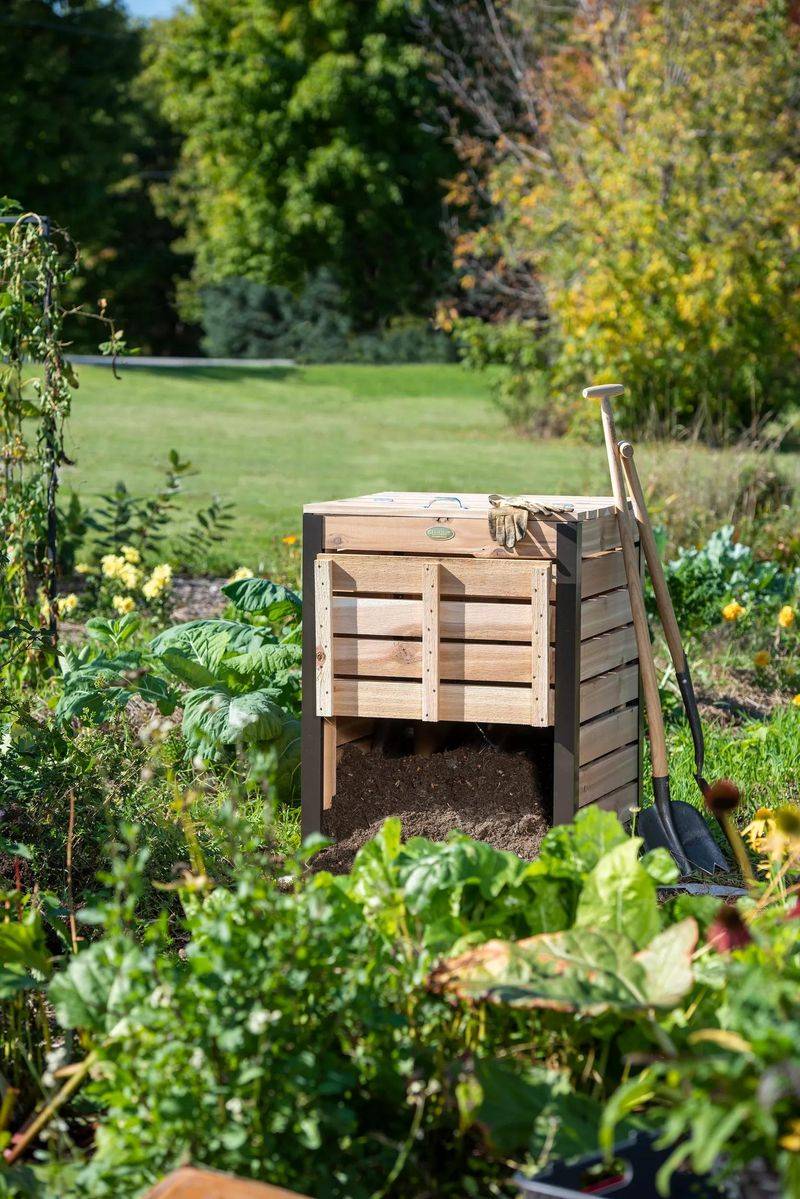
Raccoons have clever little hands, and they can pop open a loose lid faster than anyone can say banana peel. An open heap in the corner of the yard works like a free buffet sign, so the first step involves a container that keeps paws out.
A fully enclosed bin with solid sides and a snug or latching lid makes the best start. Plastic bins with locking lids, sturdy wooden boxes with tight covers, and rotating tumblers all work well.
Many California cities and counties sell discounted bins, so a quick check of the local public works or waste website before shopping can save money.
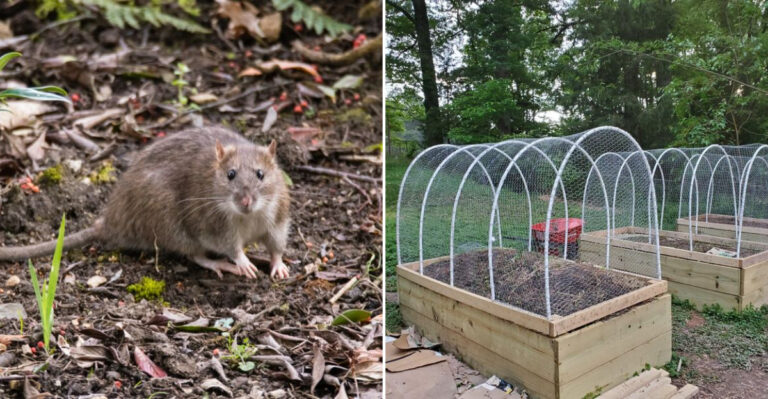
Small openings matter too. Rats can squeeze through gaps of about half an inch, and mice need even less room, so air vents work best when small or covered with wire mesh.
A slow walk around the bin helps spot cracks, loose boards, or a lid that lifts on one side.
Size deserves thought as well. UC ANR composting guidance suggests a pile about three feet wide, tall, and deep for good heating, enough mass to cook scraps while staying easy to manage.
Tumblers sit off the ground, which makes them hard for rodents to reach. They suit small yards, though they hold less material.
Whatever the style, a strong lid serves as the front door lock, and keeping it closed after every quick dump keeps visitors out.
Line The Base With Hardware Cloth
A locked lid and solid sides mean little when a rat simply digs under the edge. Many bins have open bottoms, and soft soil beneath makes an easy tunnel.
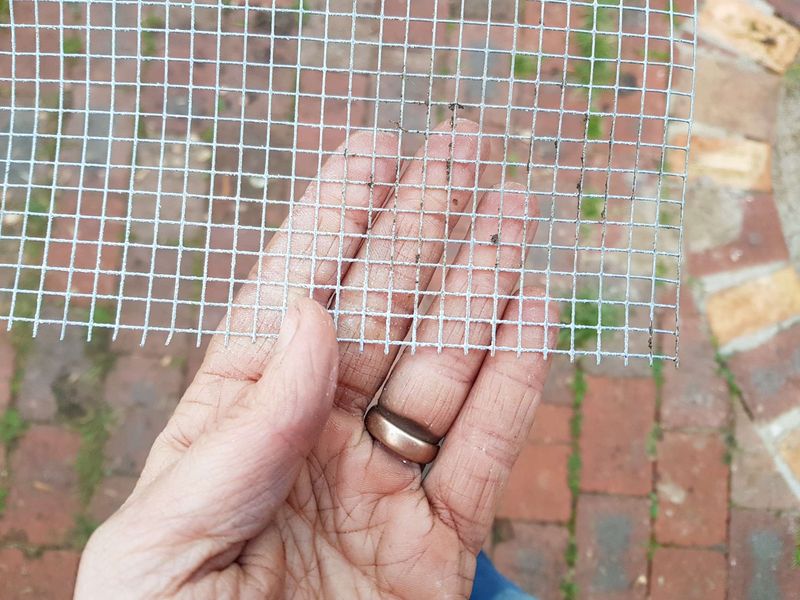
Hardware cloth solves the problem. Despite the name, it isn’t fabric at all, but a stiff, galvanized wire mesh sold in rolls at most hardware stores.
UC IPM recommends quarter-inch mesh for rodent exclusion, since rats and mice can’t chew or squeeze through openings that small.
Installation takes little time. The spot where the bin will sit gets leveled first, then a square of mesh cut a few inches wider than the bin on every side.
The mesh lies flat, and the bin sits on top so the extra extends outward or folds up the inside walls.
Sturdy gloves help, since cut wire edges are sharp. Some gardeners bury the edges a few inches deep or pin them down with landscape staples for extra security, with the goal of no gaps where bin meets mesh.
Worms and soil microbes still move through quarter-inch holes, so the compost keeps its helpful crew while unwanted guests get blocked.
Chicken wire makes a poor substitute, because its larger holes let young rats slip through.
A few dollars of the right mesh saves plenty of trouble later, and a well-installed base often lasts as long as the bin itself, especially when galvanized material resists rust in damp winter soil.
Skip Meat Dairy And Oily Foods
A sense of smell offers a pretty good guide here. Food that smells strong when it spoils smells even stronger to a raccoon, opossum, or rat, and keeping those items out removes the biggest reason pests visit.
UC ANR and CalRecycle guidance agree on the main no-go list. Meat, fish, bones, and chicken skin stay out, along with cheese, milk, yogurt, and butter.
Greasy foods, cooking oil, salad dressing, and fatty leftovers belong in the trash or the city green cart instead.
Pet waste belongs on the banned list too. Dog and cat droppings can carry germs that a backyard pile may not get hot enough to destroy, so compost containing them is best kept away from food plants entirely.
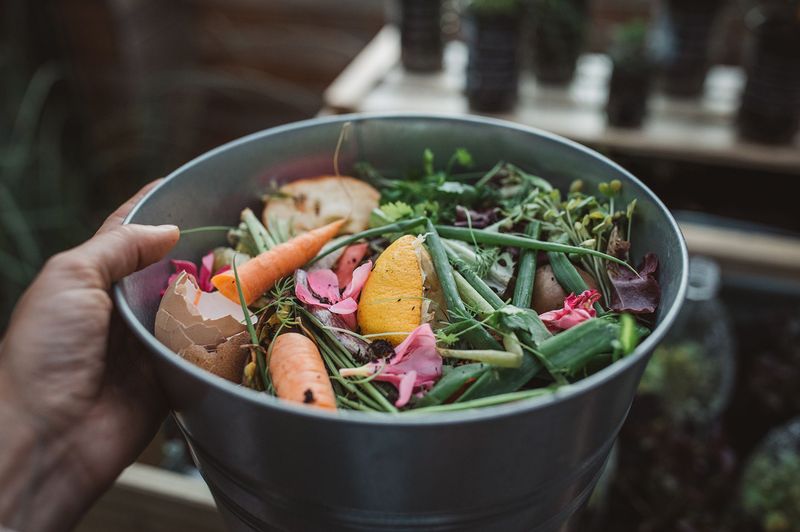
Plenty still goes in. Fruit and vegetable peels, coffee grounds, tea leaves, crushed eggshells, and small amounts of stale bread all break down nicely.
Chopping larger pieces like melon rinds or corn cobs helps them break down faster and spend less time tempting anyone.
A few garden items deserve caution as well. Diseased plants and invasive weeds gone to seed are best left out, since a home pile may not destroy pathogens or seeds, and Bermuda grass can sprout right back.
Under California’s organic waste recycling law, many cities now collect food scraps in green carts. That makes a handy backup for meat and dairy, so nothing goes to waste and the bin stays clean.
Bury Fresh Scraps In The Center
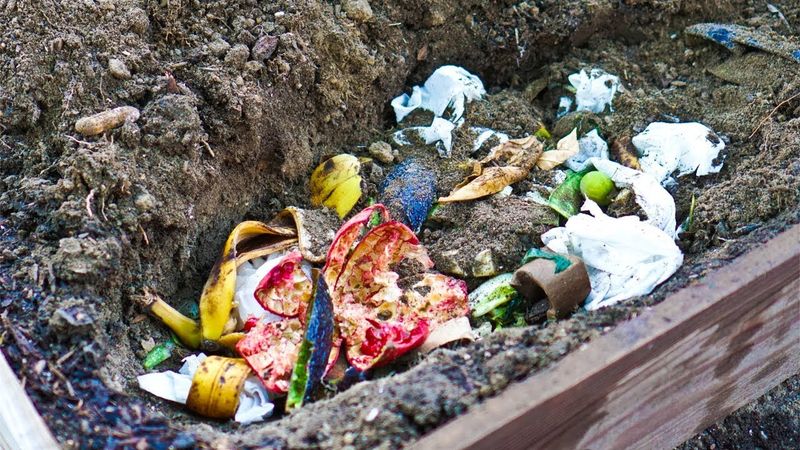
Toss a bowl of strawberry tops onto the surface of your pile, and fruit flies will throw a party within a day. By evening, the smell may reach a curious raccoon. Scraps left on top are like a menu posted on the front window.
The fix takes about thirty seconds. Use a garden fork or small shovel to open a hole near the middle of the pile. Drop your fresh scraps in, then cover them with at least several inches of finished material or dry browns.
Burying scraps does a few jobs at once. The covering layer traps odors so animals have a harder time sniffing out dinner. The center of an active pile is also the warmest spot, so food breaks down faster there. Flies cannot lay eggs on food they cannot reach.
Keep a bag or bin of dry leaves, shredded paper, or straw beside your compost. Every time you add kitchen scraps, toss a handful of browns over the top. Gardeners call this a cap, and it works like a lid on a cooking pot.
Collecting scraps in a sealed pail indoors helps too. Empty it every few days so it does not get slimy or smelly before reaching the pile. Rinse the pail now and then.
One tip worth remembering: always bury, never scatter. A pile that looks like a heap of leaves on the outside gives pests little reason to dig.
Balance Greens With Plenty Of Browns
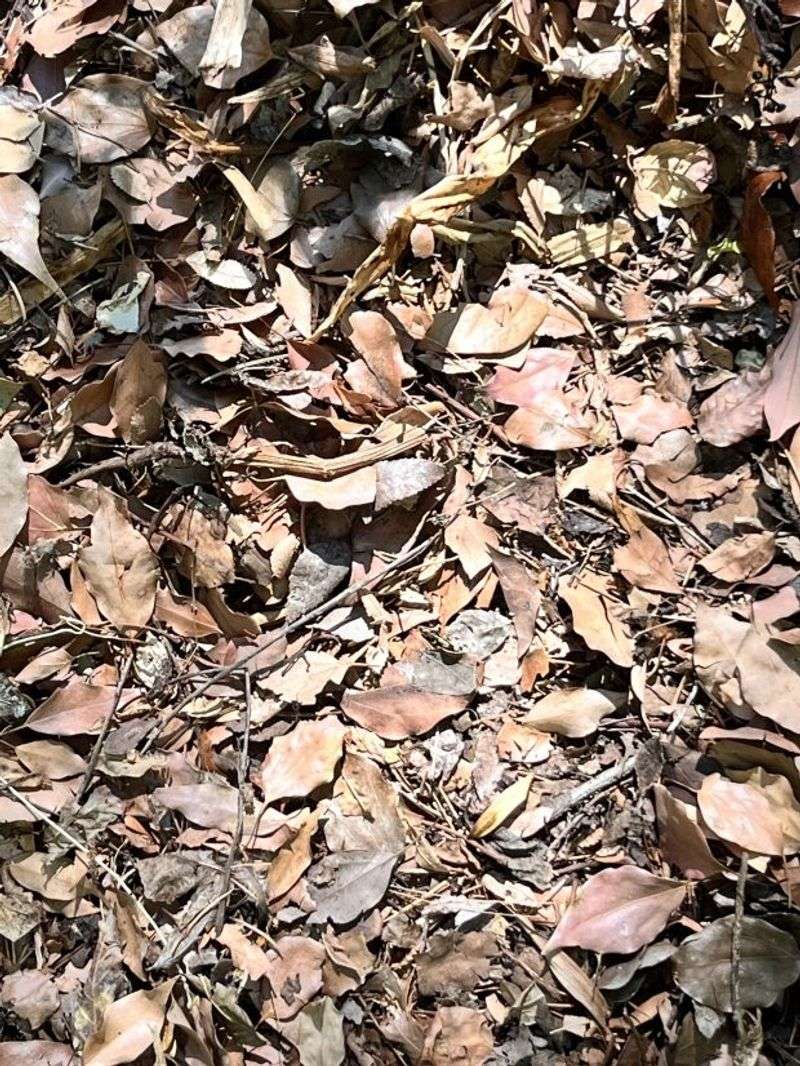
A soggy, stinky pile is often a lopsided one. Too many kitchen scraps and grass clippings without enough dry material turn the whole thing slimy, and that sour smell draws flies and rodents.
Compost needs two kinds of ingredients. Greens are rich in nitrogen and include fruit and vegetable scraps, coffee grounds, fresh grass clippings, and green plant trimmings.
Browns are rich in carbon and include dry leaves, straw, wood chips, shredded newspaper, and plain cardboard.
Many guides start with roughly equal volumes of greens and browns, adding more browns whenever the pile turns wet or smelly. Because browns are light and fluffy, generous handfuls go a long way.
Greens act as fuel for the microbes, while browns provide the structure that lets air move through.
California yards offer plenty of browns in fall, when sycamore, oak, and fruit trees drop leaves. Extra leaves raked now and stored in bags or a covered bin can carry the pile through the rest of the year.
Shredded paper or torn egg cartons work as backup in summer. Stored leaf bags belong well away from the house in fire-prone areas.
Chopping or shredding materials into smaller pieces gives microbes more surface to work on, so everything breaks down faster.
The pile itself offers clues. A bad smell or gooey texture calls for more browns, while a dry pile that sits idle for weeks probably needs more greens. Small adjustments keep the recipe appealing to microbes and dull for pests.
Keep The Pile Damp Like A Wrung Sponge
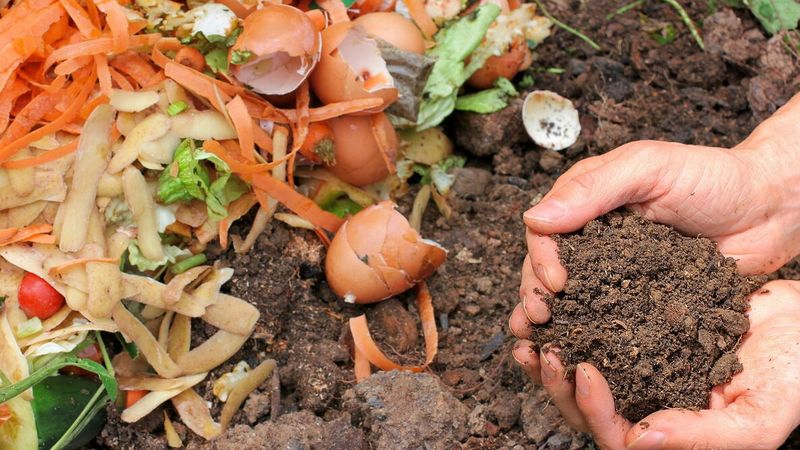
A handful of compost squeezed hard from the middle of the pile tells the moisture story. Water streaming out signals too wet, and dust-like crumbles signal too dry.
Just a drop or two means the balance sits right, like a sponge freshly wrung out.
UC ANR and CalRecycle both use that sponge test, and it works well. Moisture matters because the microbes doing the real work need water to live and multiply, and without it, the pile goes quiet and scraps linger for months.
California summers make dry piles common, especially inland where temperatures soar. Sprinkling water with a hose while adding layers, and checking moisture weekly in hot weather, keeps things active.
A lid helps hold water in and keeps the sun from baking the top.
Wet piles cause a different headache. Soggy compost loses air, starts to smell like rotten eggs, and attracts flies.
During winter rains, a closed lid and extra browns help soak up the excess. October in much of the state often brings the hardest balance, with dry heat one week and the first storms the next.
Rodents also favor a dry, fluffy pile, since it makes a cozy nest. Evenly damp material makes the bin far less inviting as a home, and an active, moist pile tends to stay warm and busy, which pests dislike.
Moisture deserves a check with every addition of scraps. A quick squeeze reveals more than any gadget, and the habit takes only seconds once it becomes routine.
Turn It Often To Heat It Up
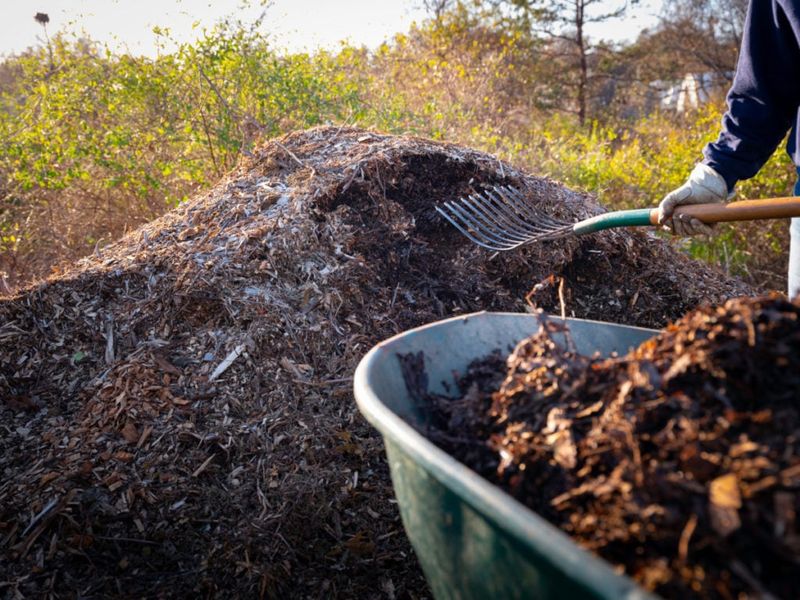
On a chilly morning, a well-turned pile can actually steam. That little cloud signals billions of microbes hard at work, and heat ranks among the best tools against pests, smells, and slow composting.
Turning means using a pitchfork or compost aerator to mix the pile, moving outer material into the center and fluffing everything up. Fresh air feeds the microbes that break down scraps fastest.
Without enough oxygen, a pile turns slow, smelly, and slimy.
UC ANR hot-composting methods call for frequent turning, sometimes every few days for the quickest results. A properly built pile can reach roughly 130 to 160 degrees Fahrenheit inside, speeding decay and destroying many weed seeds and pathogens.
Regular turning also unsettles anything trying to move in. Rodents want a quiet, undisturbed spot for a nest, and a pile shaken up every week or so makes a poor place to raise a family.
Flies lose their egg-laying spots too.
Tumblers need only a few spins. Stationary bins can be shifted into a second bin, which mixes the contents completely. Gloves and a long-handled fork make the job easier on the back.
A compost thermometer makes a fun tool for tracking heat. When the temperature drops, another turn usually brings it climbing back up.
Cooler fall and winter weather slows heating, so larger piles and an extra turn now and then help keep the process moving. A little regular effort keeps the pile cooking right through the rainy season.
Set The Bin Away From The House
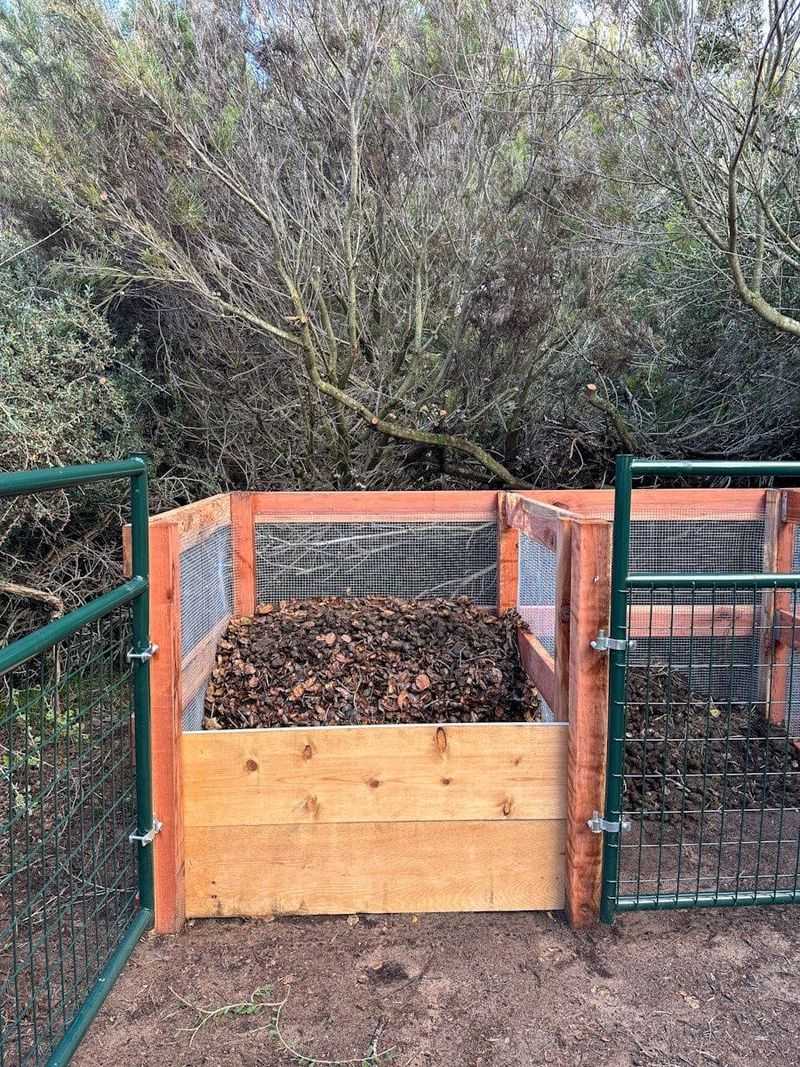
Location can make or break a pest-free setup. A bin tucked against the garage or snug beside a fence gives rats a sheltered route straight toward the house.
A level spot with good drainage, close enough to reach easily with a scrap pail, works best.
Distance from house walls matters, along with some space from fences, woodpiles, and dense shrubs, since UC IPM notes that rats use fences and thick plants as travel routes and hiding places.
Fire safety matters too. CAL FIRE treats the first five feet around a home as an ember-resistant zone kept free of combustible materials, and dry compost ingredients like leaves and straw qualify.
The Board of Forestry approved Zone 0 regulations this year, with final state review determining when they take effect, so bins belong outside that strip regardless. A local fire agency can confirm current requirements.
Partial shade helps in hot inland valleys by slowing drying, and a spot near a hose saves trips. Clearing tall weeds and clutter around the bin leaves animals fewer places to hide.
Mountain and foothill homes face one more visitor. CDFW notes that compost can attract black bears, so households in bear country benefit from extra-secure bins and strict scrap rules.
A weekly glance around the bin for droppings, burrows, or chewed spots catches trouble early, allowing a quick fix before a small visit becomes a full move-in. Signs of persistent rodent activity call for a licensed pest professional.