The Texas Trees To Plant Before Halloween
In Texas, a good shade tree is a prized possession. On a 105-degree afternoon, the air under a big, leafy canopy can feel several degrees cooler.
A well-placed tree can even help bring down your summer energy bill. The catch is that trees take time. The sooner you plant, the sooner you enjoy that shade.
Fall gives young trees the best possible start. Cooler weather means less stress, while the soil stays warm enough for roots to grow and spread.
Planting earlier in the season gives those roots extra weeks to settle in before winter, so trees are stronger and better prepared when the brutal heat returns.
Getting them in the ground before Halloween puts you right on schedule. Some trees are especially well suited for Texas yards, offering shade, beauty, and toughness that lasts for generations.
1. Texas Redbud
Nothing says spring is coming quite like a Texas redbud in full bloom. Long before most trees wake up, its bare gray branches burst with tiny magenta-pink flowers. Neighbors will slow down their cars just to stare.
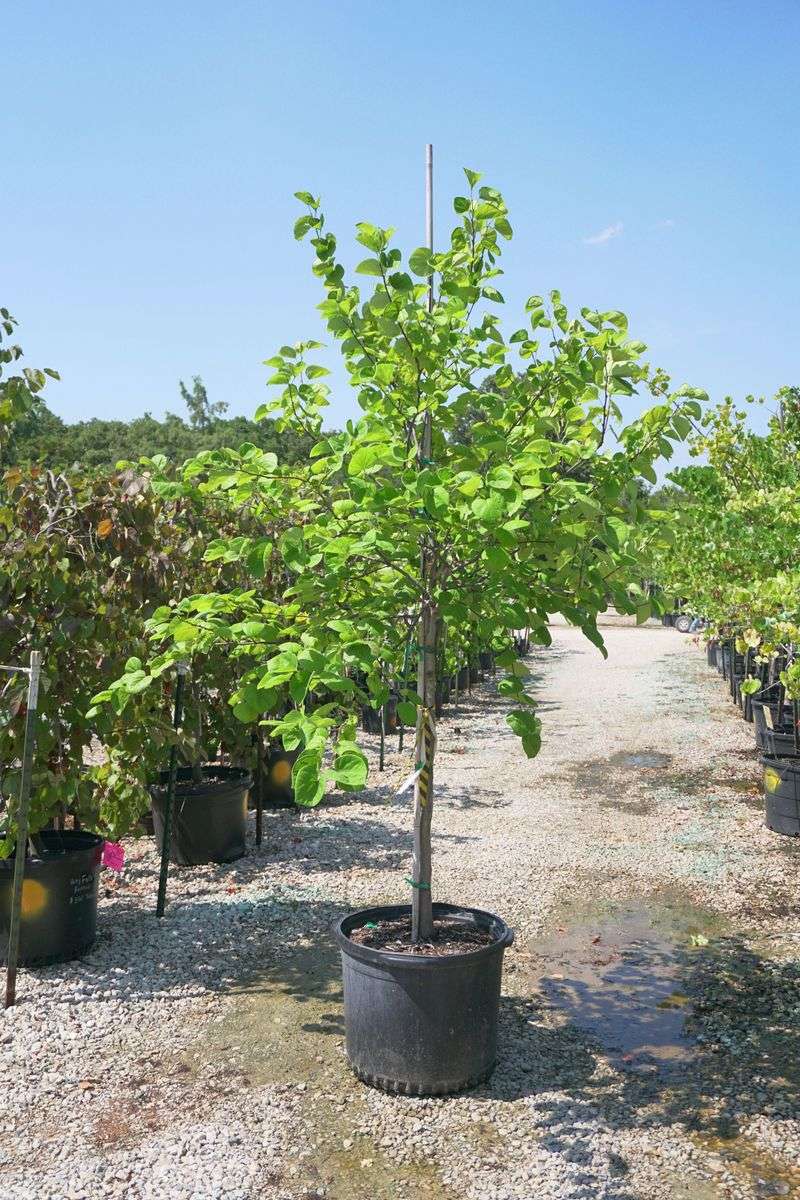
Once the flowers fade, glossy, heart-shaped leaves take over. They have a shiny, almost waxy look that helps the tree hold onto water. That smart design is one reason the redbud handles Texas heat and drought so well.
Size is another big plus. Most Texas redbuds grow only 15 to 20 feet tall, with a rounded shape. They fit nicely in small yards, near patios, or even close to the house without taking over.
Planting in October gives your redbud a cozy winter to build roots. Pick a spot with full sun or light afternoon shade. The tree likes well-drained soil and does fine in the rocky, alkaline ground found in much of Central Texas.
Here are a few quick tips for success. Dig a hole about twice as wide as the root ball, but no deeper. Spread a few inches of mulch around the base, keeping it a little away from the trunk.
Water deeply once or twice a week during the first year if rain is scarce. After that, the redbud mostly takes care of itself. Light pruning in late winter can help shape it, but it rarely needs much fuss.
Fun fact: the flowers are actually edible! Some people toss them into salads for a pop of color and a mild, slightly sour taste. Bees love them too, since they are one of the earliest food sources of the year.
2. Mexican Plum
Back when Texas settlers needed fruit, they often found it on wild Mexican plum trees. These tough little natives still grow along creeks and woodland edges today. Bringing one home connects your yard to that long history.
Late winter is when the magic starts. Before a single leaf shows up, the branches fill with clouds of white flowers. They smell sweet and fresh, and you might catch the scent from across the yard.
Bees and early butterflies flock to those blooms. Later in summer, small red to purple plums appear. Birds, foxes, and other critters gobble them up, so your yard turns into a little wildlife café.
Your Texas Garden Changes Every Week. Your Plan Should Too.
Gardening in Texas changes quickly throughout the season. Every Friday you’ll receive a simple weekly plan showing exactly what to plant, prune, fertilize, harvest, and protect so you never miss the right timing.
People can eat the plums too. They are a bit tart, so many folks turn them into jelly or jam. Just be ready to share with the mockingbirds.
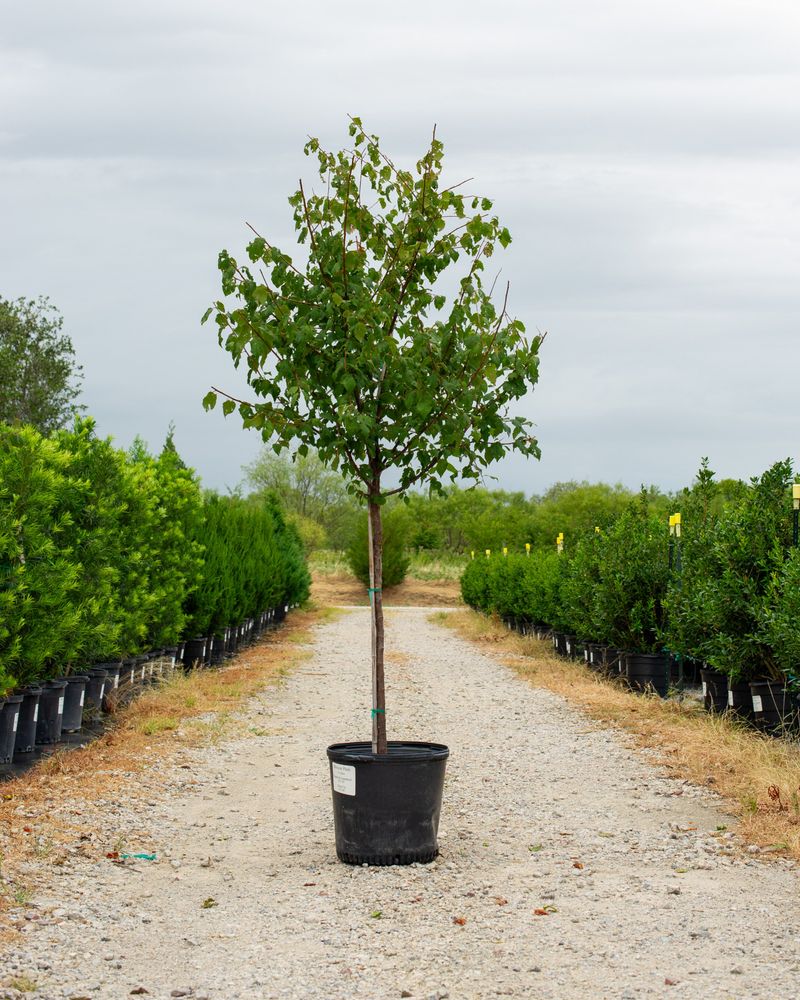
Mexican plum is an easygoing tree once it settles in. It handles clay, sand, and rocky soil without much complaint. It grows about 15 to 25 feet tall and works well in sun or part shade.
Fall planting is a great idea for this one. Roots grow during the cool months, so the tree is ready for heat later. Water regularly the first summer, then cut back as it becomes more independent.
Unlike some plum trees, this native species usually stays as a single trunk tree instead of spreading into thickets.
That makes it neat and tidy for home landscapes. Its dark, peeling bark also adds winter interest when the branches are bare.
For a cottage-style garden, try pairing it with native wildflowers underneath. The result feels wild, cheerful, and full of life.
3. Desert Willow
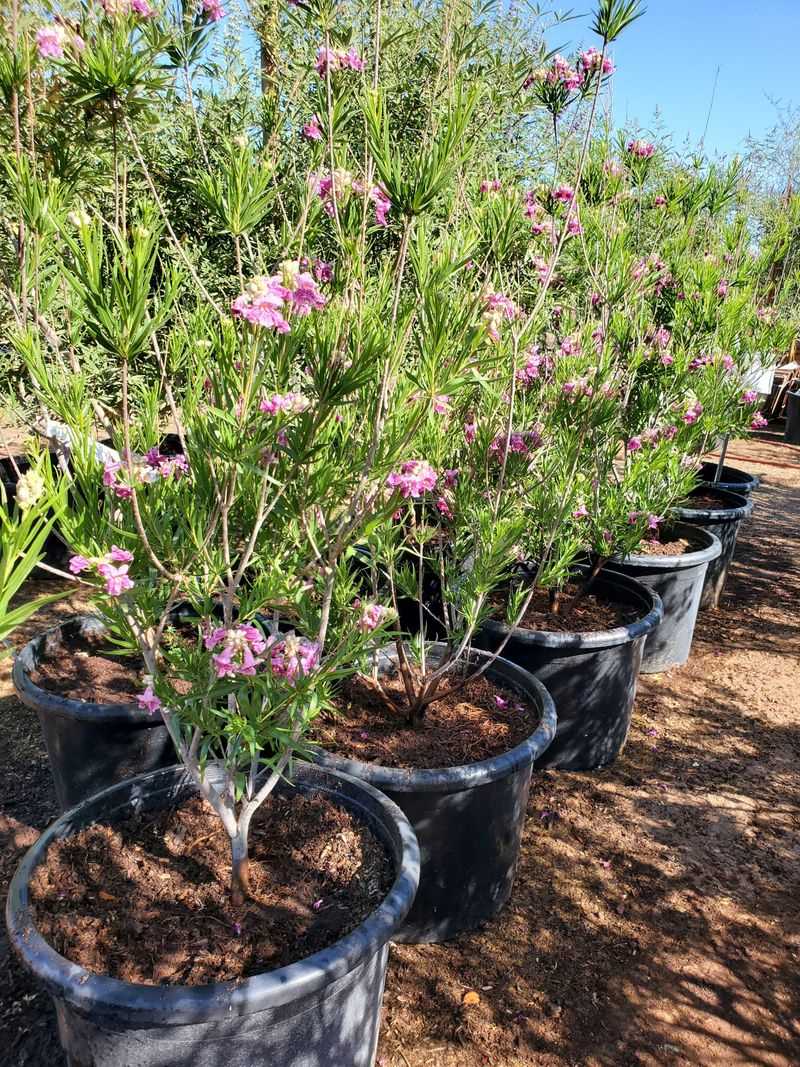
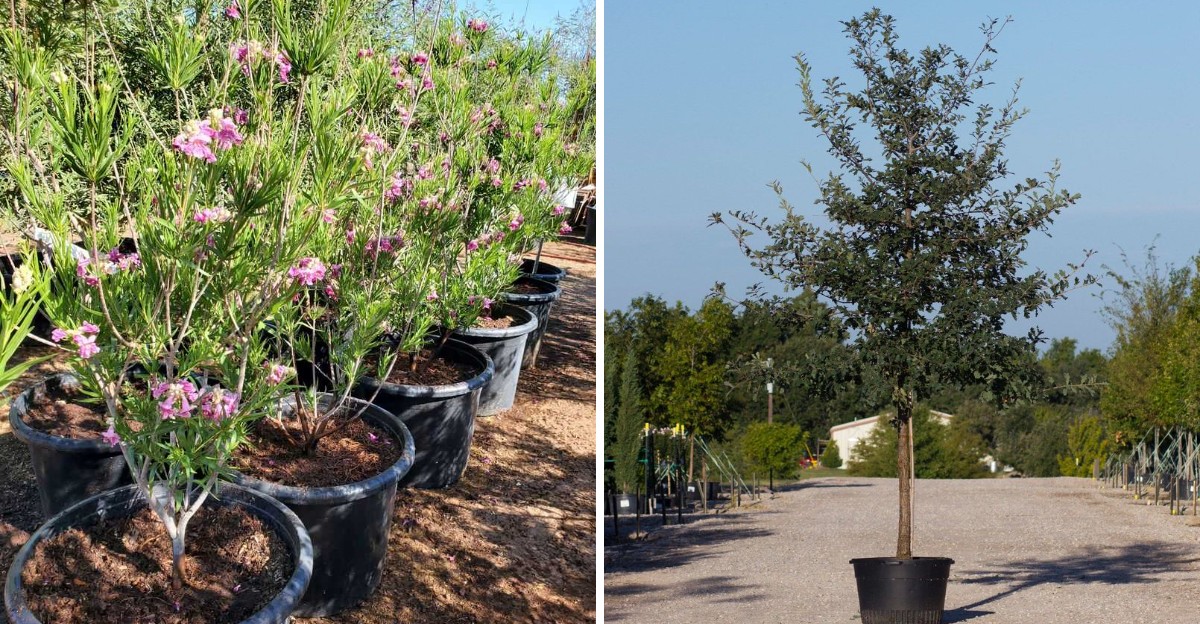
Hummingbirds have a favorite restaurant in West Texas, and its name is desert willow. The tree blooms with trumpet-shaped flowers that look a lot like orchids. Shades range from soft pink to deep purple, often with a splash of yellow inside.
Despite the name, desert willow is not a true willow at all. It actually belongs to the same family as trumpet vines and catalpa trees. Its long, skinny leaves just happen to look like willow leaves.
Flowers show up in late spring and keep coming into fall. That long season means steady snacks for hummingbirds and bees. Sitting on a porch and watching them zip around is pure summer fun.
Water-wise gardeners adore this tree. It can handle long dry spells, blazing sun, and very little care. In fact, too much water can make it weak and floppy.
Drainage is the key to keeping it happy. Desert willow hates soggy roots, so heavy clay can cause trouble. Plant it on a slope, in a raised bed, or in sandy or gravelly soil.
Most trees reach 15 to 25 feet tall with a loose, airy shape. Some people prune them into a single trunk, while others let them grow with several stems. Both looks work well in modern or desert-style yards.
October planting lets the roots settle while temperatures are mild. Give it a good soak every week or so the first season. After that, rainfall is usually enough except during extreme drought.
In winter, the tree drops its leaves and shows off slender seed pods. They dangle like little green beans turned brown.
4. Bigtooth Maple
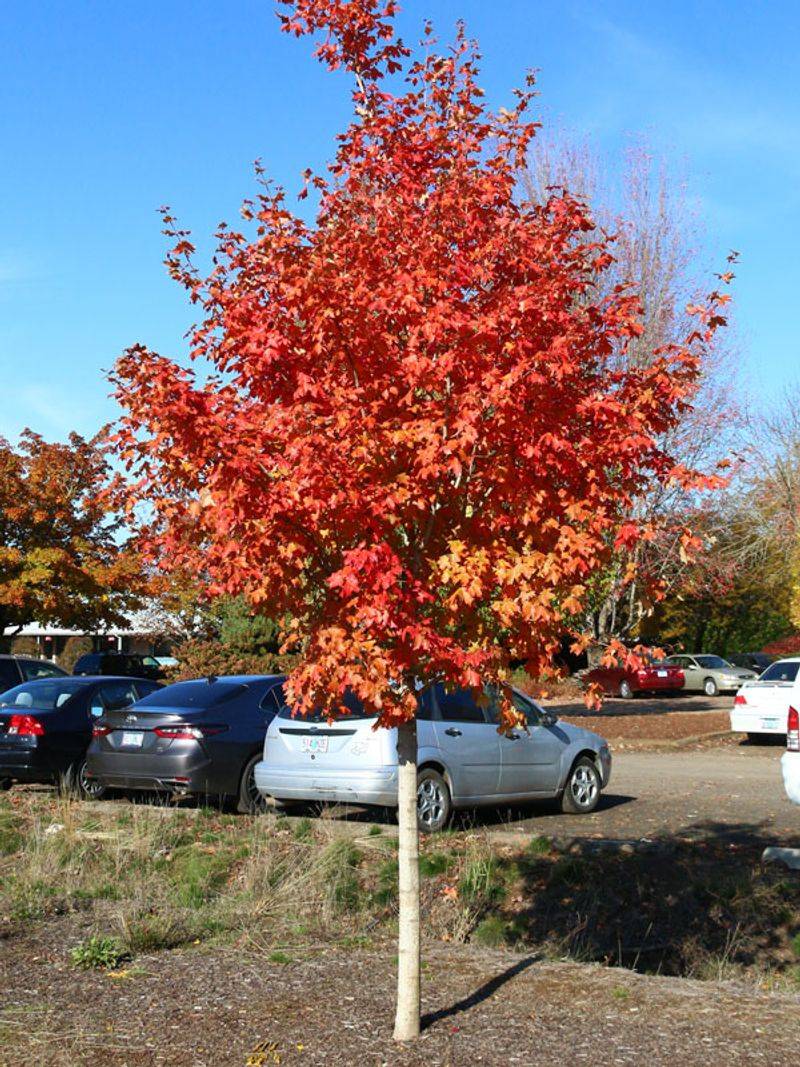
Every November, thousands of visitors drive to a small canyon in the Texas Hill Country. They come to see Lost Maples State Natural Area, where the trees glow red, orange, and gold. The star of that famous show is the bigtooth maple.
Most people think Texas cannot do real fall color. This native tree proves them wrong. Its leaves have big, rounded teeth along the edges, which is how it got its name.
Growing one at home brings a slice of that canyon magic to your yard. The tree usually reaches 20 to 30 feet tall. Its shape is rounded and graceful, with smooth gray bark.
Location matters a lot with this maple. In the wild, it grows in shady, protected canyons near cool water. At home, give it morning sun and some afternoon shade to protect it from the harshest heat.
Good drainage is also important. Bigtooth maple can grow in limestone soils, but it does not like standing water. Adding mulch helps keep the roots cool and moist without making them soggy.
Fall planting is a smart move. The tree gets months of mild weather to build roots before summer arrives. Water deeply during the first two summers, since young maples are more sensitive to drought.
Fall color can change from year to year. Cool nights and sunny days usually bring the brightest shades. Trees grown from Texas seed sources often perform best in local conditions.
Did you know? Bigtooth maple is related to sugar maple, and its sap can even be boiled into syrup. Not many Texans try it, but it makes a fun conversation starter.
5. Mexican Buckeye
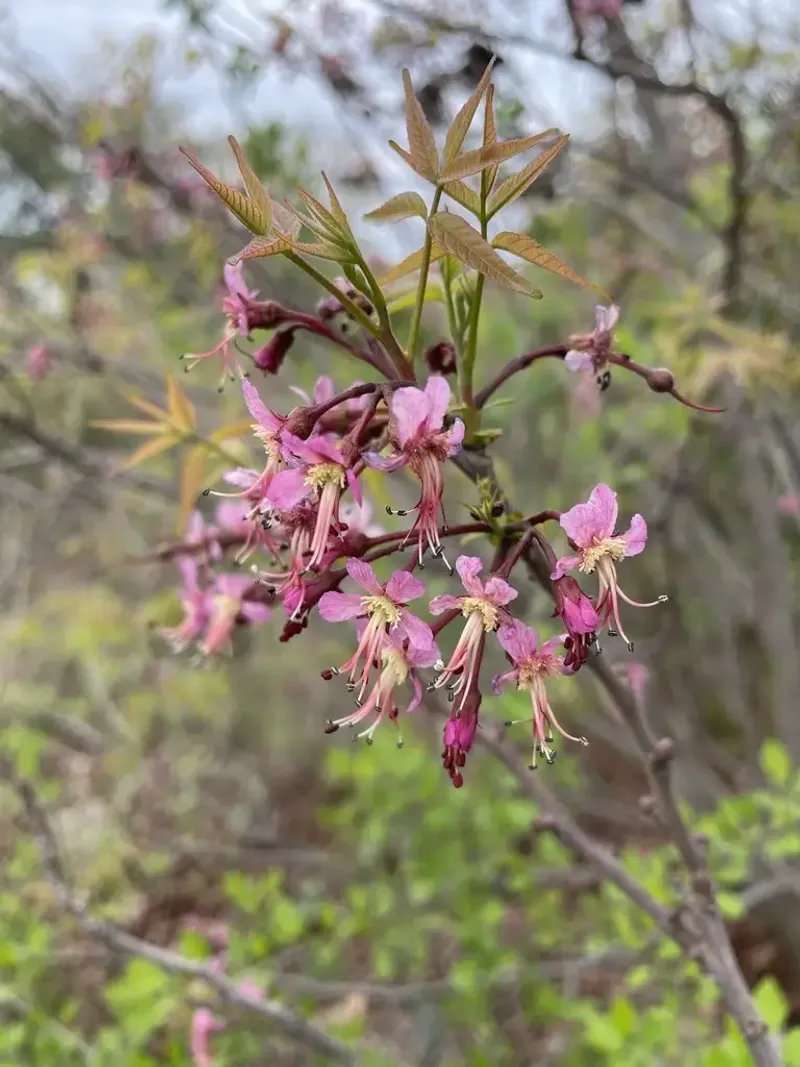
Ask a Hill Country hiker about the strangest seed pods they have seen, and Mexican buckeye might come up.
Its pods split into three parts, a bit like a tiny leathery lantern. Inside are shiny, dark seeds that rattle in the wind.
Spring is when the tree really shines. Clusters of fragrant pink flowers cover the branches, often before the leaves fully open. From a distance, it can almost look like a redbud.
Bees and butterflies come buzzing as soon as the blooms appear. The flowers give pollinators an early boost when food is still scarce. That makes this tree a quiet hero in the garden.
Fall brings another reason to love it. The leaves turn a warm golden yellow, adding a sunny glow to the yard. It pairs nicely with evergreen plants that stay green all year.
Tough soil does not scare this tree. Mexican buckeye thrives in rocky, alkaline ground where many others struggle. It handles heat, drought, and full sun or partial shade with ease.
Most trees grow 8 to 12 feet tall, though some reach a bit taller. They often have several trunks and a shrubby shape. You can prune lower branches to make it look more like a small tree.
One safety note is important for families. The seeds are toxic if eaten, so teach kids not to snack on them. Pets should also be kept away from fallen pods.
Plant in October and water regularly for the first year. After that, this hardy native rarely needs extra help. It is a fantastic pick for rock gardens and dry corners.
6. Lacey Oak
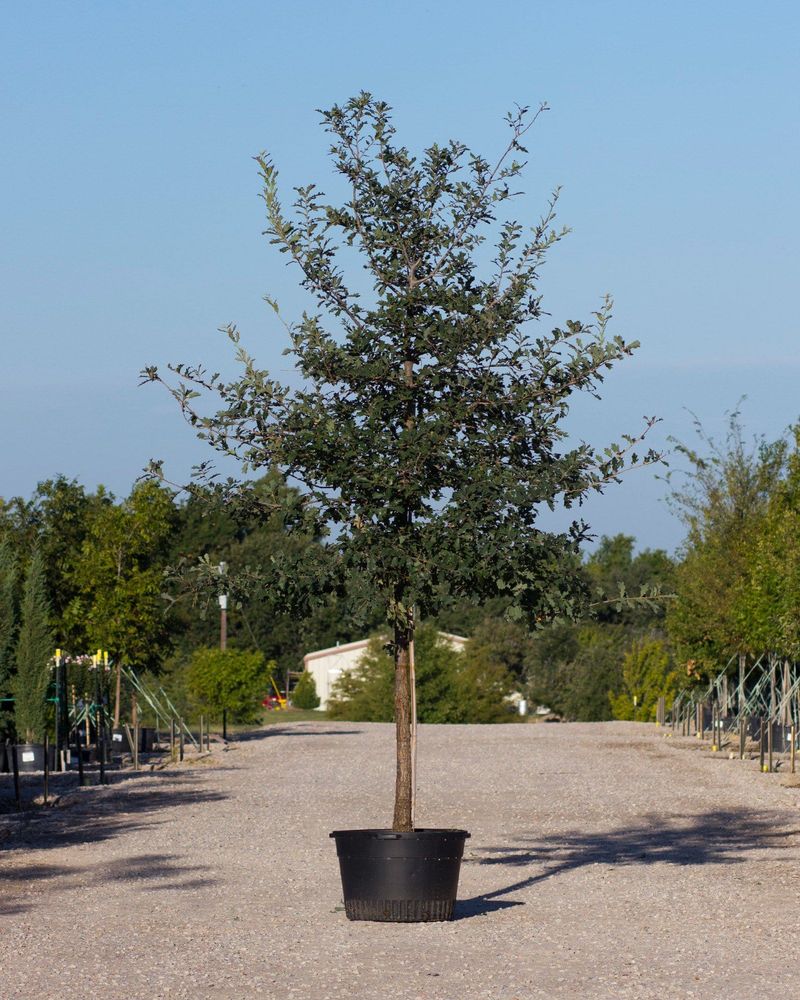
Want an oak but do not have room for a giant? Lacey oak might be your perfect match. It stays much smaller than a live oak, usually around 20 to 35 feet tall.
Color is what makes this tree stand out. Its leaves have a soft blue-green shade that looks almost dusty. In spring, new leaves often unfold with a pinkish or purplish blush.
The tree comes from the Texas Hill Country, where it grows on rocky limestone slopes. That background makes it a champ in tough soils. Thin, chalky ground that frustrates other trees suits it just fine.
Drought tolerance is another strong point. Once established, Lacey oak can handle long, hot summers with little extra water. It is a solid choice for homeowners who want to save on watering.
Oak wilt is a serious tree disease in Texas, especially for red oaks. Lacey oak is more resistant than many of its cousins. That gives it a big advantage in areas where oak wilt has been a problem.
Still, smart habits help protect any oak. Avoid pruning from February through June, when the disease spreads most easily. If you must trim, paint fresh cuts with wound paint right away.
Fall planting gives this oak the best start. Dig a wide hole, set the tree at the same depth it grew in the pot, and mulch well. Water deeply every week or two during its first year.
As it matures, Lacey oak forms a pleasant, rounded canopy. It offers dappled shade that is great for a bench or picnic table. In autumn, some trees even turn yellow or orange.
7. Rusty Blackhaw Viburnum
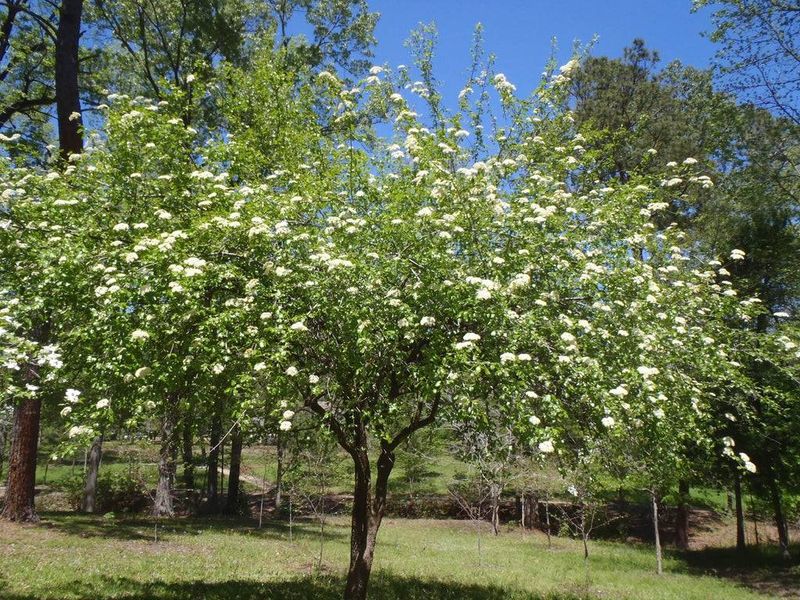
Some trees are one-hit wonders, but rusty blackhaw viburnum keeps the show going all year. It starts with spring flowers, moves into glossy summer leaves, and finishes with bold fall color. Then it serves up berries for the birds.
In spring, flat clusters of creamy white flowers cover the branches. They attract all kinds of small bees and butterflies. The blooms look like lace doilies resting on green leaves.
Summer brings thick, shiny leaves that look almost polished. The name comes from the rusty-colored fuzz found on the buds and young leaf stems. Look closely, and you will spot those reddish-brown hairs.
Fall is when things get dramatic. The leaves turn deep red to rich purple, glowing in the low autumn sun. Few small trees in Texas offer color this strong.
Birds love what comes next. Blue-black berries ripen in fall and hang on into winter. Cardinals, robins, and cedar waxwings stop by for a snack when other food runs low.
Flexibility makes this tree easy to place. It grows well in full sun or partial shade, so it fits under taller trees or along a fence line. It usually reaches 10 to 20 feet tall.
Soil needs are simple. Rusty blackhaw handles clay, loam, and even some rocky ground. Good drainage and a layer of mulch will keep it healthy.
Get it in the ground in October and water steadily through the first summer. It grows at a slow to moderate pace, which means less pruning later. Over time, it becomes a beautiful, low-fuss anchor for any native garden.