Why Christmas Cactus Segments Turn Soft And Limp In California Homes
A plant that once looked crisp and glossy can start to slump in ways that worry even experienced growers. The change often creeps in quietly, then seems to arrive all at once.
The frustrating part lies in how many different causes look exactly the same from across the room.
Some call for more care, others for less, and guessing wrong can make matters worse.
California homes add their own wrinkles, with bright western windows, dry winds, and nights that swing cooler than expected.
The plant’s unusual origins hold many of the answers, along with a few quick clues hidden in plain sight.
A careful look below the surface usually reveals far more than the drooping stems suggest.
1. Overwatering Rots The Roots
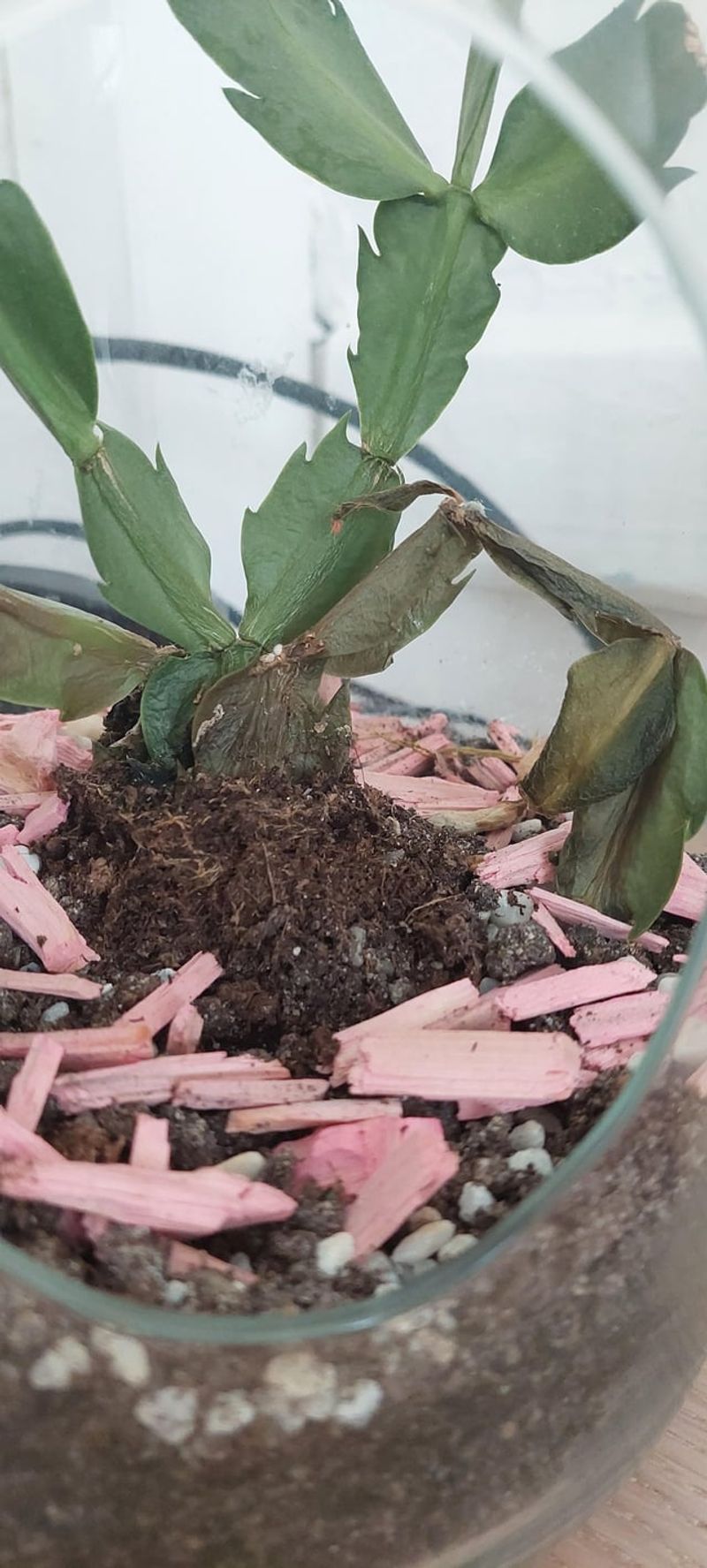
Mushy segments near the soil line rank as the classic warning sign. A gentle pinch may reveal something closer to an overripe grape than a firm stem, and that squishy feel usually starts at the base and creeps upward.
Holiday cacti store water in their thick segments, so constant drinks aren’t necessary. Watering on a strict schedule, such as every few days regardless of conditions, keeps roots sitting in moisture.
Fungi and water molds thrive in those conditions, attacking roots and lower stems and turning healthy white roots brown, slimy, and weak.
Once roots rot, they can no longer carry water upward. Ironically, a waterlogged cactus starts to look thirsty, and many owners respond to the droop by watering again, which deepens the problem.
A sour or musty smell from the soil offers another clue. Segments that turn translucent or dark at the base often confirm rot has taken hold.
A quick finger test prevents most of this. Pushing a finger about an inch into the mix reveals the truth, and watering only when that top inch feels dry keeps roots healthier.
A thorough soak until water runs from the bottom, followed by emptying the saucer within a few minutes, keeps roots out of standing water.
Indoors in California, many plants need water roughly every week or two, depending on light and season. Fall and winter call for even less, since growth slows. The plant’s needs, rather than the calendar, make the better guide.
2. Soggy Soil Starves Roots Of Air
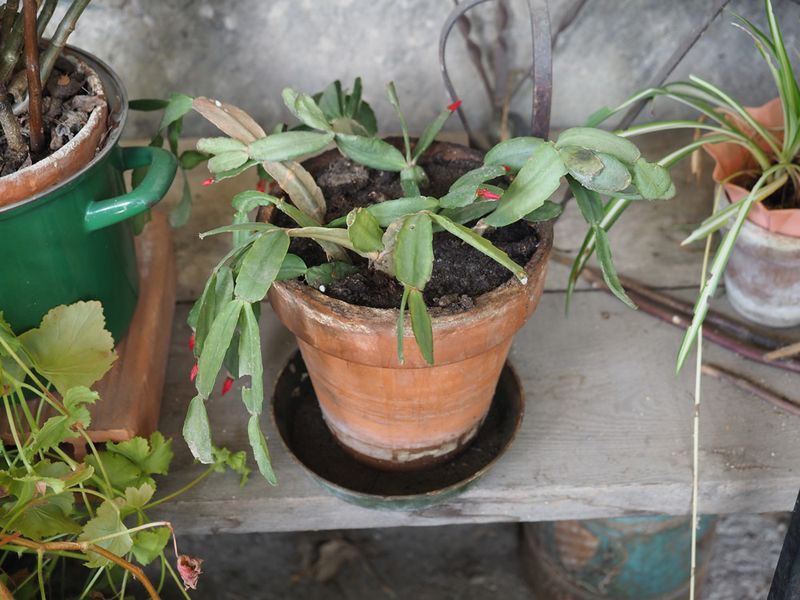
Roots need to breathe, a fact that surprises many plant owners. Every root takes in oxygen from tiny air pockets in the soil, and heavy, dense mixes fill those pockets with water.
Holiday cacti grow wild on tree branches in Brazilian forests. Their roots cling to bark, moss, and leaf litter, where water drains quickly and air flows freely.
Regular bagged potting soil or garden dirt runs far too heavy for them, holding water like a sponge for days even with careful watering.
Pots matter too. A decorative pot without a drainage hole traps water with nowhere to go, and the foil wrappers on many holiday plants do the same thing.
Water collects at the bottom, leaving lower roots in a soggy swamp. Plants bought already wrapped in foil often arrive with soggy roots, so removing the wrapper right away helps.
Your California Garden Changes Every Week. Your Plan Should Too.
Gardening in California changes quickly throughout the season. Every Friday you’ll receive a simple weekly plan showing exactly what to plant, prune, fertilize, harvest, and protect so you never miss the right timing.
Fixing the mix is easier than it sounds. A light, fast-draining blend, such as cactus or succulent mix combined with some regular potting soil, works well, and many growers add perlite or fine orchid bark to open things up further.
The goal is soil that feels loose and crumbly rather than packed and clay-like.
A pot with at least one drainage hole makes all the difference. Fans of fancy cover pots can slip a plain nursery pot inside, lift it out to water, let it drain in the sink, then set it back.
That simple routine lets roots breathe, and it often ends the mystery droop within a few weeks.
3. Underwatering Leaves Segments Limp And Wrinkled
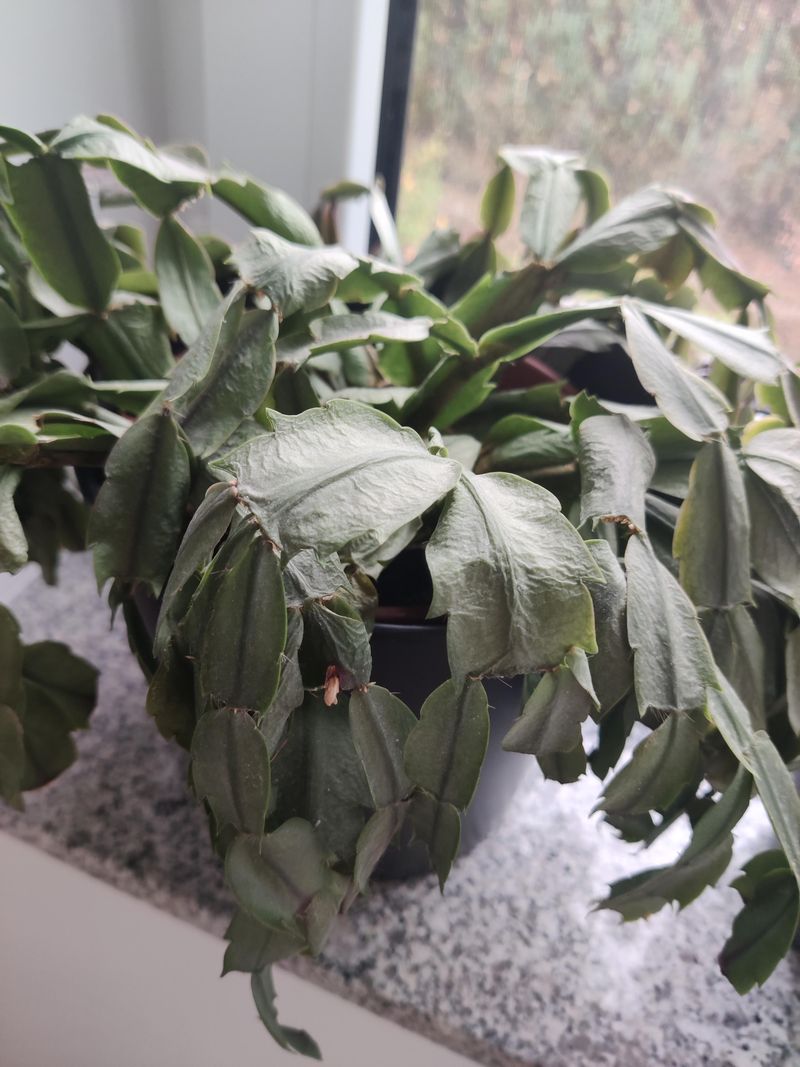
Shriveled, wrinkly segments that resemble deflated balloons tell a different story. Instead of mushy, they feel thin and leathery, a sign the plant has been drawing on stored water and the tank is running low.
California’s climate makes this easy to miss. Dry Santa Ana winds, low indoor humidity, and winter heaters all pull moisture from soil and segments quickly, and a small pot in a bright spot can dry out faster than expected.
Holiday cacti tolerate some dryness, yet long droughts leave them limp. October heat waves and the first heater days of fall often catch owners off guard.
Telling thirst from rot comes down to two checks: soil and roots. Dry, crumbly soil pulling away from the pot edges points to thirst, while wet soil with a soft, dark base points to rot.
A plant slid gently from its pot shows firm, light-colored roots when healthy and brown, mushy ones when rotting.
A thirsty plant needs a deep, slow drink, with water poured until it flows from the drainage hole. Room-temperature water works best.
Bone-dry mix sometimes lets water rush straight through, so setting the pot in a bowl of water for about 20 minutes allows the soil to soak it up, followed by a full drain.
Within a few days, segments usually start to plump back up. A regular check-the-soil routine, avoiding wild swings from drought to flood, keeps this forest plant from feeling like it lives in the Mojave.
4. Heat And Hot Sun Scorch Segments
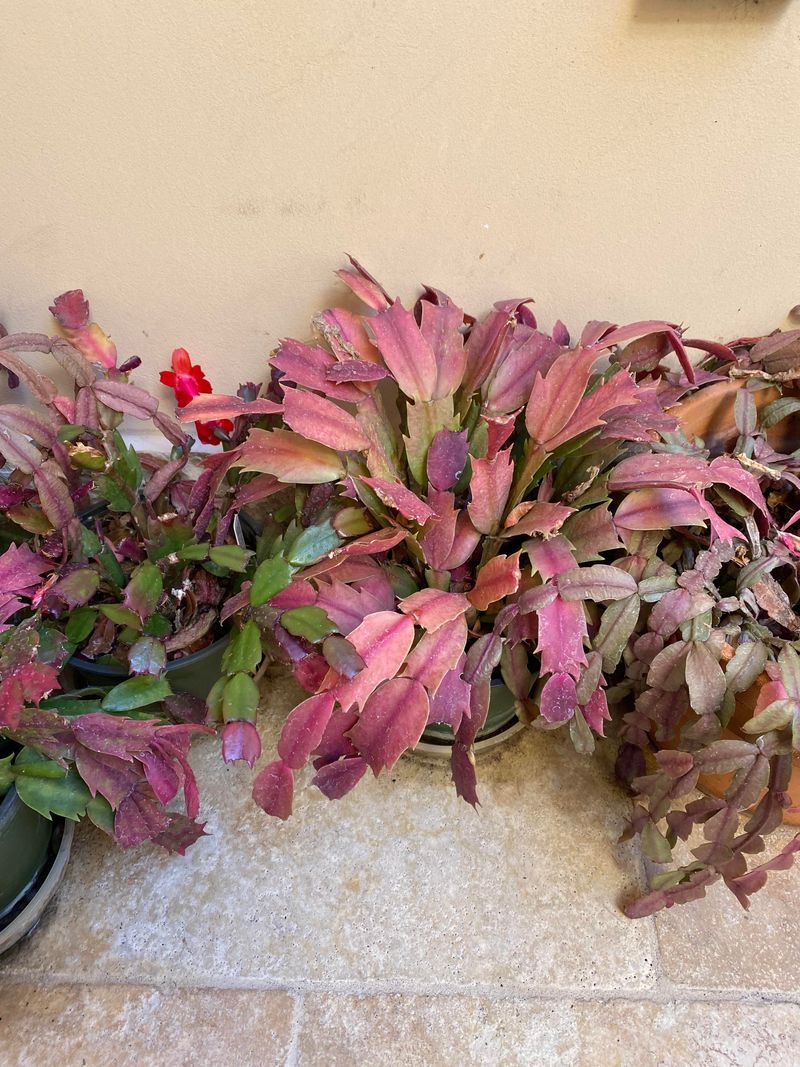
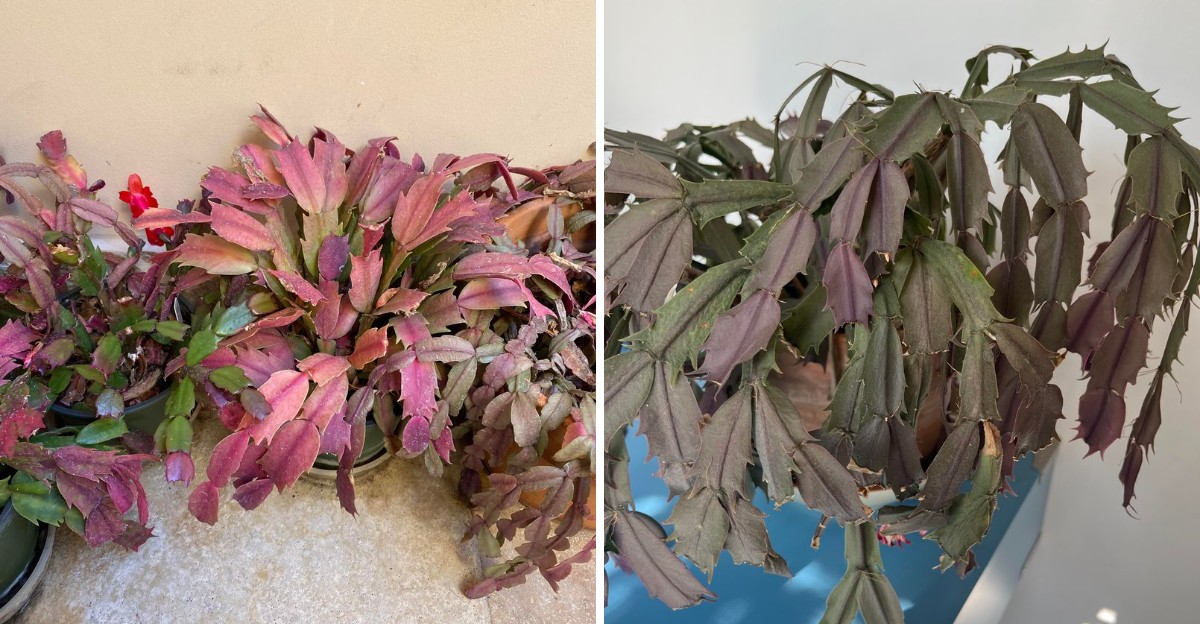
A sunny windowsill in Riverside in September can feel like an oven. A holiday cactus placed there may turn reddish, purple, pale, or yellow, with some segments going limp and others developing dry, tan patches that look burned.
Holiday cacti grow in dappled forest light, shaded by leaves overhead. They appreciate bright light, yet direct, hot afternoon sun proves too much, and window glass can intensify the heat.
Inland California homes, where summer and early fall temperatures soar past 100 degrees, add extra stress for these forest dwellers.
Heat also speeds water loss. Segments lose moisture faster than roots can replace it, so the plant wilts even when the soil seems fine.
A red or purple blush often signals the plant’s version of a sunburn. Mild color changes can fade, while scorched spots rarely turn green again.
A slight reddish tint in cool fall weather can also be normal stress coloring rather than damage.
Location offers the fix. Bright, indirect light, such as near an east window or a few feet back from a sunny south or west one, suits the plant well, and a sheer curtain works wonders during hot months.
Outdoors, light shade under a patio cover or tree beats a baking concrete slab by a wide margin.
Comfortable temperatures sit roughly between 60 and 75 degrees for active growth. Distance from ovens, heat vents, and warm electronics helps, and a cooler, steadier spot lets segments firm up again over a few weeks.
5. Cold Drafts Damage Tender Tissue
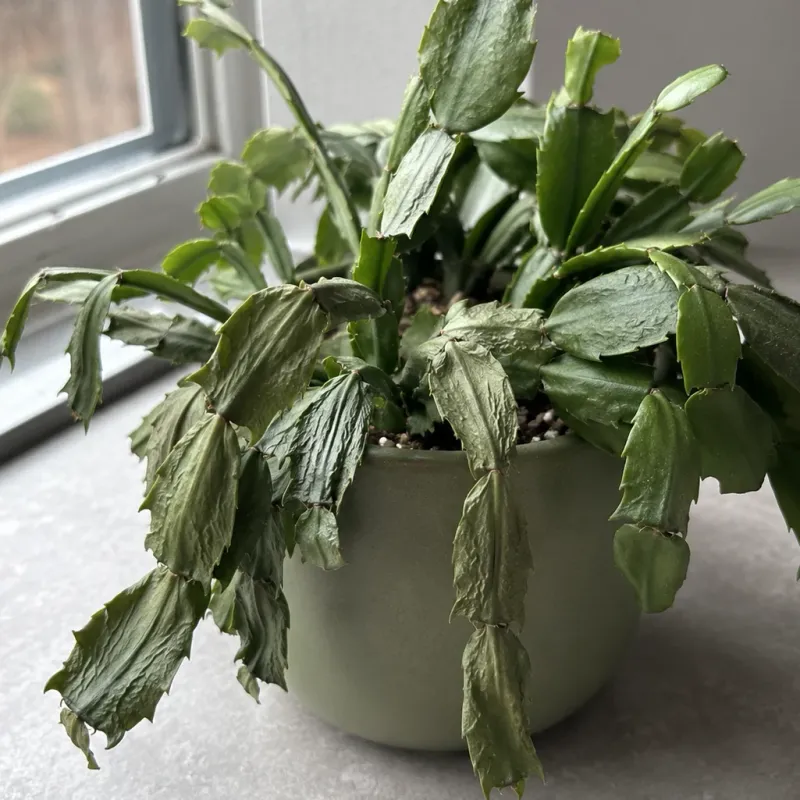
Overnight, a healthy plant can suddenly show dark, glassy, soft segments. Frost or cold drafts often deserve the blame, especially after a chilly night by a window or a stretch outdoors.
Many Californians move holiday cacti outside for summer, which works well. Trouble starts when the plant stays out too long into fall.
Cool nights help set flower buds, yet frost proves too much, since temperatures near freezing damage water-filled cells and leave tissue mushy and translucent.
Indoors, cold strikes in sneakier ways. Leaning against frosty single-pane glass, sitting beside a door that opens all day, or catching a blast from an air conditioner can all chill the tissue.
Sudden temperature swings may also cause buds to drop before opening, a disappointing outcome during the holidays.
A steady spot away from doors, drafty windows, and vents makes the best home. Nights kept above about 50 degrees suit the plant well.
Outdoor plants come inside before nights dip into the 40s, which can happen in inland valleys and foothill areas by late October or November. A covered porch can serve as a halfway step during mild spells, as long as frost stays out of the forecast.
Cold-damaged segments deserve a few days of patience, since some recover. Ones that stay mushy or turn black can come off with clean shears wiped with household disinfectant.
Extra water is best held back until the plant settles, because chilled roots drink very little.
6. A Crowded Pot Strangles Roots
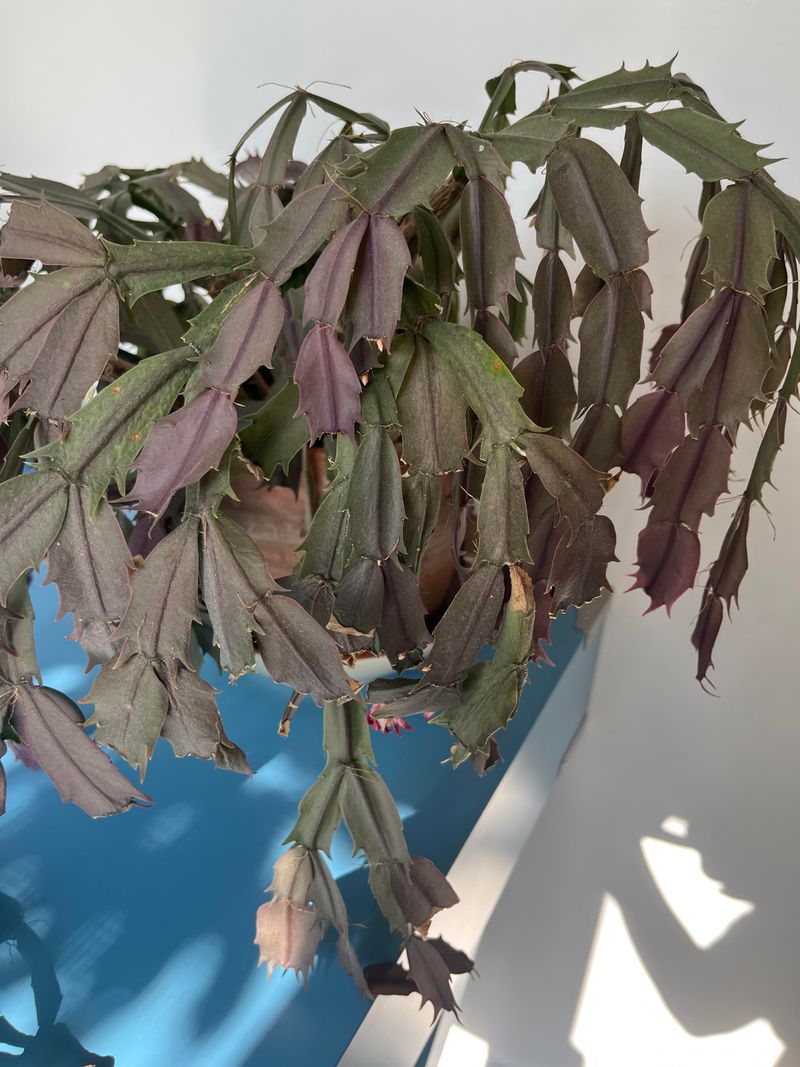
A pot so packed with roots that the soil has nearly vanished creates a strange problem. Water poured on top races down the sides and out the bottom, barely wetting anything, so the plant droops no matter how often it gets watered.
There’s a twist, though. Christmas cacti actually bloom best when slightly snug in their pots, so a little crowding is fine and even helpful.
Problems begin after several years, when roots circle round and round, crowd out the soil, and leave no room to hold water or nutrients.
Several clues point to a root-bound plant. Roots poking from the drainage hole, soil that dries within a day, or a plant that wilts right after watering all suggest trouble.
Old soil also breaks down over time, turning dense and stale, which makes nutrients harder to reach.
Repotting every three years or so is plenty for most holiday cacti. Spring, after blooming ends and new growth begins, makes the best time, so a fall repot is best avoided while buds form.
A pot only one size larger, about an inch or two wider, works well, since an oversized pot holds too much wet soil and invites rot.
Gently loosening circling roots before setting the plant in fresh mix helps them spread. A light feeding with balanced houseplant fertilizer during spring and summer supports new growth, and with room to stretch, roots keep segments plump.
7. Pests Like Mealybugs Drain Sap
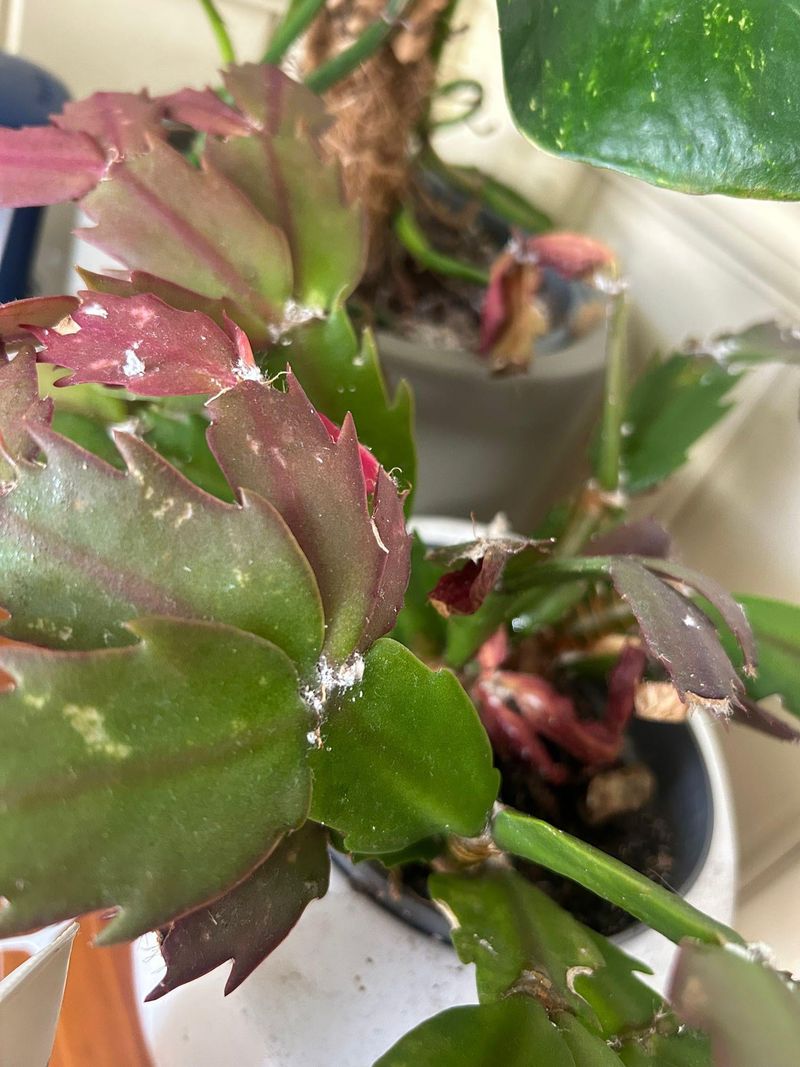
Tiny tufts of white cotton tucked between segments aren’t holiday decorations. Those fuzzy blobs often turn out to be mealybugs, among the most common pests on holiday cacti.
Mealybugs are small, soft insects covered in a waxy white coating. They hide in joints, under segment edges, and sometimes on the roots, using needle-like mouthparts to suck sap.
A large group drains moisture and energy, leaving segments weak, limp, yellow, or stunted, and their sticky honeydew can grow black sooty mold.
Other pests join in too. Scale insects look like tiny brown bumps stuck to segments, and fungus gnats hover around soggy soil while their larvae nibble roots.
Spider mites may appear in hot, dry homes, leaving fine webbing and speckled tissue.
Early detection makes management far easier. A close look at each watering, especially in the creases between segments, catches problems while they’re small.
Small mealybug clusters can be dabbed away with a cotton swab dipped in insecticidal soap. Larger problems call for a spray of insecticidal soap or horticultural oil, following label directions carefully and repeating as directed.
Plants brought indoors from summer on the patio deserve an especially close inspection this month.
New plants do best kept apart from the rest of the collection for a couple of weeks, since pests often hitch a ride home from the store.
Letting soil dry between waterings also discourages fungus gnats. A little regular detective work keeps these sap feeders from taking hold, and UC IPM Pest Notes offer detailed guidance for stubborn cases.
8. Trim Damaged Parts And Repot
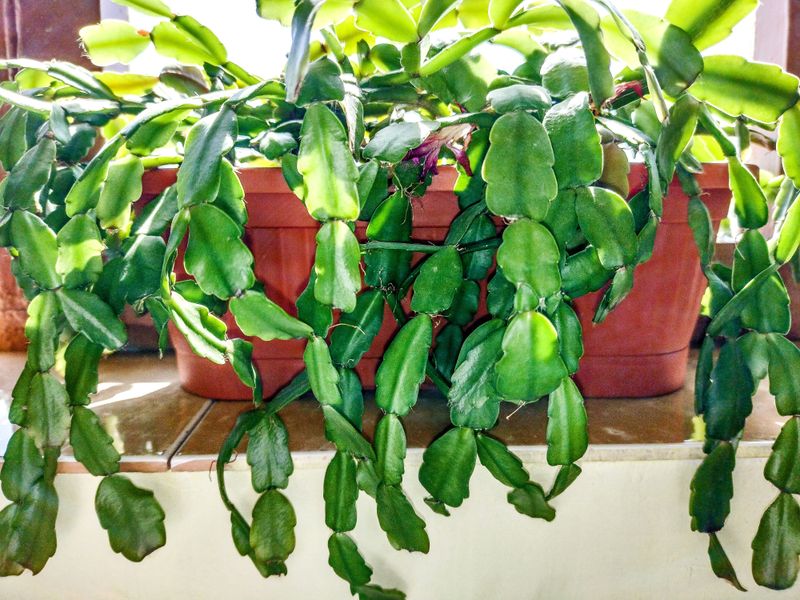
Clean pruners, a fresh bag of mix, and a pot with a drainage hole set the stage for a rescue. Most holiday cacti bounce back with surprising energy once the problem gets addressed.
The plant slides out of its pot first, with old soil shaken loose for a close look at the roots. Firm, light-colored roots signal health, while brown, slimy, or smelly ones are rotting and can be snipped away.
Wiping blades with household disinfectant between cuts helps prevent spreading disease.
Soft, mushy, or blackened segments come off next, cut or gently twisted off at a joint back to firm green tissue.
When rot has spread through most of the base, saving the healthy tips becomes the better plan. Cuttings of two or three segments, left to dry for a day or two, root easily in slightly moist mix, giving the plant a fresh start.
The healthy portion goes into a light, fast-draining blend in a pot only slightly bigger than the root ball. Waiting several days before watering lets any trimmed roots heal, and then the finger test takes over, with water only when the top inch feels dry.
A smart spot completes the rescue. Bright, indirect light, steady temperatures, and freedom from drafts suit these forest natives best, and a quick weekly look for pests rounds out the routine.
A plant rescued in fall may skip this year’s blooms while it recovers. With steady care, it can return to blooming for many Decembers ahead.