Banana Peel Water For Your Virginia Garden: Miracle Fertilizer Or Myth?
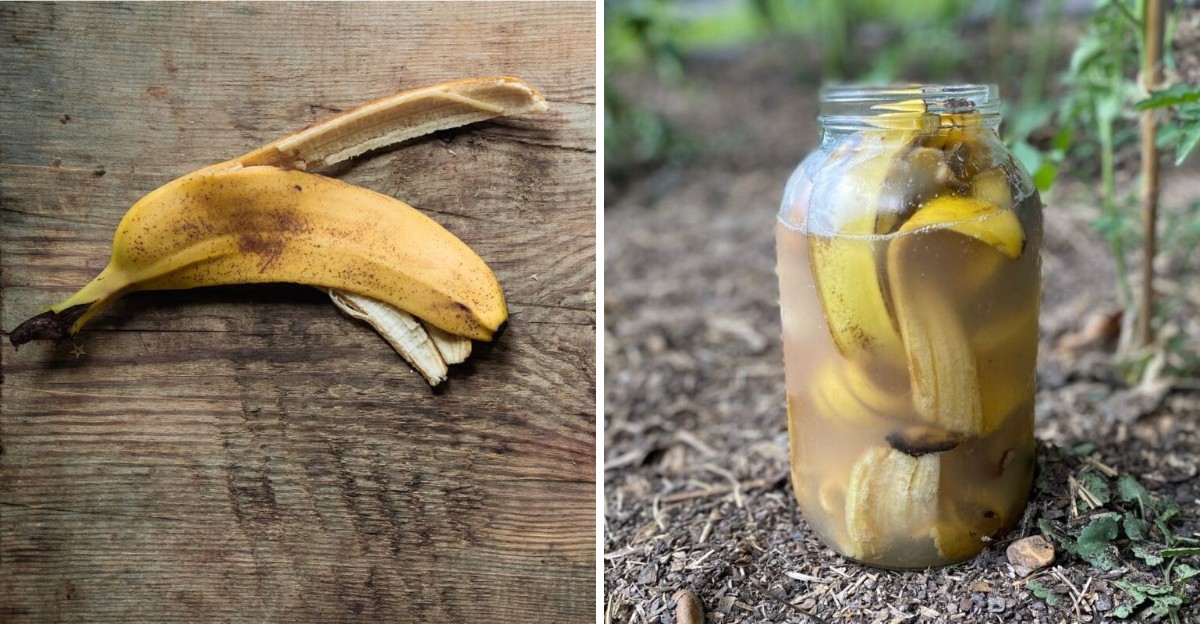
Your kitchen counter might hold a secret garden weapon, or just a snack for fruit flies. Banana peel water promises bigger blooms and happier tomatoes.
Soak a few peels, then pour the water on your plants. In Virginia, where clay soil keeps gardeners guessing, free fertilizer sounds like a dream.
But does that cloudy, banana-scented water really feed your roses and peppers? Extension experts say there’s very little research behind it.
Peels do contain potassium. It’s unclear how much ends up in the water. Some of the hype holds up, and some of it falls apart on a closer look.
The guide below separates fact from folklore. It also shares better uses for those peels.
Gardeners Swear It Boosts Blooms
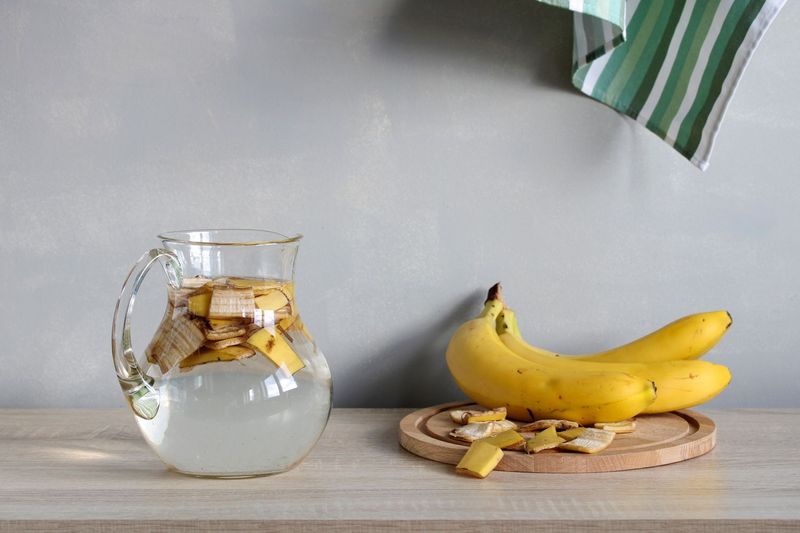
Ask around at any Virginia garden club, and someone will praise banana peel water with real excitement. They often point to roses, zinnias, or tomatoes that seemed to burst with color after a few doses.
Stories like these spread fast on social media and between neighbors. A photo of a flower-packed hibiscus next to a jar of peels makes a pretty convincing pitch.
Much of the buzz comes from what peels contain. Banana skins hold potassium, phosphorus, calcium, and magnesium, all nutrients plants use to grow and flower.
Potassium gets the most attention from flower lovers. It helps plants with photosynthesis, water movement, and taking in other nutrients from the soil.
Fruiting plants like peppers and tomatoes also get mentioned a lot. Gardeners often say their harvests improved once they started saving peels instead of tossing them.
Here is the tricky part, though. Most of these success stories are anecdotes, not results from careful tests with control plants.
Plenty of other things could explain those bigger blooms. Better weather, more regular watering, or simply paying closer attention to plants can make a real difference.
Think about it this way. A gardener who soaks peels each week is also checking leaves, pulling weeds, and spotting pests early.
Want to test the claim yourself? Treat one pot of marigolds with peel water and leave a matching pot with plain water.
Keep both in the same sunny spot for a full season. Snap photos every two weeks, and let your own garden be the judge.
Peels Do Contain Potassium
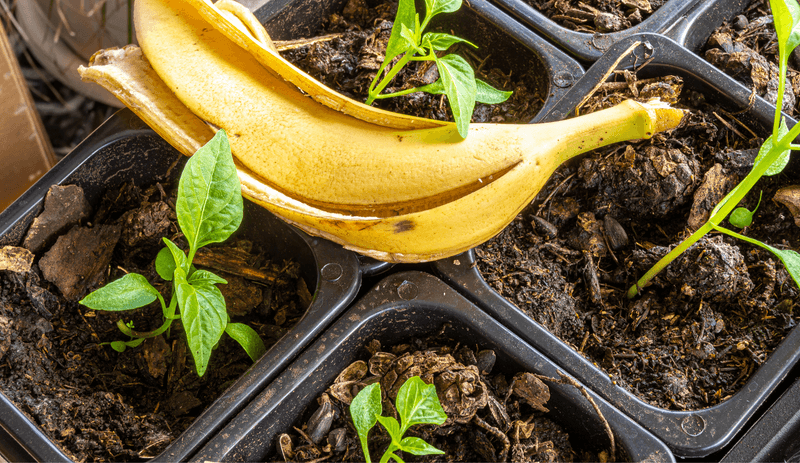
Good news first: the potassium claim is not made up. Banana peels really do carry a useful amount of this nutrient, along with a few helpful extras.
Potassium is one of the big three plant nutrients. You will see it as the K in the N-P-K numbers on any fertilizer bag.
Plants lean on potassium for strong stems and healthy flowers and fruit. It also helps them control how water moves through their tissues, which matters during hot spells.
Virginia summers can swing from soaking rain to dry, scorching weeks. Plants with enough potassium tend to handle that stress a bit better.
Peels also bring phosphorus to the table. Phosphorus supports root growth and helps plants form flowers in the first place.
Your Virginia Garden Changes Every Week. Your Plan Should Too.
Gardening in Virginia changes quickly throughout the season. Every Friday you’ll receive a simple weekly plan showing exactly what to plant, prune, fertilize, harvest, and protect so you never miss the right timing.
Calcium is another passenger tucked inside those yellow skins. It strengthens cell walls and helps prevent blossom end rot, that ugly black patch on tomatoes.
Magnesium rounds out the list nicely. Every chlorophyll molecule has magnesium at its center, so leaves need it to stay green and productive.
So far, the banana sounds like a tiny fertilizer factory. The nutrients are there, sitting inside the peel and waiting.
The real question is not whether peels hold nutrients. It is how much of that goodness actually reaches your plant’s roots.
Fun fact: one banana peel weighs only about an ounce or so. Even a nutrient-rich peel offers a small total amount compared to a scoop of fertilizer.
Soaking Pulls Out Only A Tiny Amount Of Nutrients
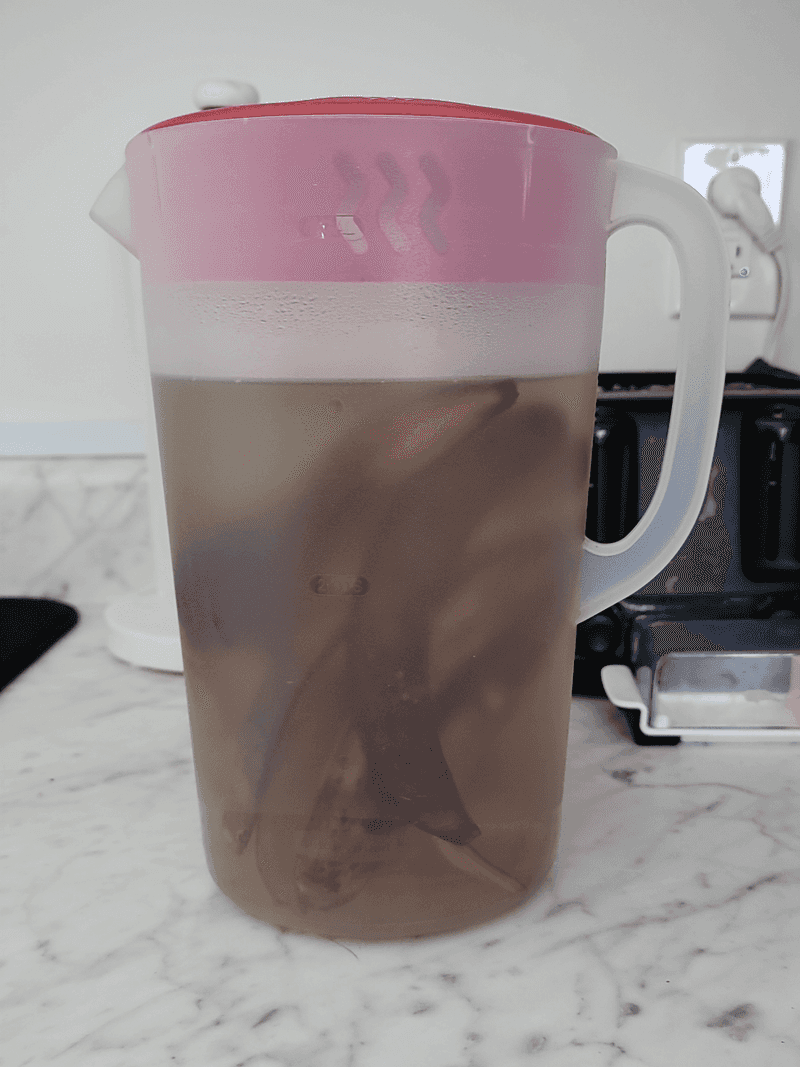
Picture a tea bag dunked for two seconds. You get faintly colored water, but most of the flavor stays locked inside the leaves.
Banana peel water works in a similar way. Soaking pulls out only small amounts of potassium, magnesium, and calcium, while most nutrients stay stuck in the peel.
Many of those nutrients are bound tightly inside plant tissue. They need time, moisture, and soil microbes to break the peel down before they become available.
A jar of water on the counter cannot do that job in a few days. The liquid ends up only slightly richer than plain tap water.
Experts have weighed in on this too. A University of Maryland Extension specialist has pointed out there is little research proving peel water works as plant food.
That does not mean the water is harmful in small doses. It just means the big promises outrun what the science shows so far.
Some folks soak peels for a week or longer, hoping for a stronger brew. Longer soaking mostly brings fermentation, sour smells, and possible mold instead of extra nutrition.
If you enjoy the ritual, keep it simple. Soak peels for a day or two, strain the water, and use it fresh.
Toss the soggy peels into your compost pile afterward. That way, the nutrients left behind still end up helping your garden eventually.
Consider peel water a light snack for plants, not a full meal. Your expectations, and your garden, will be better for it.
Blended Peels Add Some Organic Matter
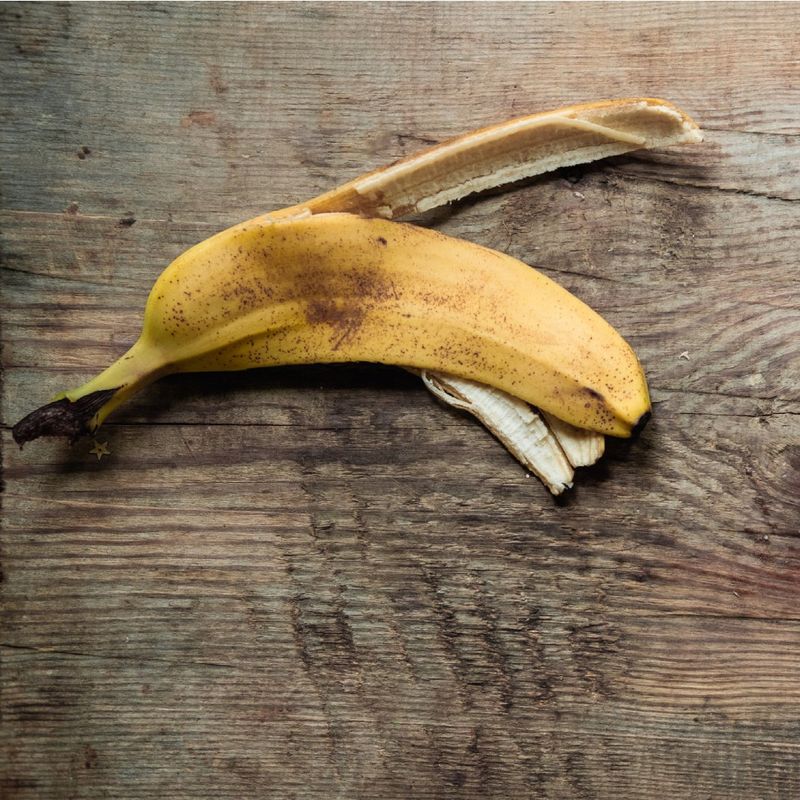
Got a blender and a bit of curiosity? Whirring peels with water turns them into a thick slurry that keeps every bit of the peel in play.
Unlike soaking, blending wastes nothing. All the potassium, phosphorus, and fiber go straight into your garden instead of staying in a discarded skin.
Still, the nutrients are not instantly ready for roots. Soil microbes must break the mushy pieces down before plants can use what is inside.
Blending does give those microbes a head start. Smaller bits mean more surface area, which can help decomposition happen faster.
As the peel bits break down, they add organic matter to your soil. Organic matter improves texture and helps soil hold more water between rains.
Gardeners dealing with heavy red clay can appreciate that benefit. Every bit of organic material helps loosen tight soil and improve drainage over time.
Try this method outdoors rather than inside. Fresh fruit slurry in houseplant pots can draw fungus gnats, those tiny flies that buzz around your windows.
For best results, dig a shallow trench beside your plants and pour the slurry in. Cover it with an inch or two of soil to hide the smell.
Burying the mix also keeps raccoons and curious dogs from investigating. Exposed fruit scraps can turn a quiet garden bed into a midnight snack bar.
Blended peels will not transform your yard overnight. They do offer a smarter way to return the whole peel to the earth.
Sugary Peel Water Can Attract Fruit Flies
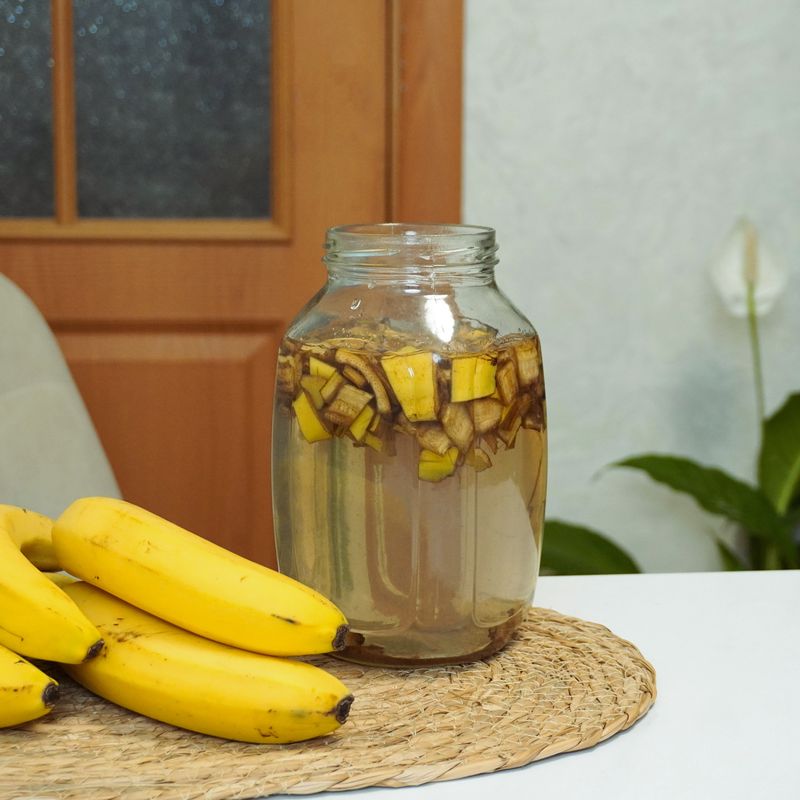
Leave a jar of banana water out for a few days, and you may notice uninvited guests. Tiny fruit flies seem to appear out of nowhere, hovering like a buzzing cloud.
Bananas release sugars and a sweet scent as they soak. Those smells act like a dinner bell for fruit flies, ants, and other critters.
Fermented peel water makes the problem worse. As the liquid sits, it starts to sour and smell even stronger to insects.
Sugary water on leaves can also encourage mold growth. Muggy summers already give fungus plenty of chances to spread.
You can lower the risk with a few easy habits. Use peel water fresh instead of letting it sit and brew for a week.
Dilute it with plenty of plain water before pouring. Weaker mixtures carry less sugar and draw less attention from pests.
Timing helps too. Apply it in the morning or late afternoon, and aim for the soil instead of splashing the leaves.
Keep soaking jars covered with a lid or cloth while they steep. A rubber band around a coffee filter works nicely and keeps flies out.
Indoor plant owners should be extra careful. Fruit flies and fungus gnats can spread from one pot to the next quickly.
Quick tip: if flies already showed up, set out a small dish of apple cider vinegar with a drop of dish soap. It traps them surprisingly well.
Compost Puts Peels To Better Use
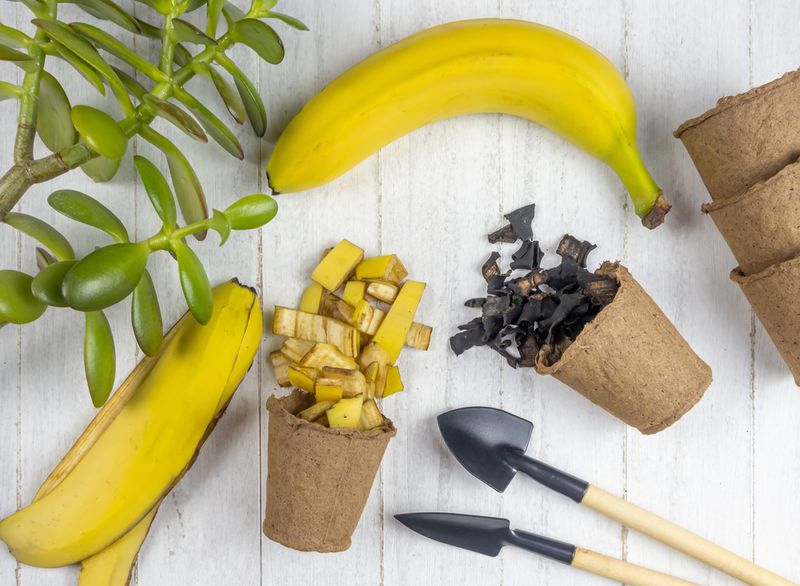
Here is where banana peels really earn their keep. Toss them in a compost pile, and they become part of something much richer than peel water.
Peels break down quickly in compost. Their soft texture and moisture make them easy work for worms, bacteria, and fungi.
Once fully decomposed, those peels release their nutrients and organic matter into finished compost. Your garden gets the whole package, not just a watery sample.
Composting also mixes peels with other materials. Leaves, grass clippings, coffee grounds, and vegetable scraps all add different nutrients to the blend.
That variety is what makes compost so valuable. Plants get a wider range of food, and your soil gains structure that lasts.
Virginia offers plenty of free compost ingredients each fall. Oak and maple leaves pile up in yards across the state, ready to balance out kitchen scraps.
Aim for a mix of greens and browns. Banana peels count as greens, so pair them with dry leaves or shredded cardboard.
Chop peels into smaller pieces before adding them. They will break down faster, and your pile will stay tidier and less smelly.
Bury fresh scraps a few inches into the pile. Doing so keeps flies and hungry wildlife from treating your bin like a buffet.
Within a few months, those old peels become dark, crumbly compost. Spread it around your plants, and you have turned breakfast leftovers into real garden gold.
It Won’t Replace A Balanced Fertilizer
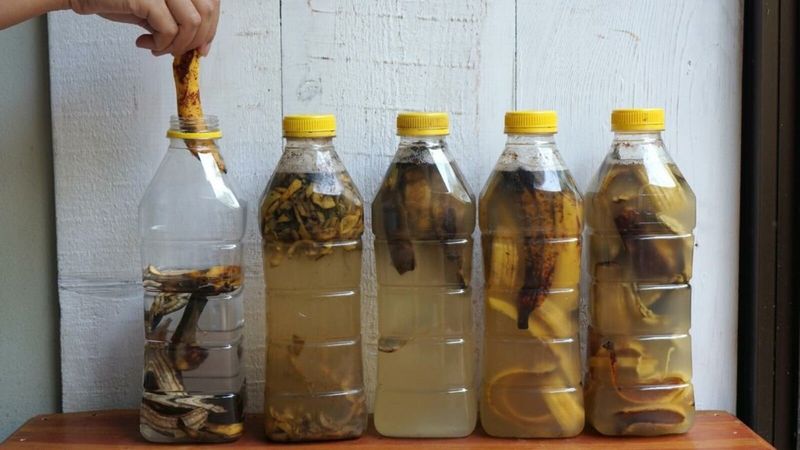
Imagine trying to live on orange juice alone. You would get some vitamins, but your body would soon miss protein, fats, and plenty more.
Plants face a similar problem with banana peel water. It offers a few nutrients but misses many others they need to grow well.
Nitrogen is the biggest gap. Leafy growth depends on it, and banana peels supply very little.
Even the potassium in peel water is usually too low to meet a plant’s needs. Relying on it alone can lead to nutrient imbalances over time.
Hungry crops feel this most. Tomatoes, peppers, squash, and sweet corn in a vegetable patch need steady, complete feeding through the season.
Flowering shrubs and heavy-blooming annuals also want more than a light splash. Petunias and roses, for example, often perform better with regular balanced feeding.
A balanced fertilizer covers nitrogen, phosphorus, and potassium in measured amounts. Organic options like compost, aged manure, or fish emulsion work well too.
Banana water can still have a small role. Some gardeners use it as an occasional bonus between regular fertilizer applications.
Think of it as a garnish, not the main course. A little now and then will not hurt, as long as real nutrition comes first.
Watch your plants for clues. Pale leaves, weak stems, or few flowers usually mean they need more than peels can offer.
A Soil Test Shows What Your Plants Actually Need
Guessing about fertilizer is a bit like guessing your shoe size. You might get lucky, but a quick measurement saves a lot of trouble.
A soil test tells you exactly what your garden has and what it lacks. It checks pH, phosphorus, potassium, calcium, magnesium, and several micronutrients.
Many soils already hold enough potassium, and a soil test will tell you if yours does. Adding more, from peels or anything else, may not help your plants at all.
Results also come with recommendations for fertilizer and lime. Those suggestions are tailored to the plants you list, like lawns, vegetables, or shrubs.
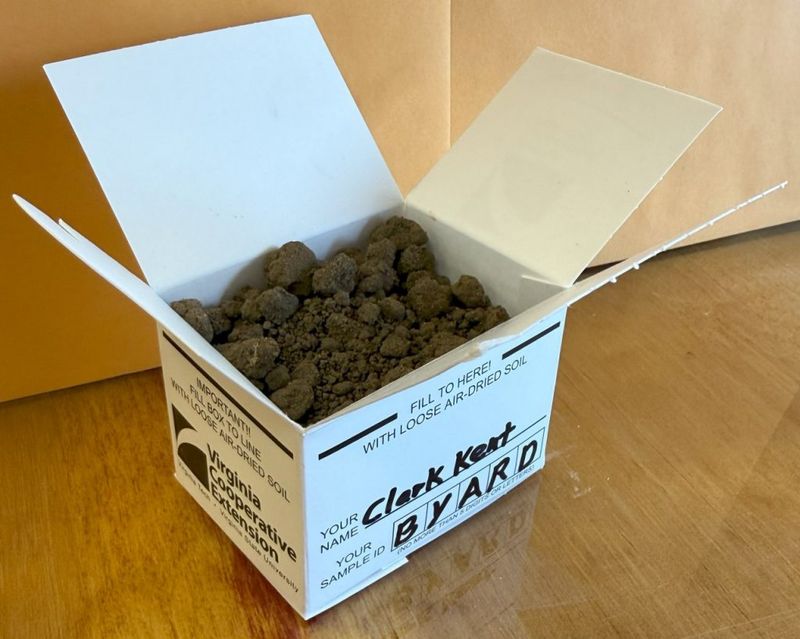
Virginia gardeners have a handy resource close by. The Virginia Tech Soil Testing Laboratory runs routine tests through Virginia Cooperative Extension.
Pick up a free kit at your local Extension office or some garden centers. The instructions walk you through collecting and mailing your sample.
Take small scoops from several spots in each bed, about four to six inches deep. Mix them together in a clean bucket for an accurate sample.
Testing can save money and protect local waterways. Too much fertilizer washes away in rain and can reach streams flowing toward the Chesapeake Bay.
Plan to test every three to four years. Test sooner if leaves change color strangely or plants grow poorly for no clear reason.
Once you know your soil, you can feed with confidence. Banana peels can still head to the compost bin, while your plants get what they truly need.