The Frost-Tender Plants Arizona Gardeners Lose Every Winter Without Realizing It
Most people move to the low desert expecting endless sunshine, not frozen leaves on their favorite shrubs. Yet a few cold nights between December and early March can quietly wreck plants that looked perfectly healthy in fall.
Many gardeners blame bugs, water, or bad luck when the real cause was a frost they slept right through. Knowing which plants are at risk, and how to protect them, can save you money, water, and plenty of heartbreak next spring.
1. Bougainvillea
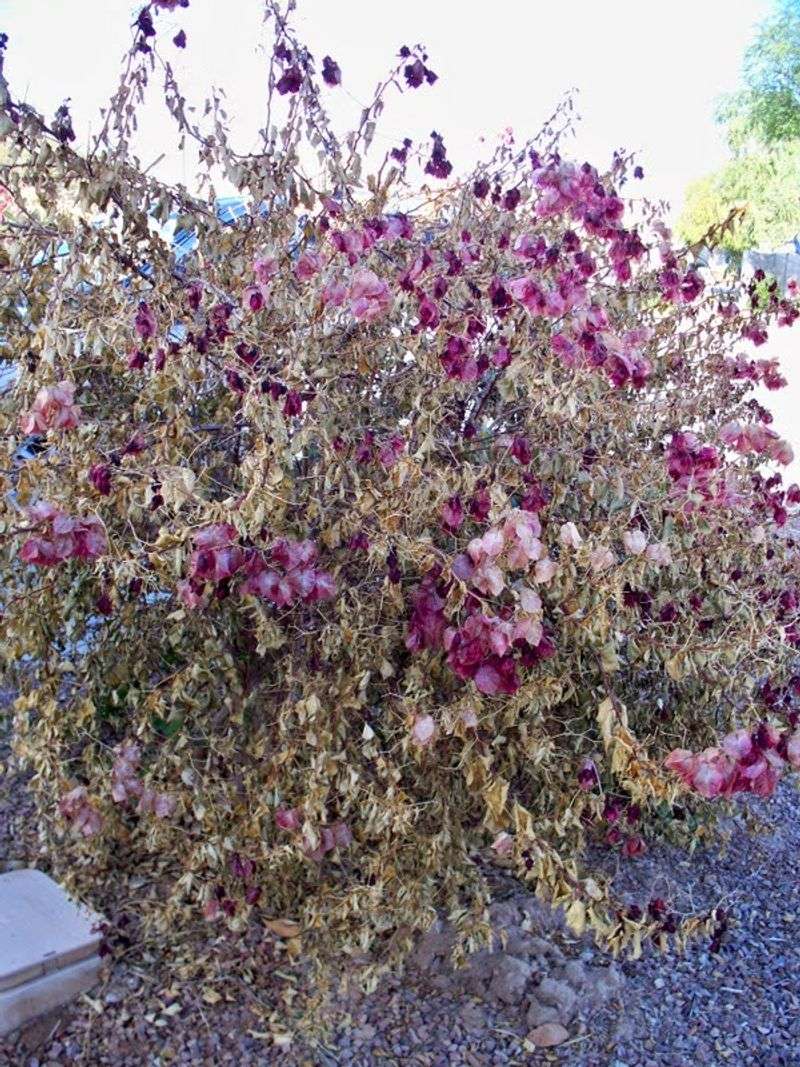
Picture a wall of hot pink blooms in November, then a tangle of crispy brown leaves by January. That sudden change catches thousands of Phoenix homeowners off guard every single year.
Bougainvillea leaves and tips can burn when temperatures hover near freezing. If a cold snap settles into the mid-20s for several hours, stems may freeze all the way to the ground.
Many people assume the plant is finished and rip it out, which is often the real mistake.
Here is the good news. Established roots usually survive and push fresh growth once soil warms in spring.
The trick is patience, because pruning brown stems in January exposes inner tissue to the next freeze and can trigger tender new shoots that get zapped again.
To give your plant a fighting chance, grow it against a south or west-facing wall where stucco and block release stored heat overnight. Water the soil a day before a forecasted freeze, since moist ground holds warmth better than dry dirt.
Drape frost cloth over the plant at dusk, letting it reach the ground, and remove it once the morning warms up.
Wait until mid-March, when frost risk fades, before trimming anything back.
2. Hibiscus
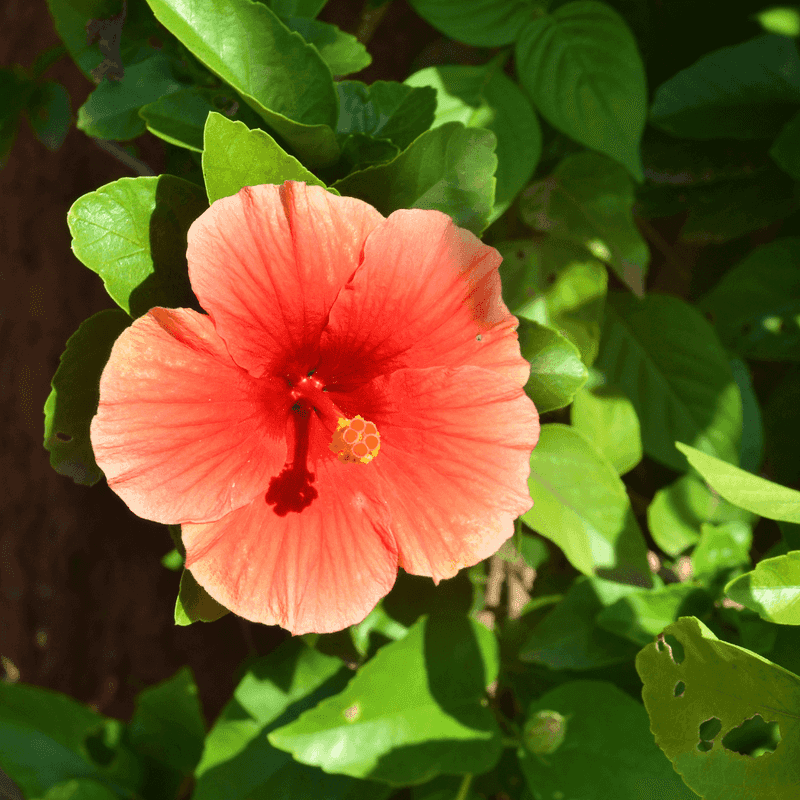
Tropical hibiscus has a way of charming new Arizona residents at the nursery. Those dinner-plate blooms promise a resort feel right in your backyard, and for most of the year, they deliver.
Winter tells a different story. Hibiscus of all types are highly sensitive to frost, and even one night at 30 degrees can turn glossy leaves black and limp.
Owners often blame overwatering or a mystery disease, never connecting the damage to a single chilly evening they barely noticed.
Honestly, the smartest move is growing hibiscus in a container. Pots let you roll the plant into a garage or covered patio when forecasts dip below 35.
If yours lives in the ground, tuck it near a heat-holding wall and keep frost cloth ready from December through early March.
Old holiday string lights, the incandescent kind rather than LED, can add a little warmth under a cover. Just keep fabric from touching the bulbs directly.
Fun fact: the native desert rose mallow and Arizona rosemallow are distant relatives that shrug off cold far better. If you love that hibiscus look but want less fuss, these desert cousins may attract native bees while asking for much less babysitting.
3. Young Citrus Trees
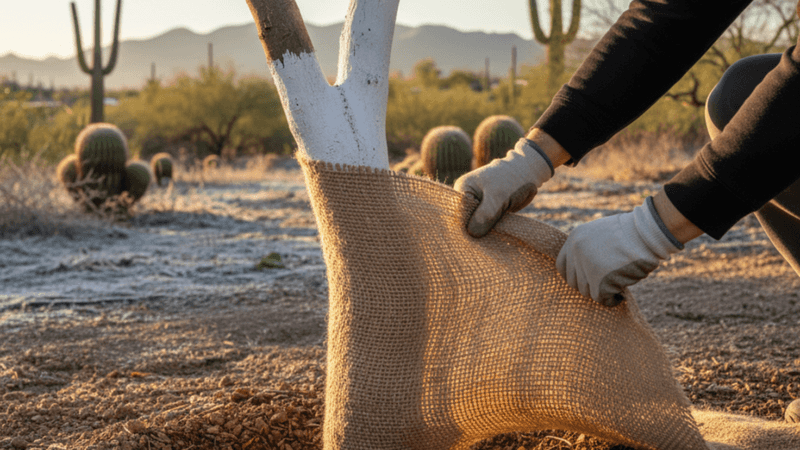
Few things feel more Arizona than picking a lemon from your own tree. Citrus groves once covered huge stretches of the Valley, so it surprises people that these trees still need winter help.
Your Arizona Garden Changes Every Week. Your Plan Should Too.
Gardening in Arizona changes quickly throughout the season. Every Friday you’ll receive a simple weekly plan showing exactly what to plant, prune, fertilize, harvest, and protect so you never miss the right timing.
Young citrus, especially limes, are the most vulnerable. Frost can harm the canopy, ruin hanging fruit, and even split the trunk on very small trees.
Mandarins and kumquats handle cold better, while limes and lemons tend to suffer first.
A tree under three years old lacks the dense leaf canopy that shields older trees. Wrapping the trunk with cardboard or foam pipe insulation can protect the graft union, which sits just above the soil.
If that graft freezes, any regrowth may come from the rootstock and produce sour, disappointing fruit.
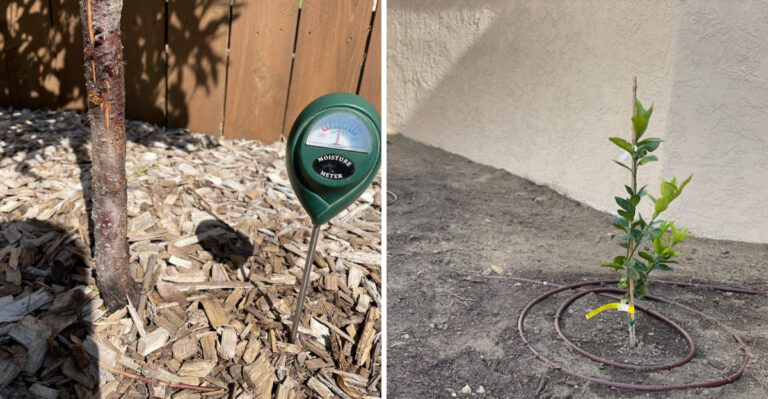
Before a freeze, water deeply so soil stores more daytime heat. Cover the whole tree with frost cloth that reaches the ground, trapping warmth rising from the soil.
Harvest ripe fruit before a hard freeze is predicted, since frozen fruit dries out inside. Leave damaged leaves in place until new spring growth shows exactly where live wood begins.
Then prune with confidence.
4. Ficus Nitida
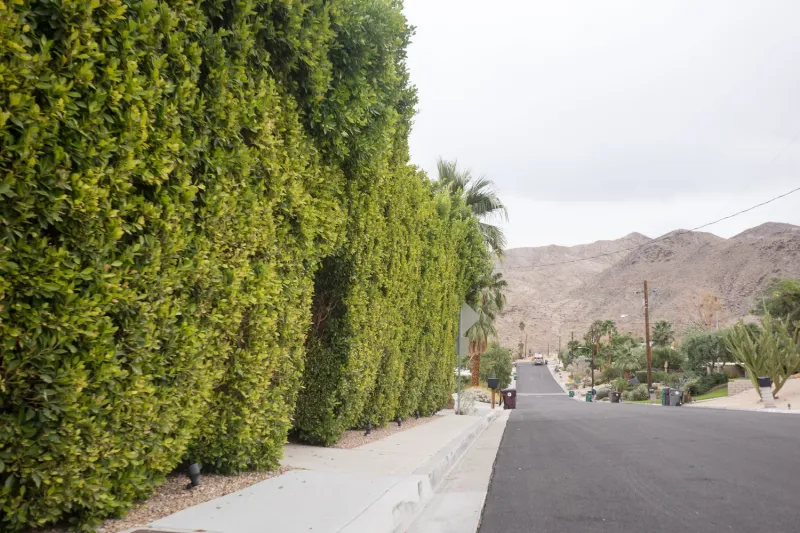
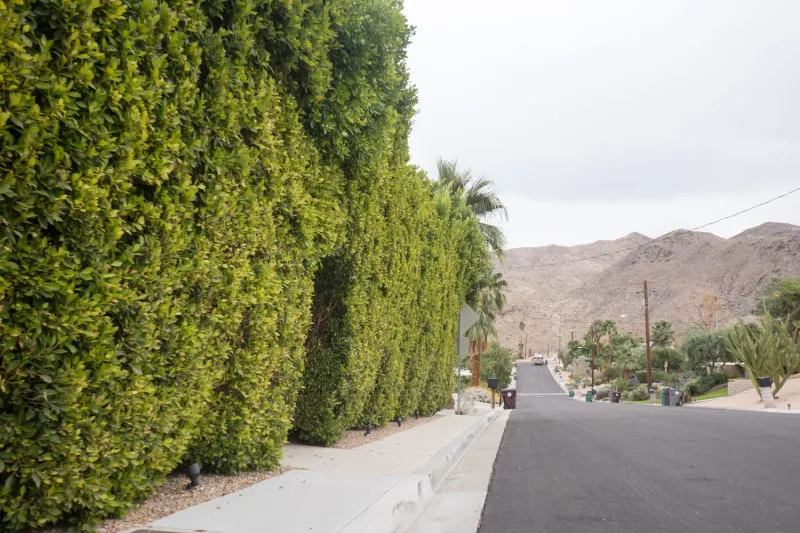
Drive through older Phoenix neighborhoods in February and you might spot tall green hedges suddenly wearing patches of rusty brown. Those are usually Ficus nitida, and they just met a cold week.
Indian laurel fig, as it is also called, became popular for fast privacy screening. It grows quickly in heat and handles pruning well.
But when temperatures fall into the low 20s for extended stretches, the foliage can brown extensively, leaving gaps in a hedge that took years to fill.
Size is the big problem. Covering a 20-foot ficus with frost cloth simply is not realistic for most homeowners.
Younger trees can be protected, but mature hedges mostly ride out the cold on their own.
Resist grabbing the shears in January. Brown leaves act as a protective blanket for green tissue underneath, and trimming too soon invites deeper damage during the next freeze.
If you are planning a new screen, consider natives that pull double duty. Desert hackberry and quailbush tolerate cold, sip less water, and provide cover and berries for quail, finches, and other birds.
That kind of hedge works for wildlife instead of just hiding the neighbors.
5. Lantana
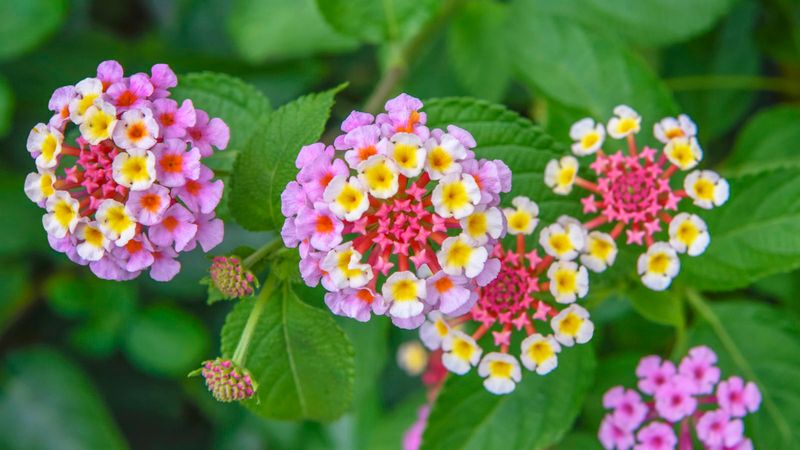
Lantana is the plant that plays dead. After a hard freeze, those cheerful purple and yellow mounds turn gray and brittle, and many homeowners call the landscaper to yank them out.
Hold that phone call. Top growth on lantana often gives up in a hard freeze, but roots usually survive and resprout once spring warmth arrives.
Plenty of perfectly healthy plants end up in the green waste bin because nobody waited.
Still, lantana belongs on this list because the damage looks so final and the timing trips people up. Cutting it back right after a January frost can spark new shoots, and those tender stems may be hit again in February.
Waiting until after the last frost date, usually early to mid-March in the Valley, keeps the plant from wasting energy.
Once lantana bounces back, it earns its keep. Blooms draw butterflies and hummingbirds through much of the warm season, and the plant handles reflected heat near sidewalks.
For extra insurance, plant it in spots that catch afternoon sun and stay a few degrees warmer. Low areas where cold air pools on still nights tend to see heavier damage, so avoid the bottom of slopes.
6. Yellow Bells
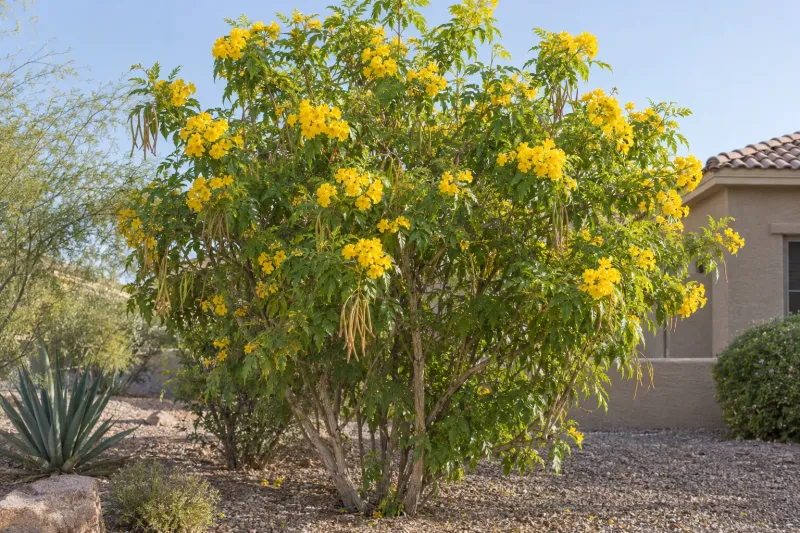
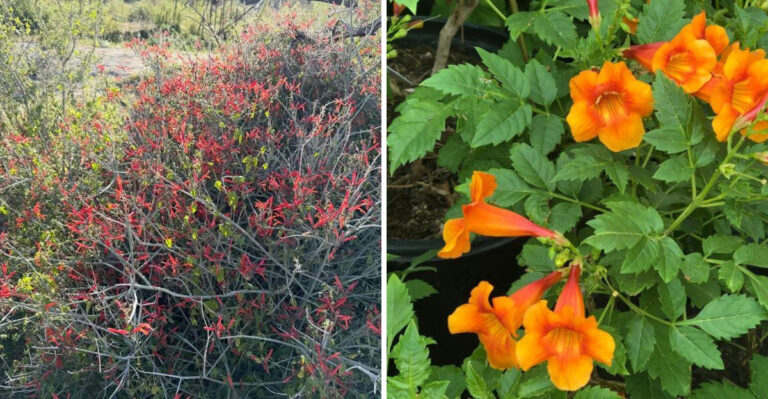
Golden trumpet flowers buzzing with hummingbirds make yellow bells one of the most loved shrubs in the low desert. Tecoma stans thrives in summer heat that would wilt most flowering bushes.
Cold, though, is another matter. Yellow bells frequently freeze back to the ground after frost, leaving bare sticks that look hopeless.
Gardeners new to Arizona often assume they planted the wrong thing or watered incorrectly.
The truth sits underground. Established roots tend to push out vigorous new growth in spring, and by early summer the shrub can be blooming again like nothing happened.
Varieties such as Gold Star and Sierra Apricot may recover a bit faster than older types.
Since yellow bells are a pollinator powerhouse, they are worth the small winter hassle. Their flowers feed hummingbirds, bees, and butterflies, turning your yard into a busy little habitat.
Planting near warm walls and away from frost pockets reduces freeze damage. Covering young shrubs during their first two winters helps roots get established.
Once a plant matures, you can often let nature take its course, cut it back in March, and watch it come roaring back with the first warm weeks.
7. Pygmy Date Palm
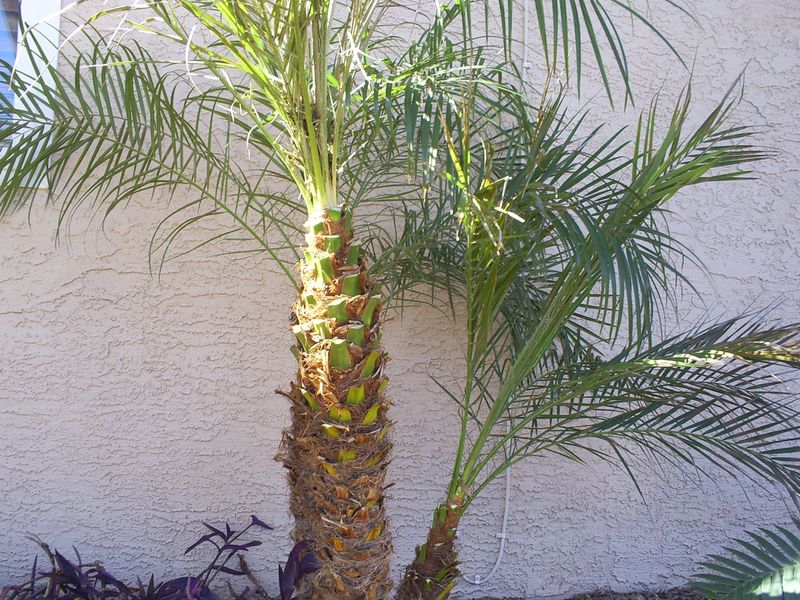
Poolside, a pygmy date palm looks like a postcard from a tropical vacation. Its feathery fronds and compact size make it a favorite for Scottsdale patios and resort-style backyards.
Behind that vacation vibe is a plant that dislikes cold. Pygmy date palms are sensitive to freezing temperatures, and fronds may yellow, brown, or collapse after a chilly night.
Damage sometimes appears weeks later, so owners blame fertilizer or irrigation instead of the frost that actually caused it.
Protecting the growing tip at the center is the priority. If that bud survives, the palm can push out fresh fronds even after losing most of its leaves.
Wrapping the trunk top with frost cloth or burlap during cold snaps can make a real difference.
Keep brown fronds attached through winter. They shelter the crown and the developing leaves inside, so trimming should wait until warm weather returns.
If you want palms with less worry, Mediterranean fan palm handles low-desert cold far better. For a more native-feeling accent, agave or desert spoon can deliver bold structure, need little water, and stay unbothered by most Valley freezes.
8. Plumeria
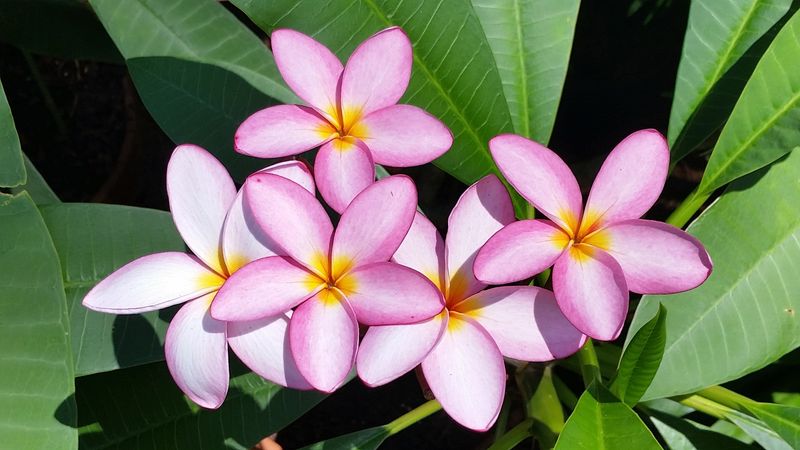
One whiff of plumeria and you are suddenly in Hawaii. That sweet perfume is why so many Arizona gardeners bring one home, even knowing it comes from a very different climate.
Frost can hit plumeria hard. Its thick, fleshy branches hold lots of water, and freezing temperatures may turn tips soft and mushy.
Rot can creep down the branches afterward, and by spring the owner wonders what went wrong.
Containers are your best friend here. A potted plumeria can move indoors or snuggle against a warm wall on cold nights.
Many growers also cut back water in winter, since plumeria naturally rests and soggy soil combined with cold is a rough mix.
Did you know plumeria often drops its leaves in winter anyway? Bare branches are normal dormancy, so do not panic about leaf loss alone.
Firm stems are a healthy sign, while squishy spots point to cold damage.
Squeeze-test branch tips in late February. If any feel soft, trim back to firm tissue once frost danger has passed.
Seal cuts and let the plant rest until warmer weather wakes it up again.
9. Columnar Cacti and Prickly Pear
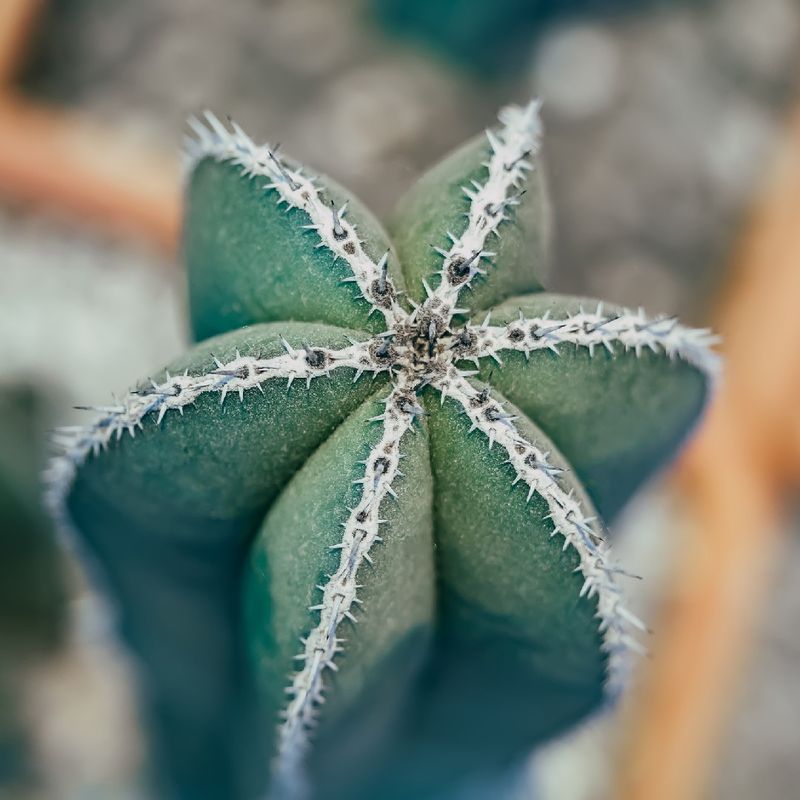
Cactus in the desert should be bulletproof, right? Not quite.
Some popular cacti come from warmer parts of Mexico and South America, and they are not built for Valley cold snaps.
Mexican fence post, Argentine giant, and certain prickly pear varieties can suffer frost damage. Watch for discoloration, scarring, or yellowish patches on tips and pads.
Because the marks show up slowly, many people mistake them for sunburn or disease.
Columnar cacti are most vulnerable at their growing tips. A classic Arizona trick is placing foam cups or small cloth caps over tips before a freeze.
It looks a little silly, but it can protect the tender point where new growth forms.
Skip watering cacti right before a freeze. Unlike leafy shrubs, cactus tissue full of moisture freezes more easily, so stay on a dry winter schedule.
For lower-maintenance choices, native options like Engelmann prickly pear, barrel cactus, and saguaro are adapted to local winters. Prickly pear fruit and flowers can feed birds, bees, and small wildlife, and its spiny pads create cover that quail and cactus wrens appreciate.
10. Soft Succulents
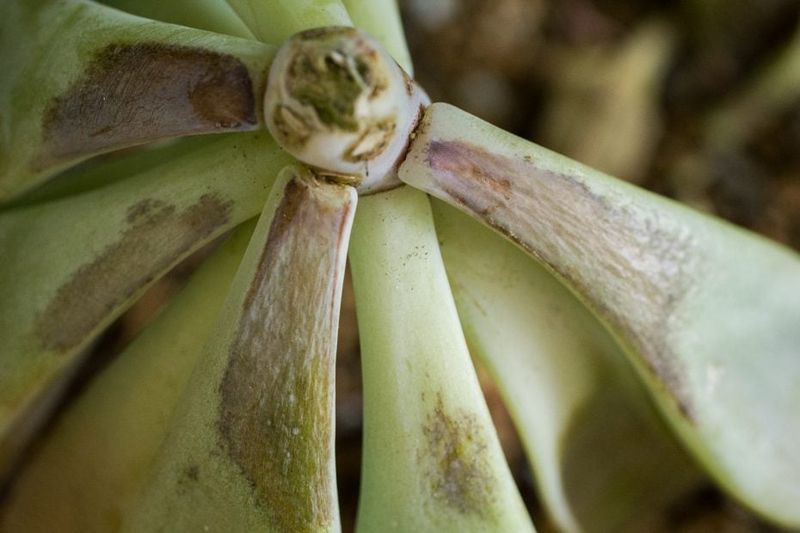
Jade, echeveria, aeonium, and other plump-leaved succulents look tough enough for any desert yard. Their whole design, though, makes them surprisingly fragile on a freezing night.
Succulents store water inside their leaves. When temperatures drop below freezing, ice crystals can form in that stored moisture, rupturing cells and leaving leaves soft, translucent, and mushy.
Gardeners frequently blame overwatering because the symptoms look nearly identical.
Here is how to tell the difference. Frost damage usually shows up suddenly after a cold night and affects the most exposed leaves first, especially on top.
Overwatering tends to start at the base and stems.
Potted succulents are easy to rescue. Group them under a patio roof, slide them against the house, or bring them inside during cold snaps.
In-ground plants appreciate frost cloth, and a light layer of dry mulch can help shield roots.
Avoid pulling off damaged leaves right away. Let the plant tell you what survived as warm weather returns.
For a low-fuss alternative, native succulents like agave, desert spoon, and red yucca handle low-desert winters with ease, and red yucca blooms can attract hummingbirds for months each year.