Don’t Skip These October Steps If You Grow Peonies In Virginia
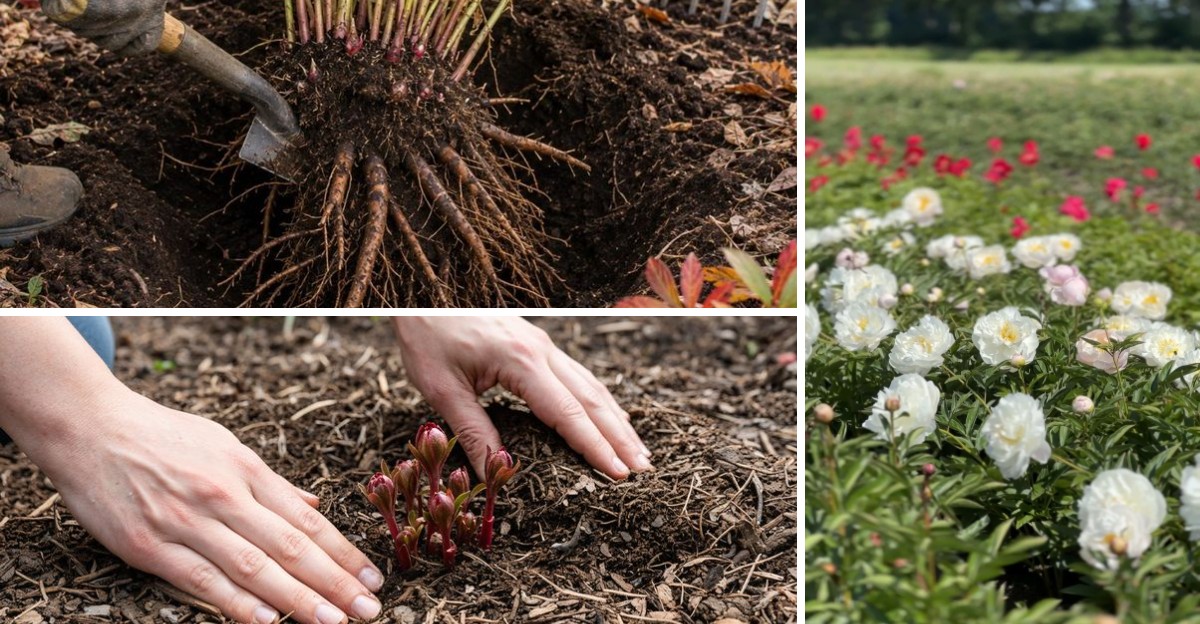
The biggest threat to next May’s peonies is sitting right on top of them. Those faded, floppy leaves can shelter disease spores all winter long.
Peonies can bloom for decades, sometimes outliving the gardeners who planted them. Keeping them that strong comes down to a few smart chores in October.
Across Virginia, this is the month when roots quietly store energy for spring. What you do now shapes how many buds show up and how sturdy those stems turn out.
None of these tasks take much time or special tools. A pair of clippers, a trash bag, and a sunny afternoon will do the trick.
Nine easy steps stand between you and a stunning spring display. Your peonies will wake up healthy and ready to bloom like crazy.
1. Cut Foliage To The Ground Once It Fades
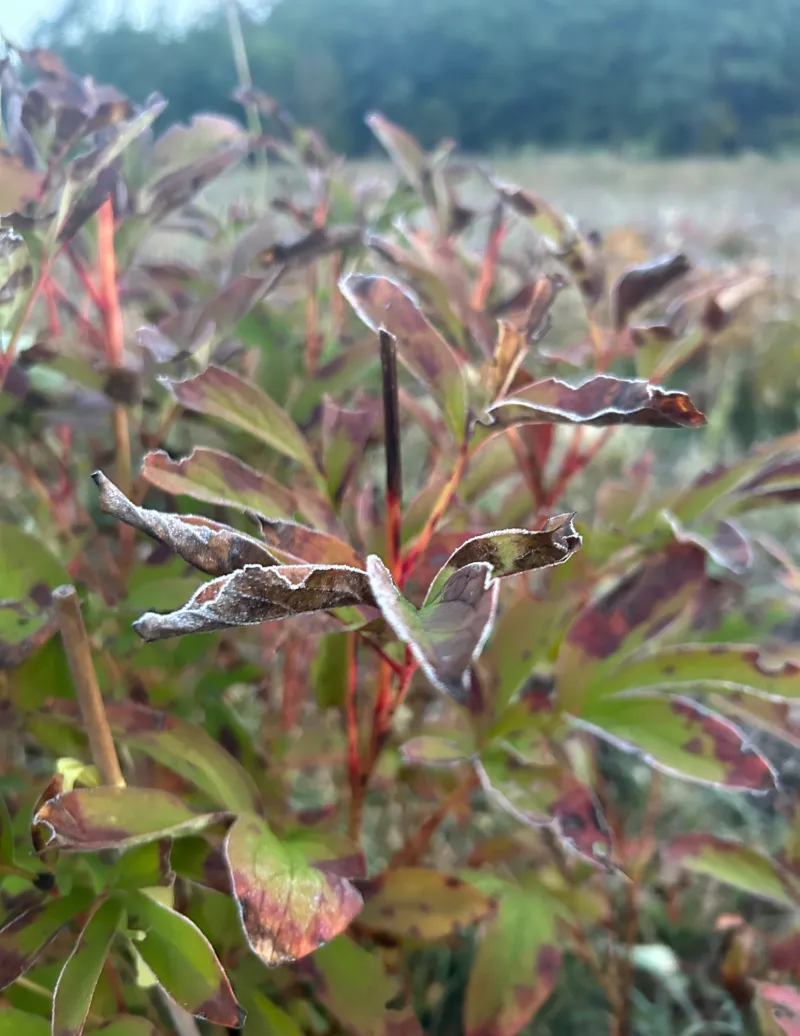
Picture a peony in October with floppy, golden leaves leaning over the garden path. Those fading leaves are actually telling you something useful about timing.
Wait until the foliage turns yellow or brown before you grab the clippers. Green leaves are still making food and sending it down to the roots.
Cutting too early is like closing a bakery before the bread is done. Your plant loses stored energy it needs for next year’s flowers.
Across most of the state, the right window falls between mid-October and November. Cooler nights and a frost or two usually speed up the color change.
Once the leaves look spent, cut every stem down close to the soil. Leave just one or two inches of stalk sticking up from the ground.
Sharp, clean pruners make the job quick and tidy. Wipe the blades with rubbing alcohol between plants to avoid spreading germs around.
Herbaceous peonies are the type that need this treatment. Tree peonies have woody stems, so leave those alone and only trim broken branches.
Not sure which kind you own? Herbaceous types vanish to the ground each winter, while tree peonies keep sturdy gray stems all year.
Have an Itoh peony, a cross between the two? Cut its stems back to a few inches above the soil, leaving any woody base intact.
Here is a handy tip for busy weekends. If a few stems are still green, trim the yellow ones now and return in two weeks.
Your patience will show up in spring as thicker stems and bigger buds. Few garden chores give such a generous reward for so little effort.
2. Clear Away Leaves To Stop Disease From Overwintering
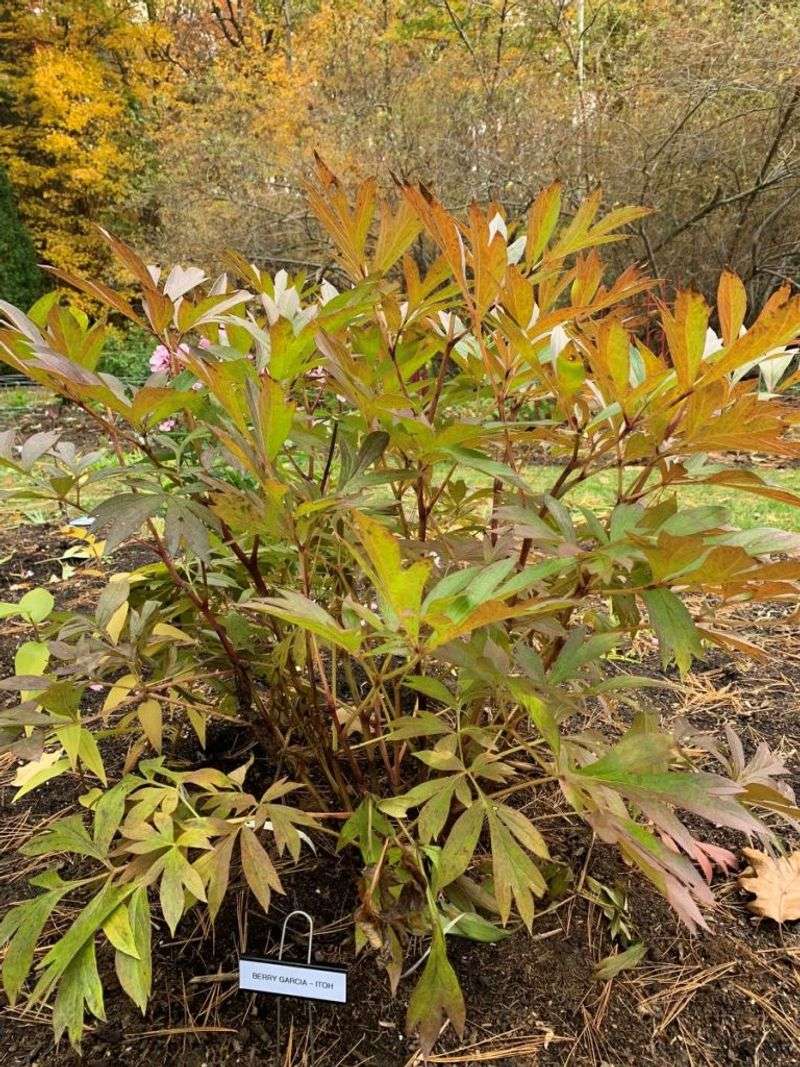
Old peony leaves may look harmless lying on the ground. Hidden on them, though, are tiny fungal spores waiting for spring rain.
Diseases like botrytis blight, powdery mildew, and leaf blotch love to hide in garden debris. They rest quietly all winter, then jump back onto fresh shoots.
Ever seen peony buds turn black and shrivel before opening? Botrytis is often the sneaky culprit behind that heartbreaking sight.
Cleaning up is the best defense, according to many garden experts. It works better than most sprays and costs nothing but a little time.
Your Virginia Garden Changes Every Week. Your Plan Should Too.
Gardening in Virginia changes quickly throughout the season. Every Friday you’ll receive a simple weekly plan showing exactly what to plant, prune, fertilize, harvest, and protect so you never miss the right timing.
After cutting back stems, rake up every leaf and scrap around the plant. Get close to the crown, where bits like to collect and stay damp.
Gardeners in Virginia deal with humid summers that help these fungi thrive. A clean bed in fall gives your plants a fresh start without leftover trouble.
Try using a small hand rake or even your gloved fingers. Big rakes can catch on the stubby stems and miss the hidden pieces.
Neighboring trees can drop leaves into your peony bed too. Clear those away as well, since soggy piles hold moisture against the crown.
Fun fact: peony leaf blotch is sometimes called measles because of its red-purple spots. Catching it early keeps those spots from spreading year after year.
A tidy bed also makes spring easier to enjoy. You will spot new red shoots poking up much faster when nothing is covering them.
3. Toss Diseased Stems In The Trash, Not The Compost
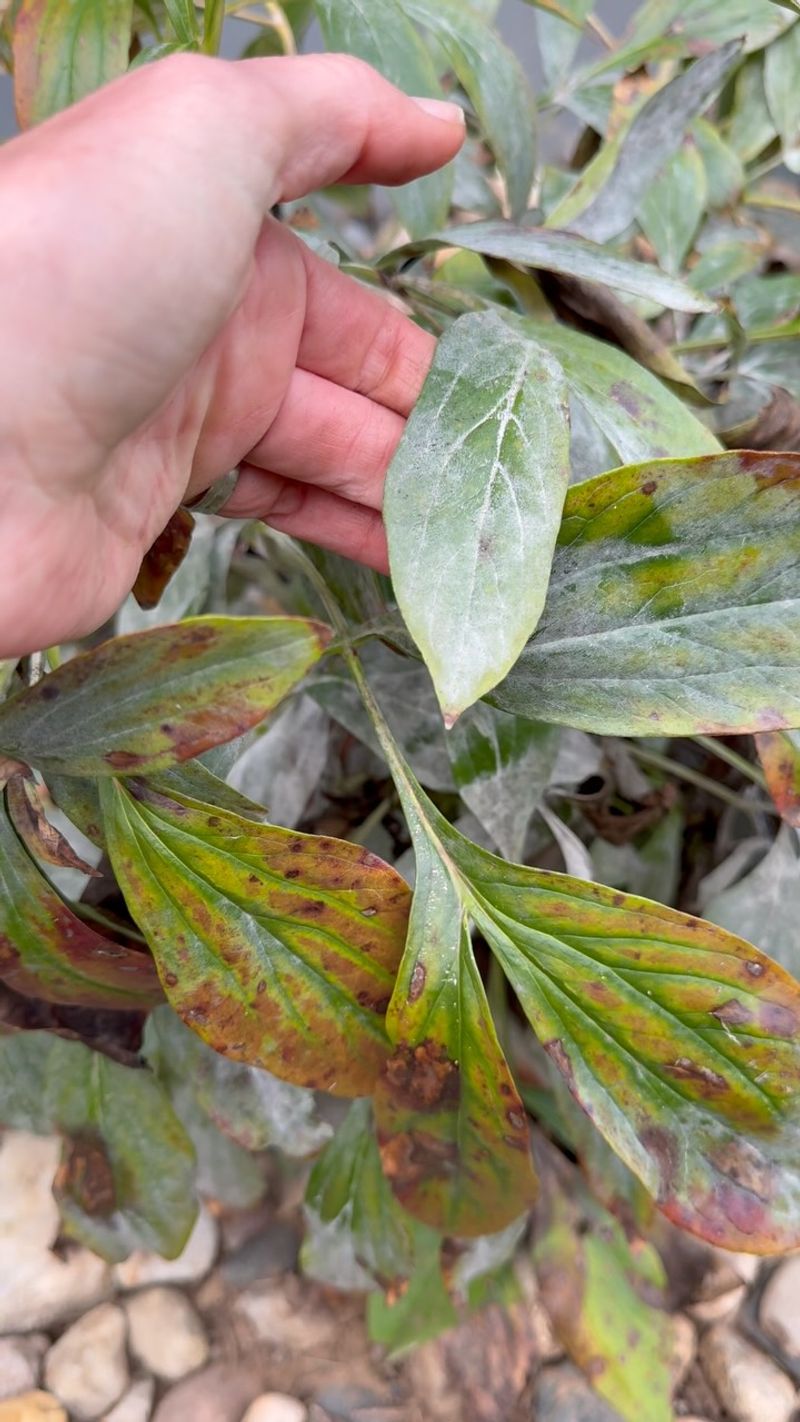
Composting feels like the green thing to do with garden scraps. With sick peony stems, however, your compost pile can become a disease factory.
Home compost piles rarely get hot enough to destroy every fungal spore. Many of those spores simply ride along into your finished compost.
Later, you spread that compost around your flowers and vegetables. Without meaning to, you have just shared the disease with your whole yard.
So how can you tell if stems are sick? Look for dark leaf spots, white powdery coating, or stems that look black near the base.
Any of those signs means the material should go straight into a trash bag. Tie it tightly and put it out with your regular garbage.
Some localities allow small backyard burning of yard waste. Check your county rules first, since many areas restrict open burning in fall.
Healthy leaves with no spots can still go in the compost. When in doubt, though, choose the trash and avoid the gamble.
Here is a smart habit to build. Keep a trash bag right next to you while you trim, so sick pieces never touch the compost bin.
Wash your gloves and tools afterward too. Spores cling to fabric and metal, then hitch a ride to the next plant you touch.
Taking this small step protects more than your peonies. Roses, tomatoes, and other garden favorites will thank you next season.
4. Fall Is The Best Time To Divide Crowded Clumps
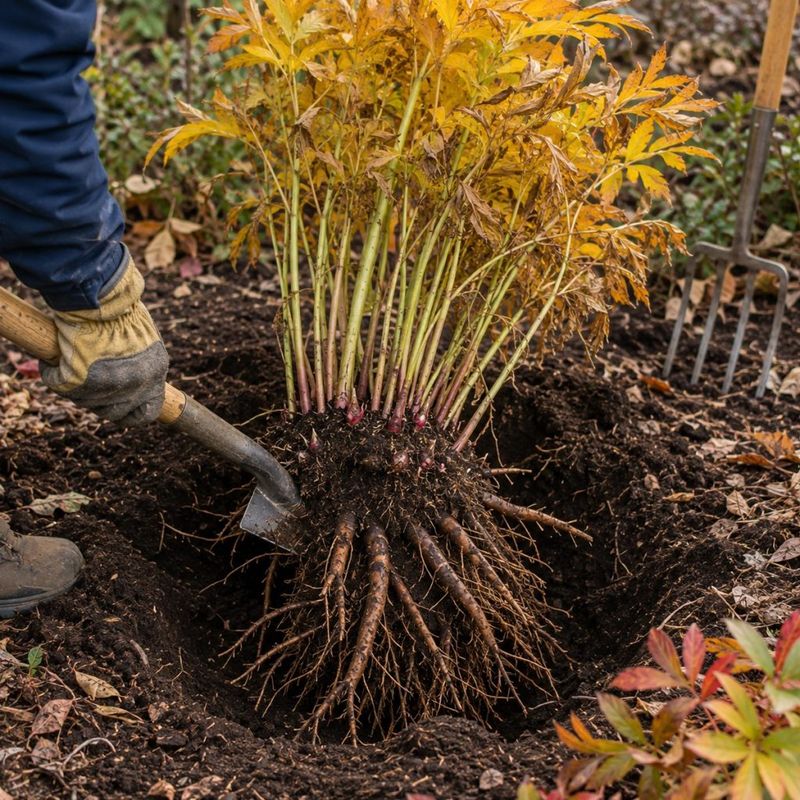
Grandma’s old peony patch may have bloomed for decades with little help. Over time, though, crowded clumps often produce fewer and smaller flowers.
Dividing them gives the plant fresh room and new energy. In Virginia, late September through October is the sweet spot for this job.
Roots need a few weeks of cool, moist soil to settle in before winter. Fall timing gives them that chance without the stress of summer heat.
Start by cutting the stems down and digging wide around the clump. Peony roots are thick and heavy, so loosen the soil carefully.
Lift the clump and gently hose off the dirt. Now you can see the pinkish buds, called eyes, sitting near the top of the roots.
Use a sharp knife or spade to slice the clump into sections. Each piece should have three to five eyes plus a healthy chunk of roots.
Smaller divisions with only one eye may take years to bloom. Bigger pieces usually flower sooner and grow stronger faster.
Toss any soft, mushy, or rotten parts you find. Healthy roots feel firm, much like a fresh carrot.
Fun fact: some peonies have lived over 100 years in the same garden. Dividing them now and then helps keep that long legacy going strong.
Share extra divisions with friends and neighbors. A peony passed between gardens makes a lovely, living gift.
5. Plant Eyes No More Than 2 Inches Deep
Here is a puzzle many gardeners face. The peony grows lots of healthy leaves, yet it refuses to bloom year after year.
Planting depth is often the hidden reason. Eyes buried too deep tend to send up foliage but skip the flowers entirely.
Experts call depth one of the most important parts of planting peonies. Even an extra inch can make a surprising difference.
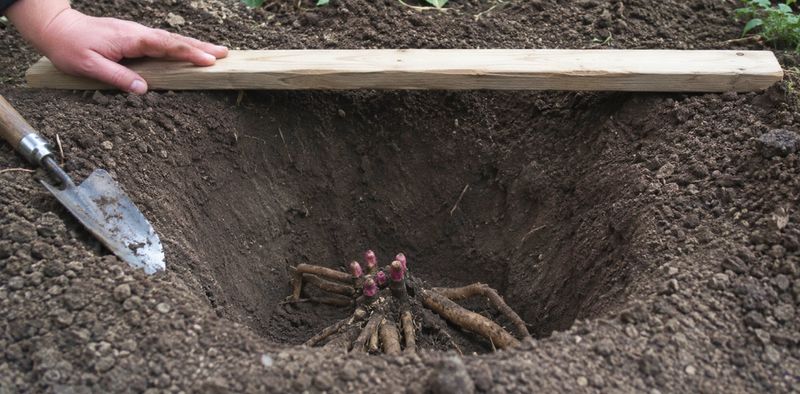
Aim to set the eyes one to two inches below the finished soil surface. Anything three inches or deeper may leave you with a flowerless plant.
Peonies need a winter chill to form buds. Shallow planting lets that cold reach the eyes, which helps trigger blooms.
Gardeners in warmer parts of Virginia should lean toward the shallow side. One inch deep helps the eyes feel enough cold during milder winters.
Watch out for settling soil after planting. Loose dirt sinks over time, so firm it gently and check the depth again.
A simple trick makes measuring easy. Lay a stick across the hole, then use a ruler to see how far the eyes sit below it.
Point the eyes upward and spread the roots out naturally. Fill around them with soil, then water well to remove air pockets.
If an older plant stopped blooming, try lifting and resetting it this fall. Many gardeners see flowers return within a season or two.
6. Skip The Heavy Mulch Over The Crown
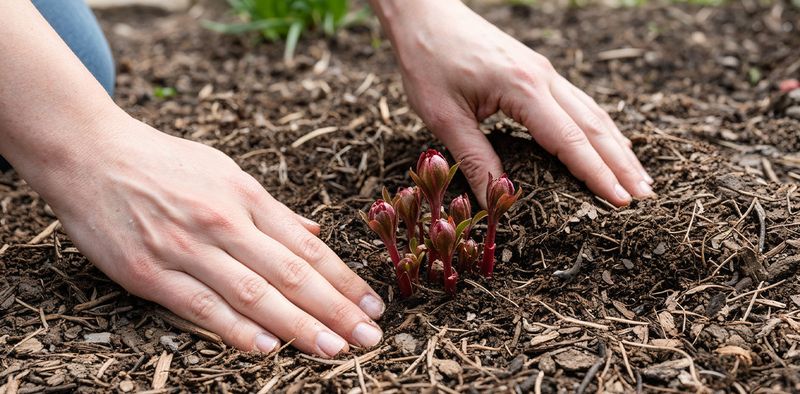
Mulch feels like a cozy winter blanket for plants. For peonies, though, too much of a good thing can cause real problems.
The crown is where the eyes sit, just under the soil. Piling thick mulch on top acts like planting them too deep.
You already know what deep planting does. Lots of leaves show up, but the flowers stay home.
Heavy mulch also traps moisture against the crown. Damp, dark conditions invite rot and give fungal diseases a perfect hideout.
Established peonies are tough and handle winters just fine. Most of them need no mulch at all over the crown.
New plantings are a little different. Freshly set divisions can heave out of the ground when soil freezes and thaws.
For those, spread a light, loose ring of mulch around the plant. Keep a few inches of bare space right over the crown.
Shredded leaves or pine needles work nicely for this job. They stay airy and let water drain without matting down.
Mark your calendar to pull that mulch back in early spring. Red shoots will push up quickly once the soil starts warming.
Here is a quick rule to remember. If you can’t see the soil right above the crown, you probably used too much.
7. Hold Off On Fertilizer Until Spring
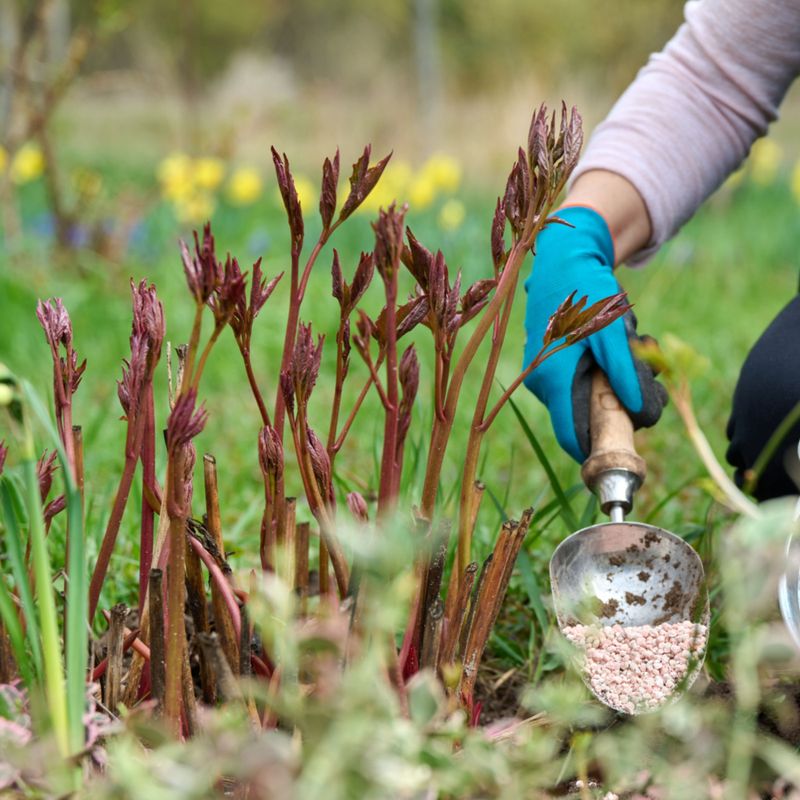
Feeding your plants in fall might seem kind. For peonies heading into their winter rest, it often does more harm than good.
Right now, your peonies are slowing down and tucking energy into their roots. They are not trying to grow new leaves.
Fertilizer, especially the high-nitrogen kind, pushes leafy growth. That can come at the cost of the flowers you really want.
Many established peonies barely need feeding at all. Plenty of gardeners skip fertilizer for years and still enjoy armloads of blooms.
If your plants do need a boost, wait until early spring. Sprinkle a light dose around the plant just before shoots start growing.
Another good window comes after blooming in summer. Feeding then helps the plant recharge after its big flower show.
Choose a balanced or low-nitrogen fertilizer when you do feed. Bone meal or compost worked lightly into the soil can also help.
Not sure if your soil needs anything? A soil test from your local Virginia Cooperative Extension office gives clear answers for a small fee.
Fun fact: peonies have been grown in China for over 1,000 years. Gardeners there valued them for medicine before they were prized for beauty.
So put the fertilizer bag back on the shelf for now. Your peonies are happily resting and need patience more than food.
8. Move Struggling Plants Into Full Sun Now
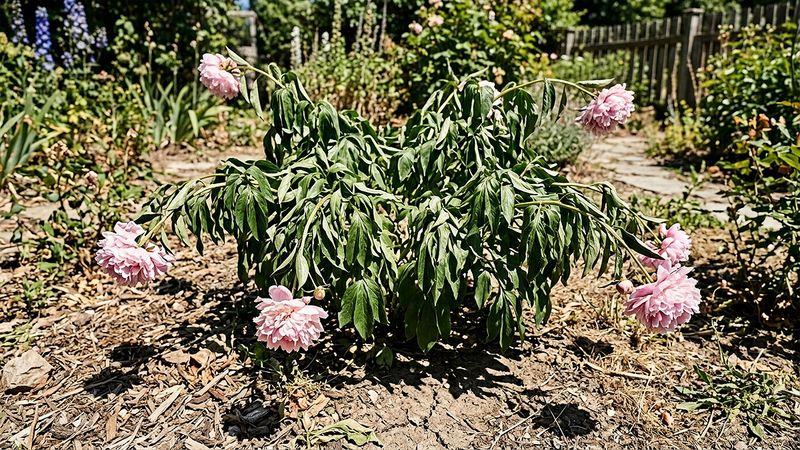
Some peonies sulk in the shade like kids stuck indoors on a sunny day. Weak stems and few flowers often point to a lack of light.
Peonies want at least six hours of direct sun each day. Less than that can mean skinny growth and disappointing blooms.
Shade also keeps leaves damp longer after rain or dew. Powdery mildew loves those conditions and shows up as white dust on the foliage.
Trees grow, and gardens change over the years. A spot that was sunny ten years ago might be shady today.
October is a great time to move unhappy plants. They are going dormant, so transplanting causes much less stress now.
Dig the new hole first so the roots spend little time out of the ground. Choose soil that drains well and won’t hold puddles.
Gardeners in hotter parts of the state can bend the rules a little. Morning sun with light afternoon shade protects plants from summer heat stress.
Give the plant good air flow too. Leave about three feet between peonies so breezes can dry leaves quickly.
Remember to keep the eyes shallow when replanting. Water deeply afterward and keep the soil lightly moist until the ground freezes.
Don’t panic if blooms are sparse next spring. Moved peonies sometimes take a year to settle in before putting on a big show.
9. Mark Their Spot So You Don’t Dig Into Them Later
Every gardener has a story about stabbing a shovel into something hidden. Often, that something turns out to be a sleeping peony.
Once you cut the stems down, peonies seem to disappear. By late winter, the bed looks like plain, empty dirt.
Spring excitement makes it easy to forget what’s planted where. You start digging for new bulbs and suddenly hit a thick root.
A simple marker solves the problem. Push a sturdy stake, painted rock, or plant label right next to each crown.
Write the variety name on the label if you know it. Future you will love remembering which plant makes those pink, ruffled blooms.
Markers matter most for new divisions and fresh plantings. Their roots are still settling and can be easily damaged.
Virginia winters bring freezes and thaws that can push light markers out. Choose something tall and firmly anchored so it stays put.
Here is a bonus idea worth trying. Snap a quick photo of your garden bed and save it on your phone.
Some gardeners also sketch a simple map in a notebook. It helps when planning new plants without crowding your peonies.
Come spring, you will watch red shoots push up right beside your markers. That sight is the first happy sign your October care paid off.