Why Some American Holly Trees In Georgia Never Produce Red Berries
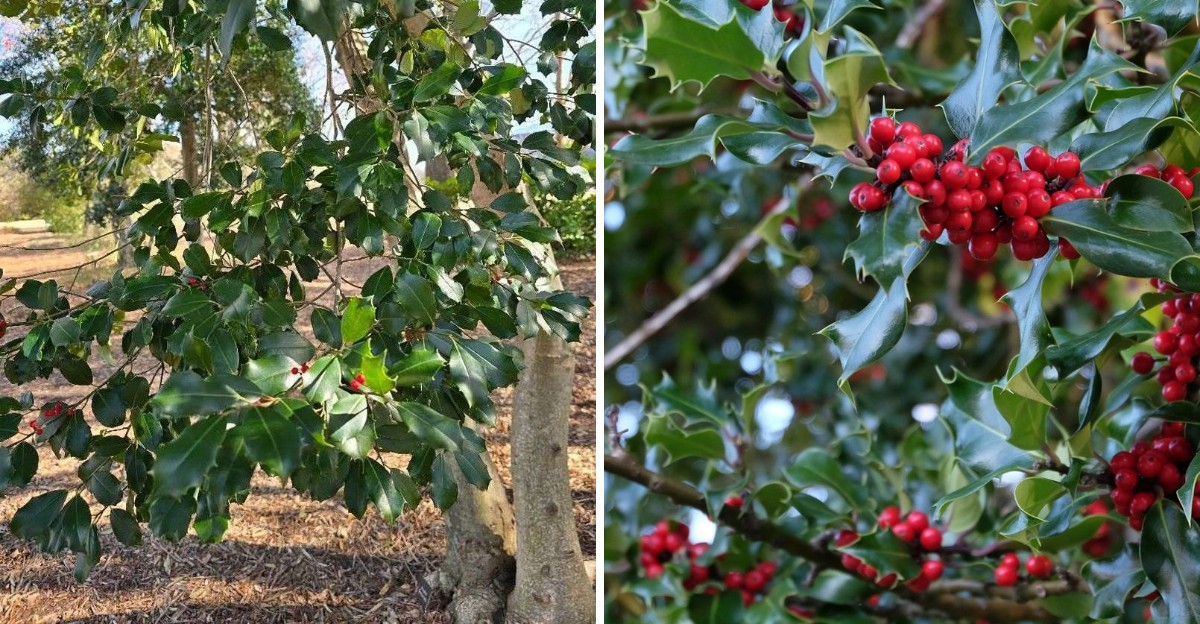
Your holly may look perfectly healthy every winter while the neighbor’s tree carries bright red berries from top to bottom.
That difference is not always about fertilizer or how much sunlight the branches receive. American holly has separate male and female plants, and only females produce berries.
Even a healthy female needs pollen from a compatible male to develop fruit.
Before changing your care routine, consider whether your tree has ever produced berries. In Georgia, flowering conditions and nearby pollen sources can influence the display you see later.
Look closely at the flowers in spring rather than judging the tree by its winter appearance.
Understanding how hollies reproduce can explain why two similar trees behave differently. It may also save you from trying treatments that cannot solve a pollination problem.
1. Male Trees Will Never Produce Red Berries
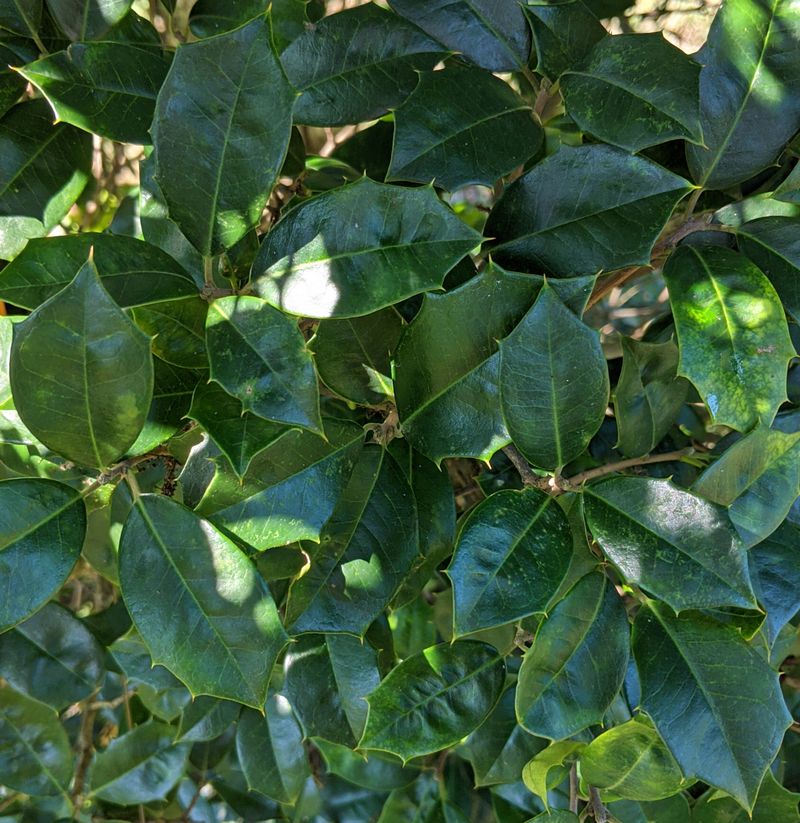
Some hollies are simply built to skip the berry stage. American holly is dioecious, which means each tree is either male or female from the start.
Male trees produce flowers that carry pollen, but those flowers have no way to grow into fruit.
If your holly has looked healthy for years and still shows no berries, there is a fair chance it is a male. Nurseries in Georgia often sell young hollies before they bloom, so buyers may not know what they are getting.
Telling the difference takes a close look in spring. Male flowers usually grow in small clusters and show several pollen-tipped stamens around the center.
Female flowers tend to appear singly or in smaller groups, with a tiny green bump in the middle that can become a berry.
A hand lens or phone camera zoom makes the job easier, since holly blooms are small and creamy white. Check several branches, because one quick glance can be misleading.
A male holly still has real value in the landscape. Its evergreen leaves give year-round screening, shelter birds, and can supply pollen for female trees growing nearby.
If you want berries on your own property, buying a named female cultivar from a trusted nursery is the most reliable path forward.
2. Only Female Flowers Can Develop Into Fruit
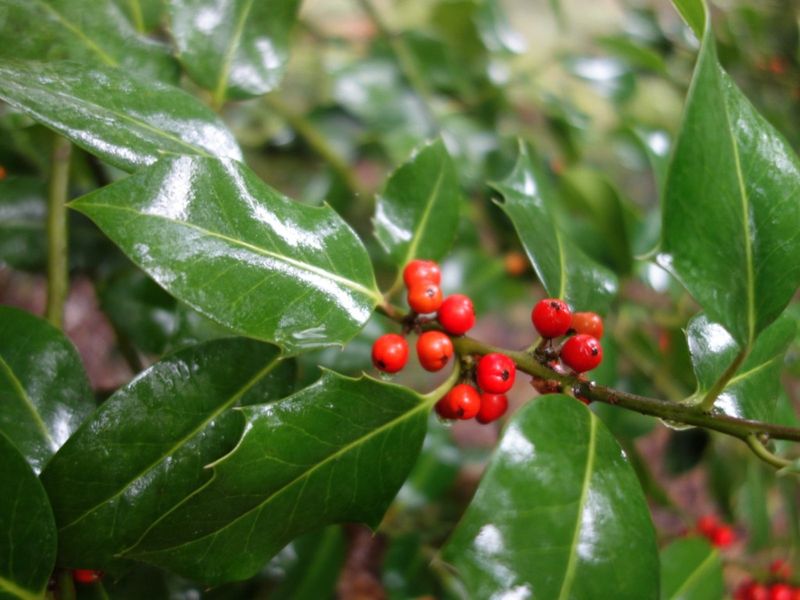
Berries begin as tiny flowers that are easy to overlook. On a female American holly, each bloom has a small green ovary in its center that can swell into fruit after pollination.
Those flowers usually open in spring, tucked close to the stems where the leaves attach.
Not every female flower will turn into a berry, even on a healthy tree. Weather, pollen supply, and the plant’s overall vigor can all affect how many flowers set fruit.
Young female trees may also take several years before they bloom heavily enough to produce a noticeable crop.
Patience matters here. A holly grown from seed can take quite a while to reach flowering age, while a grafted or cutting-grown nursery plant often blooms sooner.
Gardeners around Georgia sometimes worry when a newly planted female shows only a handful of berries.
Light crops in the first seasons after planting are common while roots settle into new soil. Steady watering during dry spells in that early period can help the tree establish.
Your Georgia Garden Changes Every Week. Your Plan Should Too.
Gardening in Georgia changes quickly throughout the season. Every Friday you’ll receive a simple weekly plan showing exactly what to plant, prune, fertilize, harvest, and protect so you never miss the right timing.
Keep an eye out for the green centers in spring flowers to confirm you have a female.
Once you know that, you can focus on the other factors, like pollen and sunlight, that decide whether those blooms actually become red fruit.
3. A Male Tree Nearby Provides The Needed Pollen
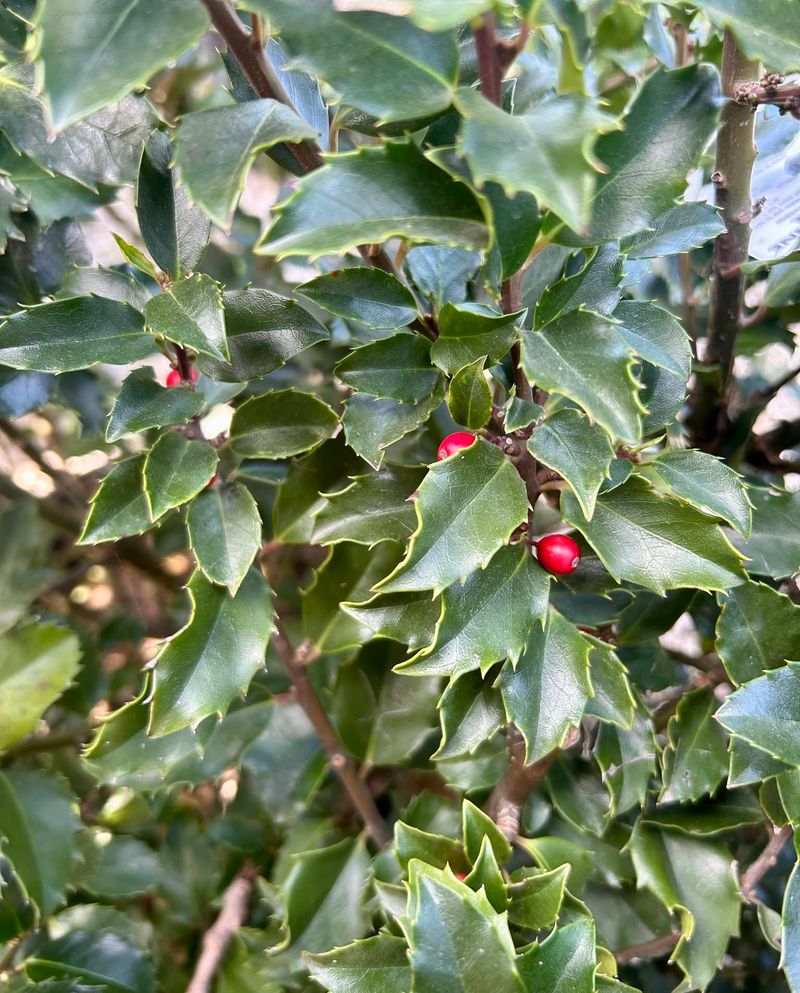
A lonely female holly may bloom beautifully and still end up bare. Without pollen from a male tree, her flowers usually drop without forming fruit.
Distance plays a big role in whether pollen reaches her.
Extension guidance often suggests having a male American holly within a reasonable range of the female, since insects carry the pollen rather than strong winds. Exact distances vary, so closer is generally safer.
In many Georgia neighborhoods and woodlands, wild or planted male hollies already grow nearby. You might not need to add one at all.
Look around your area in spring for other blooming hollies before buying anything new. A neighbor’s tree or a wooded edge could be doing the job already.
If no males seem to be around, planting one is a practical fix.
One male can often serve several females, which is why landscapers commonly plant a single male among a small group. Matching species helps, since an American holly female is best paired with an American holly male.
Some gardeners also tuck a male into a hedge or back corner where its lack of berries won’t be noticed.
That way, the female gets her pollen while the yard still looks tidy and full.
4. Bloom Times Need To Overlap For Pollination
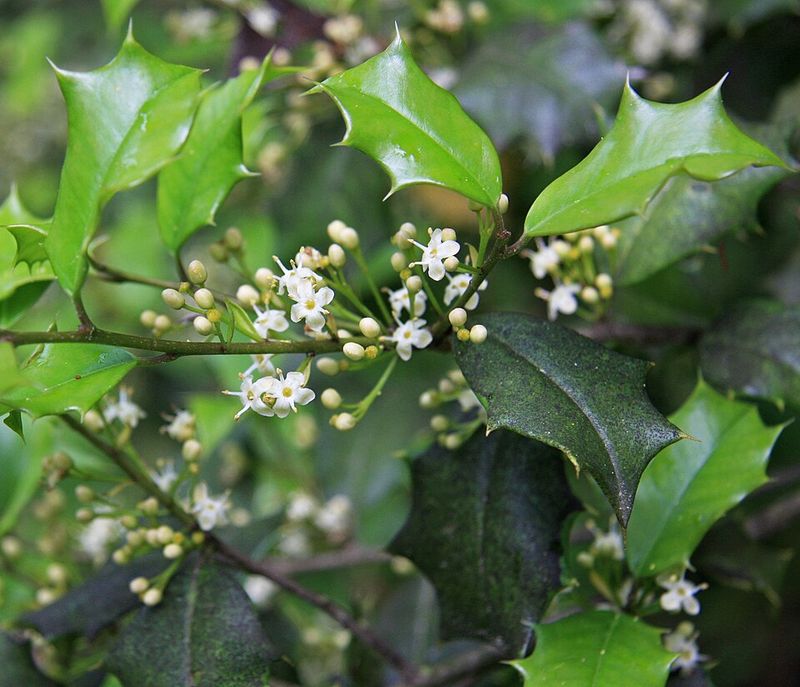
Timing can quietly ruin a berry crop. Even when male and female hollies grow side by side, their flowers need to open during the same window.
If one tree finishes blooming before the other starts, pollen has nowhere useful to go.
American holly typically blooms in spring, and the exact timing shifts with weather and location. In Georgia, trees on the warmer coastal plain may flower earlier than those in the mountains.
Different cultivars can also bloom at slightly different times. Nurseries sometimes recommend specific male partners that tend to flower alongside certain female varieties.
Asking about pollinator pairing when you buy a holly is a smart move.
A late frost can complicate things further. Cold snaps during bloom may damage tender flowers, which can reduce berries that year even when everything else is right.
You can’t control spring weather, but you can watch your trees closely during flowering season.
Jot down when each holly starts and stops blooming for a couple of years. If the dates barely overlap, adding a male that flowers at a better time could improve your results.
Small notes like these often reveal patterns that a single season might hide.
5. Bees Help Carry Pollen Between Holly Trees
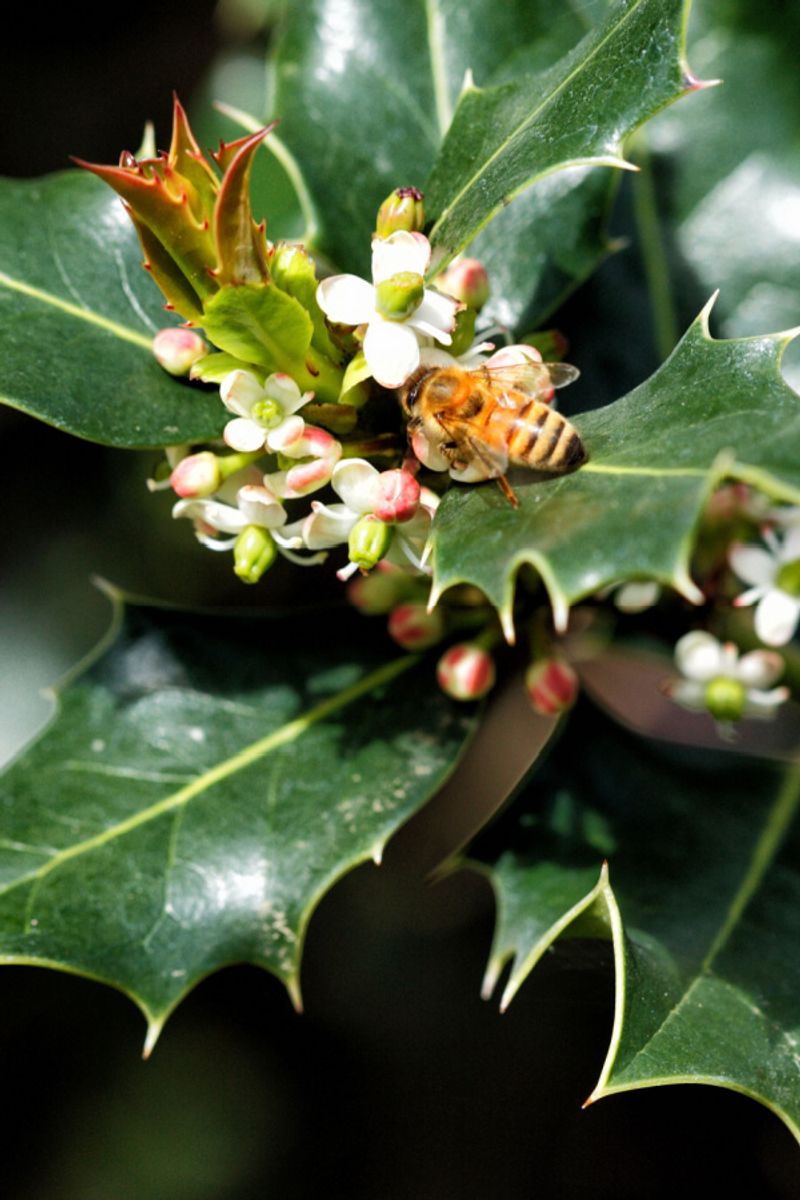
Walk past a blooming holly on a warm spring day and you may hear it humming. Bees, wasps, and other insects visit the small flowers and move pollen from male trees to females.
Holly pollen is mostly spread by insects rather than wind.
Honeybees are frequent visitors, and native bees join in as well. When insect activity drops, pollination can suffer, and fewer berries may form.
Cool, rainy, or windy weather during bloom tends to keep pollinators less active. A soggy spring in Georgia can sometimes mean a lighter berry crop the following fall.
Pesticide use is another thing to think about carefully.
Spraying insecticides on or near flowering hollies can harm the insects your trees depend on. If a pest truly needs treatment, Extension experts generally advise avoiding sprays on open blooms and following label directions closely.
Planting other flowers nearby can make your yard more inviting to bees through the season. Native perennials and shrubs that bloom at different times give pollinators steady food.
A friendly garden for insects often pays off in more fruit on your holly.
Results still depend on weather and local bee numbers, so expect some variation from year to year.
6. More Sun Can Encourage Better Berry Production
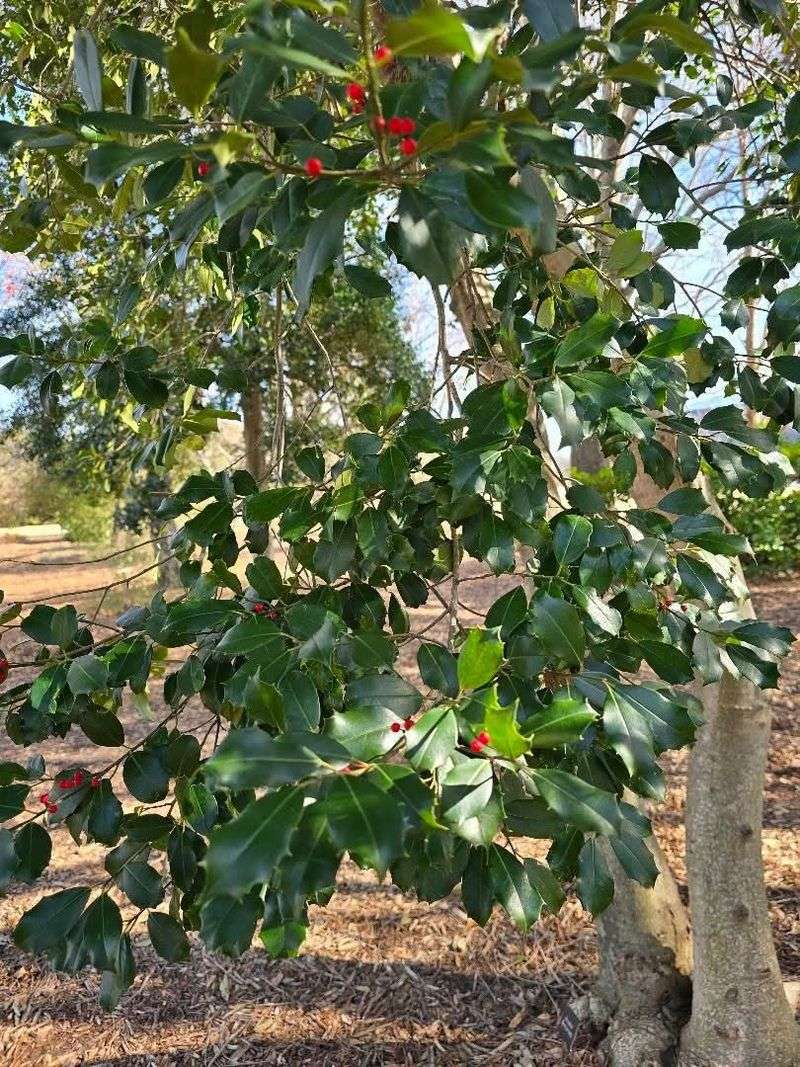
Shade is a common culprit behind skimpy berries. American holly can grow in partial shade, often showing up naturally under taller trees in Georgia forests.
Deep shade, however, usually means fewer flowers and fewer berries.
Hollies tend to bloom and fruit more heavily with several hours of direct sun. A female tucked under a thick oak canopy may stay healthy but produce only a few scattered berries.
Check how much light your tree actually gets through the day.
Neighboring trees grow over time, so a holly that once sat in sun might now be shaded. Thinning overhanging limbs from nearby trees can let more light reach it, though hiring a certified arborist is wise for large branches.
Heavy pruning of the holly itself can also reduce berries. Flowers form on growth from the previous season, so cutting too much may remove future blooms.
Light shaping is usually safer than a hard cut.
Soil and moisture matter too. Hollies generally prefer slightly acidic, well-drained soil, and long droughts can stress them.
More sun won’t fix a missing male or a pollen problem. It simply gives a healthy female the best chance to turn more of her flowers into fruit.
7. Red Berries Ripen In Fall And Persist Into Winter
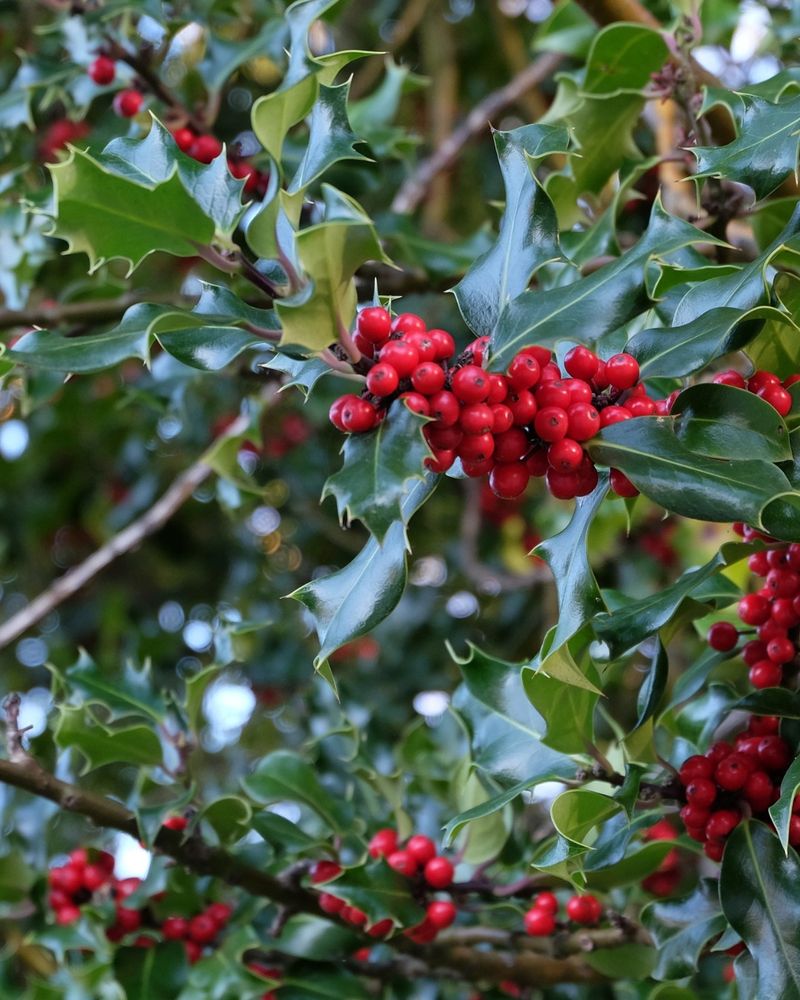
Some gardeners give up on their holly too early in the year. Berries form after spring pollination but stay green through summer, so they are easy to miss among the leaves.
Color usually develops in fall as the fruit ripens.
Once red, the berries often hang on into winter, adding bright color when most plants look bare. That long display is a big reason people across Georgia love this native tree.
Birds sometimes explain a sudden disappearance. Robins, cedar waxwings, mockingbirds, and other species may strip a tree quickly, especially later in winter when other food runs low.
So a holly that seemed full one week might look nearly empty the next.
Before deciding your tree is fruitless, check it closely during summer for small green berries. Spotting them confirms the tree is female and pollination happened.
Crop size can swing from year to year based on weather, bloom timing, and tree health.
A light year followed by a heavy one is fairly normal for hollies. Keep a simple record of when berries color and how long they last, and you’ll learn your tree’s habits over time.
Holly berries are not safe for people or pets to eat, so teach children to admire them without tasting.