Found Fire Ants In Your New York Garden? Here’s What To Know

Fire ants in New York sounds like a mistake. It isn’t, and plenty of gardeners find out the hard way while pulling weeds.
These aren’t the giant mound-builders from down South. They’re European fire ants, a smaller species that has settled into gardens in parts of the state and beyond.
They hide well, bounce back fast, and sting like they mean it. Their nests are also revealing something about your soil, your shade, and maybe that plant you bought last spring.
Damp corners, cluttered beds, and new transplants all tell these ants where to settle. Once you know what draws them in, you can make your garden far less welcoming.
Find out what these little red invaders are really telling you, and what to do about it.
They’re European Fire Ants, Not The Southern Kind

Picture a fire ant, and you probably imagine a sunny Texas field covered in dirt mounds. The ants in New York gardens belong to a whole different family tree.
Scientists call them Myrmica rubra, though many people say European fire ants or common red ants. Southern fire ants are Solenopsis invicta, and they mostly stay in the warm Southeast.
European fire ants came from Europe and Asia, where weather runs cool and wet. That background explains why they feel right at home in New York summers and springs.
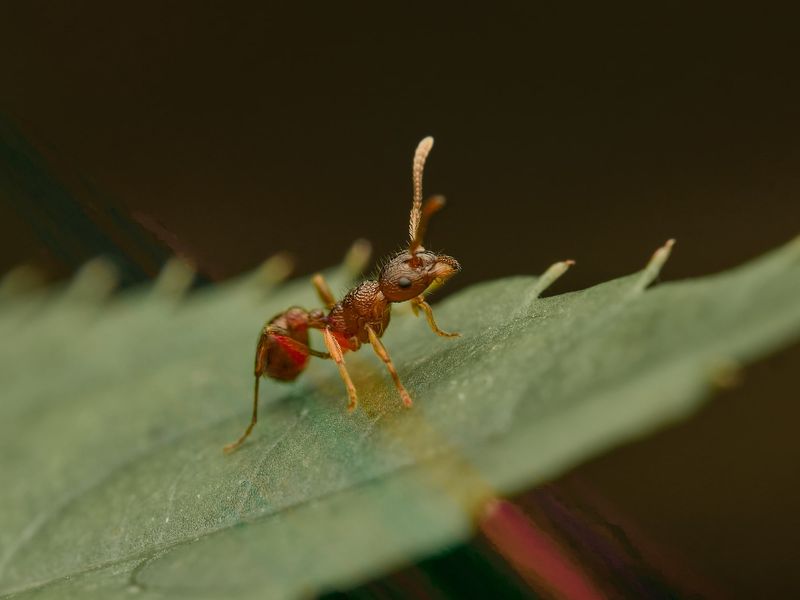
Workers are reddish-brown and measure about 4 to 6 millimeters long. That makes them roughly the size of a grain of rice, small enough to miss.
Look closely with a magnifying glass, and you will spot fine hairs covering their bodies. Their antennae have 12 segments, ending in a small club made of three segments.
The best clue sits on the back of the body. Two tiny spines point backward there, like little thorns on a rose stem.
Another big difference shows up in the yard itself. Southern fire ants build tall mounds, but European fire ants rarely make anything obvious above ground.
So if you see stinging red ants and no mounds, do not rule out fire ants. Your quiet garden bed may hide a busy colony just under the surface.
Here is a handy tip for beginners. Snap a clear close-up photo with your phone, then zoom in to check for those spines.
Damp, Shady Beds Are Their Favorite Hideout

Think of the coolest, wettest corner of your yard, where the hostas grow huge. Odds are good that European fire ants have already claimed it as home.
These ants love humidity the way cats love a sunny window. Moist, shaded spots in lawns and gardens give them steady comfort all season long.
Nests often tuck into soil along the roots of trees and shrubs. Roots hold moisture, offer tunnels, and keep the ground from drying out quickly.
They also crawl under rocks, logs, and piles of leaves. Each hiding place acts like a tiny umbrella, keeping the colony damp and protected.
Finding these nests can feel like a game of hide and seek. The entrances are small, and the colony stays mostly underground and out of sight.
Your New York Garden Changes Every Week. Your Plan Should Too.
Gardening in New York changes quickly throughout the season. Every Friday you’ll receive a simple weekly plan showing exactly what to plant, prune, fertilize, harvest, and protect so you never miss the right timing.
Many gardeners only notice the ants after getting stung. By then, a colony may have lived in that shady bed for a while.
So what can you do with this clue? Start by watering less in shady areas, since soggy soil makes their life easier.
Try thinning thick shrubs or low branches to let more light reach the ground. Even a little extra sun can dry the surface and make the spot less cozy.
A simple test helps, too. Lay a flat board on damp soil overnight, then lift it carefully the next morning to check for ants.
Raised Bed Frames Make A Perfect Nesting Spot
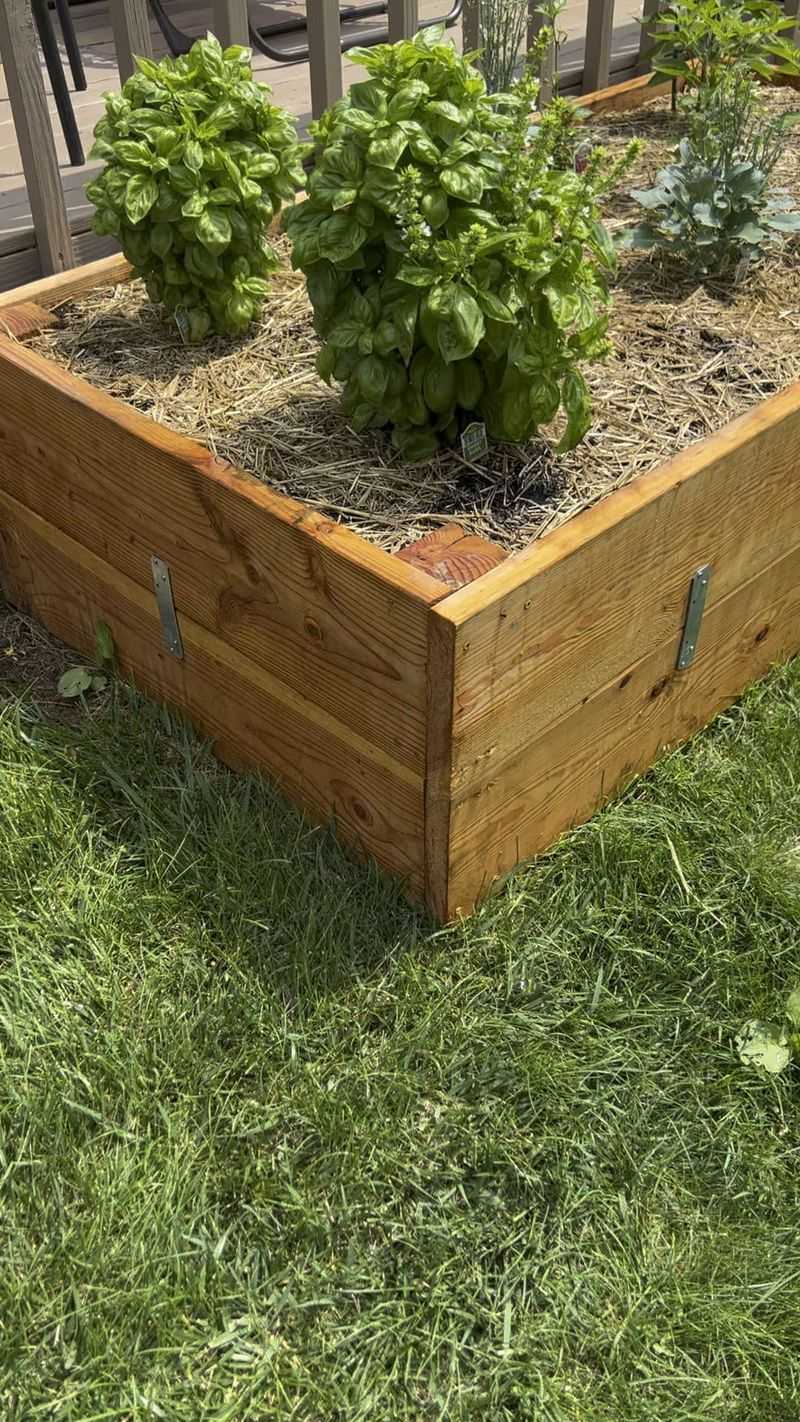
Raised beds feel like a gardener’s best friend. Sadly, European fire ants find them just as charming, though for very different reasons.
Wooden frames trap moisture right against the soil. That damp edge becomes prime real estate for a colony looking for a steady home.
During the day, the boards soak up warmth from the sun. At night, they slowly release that heat back into the nearby soil.
The result is a cozy, stable space with fewer temperature swings. Ant colonies thrive in that kind of reliable comfort, much like a heated apartment.
Wood debris near the beds can make things even more inviting. Scrap boards or old stakes leaning against the frame create extra shelter.
Many gardeners discover ants while reaching into a corner to pull weeds. That tight space between soil and frame is a classic hiding place.
Here is a smart habit to build. Wear gloves and long sleeves whenever you work near the edges of a raised bed.
You can also check the frames early in the season. Gently poke the soil along the inside corners and watch for scurrying red workers.
Fun fact for curious gardeners: some colonies settle into rotting wood itself. If your bed boards are soft and crumbly, replacing them may remove a hidden ant condo.
Leaving a small gap of gravel around the outside frame helps, too. Drier edges are less appealing to these moisture lovers.
They Probably Hitched A Ride In A Potted Plant
That lovely perennial you brought home last spring may have carried a surprise. Tiny stowaways often ride along in the soil of potted plants.
European fire ants spread mostly with human help. Shipments of soil, bags of mulch, and nursery pots all make handy travel cases.
Many ant species send winged queens on mating flights to start new homes. In North America, these ants rarely spread that way.
Instead, they ride in trucks, wheelbarrows, and car trunks. Moving soil or yard waste from one place to another can carry a whole colony.
Plant swaps with friends are fun, but they carry risk, too. A shared clump of daylilies might hold more than roots and leaves.
Human activity has pushed these ants far beyond where they first landed. Their spread across New York and other states follows people more than nature.
So think back to recent additions to your yard. Did ants show up near a new shrub, a fresh mulch pile, or donated plants?
Knowing the source helps you stop the problem from growing. It also helps you warn neighbors who may have shopped at the same place.
A quick tip before your next trip to the nursery: avoid buying plants with soggy, ant-filled soil. Tip the pot gently and peek at the root ball before paying.
Bagged mulch from trusted suppliers is usually safer than free piles of unknown origin.
Many Queens Mean Colonies Bounce Back Fast

Most ant colonies have one queen in charge. European fire ants laugh at that rule and run nests with dozens of royal mothers.
Scientists call this setup polygynous, which simply means many queens. A single nest can hold close to 100 queens at once.
Some records even report more than 670 queens in one colony. Imagine trying to remove a problem with hundreds of backup plans!
Each queen can live for several years. With so many laying eggs, the colony grows quickly and recovers from damage fast.
Colonies also spread through something called budding. A queen leaves with a group of workers, and they start a fresh nest nearby.
Here is why it matters for you. Pouring boiling water or stomping a nest might scatter ants, but surviving queens simply rebuild.
Quick fixes often lead to frustration, because the colony bounces back within weeks. Patience and a steady plan work much better than one big attack.
Many homeowners find that baits applied by experts work best. Workers carry bait back, sharing it with the queens hidden deep inside.
Keep notes on where ants appear over time. A simple garden map helps you see whether the colony is shrinking or budding into new spots.
A Swarm When You Weed Means You’ve Hit A Nest
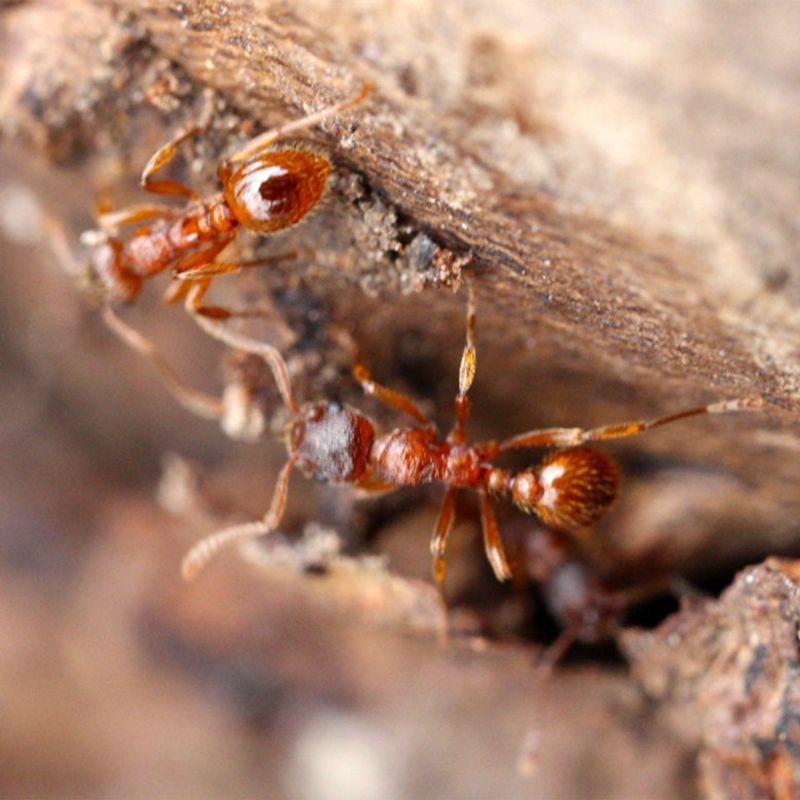
One tug on a dandelion, and the ground seems to boil with angry red ants. Congratulations, sort of, because you just found the nest.
European fire ants are fiercely territorial. When their home is disturbed, they rush out to defend it rather than run away.
Plenty of ant species scatter when bothered. These ants charge forward and sting without much hesitation at all.
Because their nests stay hidden, surprises happen often. New York gardeners frequently disturb colonies while weeding, planting, or moving stones.
Pay attention to how many ants appear and how quickly. A few wanderers suggest foraging, while a sudden crowd means you are right on top of home base.
Once you spot a swarm, step back calmly and brush ants off your clothes. Shaking gloves and tapping sleeves can prevent extra stings.
Mark that spot with a stake or flag right away. Knowing the exact location helps you or a professional deal with the colony later.
Here is a helpful habit for weeding days. Tuck pants into socks and wear snug gloves that cover your wrists.
Working in the cooler morning hours may help, too. Ants tend to be a bit less active before the day warms up.
Finally, keep kids and pets away from marked areas. A small warning sign can save a lot of tears and itchy afternoons.
Their Stings Itch For Days
Ask anyone who has stepped barefoot on a colony, and they will make a face. The sting starts sharp, then lingers like an unwelcome houseguest.
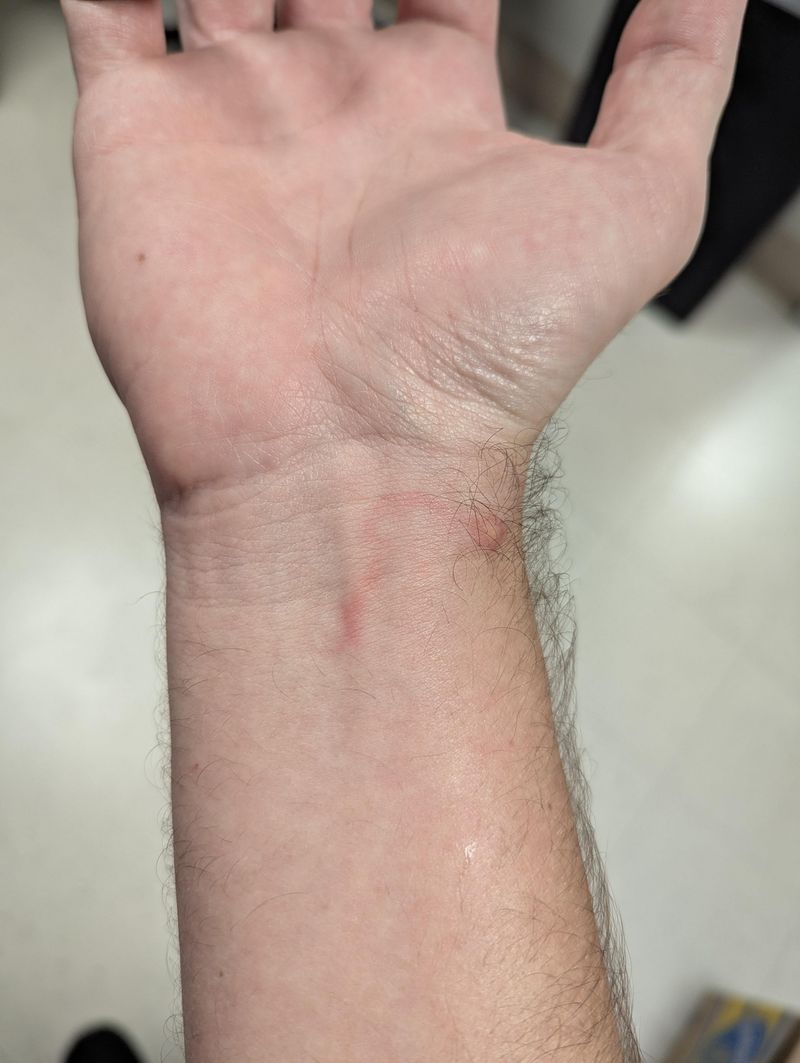
European fire ants inject venom with each sting. Red, swollen welts usually follow, and the itching can last several days.
Many people compare the feeling to brushing against stinging nettle. It burns at first, then turns into a stubborn, nagging itch.
Some folks get bigger swelling around the sting site. A few may face serious allergic reactions, including a dangerous one called anaphylaxis.
Watch for warning signs like trouble breathing, a swollen face, or dizziness. Those symptoms need emergency medical care right away.
Bare feet on infested lawns are a common target. Summer barbecues and backyard games can turn painful in seconds.
For mild stings, wash the area gently with soap and water. A cool compress can calm the burning feeling and reduce swelling.
Try not to scratch, even though it feels tempting. Broken skin can become infected, making a small problem much bigger.
Many people find relief with over-the-counter anti-itch creams or antihistamines. Ask a pharmacist which option suits your family best.
Here is a simple prevention tip. Keep a pair of garden clogs by the back door, so nobody wanders the yard barefoot.
Clearing Yard Clutter Takes Away Their Shelter
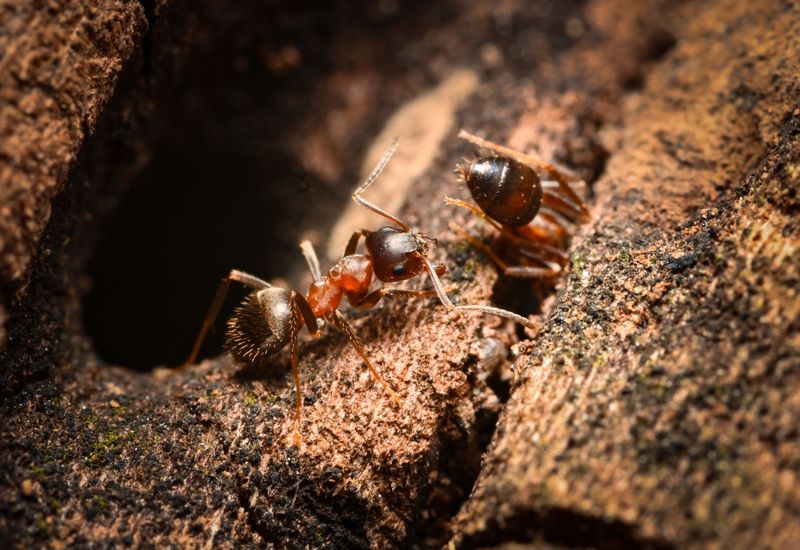
Every yard has that forgotten corner with old bricks, a log, and a tarp. To European fire ants, that pile looks like a luxury resort.
These ants love sheltering under stones, fallen branches, and logs. Loose paving stones and wood lying on soil trap moisture underneath.
Clutter also soaks up heat on sunny days. Warm, damp, and hidden is exactly what a growing colony wants.
Spending an afternoon cleaning up can make a real difference. Stack firewood off the ground, or move it away from garden beds.
Pick up leftover boards, buckets, and unused pots. Each item you remove takes away another possible hiding place.
Watering habits matter, too. Cutting back on extra irrigation helps dry the soil and makes your yard less welcoming.
Mowing tall grass and trimming dense plants lets more sunlight reach the ground. Sunny, drier soil tends to discourage these moisture-loving ants.
Food sources deserve attention as well. These ants enjoy honeydew, a sweet liquid made by aphids and similar insects.
Controlling aphids on roses, shrubs, and vegetables cuts off that sugary snack bar. A strong spray of water can knock many aphids off plants.
Wear gloves and sturdy shoes while you tidy up, since colonies may hide under any object. Lift items slowly and watch for swarming workers before reaching underneath.
Check New Plants Before They Go In The Ground
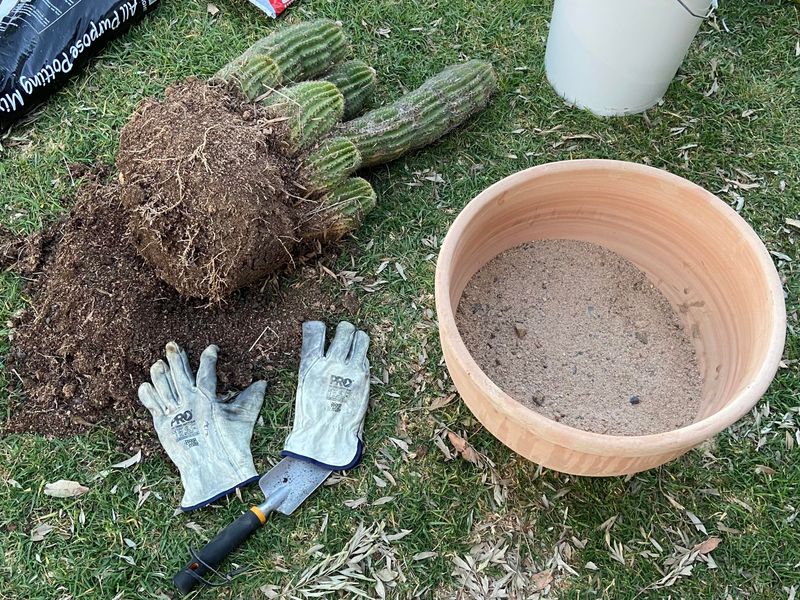
A few minutes of checking can save years of trouble. Before any new plant settles into your garden, give it a careful once-over.
European fire ants commonly travel inside infested plants. Soil and mulch are also popular rides for these sneaky hitchhikers.
Start by setting the pot on a hard surface, like a patio or driveway. Then slide the plant out gently and look at the root ball.
Watch for small reddish ants, white eggs, or tiny larvae. Any movement in the soil is a sign to pause before planting.
If you find ants, keep that plant isolated in its pot for now. Call the place you bought it from and share what you saw.
Bulk mulch and topsoil deserve a look, too. Spread a small amount on a tarp and watch for activity before adding it to beds.
New York gardeners trade plants often at swaps and community sales. Those events are wonderful, but quick inspections keep everyone’s yards safer.
Here is a bonus tip worth trying. Soak smaller pots in a bucket of water for a few minutes, and ants may float up to the surface.
Keep a simple checklist near your potting bench. Gloves, a magnifying glass, and a tarp make inspections easy and routine.
Small habits like these slow the spread of an invasive pest. Your garden and your neighbors will thank you.
Get A Sample Identified Before You Treat

Grabbing a spray bottle the moment you see red ants feels natural. Pausing first, though, could save you money and protect helpful insects.
Native Myrmica ants look very similar to European fire ants. Even experienced gardeners struggle to tell them apart without a microscope.
Native species are calm neighbors that live in smaller numbers. They help aerate soil and rarely cause the painful trouble invaders do.
Treating the wrong ant wastes time and products. It may also harm creatures that were quietly helping your garden.
Collecting a sample is easier than it sounds. Drop a few ants into a small jar with rubbing alcohol, then seal it tightly.
Write down where you found them, the date, and any stings you noticed. Those notes help experts understand what is happening.
Next, reach out to your local Cornell Cooperative Extension office. Staff can identify ants or point you to someone who can.
Once you know the species, you can choose a smart plan. Experts may suggest baits, habitat changes, or professional help for large infestations.
Fun fact: the Myrmica group includes many species worldwide. Only a few, like Myrmica rubra, cause real headaches outside their native range.
Getting answers first turns a stressful guess into a confident plan. Your garden deserves that kind of thoughtful care.