Your Scented Geraniums Won’t Survive A New York Winter Outside. Here’s How To Save Them
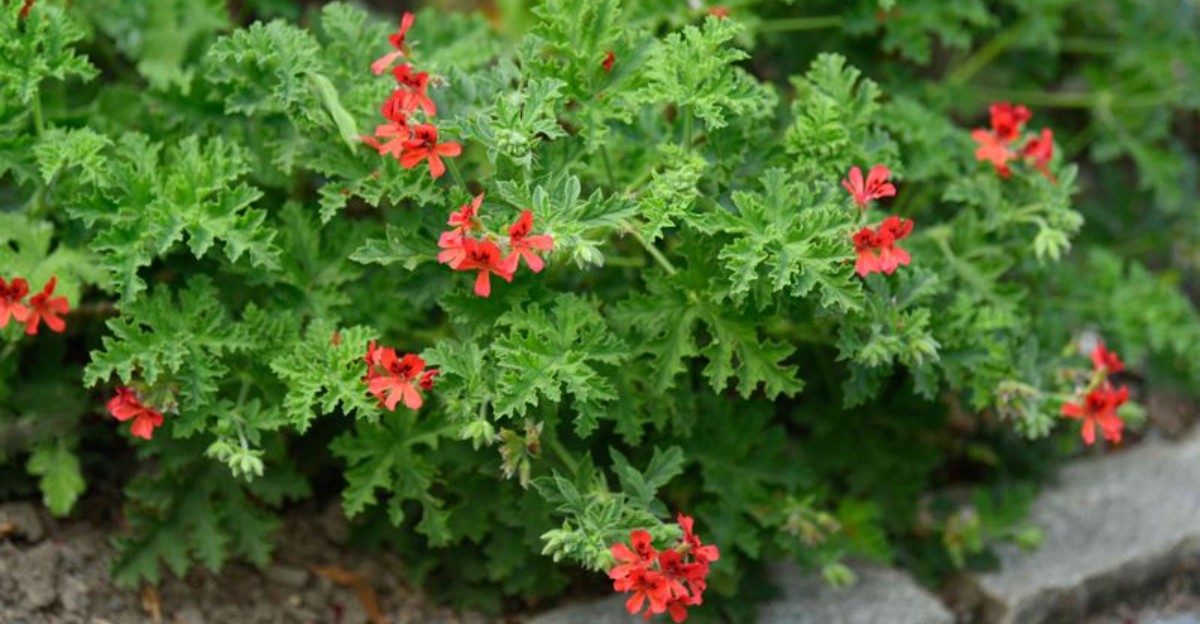
Rub a scented geranium leaf, and your fingers smell like lemon, rose, or fresh mint. These leafy little perfume factories brighten patios and windowsills all summer long.
Then the first cold snap arrives, and their soft stems can turn limp and brown almost overnight. Scented geraniums come from the warm hills of South Africa, so a New York winter is simply too much for them outdoors.
Carrying them through to spring is easier than most people expect. A sunny window, careful watering, and a little trimming go a long way.
No greenhouse or fancy tools are required. Whether you garden on a city balcony or in a big yard upstate, the same simple steps apply.
Give your fragrant favorites a cozy winter home now, and they’ll be ready to perfume your patio again next summer.
1. Bring Them In Before The First Frost Hits
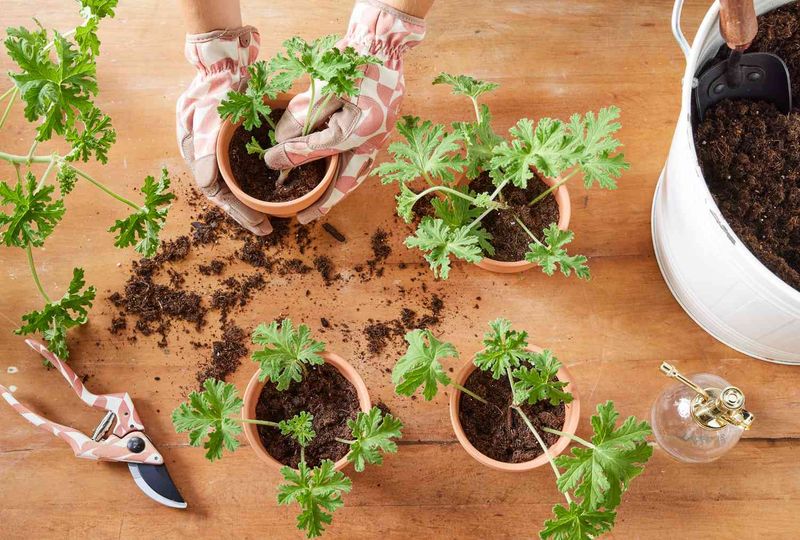
Picture a chilly October morning when your lemon geranium suddenly looks wilted and sad. One light frost can turn those soft, fragrant leaves into mush before breakfast.
Scented geraniums are tender plants from South Africa, where winters stay mild. They cannot handle freezing air, so timing your move indoors matters a lot.
Around New York, first frost dates vary quite a bit by location. Higher spots upstate can see frost by mid-September, while Central Park often waits until late November.
A smart rule is watching for nights that dip below 45°F. Once forecasts show temperatures sliding that low, start packing up your plants for the trip inside.
Check your local weather app each evening as autumn rolls in. Many gardeners set a phone reminder for mid-September to start paying closer attention.
Plants growing in the ground need digging up and potting before the move. Choose a container just slightly bigger than the root ball, with good drainage holes.
Use fresh, light potting mix rather than heavy garden soil from your yard. Heavy dirt holds too much water indoors and can lead to rotting roots.
Try moving plants into a shady porch or garage for a few days first. A gradual change helps them adjust to dimmer light without dropping lots of leaves.
Expect a few yellow leaves during the transition, and do not panic. Your geranium is simply adjusting to its new surroundings and will settle in soon.
2. Check Every Leaf For Hitchhiking Pests
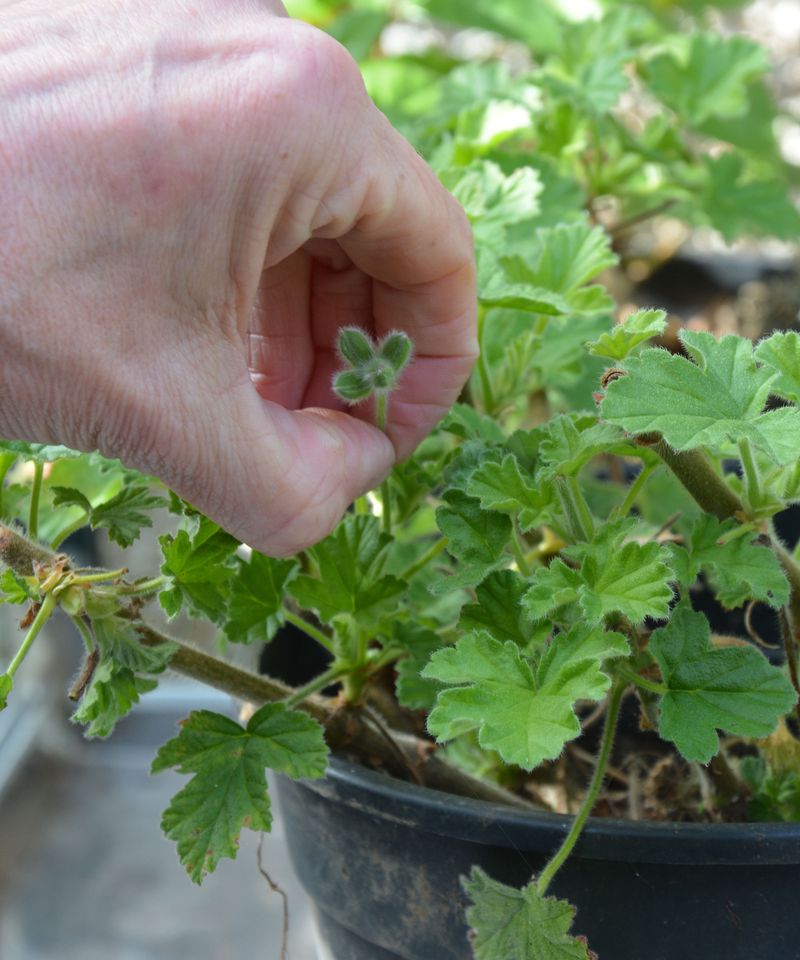
Nobody wants surprise houseguests, especially the tiny kind with six legs. Bugs hiding on your geraniums can spread to every houseplant you own.
Before carrying any pot inside, give each plant a careful once-over. Flip leaves over and look closely at the undersides, where pests love to hide.
Whiteflies are easy to spot because they flutter up when disturbed. Spider mites are trickier, leaving fine webbing and tiny speckled dots on leaves.
Aphids often cluster on fresh new growth near the stem tips. Look for small green, black, or white bugs bunched together like a tiny crowd.
Snip off any yellow, spotted, or damaged leaves while you inspect. Old leaves can harbor mold spores that spread quickly in stuffy indoor air.
Your New York Garden Changes Every Week. Your Plan Should Too.
Gardening in New York changes quickly throughout the season. Every Friday you’ll receive a simple weekly plan showing exactly what to plant, prune, fertilize, harvest, and protect so you never miss the right timing.
A gentle rinse with mild soapy water handles many common pests. Mix a few drops of dish soap into a spray bottle of lukewarm water.
Spray the tops and bottoms of leaves, then rinse with clean water after a few minutes. Let plants dry in the shade before bringing them indoors.
Check the soil surface and drainage holes too, since slugs and ants sneak in. Tapping the pot gently sometimes sends hidden critters scurrying out.
Keep new arrivals apart from other houseplants for about two weeks. That short quarantine lets you catch problems early, before they turn into a full infestation.
3. Cut Them Back By About A Third
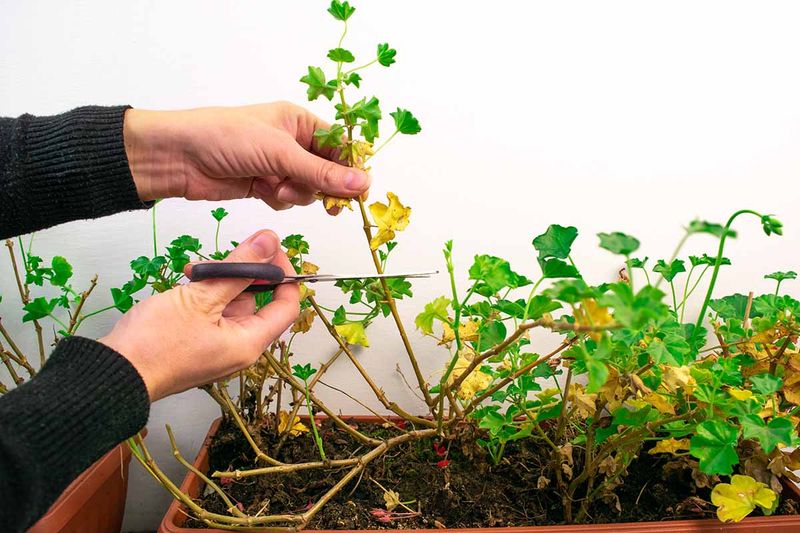
Grabbing the pruners might feel harsh, but your geranium will thank you later. A good haircut sets the stage for a healthy winter indoors.
Aim to cut stems back by about one-third to one-half. Less leafy growth means the plant spends energy on roots instead of supporting floppy branches.
Tight on space in a small apartment? You can trim plants down to roughly four inches tall, and they will still bounce back.
Every cut should land just above a leaf node. Nodes are the small bumps on stems where leaves attach and new shoots will sprout.
Clean, sharp snips make neat cuts that heal fast. Wipe the blades with rubbing alcohol first to keep diseases from spreading between plants.
Remove any crossing, weak, or woody stems that look tired. Opening up the center improves airflow, which helps prevent mold during long indoor months.
Here comes the fun part, so do not toss those trimmings! Pruned stems release a wonderful burst of scent, filling the room with rose, citrus, or peppermint.
Tuck fragrant clippings into a small vase or dry them for homemade potpourri. Some cooks even use rose geranium leaves to flavor sugar or tea.
Healthy stem tips can also become new plants, which we cover later. Pruning day is a great time to gather extra cuttings for safekeeping.
4. Give Them Your Sunniest Window
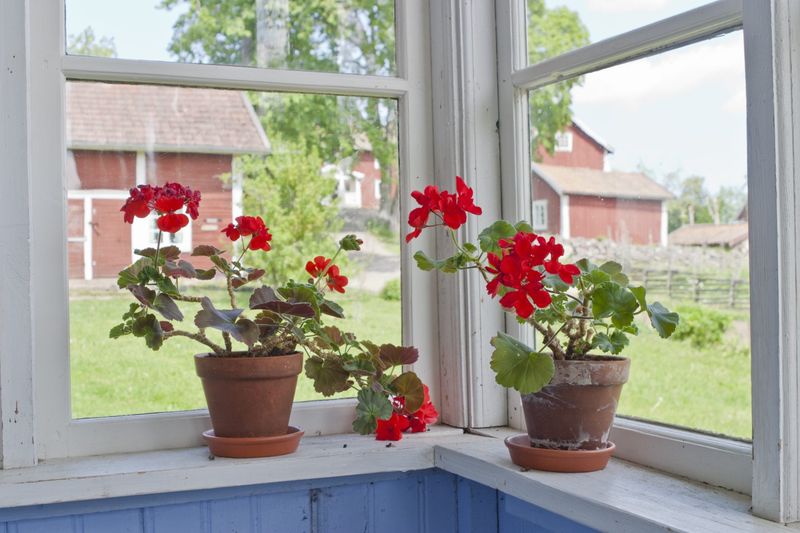
Sunshine is the fuel that keeps scented geraniums happy and fragrant. Winter days are short, so every bit of bright light counts.
These plants want four to six hours of direct sun each day. A south-facing window works best, while west-facing glass makes a solid second choice.
Watch for clues that light is running low. Stretched stems, pale leaves, and big gaps between leaves mean your plant is reaching for more sun.
Weak light also fades that lovely scent you enjoy so much. Bright sun helps leaves build the fragrant oils that make them special.
Give each pot a quarter turn every week. Rotating keeps growth even, so plants do not lean awkwardly toward the glass like curious neighbors.
Many New York apartments face brick walls or tall buildings. If your windows feel gloomy, an inexpensive LED grow light can work wonders.
Set grow lights about six to twelve inches above the plants. Run them for twelve to fourteen hours daily, ideally on a simple outlet timer.
Keep leaves from pressing directly against freezing window glass. Cold panes can chill tender foliage, causing brown, crispy patches overnight.
Wipe dusty windows once or twice during winter for extra brightness. Clean glass can let noticeably more sunlight reach your hungry plants.
5. Cool Rooms Keep Them Compact And Fragrant
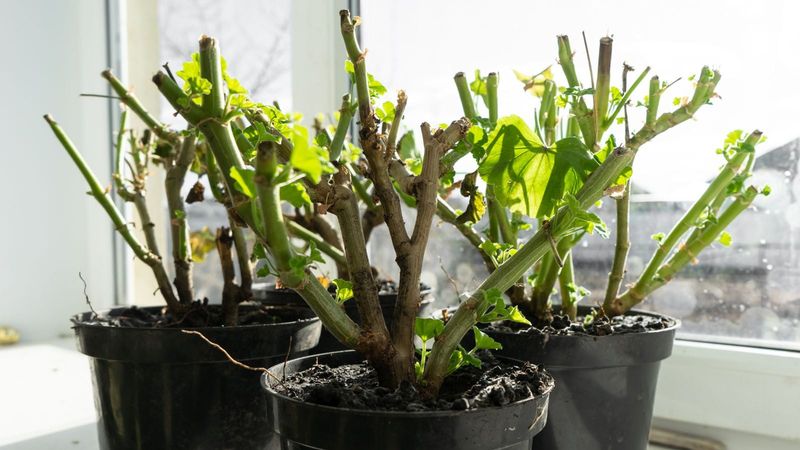
Here is a surprise many new growers do not expect. Scented geraniums actually prefer chilly rooms during winter, not cozy warm ones.
Temperatures between 45 and 50°F suit resting plants nicely. Cool air slows growth, keeping stems short, sturdy, and packed with scented leaves.
Warm rooms push plants to grow quickly in poor winter light. The result is spindly, floppy stems that look tired by February.
Look around your home for naturally cool spots. An enclosed porch, a bright mudroom, or a spare bedroom often works beautifully.
Keep pots far away from radiators, heat vents, and space heaters. Classic steam radiators can blast hot, dry air that stresses foliage fast.
Want blooms during the cold months? A slightly warmer range of 60 to 68°F can encourage some flowers if light is strong.
Fun fact: Victorian homes often kept scented geraniums near doorways and hallways. Long skirts brushed their leaves, releasing pleasant smells as people walked by.
A cheap indoor thermometer helps you find the right spot. Move it around different rooms for a day or two to learn your coolest areas.
Avoid spots where temperatures drop near freezing at night. Drafty doors that open constantly to icy wind can shock plants and brown their leaves.
6. Water Only When The Soil Feels Dry
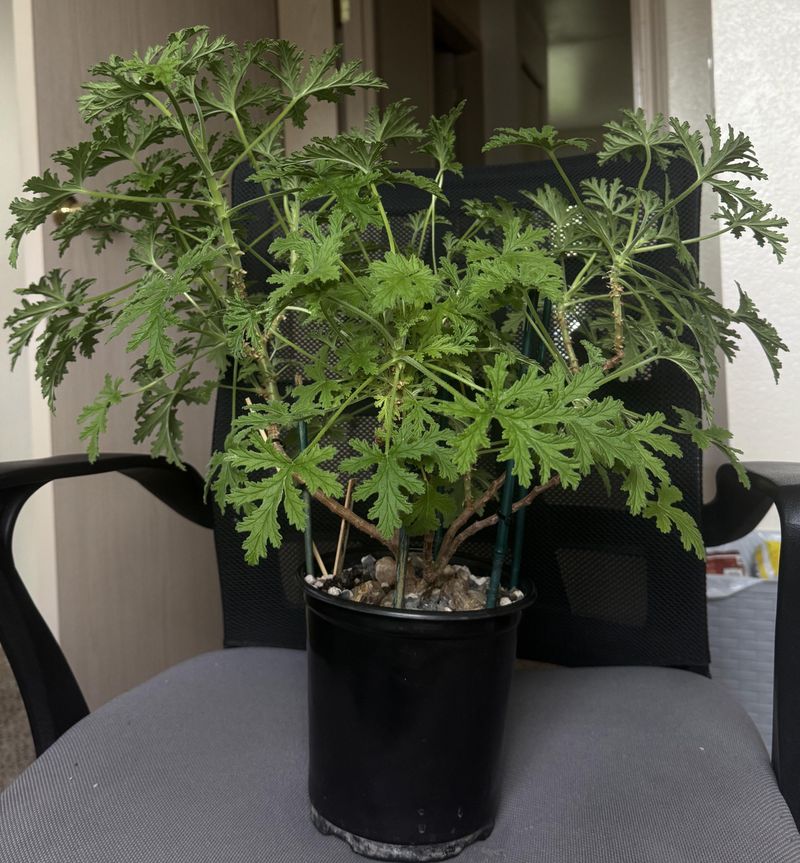
Loving your plant too much can backfire, especially with a watering can. Overwatering is the fastest way to ruin an indoor geranium.
Winter plants use far less water than they do in summer. Cool rooms and weak light slow everything down, so soil stays wet longer.
The finger test is simple and free. Push a finger one to two inches into the soil, and water only if it feels dry.
In cool rooms, you might water every one to three weeks. Some growers find once a month is plenty during the darkest weeks.
Pour water directly onto the soil, not over the leaves. Wet foliage in still indoor air invites fungus and gray mold.
Water slowly until a little drains from the bottom. Empty saucers afterward so roots do not sit in a soggy puddle.
Terracotta pots are a handy choice for winter care. Clay breathes and helps soil dry faster than plastic containers do.
Watch the leaves for signals about your watering habits. Yellow, mushy leaves often point to too much water, while crispy edges suggest too little.
Lifting the pot can also teach you a lot. A light pot usually needs a drink, while a heavy one can wait a few more days.
7. Skip Fertilizer Until Late Winter
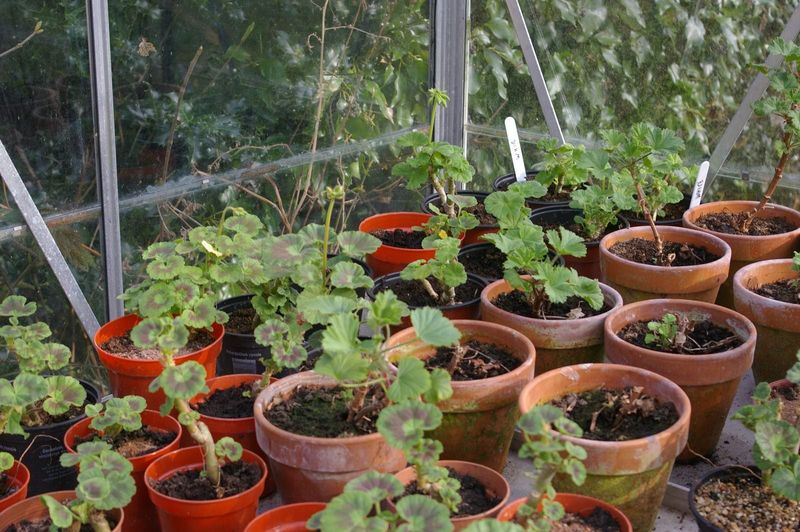
Think of winter as nap time for your scented geraniums. Waking them with plant food too early just causes trouble.
Stop feeding by early autumn, before plants come inside. Their growth naturally slows as days shorten, so extra nutrients mostly go unused.
Unused fertilizer can build up as salty crust in the soil. Over time, that buildup may burn roots and leave leaf edges brown.
Feeding resting plants also pushes weak, pale growth. Without strong sunlight, that new growth tends to stretch and flop over.
There is one small exception to the rule. Plants still blooming under bright light can handle a very diluted balanced fertilizer once a month.
Mix it at about one-quarter of the label strength. Weak feeding gives just a gentle boost without overwhelming the roots.
Late winter is when things start changing. Around late February or March, days lengthen and you may notice fresh green shoots appearing.
Once steady new growth shows up, begin regular feeding again. A balanced liquid fertilizer every two to four weeks works well through spring.
Go easy on high-nitrogen foods, though. Too much nitrogen can make leaves big but weaken the strong scent you love most.
8. Take Cuttings As A Backup Plan
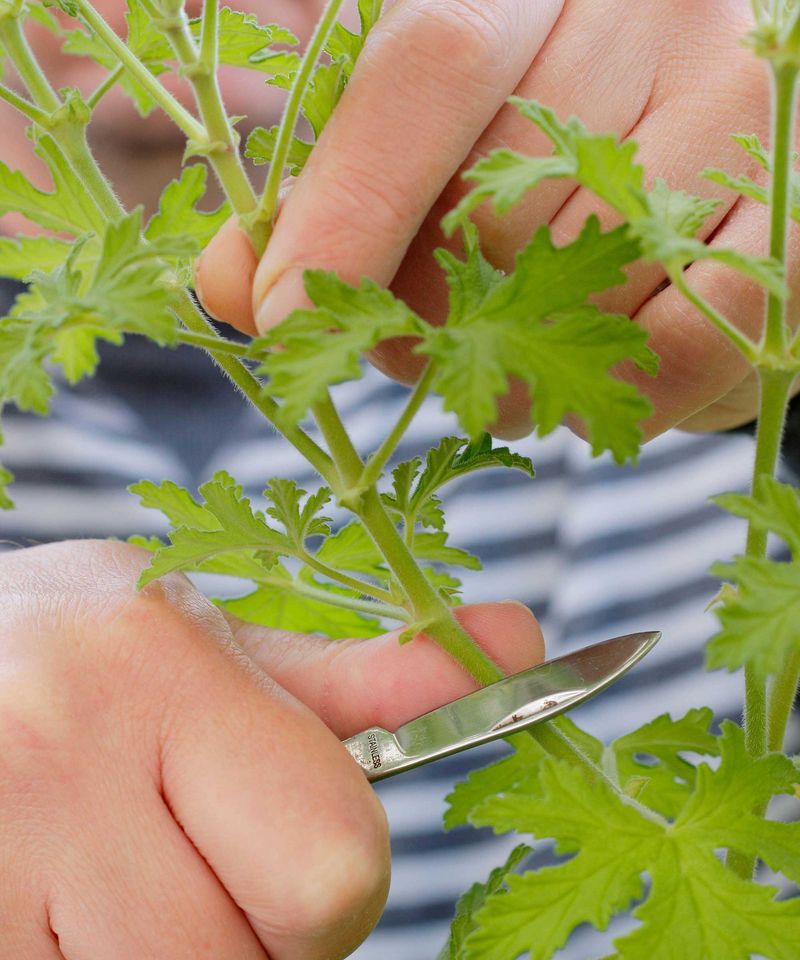
Smart gardeners keep a spare, just like an extra house key. Cuttings give you insurance if your main plant struggles indoors.
Late summer or early fall is the best time to snip them. Plants are still strong then, so cuttings root more quickly.
Choose healthy shoots without flowers, about two to six inches long. Cut just below a leaf node, where roots will eventually form.
Strip off the lower leaves and any flower buds. Leave a few top leaves so the cutting can still make energy.
Let cuttings sit out overnight to dry. A slightly sealed cut end resists rot once it goes into soil.
Plant them in gritty, fast-draining mix, like potting soil blended with perlite. Rooting hormone is optional, since geraniums usually root easily without it.
Skip plastic bags or covered domes for these plants. Fuzzy geranium leaves tend to rot in damp, trapped air.
Place pots on a bright windowsill and keep soil barely moist. Roots typically form in three to eight weeks.
Small rooted cuttings take up far less room than big plants. For New York gardeners in tiny apartments, a tray of baby geraniums is a clever space saver.
Extra plants also make lovely gifts for friends and neighbors.
9. Pinch New Growth To Keep Plants Bushy
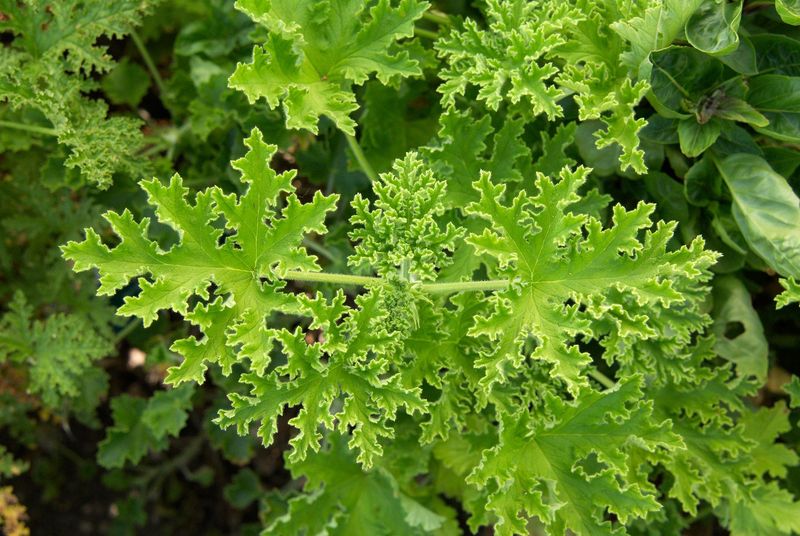
A tiny pinch can change the whole shape of your plant. Your fingertips are honestly the best pruning tool for this simple job.
Pinching means removing the soft tip of a growing stem. You take off the top pair of new leaves, just above a leaf node.
Why bother with such a small snip? Removing the tip tells the plant to send out side shoots instead of growing tall.
More side shoots mean a fuller, rounder, bushier plant. You also get more leaves, which means more fragrance to enjoy.
Start pinching once new growth appears in late winter. Repeat every few weeks through spring and summer for the best results.
Young plants from cuttings benefit too. Begin pinching them once they reach about six to eight inches tall.
Clean snips work well if fingernails feel awkward. Just keep tools tidy to avoid spreading disease between plants.
Here is a sweet bonus most people love. Every pinch releases a fresh puff of scent, so your hands smell like lemon or rose afterward.
Save those pinched tips instead of tossing them. They can flavor iced tea, garnish desserts, or freshen a drawer with a natural, homemade scent.
10. Move Them Back Outside Once Nights Stay Warm
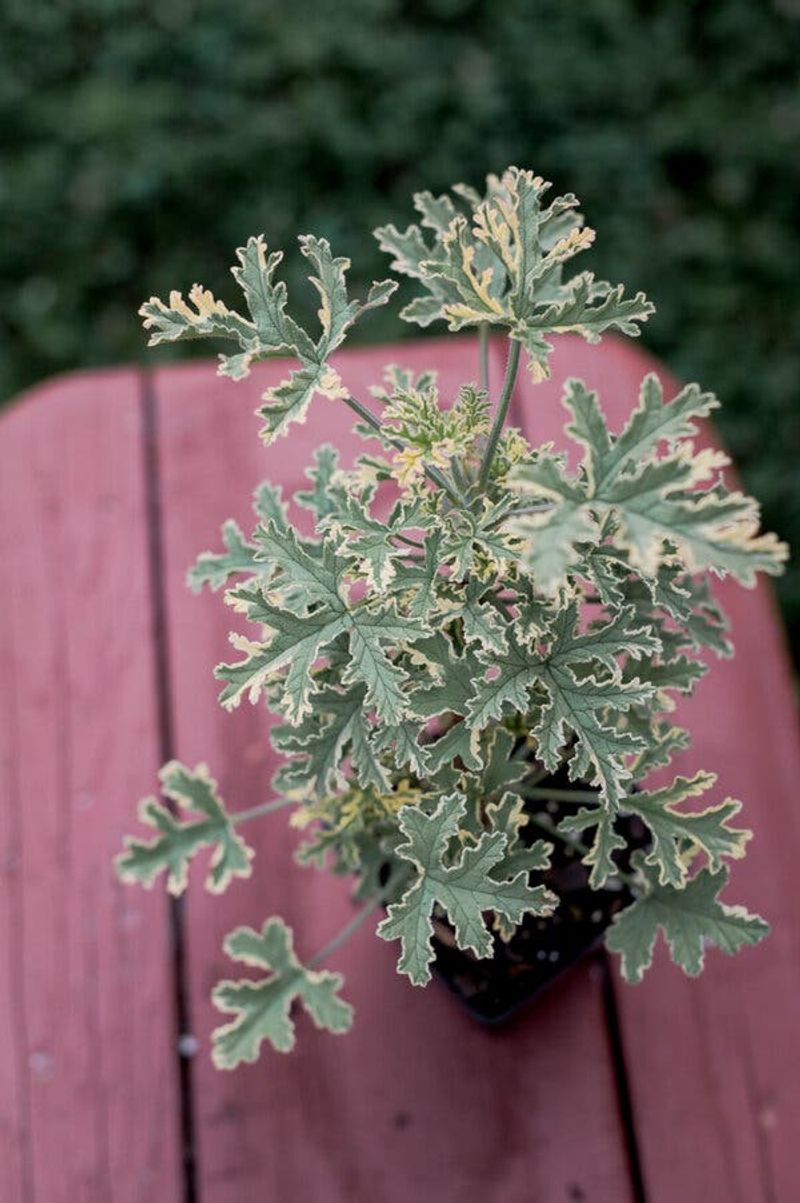
Spring fever hits gardeners hard after a long winter. Still, patience will protect your geraniums from one last chilly surprise.
Wait until frost danger has passed for the season. Nights should stay above 50°F before plants move outside for good.
Around New York City, the average last frost usually lands in April. Tender plants like these still do best waiting until nights stay above 50°F, which often means early May.
Upstate areas often stay cold longer, sometimes until late May.
Check your local frost dates and the ten-day forecast. A warm afternoon can easily fool you into moving too early.
Plants need time to adjust to strong outdoor sun. Start them in partial shade for a few hours each day.
Over one to two weeks, slowly give them more direct sunlight. Gardeners call this process hardening off, and it prevents scorched leaves.
Bring pots back inside if a surprise cold night pops up. Spring weather can flip quickly, so stay flexible.
Spring is also a great time to repot crowded plants. Fresh soil and a slightly bigger container give roots room for summer growth.
Soon your patio will smell wonderful again. All those months of winter care pay off with bushy, fragrant plants ready to shine all summer.