What Michigan Gardeners Should Do With Mint In October For Healthier Plants Next Year
Those tiny orange bumps on your favorite fragrant herb are a fungus, and it can overwinter in old stems. I learned that the hard way, after a whole patch came back spotty and sad one June.
Here in Michigan, October feels like the season when gardeners finally relax and put their tools away. I believe this cool, crisp month is actually the smartest time to set up next year’s success.
You need only a pair of clean snips plus maybe twenty minutes on a sunny, breezy afternoon. The leaves still smell sweet and cool when you brush past them, even after the first chilly nights.
Michigan winters can be rough, but this tough little plant handles cold better than most people expect. So what small fall chores make the biggest difference when those fresh green shoots return next year?
Give Your Mint A Fall Haircut Before Winter Arrives
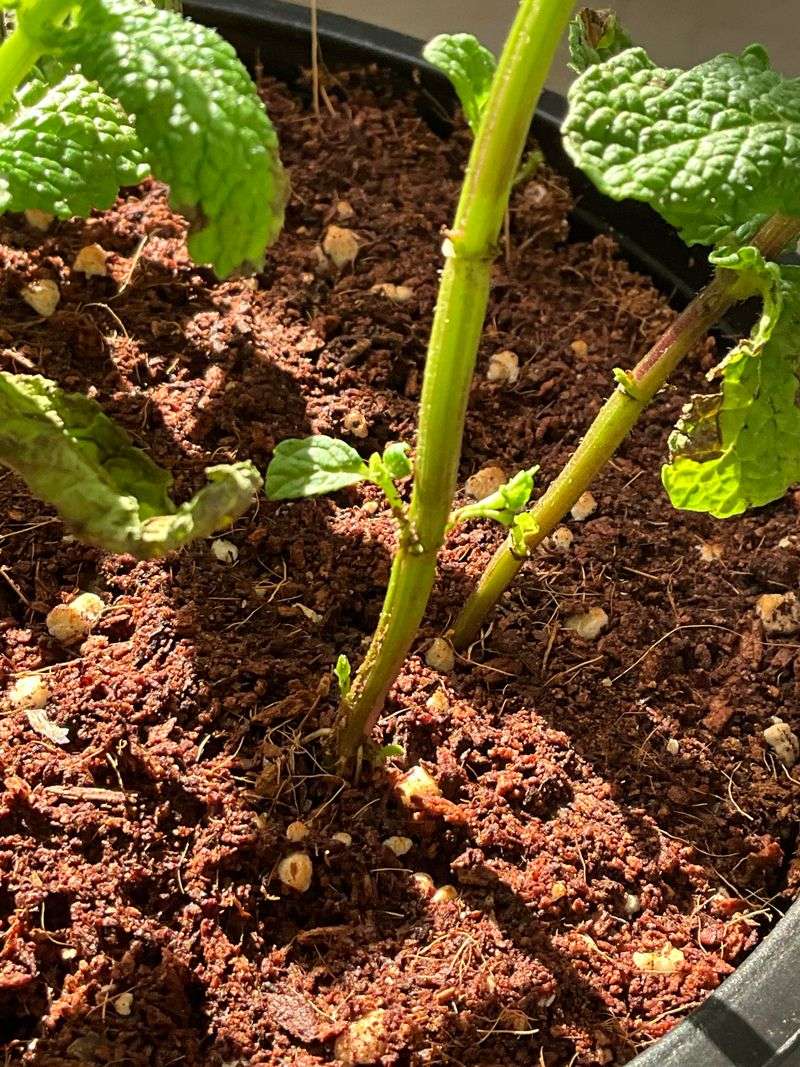
Cutting mint back in fall feels a little drastic, yet the plant bounces back with surprising energy in spring. Once frost turns the stems brown and floppy, the top growth has done its job for the year.
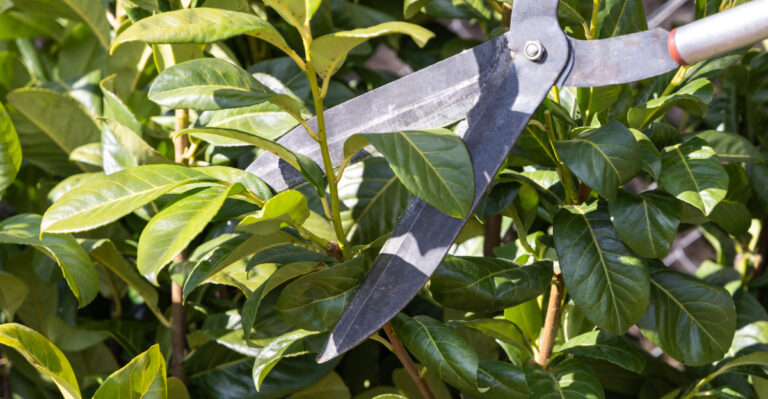
Grab clean pruners and trim the stems down to about one or two inches above the soil. Wiping the blades with a household disinfectant first helps stop any fungus from hitching a ride between plants.
Mint spreads through underground stems called rhizomes, so the roots stay alive and cozy below the surface. Cutting the tops does not hurt those roots, and it makes the bed much easier to tidy up.
In most of Michigan, late October or early November is a sensible window for this simple job. Wait until a hard frost has passed if your plants still look green and full of fresh leaves.
Some gardeners prefer leaving a few stems standing over winter to catch snow and help insulate the crown. That approach works fine for healthy plants, but cutting back is wiser if you spotted rust or leaf spots.
Toss diseased clippings in the trash rather than the compost pile, since many home piles stay too cool. Healthy stems can go straight into the compost, where they add a lovely minty smell while breaking down.
Think of this trim as clearing the stage so fresh, sturdy shoots have room to shine next spring. Your patch will look bare for a few months, but the payoff arrives when those first leaves unfurl.
You Should Clear Out Old Leaves Under Every Patch
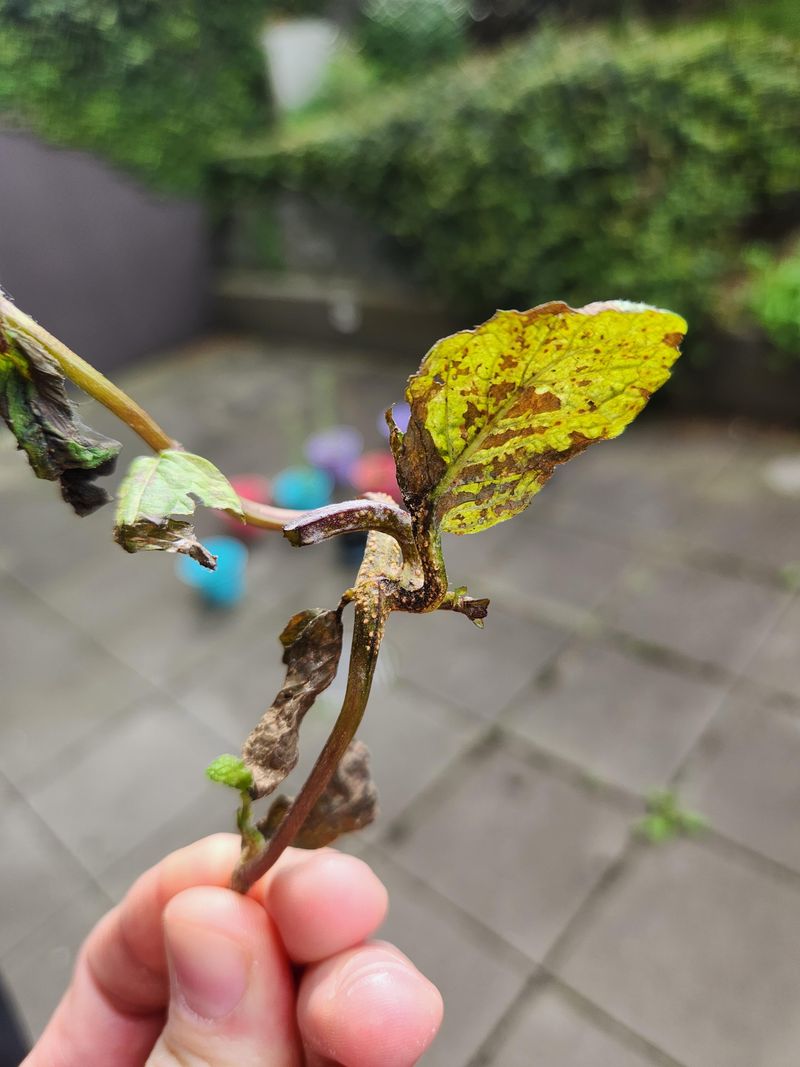
Mint rust is a sneaky fungus that shows up as tiny orange or brown bumps under the leaves. University extension experts note that it can survive winter on old plant debris left lying around the bed.
Spending a few minutes raking up fallen leaves now can reduce the amount of fungus waiting for spring. Fewer spores in the bed usually means a cleaner start once warm, damp weather wakes everything back up.
Use a small hand rake or gloved fingers to pull out crispy leaves tangled between the stems. Pay close attention to the shady, crowded center of the clump, where moisture tends to hang around longest.
Your Michigan Garden Changes Every Week. Your Plan Should Too.
Gardening in Michigan changes quickly throughout the season. Every Friday you’ll receive a simple weekly plan showing exactly what to plant, prune, fertilize, harvest, and protect so you never miss the right timing.
Michigan falls can be wet and gray for weeks, which gives fungal problems plenty of cozy places to hide. Clearing out that soggy layer lets air reach the soil surface, helping it dry between rainy spells.
Bag any leaves with orange spots and put them out with the trash instead of the compost bin. Backyard compost often does not heat up enough to reliably break down fungal spores before you spread it.
If rust hit your patch hard this year, consider starting a fresh bed with healthy plants next season. Rust can also linger in the roots, so a clean restart sometimes beats wrestling with the same problem again.
Honestly, this chore feels a bit like cleaning your room before a holiday visit from your grandparents. Nobody loves doing it, but everyone appreciates the fresh, tidy feeling once the work is finally finished.
Pick One Last Big Harvest Before Hard Frost Hits
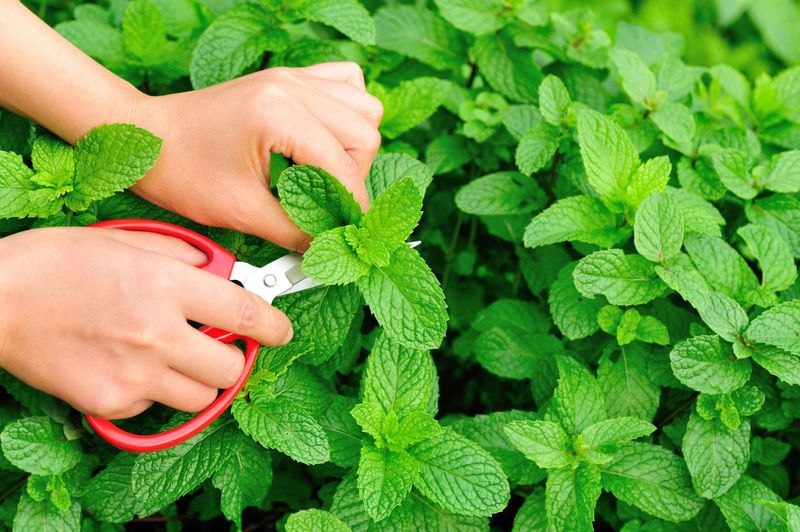
A mug of homemade tea on a snowy January morning tastes even better when the leaves came from your own garden. October is your last real chance to gather a big batch before freezing nights turn the foliage limp.
Mint usually shrugs off a light frost, but a hard freeze in the low twenties can blacken tender leaves. Keep an eye on your local forecast, since Michigan frost dates vary quite a bit from north to south.
Harvest in the late morning, after the dew dries but before the afternoon sun warms the plants. Leaves picked at that time tend to hold the most flavor and the strongest, brightest scent.
Snip whole stems instead of plucking single leaves, because bundles are much easier to dry at home. Skip any leaves with spots or orange bumps, and rinse the rest gently before patting them dry.
Tie small bunches with string and hang them upside down in a dark, airy room for about two weeks. A food dehydrator on a low setting speeds things up, often finishing the job in just a few hours.
Once the leaves crumble easily, strip them from the stems and store them in airtight glass jars. Keep the jars away from sunlight and heat, which slowly fade the color and flavor over the winter.
A big harvest also counts as a gentle trim, which makes the fall cleanup chore a lot faster. Your kitchen gets a fragrant stash of flavor, and your garden bed gets a head start on tidying.
Your Potted Mint Needs A Cozy Winter Spot
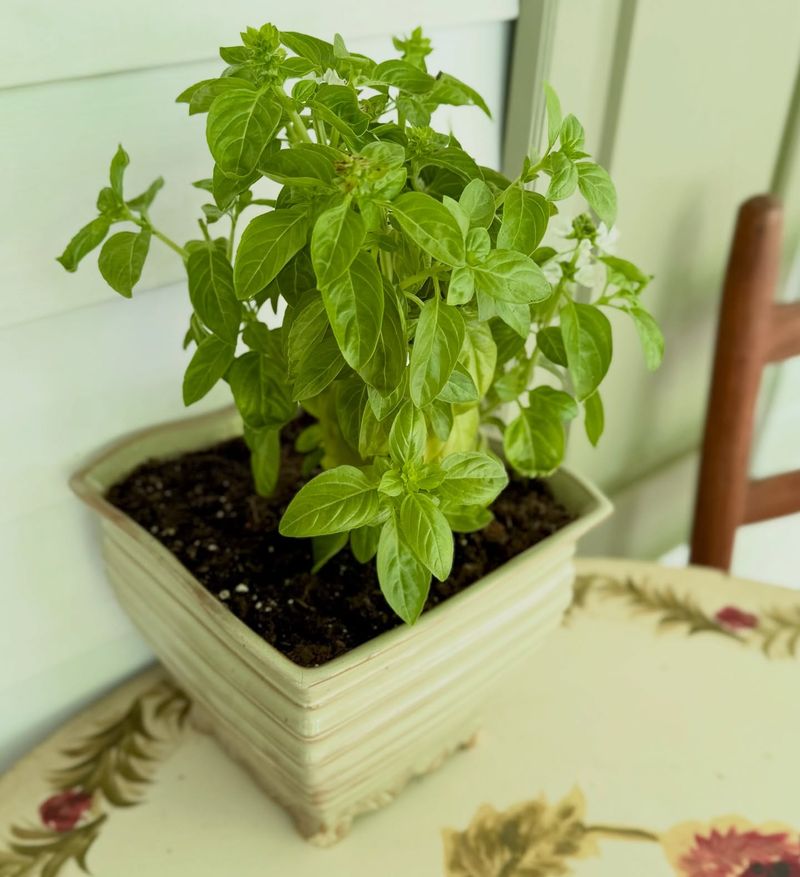
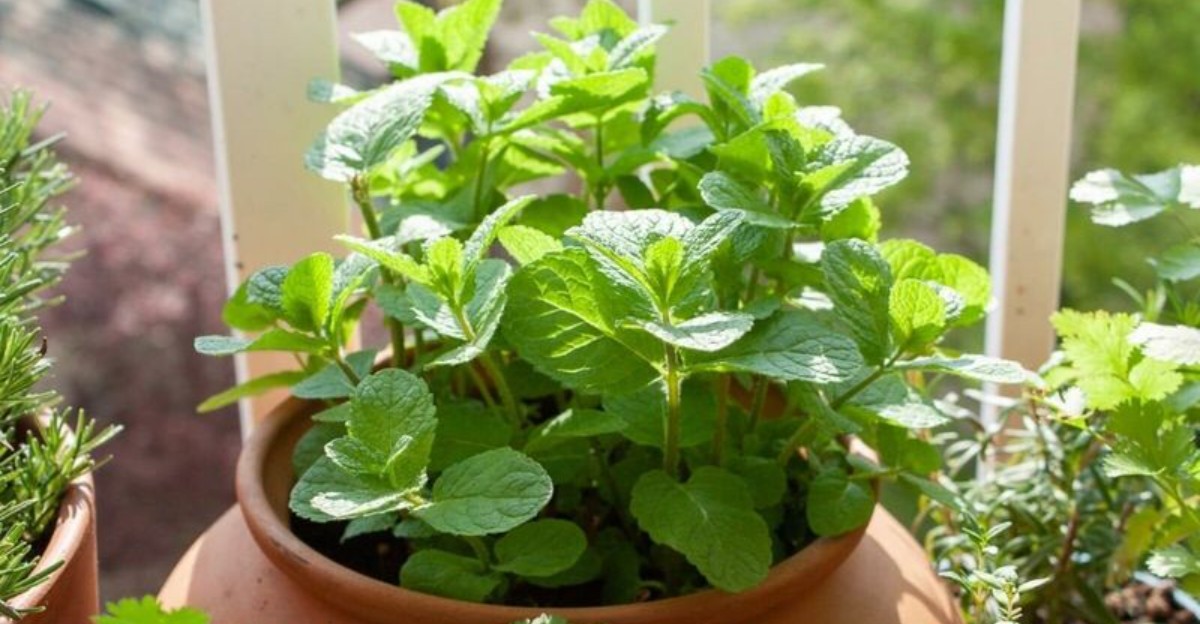
Roots in a pot face a much colder winter than roots snuggled safely in the ground. Soil acts like a thick blanket in the garden, but a container lets icy air hit every side.
That is why potted mint in Michigan often struggles after a long stretch of single-digit nights in January. A little planning in October can help those container plants come back strong when the weather warms.
One easy trick is to dig a hole and sink the whole pot into a garden bed. The surrounding soil keeps the roots steadier, and you can lift the pot back out next spring.
Another option is moving pots into an unheated garage or shed once the plants have gone dormant. The space should stay cold but sheltered, so the roots rest without facing harsh wind or wild swings.
If neither choice works, cluster your pots together against a house wall and pile leaves around them. Grouping containers this way helps them share warmth, a bit like penguins huddling during a frosty storm.
Terra cotta pots can crack when wet soil freezes and expands, so plastic or resin containers hold up better. Move clay pots indoors or switch your mint into a sturdier container before the ground starts freezing.
Check stored pots about once a month and give them a small drink if the soil feels bone dry. Dormant roots need very little water, but letting them dry to dust can leave them weak by spring.
Rein In Those Sneaky Runners While Soil Stays Soft
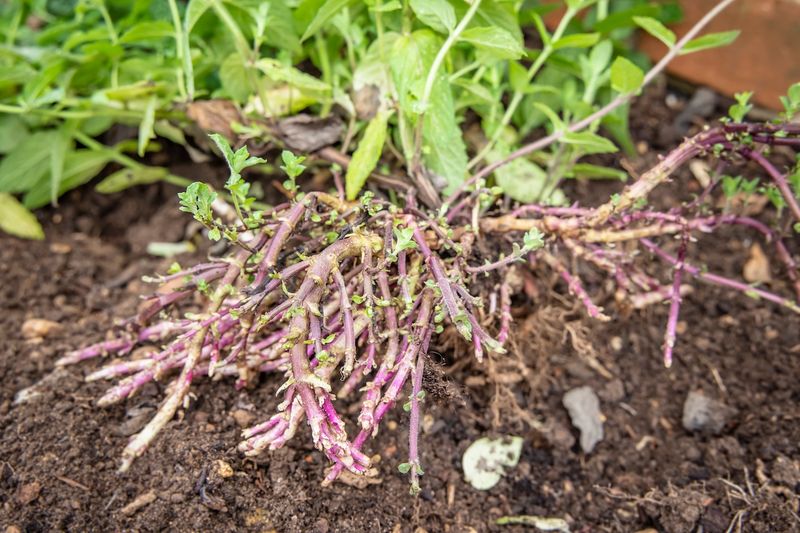
Every gardener who has grown mint has a story about it popping up somewhere it was not invited. Mine showed up in the middle of a strawberry bed, looking very pleased with itself last summer.
Those surprise visits come from rhizomes, which are fleshy stems that creep sideways just under the soil surface. October is a great time to track them down, because the soil is still soft enough to dig.
Push a garden fork or trowel along the edges of your patch and gently lift the soil. You will spot pale, rope-like runners heading off in every direction, often with tiny white root hairs.
Pull out any runners that wandered past the spot where you want your mint to stay next year. Even small pieces left behind can sprout, so sift through the soil with your fingers as you go.
For a longer fix, many extension services suggest growing mint in a buried container with the rim showing. A bottomless bucket or edging sunk about ten inches deep can slow down most of those sneaky runners.
Leave an inch or two of the rim above ground, since stems can arch over and root nearby. Fall installation gives the barrier all winter to settle in before the plants start racing outward again.
Here in Michigan, a little firm boundary-setting now saves hours of weeding once the warm months return. Your neighbors and nearby flower beds will quietly thank you for keeping this enthusiastic herb on a leash.
Split Crowded Clumps To Wake Up Tired Plants
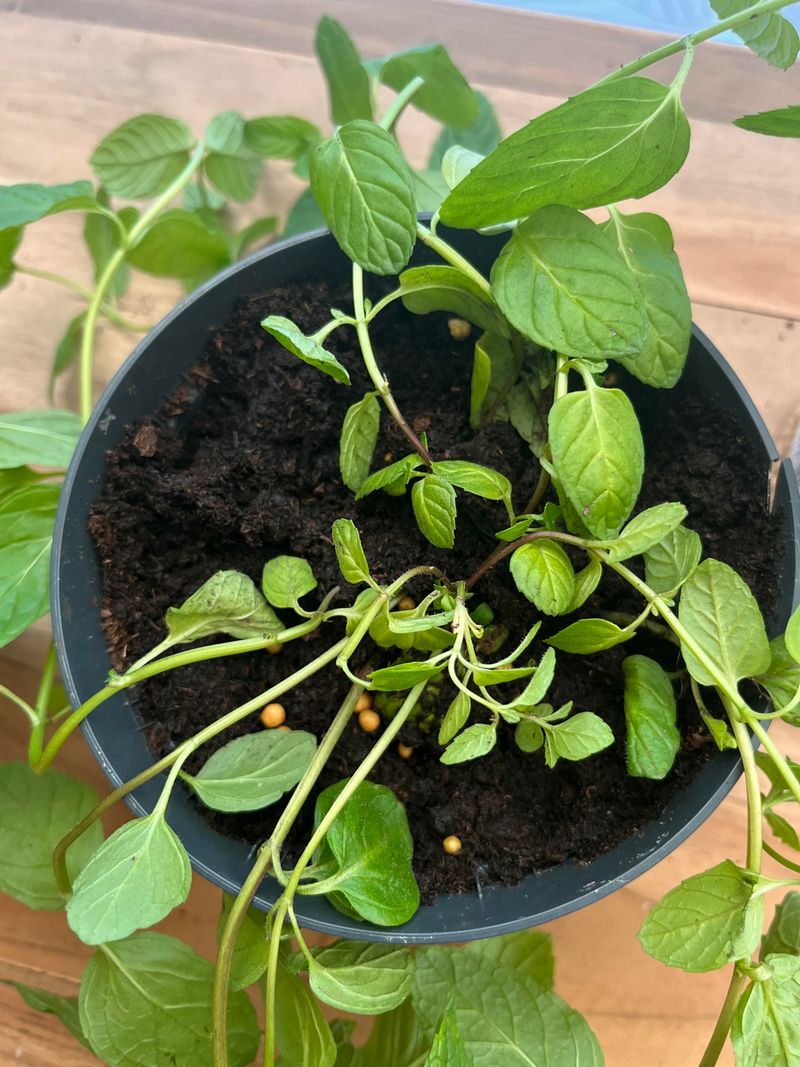
Have you noticed a bald, woody spot right in the middle of an older mint patch? Gardeners see this often after three or four years, when the center gets tired and the edges hog everything.
Dividing the clump gives it a fresh start, and many gardeners do the job every two or three years. Early October works well in southern Michigan, while northern gardeners may find spring a safer bet.
Divisions need roughly four to six weeks to settle their roots before the ground freezes solid. If your soil usually freezes by early November, it may be wiser to wait until April or May.
To divide, dig up the clump with a spade and shake off loose soil so you can see the roots. Slice it into chunks about the size of your fist, making sure each piece has healthy roots attached.
Toss the woody, worn-out center into the compost and replant only the younger, livelier pieces from the edges. Set them at the same depth they grew before, then water well to settle the soil around them.
Extra divisions make wonderful gifts for friends, especially when you tuck them into small pots with handwritten tags. Just remind them that a tiny clump can turn into a sprawling patch faster than they might expect.
Splitting tired mint feels a bit like pressing a reset button on the whole garden bed. Come spring, those fresh divisions usually send up thicker, greener shoots than the crowded old clump ever managed.
You Can Skip The Fertilizer Until Next Spring
Feeding your mint in October is a bit like handing a sleepy toddler a sugary snack at bedtime. The plant wants to rest, and extra nitrogen can push out soft new growth that frost quickly damages.
Mint is a light feeder, so it rarely needs much fertilizer even during its busy growing season. Too much food tends to make leaves bigger but weaker in flavor, which disappoints anyone making homemade tea.
Fall is actually a smart time for a soil test, and Michigan State University Extension offers affordable kits. Results show your soil pH and nutrient levels, so you can plan changes before the next season starts.
Mint generally grows well in soil that is slightly acidic to neutral, roughly between 6.0 and 7.0. If your test shows something far outside that range, the report will usually suggest simple fixes.
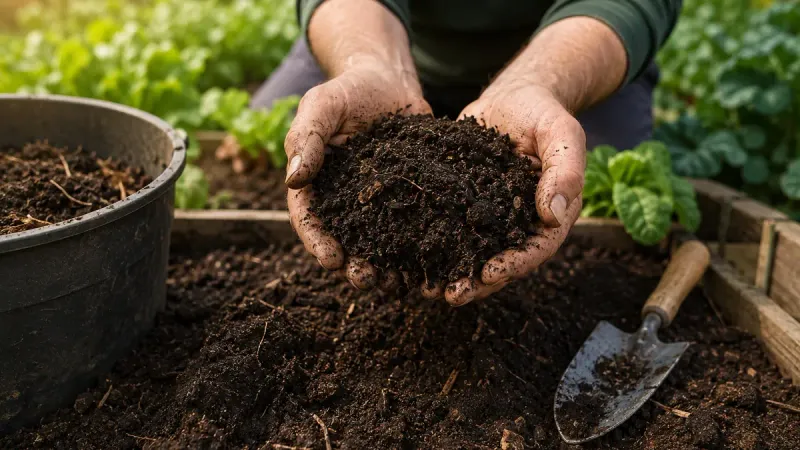
Instead of fertilizer, spread a thin layer of finished compost around the patch after you cut it back. Compost feeds the soil slowly over winter, improving texture without waking the plant up too early.
Soil microbes slowly work that rich material into the ground over winter, and worms pull some of it down on milder days. By spring, the soil under your mint often feels darker and crumbly, with a sweet, earthy smell.
Save any fertilizer plans for spring, when new shoots appear and can actually use the extra boost. Even then, a light sprinkle of balanced fertilizer is plenty for most backyard patches of this hardy herb.
Tuck A Light Mulch Blanket Over The Roots
Snow is a surprisingly good insulator, but Michigan winters do not promise a steady white blanket every year. Bare ground can freeze and thaw over and over, which tugs at roots and stresses young plants.
A light layer of mulch helps keep soil temperatures steadier, so roots stay snug through those sudden swings. Established mint is quite hardy, so this step matters most for new plantings or fresh divisions.
Timing is the secret, and many extension experts suggest waiting until the top inch of soil freezes. Mulching too early can trap warmth and invite mice to build comfy nests right beside your plants.
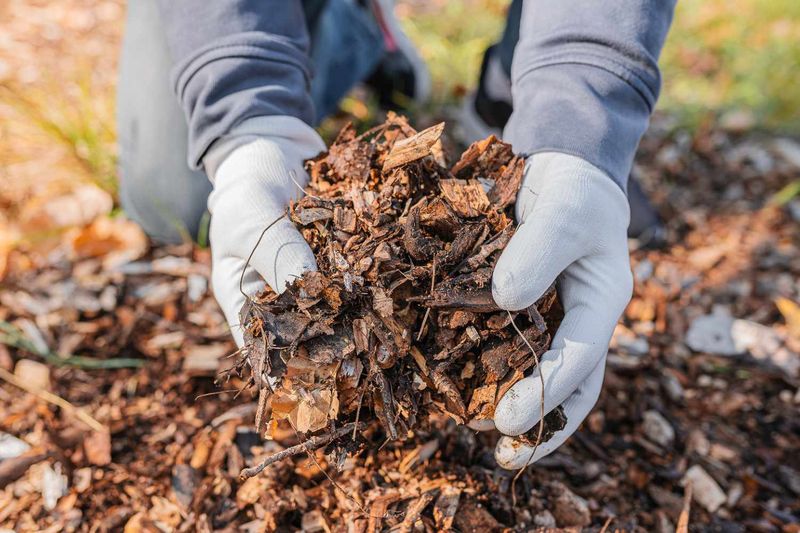
Gather your materials in October so everything is ready when that first hard freeze finally rolls in. Shredded leaves, clean straw, or pine needles all work well and cost little or nothing at all.
Spread about two to three inches over the cut-back patch, keeping it loose and fluffy rather than packed. Whole leaves can mat down into a soggy layer, so run them over with the mower first.
Skip any leaves from plants that showed rust or other diseases, since you do not want to reintroduce trouble. Clean oak or maple leaves from your yard usually make an excellent, free winter coat for the bed.
Pull the mulch back gently in early spring once the soil starts to warm and green tips appear. Watching those first bright shoots push through feels like a small reward for a few chilly October afternoons.