Why Ladybugs Are Swarming Michigan Homes During This Warm October Stretch
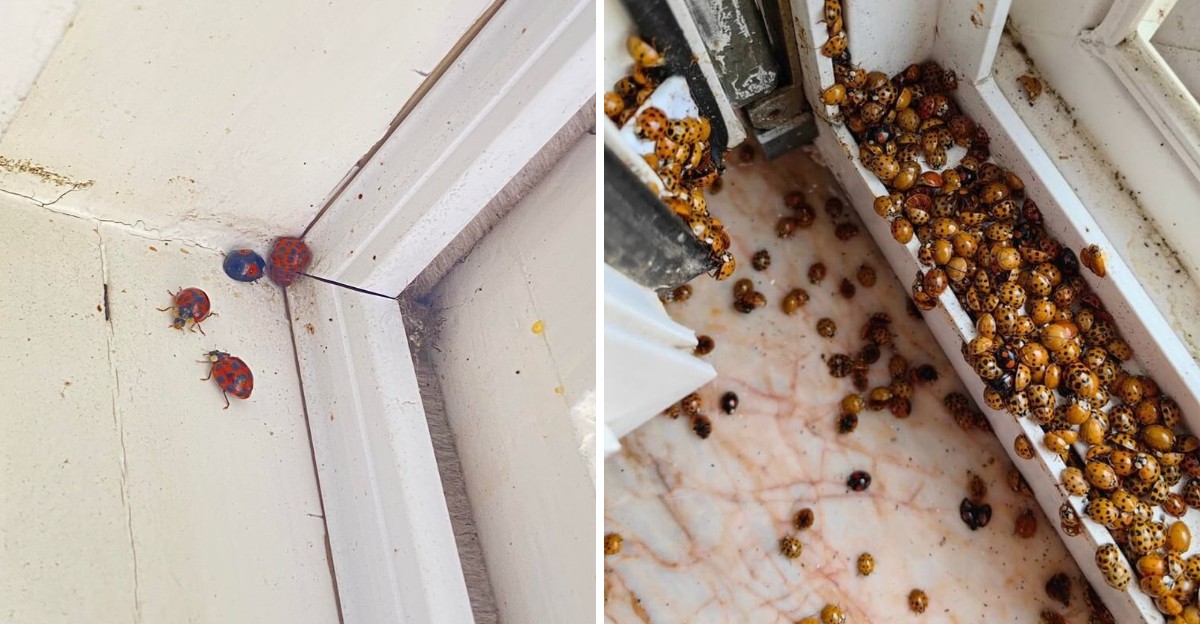
Cool nights followed by sunny, mild afternoons are exactly what these beetles wait for. This week brings a gradual warm-up across Michigan, and the results show up on the sunny side of houses. Most of the swarmers are not true native ladybugs.
They are multicolored Asian lady beetles, which look similar but behave differently. In nature, they gather on sunny cliff faces and crawl into cracks to spend winter. Light-colored siding warmed by the sun looks like the perfect stand-in.
Once a few settle, they leave a scent trail that draws more. Many slip through gaps around windows, doors, and vents. Indoors, they can leave yellow stains and a faint odor.
Understanding why they choose your house helps you decide when to seal gaps, since timing makes the biggest difference.
1. They’re Actually Asian Lady Beetles
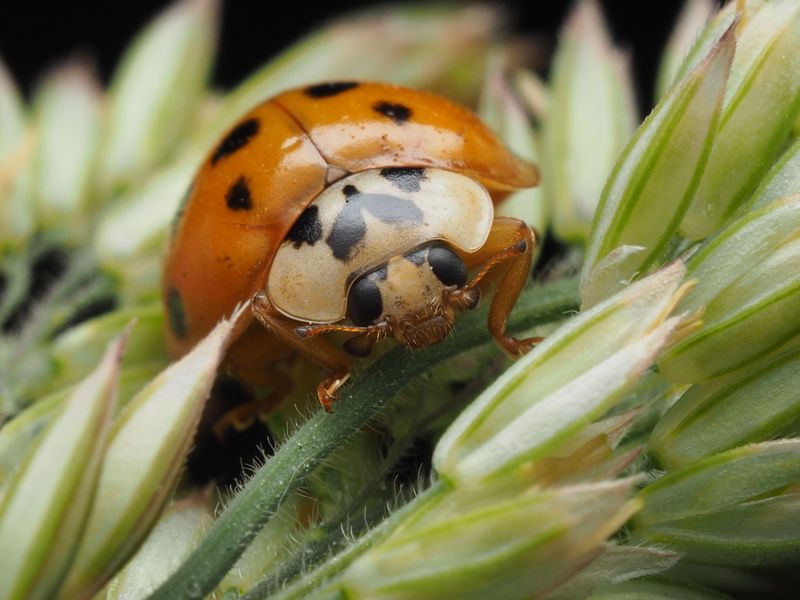
Surprise! Most of the cute red bugs crawling across your window screen are not the native ladybugs you remember from childhood. They are multicolored Asian lady beetles, known to scientists as Harmonia axyridis.
Back in the 1900s, people brought these beetles to North America on purpose. Farmers and researchers hoped they would gobble up aphids and other plant pests, and they did a great job.
The beetles spread quickly, and by the 1990s they were showing up across the Midwest in huge numbers.
So why does the difference matter? Native ladybugs usually spend winter outdoors under leaves and logs. Asian lady beetles, on the other hand, are the ones famous for gathering on houses by the hundreds or even thousands each fall.
Spotting one is easier than you might think. Their color ranges from pale orange to bright red, and they can have lots of spots, just a few, or none at all.
The best clue sits right behind the head, where a white area usually shows a black mark shaped like the letter M or W, depending on which way you look at it.
Grab a beetle gently from your porch and take a peek. Once you see that little letter, you will know exactly who has come knocking.
Here in Michigan, these beetles have become as much a part of fall as apple cider and colorful maple leaves. Learning to recognize them helps you understand their habits, which makes it much easier to plan how to keep them where they belong, which is outside.
2. Warm Fall Days Trigger Their Search For Shelter
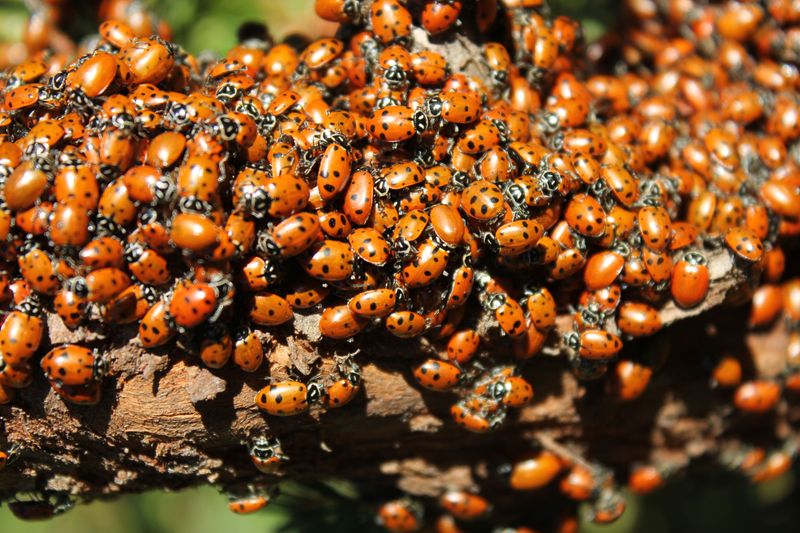
Weather acts like an alarm clock for lady beetles. After the first chilly nights of fall, these insects sense that winter is coming, and they start getting restless.
Then a bright, warm afternoon rolls in. That sudden burst of heat gives the beetles the energy they need to take flight, often in big groups, as they hunt for a cozy spot to wait out the cold months. You might notice the pattern if you pay attention.
A swarm usually shows up on a sunny afternoon right after a cold snap, especially when temperatures climb into the 60s or higher. For a few days, the beetles may cover the sunny sides of houses, sheds, and barns, and then the activity slowly calms down.
Your Michigan Garden Changes Every Week. Your Plan Should Too.
Gardening in Michigan changes quickly throughout the season. Every Friday you’ll receive a simple weekly plan showing exactly what to plant, prune, fertilize, harvest, and protect so you never miss the right timing.
Many people think the bugs appear out of nowhere. In truth, they were spread out across fields, woods, and gardens all summer long, and the warm weather simply pulls them together in one obvious crowd.
Michigan has given them a perfect setup this year. An unusually warm stretch in mid October 2026 followed earlier cool nights, creating ideal flying weather that sent beetles straight toward homes.
Want a smart tip? Keep an eye on the forecast. When a cold night is followed by a sunny, warm day, close doors quickly, check window screens, and avoid propping doors open in the afternoon.
A little planning on those days can save you from sweeping up beetles for weeks afterward.
3. Sunny, Light-Colored Walls Draw Them In

Ever wonder why your neighbor has a handful of beetles while your house looks like a beetle party? The answer often comes down to color and sunshine.
Asian lady beetles love warm, sunny surfaces. Light-colored walls on the south and west sides of buildings soak up afternoon sun, and they stand out clearly against the landscape, so the beetles see them as great landing spots.
Contrast plays a big role, too. Scientists have found that these insects are drawn to high-contrast features, like dark shutters or trim against pale siding.
In their natural habitat, they look for bright cliffs and rocky outcrops, and a white house with black trim seems to remind them of home.
Knowing all of this gives you a head start. Begin your inspection on the sunniest, lightest walls, and look closely at window frames, door frames, and corners where the beetles tend to crawl in.
Focus your sealing efforts there first. A tube of caulk works best when you spend it where the beetles actually gather, rather than spreading your time evenly around the whole house. For Michigan homeowners, location matters as much as paint color.
Houses near woods, farm fields, or orchards with open, sunny exposure usually see the biggest swarms, since the beetles spent summer feeding nearby.
If that describes your home, expect visitors each fall and plan ahead in late September, before the first warm October afternoons arrive.
4. They’re Looking For A Place To Overwinter
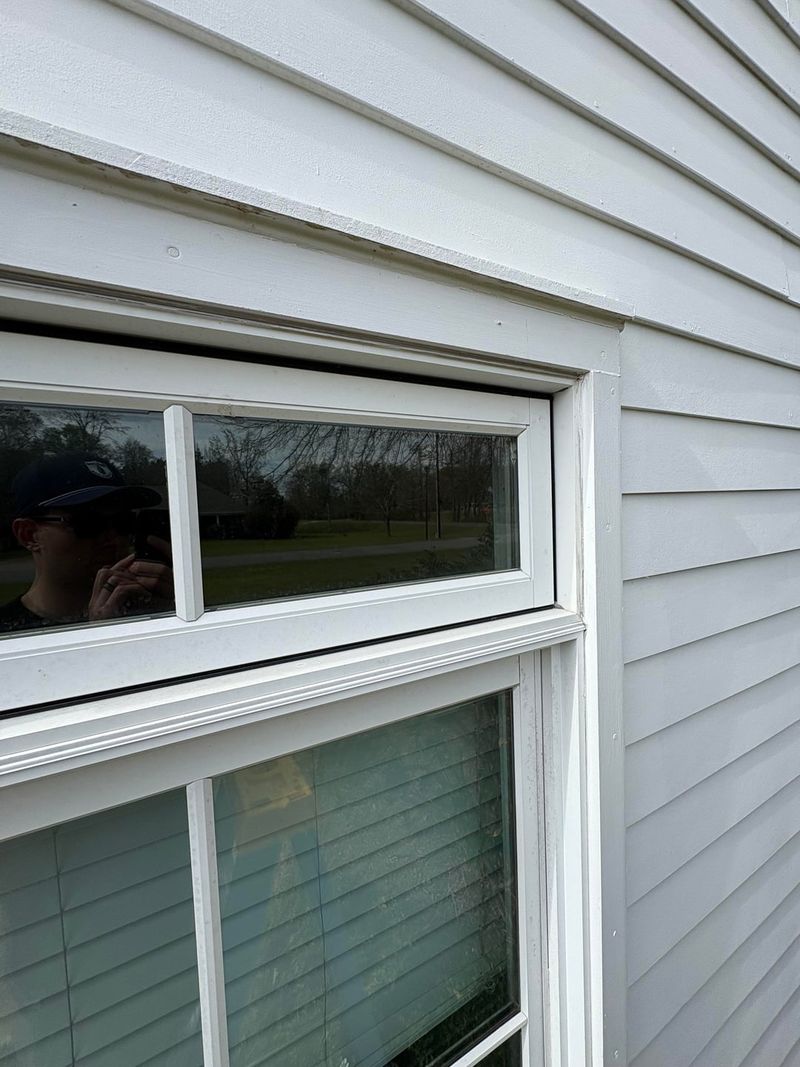
Far away in eastern Asia, these beetles spend the cold months tucked inside cracks of rocky cliffs and stony outcrops. Those narrow spaces keep them safe from wind, snow, and freezing air.
Your house, believe it or not, offers something very similar. Small gaps around windows, loose siding, attic vents, and hollow spaces inside walls look like perfect hideaways to a tiny insect searching for shelter.
Once inside, the beetles settle into a resting state and wait for spring. Trouble starts when warm air from your furnace wakes some of them up, and they wander into your living room instead of back outside.
The good news is that blocking their entry is very doable. Caulk cracks around windows and door frames, and patch any torn screens. Weatherstripping around doors and a snug door sweep at the bottom can make a huge difference.
Don’t forget the sneaky spots. Gaps where pipes, cables, dryer vents, and outdoor faucets enter the house are favorite doorways, so seal them with caulk, foam, or fine mesh. Attic and soffit vents should have intact screening, too.
Timing really matters. Sealing works best before the swarms begin, ideally in late summer or early fall, since beetles already inside the walls will stay put until spring.
Michigan winters are long and cold, which is exactly why lady beetles work so hard to find shelter here. A weekend of sealing can keep your home cozy for you, not for them.
5. They Gather Where Others Have Been
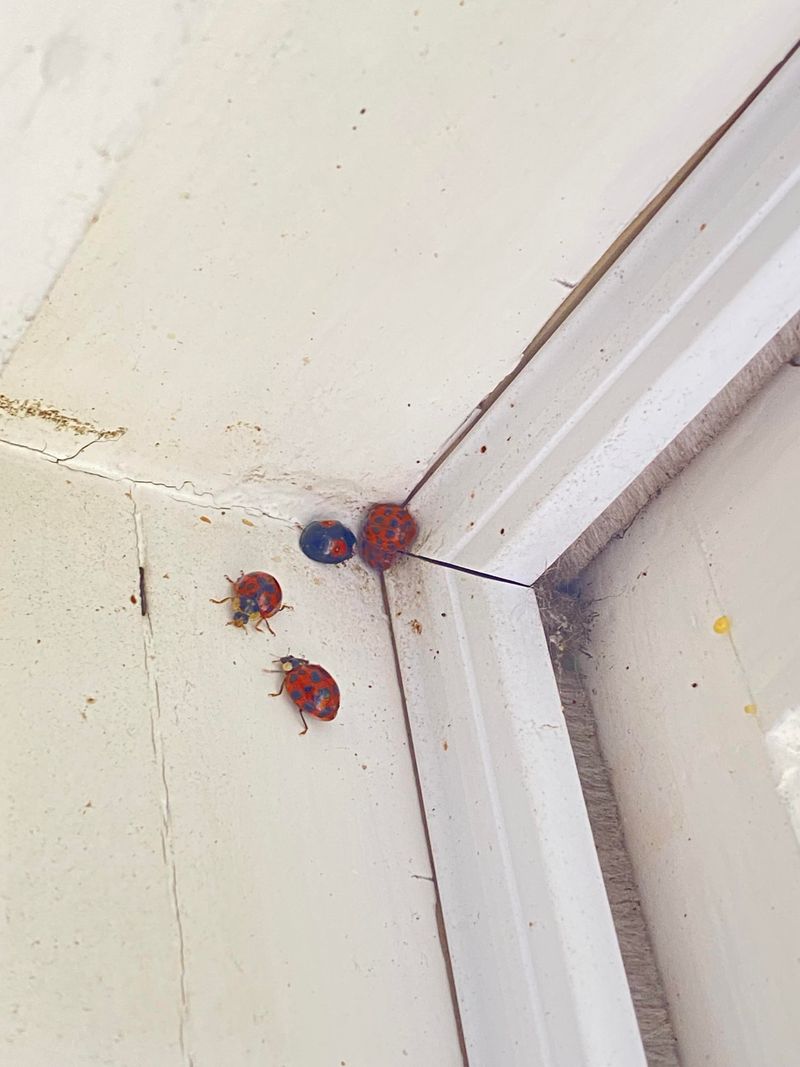
Same corner, same window, every single fall. If that sounds familiar, you have noticed one of the strangest habits of the Asian lady beetle.
Here’s the twist. The beetles arriving this year are not the same ones from last year, since most adults live only about a year or so. Yet somehow the new crowd finds the exact same spots. Chemical signals are the secret.
When beetles gather, they leave behind scent markers that linger on surfaces, and these signals tell other beetles that a spot is a safe place to spend the winter. Researchers believe these lingering scents help guide future swarms back to familiar places.
That means past swarms leave a kind of invitation for future ones. Your home’s favorite beetle corners may keep attracting new groups unless you take action.
Start by becoming a beetle detective. Each fall, jot down or snap a photo of the places where large groups cluster, such as a certain window, roof edge, or porch corner.
Those notes become your to-do list. Seal cracks in those areas extra carefully, and wash the surfaces where beetles gathered using soap and water, which may help cut down on the leftover scent trail.
Many Michigan homeowners swear they see swarms in the same places year after year, and science backs them up. With a little tracking and cleaning, you can break the cycle and make your house a less popular stop on the beetle map.
6. They Can Stain, Smell, And Pinch
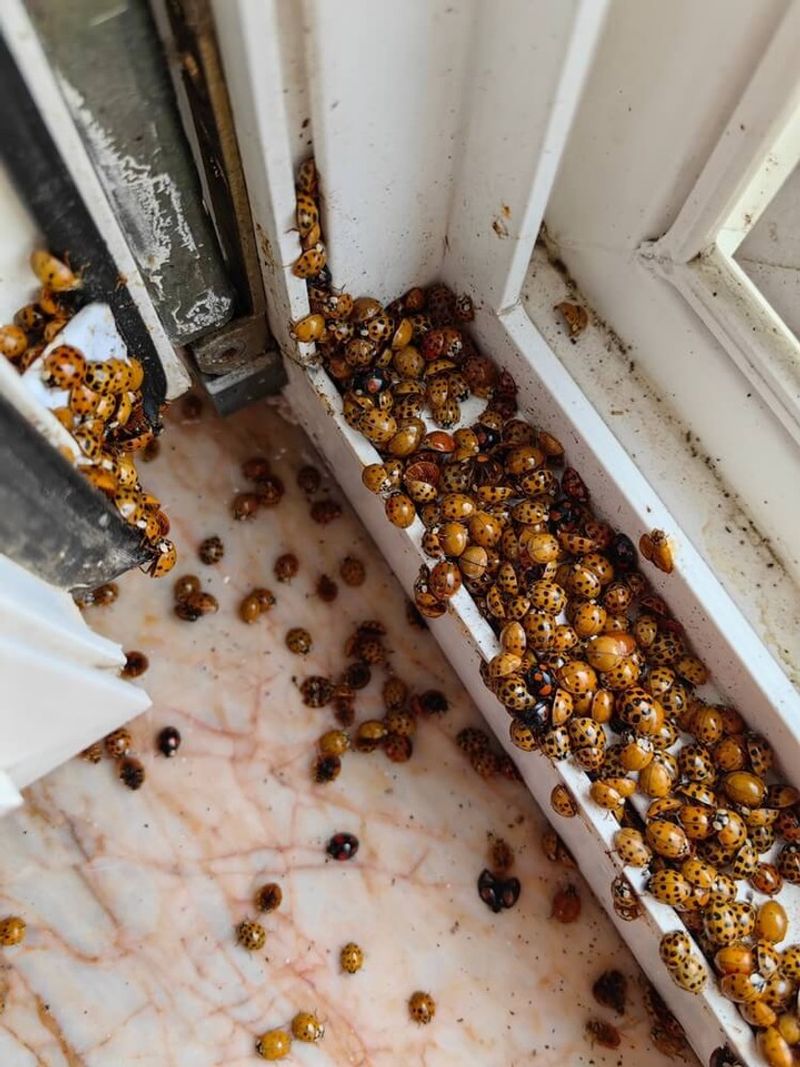
Squish one of these beetles, and you will remember the experience. A yellowish fluid oozes out, and it smells pretty awful.
That fluid is actually a defense trick called reflex bleeding. When disturbed or crushed, the beetles release it from their leg joints to warn off birds and other predators, and it can leave stubborn yellow stains on walls, curtains, carpet, and fabric.
Every now and then, a beetle may also give you a tiny pinch. It feels a bit like a mild bite, but it is harmless for most people. Lady beetles don’t chew wood, damage your house, or spread disease, so they are truly a nuisance rather than a danger.
The best approach is simple: don’t crush them. Use a soft broom and dustpan, or grab your vacuum for bigger groups.
A handy trick makes vacuuming even better. Slip a nylon stocking into the vacuum hose, fold the edge over the end, and secure it with a rubber band.
The beetles get caught in the stocking instead of the vacuum bag, so you can carry them outside to release them or toss them out.
Empty the stocking soon after, so the smell doesn’t build up. You can also try a simple light trap near a window in a dark room.
In Michigan, warm winter days can wake sleeping beetles inside walls, sending them into kitchens and bedrooms. Having a gentle cleanup plan ready keeps your home fresh and stain-free.
7. They’re Still Helpful In The Garden
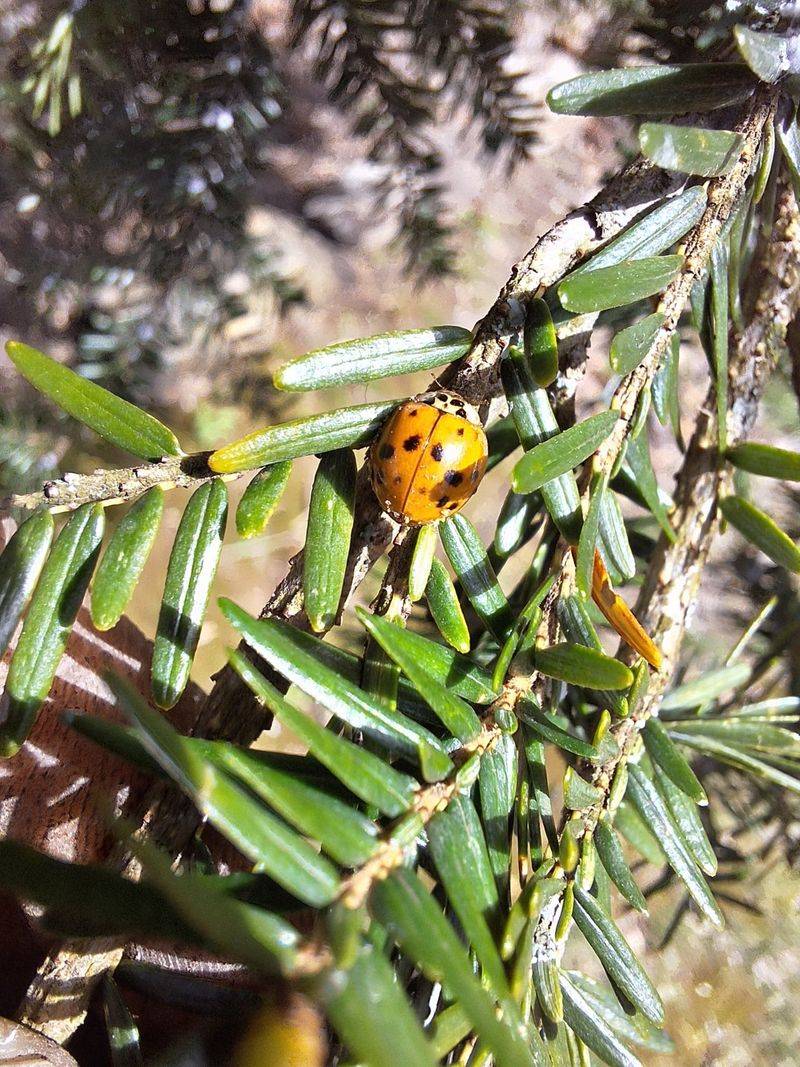
Gardeners, here’s a reason to smile. Those same beetles bugging you indoors are hardworking heroes outdoors.
Both adults and larvae have huge appetites for aphids, scale insects, mites, and other soft-bodied pests. A single beetle can eat hundreds of aphids over its lifetime, and the larvae, which look like tiny spiky alligators, are especially hungry.
That makes them valuable natural pest control. Farmers and orchard growers rely on them to keep pests in check without heavy chemical use.
So the goal is not to wipe them out. Instead, focus on keeping them out of your house while letting them do their job in the yard.
Leave lady beetles alone when you see them on plants, porch railings, or garden beds. If you vacuum some up indoors, you can release them outside on a mild day, and they may head back to your garden come spring.
Skip the indoor bug sprays. They don’t solve the real problem, since beetles keep coming in through gaps, and spraying inside walls can leave piles of lifeless insects that attract other pests like carpet beetles. Sealing cracks works far better.
Michigan gardeners have plenty of reasons to welcome these helpers outdoors. Lady beetles protect roses, vegetables like kale and peppers, and fruit trees such as apples and cherries from aphid attacks.
With a little patience and good sealing habits, you can enjoy a healthier garden and a calmer home all at once.