10 Popular Christmas Plants You Can Grow Indoors In New York
Your radiator is about to rob your plants of moisture. You can answer with ruby poinsettias, snowy paperwhites, and glossy green ivy.
Winter in New York gives you gray parks and a sun that quits early. Long nights coax your poinsettia into its famous red.
Paperwhite bulbs need only water and pebbles, and shoots appear in about a week. Ivy stays glossy for you in bright, indirect light and cool, drafty rooms.
Dry heat in New York apartments parches leaves, but you can counter it. Pebble trays filled with water add modest humidity cheaply.
Grouped pots share humidity, so you can cluster them. Many pots cost you less than a Midtown cab ride at rush hour.
They will not judge you for wearing reindeer pajamas until noon. Soon you will meet the plant that blooms on cue, year after year.
1. Poinsettia Bracts That Light Up Winter Rooms
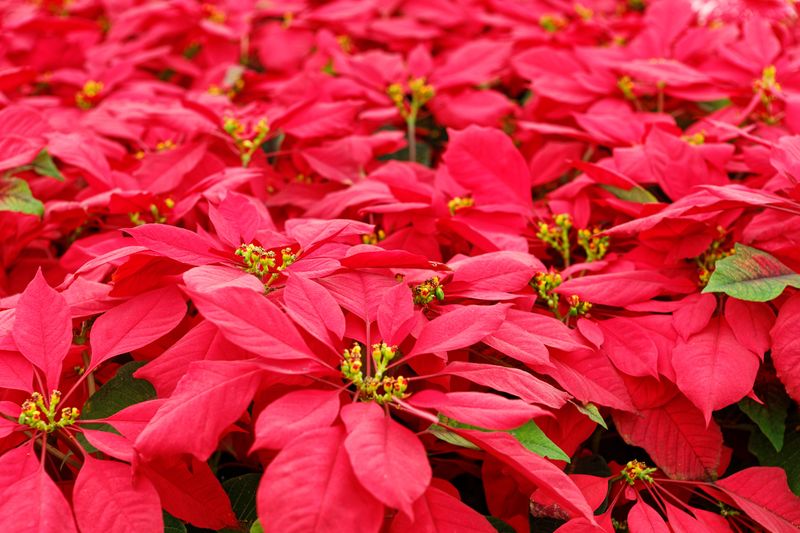
Walk past many bodegas in December, and you will spot buckets of red poinsettias by the door. Those bright red parts are not flowers at all, but colorful leaves called bracts.
The real flowers are the tiny yellow buttons in the center of each cluster. Poinsettias come from Mexico, so they prefer warmth and dislike chilly drafts.
Keep your plant somewhere between 60 and 70 degrees, away from cold windows and blasting heaters. A bright spot with indirect light, like an east-facing sill, works wonderfully.
Water only when the top inch of soil feels dry to your fingertip. Soggy roots cause rot, so empty the foil wrapper after every watering.
Bringing one home from the store on a freezing New York day takes some care. Wrap it in a paper bag, because even a few minutes of icy wind can damage leaves.
Want it to turn red again next year? Starting in October, give it fourteen hours of uninterrupted darkness each night for eight to ten weeks, with bright days and nights around 60 to 70 degrees.
Tuck it inside a closet or under a cardboard box each evening around five. Your patience pays off with fresh crimson color in time for the holidays.
2. Christmas Cactus Blooms Cascading Over Cool Windowsills
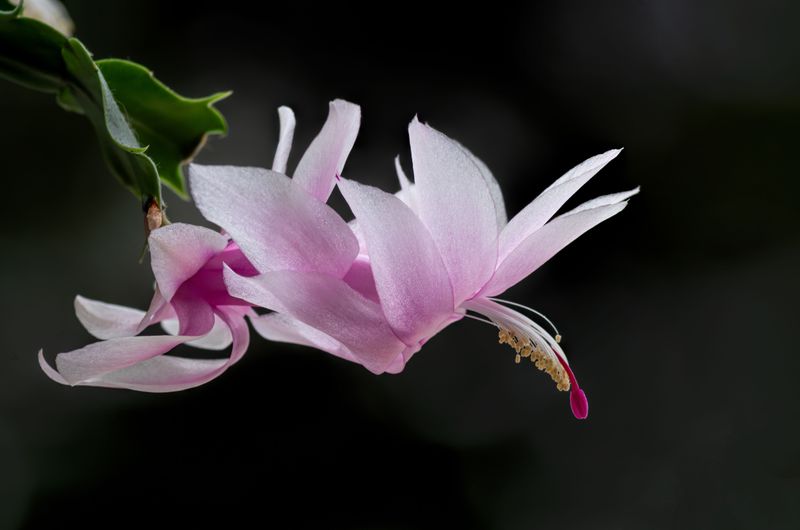
Certain Christmas cacti stay on the same family kitchen table for well over thirty years. Some families pass these plants down like treasured recipes, and they can live for decades.
Unlike desert cacti, this one grows in the rainforests of Brazil, perched on tree branches. That means it prefers more moisture and less harsh sun than its prickly cousins.
Bright, filtered light from a north or east window keeps the flat green stems happy. Too much direct sun can turn them reddish and stressed.
October is the key month for getting those gorgeous blooms in time for December. Give it cool nights around 55 degrees and about twelve hours of darkness daily.
A chilly spare room or a spot near a slightly drafty window works nicely in older apartments. Once flower buds appear, avoid moving the pot, or buds may drop.
Your New York Garden Changes Every Week. Your Plan Should Too.
Gardening in New York changes quickly throughout the season. Every Friday you’ll receive a simple weekly plan showing exactly what to plant, prune, fertilize, harvest, and protect so you never miss the right timing.
Water when the top half of the soil feels dry, then let excess drain away. Feed it with a balanced houseplant fertilizer once a month during spring and summer.
Sharing is easy, too, since a snipped stem segment roots quickly in damp soil. Your friends will love a homemade holiday gift that keeps blooming year after year.
3. Amaryllis Trumpets Rising From A Single Bulb
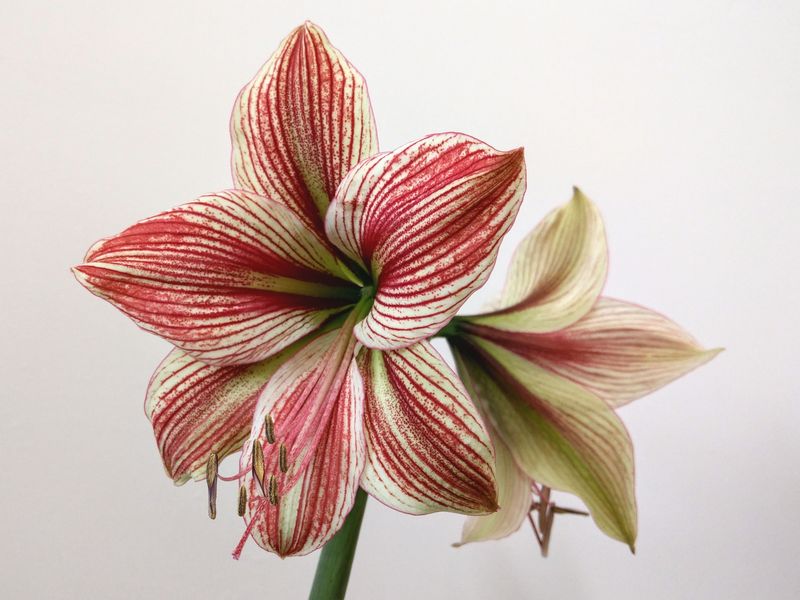
Few things feel as magical as watching a brown bulb shoot up a green stalk. Within weeks, huge trumpet-shaped flowers open in red, white, pink, or striped.
Holiday amaryllis bulbs originally come from tropical South America, where they bloom in warm sunshine. Indoors, they need only a pot slightly wider than the bulb.
Plant the bulb so its top third pokes above the soil like an onion. Water lightly at first, then more once green growth appears.
Planting in late October usually brings flowers around Christmas, which makes perfect timing. Bulbs need roughly six to eight weeks to bloom.
Set the pot in your sunniest window, and turn it every few days. The stalk leans toward light, so rotating keeps it straight.
Some stalks grow over two feet tall and may need a thin stake. Cooler rooms help blossoms last longer, sometimes up to three weeks.
After blooming ends, cut off the flower stalk but keep the leaves growing. Those leaves store energy.
Keep the leaves growing through spring and summer. Next fall, stop watering and rest the bulb cool and dark for eight to ten weeks, then repot it for another big show.
4. Norfolk Island Pine, The Tabletop Tree For Tiny Apartments
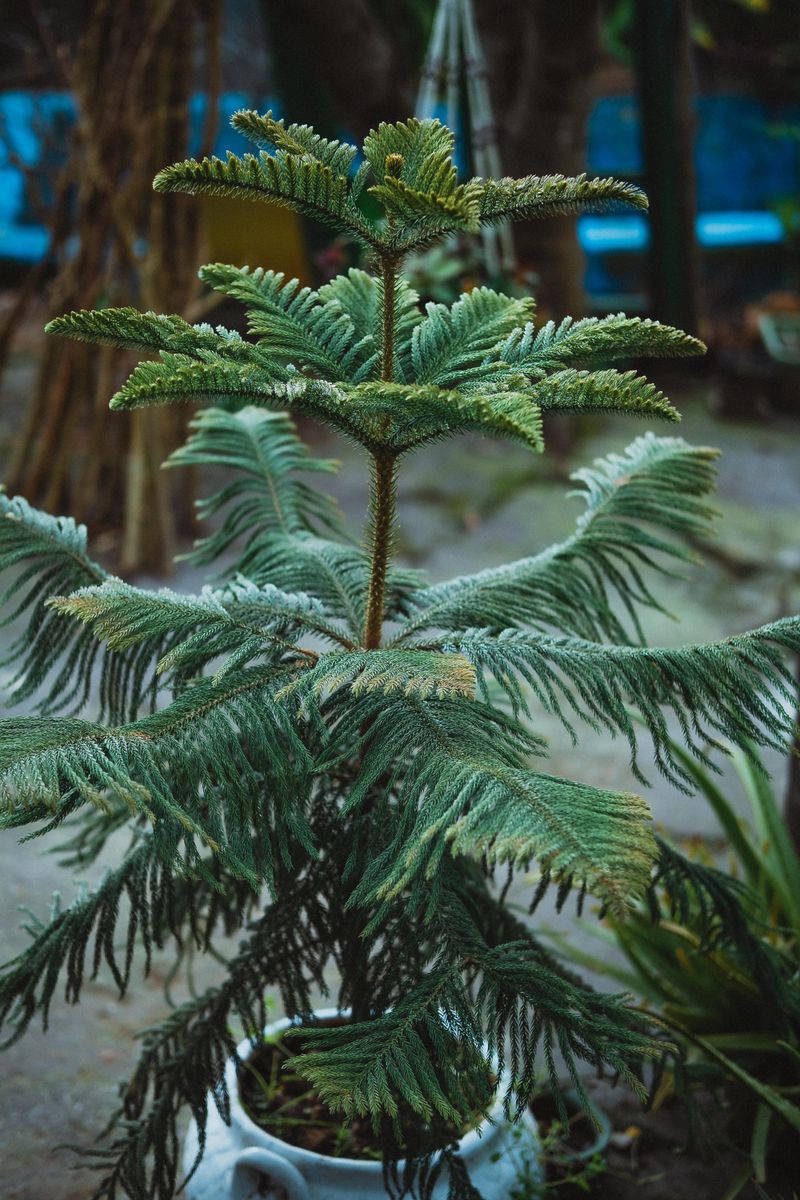
Not everyone has room for a seven-foot fir in a tiny Brooklyn studio. Enter the Norfolk Island pine, a living mini tree that fits neatly on a tabletop.
Despite the name, it is not a true pine. It hails from a small island in the South Pacific, between Australia and New Zealand.
Its soft, layered branches look lovely draped with tiny ornaments or a strand of warm lights. Keep decorations light so delicate limbs do not droop.
Bright, indirect light is ideal, so place it near a sunny window but out of harsh rays. Rotate the pot weekly to keep the tree growing evenly.
Dry winter air from steam radiators is its main challenge in New York apartments. Run a humidifier nearby or set the pot on a tray of wet pebbles.
Water when the top inch of soil dries, but do not leave it sitting in puddles. Browning lower branches can signal dry air or soil, though low light and overwatering also cause them.
With good care, your little tree can grow for years and reach several feet indoors. After the holidays, simply remove the ornaments and enjoy it as a regular houseplant. Keep it away from pets, since chewing the needles can upset stomachs.
5. Paperwhites Blooming Sweetly Without Any Soil
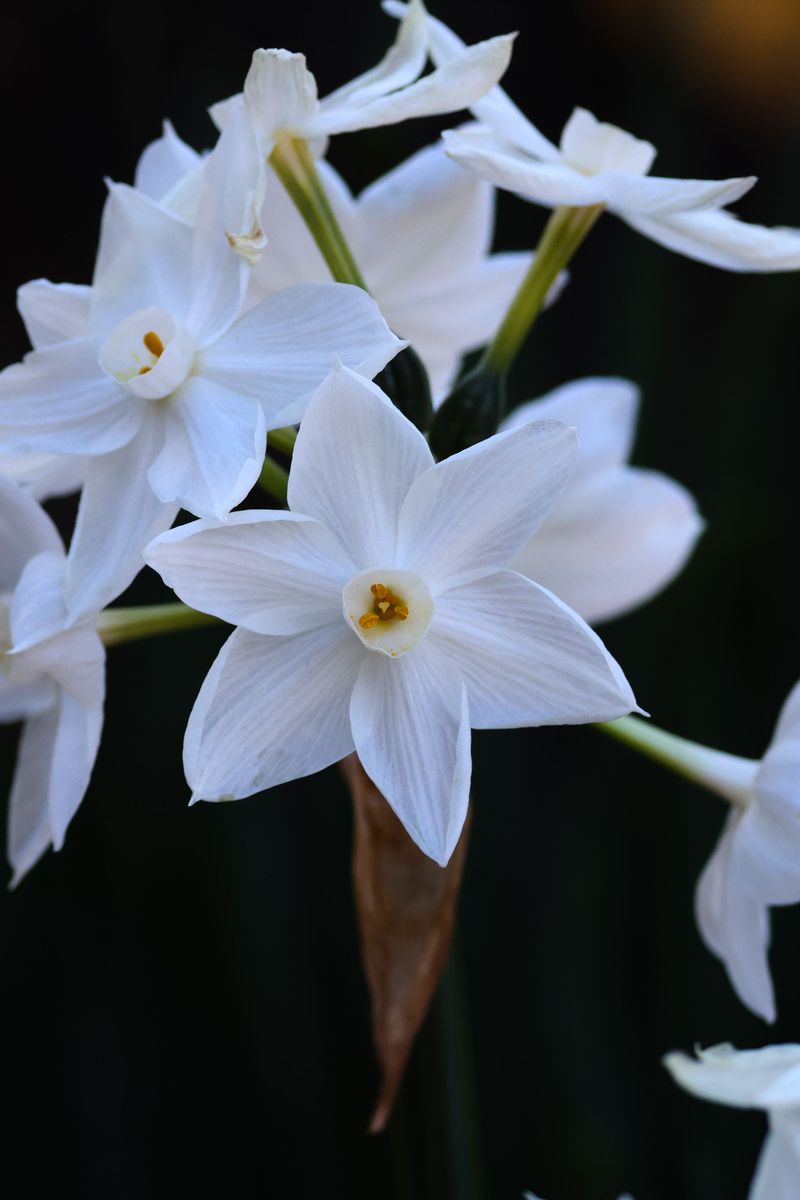
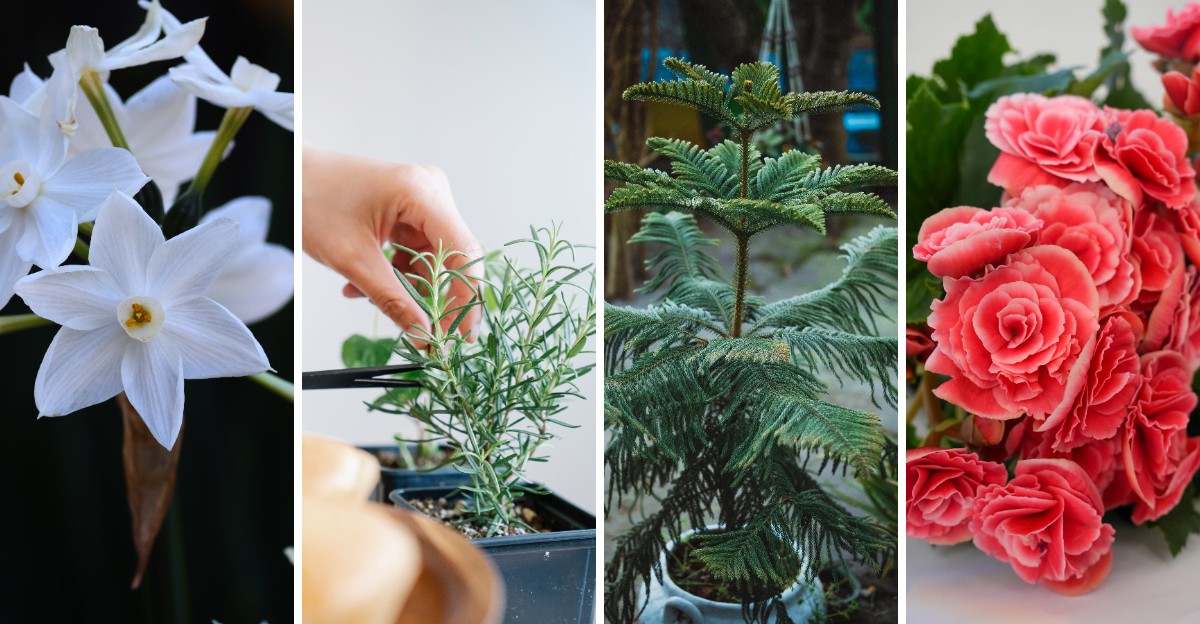
Imagine opening your front door to a sweet, spicy scent drifting through the whole apartment. Paperwhites fill rooms with clusters of tiny white star-shaped flowers and a powerful fragrance.
Unlike daffodils, their close cousins, paperwhites need no cold winter rest before blooming. That makes them one of the easiest bulbs to force indoors.
You do not even need soil to grow them. Nestle the bulbs in a bowl of pebbles, then add water until it just touches their bottoms.
Flowers usually appear about four to six weeks after planting. Start a new batch every two weeks from late October for blooms all season long.
Bright light keeps the stems sturdy, while cooler rooms help the flowers last longer. Warm, dim spots make the stalks stretch, flop, and topple over.
A clever trick prevents floppy stems and comes straight from Cornell University researchers. Once shoots reach two inches, replace the water with a mix of water and a little alcohol.
Use about one part 80-proof vodka to seven parts water, or one part 70 percent rubbing alcohol to eleven parts water. The plants grow shorter and sturdier, yet the blossoms stay just as big.
Some find the scent a bit strong, so try one bowl first. Keep bulbs away from pets, since they are toxic if chewed.
6. Rosemary Trimmed Into A Fragrant Mini Tree
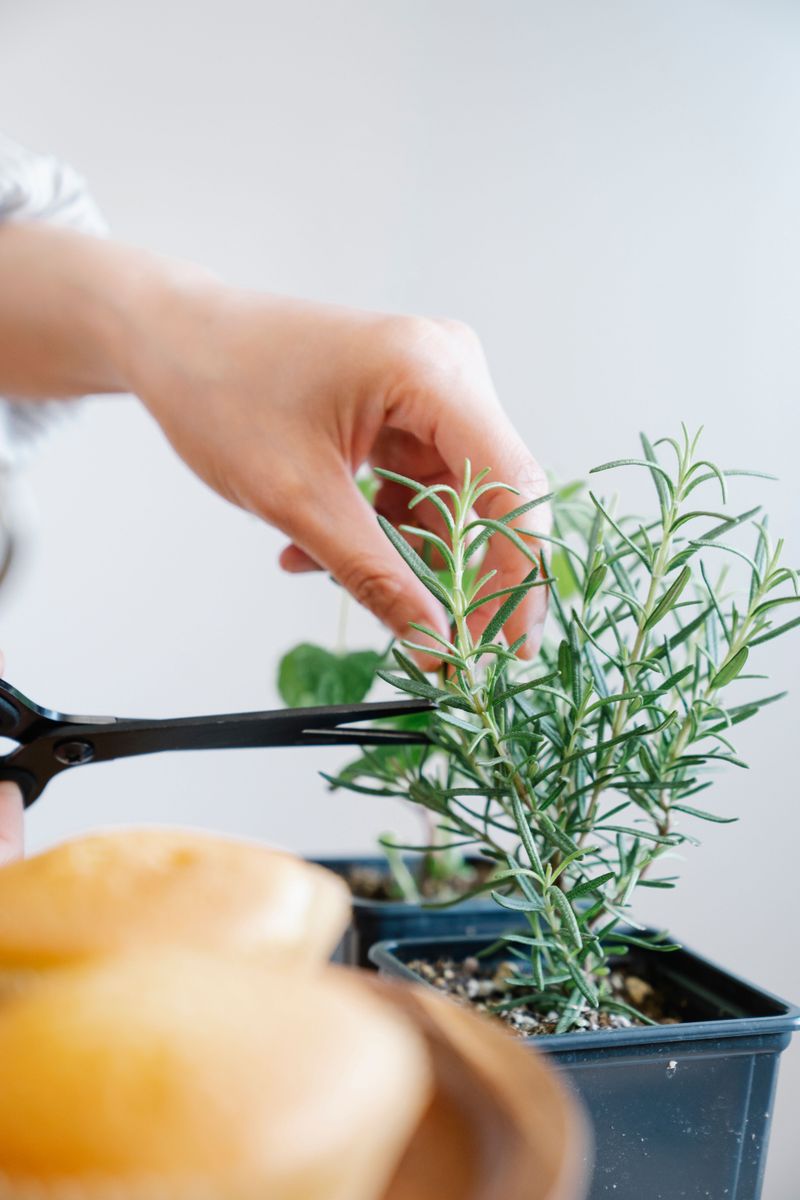
Brush your hand across a rosemary topiary, and the air instantly smells like a holiday dinner. Garden centers often trim this herb into a cone, so it looks like a tiny Christmas tree.
Rosemary grows wild along the sunny Mediterranean coast, so it loves bright light. Give it your sunniest south-facing window, ideally with six or more hours of sun.
Indoor heat in New York can dry it out quickly during winter months. Yet too much water causes root rot, so balance matters a lot here.
Check the soil every few days and water once the top inch feels dry. A clay pot with a drainage hole helps extra moisture escape easily.
Cool temperatures around 60 degrees suit rosemary better than a toasty living room. A spot near a slightly chilly window often keeps its needles green and fresh all season.
Best of all, you can snip sprigs to season roast potatoes, chicken, or holiday bread. Regular trimming also keeps the little tree shape neat and bushy.
Long ago, people believed rosemary brought good luck and helped memory during celebrations. Tie a red ribbon around the pot, and it makes a charming hostess gift.
7. Cyclamen Petals That Flutter Like Butterflies
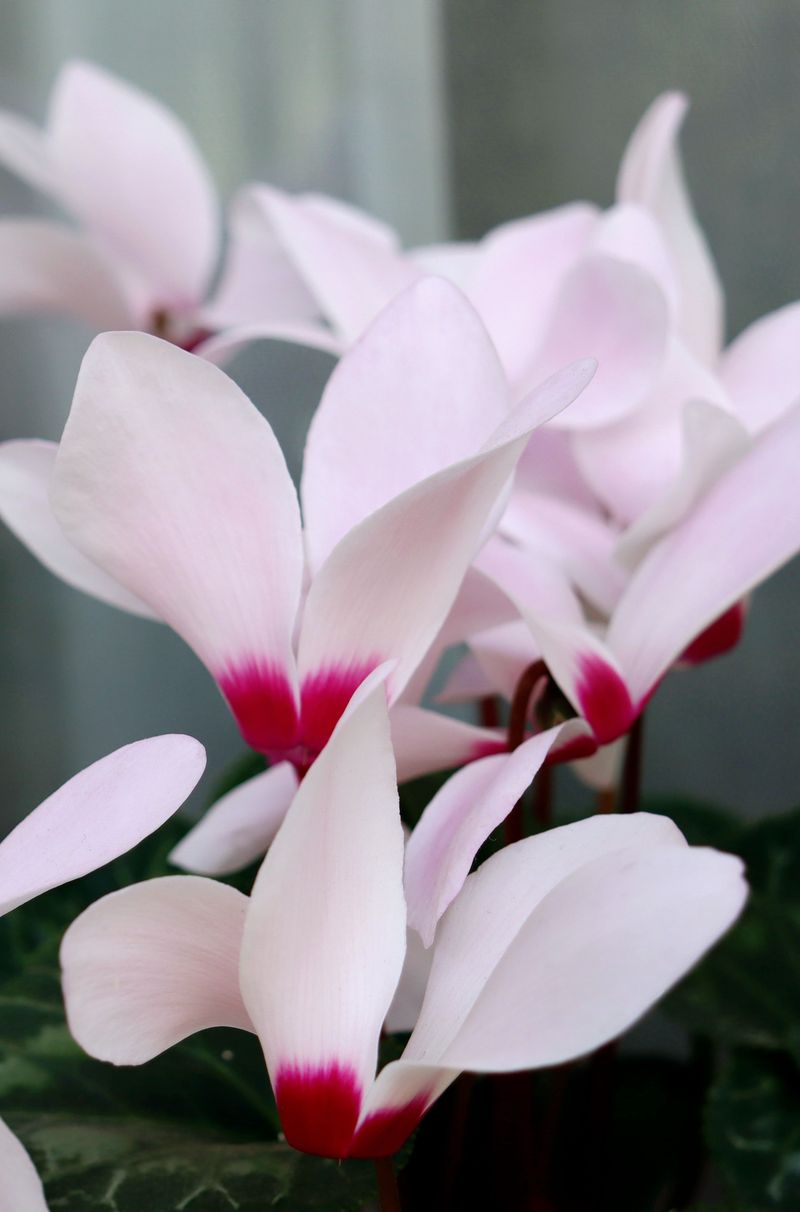
Picture a flock of tiny pink butterflies hovering over a pot of heart-shaped leaves. That is the charm of a cyclamen, with petals that sweep backward like wings.
Florists sell plenty of them in winter because they love cool weather. They bloom in red, white, pink, or purple, often with silvery leaf patterns.
Cyclamen thrive in rooms between 50 and 65 degrees, which suits drafty old New York buildings. Hot, stuffy spaces make them wilt and drop their flowers early.
Place yours near a bright window with indirect light. A cool windowsill in a bedroom or hallway can be the perfect home.
Watering takes a special touch, since the plant grows from a round tuber. Pour water into the saucer, and let the soil soak it up from below.
After about twenty minutes, dump any water left in the saucer. Wet tubers and crowns can rot, causing yellow, mushy leaves and drooping stems.
Pinch off faded blooms by twisting the stem down at its base. New buds keep appearing for weeks, sometimes into early spring. Keep it away from pets, since the tuber is especially toxic if chewed.
8. Kalanchoe Flower Clusters Needing Little Effort
Ever wish a plant could forgive you for forgetting to water it? Kalanchoe is a cheerful succulent that tolerates occasional missed waterings without any complaint.
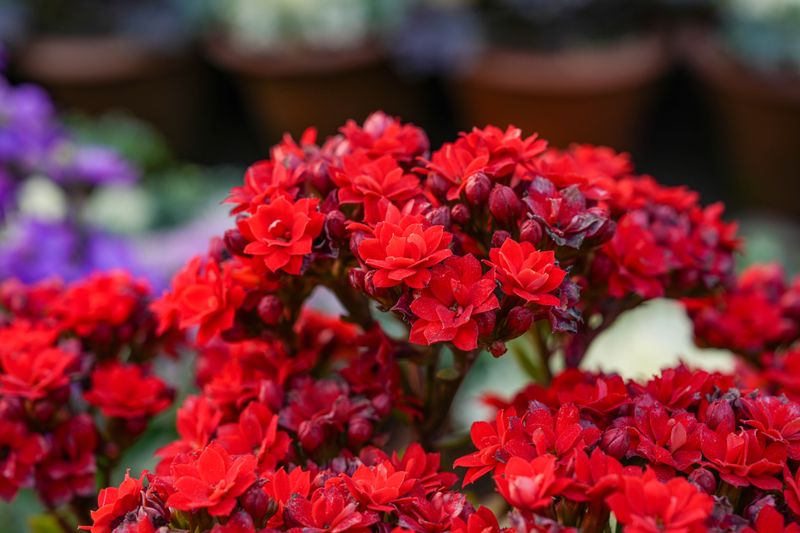
Tight bunches of small flowers cover glossy leaves in red, orange, yellow, or pink. One plant can bloom for several weeks in winter.
Originally from Madagascar, this succulent stores water in thick, waxy leaves. Let the soil dry almost fully before you water again.
Overwatering causes more trouble than thirst, especially when growth slows in winter. A gritty cactus mix in a pot with drainage keeps roots healthy.
Bright light matters, so a sunny south or west window works best. Without enough sun, the stems grow long and leggy.
Like the Christmas cactus, kalanchoe blooms after weeks of long nights. Starting in October, give it fourteen hours of darkness each night for six weeks.
Red varieties look festive tucked between holiday candles or on a mantel. Snip off faded flower clusters to encourage fresh buds.
Kalanchoe is affordable and easy to find at many New York grocery stores and garden shops. Buy a few colors and group them for winter display.
Keep it away from pets, since chewing the leaves can cause vomiting and heart rhythm problems.
9. Rosy Ruffled Begonia Blooms Worth A Second Look
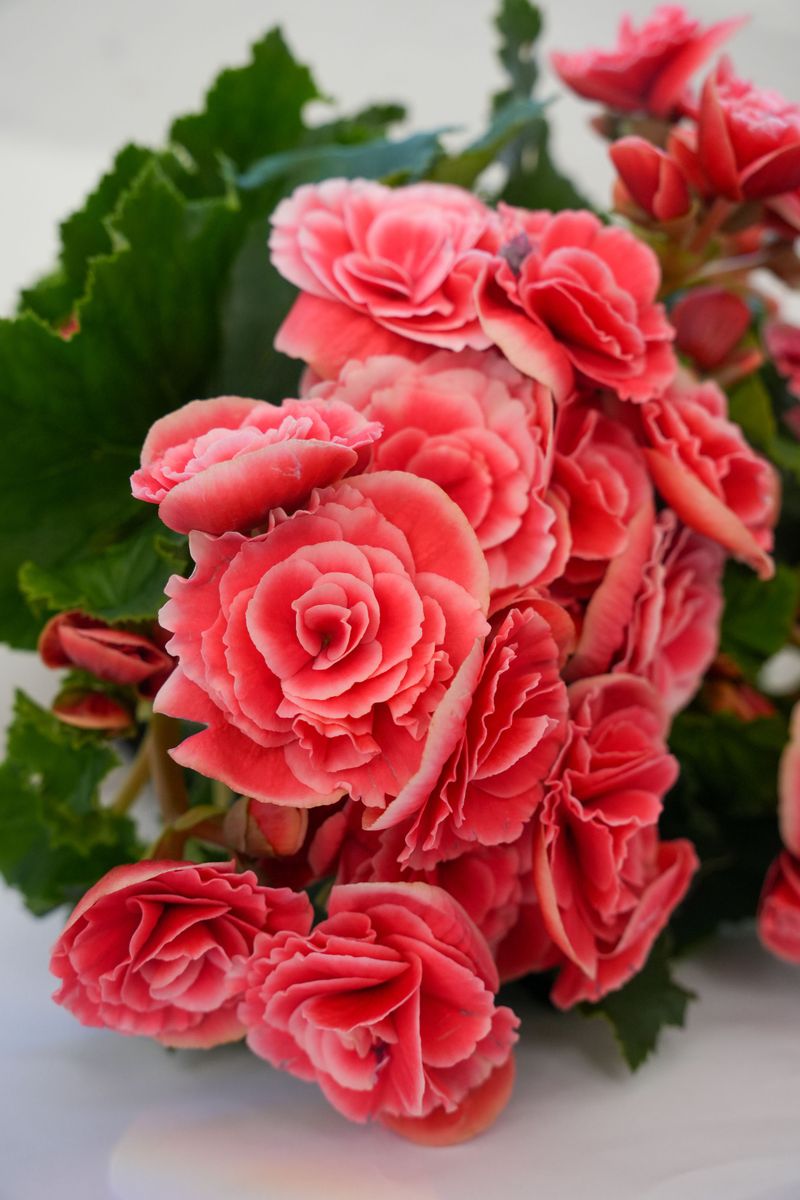
Many shoppers walk right past begonias, yet their blooms rival poinsettias for holiday color. Rieger begonias, sometimes called Christmas begonias, burst with ruffled flowers in rose, red, and coral.
Breeders in Germany developed them in the last century for winter flowering. That history makes them a natural pick for short, dark New York days.
Give them bright, indirect light, like a spot near an east window. Harsh afternoon sun can scorch the tender leaves and fade the petals.
Begonias like their soil evenly moist but not soggy. Water at the base, keeping leaves dry to prevent mildew.
Room temperatures between 60 and 70 degrees keep them blooming happily. Keep them away from heat vents, which dry the air and wilt flowers.
Good air flow matters, so avoid crowding them. A small fan on low helps in stuffy apartments.
Pinch off spent flowers every few days to keep the plant looking tidy. Fresh buds will replace them, giving you color for two months or more.
Pair a red begonia with white candles for a simple, elegant holiday table. Guests may ask where you found such a stunning flower. Keep it away from pets, since the tubers and leaves can irritate the mouth and stomach.
10. English Ivy Trailing Across Shelves And Banisters
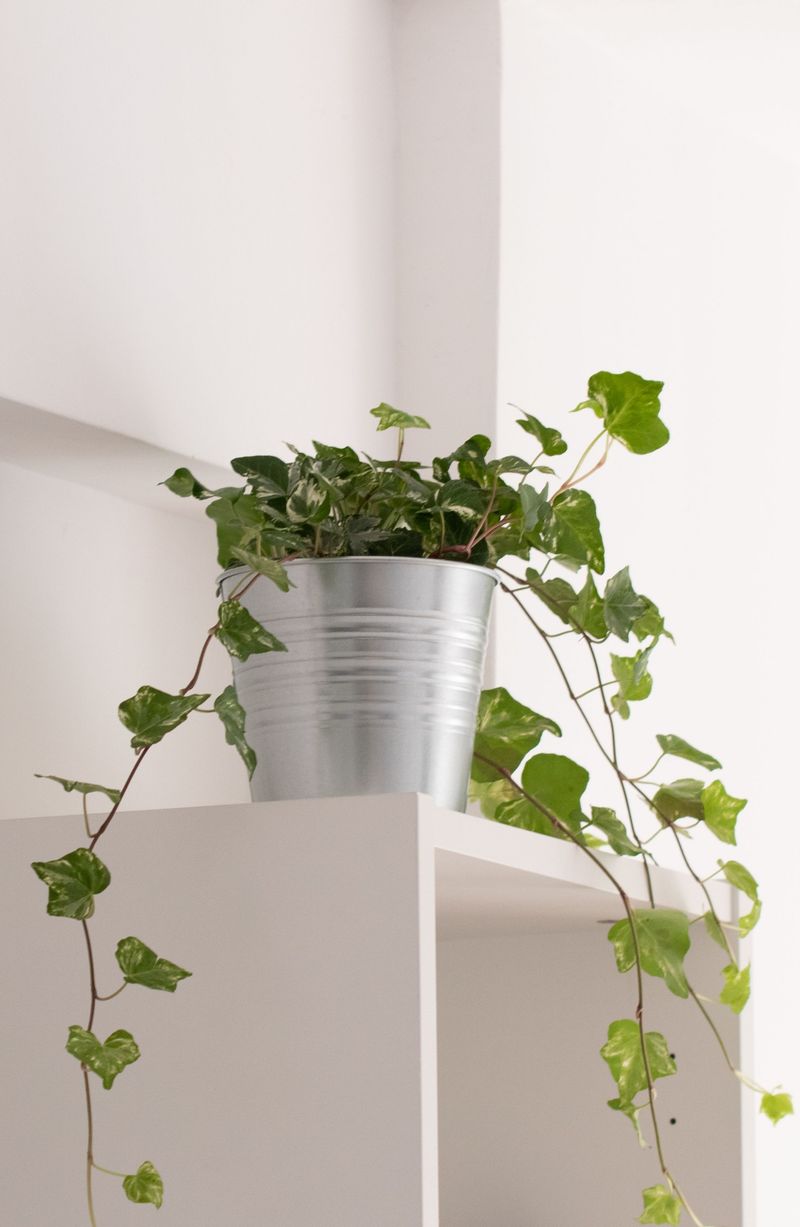
An old English carol celebrates holly and ivy, two plants that brightened winter homes for centuries. Ivy stood for loyalty and lasting friendship, which fits the holiday spirit nicely.
Unlike holly, English ivy grows easily indoors and trails gracefully from shelves or hanging baskets. Its deep green leaves look lovely woven around candles or a banister.
Ivy prefers cool rooms around 55 to 65 degrees, which suits older prewar apartments. Bright, indirect light keeps its leaves full and richly colored.
Water when the soil feels dry, and let excess drain. Check the leaves often during winter, since dry radiator heat invites spider mites.
A quick sink shower every few weeks washes dust and pests away. Your ivy will look shiny and fresh for holiday guests.
Trim scraggly vines to encourage bushier growth. Those clippings root easily in a glass of water on the windowsill.
Rooted cuttings make sweet little gifts in teacups or mason jars tied with red ribbon. Keep ivy away from pets and kids, since the leaves and sap can irritate skin, mouths, and stomachs.
Toss clippings in the trash rather than outdoors, since English ivy is invasive in many regions. Pair it with a poinsettia or amaryllis for a classic red and green display. Together they bring old-fashioned cheer to any small city kitchen.