The Fall Cleanup Habit That Can Leave Missouri Native Bees Without A Winter Home
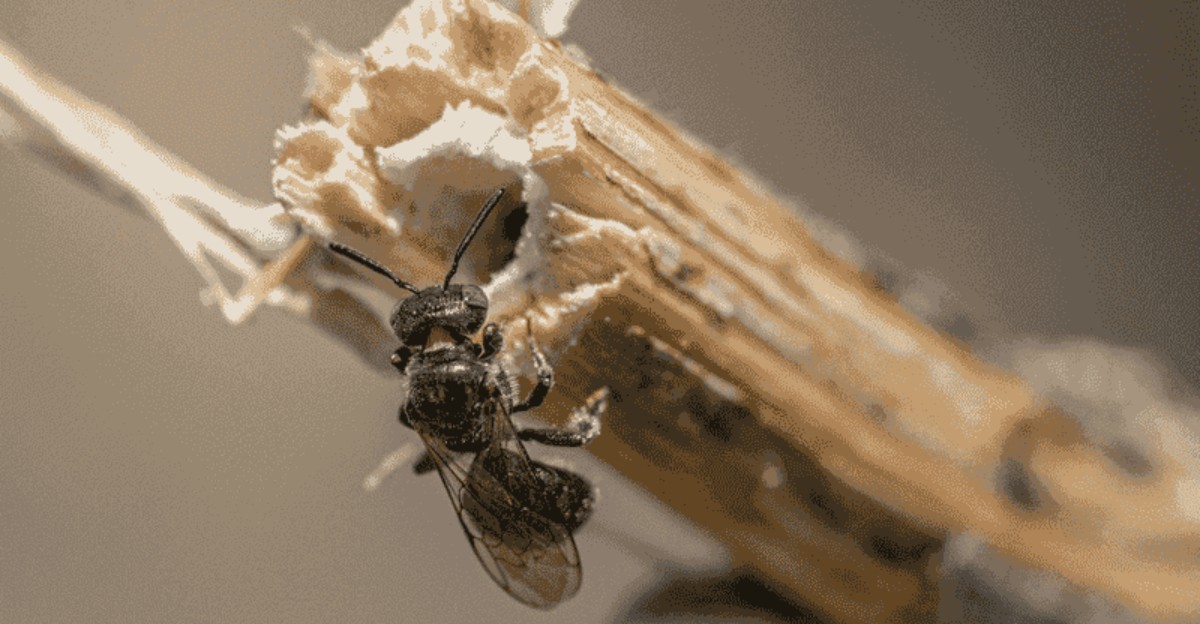
A tiny bee can spend the whole winter tucked inside one snapped garden stem, waiting for warm April days. I learned that fact on a crisp October afternoon, right after hauling three bags of clippings to the curb.
Here in Missouri, many of us treat fall like a deep cleaning season for flower beds. We want neat soil, crisp edges, and a garden that looks ready for a quiet winter nap.
I believe that urge comes from a good place, but it can surprise the smallest pollinators in our yards. Missouri hosts hundreds of native bee species, and plenty of them need shelter you might be tossing out.
You’re in for a surprise when you learn where these bees actually sleep through the frosty months. So, what if the messiest corner of your garden turned out to be the most valuable spot of all?
You Might Be Cutting Perennial Stems Down Too Soon
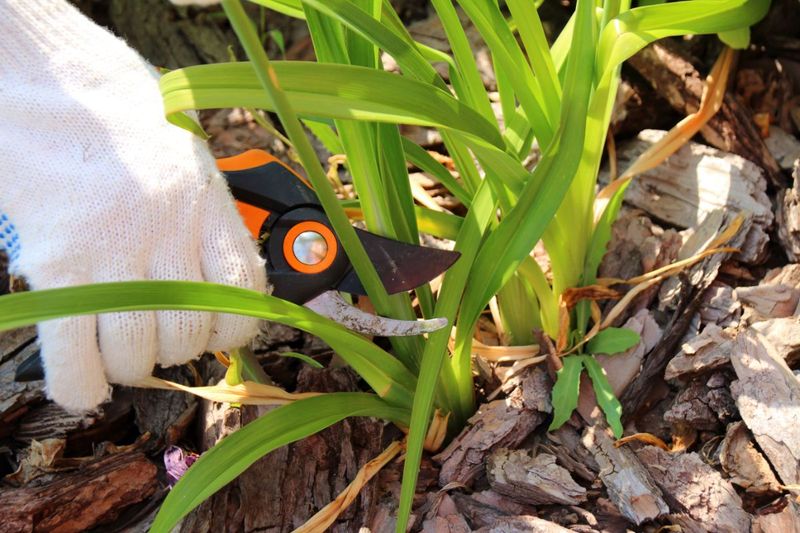
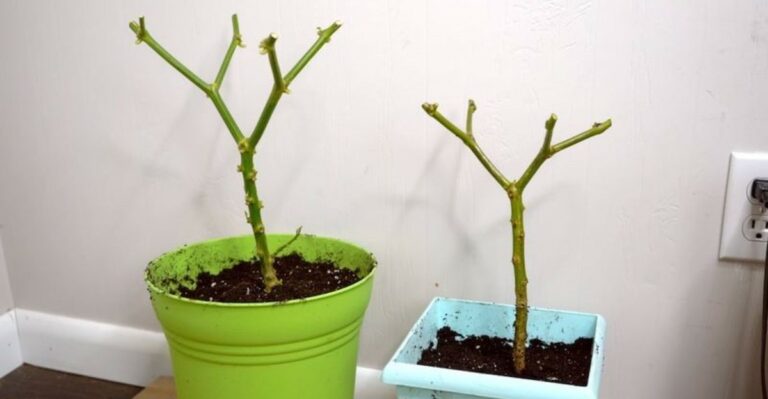
Each fall, plenty of gardeners grab their pruners and cut perennial stems down to the soil line. It feels productive and tidy, but that flat, bare bed offers little shelter for many native bees.
Research shared by the Xerces Society suggests that roughly thirty percent of native bees nest inside cavities or stems. Some of those bees, or their young, spend the entire winter tucked inside last year’s plant growth.
When you chop and haul those stems away in fall, any bees sealed inside leave with the yard waste. They might end up in a compost pile, a burn barrel, or a city collection truck.
Scientists are still learning exactly how many bees each garden loses this way, so the full impact remains uncertain. Even so, extension experts across the Midwest now encourage gardeners to wait before cutting back their beds.
In Missouri, most stem-nesting bees stay tucked away until spring temperatures warm up for several days in a row. That means the safest time to trim is mid to late spring, not during crisp autumn weekends.
I know a shaggy fall garden can feel a little embarrassing when neighbors are raking and bagging everything. Still, those brown stems also catch snow, feed seed-loving birds, and give the beds lovely winter texture.
You can start small by leaving one bed untouched this year and watching what happens next spring. Patience costs nothing, and it may give dozens of tiny pollinators a safe place to ride out winter.
Hollow Stems Make A Cozy Winter Bedroom For Bees
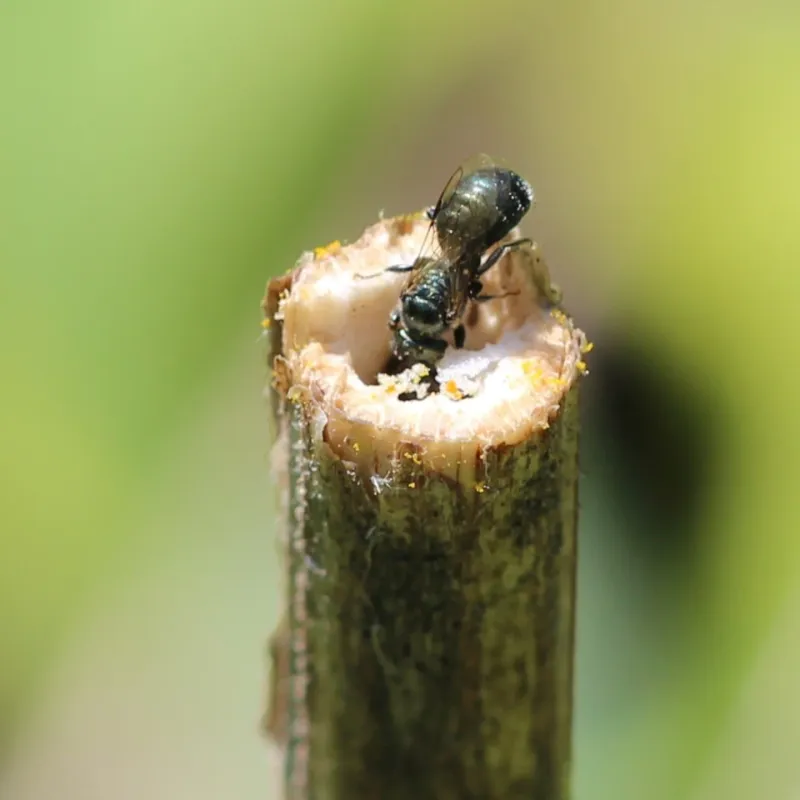
Snap open an old coneflower stalk in winter, and you might find a tiny bee curled inside like a sleeper. Please leave those stalks alone, but the image shows how hard these stems work during cold months.
Garden stems usually come in two main styles, and native bees use both styles in surprisingly clever ways. Some stems are hollow like a drinking straw, while others are packed with soft, spongy pith.
Hollow stems attract bees that move into ready-made tunnels, such as certain leafcutter and yellow-faced bees. Pithy stems suit small carpenter bees, which chew out the soft center to build their own nest.
Your Missouri Garden Changes Every Week. Your Plan Should Too.
Gardening in Missouri changes quickly throughout the season. Every Friday you’ll receive a simple weekly plan showing exactly what to plant, prune, fertilize, harvest, and protect so you never miss the right timing.
Inside, a mother bee often builds a row of tiny rooms, each stocked with pollen and one egg. She seals each room with mud, leaf pieces, or chewed plant material, depending on her species.
By October, many of those young bees have finished eating and settled into a resting stage for winter. Small carpenter bees are a bit different, because adults often spend the cold season inside the stems themselves.
A sturdy stem works like a tiny insulated house, blocking wind and keeping rain away from the sleeping bees. Stems that stand upright also shed water better than stems lying flat on soggy Missouri soil.
Fun fact for your next garden chat: some small carpenter bee mothers stay with their nests and guard them. That kind of devotion makes a plain brown stem feel a lot more special, at least to me.
Your Garden Hosts More Stem-Nesting Bees Than You Think
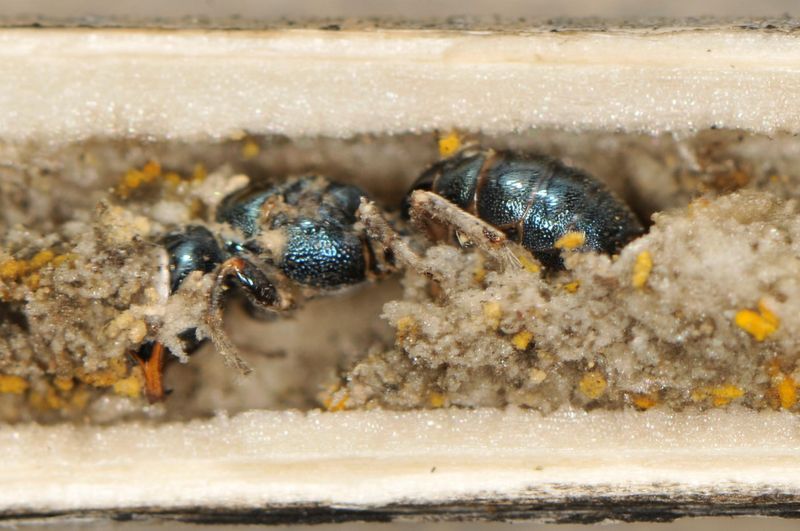
Most people picture honey bees when they think about pollinators, yet honey bees are not native to North America. The real local heroes are wild bees, and the Missouri Department of Conservation counts more than 400 species.
Small carpenter bees, called Ceratina, are shiny, dark blue or black, and often about the size of a rice grain. They love pithy stems like sumac, elderberry, and raspberry canes, where they dig snug winter tunnels.
Leafcutter bees, part of the Megachile group, cut small pieces from leaves to line their nests. If you have spotted neat, rounded notches along the edges of your rose leaves, a leafcutter bee probably visited your yard this year.
Mason bees, including Osmia species, build their nest walls from mud, giving them a fitting name. They are early spring fliers, so their young stay sealed inside stems or tunnels all through fall.
Yellow-faced bees, known as Hylaeus, look almost like tiny wasps with pale markings on their faces. Instead of carrying pollen on hairy legs, they swallow it and carry it inside their bodies.
Not every bee nests in stems, since most native species actually dig their nests underground in bare soil. Experts are still studying which Missouri bees rely on garden stems most, so exact numbers remain fuzzy.
You do not need to identify every visitor to help them, which feels like a relief to me. Leaving a mix of stem sizes gives each kind of bee a better chance to find the right fit.
Leave These Garden Stems Standing Tall This Fall
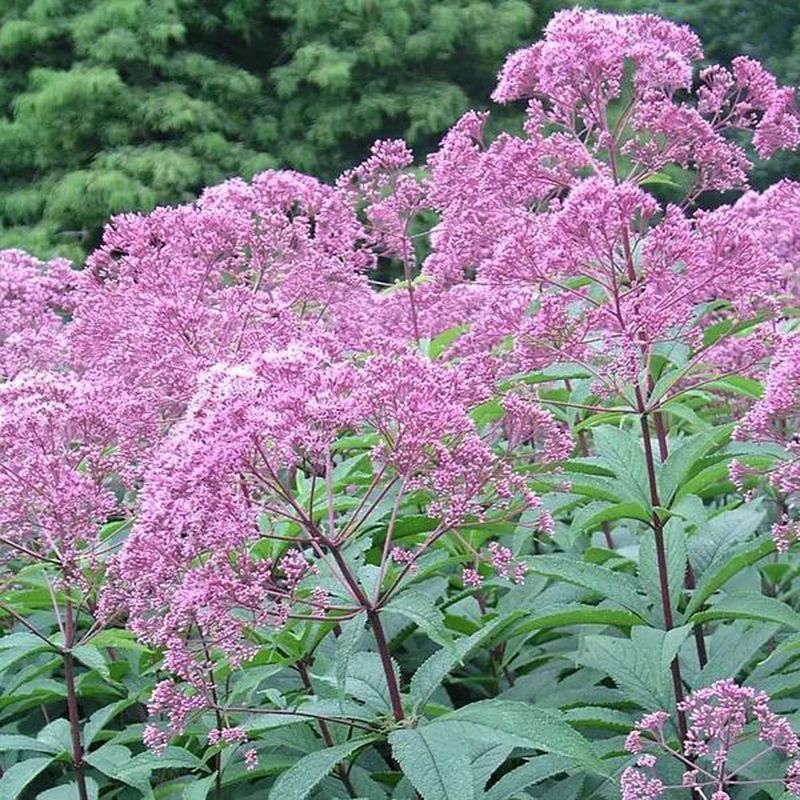
Walk through a fall prairie garden and you will notice that some stems look sturdy enough to hold a pencil. Those thick, upright stalks are often the best picks for leaving in place through the winter months.
Purple coneflower, wild bergamot, and rattlesnake master are native favorites that grow well in many Missouri yards. Their stems stay fairly firm after frost, and finches love picking at the seed heads on chilly mornings.
Joe-Pye weed, ironweed, and cup plant grow tall and offer roomy stems for bigger nesting tunnels. Cup plant is a giant, sometimes reaching eight feet, so give it space at the back of the bed.
Shrubs count too, and Missouri gardeners often grow elderberry, sumac, and blackberry along fences or woodland edges. Their pithy canes are classic homes for small carpenter bees, according to several university extension programs.
Garden favorites like black-eyed Susan, goldenrod, and native asters can work as well when left standing. Thinner stems may suit tiny bees, while thicker stems welcome larger species looking for a winter spot.
Native grasses such as little bluestem are not stem nesters’ top choice, but they still shelter other insects. Their golden color also looks gorgeous against frosty mornings, so leaving them standing feels like a bonus.
If a plant flops over or shows signs of disease, removing it in fall is a reasonable choice. Healthy, upright stems are the ones worth keeping, because they give bees a dry, steady place to rest.
Your Leftover Stubble Becomes Next Year’s Nursery
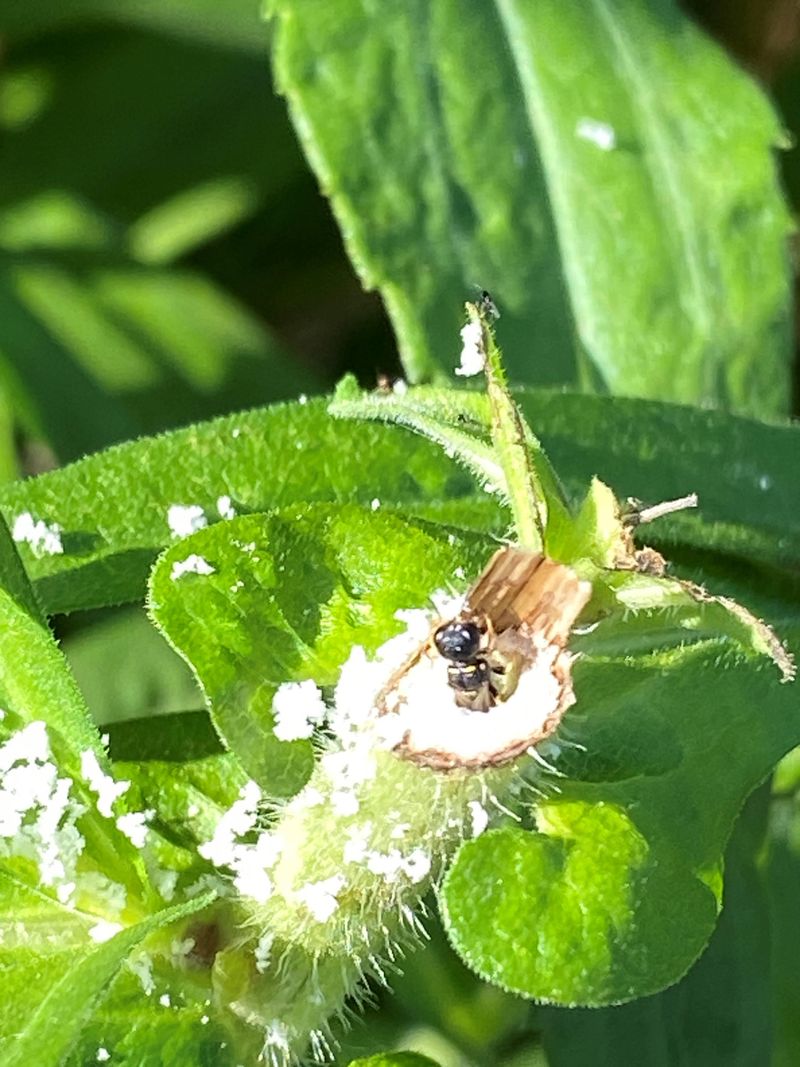
Spring cleanup does not have to mean scraping beds down to bare dirt, even when you finally pick up pruners. The Xerces Society suggests leaving stubble about eight to twenty-four inches tall when you trim next year.
Those leftover stalks act like empty apartments waiting for new tenants as the weather warms up. Female bees can move into the open, cut ends and start building fresh nests during the growing season.
New green growth quickly hides the old stubble, so your beds will look tidy again within a few weeks. Most visitors will only notice healthy plants, while the bees enjoy a hidden neighborhood beneath the leaves.
By the following fall, many of those stubble nests hold sealed rooms packed with young bees resting inside. That is the key reason to leave old stubble in place through the following year.
I like to think of the process as a slow rotation, with each year’s stems feeding the next cycle. Old stalks gradually soften, fall over, and break down into the soil, adding organic matter as they go.
Varying your cut heights helps too, because different bees prefer different tunnel lengths and stem widths. A few short stubs mixed with taller ones can turn a single flower bed into a busy bee hotel.
Researchers are still learning how often bees choose garden stubble, so results may vary from yard to yard. Even so, this low-effort habit costs you almost nothing and gives curious gardeners something fun to watch.
You Can Still Tidy Up While Leaving Room For Bees
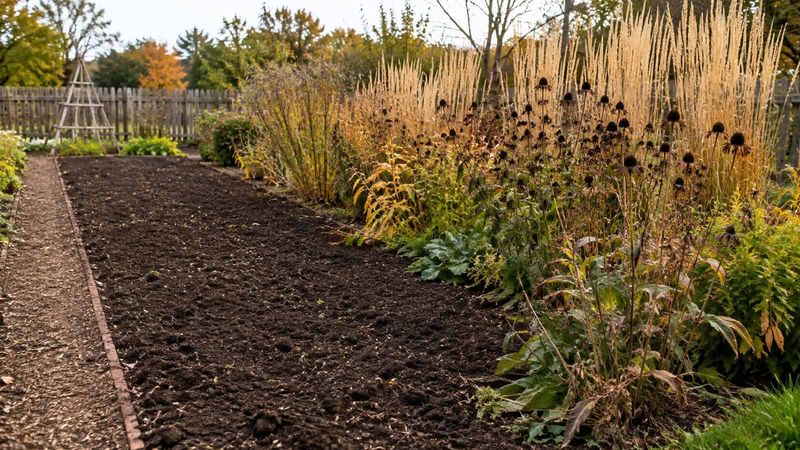
Loving bees does not mean your yard has to look like an abandoned lot from October through April. A few smart choices let you keep tidy borders while still protecting the tiny sleepers in your stems.
Start by cleaning up the front strip that neighbors see, and leave back beds a bit wilder. Mowing a neat path or edging the lawn signals that the garden is cared for, not forgotten.
Diseased plants, such as peonies with leaf blotch or bee balm with heavy mildew, can go in fall. Bag that material instead of composting it, since many backyard compost piles do not get hot enough.
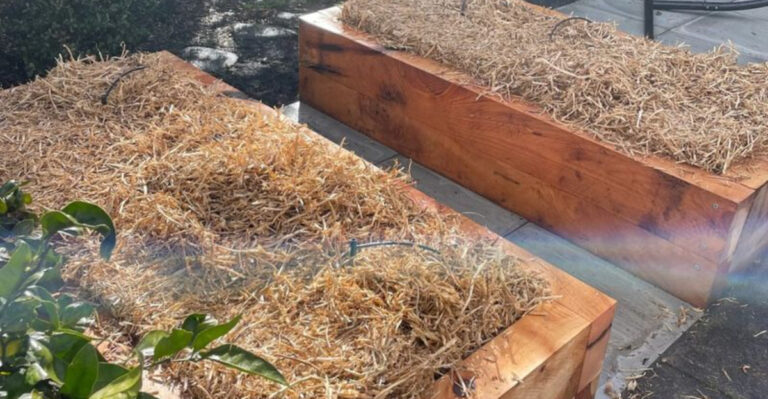
Fallen leaves can stay in garden beds as a light mulch, which shelters many overwintering insects too. Rake the thick piles off your lawn and tuck them around perennials instead of bagging them for pickup.
If floppy stems bother you, trim them to about knee height and leave the sturdy lower sections standing. You can also bundle cut stems loosely and tuck them upright against a fence in a quiet corner.
A small sign that says pollinator habitat can help curious neighbors understand your shaggy fall beds. The Missouri Prairie Foundation and local native plant groups often share helpful resources for new habitat gardeners.
I believe the sweetest garden moments come in spring, when tiny bees crawl out of stems you spared. A little patience this October could fill your yard with busy, buzzing helpers once warmer days return.