New York Gardeners Are Using This Pesticide-Free Method Against Spotted Lanternflies
Sticky bands wrapped around tree trunks can also catch songbirds and small bats, so many gardeners are looking for a gentler option.
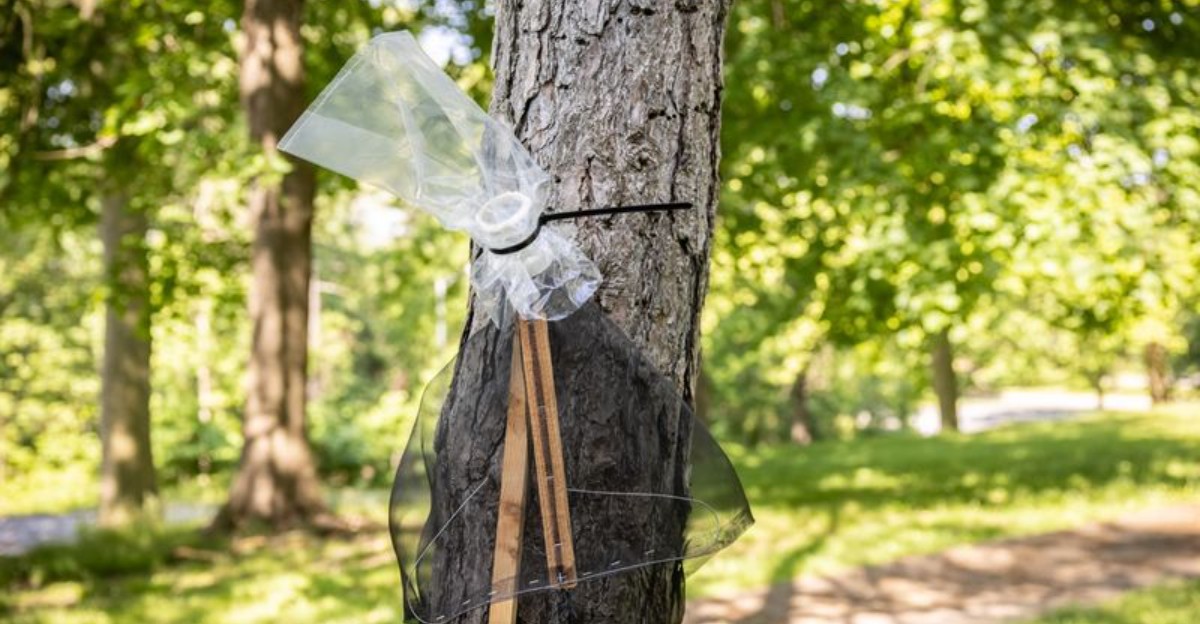
Across New York, some backyard growers now use a simple trap that catches spotted lanternflies without sprays or glue. It relies on the bugs’ natural habit of climbing tree trunks.
October is a good month to pay attention, since lanternflies are still active before frost arrives. A quick look at your trees now can show whether they are visiting your yard before the season winds down.
Many New York gardeners are looking for gentler ways to deal with one of the state’s most unwelcome visitors. So what makes a homemade screen funnel such a useful option?
The Circle Trap Is Your New Best Garden Friend
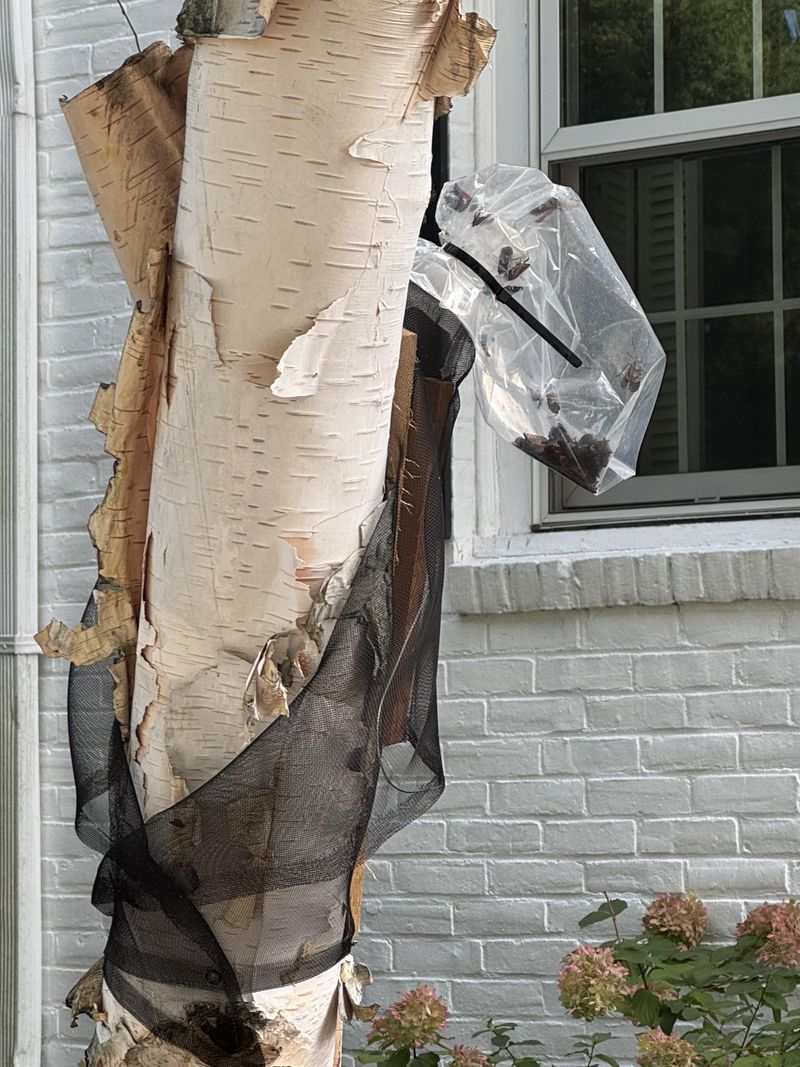
Spotted lanternflies love climbing straight up tree trunks, and the circle trap turns that habit into their biggest mistake. The device uses mesh screening wrapped around the trunk, guiding bugs upward into a collection bag or jar.
No sprays touch your garden, so pollinators, pets, and kids can roam the yard without any extra worry. Extension programs, including Penn State Extension, share circle trap plans for home gardeners.
Lanternflies first showed up in New York in 2020, and they have spread to many counties since then. Their feeding weakens grapevines and stresses favorite shade trees, while sticky honeydew invites black sooty mold.
A circle trap will not solve a neighborhood problem alone, but it can help reduce the number of lanternflies on one tree. Many gardeners enjoy checking the bag each morning, since the growing pile shows real progress in plain sight.
Kits sell online and at garden centers, though plenty of folks build their own from window screen and staples. Homemade versions cost very little, and extension guides share free plans that a curious kid could follow.
Trees with heavy lanternfly traffic make the best spots, especially tree of heaven, maples, black walnut, and willows. Watch where the bugs gather during a sunny afternoon, then place your trap on that busy trunk.
Simple tools like this show how careful observation can reduce pest numbers without relying on chemicals. Your garden stays free of sprays, and you get to see the results in the collection bag.
You Can Thank Penn State Researchers For This Clever Design
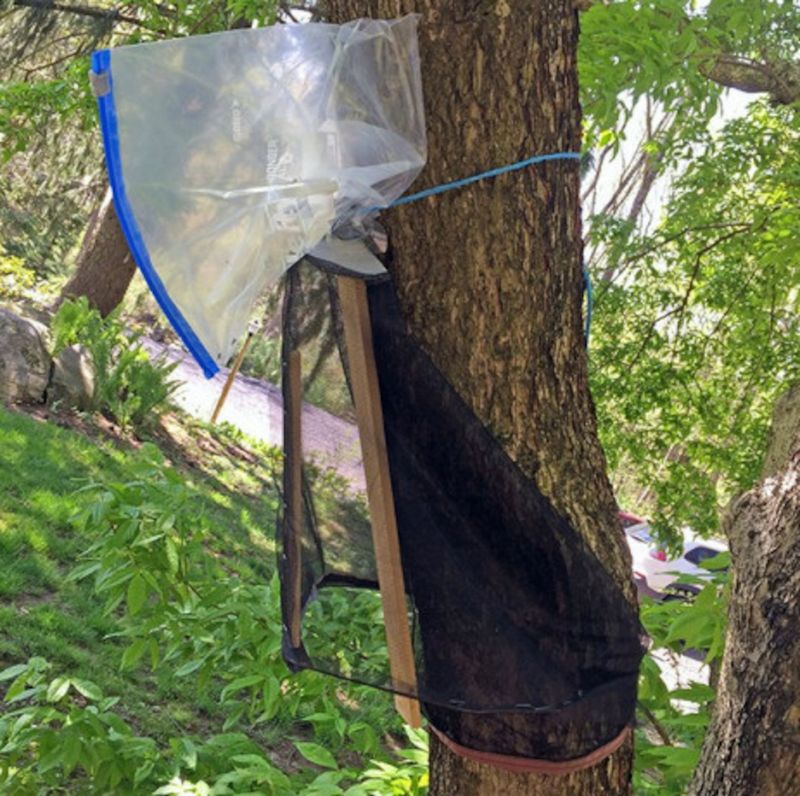
Several years ago a Penn State Extension educator named Emelie Swackhamer tinkered with an older pecan weevil trap design. The original version helped pecan growers in the South, so borrowing it for lanternflies felt like clever recycling.
Pennsylvania faced lanternflies years before New York did, since the first known American population appeared there in 2014. Researchers there had plenty of hungry bugs to study, which gave them a real head start on solutions.
Sticky bands were the popular choice at first, but they caused troubling problems for wildlife caught in the glue. Swackhamer wanted something safer, and her funnel design quickly earned praise from gardeners and bird lovers alike.
Extension testing found that circle traps catch lanternflies while posing less risk to wildlife than glue bands. The design has since been shared through extension offices across the Northeast.
Your New York Garden Changes Every Week. Your Plan Should Too.
Gardening in New York changes quickly throughout the season. Every Friday you’ll receive a simple weekly plan showing exactly what to plant, prune, fertilize, harvest, and protect so you never miss the right timing.
Fun fact for trivia night, the lanternfly is not actually a fly at all but a planthopper. It belongs to the same broad insect group as cicadas and aphids, which also feed by sipping sap.
That sap-sipping habit explains the climbing behavior, because the bugs keep moving upward to find fresh feeding spots. That climbing habit is exactly what circle traps take advantage of, guiding bugs up the trunk and into the collection bag.
Penn State Extension still shares free building instructions online along with photos and a simple supply list. Reading their guide feels a bit like borrowing a recipe from a neighbor who solved the problem first.
October Is Prime Time For Catching Late Adults
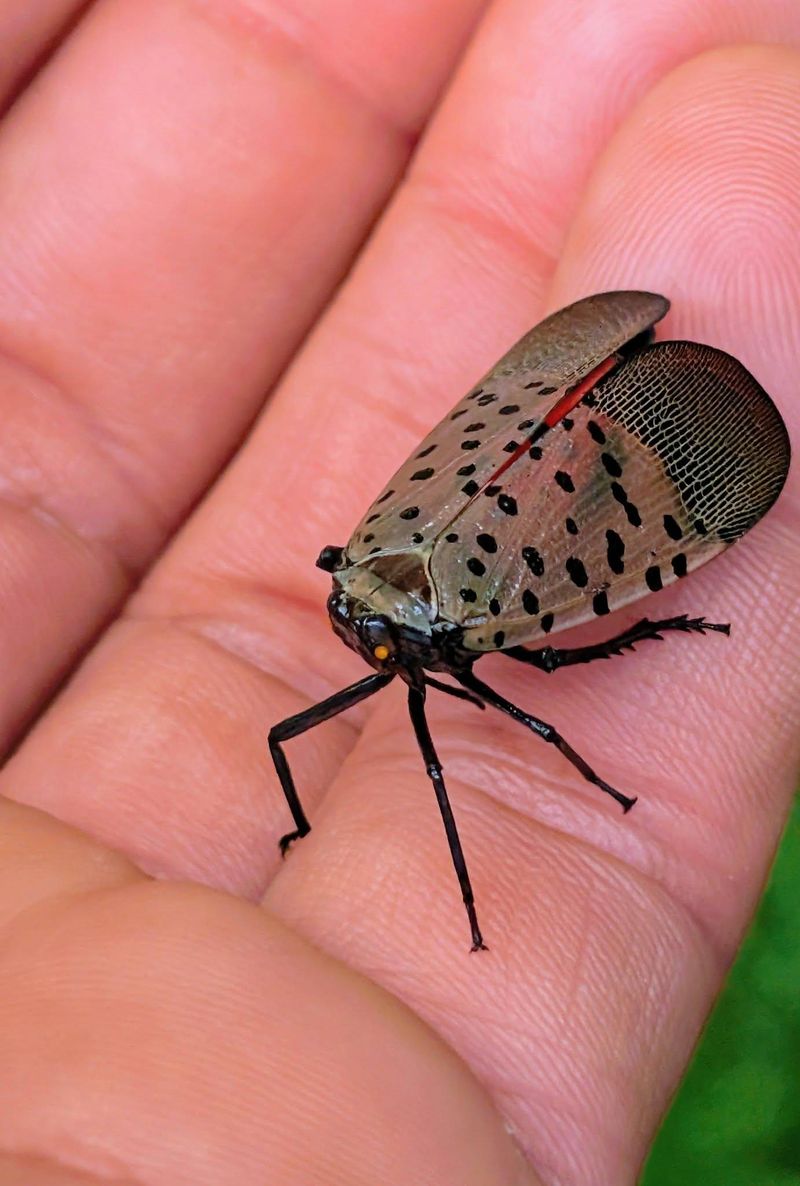
Cool October mornings slow lanternflies down, yet adults keep feeding and laying eggs until a hard frost arrives. That makes fall an important window, since each adult you catch now can mean fewer egg masses later.
Each female can lay one or two egg masses, and each mass often holds thirty to fifty eggs. Doing quick math on that number makes a single trap feel much more powerful than it looks.
Adults often gather on tree of heaven, maples, and other trunks in large groups during sunny fall afternoons. Their gray wings with black spots blend into bark, but a flash of red underwing gives them away.
Check your trap every few days, emptying the bag into a sealed container or a plastic zip bag. Leaving it full for weeks can attract other insects and create an unpleasant smell near your favorite tree.
Falling leaves can clog the funnel opening, so brush away debris whenever you stop by to check. Strong autumn winds may loosen the mesh as well, so press the edges snug against the bark again.
Once steady freezing nights settle across New York, adult activity drops sharply and the trap can come down. Store it in a dry shed over winter, because reusing a good trap saves money and building time.
Honestly, few garden chores feel as rewarding as spotting a bag stuffed with bugs that skipped your grapevines. Think of each October catch as a small gift to next year’s garden, wrapped in mesh screen.
Skip The Sticky Bands That Harm Birds
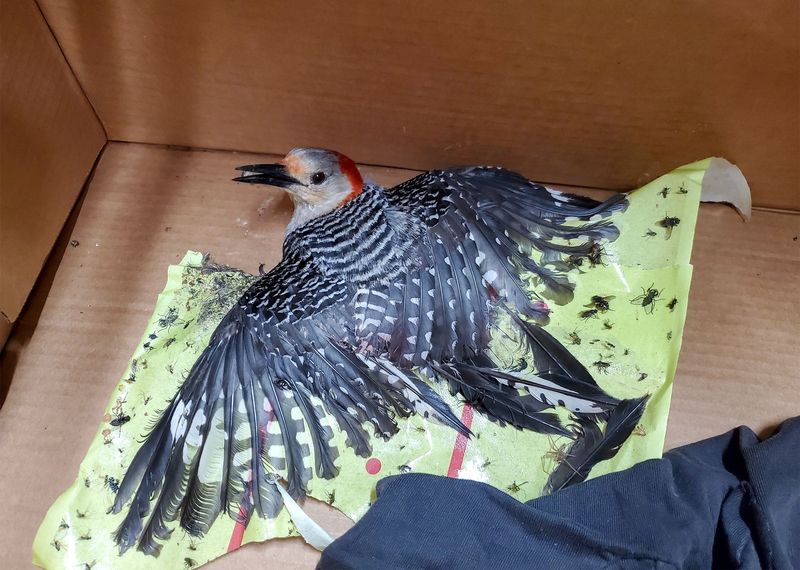
Wildlife rehabilitators in the Northeast have reported songbirds and small mammals stuck to glue bands on trees. Those stories pushed many gardeners to rethink the sticky approach and look for a kinder trapping method.
Glue does not care what lands on it, so beneficial insects like lacewings and bees can get caught too. Once something touches the surface, freeing it without injury is tricky and often requires expert wildlife help.
Circle traps avoid that mess because the collection bag sits inside a mesh funnel that birds rarely enter. Lanternflies walk upward into the opening on their own, while larger animals mostly ignore the strange contraption.
If you already have sticky bands up, extension experts suggest covering them with wire mesh or chicken wire. That cage keeps birds from touching the glue, though swapping to a circle trap is the gentler fix.
Removing old bands takes patience, since the adhesive clings to bark and can pull away thin outer layers. Wear old gloves, peel slowly, and toss the used band into a sealed bag with the household trash.
Many New York gardeners also feed birds through fall, which makes avoiding glue near feeders extra important. Migrating warblers and resident nuthatches often forage along tree trunks, right where those sticky strips usually sit.
Choosing the funnel option helps protect your plants while keeping the yard safer for birds and other wildlife.
Your Fall Egg Hunt Matters Just As Much
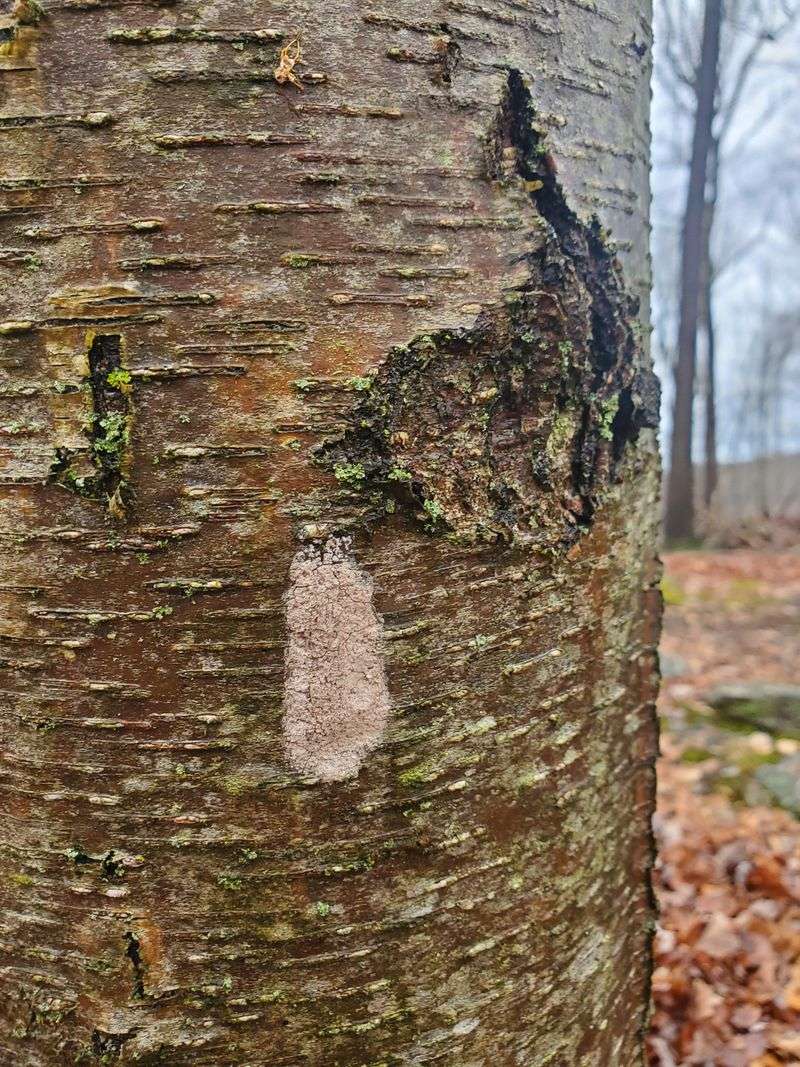
Lanternfly egg masses look a lot like a smear of dried mud, which makes them surprisingly easy to overlook. Fresh ones look grayish and shiny, while older masses turn cracked and brown like weathered putty.
Females lay them on almost any flat surface, including tree bark, rocks, fences, patio furniture, and vehicles. That habit lets eggs hitchhike to new places, which is one reason the pest keeps spreading so quickly.
A plastic card or putty knife works well for scraping masses off, and the job takes only seconds. Scrape them into a zip bag, squish the eggs firmly, then seal the bag before tossing it.
Fall cleanup is a perfect time to hunt, since bare branches and fading leaves reveal hidden spots. Stack your firewood, rake the beds, and peek at the undersides of benches while you work outside.
Eggs sit through winter and hatch in late spring, so removing masses now can mean fewer nymphs. Kids often love this task, and turning it into a backyard scavenger hunt keeps everyone busy and curious.
Some masses sit high up in trees where ladders feel risky, and those are fine to leave alone. Circle traps placed on those trunks next season can catch the young nymphs as they climb upward.
Pairing an autumn egg hunt with a sturdy trap creates a steady, low-cost plan that skips sprays. Your future self will appreciate every crusty little smear you scraped away on a chilly October weekend.
Report Every Sighting To Help Your Neighbors
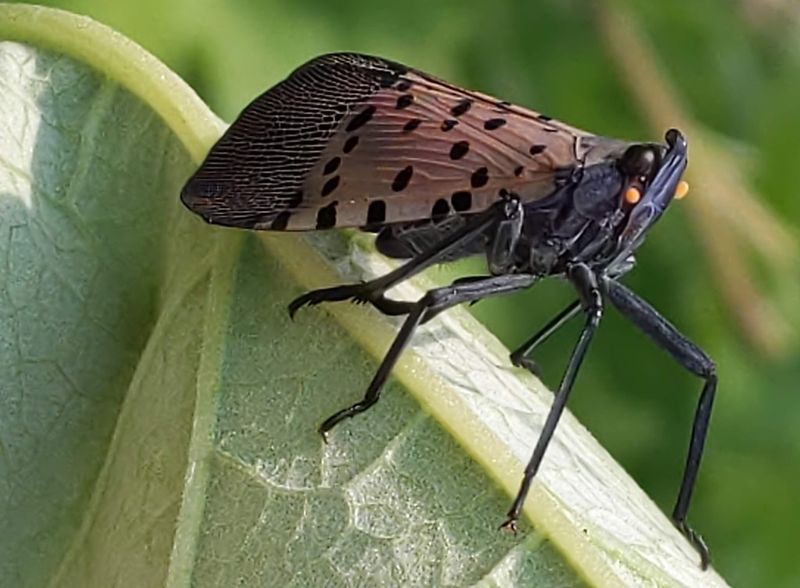
Every photo you send to state officials helps scientists map where lanternflies are showing up next. The New York State Department of Agriculture and Markets runs an online reporting form for public sightings.
Include a clear picture and your location, since those two details help experts confirm the report quickly. Your sighting might seem small, but it can reveal a new population before it grows hard to manage.
Moving firewood is a big way pests travel, so buy or gather wood close to where you burn it. State rules already limit untreated firewood movement, and following them protects forests far beyond your own yard.
Before a fall road trip, take a quick walk around your car to check for hitchhiking bugs. Look closely at wheel wells, bumpers, and roof racks, since adults and egg masses can cling there.
Talking with neighbors makes a real difference, because one trap works better when the whole street pitches in. Share your homemade trap design at a garden club meeting, and you may inspire a dozen new builders.
Cornell Cooperative Extension offices also answer questions, and many county staff happily look at photos of mystery bugs. Local experts know which pests are active nearby, so their advice fits your exact corner of the state.
Nobody knows yet how far lanternflies will spread, and researchers are still studying long-term effects on crops. Staying alert this fall keeps you part of the solution, one careful sighting at a time.