How Ohioans Use Wild Persimmons After The First Frost
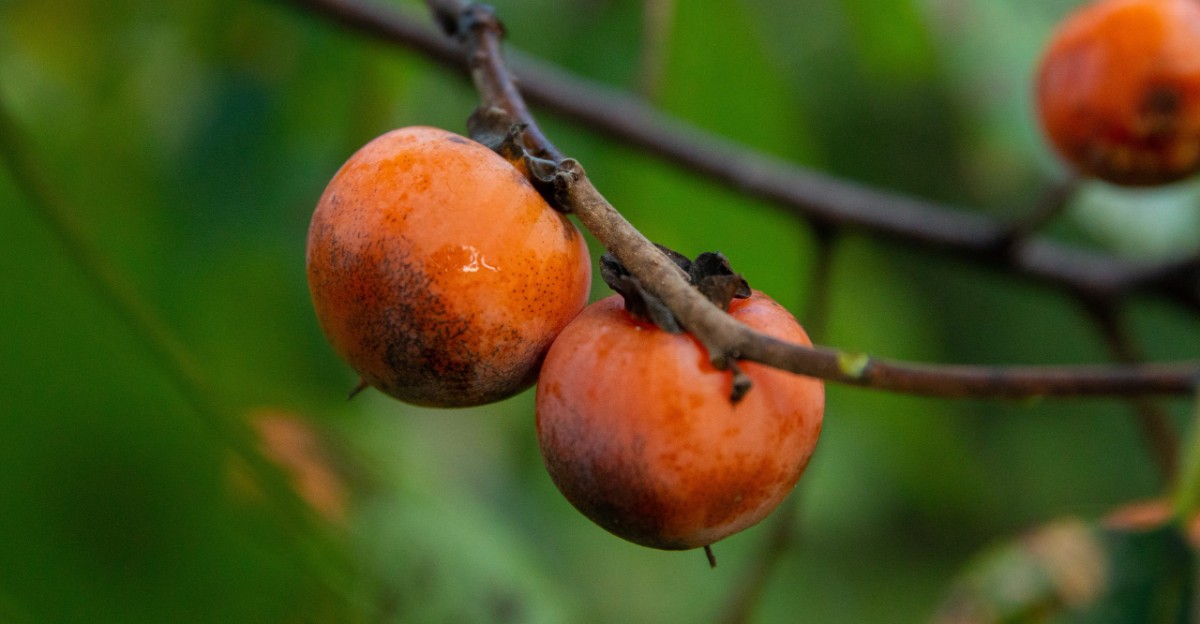
Wild persimmons have a sneaky way of fooling people. Pick one too early, and your mouth may pucker so hard you’ll think twice about trying another.
But after the first frost, those little orange fruits can become a fall treat worth seeking out across Ohio.
For people who know what to look for, wild persimmons offer more than a curious taste of the season. Their soft, sweet flesh has a long history in homemade desserts, baked goods, and old-fashioned kitchen recipes that make good use of the autumn harvest.
The catch is knowing when a fruit is truly ripe. Color alone won’t tell you the whole story, and an unripe persimmon can leave your mouth unpleasantly dry for quite a while.
Once the fruit reaches that soft, almost jammy stage, though, a whole range of uses opens up. And some are far more interesting than simply eating it straight from the tree.
1. Eat Them Fresh Once They’re Soft And Wrinkly
Picture a cold November morning with frost sparkling on the grass. Under a tall, bare tree, small orange fruits lie scattered like dropped marbles.
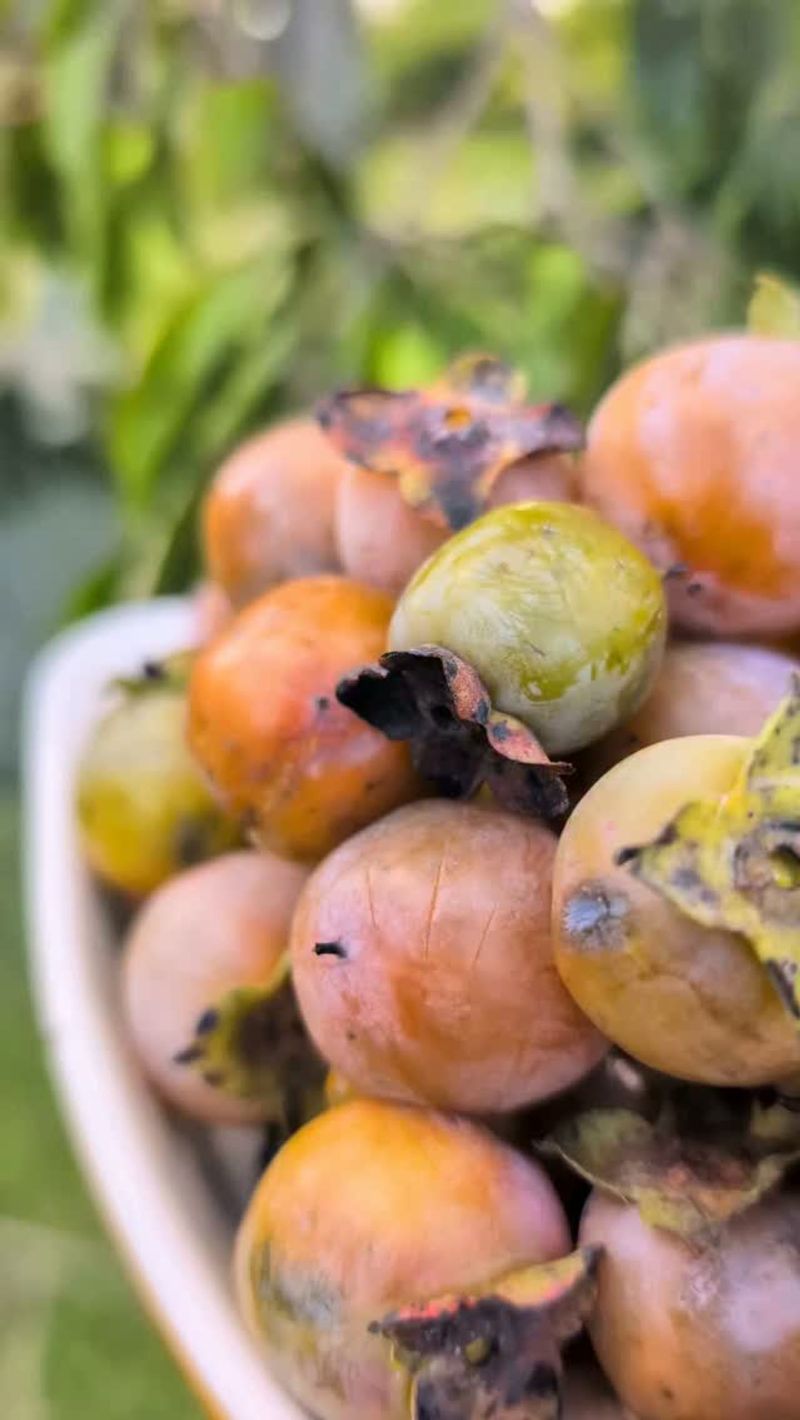
Those fallen persimmons are the ones you want. A ripe wild persimmon looks a little ugly, with soft, wrinkled skin and a pinkish-orange color.
Many Ohioans say the best fruit drops on its own or slips off the branch with a gentle tug.
Why wait so long? Unripe persimmons are full of tannins, the same stuff that makes strong tea taste dry.
One bite of a hard, early fruit can make your mouth feel fuzzy and tight for several minutes.
Once the fruit softens, the flavor turns rich and sweet. People compare it to a mix of banana and mango, with hints of dates or dried figs.
Some even call it nature’s candy.
To eat one, simply wipe it off, pull it open, and slurp the sticky pulp. Watch out for the large, flat seeds inside, since there are usually several.
A quick tip: bring a small bucket or basket when you go looking. Ripe persimmons squish easily, so a pocket full of them can turn into a gooey mess fast.
Gather extras if you find a generous tree, because the next few ideas will put them to good use.
2. Bake A Traditional Persimmon Pudding
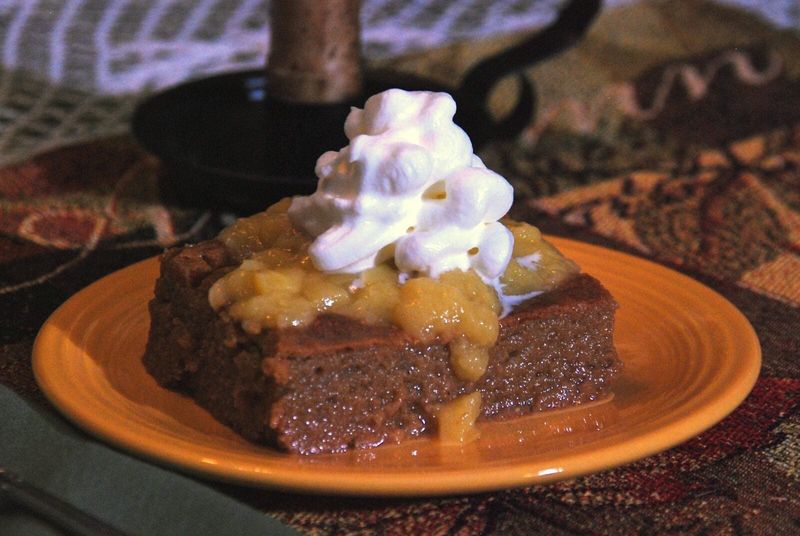
Ask an older Ohioan about persimmons, and there is a good chance they will start talking about Grandma’s pudding. The dessert holds a special spot at many fall gatherings and holiday tables.
Persimmon pudding is not the creamy kind you buy in a cup. It is more like a dense, moist cake with a deep brown color.
Families often serve it warm with whipped cream or a scoop of vanilla ice cream.
The first step is making pulp. Rinse your soft persimmons, then press them through a food mill or a sturdy metal strainer.
The seeds and skins stay behind, and the smooth orange pulp drips into your bowl.
Most recipes mix that pulp with sugar, eggs, flour, milk, butter, and warm spices. Cinnamon and nutmeg are popular choices.
Your Ohio Garden Changes Every Week. Your Plan Should Too.
Gardening in Ohio changes quickly throughout the season. Every Friday you’ll receive a simple weekly plan showing exactly what to plant, prune, fertilize, harvest, and protect so you never miss the right timing.
The batter bakes in a pan until the top turns golden and the middle sets.
Your kitchen will smell amazing while it bakes, kind of like pumpkin pie with a fruity twist. Kids love helping mash the fruit, even if it gets a bit sticky.
Leftover pulp works in other treats too. Try stirring it into cookies, quick breads, muffins, or pancakes.
Each one carries that same cozy, honey-like flavor that makes this fruit so loved across the Buckeye State.
3. Freeze The Pulp In 1-Cup Portions
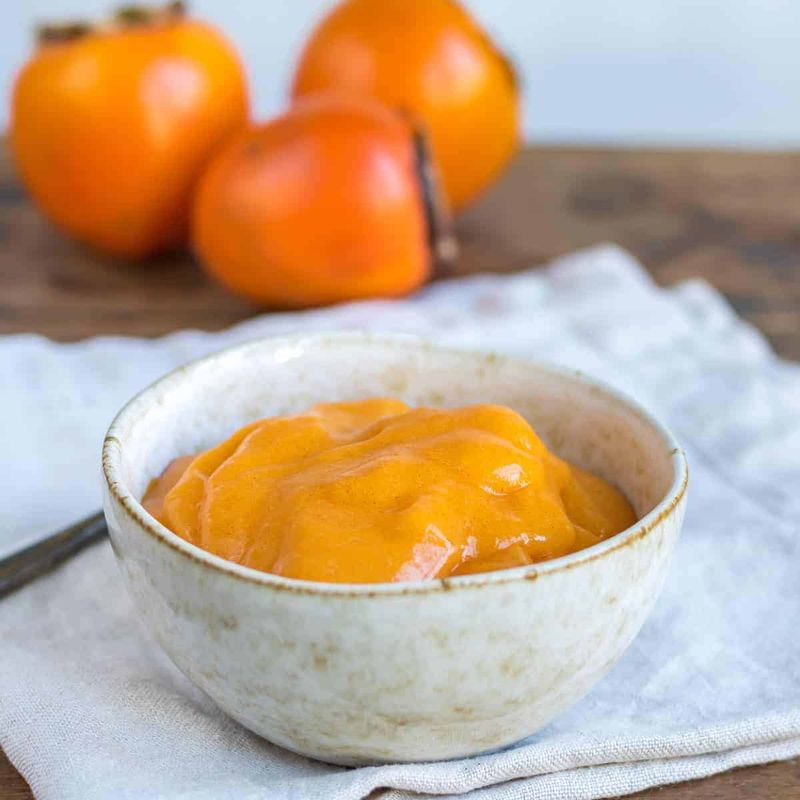
Here’s a smart habit that saves a lot of stress later. Measure your persimmon pulp before it goes into the freezer, not after.
Many recipes call for one or two cups of pulp. Freezing it in 1-cup portions means you can grab exactly what you need.
No chipping at a frozen block with a butter knife!
You have lots of container choices. Small freezer bags work well because they lie flat and stack neatly.
Silicone trays with measurement marks are handy, and ice cube trays are great for smaller amounts.
Want to keep that pretty peachy color? Stir about a teaspoon of lemon juice into each cup before freezing.
The juice helps stop the pulp from turning brown over time.
Leave a little space at the top of each container, since the pulp expands as it freezes. Then label everything with the date and amount.
Trust us, frozen orange mush all looks the same after a few weeks.
Stored properly, persimmon pulp keeps good quality for about six months to a year. That means you can bake a fall favorite in the middle of spring.
When you are ready, thaw a portion overnight in the refrigerator. Stir it well, and it is ready for pudding, bread, or even a smoothie.
4. Dry The Pulp Into Fruit Leather
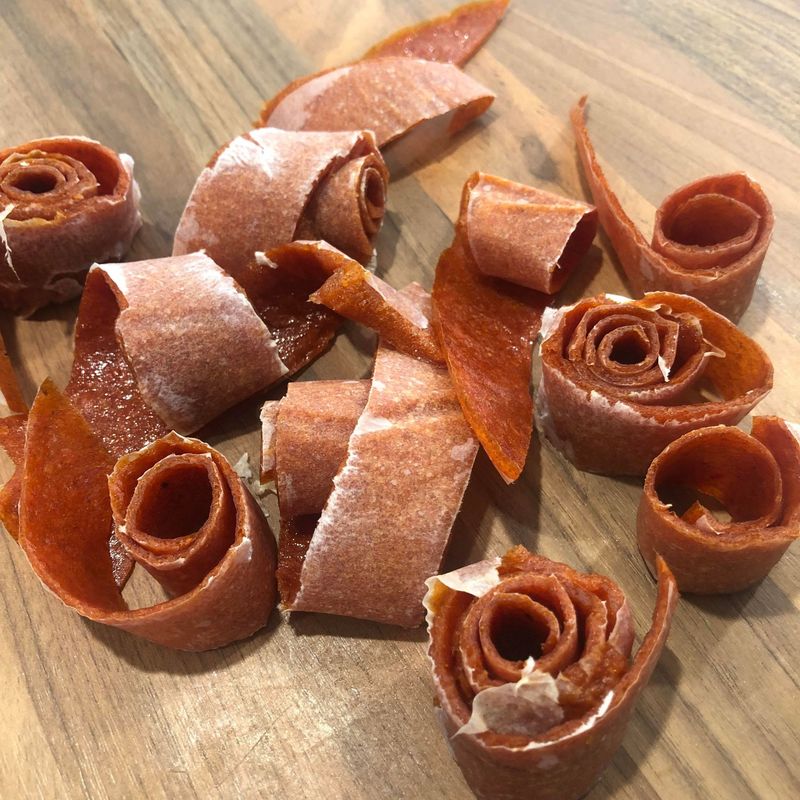
Got more persimmons than you know what to do with? Turning them into fruit leather is a chewy, snack-sized answer that fits right in a lunchbox.
Start by washing and peeling the fruit, then blend it into a smooth puree. To help the color stay bright, add about 2 teaspoons of lemon juice for every 2 cups of puree.
Some people also stir in cinnamon, ginger, or a little orange zest for extra flavor.
Next, spread the puree thin, about 1/8 inch thick. Use dehydrator trays lined with parchment or non-stick baking paper.
An even layer dries better, so take your time smoothing it out.
A dehydrator usually finishes the job in 5 to 7 hours. No dehydrator?
Set your oven to around 150 degrees Fahrenheit. The oven method can take much longer, sometimes up to 18 hours.
You will know it is ready when the surface feels dry to the touch. It might stay a tiny bit tacky, thanks to the fruit’s natural sugars, and that is fine.
Let it cool, then cut it into strips and roll them up in parchment. Store the rolls in an airtight container in the fridge for up to three weeks.
For longer storage, pop them in the freezer for several months.
5. Cut A Seed Open For The Old Winter Forecast
Long before weather apps, Ohio farmers had a different tool for guessing winter. It fit in the palm of a hand and came from inside a persimmon.
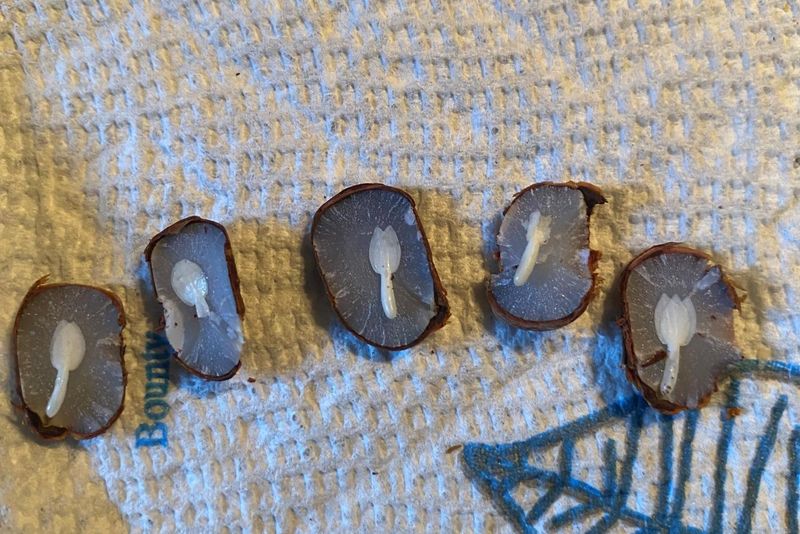
The folklore goes like this. Carefully split a persimmon seed in half the long way, and look at the small white shape inside.
That shape is the seed’s tiny sprout, and it is supposed to hint at the season ahead.
A spoon means lots of heavy, wet snow to shovel. A fork points to a milder winter with light, powdery flakes.
A knife warns of icy, biting winds that cut like a blade.
Fair warning: persimmon seeds are hard and slippery. Ask an adult to help, and try soaking the seeds in water for a day to soften them.
Set the seed on a cutting board and slice slowly along the edge.
For the most fitting forecast, folks say to use seeds from ripe persimmons grown near your home. Cracking several seeds and counting the shapes makes the game even more fun.
Is it real science? Not really, but that is not the point.
Families gather around the table, compare spoons and knives, and laugh about whose prediction will win. Come spring, everyone checks back to see how the old seeds did.
6. Leave Some For Deer, Opossums And Wild Turkeys

Hunters in southeastern Ohio share a secret. If you want to spot deer in the fall, find a persimmon tree and wait quietly nearby.
Wild persimmons are like a free buffet for local animals. White-tailed deer munch the fallen fruit at dusk.
Opossums climb right up into the branches, and wild turkeys peck at whatever hits the ground.
The guest list keeps growing from there. Raccoons, foxes, squirrels, coyotes, and bobwhite quail all enjoy a sweet persimmon snack.
For many of these creatures, the fruit arrives at just the right time, when other food is getting harder to find.
Fun fact: the persimmon’s scientific name, Diospyros, roughly means fruit of the gods. The animals seem to agree with that title!
So when you go gathering, try not to clear the ground bare. Leave a good share of fruit under each tree.
Your kindness helps wildlife build up energy before the cold months settle in.
This is also a wonderful chance for nature watching. Set up a trail camera near a fruiting tree, or sit still with binoculars around sunset.
You might catch a curious opossum with orange pulp on its whiskers. Sharing the harvest keeps the woods lively and gives you great stories to tell.
7. Sprout The Seeds To Grow Your Own Tree
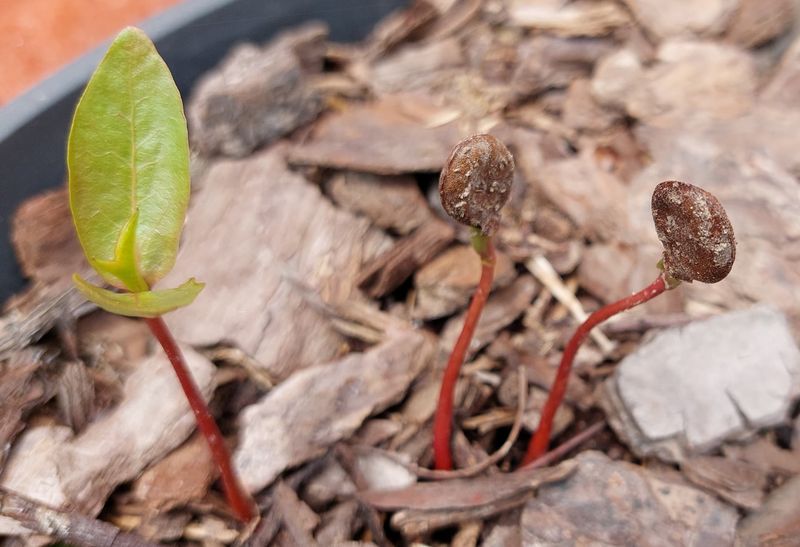
Every big persimmon tree started as one flat brown seed. With a little patience, you can grow one too, right in your own yard.
First, pick seeds from fully ripe fruit and rinse off all the sticky pulp. Keep them damp, because seeds that dry out may not sprout.
This part surprises a lot of beginners.
American persimmon seeds need a cold rest before they wake up. Gardeners call this cold stratification.
Wrap the seeds in a moist paper towel or damp sphagnum moss, slip them into a plastic bag, and store them in the refrigerator for 60 to 90 days.
After that chilly nap, plant the seeds in pots filled with soil and compost. Cover them with a thin layer of soil and a bit of mulch.
Deep nursery pots work best, since persimmons grow a long taproot that dives straight down.
Hungry mice and squirrels love seeds, so cover your pots with wire mesh if critters visit. Then comes the waiting game.
Sprouts usually pop up in late spring or early summer.
Growing a tree takes years before it bears fruit, but that is part of the magic. Someday, you might be the one sharing persimmon pudding with your own grandkids.