The Loud Blue Bird In Florida Yards Is Doing More Good Than Most People Think
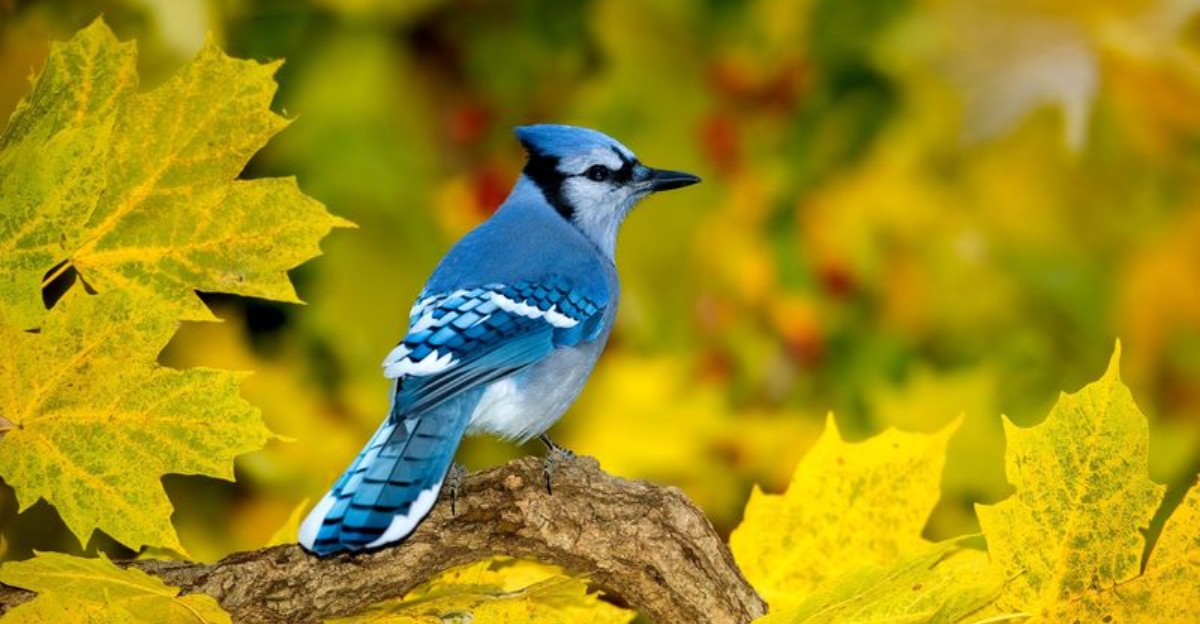
That loud, flashy blue bird tearing across your Florida yard can be hard to ignore. It raids feeders, hollers from the treetops, and sometimes acts like it owns the whole neighborhood.
But blue jays have a side that doesn’t get nearly as much attention as their noisy reputation.
These clever birds do more than make a racket. Their habits can help support the trees and wildlife around your home, and some of their everyday routines have a bigger effect on the landscape than you might expect.
The funny part? A bird that seems more interested in causing a commotion may actually be helping your yard in ways that go unnoticed.
From its food-hunting habits to its relationship with native plants, there’s more to a blue jay than that bright blue flash across the lawn.
Next time one shows up, you might see your noisy visitor in a whole new light.
1. That Loud Blue Bird Is Almost Always A Blue Jay
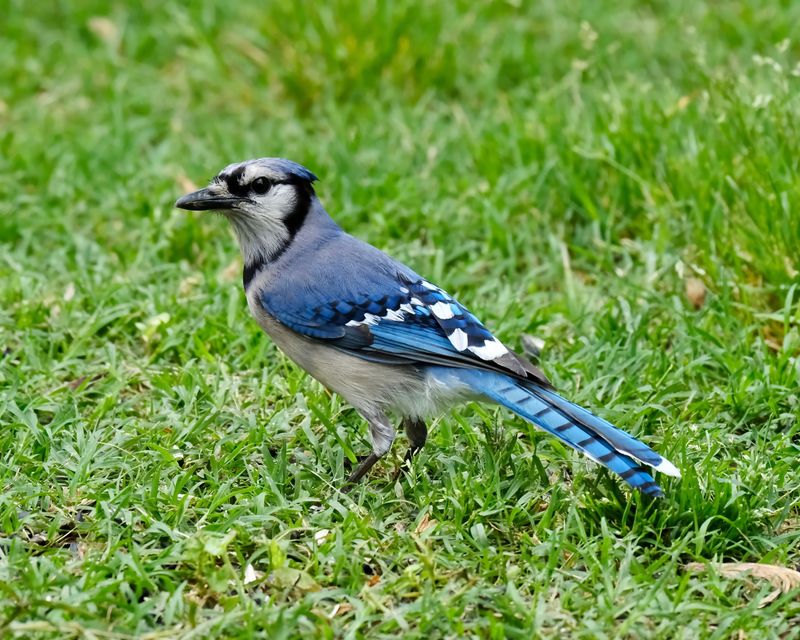
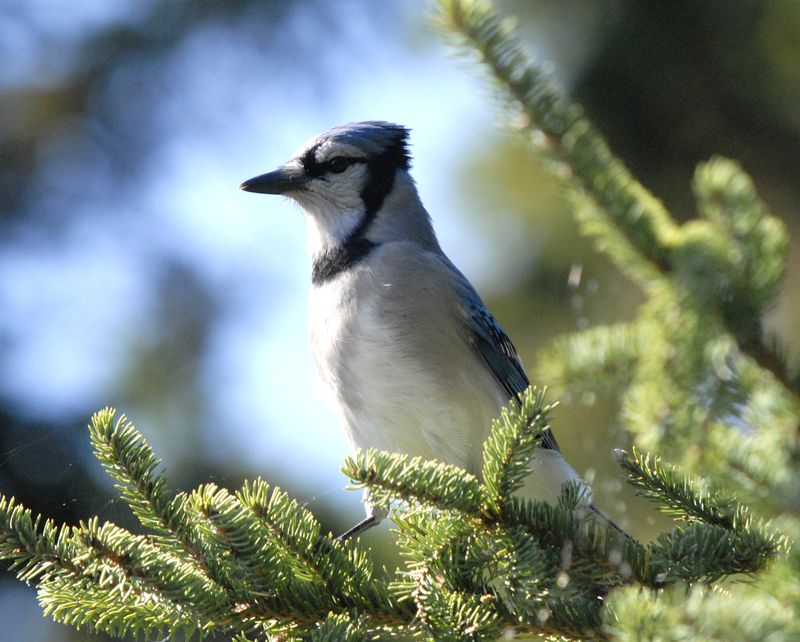
Picture a bird wearing a pointy crest, a black necklace, and a coat of electric blue. If it is yelling at your cat from the fence, you have probably met a Blue Jay.
Florida does have a few other blue birds, like Eastern Bluebirds and the rare Florida Scrub-Jay. Still, those are quieter or live in very special habitats, so the loud yard visitor is usually our crested friend.
Here is a quick way to check. Look for that tall crest on the head and bold white patches on the wings and tail.
Listen too, because the voice gives it away. Blue Jays make a sharp jay-jay sound, soft clicks, and even squeaky gate noises.
Fun fact for your next family dinner. Blue Jay feathers are not truly blue at all, since they have no blue color inside them.
The feather shape bends light so our eyes see blue. If you found a feather and crushed it, the blue would fade to a dull brown.
So the next time a loud blue blur crosses your yard, grab binoculars and take a closer look. Learning its name is the first step to noticing all the good work it does around your home.
2. Blue Jays Stay In Florida Year-Round
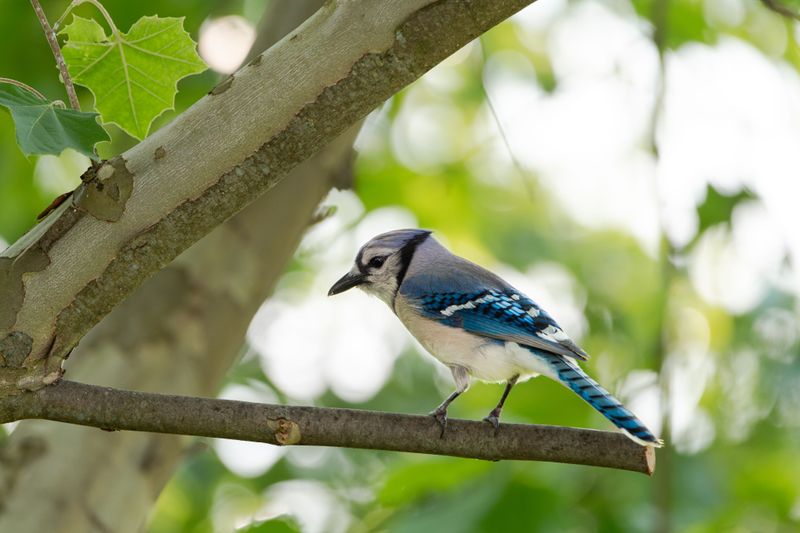
Snowbirds come and go, but this bird skips the moving trucks. Blue Jays live in Florida through every season, from sticky July afternoons to cool January mornings.
Some Blue Jays up north do travel south in fall. Scientists still find their migration a bit of a puzzle, since one jay may move one year and stay put the next.
Many Blue Jays remain in Florida year-round, where they can be spotted in neighborhoods and wooded areas through every season. But migration varies: some individuals move seasonally, while others stay in the same general area.
For you, that means a feathered neighbor you can get to know. You may spot the same pair visiting your oak tree month after month.
Blue Jay couples often stay together for many years. They build nests of twigs and roots in spring and raise noisy chicks right in your neighborhood.
Your Florida Garden Changes Every Week. Your Plan Should Too.
Gardening in Florida changes quickly throughout the season. Every Friday you’ll receive a simple weekly plan showing exactly what to plant, prune, fertilize, harvest, and protect so you never miss the right timing.
Want to enjoy them all year? Keep a shallow birdbath filled and clean, especially during dry spells.
A simple tray feeder with peanuts or sunflower seeds can help too. Over time, you will notice their daily habits, like when they show up and which branch they like best.
It is a bit like having a pen pal who lives next door. The more you watch, the more personality you will see.
3. One Jay Can Bury Thousands Of Acorns In A Single Fall
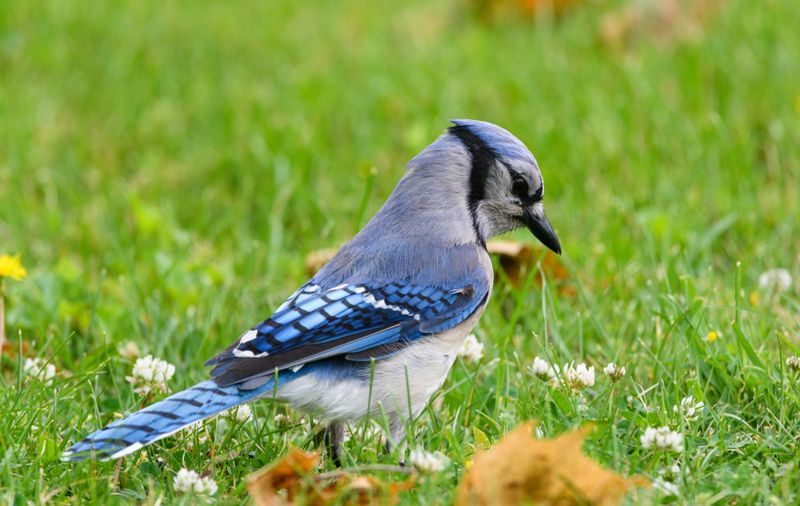
Thousands of acorns. In one study, six Blue Jays each cached roughly 3,000 to 5,000 acorns in a single autumn.
That doesn’t mean every jay stores that many, but it shows just how much food these birds can move and hide.
Imagine burying that many snacks yourself. You would need a very good memory and a lot of energy!
Jays have a clever trick for carrying the load. They use a stretchy pouch in their throat, called a gular pouch, to hold several acorns at once.
A jay can stuff up to five acorns into that pouch and beak. Then it flies off, finds a soft spot in the dirt or leaves, and pushes each one into the ground.
Watch closely on a fall morning in your yard. You might see a jay hop, poke, and then cover its prize with a leaf like a tiny gardener.
This saving habit helps jays get through times when food is harder to find. It works a lot like a squirrel’s pantry, only spread out over many hiding spots.
Kids can make a fun game out of it. Count how many trips one jay makes from your oak tree in ten minutes, and you will be amazed at how busy it stays.
4. Forgotten Acorns Can Grow Into New Oaks
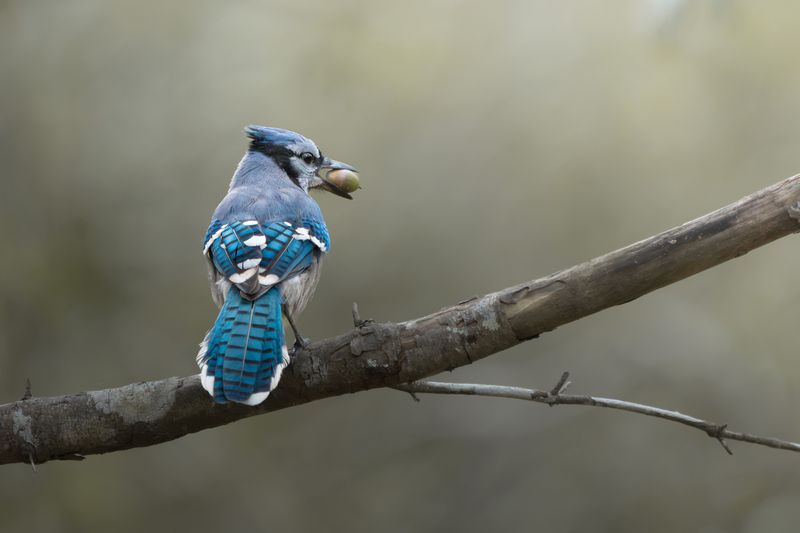
Nobody remembers where they put every single thing, and Blue Jays are no different. Lucky for us, their forgetfulness is a gift to the land.
Out of all those buried acorns, many are left in the ground. Some get skipped because the jay found enough food elsewhere, while others simply slip its mind.
An acorn buried in soil may have a chance to sprout if conditions are right. Burial can help protect it from drying out, but it is not safe from hungry wildlife.
Many acorns are eaten or fail to germinate; the ones that remain undisturbed may eventually grow into new oak trees.
Before long, a little green shoot pops up. Given years of sun and rain, that sprout can become a tall, shady oak.
Think about the oak trees in your neighborhood or local park. Some of them may have started as a jay’s lost snack decades ago.
That is why scientists sometimes call Blue Jays nature’s tree planters. They plant oaks for free, without shovels or watering cans.
Here is a helpful tip for your own yard. If you spot a small oak seedling in a flower bed, consider moving it to a roomier spot instead of pulling it.
You will be finishing a job your feathered neighbor started. That feels pretty good.
5. Jays Pick The Healthiest Acorns To Store
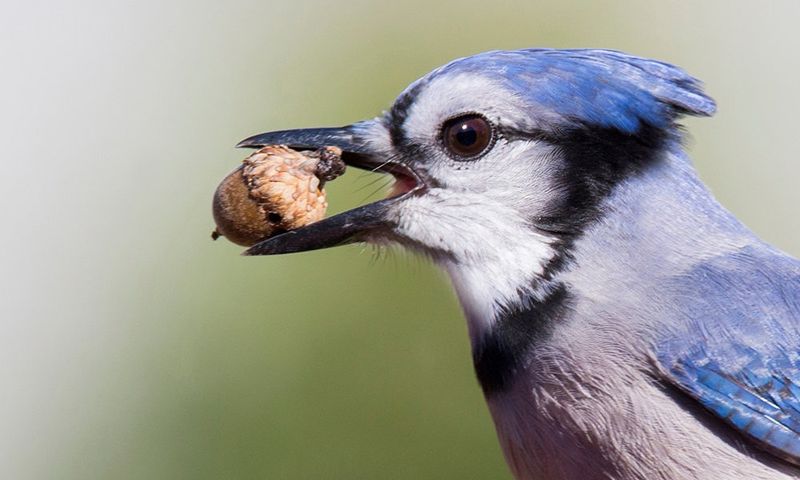
Shoppers squeeze avocados, and Blue Jays check acorns. These birds are surprisingly picky about which nuts make the cut.
Jays tend to choose sound, healthy acorns. They often skip ones that have tiny weevil larvae munching away inside.
How can they tell? Researchers think jays judge by weight, sound, and look, since an acorn with a bug inside is lighter and may have a small hole.
A jay might pick up an acorn, shake it, and set it down again. That little test helps it avoid wasting effort on a bad seed.
This choosy behavior matters for the forest too. When a jay buries a healthy acorn and forgets it, that seed has a much better shot at sprouting.
In other words, jays are not planting random seeds. They are planting some of the strongest ones around.
You can try a fun experiment with kids at home. Gather a few acorns and place them in a bowl of water to see which ones float or sink.
Floating can be a clue that an acorn is hollow or damaged, but the test is not foolproof. Cut open a few discarded acorns with adult supervision to check for insect damage, and remember that a water test cannot guarantee which seeds will sprout.
6. They Helped Oaks Spread After The Last Ice Age
Long ago, thick sheets of ice covered much of North America. When the ice melted about ten thousand years ago, open land waited for new forests.
Oak trees had a problem, though. Heavy acorns just drop and roll, so they cannot travel far on their own.
Enter the Blue Jay. Scientists believe jays carried acorns north much faster than trees could spread by themselves.
A jay may fly an acorn up to a mile or more before burying it. Over thousands of years, those trips added up to huge new oak forests.
It is a little like a relay race across a continent. Each generation of jays carried the oaks a bit farther, one acorn at a time.
Some researchers point out that oaks spread north quicker than expected after the ice age. Birds like jays are a big reason that puzzle makes sense.
So when you sit under a Florida live oak, you are part of an ancient partnership. Trees fed the birds, and the birds moved the trees.
Not bad for a bird some people call a pest. Your noisy backyard visitor comes from a long line of world-class forest builders.
7. Grasshoppers And Other Insects Are A Big Part Of Their Diet
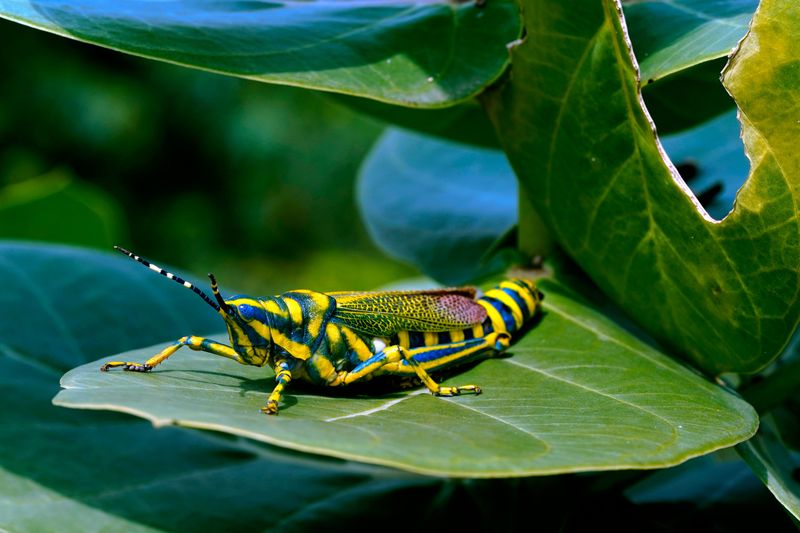
Garden munchers, beware. When a Blue Jay spots a fat grasshopper on your tomato plant, that bug is about to become lunch.
Acorns get most of the fame, but Blue Jays eat plenty of other foods too. Their varied diet includes insects, nuts, seeds, and occasionally other small animals.
The mix changes with the season and the food available.
Grasshoppers, caterpillars, and beetles are favorite targets. Many of these bugs chew on leaves, flowers, and veggies in Florida gardens.
Spring is when jays hunt bugs the hardest. Growing chicks need protein, and parents bring them beakfuls of crawly treats all day.
That means a nesting pair near your yard acts like a free pest crew. They patrol your plants while you are busy with other chores.
Want to give them a hand? Try to cut back on bug sprays, since those can remove the very insects jays need to feed their babies.
Planting native shrubs and flowers also helps. These plants attract a healthy mix of insects, which keeps birds coming back for more.
Next time you see a jay hopping through the grass, watch its head. It may be eyeing a cricket or beetle, doing your gardening work with a cheerful squawk.
8. Their Hawk Calls May Warn Other Birds Of Danger
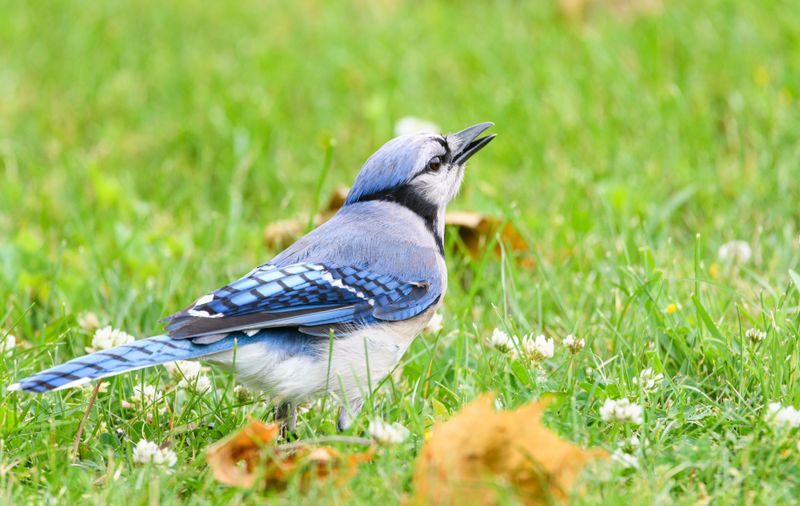
Kee-ahh! You look up expecting a hawk, but out pops a Blue Jay.
Yes, that blue rascal just fooled you.
Blue Jays are skilled copycats. They can mimic Red-shouldered Hawks and Red-tailed Hawks with impressive accuracy.
Why do they do it? Scientists have several ideas.
Hawk-like calls may signal that a predator is nearby, but Blue Jays may also use them to make other birds leave a feeder so they can get to the food. The purpose likely depends on the situation, and researchers have not settled on one explanation for every call.
When a jay spots a real hawk or an owl, it often raises a loud fuss. Cardinals, titmice, and other small birds hear the noise and dash for cover.
Jays also gang up on predators in a behavior called mobbing. A group of them may chase and scold an owl until it flies off to find quieter trees.
Another idea is a bit sneaky. A hawk call might scare other birds away from a feeder, leaving more seeds for the jay.
Either way, those screams have a purpose. Think of jays as the neighborhood watch, keeping an eye out while everyone else eats.
Here is a challenge for your next walk. When you hear a hawk call, look closely, and see whether a sly blue mimic is behind it.
9. Plant Native Oaks To Keep Them Coming Back
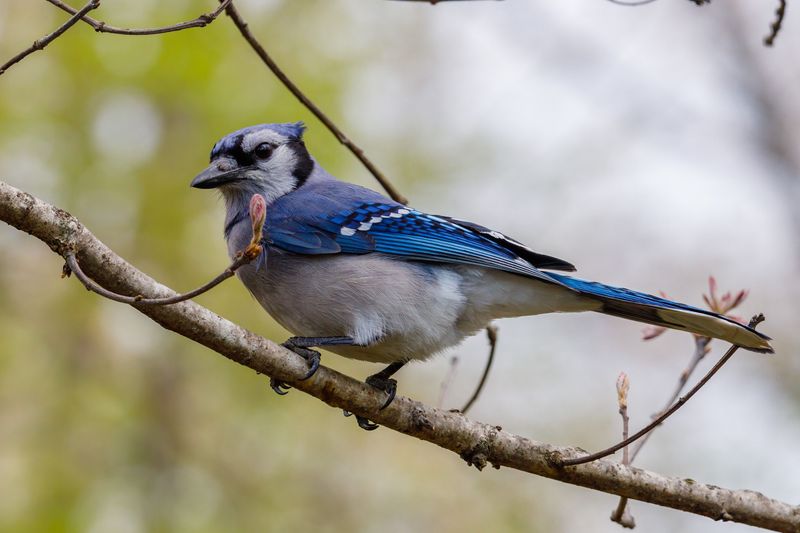
Want a front-row seat to all this action? The best invitation you can send a Blue Jay is a native oak tree.
Florida has many great choices. Live oak, laurel oak, and turkey oak all grow well here, and some smaller kinds like myrtle oak fit tighter spaces.
Oaks feed jays with acorns in fall. They also host hundreds of kinds of caterpillars, which means a steady bug buffet in spring.
Plant your oak in a sunny spot with room to spread. Water it often for the first year while the roots settle in.
Patience pays off here. A young oak might take several years to make acorns, but jays will visit for bugs and perches long before that.
Other native plants help too. Wild cherry, serviceberry, sumac, and beautyberry offer fruit and cover for hungry birds.
Add a birdbath and a feeder with unsalted peanuts for extra appeal. Jays love whole peanuts in the shell and will happily carry them away to hide.
Before long, you might have your own blue tree planters at work. Your yard becomes a small but mighty piece of Florida’s forest story.