The Paper Bag That Becomes A Spring Garden In New Jersey
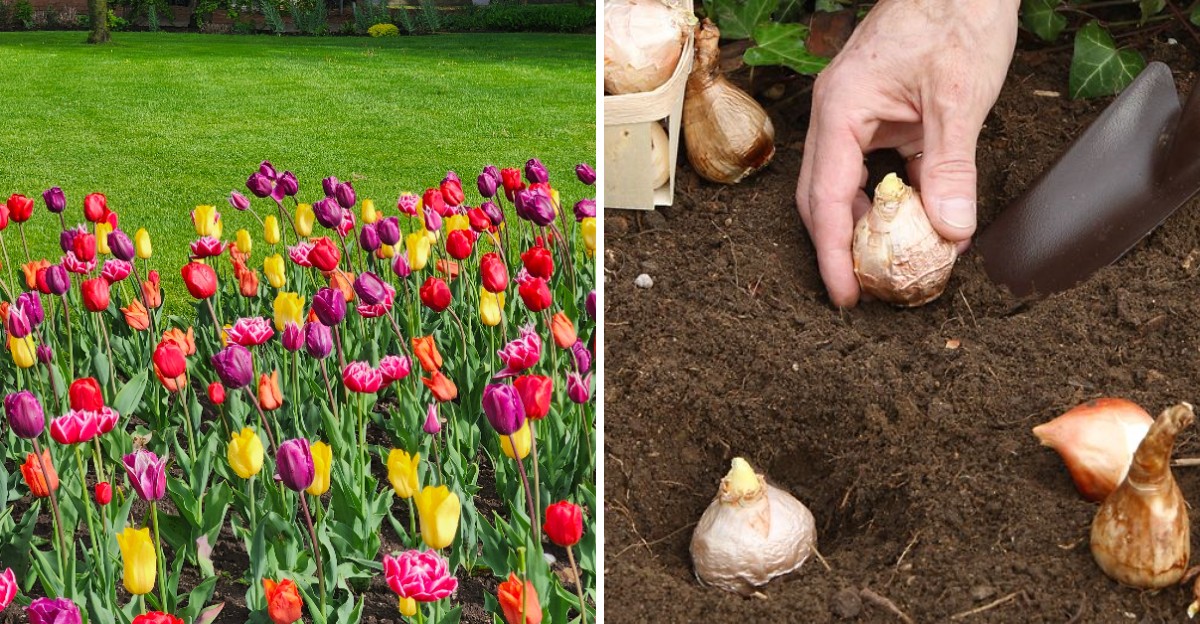
You are holding spring in a paper bag, and the window is open. Soil across New Jersey stays workable until the ground freezes, often by December.
Daffodils, tulips, and alliums need cool fall soil to build roots. Plant them pointy end up, set deeper than seems sensible.
Squirrels will sample tulips faster than you can finish the row. Bitter daffodils turn them away, but keep pets clear.
Bulbs stored in heat and damp fade fast. Mix compost into the bed if your clay drains poorly.
Soggy bulbs turn soft and skip the show. Test your soil first, since bone meal helps only where phosphorus runs low.
Dig this week in New Jersey and you will see color from late February on. Your first blooms will push through late frost, long before the tulips. Begin with crocus, which often open first.
Spring Bulbs Tucked In Before The Frost
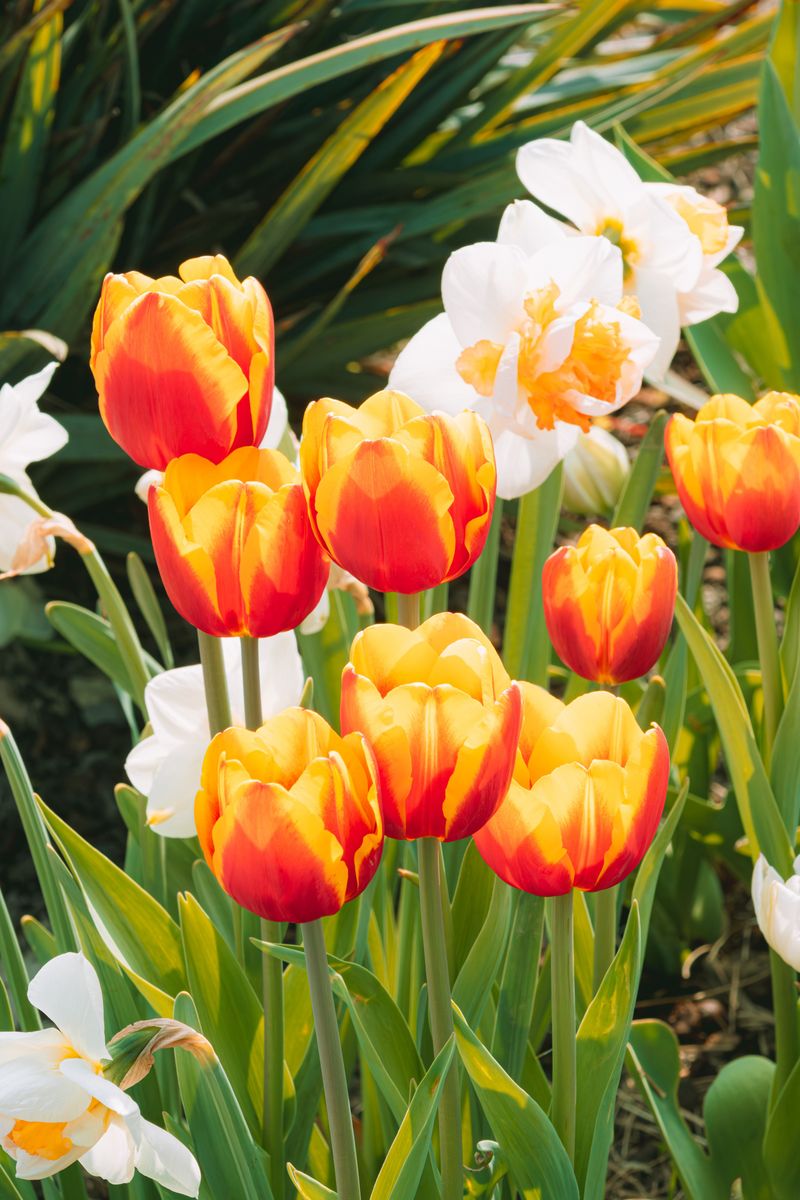
Picture a tulip bulb as a packed lunch for a sleeping flower. Everything it needs for spring is already stored inside that papery brown shell.
New Jersey gardeners plant tulips, daffodils, crocus, hyacinths, and alliums in fall. Snowdrops and grape hyacinths join the lineup in many yards too.
True bulbs are short stems wrapped in fleshy layers, while crocus grow from solid corms. Those layers hold sugar and starch, like a tiny pantry underground.
Once planted, the bulb grows roots during the cool weeks of autumn. Then it keeps developing slowly while snow and ice cover the yard.
Gardeners call this a dormant period, which means growth above ground pauses. Its leaves and flowers wait patiently inside, ready to stretch out later.
Spring sunshine warms the soil and wakes everything up. Green shoots push through the ground, sometimes while patches of snow still linger.
Daffodils are a favorite in deer country, which covers much of the state. Deer and voles dislike their bitter taste and leave them alone.
Deer readily eat tulips, so many people plant them near the house. A fence or repellent spray can help guard them in open yards.
Crocus show up first, often in late February or early March. Alliums arrive last, with round purple heads in late May.
Planting a mix gives you color for nearly three months. That is a lot of reward for one cool afternoon of digging.
The Cold Spell Bulbs Secretly Need
Spring bulbs have an unusual requirement. They need a long, chilly winter before they agree to bloom.
Scientists call this need vernalization, or a chilling period. Most tulips want twelve to sixteen weeks of soil below about 45 degrees.
New Jersey winters supply that cold quite nicely. North Jersey hills get plenty, and even the shore usually gets enough.
During the cold, chemical changes happen inside each bulb. The flower stem gets the signal that spring is on the way.
Skip the chill, and the results may be disappointing. You may get short stems, floppy leaves, or no flowers at all.
Folks in warm places like Florida must fake winter. They chill bulbs in a refrigerator for weeks before planting them.
Your New Jersey Garden Changes Every Week. Your Plan Should Too.
Gardening in New Jersey changes quickly throughout the season. Every Friday you’ll receive a simple weekly plan showing exactly what to plant, prune, fertilize, harvest, and protect so you never miss the right timing.
Jersey gardeners can skip that step, which is a nice perk. Our weather does the work for free each year.
Keep bulbs away from apples if you store them indoors. Ripening fruit gives off ethylene gas, which can harm the flower inside.
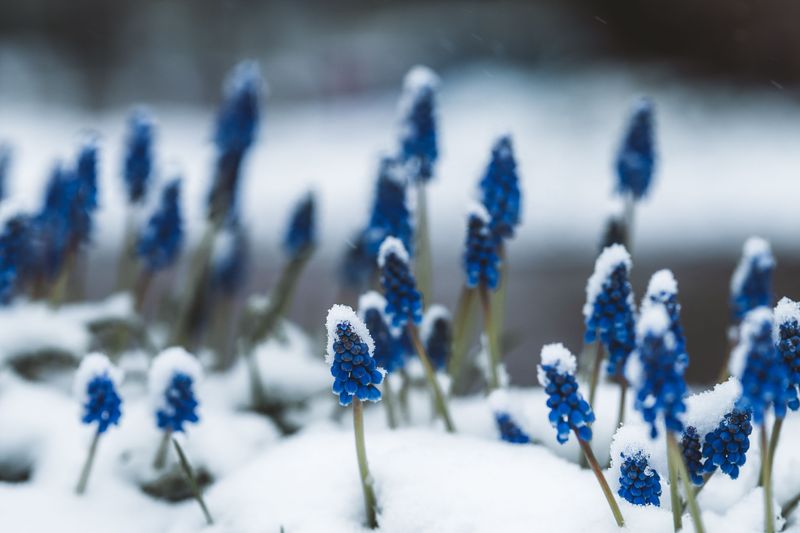
Snow is helpful here. A white blanket keeps soil temperatures steady and protects roots from harsh swings.
Bare, windy ground can freeze and thaw over and over. That shifting can push bulbs upward, so mulch helps in open spots.
So next time a January storm rolls in, smile a little. Your sleeping bulbs are getting exactly the cold nap they ordered.
October And November As The Sweet Spot
Ask a longtime Jersey gardener about timing, and you will hear similar advice. Plant after the soil cools but before the ground freezes.
For most of the state, that window runs from mid-October through November. South Jersey can stretch into early December in mild years.
A handy guide is soil temperature around 55 degrees or lower. A cheap soil thermometer from a garden center takes the guesswork away.
Planting too early in warm September soil causes trouble. Bulbs may sprout leaves that frost can damage.
Warm, damp soil also invites rot and fungus. Cool soil keeps bulbs firm and healthy while roots grow.
Bulbs need about four to six weeks to grow roots before a hard freeze. That root system is how they drink when spring arrives.
Soil temperature is a more reliable clue than the trees around you. Fall color is only a loose hint that bulb season is near.
Garden stores stock bulbs in September, so shop early for the best picks. Store them in a cool, dry, airy spot until planting day.
Paper bags or mesh sacks work far better than plastic. Plastic traps moisture and can turn bulbs moldy.
Found a forgotten bag in December? Plant it anyway if you can still dig the soil. Late bulbs may bloom a bit later or smaller. Even so, they beat a bag of shriveled leftovers in the garage.
Shallow Holes And Upside Down Bulbs
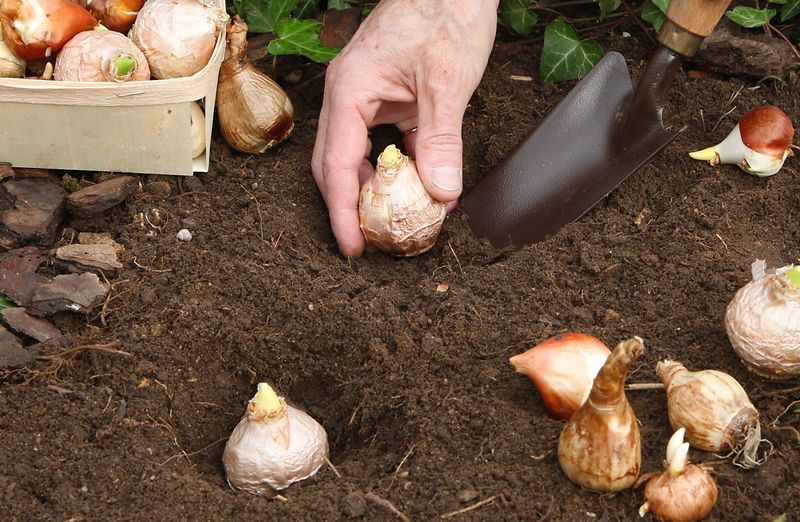
Tulips planted pointy end down often still come up. They bloom late and look weak. Orientation matters, so look for the pointed tip. That end faces the sky, and the flat, hairy root side faces down.
Some bulbs, like anemones, are hard to read. If you cannot tell, plant them sideways, and the shoot will find its way.
Depth is a common slip-up. A good rule is planting two to three times as deep as the bulb is tall.
Big tulips and daffodils go about six to eight inches down. Small crocus and grape hyacinths need only three or four inches.
Shallow bulbs struggle with freezing, heaving, and hungry squirrels. Deeper bulbs stay snug and often return for more years. Another mistake is planting in soggy spots. Bulbs sitting in wet clay can rot by March.
Much of central Jersey has heavy clay soil. Work compost into the wider bed, not just the hole, so water drains and the ground loosens.
Spacing also counts more than people think. Lined-up single bulbs look stiff and uniform. Clusters of seven to fifteen bulbs look natural and bold. Dig a wide hole and drop a whole group inside.
Finally, water bulbs right after planting. That drink settles the soil and kicks root growth into gear.
Squirrel Shields And Smart Soil Care
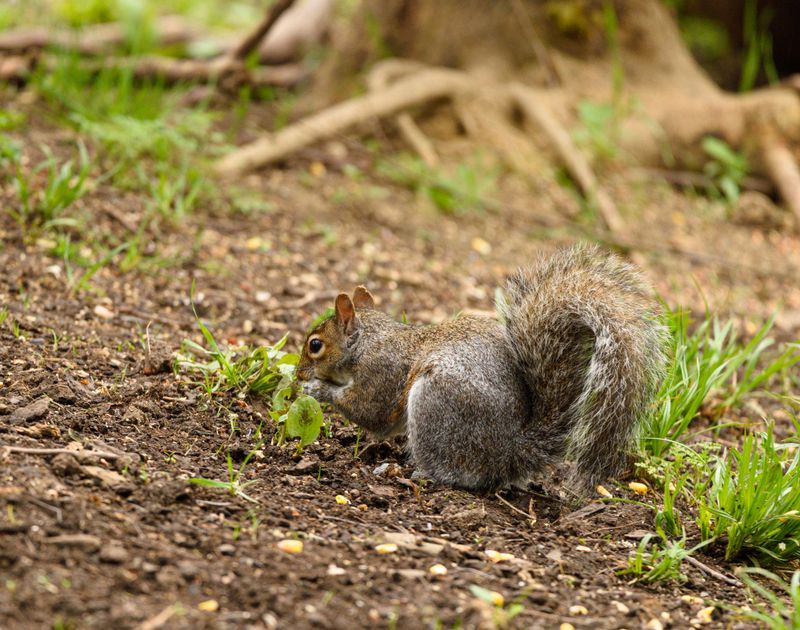
Squirrels in New Jersey often dig up newly planted bulbs. Freshly disturbed soil draws them in.
A simple fix is chicken wire laid over the bed. Cover it with mulch, and shoots will grow right through the holes come spring.
Some gardeners build cages of fine hardware cloth, about half-inch mesh, around bulb clusters. That guards against voles tunneling from below too.
Crushed oyster shells or sharp gravel in the hole may also help. Voles dislike scraping their noses on rough edges.
Smell may play a role as well. Hot pepper flakes sprinkled on top may deter some diggers, though rain washes them off.
Clean up papery bulb skins and loose soil after planting. A tidy bed draws less attention from diggers.
Healthy soil is the other half of protection. If a soil test shows low phosphorus, a spoonful of bulb fertilizer in each hole gives roots a steady meal.
Skip heavy nitrogen fertilizer in fall. It pushes leafy growth at the wrong time. After the first hard frost, spread two to three inches of shredded leaves. That mulch keeps soil temperatures even through winter.
Early mulch can welcome mice looking for a cozy home. Early mulch can welcome mice looking for a cozy home.
Choose a sunny spot with at least six hours of light. Bulbs store energy best when spring sun reaches their leaves.
A Spring Yard Bursting With Color
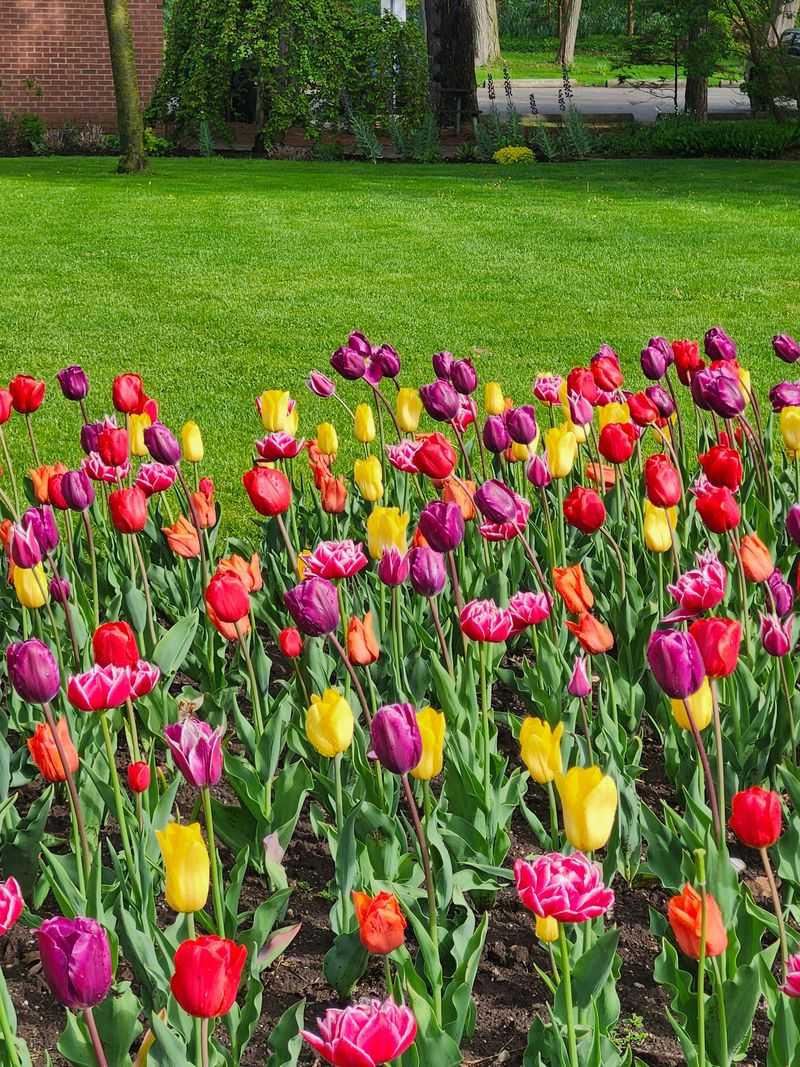
Imagine stepping outside in April with your morning cereal. The yard you forgot about has filled with reds, yellows, and purples.
Fall bulb planting can deliver that surprise each spring. It feels like getting a gift you mailed to yourself months ago.
Bees love those early blooms too. Crocus and grape hyacinths feed hungry pollinators when little else flowers.
After blooming ends, let the leaves stay put. They make food that refills the bulb for next year.
Wait until foliage yellows and flops, usually about six weeks. Cutting it early can leave bulbs weaker and less likely to flower. Snip off faded flower heads, though. That stops the plant from wasting energy on seeds.
Daffodils, crocus, and alliums often return for decades. Many even multiply, filling empty corners on their own.
Tulips are trickier in our humid summers. Many gardeners treat them like annuals and replant fresh ones each fall.
Species tulips and Darwin hybrids last longer than fancy types. They are worth trying if you want repeat shows.
Keep a little notebook or phone photos of where bulbs sit. That record helps you avoid damaging them with a shovel later.
Overcrowded clumps can be divided every few years. Dig them in early summer, separate them, and replant in fall.
Bulbs ask for one cold afternoon and some patience. They pay you back with months of cheerful color.