Most Arizona Gardeners Have No Idea What This Desert Plant Can Really Do
A headline promised a secret desert plant, but it never said which one. Two Arizona natives fit the story in very different ways: one gives wildlife food and shelter, and the other fills the air with a famous scent after rain.
Knowing what each plant actually does helps you choose wisely for a low-desert yard. Here is a clear look at both, plus what neither one can promise.
The evidence points to two plants, not one confirmed answer
The headline never names a plant, so nobody can say for sure which one it means. It also claims that most Arizona gardeners are unaware of something, and there is no survey behind that.
So instead of chasing a mystery, this article compares two real candidates.
The first is palo verde. University of Arizona Cooperative Extension describes it as a source of wildlife habitat, with nectar and seed pods that animals use.
The second is creosote bush, which the University of Arizona Campus Arboretum notes for its distinctive fragrance after rain. One plant is about habitat, the other is about scent.
If an editor later confirms which species the headline intended, the story can narrow to that plant alone.
Palo verde offers habitat and resources for wildlife
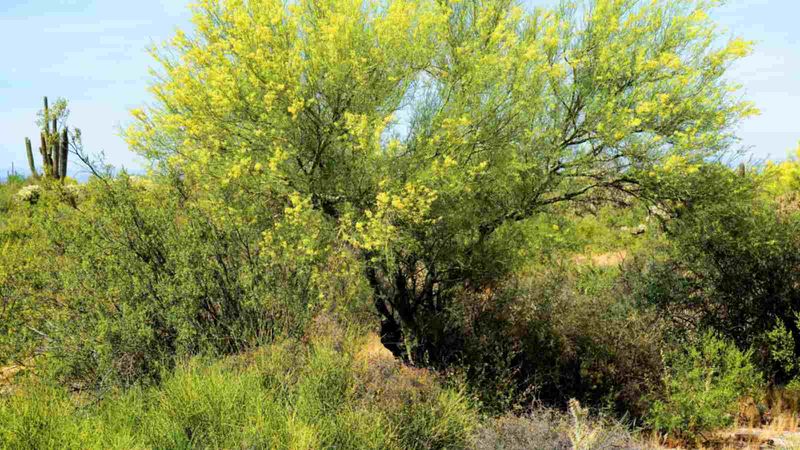
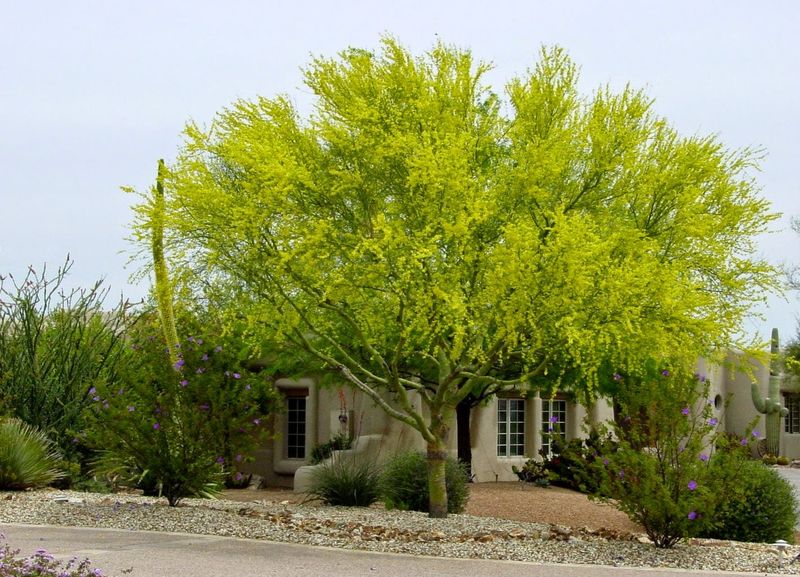
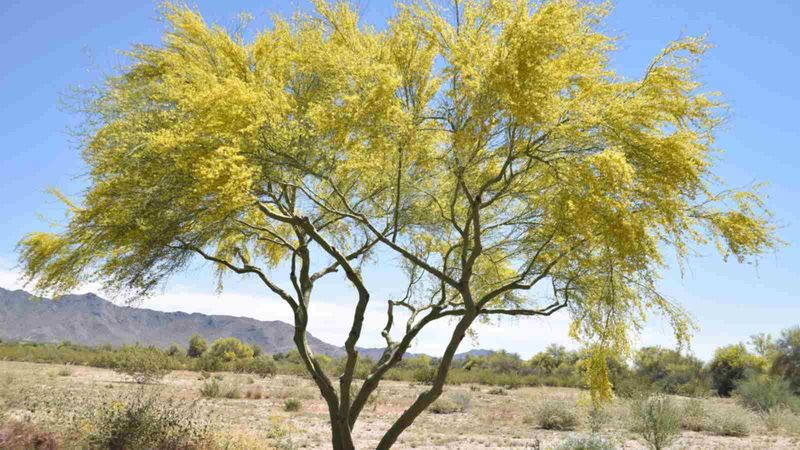
Picture a palo verde in spring, covered in yellow blooms. Those flowers produce nectar, and later the tree drops seed pods that wildlife can use.
The tree also offers habitat, meaning shelter and structure for desert animals.
Palo verde can act as a nurse plant too. Small cacti sometimes get started under its canopy, where the shade softens harsh sun.
That role is well documented, and it is a big reason the tree gets so much attention from desert gardeners.
Still, keep expectations grounded. A palo verde does not guarantee visits from any one bird, bee, or mammal, and it is not a pest-control tool.
Species differ, and some have thorns. Flowers and pods also drop litter, so pick the species and spot with care, away from pools and walkways you sweep often.
Creosote has a different documented distinction
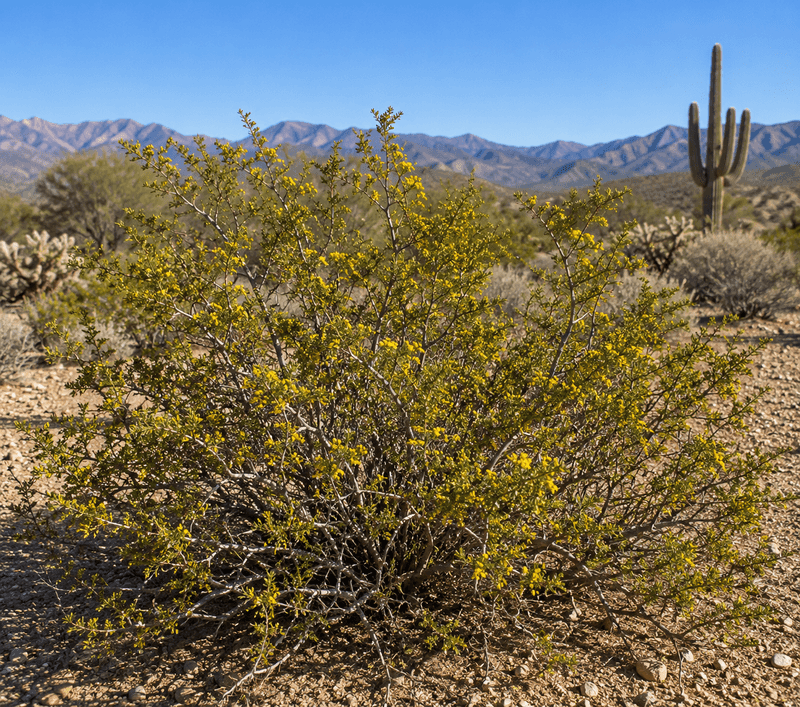
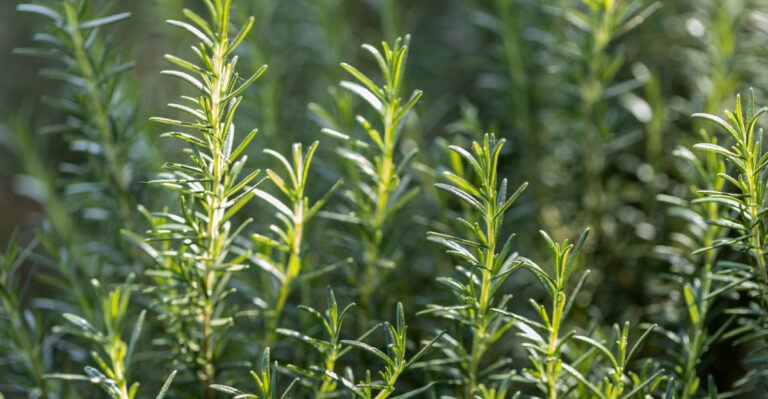
Ask anyone who has stood in the desert during a monsoon storm, and they will often mention the smell. Creosote bush is known for a distinctive fragrance after rain, a scent many people link with the desert itself.
The University of Arizona Campus Arboretum describes it this way.
That is the claim worth keeping. Creosote earns its place as a sensory plant, one that ties a yard to the Sonoran Desert in a way you can literally smell.
What the fragrance does not do is just as clear. It is not shown to treat illness, repel pests, or provide any other benefit.
Traditional uses are not proof of safety, so do not eat or brew any desert plant without species-specific guidance. Enjoy creosote for its scent and its tough, desert-ready character.
Planting time and water depend on local conditions
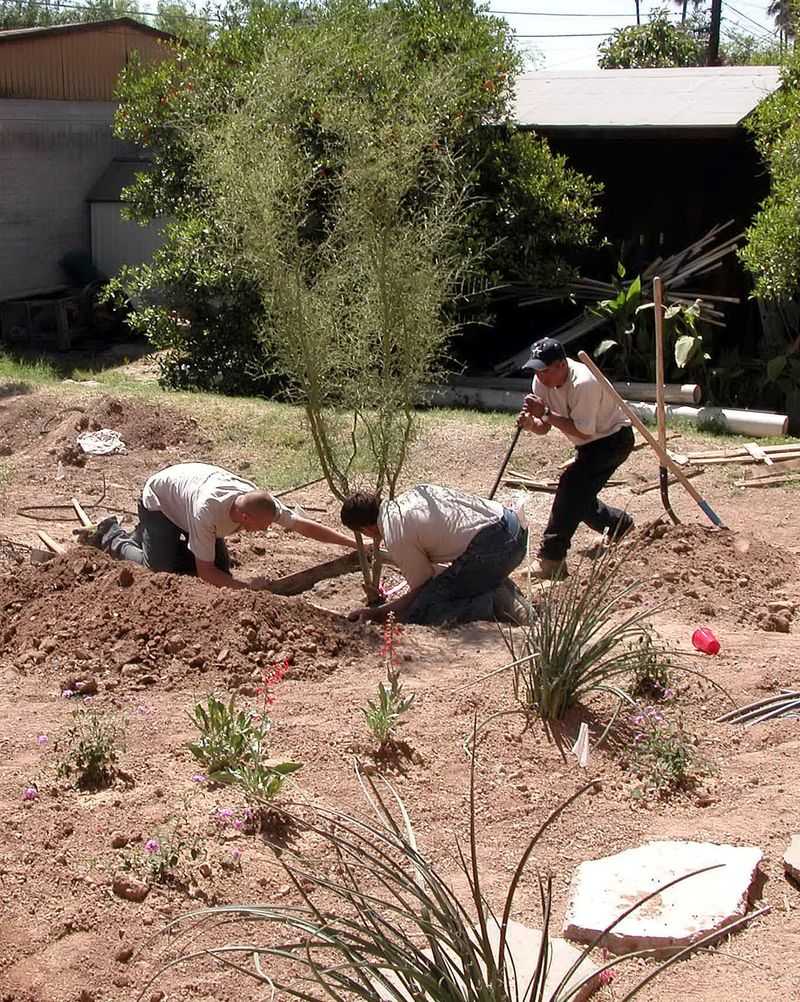
Timing matters in the low desert. October guidance for Pima County says warm soil and cooler air help many landscape trees, shrubs, and perennials get established.
Your Arizona Garden Changes Every Week. Your Plan Should Too.
Gardening in Arizona changes quickly throughout the season. Every Friday you’ll receive a simple weekly plan showing exactly what to plant, prune, fertilize, harvest, and protect so you never miss the right timing.
Exact timing still varies by plant and location, so check the needs of your specific species.
Desert-adapted does not mean never watered. New plants need establishment irrigation while their roots spread.
Southern Arizona watering guidance suggests adjusting how often you water by season, plant type, and how established the plant is, and soaking deep enough to reach the root zone.
A practical clue: a young plant in a hot, paved corner will dry out faster than one in an open bed. Watch the plant and the soil, then adjust your schedule as the seasons change.
Build wildlife value with more than one plant
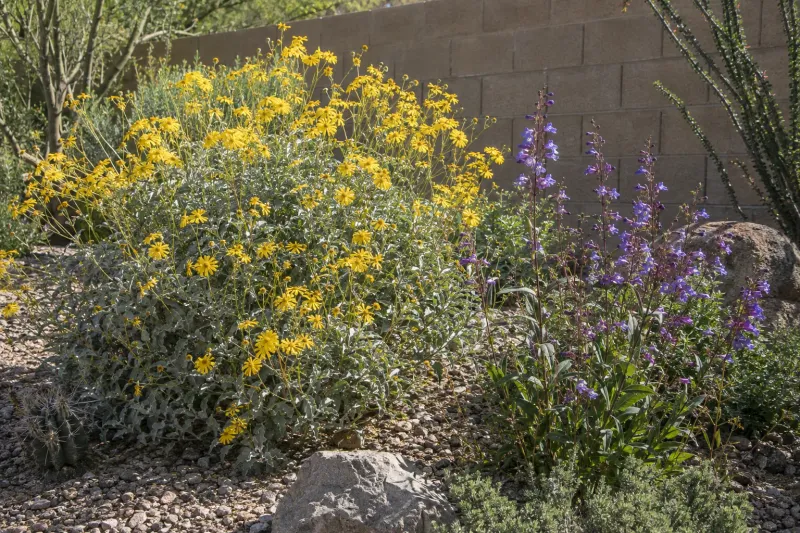
One tree does not make a wildlife yard. A palo verde offers flowers for a few weeks, and then the show moves on.
Pollinators need something to visit across the year.
The University of Arizona pollinator guidance recommends a variety of plants and different bloom periods for low-desert yards. Mixing shrubs, perennials, and trees helps fill the gaps between bloom seasons.
Keep in mind that flowering is not on a fixed calendar. Weather, sun exposure, and elevation all shift when plants bloom, so a Phoenix yard and a higher-elevation yard may not match.
A simple next step is to walk your yard in each season and note which months have nothing in flower. Then choose a plant that blooms during that gap.
Neither palo verde nor creosote has to carry the whole job.
Do not use a planting as a pest-control plan
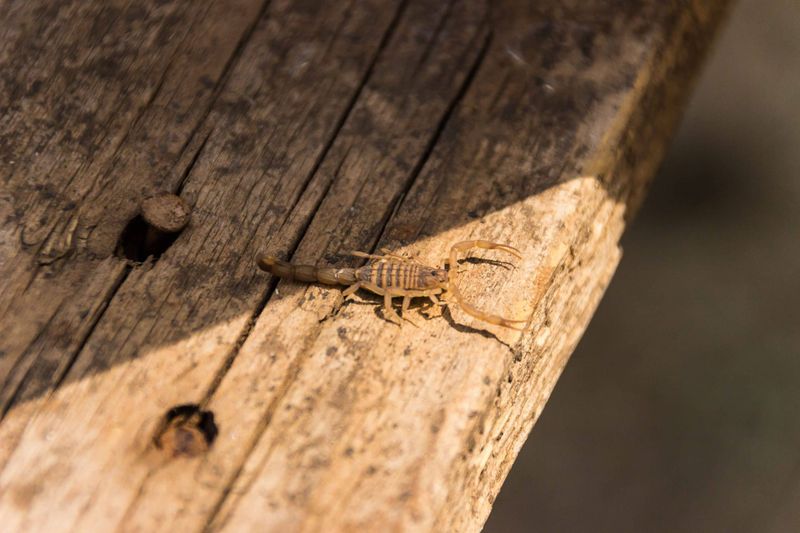
Wildlife value and a nice scent are not pest control. Nothing supplied shows that planting palo verde or creosote controls scorpions, mosquitoes, ticks, or other household pests.
Skip any promise that a plant will keep them away.
For scorpions, Arizona scorpion guidance points to reducing harborage near buildings, pruning vegetation away from structures, and sealing entry points. Those steps work on the hiding spots and the doorways.
For mosquitoes, mosquito guidance recommends cutting down standing water, such as in saucers, buckets, and clogged containers.
Applied repellents are a separate matter. A plant-derived ingredient in a product is not the same as a living plant guarding your yard.
Plant for habitat and scent, and handle pests with maintenance.
A tree can feed the desert, but only a sealed gap keeps the scorpion out.