When Should You Move Florida Potted Bougainvillea Into A Protected Spot?
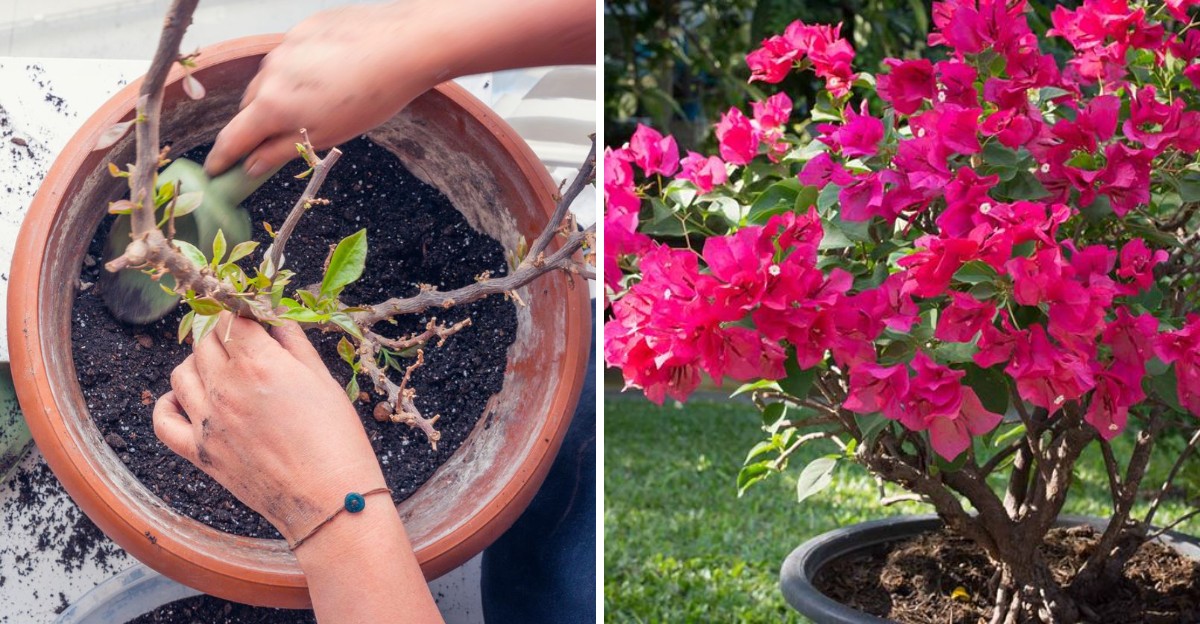
Florida bougainvillea can handle plenty of heat and sunshine, but a sudden cold snap is another story. If yours spends the year in a pot on the patio, knowing when to move it under cover can save you a lot of worry when temperatures start to dip.
The tricky part is that Florida weather rarely follows a neat schedule. One week may feel like summer, then a chilly night shows up in the forecast with little warning.
Moving the pot too early can mean giving up valuable sunlight, while waiting too long can leave the plant exposed to cold it won’t tolerate well.
And not every cool night calls for the same response. Your bougainvillea’s location, the size of its pot, and the forecast all matter.
A few simple temperature cues can help you decide when it’s time to shift your plant to a safer spot.
1. Bougainvillea Slows Down Once Nights Hover Near 40 Degrees
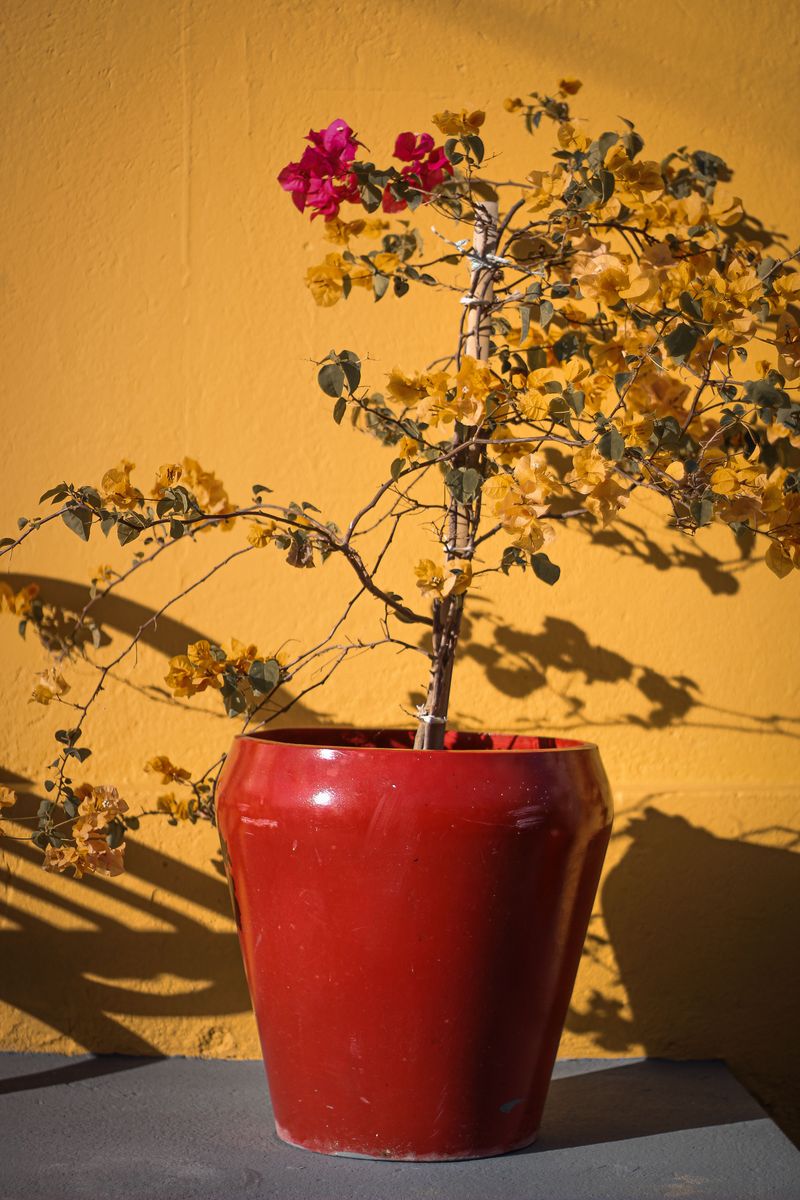
Picture a sunny beach crowd packing up when clouds roll in. Your bougainvillea acts the same way once nights slide toward 40 degrees.
Bougainvillea can suffer cold injury well before a hard freeze, especially when temperatures drop suddenly. There is no single temperature that guarantees damage, but lows in the 40s are a useful reminder to check the forecast and prepare a sheltered spot for a potted plant.
Think of 40 degrees as a yellow traffic light. It is not a full stop yet, but it is a clear signal to get ready.
Many Florida gardeners start watching the weather app closely once fall nights dip into the upper 40s.
A few chilly nights in a row matter more than one quick dip. Sustained cool air wears the plant down, especially when damp air hangs around too.
Humidity plus cold can weaken stems even before frost shows up.
Here is a simple habit to try. Set a phone reminder to check the low temperature each evening from November through February.
When lows near 40 degrees, plan where your pot will go.
You do not need to haul it inside the moment the air gets crisp. Still, having a plan ready means you will not be dragging a thorny pot around in the dark later.
2. Freezing Temperatures Can Damage It
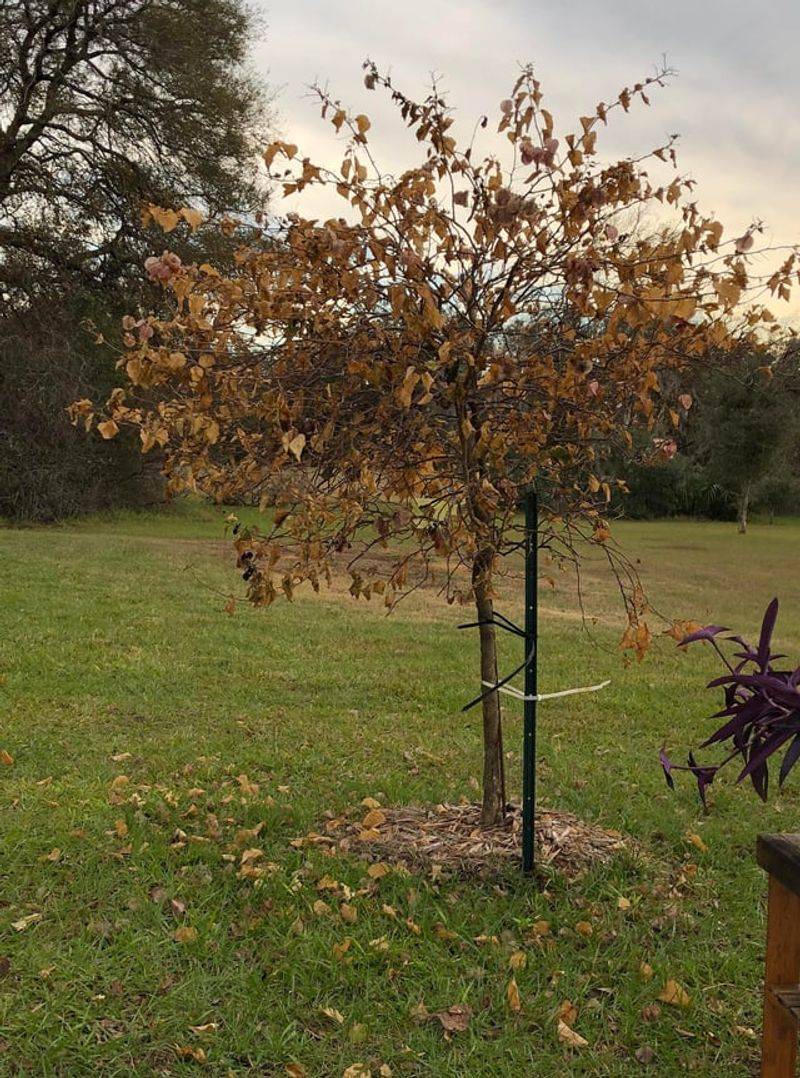
Frost on a bougainvillea looks pretty for about five minutes. After that, the bright bracts can drop like confetti after a parade.
Most bougainvillea vines struggle once temperatures fall below about 30 degrees. A light frost often causes leaves and colorful bracts to fall off.
The plant may bounce back, but it will look bare and scraggly for weeks.
Harder freezes are a much bigger risk. The amount of damage depends on how low temperatures fall, how long the cold lasts, and how well the plant has acclimated.
A potted bougainvillea is especially vulnerable because its roots have less insulation than roots in the ground. Repeated severe cold can cause extensive damage or unalive the plant.
Three things decide how much harm happens. First is how far the temperature drops below freezing.
Your Florida Garden Changes Every Week. Your Plan Should Too.
Gardening in Florida changes quickly throughout the season. Every Friday you’ll receive a simple weekly plan showing exactly what to plant, prune, fertilize, harvest, and protect so you never miss the right timing.
Second is how long the cold sticks around, and third is wind.
Wind steals warmth from leaves fast, so a breezy 32 degrees can feel harsher than a calm one. That is why a sheltered corner can make such a difference.
Fun fact: bougainvillea comes from South America, where it grows in warm, frost-free places. It was named after a French admiral, Louis Antoine de Bougainville, whose crew found it in Brazil.
No wonder it dislikes icy weather.
Treat freezing temperatures as a firm line. Your plant simply was not built for them.
3. Move It Before Any Freeze Is In The Forecast
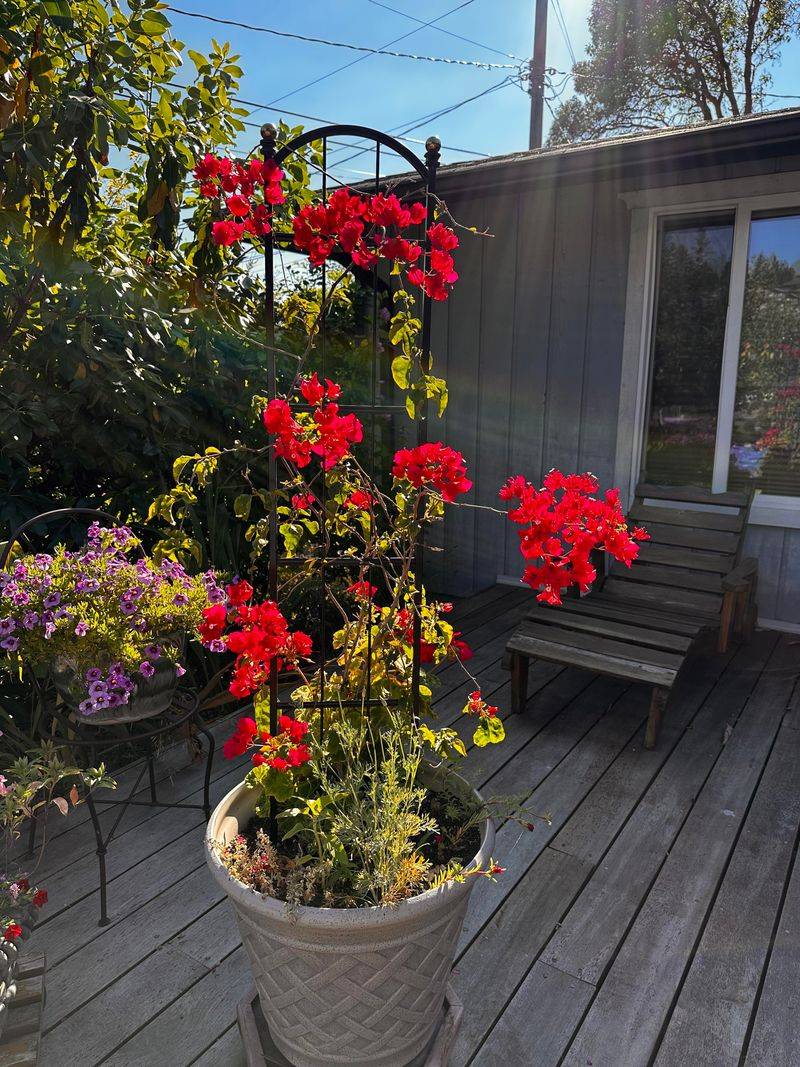
Nobody enjoys wrestling a spiny plant at midnight with a flashlight in their teeth. Moving early saves your hands and your mood.
The best time to relocate a potted bougainvillea is before freezing weather arrives. Once the forecast mentions frost or a freeze, act that afternoon.
Waiting until the cold is already here gives the plant less protection.
Florida cold fronts can sneak in quickly. A balmy 75 degree day can turn into a 34 degree night with little warning.
Local news often gives a day or two of notice, so use it.
Here are a few tips that make moving easier:
Use a rolling plant caddy under big pots all season. Wear thick gloves and long sleeves, since those thorns are sharp.
Check the pot’s weight and soil moisture before moving it. Don’t water simply to prepare for the move; a freshly watered container will be heavier, and bougainvillea prefers well-drained soil that is not kept constantly wet.
If the plant is dry, water as needed and allow excess water to drain before moving it.
Also, think ahead about where the pot will go. Clear a spot in the garage or shed before winter starts.
That way you are not shuffling bikes and boxes in a rush.
Early action matters because damp, chilly air can stress the plant even above freezing. A little planning turns a frantic chore into a calm, five minute task.
4. Roots In Pots Freeze Faster Than Roots In The Ground
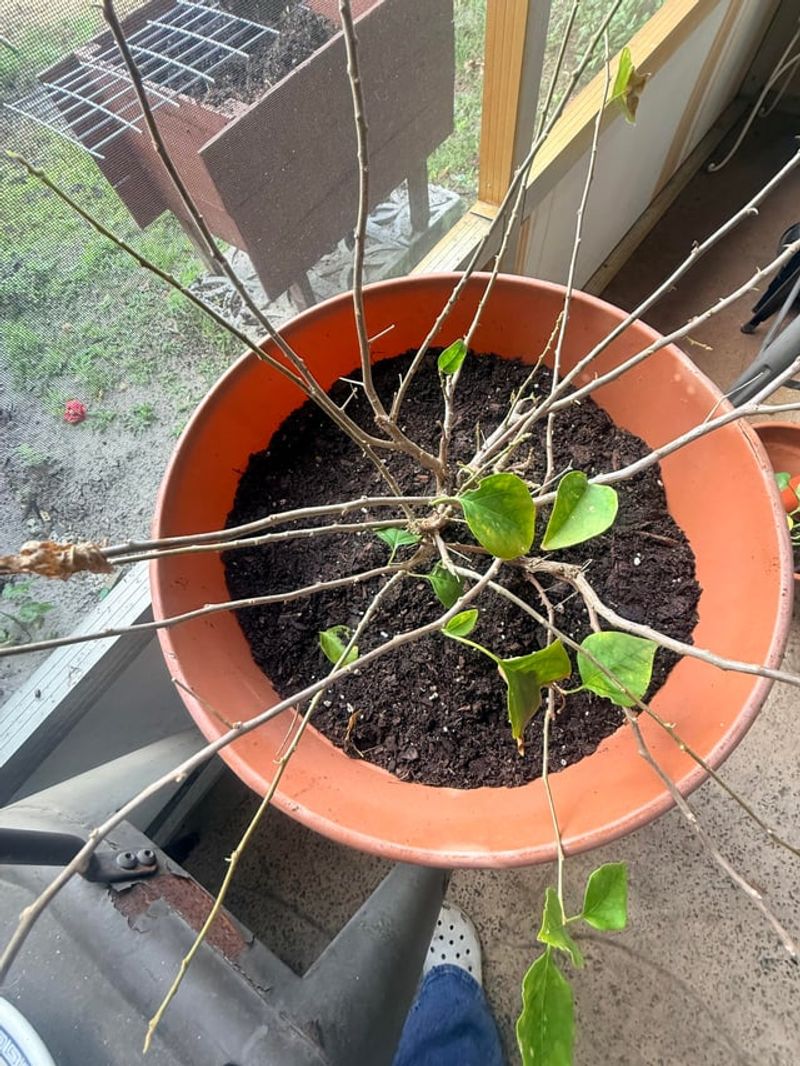
Imagine standing outside in winter wearing only a T-shirt. That is roughly how roots feel inside a pot on a cold night.
Soil in the ground holds onto warmth from the earth below. It stays much warmer than the air, so buried roots get a cozy blanket.
Soil in a container, though, can cool down to nearly the same temperature as the air.
Potted roots get hit with cold from every side. The top, bottom, and walls of the pot all let chilly air in.
In-ground roots only face cold from above.
Experts say plants in containers act like they live two hardiness zones colder. So a pot in Orlando may feel more like a garden much farther north.
That is a big jump for a tropical plant.
Here is why it matters. Leaves and stems can regrow after damage, but roots are the plant’s engine.
If the roots get frozen, recovery is much harder.
You can help in simple ways. Wrap pots in bubble wrap or old blankets on cold nights.
Set them on soil or mulch instead of concrete, which loses heat fast.
Better yet, move the whole pot somewhere sheltered. Protecting the roots gives your plant its best shot at a bright spring.
5. North And Central Florida Face The Most Risk

Ask a Jacksonville gardener and a Miami gardener about winter, and you will hear two very different stories. Geography shapes how worried you should be.
Freezing temperatures are uncommon in much of South Florida, and many winters pass without a hard freeze. Even so, chilly weather can stress sensitive plants, especially those growing in containers.
Keep an eye on local forecasts and be ready to move a potted bougainvillea to shelter during an unusually cold spell.
North Florida is a different world. Northeast Florida falls in zones 8b and 9a, which means hard freezes can happen several times a winter.
Temperatures there can be tricky to predict, too.
Central Florida sits in the middle. Places like Orlando, Ocala, and Gainesville get a handful of frosty nights most years.
Those nights are often enough to hurt a potted plant left outside.
So how do you know your risk? Look up your USDA hardiness zone by zip code.
Then check your local frost dates, which county extension offices often share online.
If you live north of Tampa, plan on moving your pot at least a few times each winter. Farther south, keep an eye on the news for unusual cold fronts.
Knowing your region turns guessing into smart planning.
6. A Garage Or Shed Works If It Stays Above Freezing
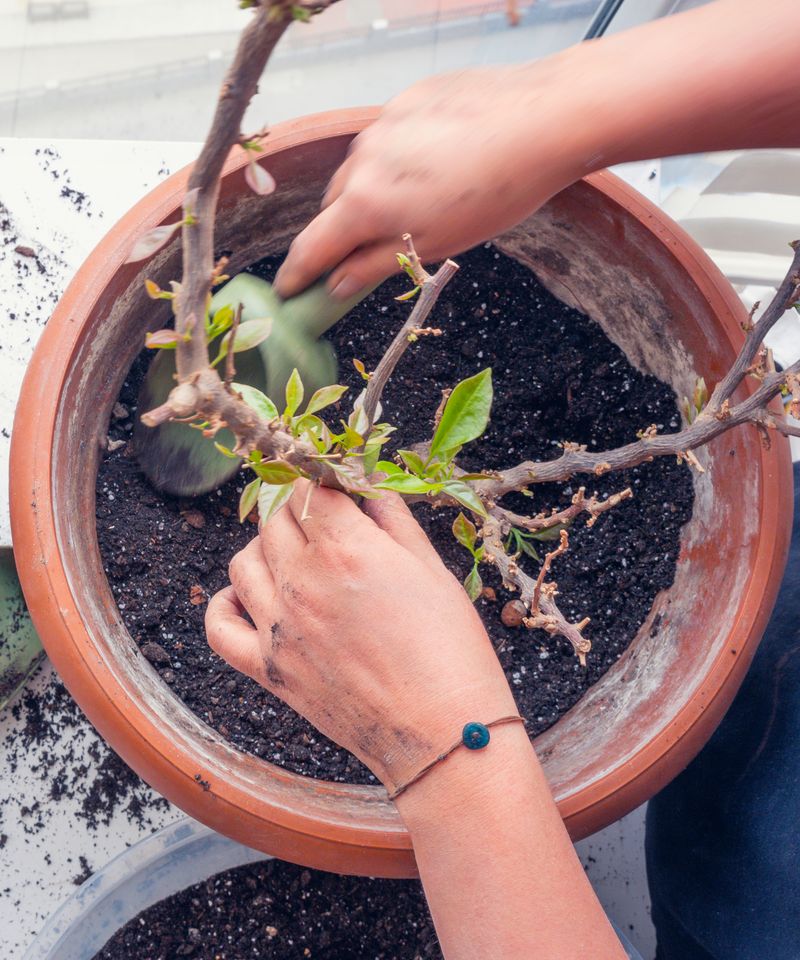
Your garage may be cluttered with paint cans and pool noodles. For a chilly bougainvillea, though, it can feel like a five star hotel.
A garage or shed works well as a winter shelter as long as it stays above freezing. The sweet spot is between 40 and 50 degrees.
At that range, the plant can rest quietly without getting too cold.
Too warm can be a problem as well. If the space gets toasty, the plant may wake up early and push weak, floppy growth.
Cool and steady is the goal.
Place a cheap thermometer near the pot and check it on the coldest mornings. If it reads close to 32 degrees, add a blanket over the plant or move it somewhere warmer.
A basement or spare room can also work in a pinch.
Keep the pot away from doors that let in icy drafts. Also avoid spots near car exhaust or chemicals, which can irritate leaves.
Many gardeners use short shed stays just for a few nights during a cold front. Others leave the pot inside for weeks in North Florida.
Either way, a simple garage can protect your plant until warmer days return.
7. It Can Get By Without Much Light In Storage
Here is some good news for anyone with a dim garage. Your bougainvillea does not need a sunny window while it naps.
In a cool, sheltered spot, bougainvillea may slow its growth and drop many of its leaves. Some leaf loss can occur during winter storage, but it is not a guarantee that the plant is fully dormant.
For a brief cold snap, a garage can be useful even if it has little light. For longer storage, choose the brightest suitable spot available while keeping the plant protected from freezing temperatures.
Bougainvillea needs plenty of sunlight to grow well and flower, so return it outdoors gradually when the weather is safe.
Watering changes too. Check the potting mix periodically and water sparingly when the soil has dried sufficiently, without letting the root ball become bone-dry for long periods.
A cool plant in a dim garage uses less water than one growing actively in bright light, so adjust based on the soil rather than following a fixed calendar.
Too much water in cool conditions can leave roots sitting in soggy soil and increase the risk of rot.
What if you want flowers all winter? Then you need a different setup.
Bright natural light plus grow lights can keep a plant blooming indoors, though that takes more effort.
For most Florida gardeners, the easy route works best. Let it rest in the shadows for a few weeks.
When warm weather comes back, bring it outside slowly. A few days in partial shade first helps it adjust before full sun.
8. Group Pots That Stay Outside Against The House
Penguins huddle together to stay warm, and your pots can do the same. A little teamwork goes a long way on a cold night.
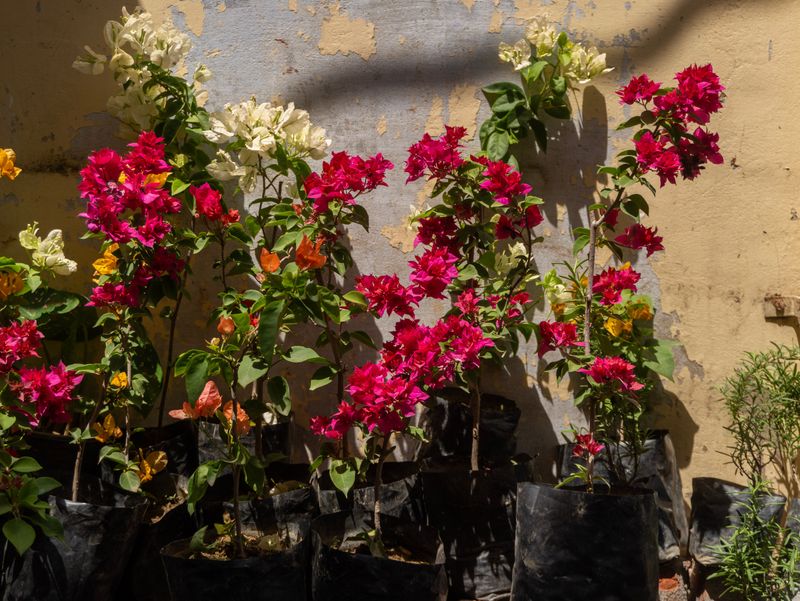
Some pots are just too heavy to move. If yours must stay outside, push them close together against the house.
A south-facing wall is the best choice because it soaks up sunshine during the day.
That wall gives off stored heat after dark. Grouped pots also block wind for each other, so each plant loses warmth more slowly.
Try these extra steps for better protection:
Water the soil a day before the freeze, since moist soil holds heat better than dry soil. Wrap pots with burlap, blankets, or bubble wrap to guard the roots.
Cover the plants with frost cloth or an old sheet that reaches the ground.
Skip plastic sheets touching the leaves, because plastic can transfer cold right into the foliage. Remove covers the next morning once temperatures climb.
Set pots on soil or mulch instead of a driveway if you can. Pavement cools fast and can make freeze and thaw swings worse.
This huddle method is not perfect for hard freezes. For mild frosts, though, it can be a real lifesaver.
9. Hold Off On Pruning Until Late Winter
Those crispy brown tips after a cold snap can make your fingers itch for the shears. Patience pays off here, so set the pruners down for now.
Big pruning jobs work best in late winter or early spring. By then, the worst cold has usually passed.
Waiting also lets you see which stems are truly hurt and which are just resting.
Damaged branches actually help shield the inner stems from more cold. If you cut them too soon, you expose fresh tissue to the next chilly night.
Wait until new green growth appears, then trim back to healthy wood.
A quick scratch test helps. Gently scrape a stem with your thumbnail.
Green underneath means it is fine, while brown means you can snip it.
Timing also affects flowers. Pruning in late summer or early fall can mean fewer blooms the following winter.
Bougainvillea flowers on new growth, so cuts made at the right time encourage bright color.
There is one exception. A light trim to shrink a plant before moving it indoors is fine.
That makes it easier to fit in a garage and safer to carry.
Grab gloves when spring arrives, and enjoy shaping a fresh start.