Why Virginia Gardeners Are Using Aluminum Foil In Garden
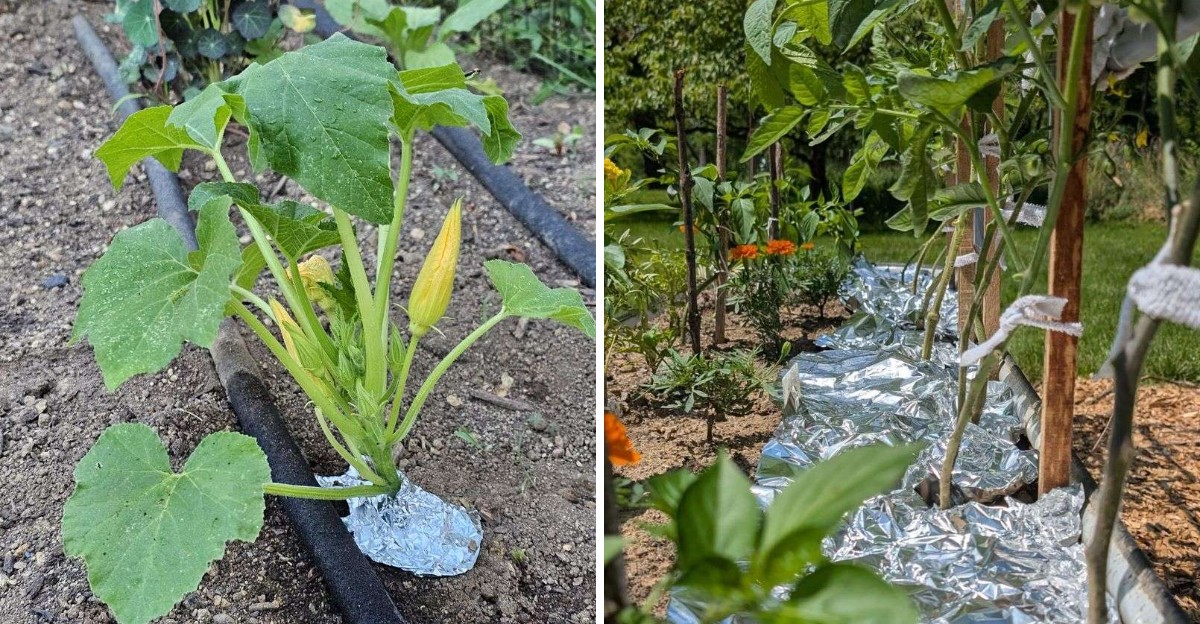
Walk past a few Virginia vegetable gardens in summer, and you might spot something shiny glinting between the tomatoes. No, your neighbors aren’t cooking dinner in the dirt.
Many gardeners tuck aluminum foil around stems, lay it over beds, or hang bright strips above rows. It looks a little odd, like a garden dressed up for a space party.
There’s real research behind the sparkle. Reflective mulch can repel aphids and delay the viruses they spread, and foil collars can shield seedlings from cutworms.
It also has downsides worth knowing before you grab a roll from the kitchen drawer. In hot weather, reflected heat and glare can stress plants.
The guide below covers what works, what doesn’t, and when to skip the foil. Gardeners from the Blue Ridge to the Tidewater are testing it in all kinds of beds.
Reflected Light Confuses Aphids And Whiteflies
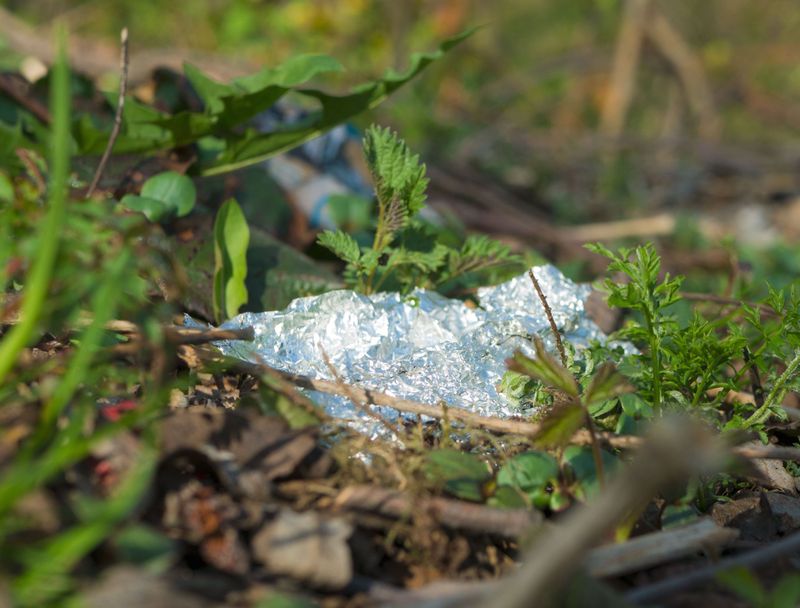
Picture a tiny aphid cruising over your garden, looking for lunch. Suddenly the ground below starts shining like a second sky.
Aphids and whiteflies use light to tell up from down. They look for the green of plants against the darker soil beneath them.
Shiny foil flips that signal upside down. Reflected ultraviolet light bounces from below, so the bugs feel lost and confused.
Many of them simply fly away instead of landing. Research has shown that aluminum foil can greatly reduce aphid numbers on garden crops.
Summers bring plenty of these sap-sucking pests to squash, peppers, and beans. A little reflected light can make your beds much less inviting.
For best results, lay foil flat on the soil around young plants. Keep the shiny side facing up and smooth out big wrinkles.
Early timing matters a lot here. Foil works best while plants are small and most of the ground is still showing.
Once leaves grow large and shade the foil, the effect weakens. By then, though, your plants have had a strong, pest-free start.
Secure the edges with soil, rocks, or garden staples. Loose foil can flap around and tear in a breezy afternoon.
Fun fact: whiteflies are not true flies at all. They are tiny cousins of aphids and share the same love for tender leaves.
Pair foil with a quick water spray now and then. Together, these simple steps can keep aphid colonies small and easy to manage.
Foil Mulch Can Help Slow Insect-Spread Viruses
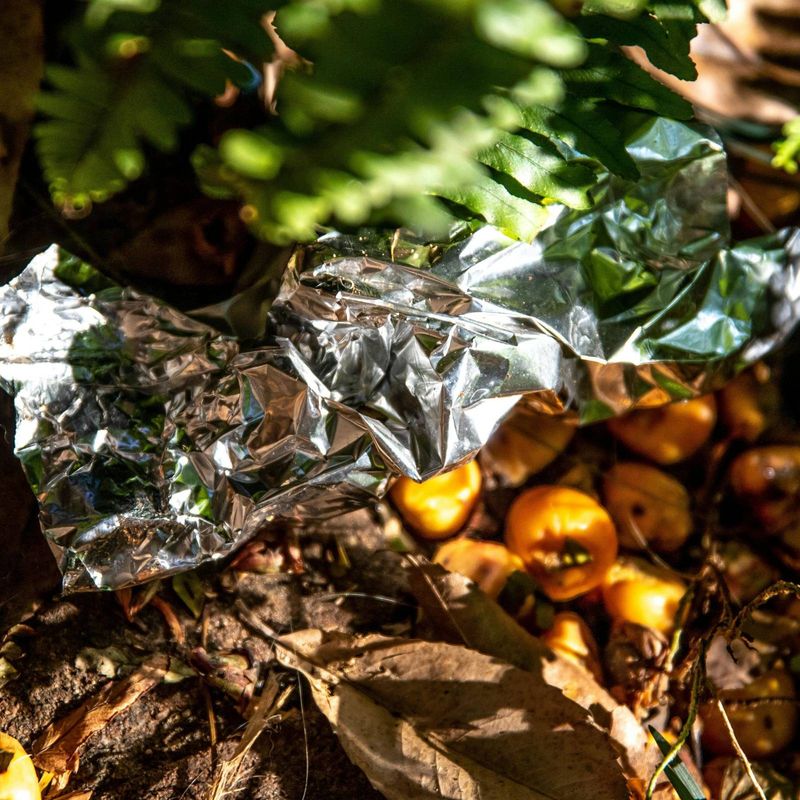
Some garden troubles start with a single bite. When an aphid feeds on a sick plant, it can carry a virus to the next one.
Mosaic viruses are a common example. They cause blotchy, mottled leaves and can shrink your harvest quickly.
Once a plant catches a virus, there is no real cure. Prevention is the only smart plan for home gardeners.
Reflective mulch helps by keeping insects from landing in the first place. Fewer landings mean fewer chances for germs to spread.
Scientists have tested this idea in pepper plots. Foil mulch lowered aphid numbers and led to a big drop in virus infections at harvest.
Your Virginia Garden Changes Every Week. Your Plan Should Too.
Gardening in Virginia changes quickly throughout the season. Every Friday you’ll receive a simple weekly plan showing exactly what to plant, prune, fertilize, harvest, and protect so you never miss the right timing.
Silver mulch has also delayed mosaic diseases in yellow summer squash. Some studies found it worked better than sprays for stopping these infections.
Why does a delay matter so much? Plants that stay healthy longer have more time to flower and produce food.
For Virginia growers, squash and cucumbers are frequent targets. Laying foil before planting gives those crops a cleaner, safer start.
Pull and toss any plant showing mottled, twisted leaves. Removing it fast helps protect the healthy plants growing nearby.
Also, keep weeds trimmed around your garden edges. Many weeds quietly host viruses that insects can pick up and carry.
Think of foil as a helpful shield, not a magic fix. Combined with good habits, it can buy your crops valuable growing time.
It Bounces Extra Light Onto Shaded Leaves
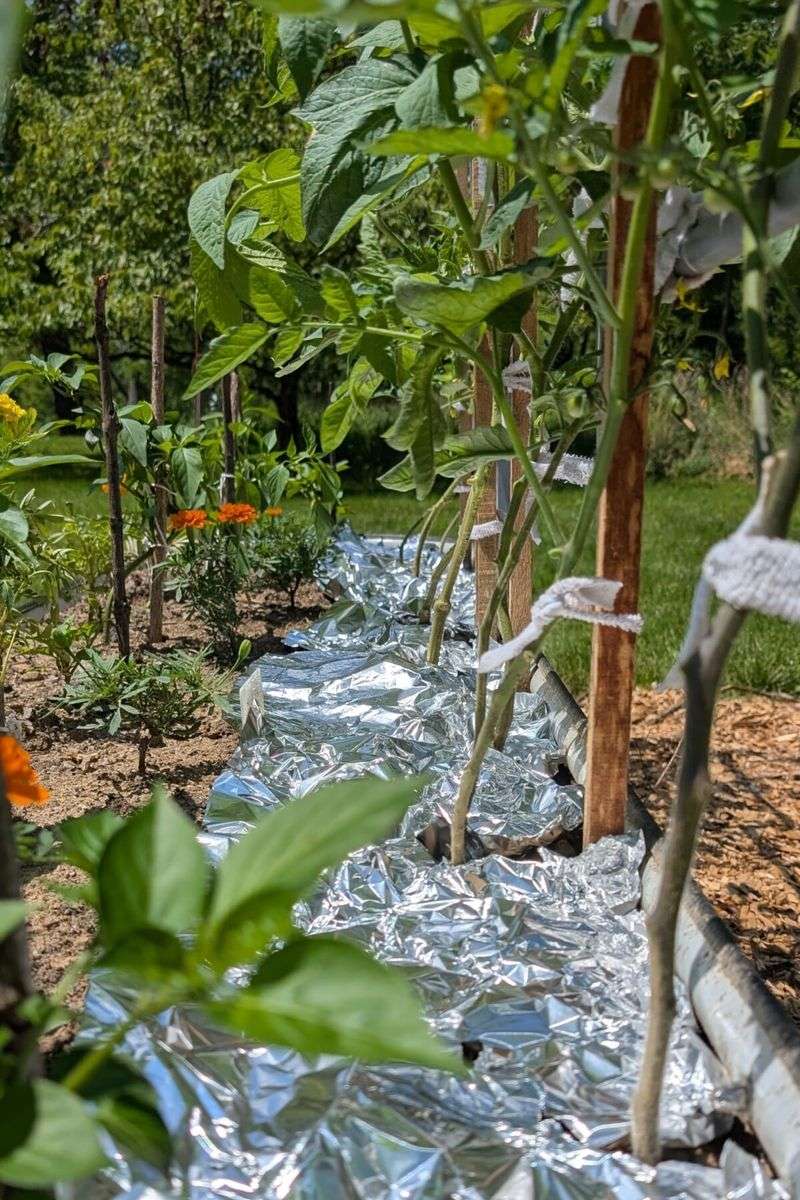
Lower leaves often live in the shadows. While the top of a tomato plant soaks up sun, the bottom can sit in shade most of the day.
Foil offers a clever fix. Spread around the base, it reflects sunlight back up onto those hidden leaves.
More light means more photosynthesis, the process plants use to make food. Better food production can boost growth and fruit.
Gardens in Virginia often sit near tall oaks, maples, or fences. Spots with partial shade can gain a real lift from reflected light.
Indoor plants benefit too. A sheet of foil behind a houseplant on a dim windowsill can brighten its shady side.
Try taping foil onto a piece of cardboard for an easy reflector. Stand it behind your plant, facing the window.
Here is a handy tip for placement. Angle the foil so light hits the leaves, not your eyes or walls.
Crinkled foil scatters light more evenly than smooth foil. Gently crumple it, then flatten it out before use.
Watch your plants for a week or two. Leaves that once looked pale may turn a deeper, healthier green.
Rotate potted plants every few days as well. That simple habit, plus a reflector, keeps growth balanced on all sides.
Fun fact: commercial greenhouses use reflective walls for the same reason. Growers know every bit of light counts toward a better crop.
Seedlings Grow Sturdier Under Reflected Light
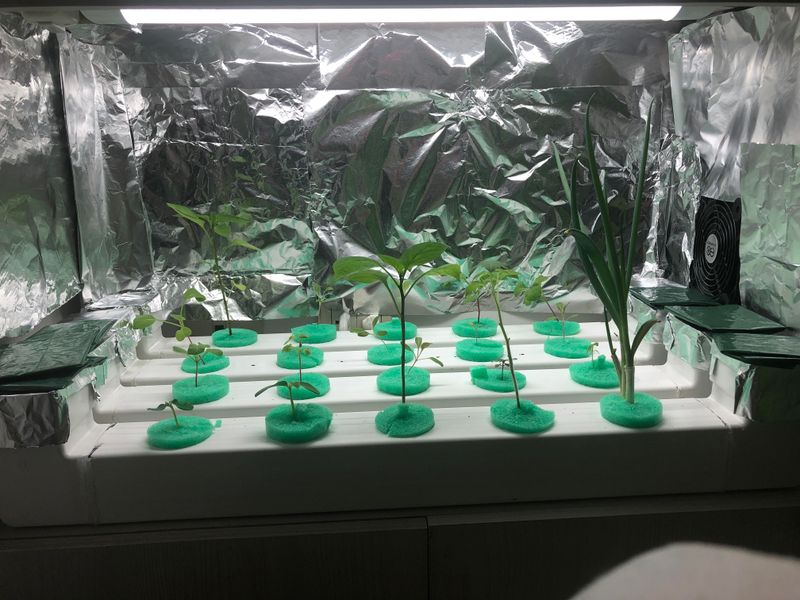
Leggy seedlings are a classic spring headache. They stretch tall and thin, leaning hard toward the nearest window.
Plants do this because they crave light. When it comes from only one side, stems grow weak and floppy.
A foil-lined box can change everything. Light from the window bounces off the shiny walls and reaches every side.
With light coming from all around, seedlings stand straighter. Their stems also tend to grow thicker and stronger.
Making a reflector box takes about ten minutes. Cut one side off a cardboard box and line the inside with foil.
Glue or tape the foil so it stays smooth. Set your seed trays inside, with the open side facing the window.
The foil also traps a little warmth. That cozy space can help seeds sprout a bit faster in early spring.
Many gardeners start tomatoes and peppers indoors in late winter. Sturdier starts handle the move outdoors much better.
Keep an eye on heat during sunny afternoons, though. Open the box slightly if the soil feels very warm.
Brushing your hand gently over seedlings each day helps too. The light movement mimics wind and builds tougher stems.
Fun fact: old-time gardeners used whitewashed boards for the same purpose. Today, a cheap roll of foil does the job even better.
A Foil Collar Can Stop Cutworms
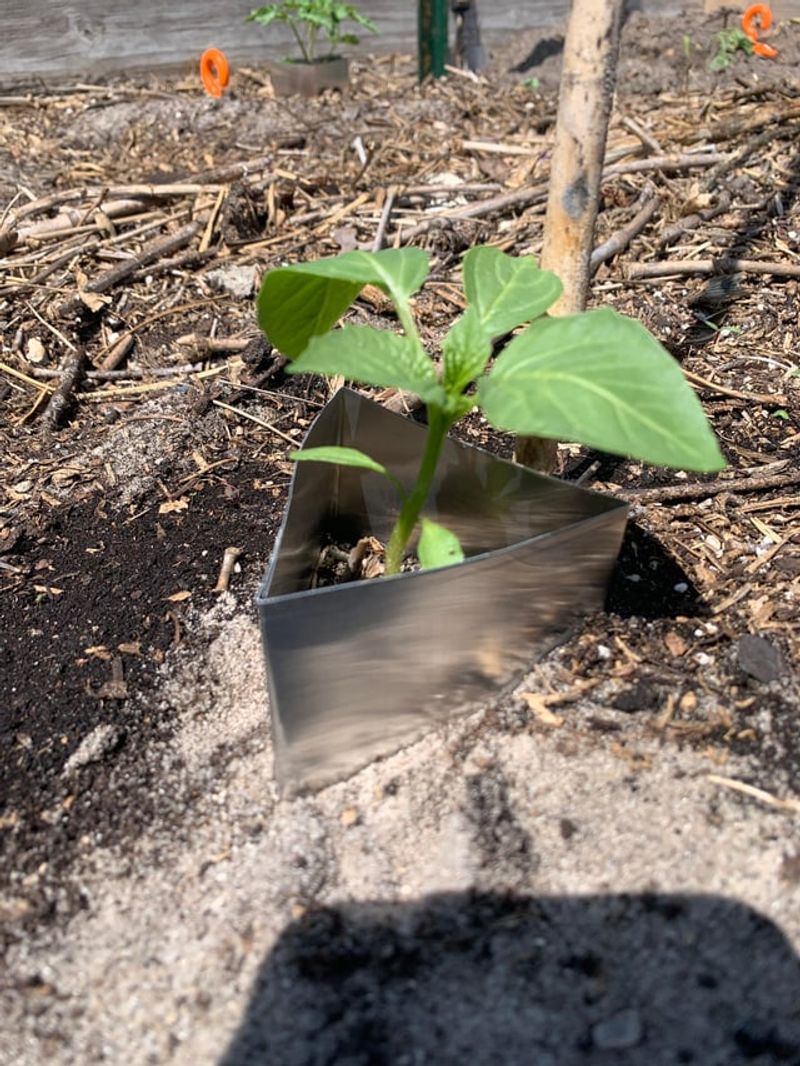
You plant a row of tomatoes at sunset. By morning, one seedling lies flat on the ground, snipped clean at the base.
Meet the cutworm, a sneaky night feeder. These gray or brown caterpillars curl up in the soil during the day.
After dark, they chew through tender stems right at the soil line. One cutworm can ruin several young plants in a single night.
A simple foil collar puts up a wall they cannot chew through. It is cheap, quick, and surprisingly effective.
Cut a strip of foil about four inches wide. Wrap it loosely around the stem like a small tube.
Push the bottom about an inch into the soil. Leave two or three inches standing above the ground.
Keep the wrap loose enough for the stem to grow. A tight collar can pinch the plant as it thickens.
Tomatoes, peppers, cabbage, and broccoli all benefit from this trick. Virginia gardeners often see cutworms most in spring.
Remove the collars once stems grow thick and woody. Cutworms rarely bother older, tougher plants.
Here is a bonus tip worth trying. Dig around a damaged plant in the morning, and you may find the culprit nearby.
Tilling or turning soil in early spring also helps. It exposes hidden cutworms to hungry birds looking for breakfast.
Shiny Strips Can Startle Birds Away From Crops
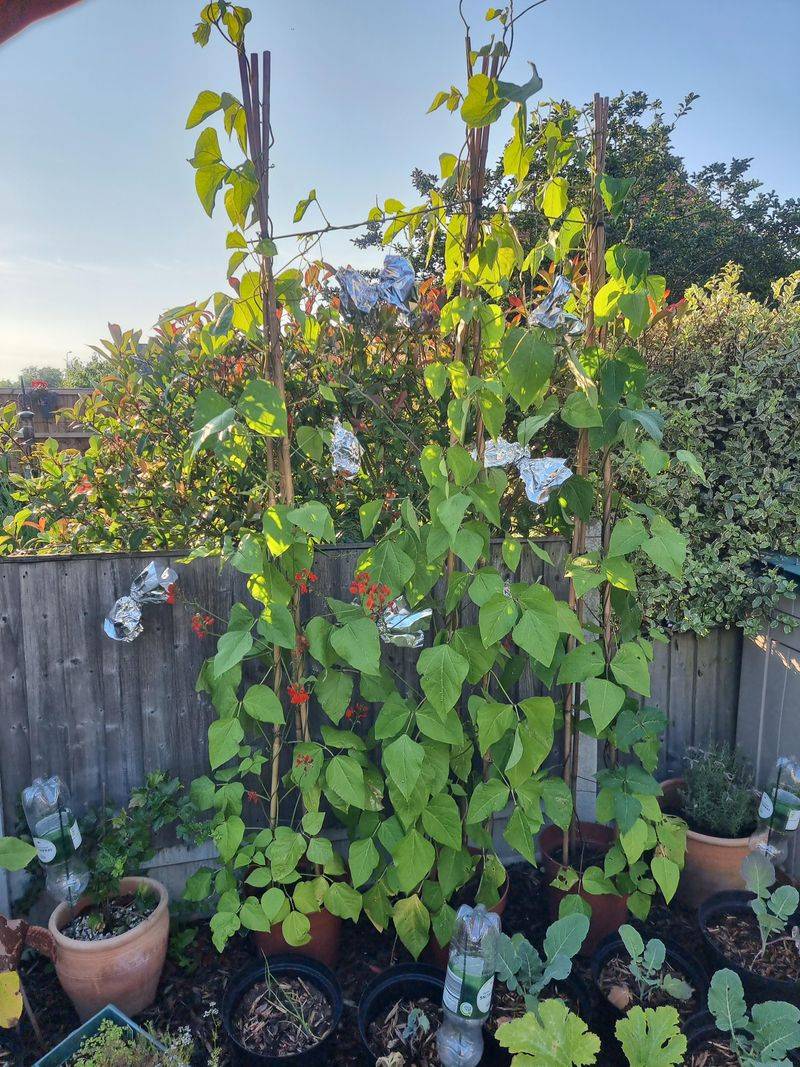
Crows, starlings, and blue jays are clever little thieves. They know exactly when your berries turn ripe.
Birds also dislike sudden flashes of light. Shiny foil strips twisting in the breeze can make them nervous and cautious.
The moving glare feels unpredictable to them. Rustling sounds add to the surprise and keep birds on edge.
Best of all, nothing gets hurt. The birds just choose a calmer place to snack.
Cut foil into strips about one inch wide and a foot long. Tie them to stakes, string, or fence posts around your crops.
Crumpled foil balls hanging from branches work as well. Old pie tins can also spin and flash in the wind.
Newly sown seeds need this help the most. Birds love to pluck up corn and pea seeds before they sprout.
Ripening strawberries, blueberries, and tomatoes also attract attention. Across the state, many backyard growers hang strips just before harvest begins.
Move your strips every few days. Birds learn fast and may ignore decorations that stay in one place too long.
Sunny days give the strongest effect. On cloudy days, pair foil with netting for extra protection.
Fun fact: farmers have used shiny objects to scare birds for centuries. Before foil, some even hung polished metal and broken mirrors.
It Can Stress Plants In Hot Weather
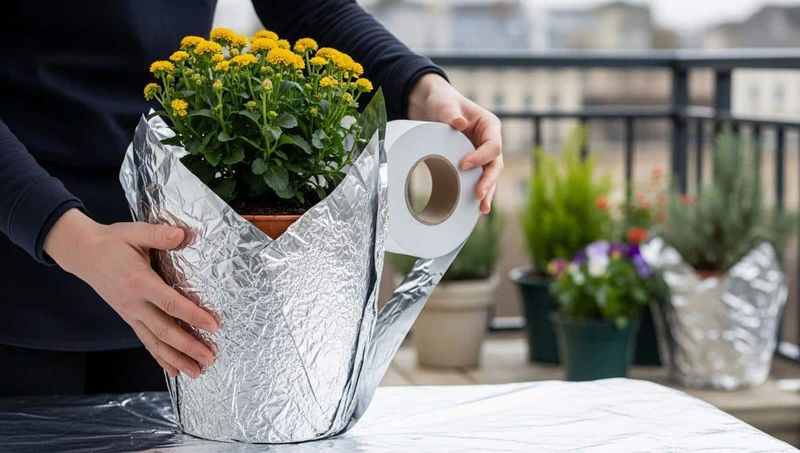
Anyone who has touched a car hood in July knows metal gets hot. Foil in the garden follows the same rules.
Shiny foil bounces most sunlight back up toward the leaves. On scorching days, that reflected heat and glare can stress tender plants.
Solid foil also keeps rain from reaching the roots. When soil dries out under a sheet, plants struggle and start to wilt.
Summers can be steamy, with long stretches in the 90s. Those weeks call for extra care with any foil setup.
Watch for warning signs in your plants. Drooping leaves in the morning or crispy edges can mean trouble below.
Leave gaps in your foil so water and air can reach the soil. Poking a few small holes helps rain soak through.
Avoid wrapping foil tightly around stems. Tight wraps can hold heat against the plant and cause scorching.
Many gardeners pull foil up by midsummer. Once plants are big and pests are less active, its job is mostly done.
Swap in straw or shredded leaves after removing it. These natural mulches keep soil cool and hold moisture well.
Here is a quick test worth trying. Slip your fingers under the foil on a hot afternoon to check the soil moisture.
If it feels drier than nearby bare soil, adjust your setup. A little attention goes a long way.
Foil Isn’t A Replacement For Healthy Soil
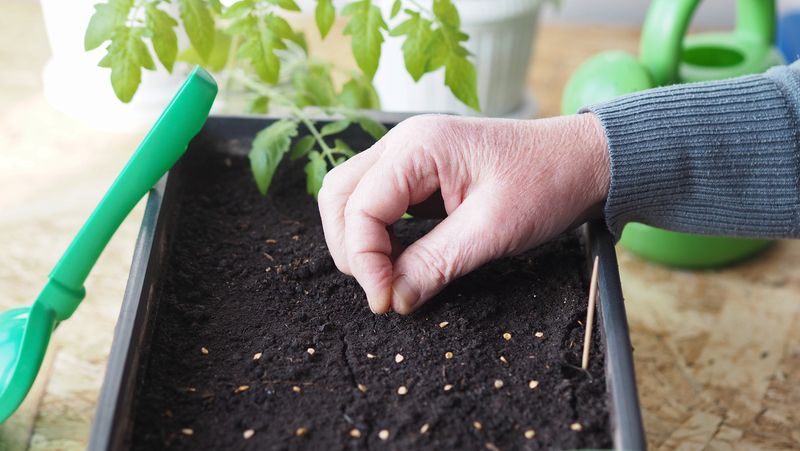
Let’s be honest about foil for a moment. It is a handy helper, but it cannot feed your plants.
Foil works as a light reflector and a physical barrier. It does not add nutrients or improve how soil holds water.
Strong plants start underground. Healthy soil full of organic matter supports roots, microbes, and earthworms.
Plants growing in rich soil also fight off pests better. Weak, hungry plants tend to attract more insects.
Adding compost each year is one of the best habits you can build. Spread an inch or two over beds in spring or fall.
A soil test tells you exactly what your garden needs. Virginia Cooperative Extension offers affordable testing through local offices.
Many Virginia soils are heavy clay or slightly acidic. A test can guide you on lime, compost, or other amendments.
Regular weeding matters too. Weeds compete for water and nutrients, and some harbor pests.
Welcome helpful insects like ladybugs and lacewings. Planting flowers such as dill, zinnias, and yarrow draws them in.
Think of your garden like a house. Soil is the foundation, while foil is more like a nice window shade.
Fun fact: a single teaspoon of healthy soil can hold billions of tiny organisms. They do quiet work that no shiny wrap can copy.
Reflective Garden Mulch Lasts Longer Than Kitchen Foil
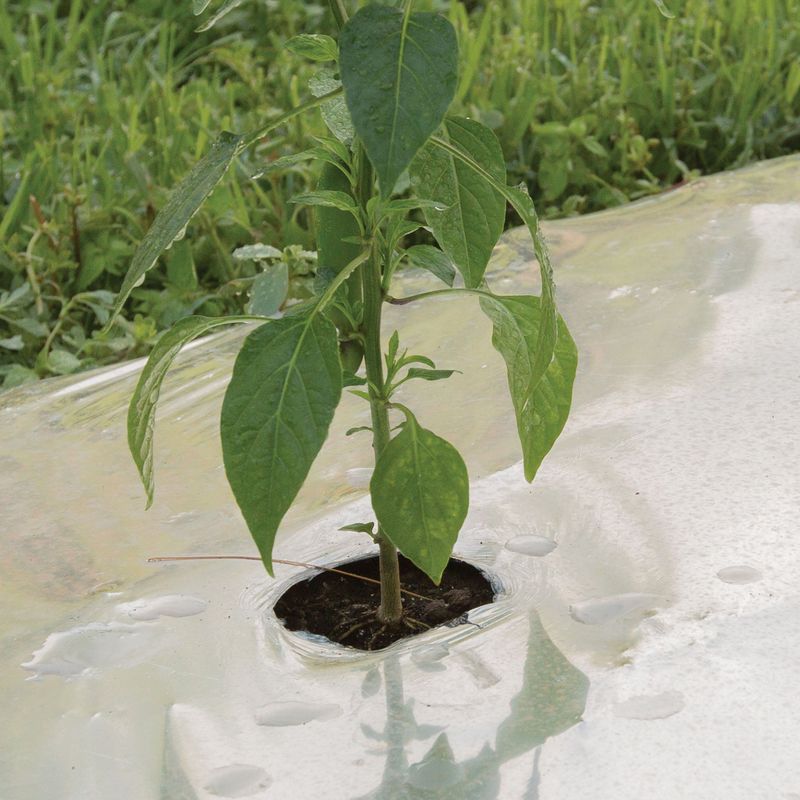
Kitchen foil is perfect for leftovers, but outdoor life is rough on it. Wind, rain, and garden tools can tear it apart fast.
Thin foil rips easily when you step on it. It can also blow across the yard during a summer storm.
Reflective garden mulch is built for the job. Most types are made from sturdy polyethylene film with a metallic silver coating.
Aluminum-metallized film holds up well through a full growing season. It resists tearing and keeps its shine much longer.
Commercial mulch also comes in long rolls. Covering an entire bed takes minutes instead of piecing together kitchen sheets.
Many brands are sold at garden centers and online. Look for labels that mention UV resistance for better durability.
Some products are silver on top and black underneath. The dark side helps block weeds while the shiny side repels pests.
Bury the edges with soil to keep the mulch in place. Cut small X-shaped holes for planting through it.
Kitchen foil still has its place in small projects. It works great for collars, seedling boxes, and bird strips.
For bigger beds, though, growers often prefer the sturdier option. It saves time and creates less waste.
At season’s end, roll up the mulch gently. With careful handling, some types can be reused next spring.