The Arizona Bird That Fights Rattlesnakes Spends Every Cold Morning Sunbathing First
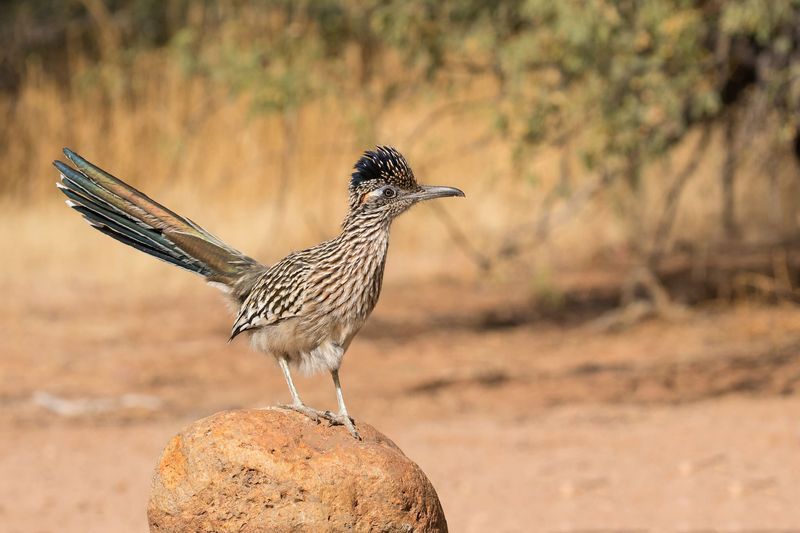
Picture a long-tailed bird standing stiffly on a desert wall, back turned to the rising sun, feathers ruffled open. That is a Greater Roadrunner warming up after a chilly Arizona night.
The behavior is real, but the popular story around it gets stretched. Here is what the bird is actually doing, and what that means for your yard.
Why a roadrunner may bask after a cold night
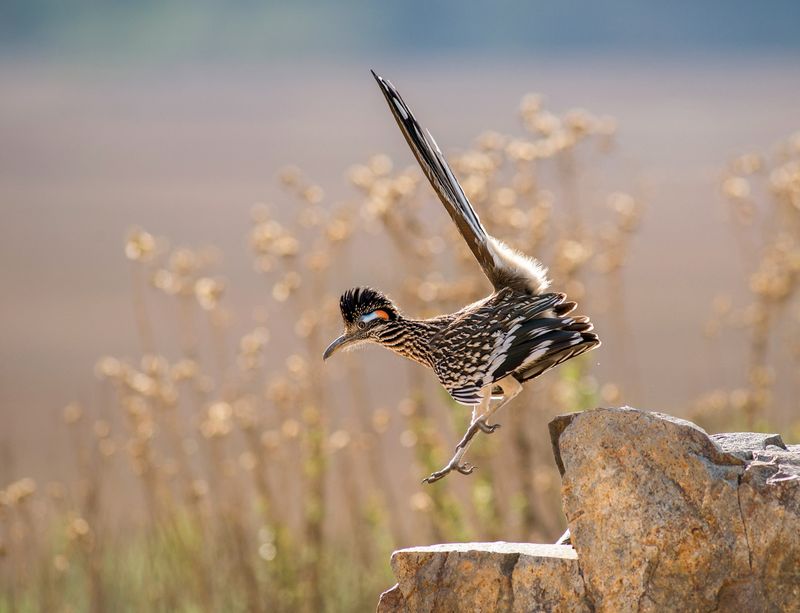
Desert nights can turn surprisingly cold, and the Greater Roadrunner, a bird of the Southwest, handles that chill in an unusual way. It can let its body temperature drop overnight instead of burning lots of fuel to stay warm.
Come morning, the bird has to warm back up. Cornell’s life history account describes sunbathing as a common sight after cold desert nights, and in winter a roadrunner may sunbathe several times a day.
Notice the wording there: common, not guaranteed. Some birds skip it on milder mornings, and others may be busy with something else.
A cloudy dawn offers no sunshine at all, so the headline’s “every cold morning” is a stretch.
Scientists took an early look at this habit in a 1971 study in Science that tested how hypothermic roadrunners recovered in warm light. So if you spot a roadrunner standing motionless in a sunny spot on a cool morning, you are probably watching a bird warm itself.
How the bird exposes its dark back to sunlight
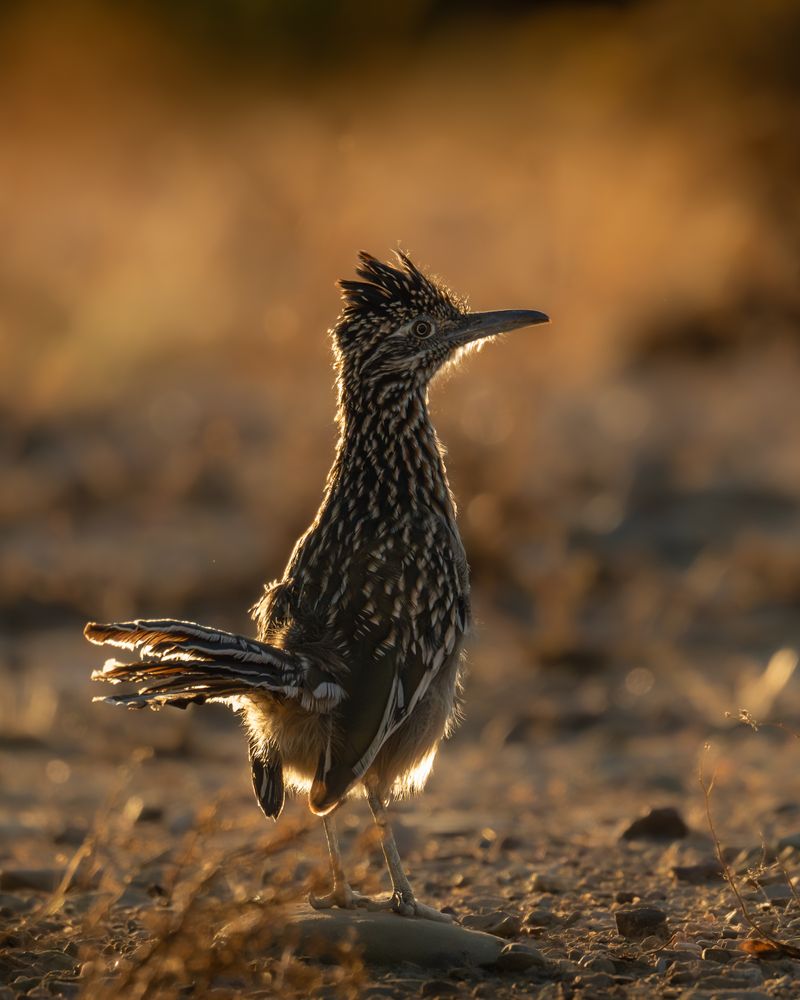
Here is the clever part. A roadrunner turns its back to the sun and adjusts its feathers, raising or shifting them so a dark, sparsely feathered patch of skin shows through.
It does not bare its whole back, just that small window.
Dark surfaces take in sunlight well, so that patch can soak up warmth quickly. Many people call it black skin, and that shorthand works as long as you remember the full picture.
The skin is only part of the story. The feathers around it also absorb solar heat, and the bird’s posture helps it catch the most light.
Cornell’s species account describes this feather adjustment as part of the bird’s sunning routine.
If you want to see it yourself, watch from a distance with binoculars. A roadrunner facing away from the sun with a slightly ruffled, lifted back is a good clue that it is warming up.
Solar warmth can conserve metabolic energy
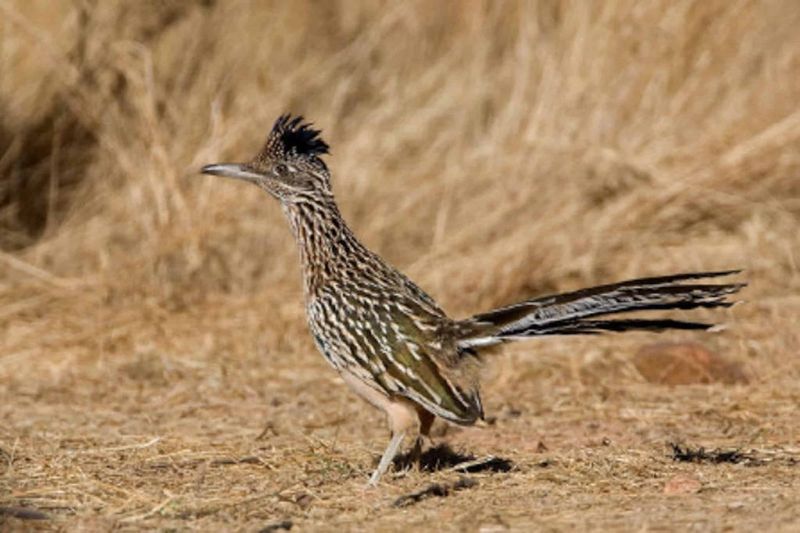
Warming up costs energy, and the roadrunner has a trick for saving some. In the 1971 experiment, researchers found that roadrunners could return to normal body temperature in artificial sunlight while using less metabolic energy than they would without it.
Think of it like warming your hands on a sunny porch instead of rubbing them together for ten minutes. The sun does part of the job, so the bird’s body does not have to.
That is different from saying the bird recharges. Sunlight is not food, and it does not replace the calories a roadrunner gets from lizards, insects, and other prey.
Your Arizona Garden Changes Every Week. Your Plan Should Too.
Gardening in Arizona changes quickly throughout the season. Every Friday you’ll receive a simple weekly plan showing exactly what to plant, prune, fertilize, harvest, and protect so you never miss the right timing.
What it can do is trim the cost of getting warm.
For a bird that lets its temperature dip on cold nights, that savings may matter. A few free minutes of sunshine can mean more energy left over for the day ahead.
A sunbath does not signal a coming snake hunt
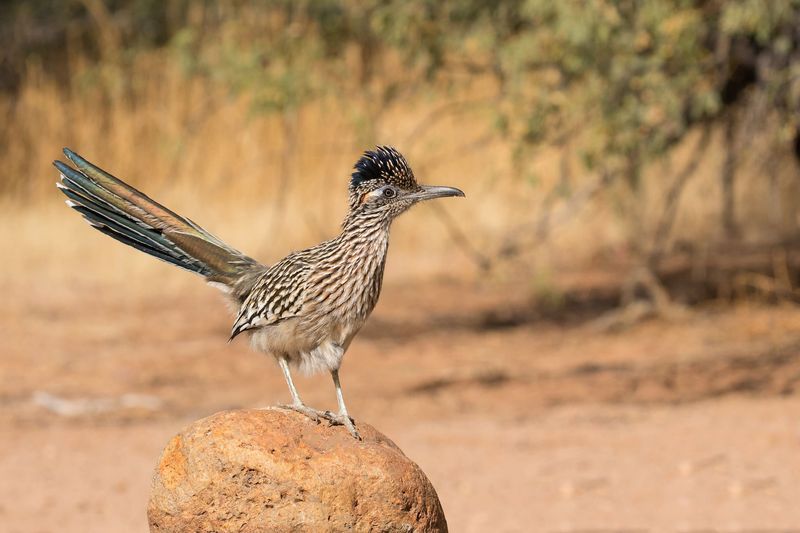
Some retellings make it sound like a battle plan: bask first, then go find a rattlesnake. That tidy sequence is not what the research describes.
Sunbathing and snake predation show up in the sources as two separate things. Cornell’s life history page covers the warming behavior, while its overview lists snakes among the animals roadrunners eat.
Nothing connects them as a morning routine.
A more honest picture is simpler. A cold bird warms up, then goes about its day, which mostly means hunting whatever it can catch on the ground.
So if you see a roadrunner sunning, it is not about to stage a showdown. It is just a chilly bird getting comfortable, and any hunting that follows could involve any prey at all.
Snakes are prey, not the whole diet
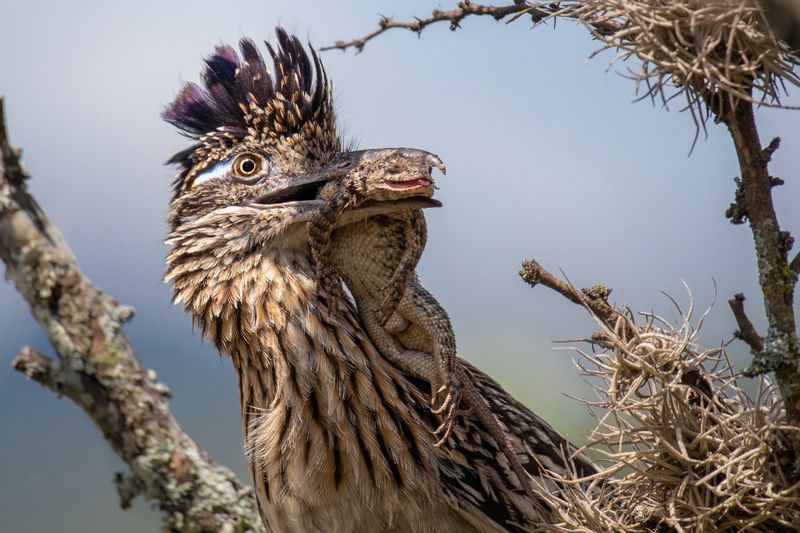
Roadrunners are opportunists with a wide menu. They eat insects, spiders, lizards, small mammals, and yes, snakes, including rattlesnakes.
Cornell’s overview lists snakes among their prey.
Still, snakes are not the main course. A diet study in a southern Texas mesquite-thornscrub ecosystem, published in The Southwestern Naturalist, found that invertebrates made up 95.9% of 6,834 identified food items.
Snake eating was less common than popular belief suggests.
Those numbers come from Texas, so they are not Arizona estimates. Arizona roadrunners likely eat a similar mix of small creatures, but no one should quote a percentage for how often they eat rattlesnakes here.
The takeaway is proportion. A roadrunner can take on a snake now and then, but beetles, grasshoppers, and lizards probably fill far more of its day.
Enjoy a yard visitor without feeding it
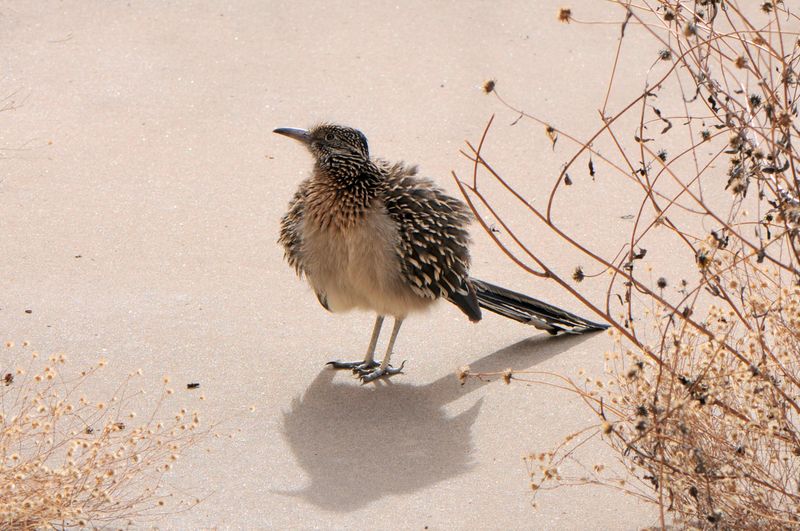
A roadrunner crossing your gravel yard is a treat, so watch it the way you would watch a good sunrise: quietly and from a distance. Early morning on a cool day is your best shot at catching one sunning on a wall or rock.
Skip the handouts. Arizona Game and Fish advises against feeding wildlife , and rules can vary by location.
Fed animals can lose their natural wariness and start relying on people.
Also keep expectations realistic. Roadrunners can eat snakes, but a visit does not mean your yard is protected.
If you spot a rattlesnake, give it plenty of space and call a professional for help rather than stepping in yourself.
Keep a pair of binoculars by the window and let the bird do its own thing. The best show in the desert is often just a roadrunner standing still, soaking up the morning.