Why Georgia Squirrels Are Burying Nuts All Over Your Yard This October
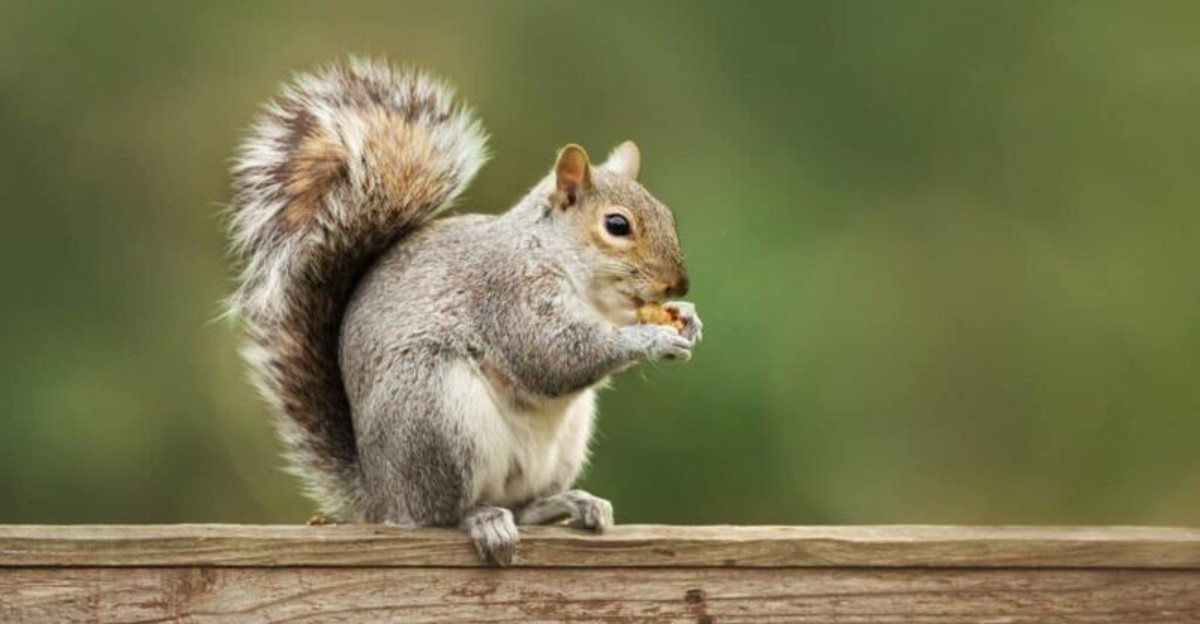
Squirrels digging little holes throughout your lawn can make October feel like an endless game of finding their latest hiding spots.
Those quick digging sessions are part of a seasonal food storage routine. Squirrels bury nuts individually in scattered locations, creating reserves they can return to when food becomes harder to find.
The behavior becomes especially noticeable when acorns and other tree nuts are plentiful.
Georgia’s gray squirrels often use their sense of smell and spatial memory to locate buried food later. Not every nut gets recovered, though, and some may eventually sprout.
If you catch a squirrel digging, there is usually no reason to interfere with its natural routine.
The small holes can be annoying, but they are generally temporary disturbances rather than serious lawn damage. Those busy squirrels are simply preparing for leaner days ahead.
1. Squirrels Bury Nuts To Store Food For Winter
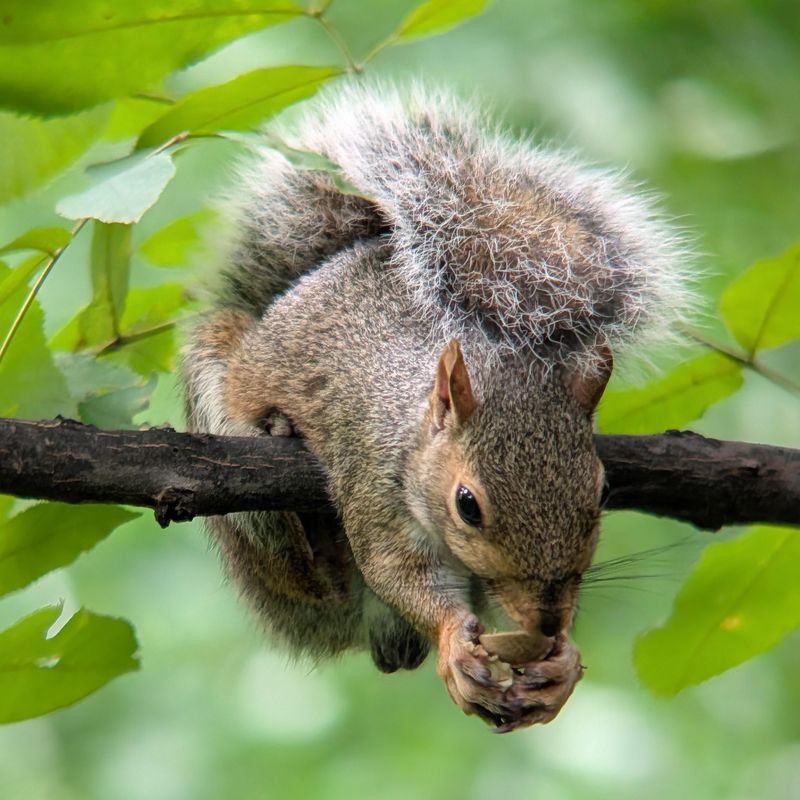
Winter food is the whole reason behind the digging. Gray squirrels do not hibernate, so they stay active through the colder months and still need to eat.
Hiding nuts in fall gives them a backup supply when fresh food becomes harder to find.
Georgia winters are usually milder than winters up north, but food can still run low. Acorns and hickory nuts mostly fall in autumn, and trees will not produce a fresh crop until the next year.
So squirrels plan ahead in their own way, tucking away nuts while the supply is good.
You may notice them working hardest in the morning and late afternoon. That timing often lines up with their natural activity peaks, though weather can shift their schedule.
If the holes bother you, try covering newly planted beds with chicken wire or hardware cloth until plants settle in.
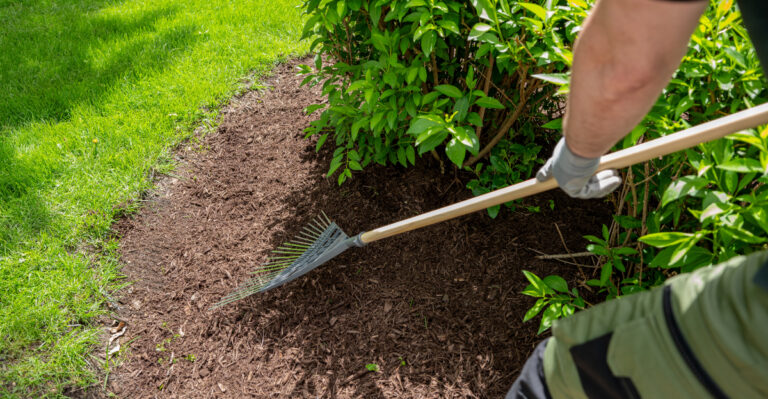
Laying mulch loosely over bare soil may also help a bit, though determined squirrels can still dig through it. Results tend to vary from yard to yard, depending on how many squirrels live nearby.
Patience helps too, since most of the heavy burying slows down once the nut crop has been gathered.
2. October Brings An Abundance Of Acorns And Other Nuts
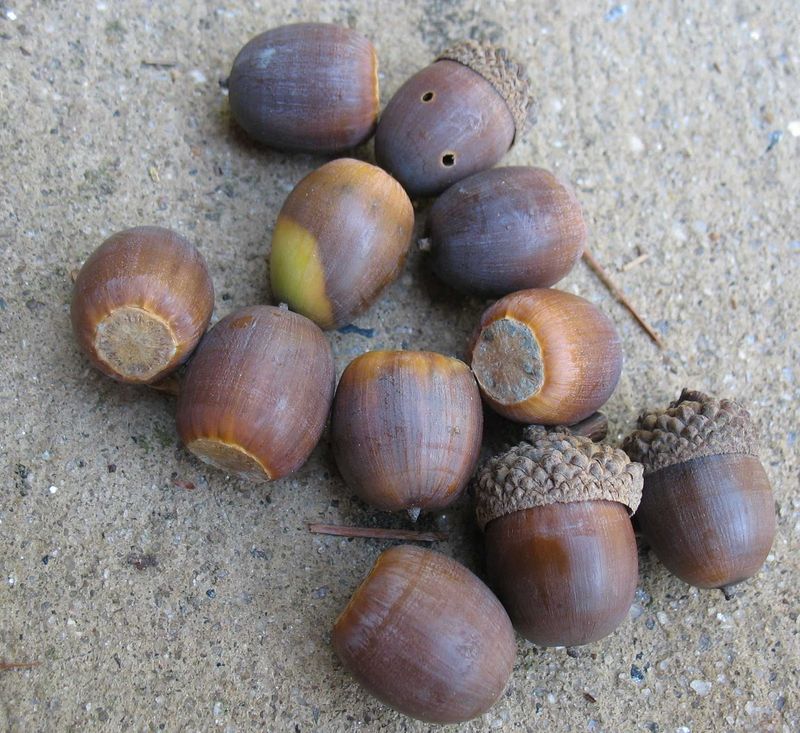
Acorns hit the ground hard this time of year, and you can hear them bouncing off roofs and car hoods. Oaks are one of the most common trees in Georgia yards, parks, and forests.
Many oak species drop their acorns in early to mid fall, which puts October right in the middle of the harvest.
Hickories, pecans, and walnuts can add to the supply in some areas. Pecan trees are especially common in south Georgia, and squirrels happily raid them.
Nut crops are not the same every year, though.
Some years oaks produce huge amounts of acorns, and other years the crop is light. Weather, tree health, and natural cycles all play a part in these swings.
When food is plentiful, you will likely see more caching activity around your property.
Raking up acorns from patios and walkways can make the area safer to walk on. It may also reduce how often squirrels hang around your doorstep.
Your Georgia Garden Changes Every Week. Your Plan Should Too.
Gardening in Georgia changes quickly throughout the season. Every Friday you’ll receive a simple weekly plan showing exactly what to plant, prune, fertilize, harvest, and protect so you never miss the right timing.
Leaving some nuts under trees at the edge of your yard is fine too, since local wildlife like deer, turkeys, and blue jays also eat them.
3. Scattered Food Caches Help Reduce The Risk Of Losing Everything
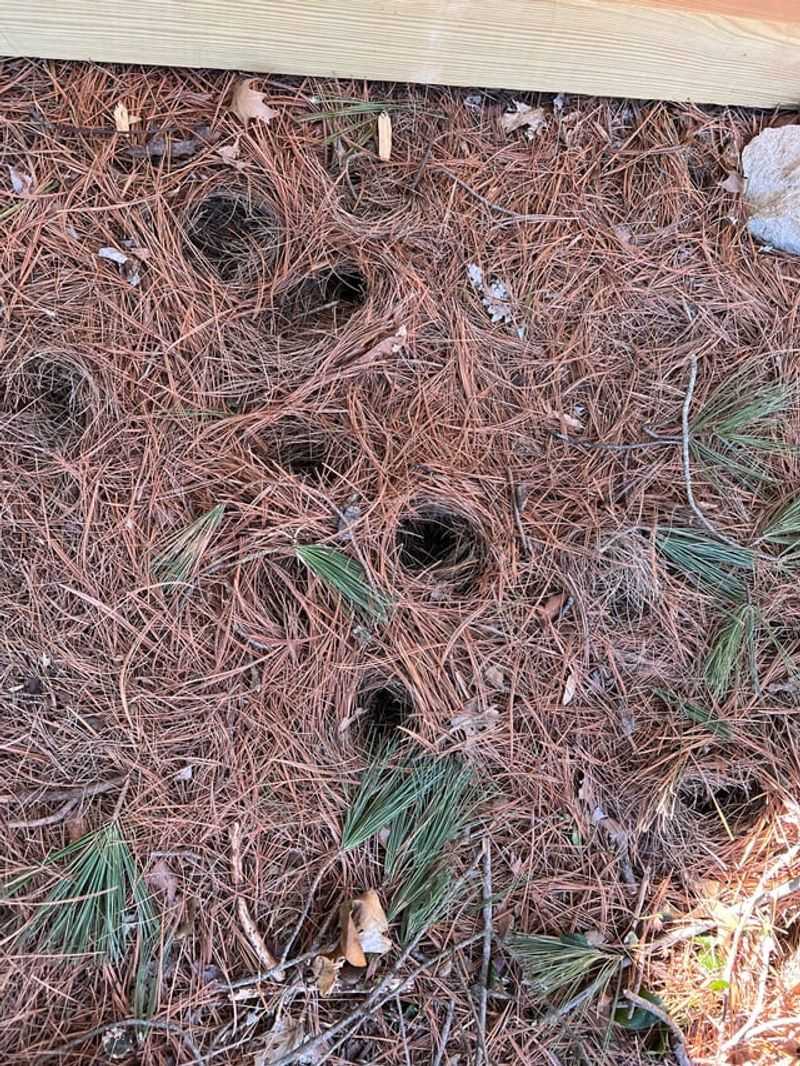
One hole here, another one over there. Gray squirrels usually spread their nuts out, burying them one at a time in many different spots.
Biologists call this scatter hoarding, and it is a smart way to protect a food supply.
Think about what happens if every nut sits in one pile. A single raid by another squirrel, a chipmunk, or a bird could wipe out the whole stash.
Spreading nuts across a wide area means a thief might find a few, but not all of them.
Gray squirrels have also been observed pretending to bury a nut when another animal is watching. They may then carry the real nut somewhere else, though not every squirrel does this.
For Georgia homeowners, scatter hoarding explains why the small holes seem to pop up everywhere at once.
Flower pots and freshly turned beds attract a lot of this digging because the soil is loose and easy to work. Placing a layer of small stones or a piece of mesh on top of potted soil can help.
Lawns usually bounce back from the shallow holes on their own with a little time.
4. Squirrels Use Their Sense Of Smell And Memory To Find Buried Nuts
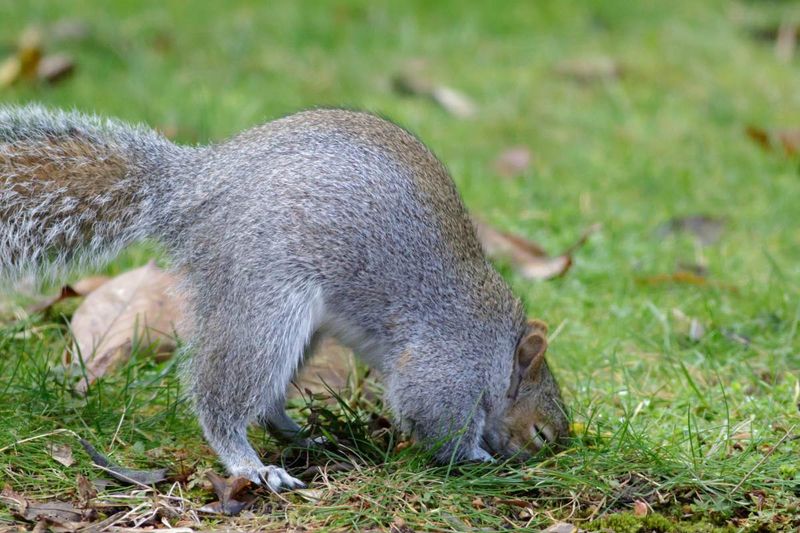
Watch a squirrel hunting for food in winter, and you will see its nose working nonstop. Smell plays a big role in finding buried nuts, especially when the soil is fairly moist.
A squirrel can often sniff out a nut hidden an inch or two under the ground.
Memory matters too. Gray squirrels seem to remember the general areas where they hid food, using landmarks like trees, rocks, or fence posts.
They probably do not remember every single spot perfectly, so smell helps fill in the gaps.
Squirrels may also dig up nuts that other squirrels buried. Finding food is more of a group lottery than a private bank account.
Here in Georgia, you might notice squirrels digging in winter where they buried nuts back in fall.
That is usually a sign they are checking their old hiding spots. Dry ground or heavy leaf cover can make the search harder, so success varies with the weather.
If you see a squirrel digging in midwinter, it is most likely eating from its stored supply rather than starting a new one.
5. Not Every Buried Nut Gets Dug Up Again
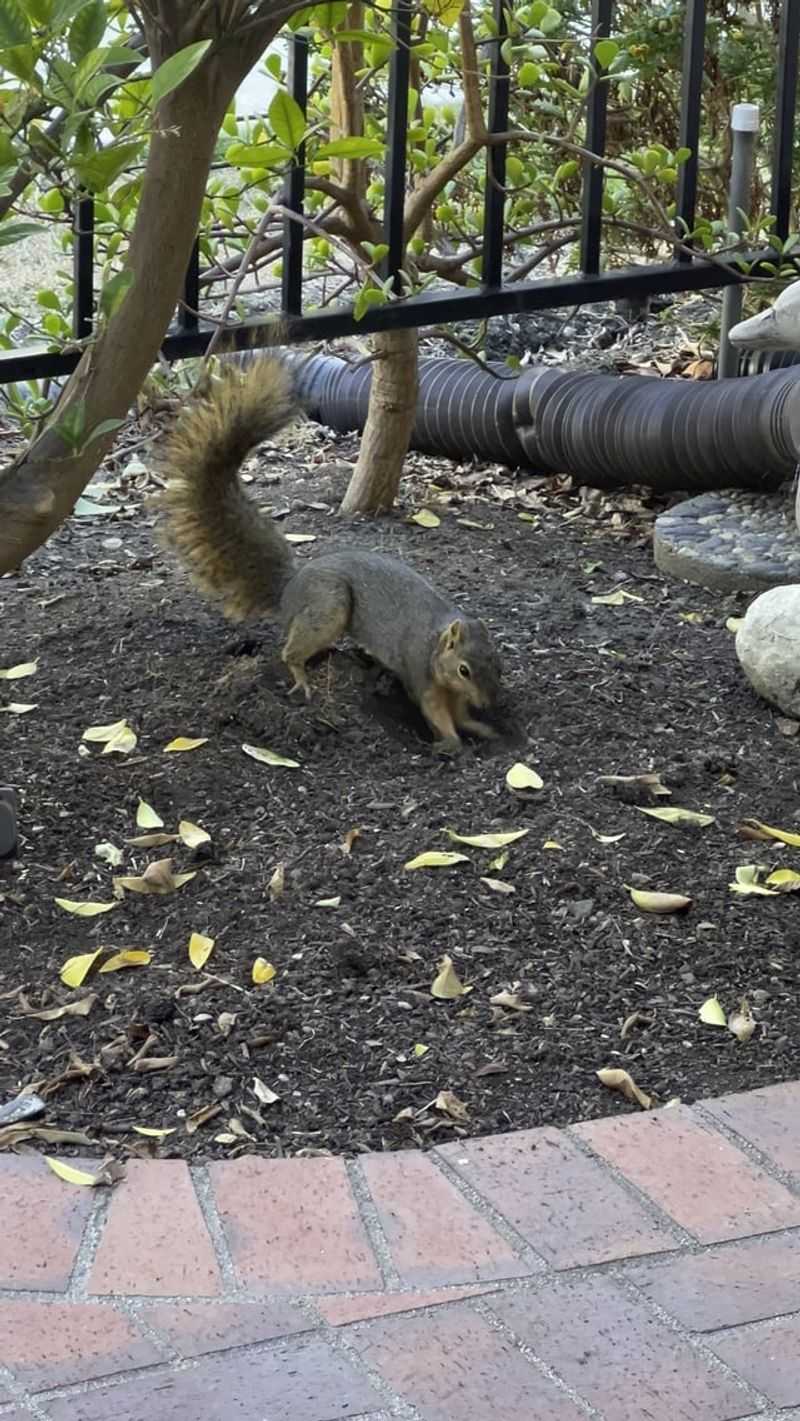
Plenty of nuts stay right where they were hidden. Squirrels recover a large share of their stored food, but some nuts are left behind each year.
Exact numbers are hard to pin down, and they likely change with conditions.
Several things can cause a nut to go unclaimed. The squirrel might lose track of the spot, find enough food elsewhere, or be taken by a predator like a hawk or fox.
A big acorn year can also leave squirrels with more food than they need.
Some buried nuts simply rot or get eaten by insects before anyone returns. Others are found by mice, chipmunks, or birds instead.
In Georgia yards, you may spot leftover nuts when you turn soil in spring.
Those surprise acorns in your vegetable patch usually came from a squirrel’s fall work. Pulling them out early is easy if you do not want them sprouting in your garden.
Keep an eye on beds near large oaks, since those spots often get the most buried acorns.
If you leave a few in a suitable spot, some may eventually grow into young oak seedlings. Just remember that not every buried acorn will sprout, even when soil and moisture conditions seem right.
6. Forgotten Nuts Can Eventually Grow Into New Trees
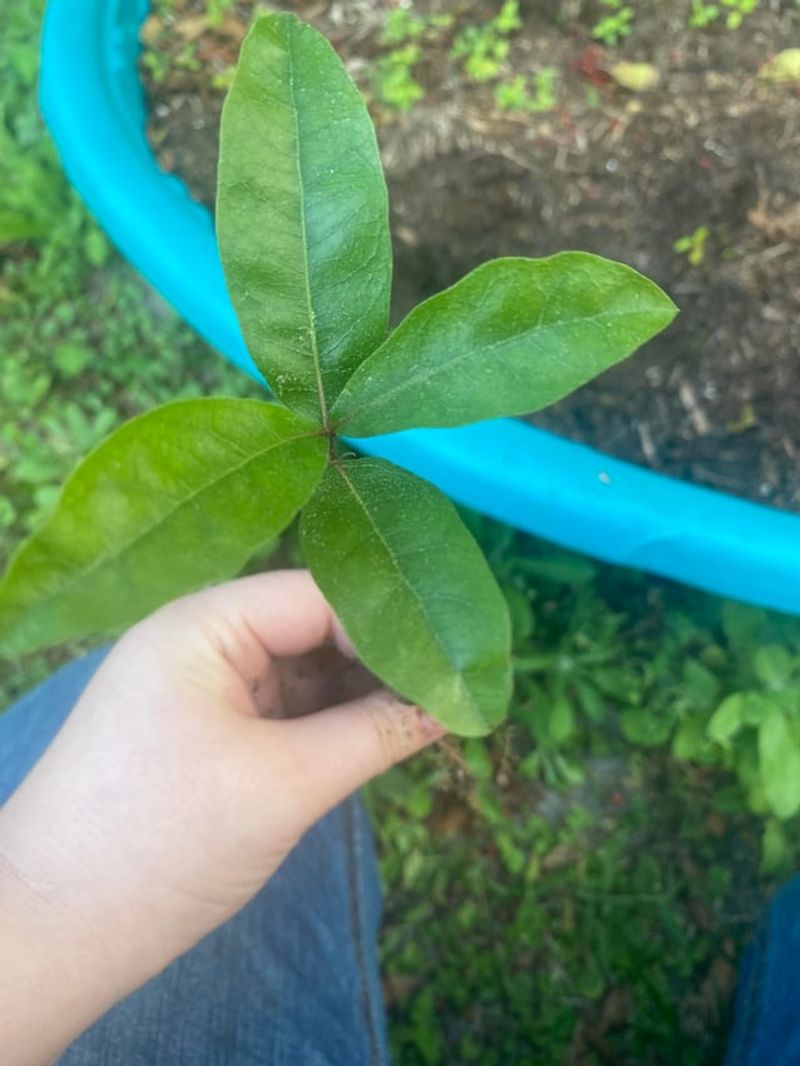
Some of the oaks around your home may have started from a squirrel’s lost snack. When a buried nut is not eaten and conditions are right, it can sprout into a seedling.
Squirrels are widely considered important helpers in spreading oak and hickory trees.
Burying a nut can actually help it grow. A shallow layer of soil keeps the seed moist and hides it from other hungry animals.
Still, most sprouted seedlings do not survive long, especially in mowed lawns or shady spots.
Across Georgia, white oak acorns often sprout in fall soon after dropping, while red oak acorns usually wait until spring. That difference may also affect which nuts squirrels eat right away and which they store.
You might find tiny oak seedlings popping up in flower beds, gutters, or along fence lines.
If they are growing in a bad spot, pull them while they are small and the roots are short. Oak seedlings grow deep taproots, so waiting can make removal much harder.
Want a free tree? Leave one in a sunny, open space where it has room to grow.
7. Most Nut Burying Activity Is A Normal Part Of Fall Behavior
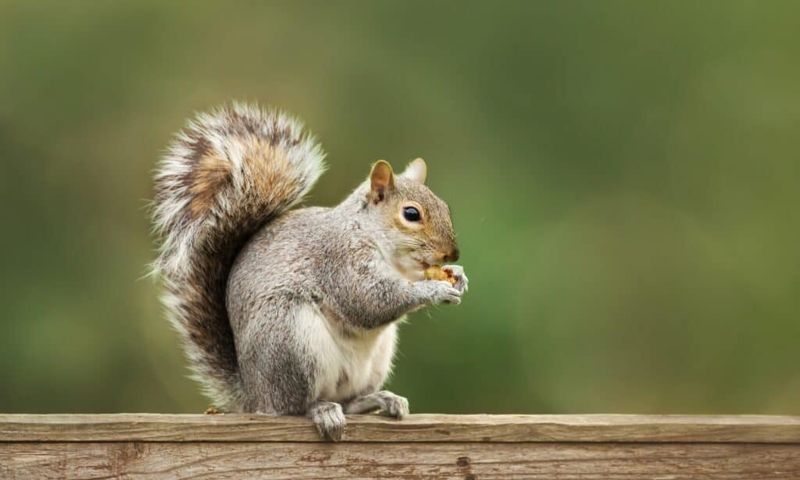
Relax, your yard is not under attack. Busy squirrels in October are simply following a seasonal routine that has been around far longer than any of our lawns.
In most cases, the digging is harmless and fades as the nut supply runs low.
Small holes in grass usually fill in or grow over without much help. Gently pressing loose soil back down with your foot can speed things up.
Bulb beds are a different story, since squirrels sometimes dig up tulip and crocus bulbs in fall.
Planting daffodils is a common choice in Georgia because squirrels tend to leave them alone. Covering other fresh bulb plantings with wire mesh until they root can also cut down on damage.
Bird feeders may draw extra squirrels, so placing them away from garden beds can help.
Watch for signs that go beyond normal digging, like squirrels chewing on wood siding or getting into your attic. Those problems may need help from a licensed wildlife professional.
Otherwise, enjoy the show from your window, because these little planners are just getting ready for winter.