Why You Should Never Leave Spotted Rose Leaves On The Ground In Michigan This Fall
One small black spot on a fallen leaf can hold enough fungus to restart trouble next spring. The leaf looks harmless on the cold ground, but it quietly waits out the long Michigan winter.
Garden scientists say the fungus survives snow, ice, and freezing nights tucked inside those soggy brown leaves. Spring rain then splashes tiny spores back onto fresh green growth, and the cycle starts all over again.
I used to rake every other bed in October and skip the shrubs right by my porch. Those spotted leaves can bring black spot back to your bushes as early as late spring.
Personally, I believe a quick fall cleanup is one of the easiest favors you can give your Michigan garden. So what exactly is hiding in those leaves, and what should you do with them this month?
Fallen Spotted Leaves Carry Black Spot Into Next Spring
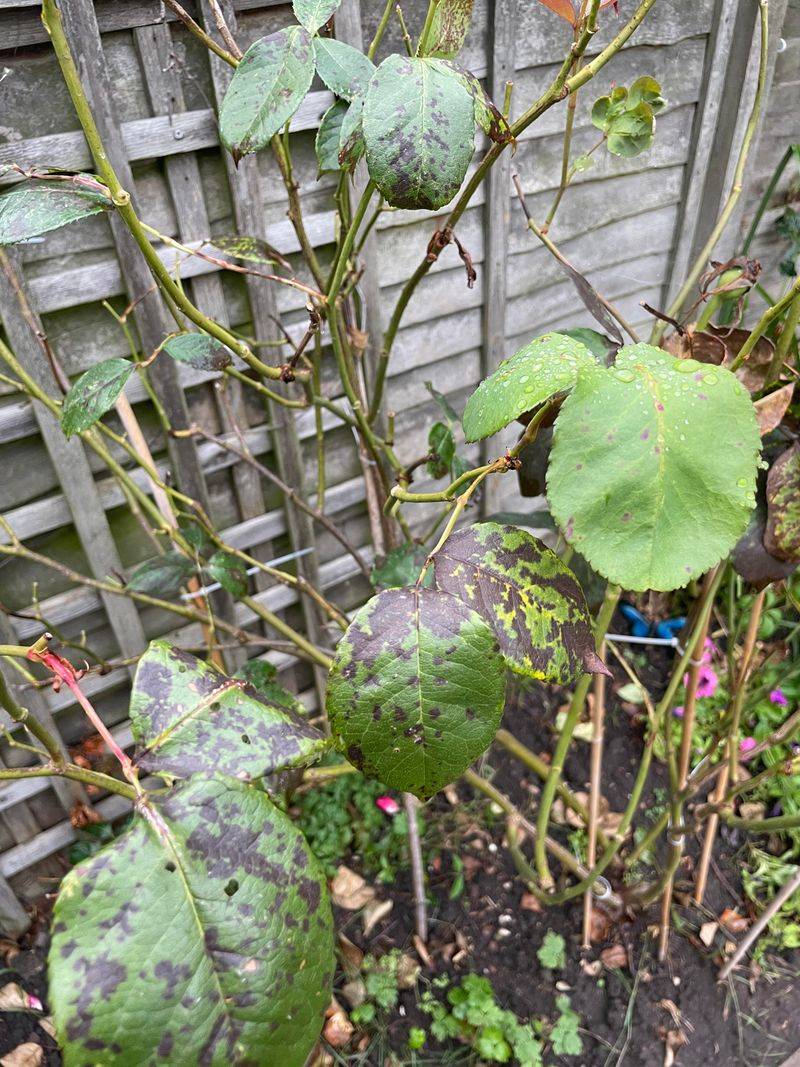
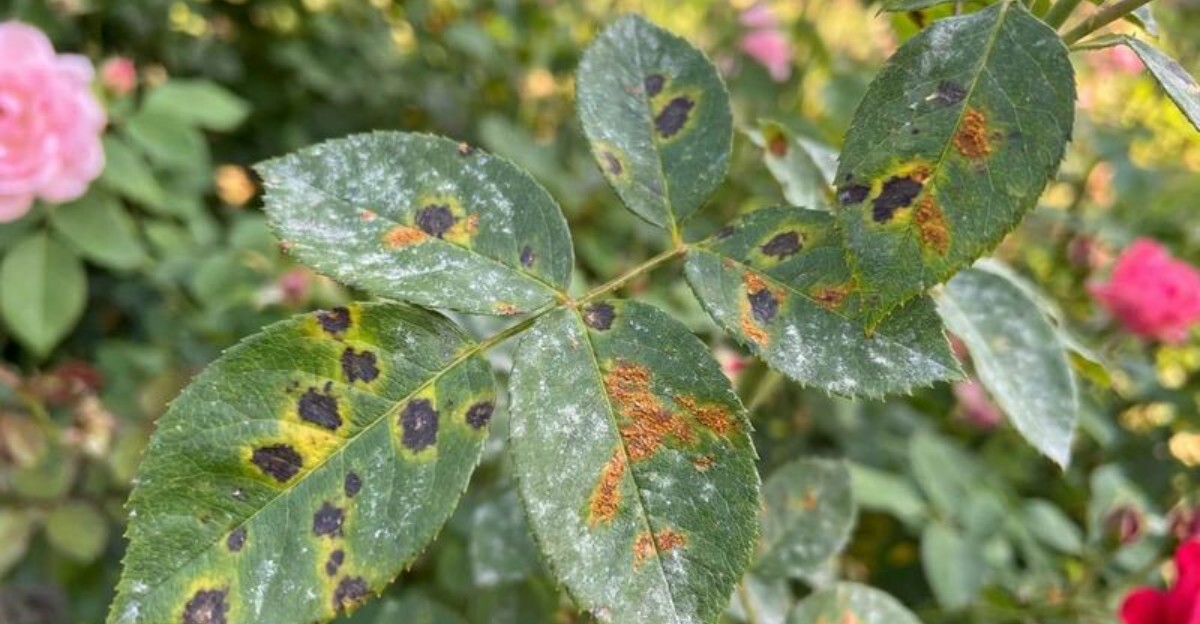
Those dark, fringed circles on fallen rose leaves usually point to a fungal disease called black spot, and the fungus can survive in them all winter. The fungus has a scientific name, Diplocarpon rosae, and it ranks among the most common rose problems.
Michigan State University Extension describes the spots as black with feathery edges, often surrounded by yellow tissue. Infected leaves often turn yellow and drop early, leaving bare canes that look tired by late summer.
Those same leaves end up scattered under your bushes by October, and that is where trouble begins. The fungus keeps living inside the fallen leaf tissue, even after the leaf turns brown and crispy.
Think of each spotted leaf as a tiny storage box packed with spores for next year’s garden. A single bush can drop hundreds of these leaves, which adds up to a huge supply of fungus.
Black spot rarely takes out a healthy rose in one season, but it weakens the plant over time. Fewer leaves mean less food from sunlight, so the bush may bloom less and struggle through cold winters.
Michigan gardeners see this disease often because our humid summers give the fungus plenty of damp leaves. Lake breezes, heavy morning dew, and frequent rain showers all help keep foliage wet for long stretches.
So when you notice those fallen, freckled leaves this fall, treat them as a clear warning sign. Removing them now is one of the most useful steps for cutting down next year’s disease pressure in your yard.
Spring Rain Gives The Fungus A Free Ride
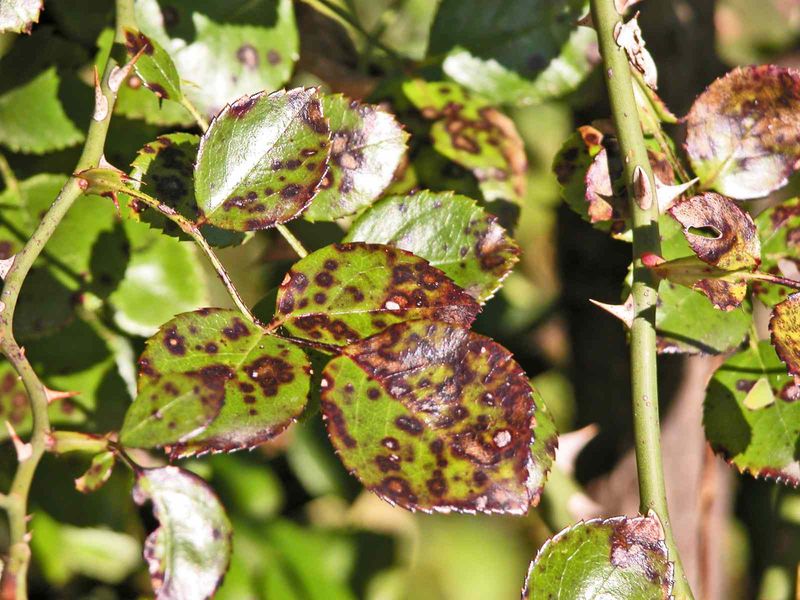
Raindrops act like tiny delivery trucks for black spot, and they work best in the spring. When new rose leaves unfold, falling water hits the old leaves below and splashes spores upward onto the stems.
Extension experts explain that the fungus forms small fruiting bodies on fallen leaves during the cold months. Once temperatures warm up, those structures release spores that ride water droplets onto the lowest green branches.
Wet leaves are the key ingredient, because the spores need moisture to sprout and slip inside the leaf. Research shows that about seven hours of leaf wetness can be enough for a new infection to start.
Your Michigan Garden Changes Every Week. Your Plan Should Too.
Gardening in Michigan changes quickly throughout the season. Every Friday you’ll receive a simple weekly plan showing exactly what to plant, prune, fertilize, harvest, and protect so you never miss the right timing.
Spots usually appear on the bottom leaves first, then creep higher as more splashing spreads the fungus. Each new spot makes more spores, so one rainy week can turn a few spots into dozens.
Michigan springs often bring plenty of showers, chilly nights, and heavy morning dew that lingers on foliage. Those conditions roll out a welcome mat for any spores left over from last fall’s leaf pile.
I like how simple the fix is once you understand this splash cycle in your own yard. Fewer infected leaves on the ground means fewer spores waiting to hitch a ride onto your bushes next April.
Cleanup will not remove every spore, since some also hide in spotted canes and nearby plant debris. Still, cutting off the main supply gives your roses a much calmer start when the weather warms.
Your Backyard Compost Pile Is The Wrong Spot
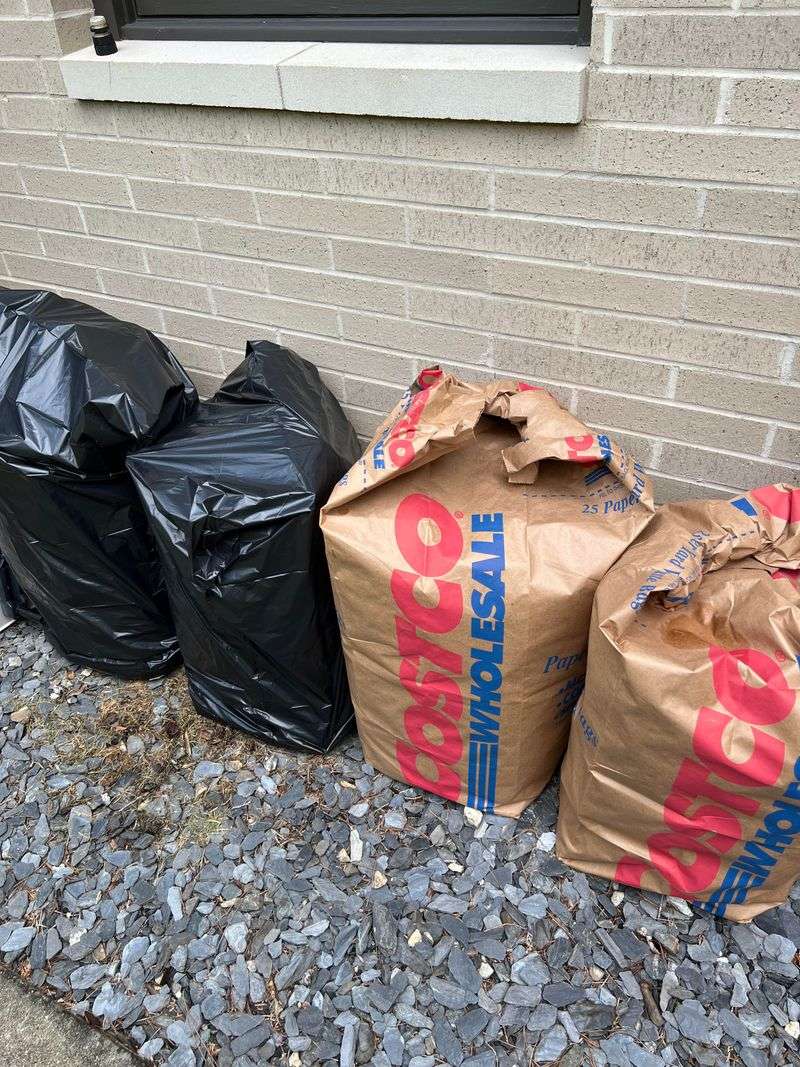
Tossing spotted leaves onto the compost heap feels responsible, yet it can backfire in a typical backyard. Most home piles rarely get hot enough to break down disease organisms like the black spot fungus.
University extension guides suggest that compost needs to reach roughly 140 degrees or higher to reduce pathogens. Even then, the cooler outer edges of the pile may still shelter spores through the winter months.
Spreading that finished compost around your roses next year could put the fungus right back where it started. Shredding spotted leaves into mulch under the bushes can create the same problem in a quicker way.
Michigan adds a twist, because state law has banned yard clippings from regular landfills since the 1990s. That means your household trash cart may not be the right place for a big bag of leaves.
Many Michigan cities offer curbside yard waste pickup in fall, and those leaves head to large commercial compost sites. Big municipal piles usually heat up far more than backyard bins, which helps break down plant diseases.
Some towns allow leaf burning while others ban it, so check your local rules before striking a match. Another option is burying spotted leaves several inches deep in a garden bed far from your roses.
Personally, I keep a separate paper yard bag just for diseased leaves so they stay out of my bin. That small habit takes seconds and saves you from recycling the same fungus year after year.
A Simple October Cleanup Makes A Big Difference
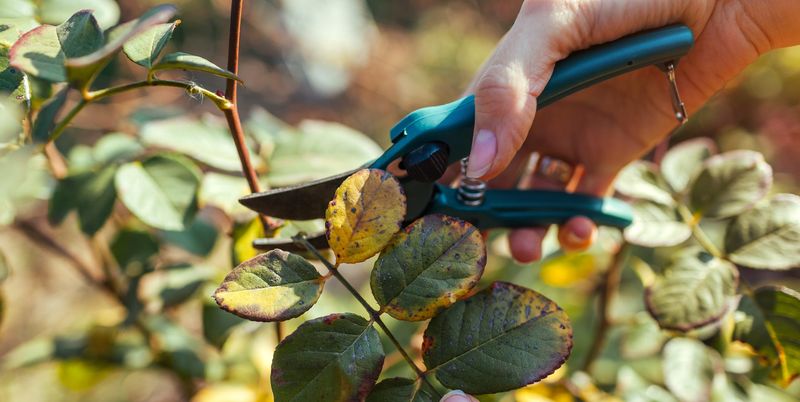
Grab a rake, a pair of gloves, and a few paper bags on a dry October afternoon. Dry leaves are lighter, easier to gather, and less likely to smear spores onto your sleeves and pants.
Start by raking under each rose bush, reaching all the way to the base of the canes. A small leaf rake or even your gloved hands work well in tight spots near thorny stems.
Next, pull off any spotted leaves still clinging to the branches, since they will drop soon anyway. Many extension guides suggest replacing old mulch too, because spores can settle into that loose, crumbly layer.
Look closely at the lower canes for purple or black blotches, which can also carry the fungus. Save heavy pruning for early spring in Michigan, but you can snip out badly marked canes now.
Once the ground is bare, spread a fresh layer of clean mulch about two or three inches deep. New mulch acts as a barrier that helps block rain from splashing leftover spores up onto leaves.
Clean your pruners and rake with a household disinfectant before moving on to healthy plants in other beds. That quick wipe keeps you from carrying spores from one corner of the yard to another.
Fall cleanup is a low-cost way to help protect roses, and for a few bushes the job often takes about an hour. Plan a second sweep in early November if late leaves keep falling after your first round of cleanup.
Your Roses Will Thank You Next Season
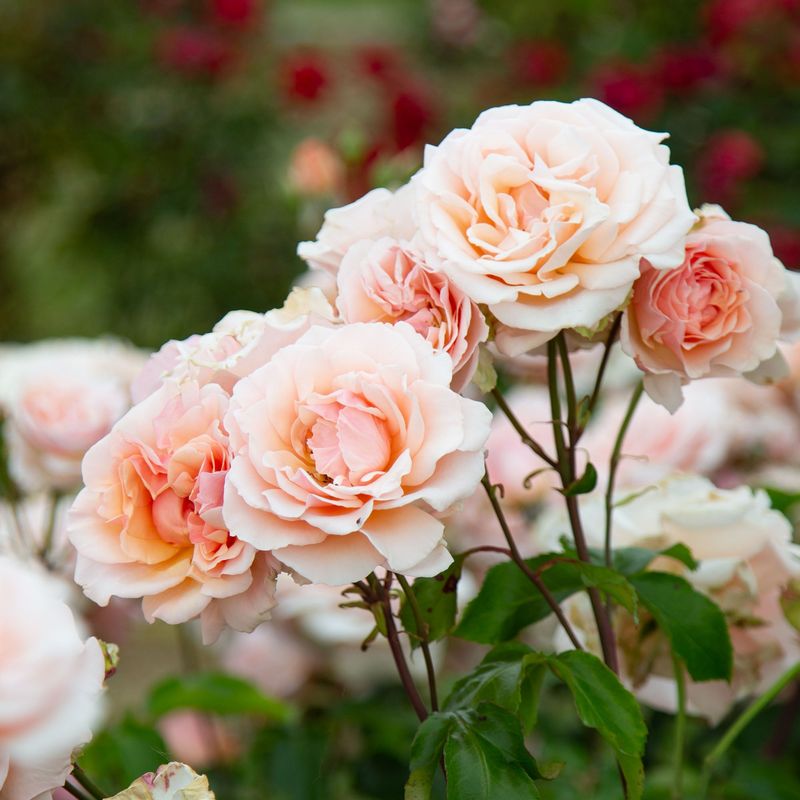
Few garden sights beat a rose bush wearing a full coat of glossy green leaves in July. Fall cleanup can help your plants look their best, though a damp, drizzly year may still bring some spots.
Removing infected leaves lowers the number of spores ready to reach fresh growth early in spring. Fewer spores usually mean black spot shows up later in the season and spreads more slowly across the bush.
Leaves that stay on the bush longer keep making food from sunlight, and that energy feeds more flowers. Healthy foliage also helps roses store reserves, which matters a lot before a long Michigan winter.
To be honest, cleanup alone rarely stops black spot cold, especially during a very rainy, humid summer. Spores can drift in from a neighbor’s yard, and some survive on canes you cannot see well.
Researchers still see it as a strong first step, because it cuts down the starting amount of disease. Gardeners who skip it may see spots show up earlier in the season.
Many rose growers also find they need fewer fungicide sprays when they start with a tidy, raked bed. That saves money, time, and effort, and it means fewer chemicals around kids, pets, and pollinators.
I believe the payoff feels best in late June, when the first big flush of blooms opens. You will look at those clean leaves and feel glad you spent one chilly afternoon raking in October.
Smart Habits Keep Black Spot In Check Year After Year
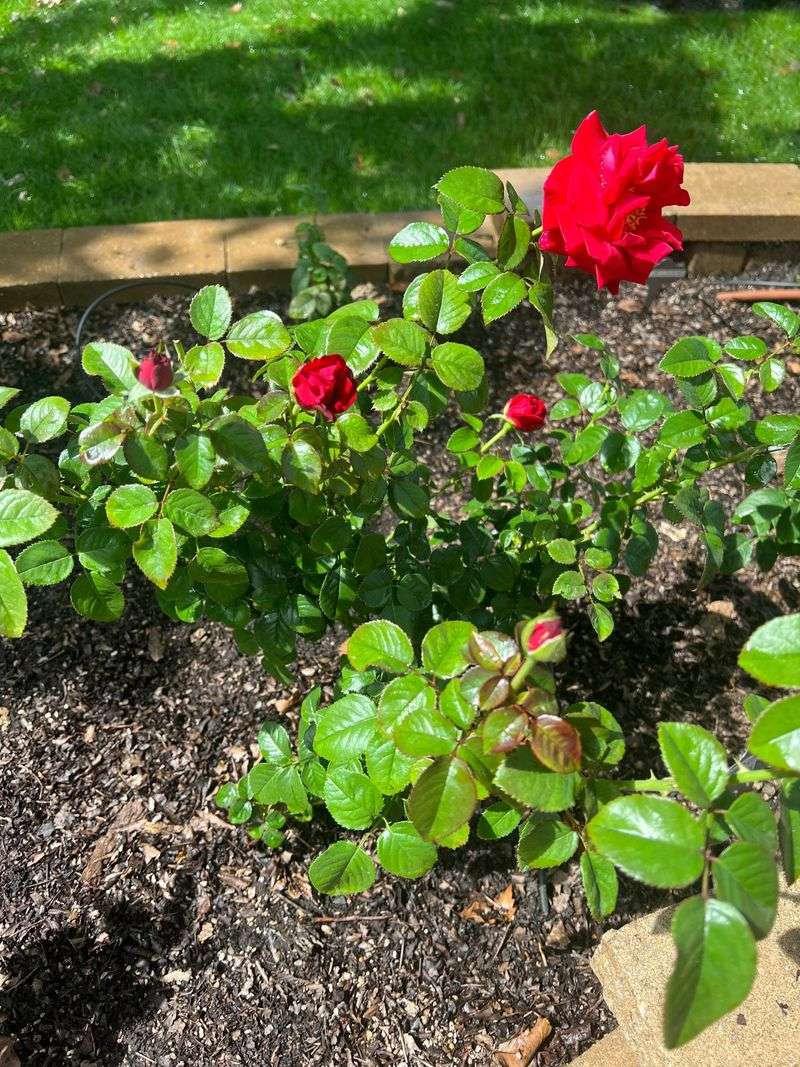
Long winter evenings are a great time to flip through catalogs and pick roses bred to resist black spot. Many shrub roses handle the disease far better than older hybrid teas, though none are fully immune.
Sunlight matters too, so plan any new rose beds for spots with at least six hours of sun. Morning sun is especially helpful in Michigan because it dries heavy dew off the leaves quickly.
Give each bush some breathing room, since crowded plants trap moisture and stay damp for hours. Good airflow between stems helps leaves dry faster after rain, which gives the fungus less time to grow.
Watering habits make a surprisingly big difference once the growing season returns to your garden next year. Aim water at the soil instead of the leaves, and try to finish watering early in the morning.
Soaker hoses and drip lines are handy tools because they keep foliage dry while roots get a drink. Pair that with a quick weekly walk to pluck off the first spotted leaves you notice.
Some gardeners use fungicides labeled for black spot, starting when new leaves appear in early spring. Read every label carefully and follow the directions, since these products work best as prevention, not cure.
Michigan weather will keep throwing damp stretches your way, so a layered plan works better than one trick. Start this fall with clean ground, and each small habit afterward builds a stronger, happier rose garden.