Why Your California Yard Floods In The Same Spot Every Time It Rains
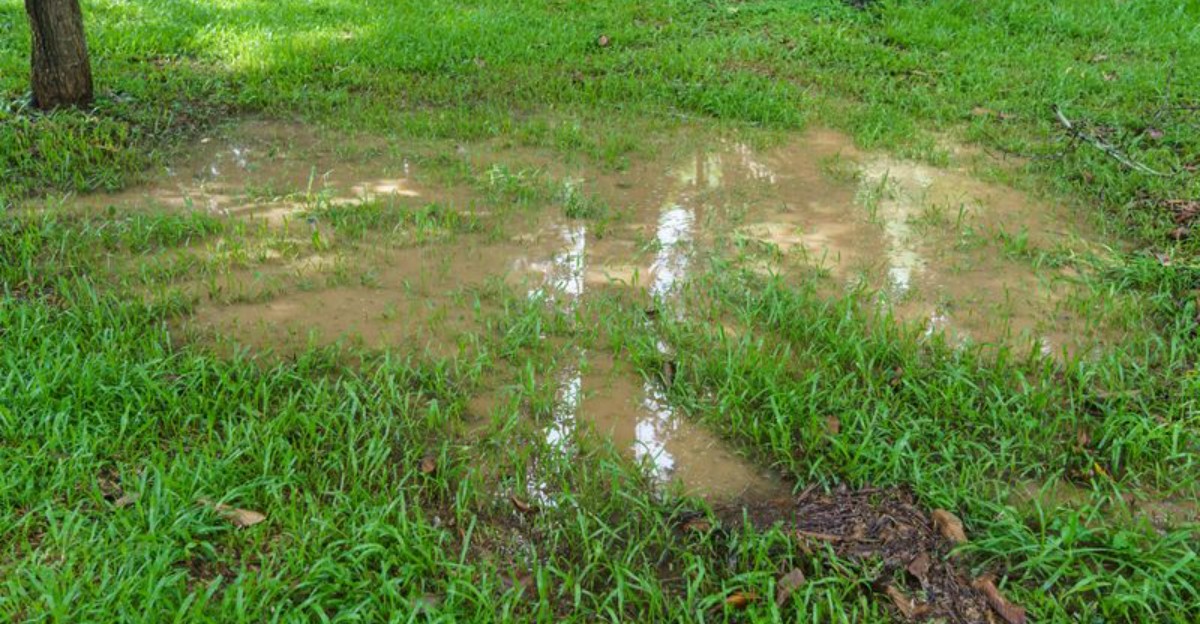
A single soggy patch in your California yard can hold rainwater for days after a quick fall storm. The puddle shows up in the same spot, almost like it has a reserved parking space with your name.
Clay soil is common across California, and its tiny particles pack tightly together. Water can soak into some clay soils at less than a quarter inch per hour, according to extension experts.
I believe most of us blame the weather first, but the real story usually sits right under our shoes. Your roof, your lawn habits, and even the shape of your yard all play a sneaky part too.
Personally, I find it oddly satisfying to track down the exact reason one spot turns into a pond. So what is your soggy corner trying to tell you before the big winter storms roll across California?
Start By Checking What Lies Under The Puddle
Grab a handful of damp soil from your soggy spot and squeeze it tight in your palm for a moment. If it forms a smooth, sticky ribbon between your fingers, you are most likely dealing with heavy clay.
Clay particles are incredibly tiny, so the spaces between them are too small for water to move quickly. Sandy soil drains fast, but clay holds onto rain like a sponge that has already reached its limit.
Many California neighborhoods sit on clay, especially in valleys where rivers once dropped fine sediment over thousands of years. Home builders often scrape away the topsoil too, leaving dense subsoil that water struggles to pass through.
Some yards also hide a hardpan, which is a cemented layer of soil a foot or two down. Water sinks to that layer, stops moving, and then backs up toward the surface like a clogged sink.
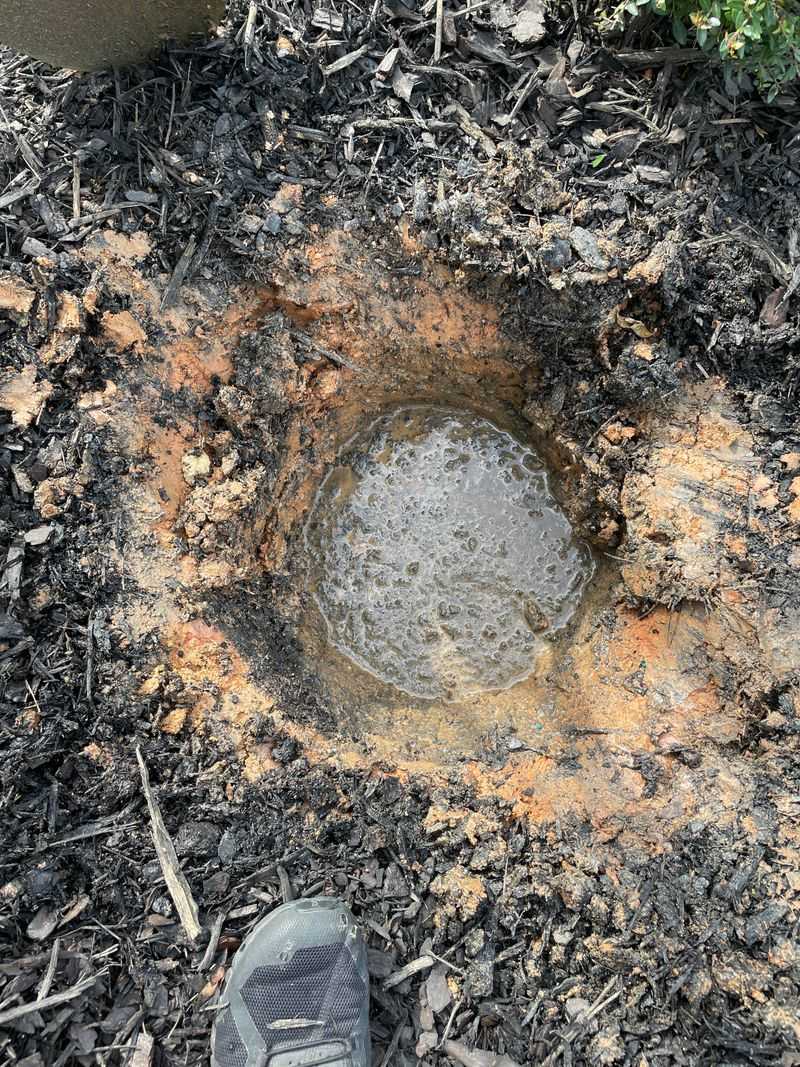
You can test drainage with a simple hole about one foot deep and one foot wide this month. Fill it with water, let it drain, then fill it again and time how fast the level drops.
University extension guides suggest that anything slower than about one inch per hour points to a drainage problem. If the water sits overnight, your soil is likely a big reason that puddle keeps coming back each winter.
Knowing your soil type gives you a huge head start on choosing the right fix later this fall. It also helps you skip expensive guesses that might not solve anything once the heavy rain finally arrives.
Low Spots Catch Every Drop From Your Roof
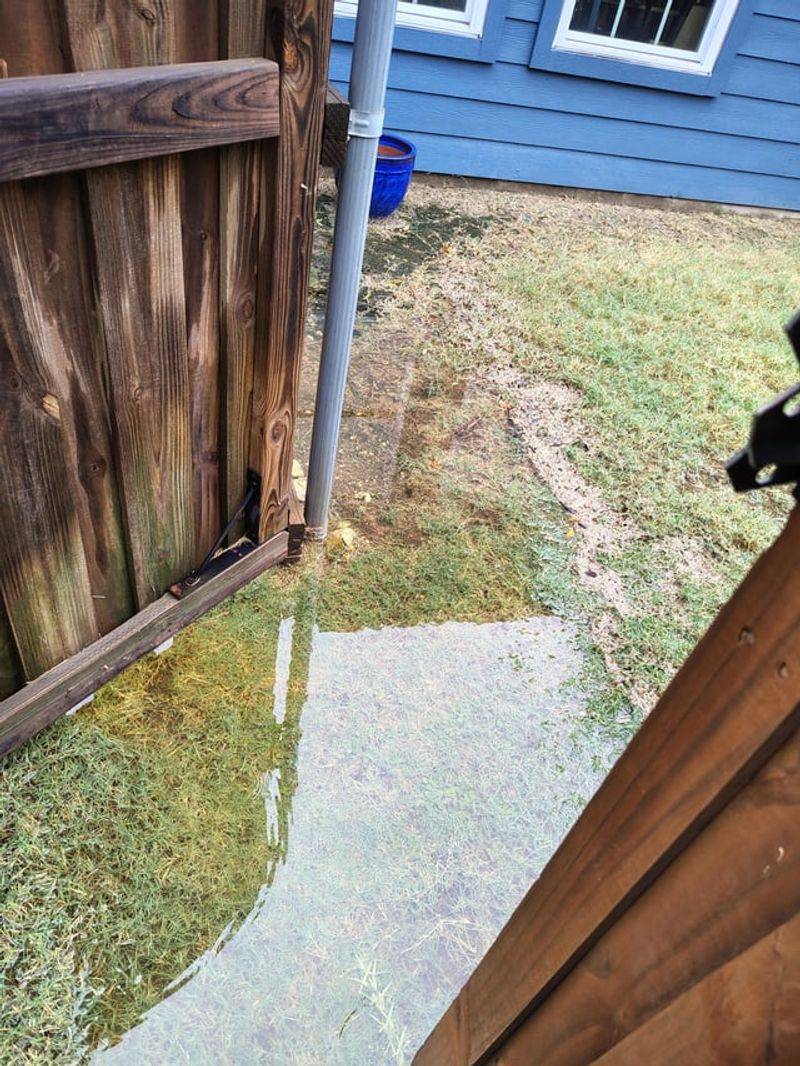
One inch of rain falling on a typical 1,000 square foot roof produces roughly 600 gallons of water. All of that runoff has to go somewhere, and gravity sends it straight to the lowest point nearby.
Walk your yard during the next storm and watch where the water flows from each downspout outlet. Many downspouts dump rain right beside the foundation, and that water often drifts toward the same dip.
Yards also settle over time, especially near patios, fences, and spots where soil was filled during construction. A drop of just a few inches is enough to turn a lawn corner into a seasonal pond.
Your California Garden Changes Every Week. Your Plan Should Too.
Gardening in California changes quickly throughout the season. Every Friday you’ll receive a simple weekly plan showing exactly what to plant, prune, fertilize, harvest, and protect so you never miss the right timing.
Hardscapes play a role too, since concrete driveways, patios, and walkways shed water instead of soaking it up. In many California suburbs, these hard surfaces cover a big share of the lot around the house.
Downspout extensions are cheap, easy to install, and can carry water several feet away from trouble spots. Extension experts commonly suggest moving roof water at least five to ten feet away.
A rain barrel is another smart choice, and many California water districts offer rebates for buying one. You capture free water for your garden while keeping a flood of runoff out of that low spot.
Grading is the bigger fix, where soil is reshaped so the ground slopes gently away from your home. A common guideline is a drop of about six inches over the first ten feet from the foundation.
Bone-Dry Summer Soil Makes The First Fall Storms Worse
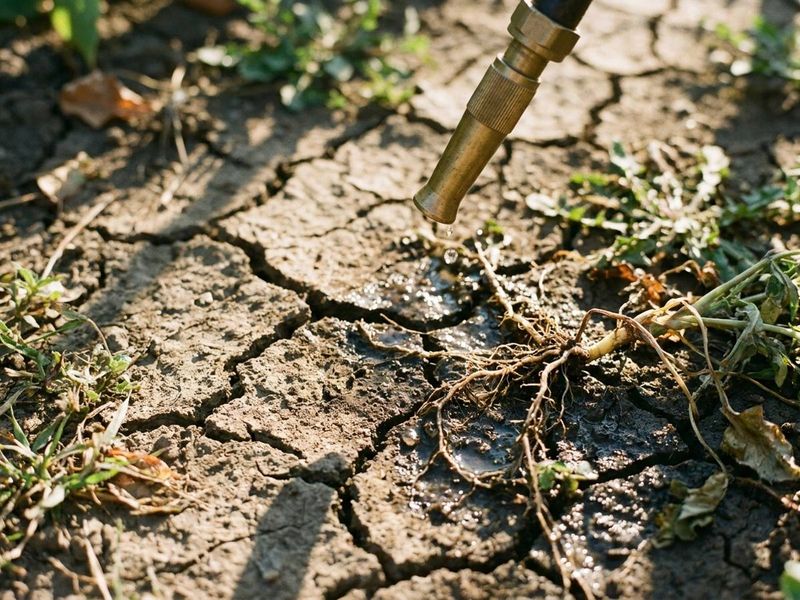
Ever poured water onto a dry houseplant and watched it race straight off the top and out the sides? Your yard can act the same way after a long, rainless California summer bakes the ground hard.
Clay soil shrinks as it dries, forming a hard crust on top with deep cracks running below it. That crust sheds the first rains of fall instead of letting the water soak gently into the ground.
Some soils also turn water repellent when they dry out, a condition scientists call soil hydrophobicity. Waxy compounds from decaying leaves and plant roots coat the soil grains and push water away for a while.
The runoff then rushes downhill, and your usual low spot fills up faster than you might expect. Fall storms on the West Coast can also be intense, dropping a lot of rain in just a few hours.
Atmospheric rivers, long bands of moisture flowing in from the Pacific, bring many of the state’s biggest storms. The heaviest ones usually arrive in winter, but early systems sometimes reach the coast in October.
Giving dry soil a light, slow soak before the season starts can help it accept water more easily. A soaker hose running for short sessions over a few days works better than one heavy blast.
Once the soil has absorbed some moisture, it often stops shedding water and lets rain soak in more evenly. Even so, clay that swells also tightens its pores, so the puddle may return later in the season.
Your Lawn Habits Might Be Part Of The Problem
My old habit of mowing the soggy lawn right after a storm made that muddy patch noticeably worse. Wet clay compacts easily, and every footstep, mower wheel, or wheelbarrow trip presses the soil a little tighter.
Compacted soil loses the tiny air pockets that let water move down, so rain sits on top instead. Roots struggle in that dense layer too, which leaves thin, patchy grass that cannot hold the soil well.
Overwatering adds to the trouble, especially when sprinklers keep running on autopilot after the fall rains begin. A soil already full of water has no room left to absorb the next storm’s rainfall.
Turning off your irrigation controller after a good soaking rain is one of the easiest fixes around. Many California water agencies even recommend switching to a rain sensor or a smart weather-based controller.
Thick thatch can cause problems too, forming a spongy mat of stems that blocks water from reaching soil. Extension experts suggest dethatching when that layer grows thicker than about half an inch across the lawn.
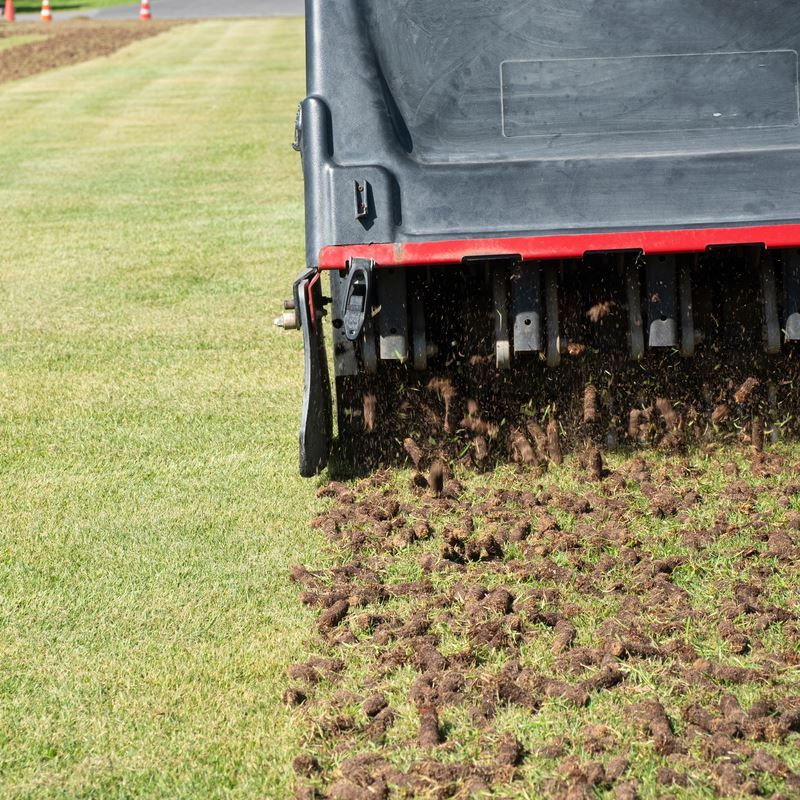
Core aeration is another helpful step, pulling small plugs of soil to open channels for air and water. Fall works well for cool-season lawns like tall fescue, which are actively growing during these milder weeks.
Try to stay off the soggy area whenever possible, and lay stepping stones along any path you use often. Small changes in daily habits can make a surprising difference by the time winter rains roll in.
A Rain Garden Can Turn The Puddle Into A Feature
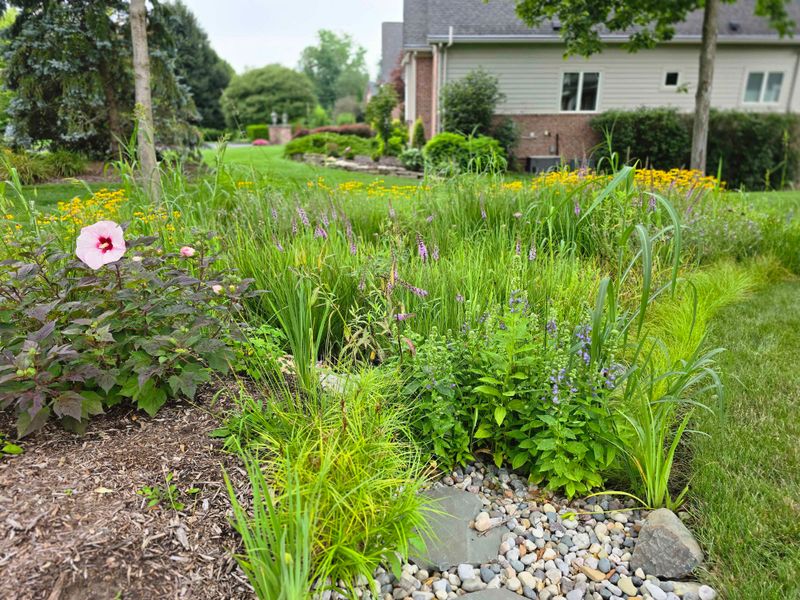
That stubborn puddle might be the perfect spot for a rain garden, a shallow planted basin built to hold runoff. Instead of fighting the water, you give it a pretty place to rest and slowly sink in.
Rain gardens usually sit at least ten feet from the house so the collected water stays away from foundations. Guides from University of California programs suggest a basin around six to twelve inches deep for most yards.
Mixing compost into the basin soil helps clay drain better, giving water a chance to soak away more quickly. Most designs aim for water to drain within about 48 hours, which also helps prevent mosquitoes from breeding.
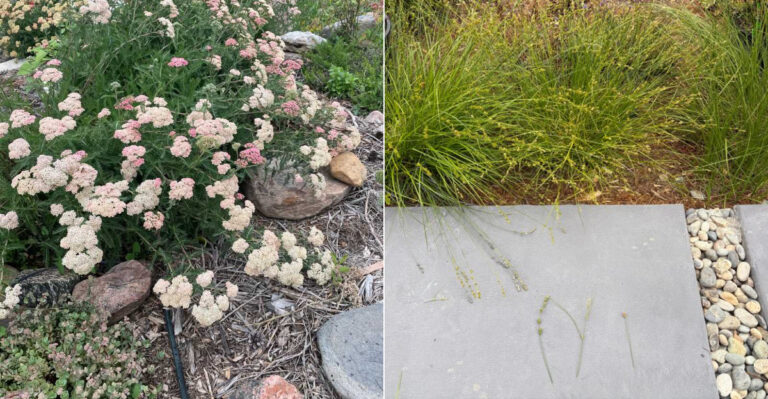
Native plants work well in these spaces because many handle both wet winters and dry summers. Common choices include deer grass, gray rush, yarrow, and seaside daisy, depending on your local conditions and sunlight.
October is a great month to plant, since cooler air and upcoming rains help new roots settle in. Many native plant nurseries hold fall sales right now, so you can find healthy starts at fair prices.
A layer of river rock at the inlet slows rushing water and keeps the basin soil from washing away. Some homeowners connect a downspout to the garden with a shallow swale or a decorative dry creek bed.
Butterflies, bees, and hummingbirds often visit these gardens, turning a former mud pit into a lively little habitat. If drainage stays very slow, a French drain installed by a pro might be the better long-term answer.
October Is Your Best Window To Prep Before Winter Storms
Cooler October days give you a sweet spot for yard work before the soil turns into sticky mud. Digging, grading, and planting are easier now than in January, when the ground can stay soaked for weeks.
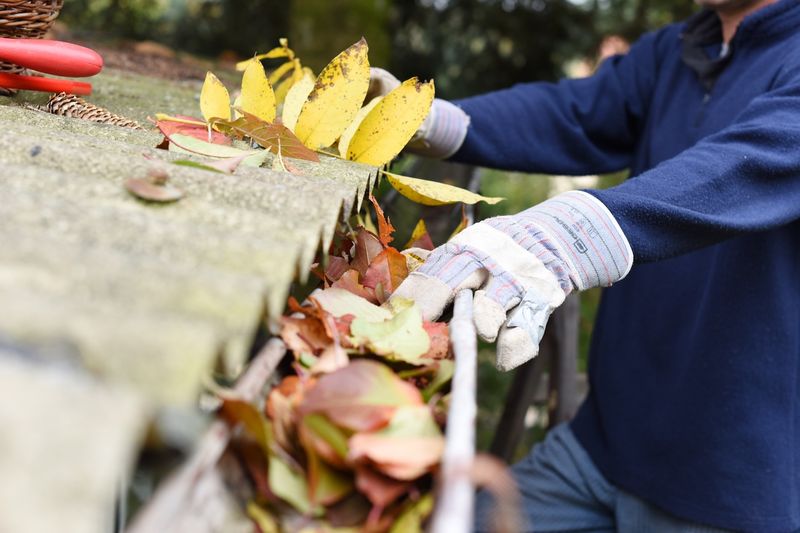
Start by clearing gutters of leaves, pine needles, and seed pods that piled up over the dry months. Clogged gutters overflow during storms, sending a waterfall of runoff straight onto the same flooded patch.
Check storm drains, yard drains, and curb openings near your home for leaves or trash blocking the flow. Many cities ask residents to keep street drains clear, since blocked inlets can push water back into yards.
Spread two to three inches of wood chip mulch over bare soil in beds around your soggy area. Mulch softens the impact of raindrops, reduces crusting, and slowly adds organic matter that improves clay over time.
Topdressing the lawn with a thin layer of compost after aerating is another simple way to build healthier soil. Results show up gradually, so think of it as a gift to your yard for future winters.
Take photos of the puddle during the first big storm, noting how deep it gets and how long it lasts. Those pictures help a landscaper or drainage expert spot patterns quickly if you decide to call one later.
Standing water near a foundation for days deserves a professional look, since moisture can affect concrete and crawl spaces. A little effort this month means fewer soggy shoes and a much happier yard once winter arrives.