Eating Celery Daily In New York? Here Are 8 Potential Benefits For Your Body
You have walked past a nutritious little vegetable in New York for years. Celery sits in your bodega fridge, ignored beside the ketchup.
Its snap is loud and crisp, like a subway brake on a cold Monday. Crack a rib and the crunch carries down the hall.
Inside that pale green crunch sit compounds called phthalides, which give celery its aroma. Early studies, largely in labs and animals, have linked those compounds to relaxed blood vessels.
Apigenin and luteolin join them, and both draw attention from scientists. Water makes up a large share of it, so you gain hydration with each bite.
Fiber rides along, keeping you full without heavy calories. Ask your grocer whether your celery comes from farms in upstate New York.
Small habits add up, even on a packed calendar. Your body notices the change before your calendar does. Bite in, because the payoff arrives sooner than expected.
1. Hydration That Fits Into Busy City Days
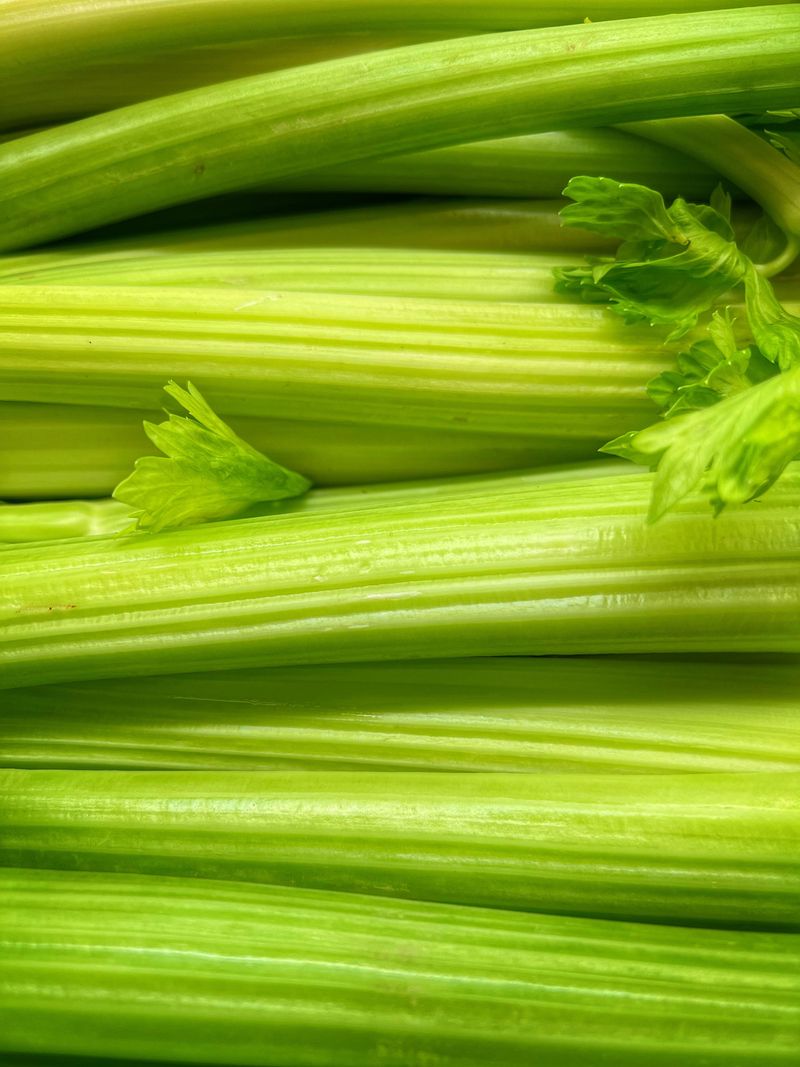
Walking twenty blocks in October can leave you thirstier than you expect. Celery is about 95 percent water, so each crunch helps refill your tank.
It is easy to forget to sip water between meetings, classes, and train rides. A few stalks in your bag can quietly cover part of that gap.
Water helps your body control temperature and move nutrients where they need to go. It also keeps your joints cushioned during long walks up subway stairs.
Celery also carries potassium and sodium, two minerals that help balance fluids. That mix makes it handy after a sweaty run along the Hudson River.
Try keeping cut sticks in a jar of cold water inside your fridge. They stay crisp for days and feel like a cool snack straight from the shelf.
Kids and adults alike tend to grab snacks they can see easily. Put the jar at eye level, and you will reach for it more often.
Pair your celery with a glass of water for an extra boost. Staying hydrated may support your skin, energy, and mood by mid-afternoon.
Small hydration habits add up over weeks and months. Think of each stalk as a tiny, edible water bottle.
Carry a small insulated bottle alongside your celery on long commutes. Cold water and a crisp stalk make a refreshing pair when the platform feels stuffy.
Notice how your focus holds steadier when you sip and snack on a schedule rather than waiting for thirst to arrive.
2. Fiber And Water For Easier Digestion After Big Meals
Pizza, bagels, and halal cart platters make this city a delicious place to eat. Your stomach, though, sometimes needs a helper after that much flavor.
Celery offers both water and fiber, a team that keeps things moving inside. Fiber adds bulk, while water softens the path along the way.
One medium stalk gives you a little under one gram of fiber. Eating three or four stalks a day adds a little fiber toward your daily goal.
Researchers have also studied compounds in celery for possible effects on the stomach lining, largely in animals.
Your New York Garden Changes Every Week. Your Plan Should Too.
Gardening in New York changes quickly throughout the season. Every Friday you’ll receive a simple weekly plan showing exactly what to plant, prune, fertilize, harvest, and protect so you never miss the right timing.
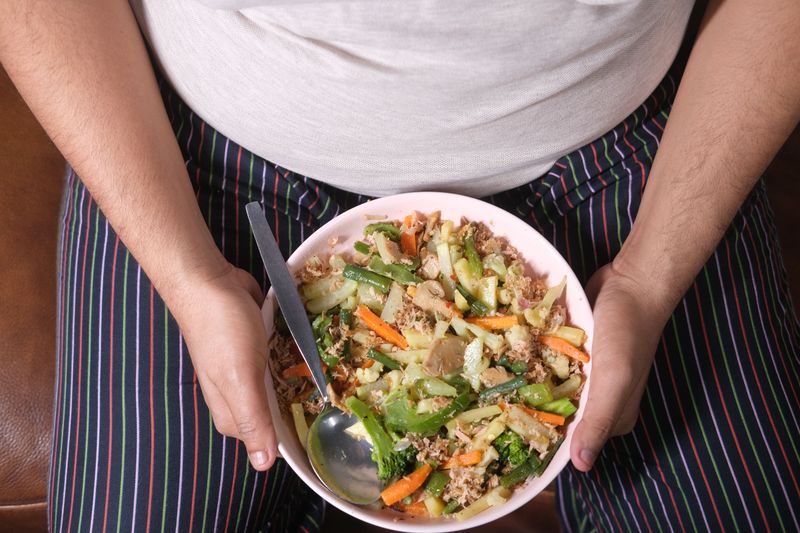
A simple trick is adding celery to meals you already enjoy. Toss it into tuna salad, stir-fries, or even your morning omelet.
Chewing slowly matters too, because digestion starts in your mouth. Those crunchy strings give your jaw a good workout before food reaches your belly.
If you feel bloated after a heavy dinner, a light celery snack may help. Pair it with a short evening walk around your block.
Your gut does a lot of quiet work each day. Giving it easy-to-digest support feels like sending a thank-you note.
Cooked celery earns a place at your table too. Simmer chopped stalks with onion and carrot, and the base of a gentle soup comes together in minutes.
Warm broths soothe the stomach, and the softened fibers feel easy on a sensitive gut after a late dinner.
3. Possible Heart Support From Everyday Stalks
Some people report better blood pressure numbers after changing their eating habits. Celery can be one small part of that routine.
Celery contains natural compounds called phthalides. Scientists think they may help relax blood vessel walls, though human studies remain limited.
Potassium in celery also plays a role in heart health. It helps balance out sodium, which many of us eat too much of.
City food can be salty, from deli sandwiches to takeout noodles. Adding potassium-rich foods helps your body handle that extra salt better.
Celery is also low in calories and has no cholesterol. That makes it an easy swap for chips during your afternoon slump.
Of course, one vegetable cannot solve a health goal by itself. Regular movement, good sleep, and less stress matter just as much.
Still, small choices stack up over the years. A daily handful of stalks is a simple step many people can manage.
Talk with your doctor if you take blood pressure medicine. They can help you build a plan that fits your body and lifestyle.
Pay attention to how you feel after a few weeks of steady snacking. Keep notes on how you feel on stairs and brisk walks.
Track your numbers with a home monitor or at routine checkups, and share the results with a trusted health professional.
4. Plant Compounds Linked With Lower Inflammation
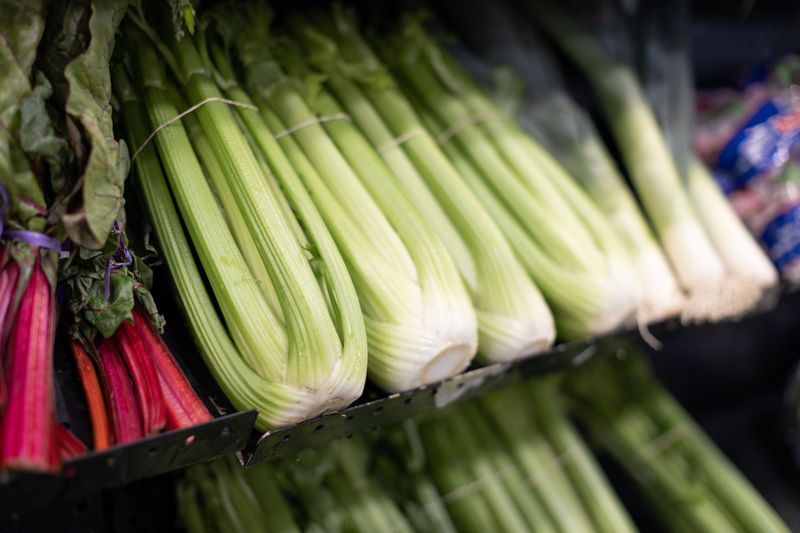
Celery contains antioxidants like apigenin and luteolin. These plant compounds may help protect your cells from everyday stress.
Inflammation is your body’s natural response to injury or stress. When it lasts too long, though, it can affect your health.
City life brings plenty of stress, from loud traffic to packed schedules. Eating antioxidant-rich foods gives your body some backup against that strain.
Do not toss the leaves when you prep your celery. They may hold more antioxidants than the crunchy stalks themselves.
Chop the leaves into soups, salads, or homemade pesto. They taste a bit like parsley with a peppery kick.
Celery seeds are another source of these helpful compounds. Sprinkle them on roasted vegetables or mix them into coleslaw for flavor.
Pairing celery with other colorful produce boosts the benefits even more. Think carrots, red peppers, apples, and dark leafy greens.
Fall farmers markets in New York are full of these options. Union Square Greenmarket is a good place to check for produce this month.
Your body works hard to repair itself each day. Eating plant-based foods may make that job a little easier.
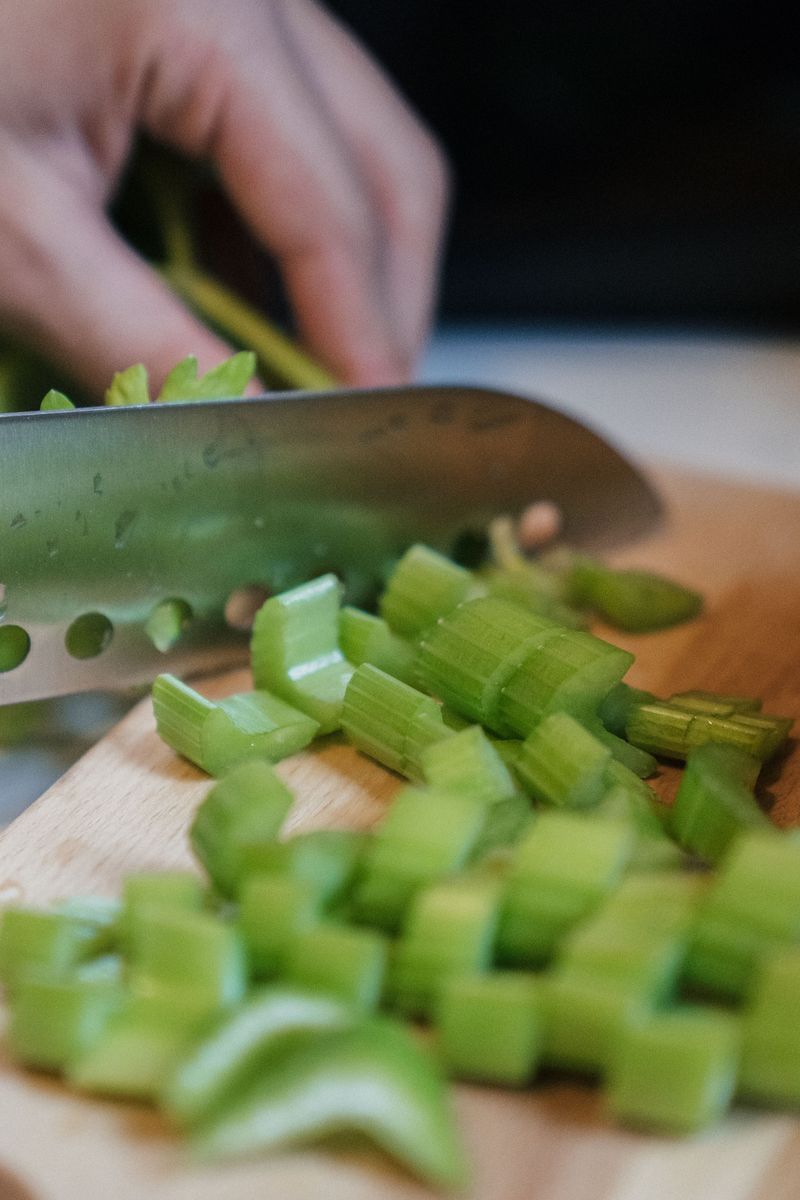
Pick stalks that feel firm and snap cleanly when bent. Fresh celery tends to taste brighter and crunchier. Rinse it well, slice it thin, and add it to a warm grain bowl or a cold noodle salad.
5. A Crunchy Snack That Supports Healthy Weight Habits
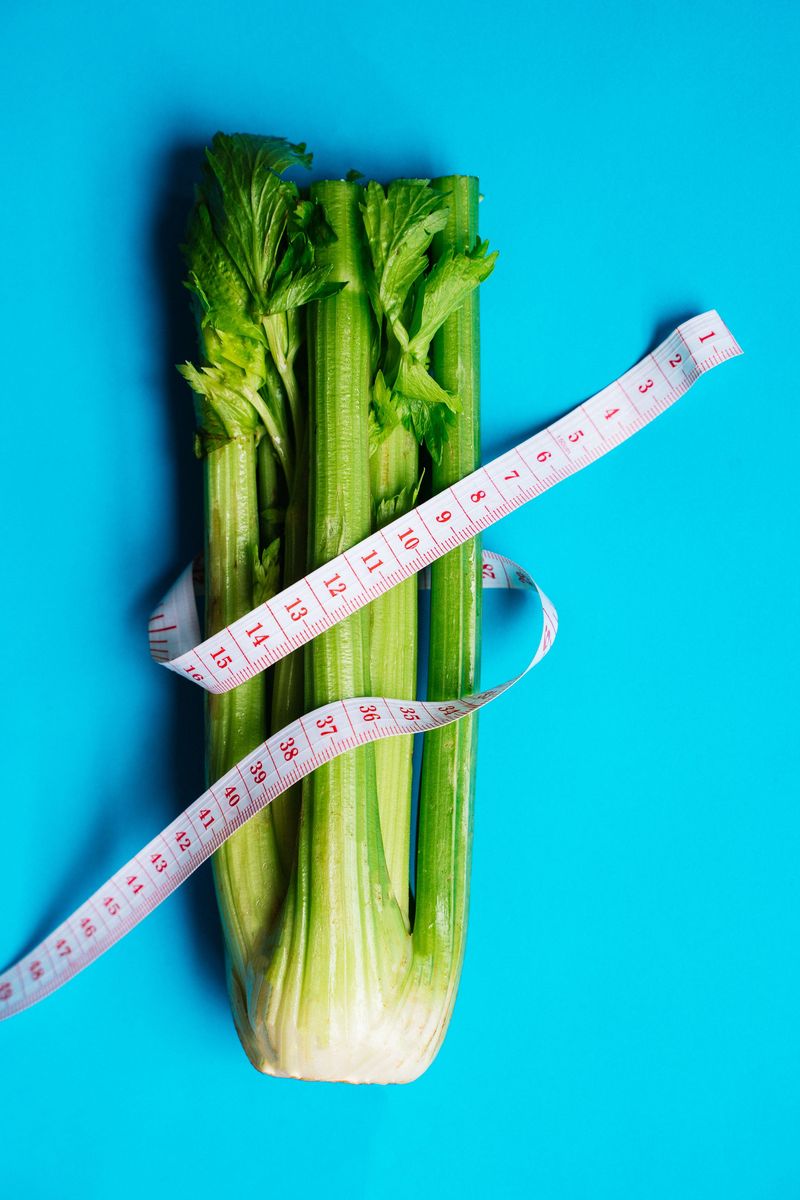
Ever heard the old claim that celery has negative calories? It is a myth, but the real story is still pretty sweet.
One large stalk has only about ten calories. You can eat a big pile and still keep your snack light.
The water and fiber in celery help you feel full. That full feeling can stop you from grabbing a second cookie.
Crunchy foods also slow you down while eating. Slower eating gives your brain time to notice when you are satisfied.
Try celery with peanut butter or hummus for staying power. The protein and healthy fats may keep hunger away until dinner.
Some bodegas and corner stores in New York sell pre-cut veggie cups. Keep an eye out for them when you need a quick bite.
Weight goals look different for each person. Focus on feeling strong and energized instead of chasing a number on a scale.
Celery works best as one part of balanced eating. Combine it with whole grains, lean proteins, and plenty of colorful foods.
Steady habits beat quick fixes in the long run. A crunchy snack can be a small but reliable part of your plan.
Plan snack time before hunger takes over. Wash and cut a batch of celery on Sunday, then portion it into small containers.
When the afternoon craving arrives, a ready crunch beats a vending machine choice and costs far less.
6. Several Vitamins In One Humble Stalk

Vitamin K might not get much attention, but your bones love it. One cup of chopped celery gives you about a quarter of your daily need.
Vitamin K helps your blood clot properly after a scrape. It also works with calcium to keep your skeleton strong.
Celery offers a small amount of folate, which helps your body build new cells. That adds a little support for growing kids and busy adults.
You also get a bit of vitamin A for healthy eyes and skin. Small amounts from many foods add up throughout the day.
Vitamin C appears too, supporting your immune system. That help is welcome as October brings cooler air and sniffle season.
Raw celery keeps plenty of its vitamins intact. Light steaming works well if you prefer a softer texture.
Many cooks wrap celery in foil inside the fridge drawer. The habit may help it stay crisp for longer.
People on blood thinners should check with a doctor about vitamin K intake. Steady amounts matter more than skipping it.
Think of celery as one source of a few vitamins. It is modest, but it adds useful nutrients to your day.
Variety helps you collect a broader range of nutrients. Rotate celery with spinach, broccoli, and bell peppers across your week.
Each vegetable brings a different blend of vitamins, and together they make your plate colorful, satisfying, and simple to repeat.
7. Why A Crunch May Help Your Mouth Feel Fresher
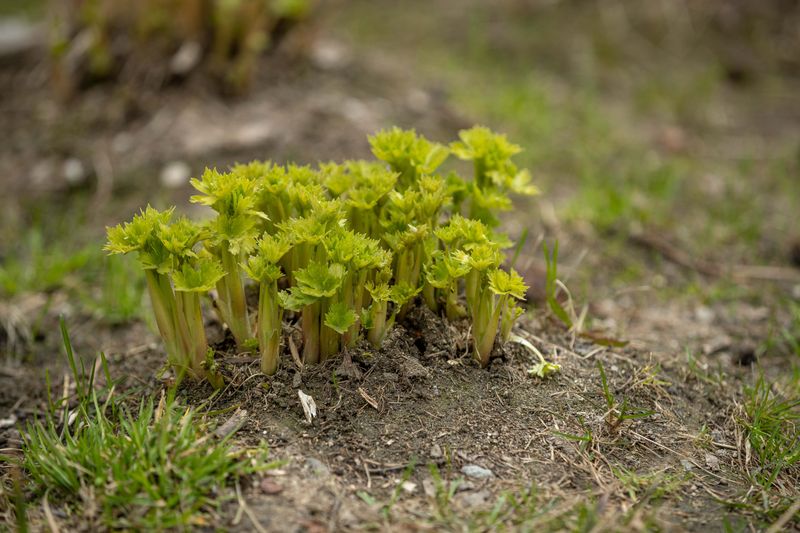
Celery’s crunch encourages saliva. Saliva helps your mouth rinse itself while you chew. The tough fibers may help loosen food bits from your teeth. They may help clear away leftovers from that garlic knot at lunch.
Extra saliva also supports your mouth in other ways. Saliva washes away bacteria and helps protect your tooth enamel.
Less bacteria usually means fresher breath. That is handy before a date, an interview, or a packed elevator ride.
Dentists still recommend brushing twice daily and flossing too. Celery is a helper, not a replacement for your toothbrush.
Keep a few sticks handy after meals when brushing is not possible. A quick crunch is easier than hunting for mints downtown.
Kids may enjoy turning celery into a game. Challenge them to make the loudest crunch at the dinner table.
Celery is low in sugar, so it is unlikely to feed bacteria linked to cavities. Swapping sweets for crunchy veggies is a smile-friendly move.
Your mouth is the starting line for good health. Treating it kindly pays off with brighter grins and fewer dental bills.
Try rinsing your mouth with water after a celery snack to wash away loose bits. Pair the habit with regular dental visits for the best results.
Healthy gums and strong enamel support confident smiles, so a crunchy routine is a pleasant place to begin.
8. Easy, Affordable Healthy Eating, Stalk By Stalk
Groceries in New York can feel pricey, especially in Manhattan. Thankfully, celery is often among the cheaper veggies in many stores.
A full bunch is often affordable, though prices vary by store and season. It can last a whole week if you store it well.
Celery works in so many recipes, which stretches your money further. Use it in soups, salads, stuffing, smoothies, and snack boxes.
Thanksgiving is around the corner after October ends. Buying extra celery now sets you up for classic stuffing later.
Leftover ends and leaves make a tasty homemade broth. Save scraps in a freezer bag until you have enough.
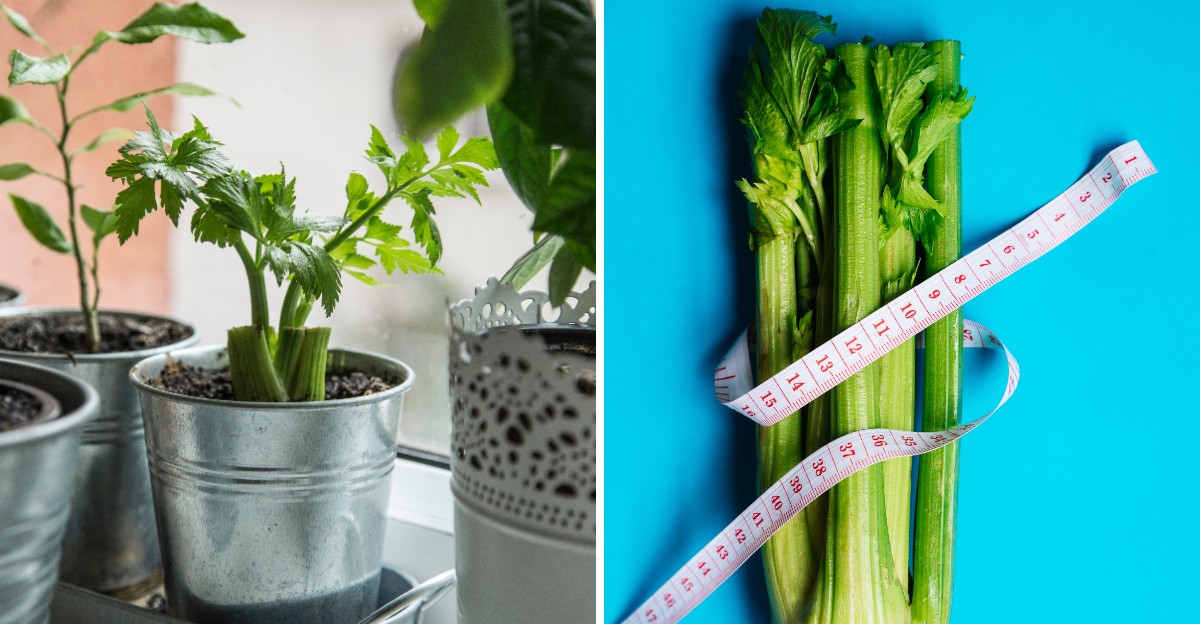
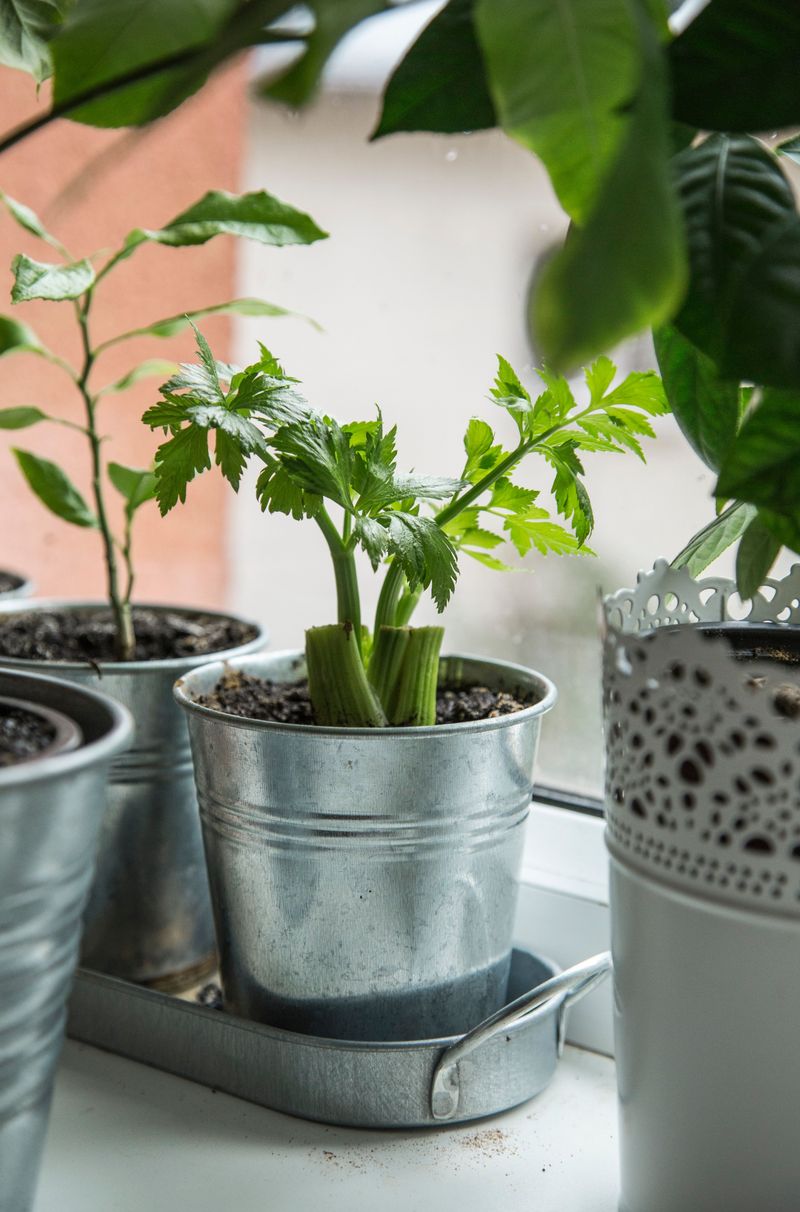
You can even regrow celery from the base on your windowsill. Place it in a shallow dish of water and watch new shoots appear.
Small apartments still have room for this little project. Kids love checking on the growing leaves each morning.
Cheap, simple, and flexible, celery fits nearly any budget. It proves that eating well does not have to strain your budget.
Start with one bunch this week and see how you use it. You might be surprised how quickly it disappears.
Shop smart by comparing prices between the corner market and larger grocery chains. Organic bunches may cost a bit more, yet conventional celery still delivers solid nutrition.
Wash it thoroughly, store it properly, and use the whole bunch so your budget stretches further.